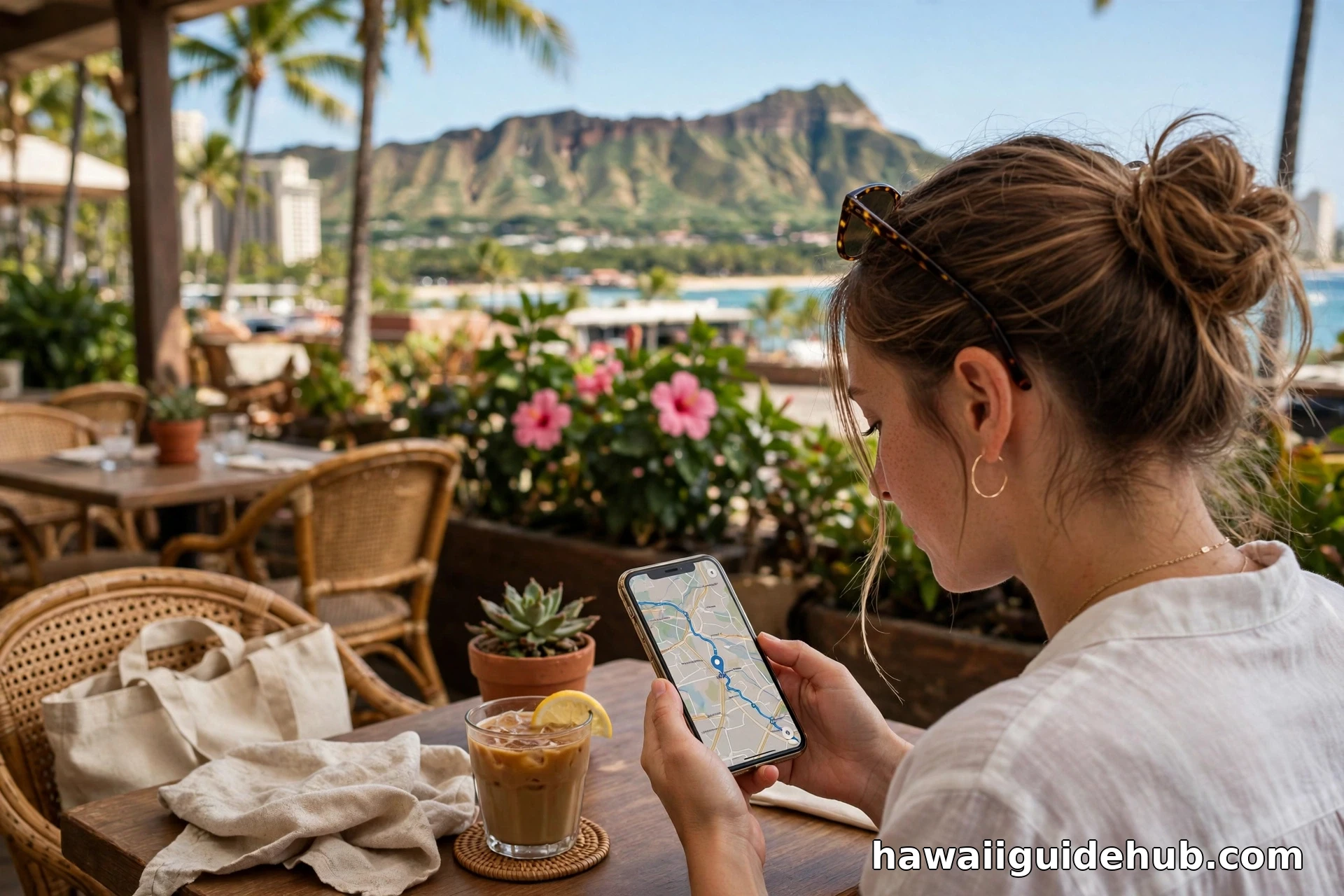
TripAdvisor Hawaii: How to Use Reviews to Plan a Better Trip

Almost everyone planning a Hawaii trip ends up on TripAdvisor at some point. You search for a hotel in Waikīkī, a beach on Maui, or a place to eat near your condo, and the green owl logo appears with thousands of traveler reviews attached. Used well, TripAdvisor is one of the most useful research tools for Hawaii. Used carelessly, it can steer you toward crowded tourist traps, outdated information, and rankings that do not mean what most people think they mean.
This guide explains how to use TripAdvisor for Hawaii research the smart way. It covers what the rankings actually measure, how to read reviews so the patterns matter more than the extremes, how to spot suspicious reviews, what the forums do better than almost any other site, and where TripAdvisor should never be your only source. Hawaii is an expensive, far away trip for most visitors, and a few hours of careful research can save real money and several disappointing days.
What TripAdvisor Is, and What It Is Not
TripAdvisor is a review platform. Travelers post opinions, photos, and ratings for hotels, restaurants, attractions, and activities, and the site organizes those opinions into rankings for each destination. For Hawaii, that means separate rankings for places like Honolulu, Lahaina, Kailua-Kona, Līhuʻe, and dozens of smaller towns. A hotel that ranks near the top in one town is being compared only with other properties in that same area, not with every hotel in the state.
That distinction matters. TripAdvisor rankings are a popularity measure built from the quantity, quality, and recency of reviews. They are not an official quality rating, not an inspection result, and not a guarantee. The site itself describes its reviews as the subjective opinions of its members. A small inn with forty glowing reviews can rank below a large resort with thousands of mixed ones, simply because volume and recency feed the algorithm. Treat any ranking as a starting shortlist, never as a verdict.
TripAdvisor is also not a source for rules, prices that are set by government agencies, opening hours for state parks, reservation windows, or safety conditions. Those facts change, and reviewers often repeat old details long after they stop being true. For anything official, go to the source: the National Park Service for Hawaiʻi Volcanoes and Haleakalā, Hawaii State Parks for trailhead and beach park rules, and county ocean safety pages for beach conditions. Use TripAdvisor for traveler experience, and official sites for facts.
How to Read Hawaii Hotel Reviews Without Getting Fooled
The single most useful skill on TripAdvisor is pattern reading. Ignore the overall bubble score at first and read fifteen to twenty recent reviews, looking for the same details repeated by different people. If nine reviewers mention street noise on the lower floors of a Waikīkī hotel, that is real information. If one reviewer calls the same hotel the worst place on earth and another calls it perfect, both are probably describing their own expectations more than the property.
For Hawaii specifically, the details worth hunting for are practical ones. Reviewers mention whether the walk to the beach is truly short or involves crossing a busy road, whether the lanai gets morning or afternoon sun, how strong the air conditioning is, whether parking is scarce, and how the pool feels at midday. On Maui and the Island of Hawaiʻi, reviews often reveal drive times that maps understate. On Kauaʻi, they reveal which properties flood with rain noise in winter and which sit in the island’s drier pockets.
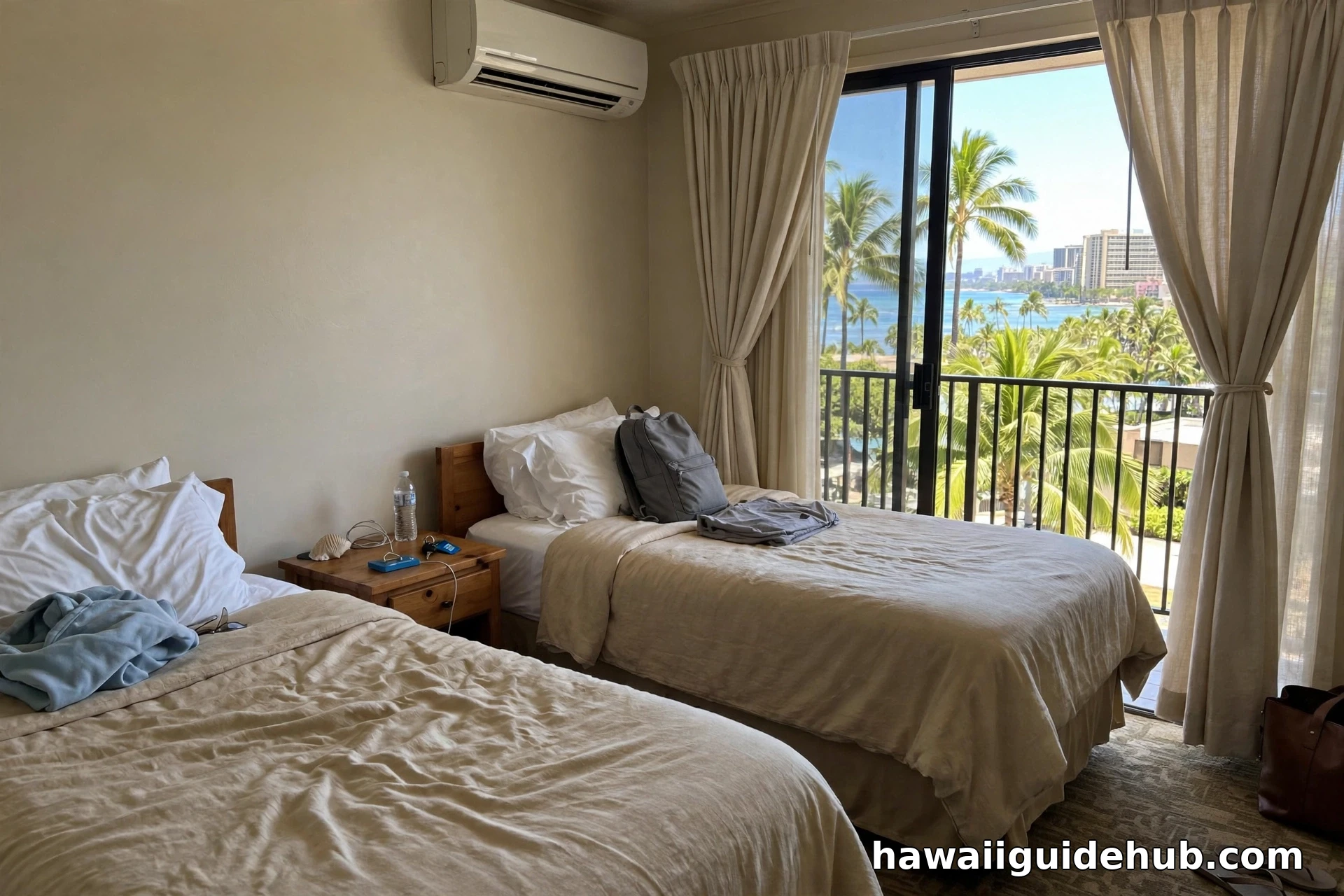
Always look at traveler photos, not just the professional gallery. Guest photos show the actual view from a mid-floor room, the size of the bathroom, the state of the beach chairs, and how crowded the pool deck really gets. A property can look serene in its marketing images and very different in a photo a guest took at 11 in the morning in July. That gap between the brochure and the snapshot is exactly what review platforms are good at exposing.
Sorting and Filtering: The Settings Most People Skip
Default sorting rarely serves you. TripAdvisor typically shows a blend chosen by the platform, which can surface old reviews or reviews the system considers detailed. Change the sort to most recent for anything where conditions change: hotels under renovation, restaurants with a new chef, beaches affected by construction, and attractions that changed their reservation rules. A five star review from six years ago may describe a place that no longer exists in that form.
Filters matter just as much. Filter reviews by traveler type when the option is available. A resort praised by couples on anniversary trips may frustrate families who need laundry, a shallow pool entry, and early quiet. Filter by season too. Hawaii in December is a different place from Hawaii in September, and reviews written during the busy holiday weeks describe crowds, prices, and ocean conditions that a fall visitor will never meet. Winter reviews of North Shore beaches on Oʻahu, for example, describe enormous surf, while summer reviews of the same sand describe calm water for children.
| Reading reviews for | Sort by | Details to hunt for |
| Hotels and condos | Most recent | Noise, parking cost, beach walk, renovation notes, air conditioning |
| Restaurants | Most recent | Wait times, portion size, whether locals eat there, reservation advice |
| Beaches | Season of your trip | Surf by season, parking pressure, shade, restrooms, lifeguards |
| Attractions | Most recent | Reservation rules, how long it really takes, what to skip inside |
| Neighborhoods and towns | Detailed reviews | Walkability, evening feel, grocery access, drive times |
How to Spot Suspicious or Useless Reviews
TripAdvisor runs automated checks on reviews before publication and employs content specialists, and it publishes transparency reporting about fraud detection. Even so, the company acknowledges that some fraudulent or biased reviews slip through, and Hawaii’s competitive hotel and restaurant market gives businesses strong reasons to game their ratings. Your job is not to prove a review is fake. Your job is to give suspicious reviews less weight.
The warning signs are consistent. Be careful with clusters of very short five bubble reviews posted within a few days of each other, especially from accounts with only one contribution. Be careful with reviews that name staff members repeatedly but say nothing specific about the room, the food, or the location. Be careful with extreme language and no tradeoffs, since real travelers almost always notice something imperfect. Genuine reviews usually mention a date, a room type, a dish, a wait, or a small disappointment alongside the praise.
The opposite trap also exists. One furious review written after a flight delay or a rainstorm can sit at the top of a listing for months. Weather complaints tell you about the week that reviewer visited, not about the hotel. Complaints about Hawaii being expensive are true everywhere in the state and say little about whether one property is worse than another. Read for facts a reviewer could not invent easily, and discount emotion in both directions.
The Forums: TripAdvisor’s Most Underrated Hawaii Resource
Many visitors never open the forums, which is a mistake. The Hawaii forums are active, island by island, and they are where specific logistics questions get answered by frequent visitors and residents who follow local changes closely. Questions about which side of an island has calmer water in a given month, how a road closure affects a drive, or whether an itinerary is realistic get detailed, practical replies that no ranking page can provide.
Use the forums well by searching before posting. Most classic questions, including how many days each island needs and where to split a stay, have long threads with years of accumulated answers. When you do post, include your travel month, your party makeup, your budget range, and what you have already decided. Vague questions get vague answers. Specific questions about Hawaii tend to get remarkably specific help, including warnings about mistakes the poster was about to make.
Using TripAdvisor Island by Island
Each island has its own review traps. On Oʻahu, rankings cluster heavily around Waikīkī, so a top ranked restaurant there may simply be the most visited rather than the most loved by locals. Cross-check with our Oʻahu travel guide to see how the island’s regions fit together before you let rankings choose your neighborhood. On Maui, reviews are the best place to learn the real difference between staying in Kāʻanapali, Wailea, and Kīhei, because guests describe the beach, the crowds, and the drive times in plain language.
On the Island of Hawaiʻi, distances dominate everything, and reviewers are frank about the cost of staying on the wrong coast for your plans. On Kauaʻi, reviews reveal the rain pattern better than any brochure: the north shore is lush for a reason, and winter guests say so clearly. For a first visit, compare what reviewers say with our guide to the best island in Hawaii for first time visitors, which lays out the tradeoffs island by island without a sales pitch attached.
Rankings also skew toward places that are easy to reach. A famous beach with a parking lot will collect thousands of reviews, while a quieter beach a mile away may have a handful. Both can be wonderful. The review count tells you about foot traffic as much as quality, and for many travelers the less reviewed beach is the better afternoon. Our own Hawaii itinerary guide shows how to balance headline sights with quieter stops across a full trip.
A Simple Research Routine That Works
Here is a routine that turns TripAdvisor from a time sink into a tool. First, build a shortlist of three to five options for each decision: lodging area, two or three restaurants per island, and your must-see attractions. Second, read recent reviews for each option and write down recurring themes only, ignoring one-off praise and one-off outrage. Third, look at traveler photos for anything you will pay serious money for. Fourth, search the forums for your exact plan and read the warnings. Fifth, verify every rule, price set by an agency, reservation window, and safety fact on the official source for that place.
Finally, sanity check the money side. Review sites can push you toward the most reviewed option at every step, and the most reviewed option is rarely the cheapest. Knowing the cheapest time of year to visit Hawaii and reading reviews from that same season will tell you more about real costs than any ranking page. A hotel that looks pricey in December reviews may be a bargain in September, with the same rooms and friendlier crowds.
Common Mistakes Travelers Make With Reviews
The most common mistake is choosing by rank alone, without reading a single review. The second is reading only the best and worst reviews, which are the least representative voices on the page. The third is trusting old information about rules and reservations, which change often in Hawaii, especially at popular state parks and snorkeling preserves. The fourth is assuming a highly ranked restaurant is where residents eat; in resort areas, the top of the list often reflects visitor volume and convenience, not local habit.
A subtler mistake is letting reviews plan your days for you. Reviewers reward famous names, so an itinerary built purely from top ten lists becomes a loop of the most crowded stops on each island. Some of those stops deserve their fame. Others are simply near the cruise port or the big hotels. Mix the famous with the personal: one headline sight, one neighborhood walk, one beach chosen for your kind of swimming, and one meal chosen because the reviews describe exactly the food you love.
Video: How TripAdvisor Rankings Actually Work
This breakdown of the ranking system explains why volume and recency can matter more than a perfect score, which is the key idea to carry into every Hawaii search.
Frequently Asked Questions
Is TripAdvisor reliable for planning a Hawaii trip?
It is reliable for traveler experience when you read it correctly: recent reviews, recurring patterns, and traveler photos. It is not reliable as your only source for official rules, reservation windows, park hours, or safety conditions. Pair it with official sources and it becomes a strong planning tool.
What does a number one ranking on TripAdvisor actually mean?
It means the listing performs well in TripAdvisor’s system for that destination, based on the quantity, quality, and recency of its reviews. It does not mean an official body rated it the best, and it does not mean it fits your travel style, budget, or season.
How many reviews should a Hawaii hotel have before I trust its rating?
There is no magic number, but patterns become meaningful once dozens of recent reviews point the same way. A small property with fewer reviews can still be excellent; read those reviews more closely, look at the photos, and check the forums for mentions.
Are TripAdvisor reviews for Hawaii restaurants trustworthy?
Mostly, with the same caveats. In resort areas the rankings favor places visitors can reach easily. Look for reviews that describe specific dishes, waits, and prices, and notice whether residents or repeat visitors praise the place, not only first time guests.
Should I rely on TripAdvisor for beach safety in Hawaii?
No. Reviews can tell you a beach felt rough or calm on a given day, but conditions change daily. Check official county ocean safety information and lifeguard guidance for the beach and the day you plan to swim, and respect posted warnings at the sand.
TripAdvisor, read with a little skepticism and a clear routine, earns its place in Hawaii trip planning. It shows you the room behind the brochure photo, the wait behind the famous restaurant, and the drive behind the pretty map. Let it inform your choices, let official sources confirm the facts, and let your own interests make the final call. That combination produces trips that match the place Hawaii actually is, rather than the place a ranking page imagines it to be.