Hawaii in 10 Days: The Two-Island Itinerary That Actually Works

Ten days in Hawaii sounds like a lot until you start planning it. Then the math gets uncomfortable. Four main islands, each one worth a week on its own, and you have ten days. Do you try to see everything and spend half the trip in airports? Do you plant yourself on one beach and wonder what you missed? Most first-time visitors get this wrong in one of two directions: they either sprint through three islands and remember mostly rental car counters, or they never leave Waikiki and go home thinking Hawaii is just hotels and ABC Stores.
There is a better answer, and it is simpler than the forums make it sound. Ten days is the perfect length for two islands. Not one, not three. Two. You get real variety, city energy and wild nature, without losing whole days to packing, flying, and reorienting. This guide lays out exactly how to do it: which islands to pair, what each day looks like, what to book before you leave home, and what the whole thing actually costs.
The Golden Rule: Two Islands, Ten Days
Here is the rule that experienced Hawaii travelers all land on eventually: one island per five days, two islands maximum for a ten-day trip. Every island hop costs you roughly half a day once you count packing, the drive to the airport, the flight itself, baggage claim, the rental car line, and the drive to your next hotel. Do that twice and you have burned a full day of a ten-day vacation. Do it three times and you have burned a day and a half, plus the mental tax of never fully settling in anywhere.
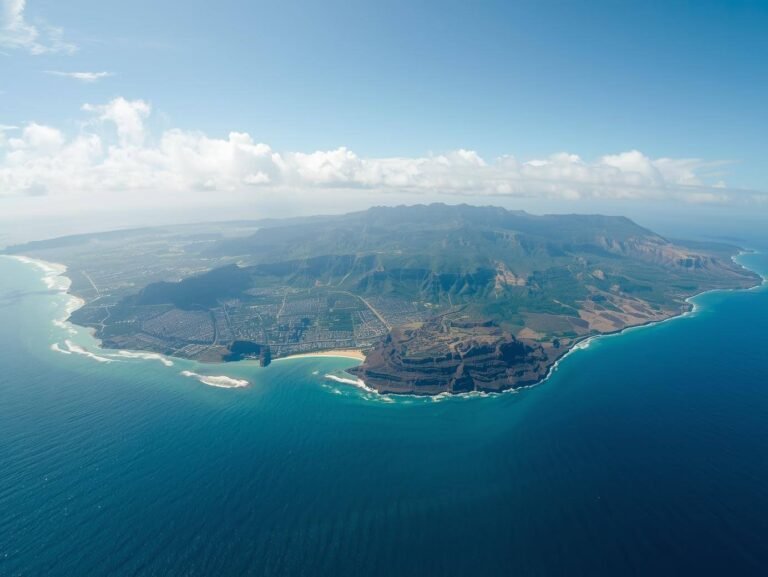
Two islands also solves the variety problem. Hawaii’s islands are genuinely different places. Oahu has Honolulu, Pearl Harbor, and the North Shore’s surf culture. Maui has the Road to Hana and Haleakala. Kauai has the Napali Coast and Waimea Canyon. The Big Island has an active volcano, black sand beaches, and manta ray night snorkeling. Pick two that contrast with each other and your trip feels twice as rich as ten days on one island, without the exhaustion of trying to see four.
Which Two Islands Should You Pick?
The right pair depends on what kind of traveler you are. There is no universally best combination, only the best one for your trip. Here is how the classic pairings break down.
Oahu and Maui: The Classic First-Timer Pair
This is the most popular ten-day combination for a reason. Oahu delivers the icons: Waikiki Beach, Diamond Head, Pearl Harbor, and Honolulu’s food scene. Then Maui slows everything down with the Road to Hana, snorkeling at Molokini, and sunsets that people plan honeymoons around. Choose this pair if you want famous sights, easy logistics, great food, and a mix of city energy and beach resort calm. It is also the easiest pairing for first-timers because both islands have the most developed visitor infrastructure.
Oahu and the Big Island: City Energy Meets Raw Nature
This is the pairing this itinerary follows, and it is the one I recommend most for travelers who want maximum contrast. You get Honolulu’s culture and history, then you trade it for the Big Island’s volcanoes, coffee farms, black sand beaches, and night snorkeling with manta rays. No other island delivers this much sheer variety of landscape. It is also a smart budget choice: the Big Island’s vacation rentals and food costs run noticeably lower than Maui’s resort corridor.
Maui and Kauai: The Honeymoon Pair
Beautiful beaches plus dramatic wilderness. Maui brings the resort polish and snorkeling; Kauai brings the Napali Coast, Waimea Canyon, and a slower, greener rhythm. This is the pick for couples, nature lovers, and anyone whose idea of Hawaii is lush rather than urban. The tradeoff is cost: these are the two priciest islands for lodging.
One Island for All Ten Days: The Slow Option
Do not dismiss this. If you are traveling with small kids, working remotely, or you simply hate packing, ten days on one island is wonderful. Oahu, Maui, Kauai, and the Big Island each have enough beaches, hikes, food, and day trips to fill ten days without repetition. You unpack once, learn the roads, find your favorite poke spot, and actually relax. The sample itinerary below uses two islands, but every “days 1 to 5” and “days 7 to 10” section works as a standalone plan if you stretch it.
Your 10-Day Itinerary: Oahu and the Big Island
Here is the day-by-day plan. It assumes you fly into Honolulu and home from Kona, which is usually the cheapest open-jaw ticket combination. Adjust the days to your own flight times; the structure matters more than the exact dates.
Days 1 to 5: Oahu
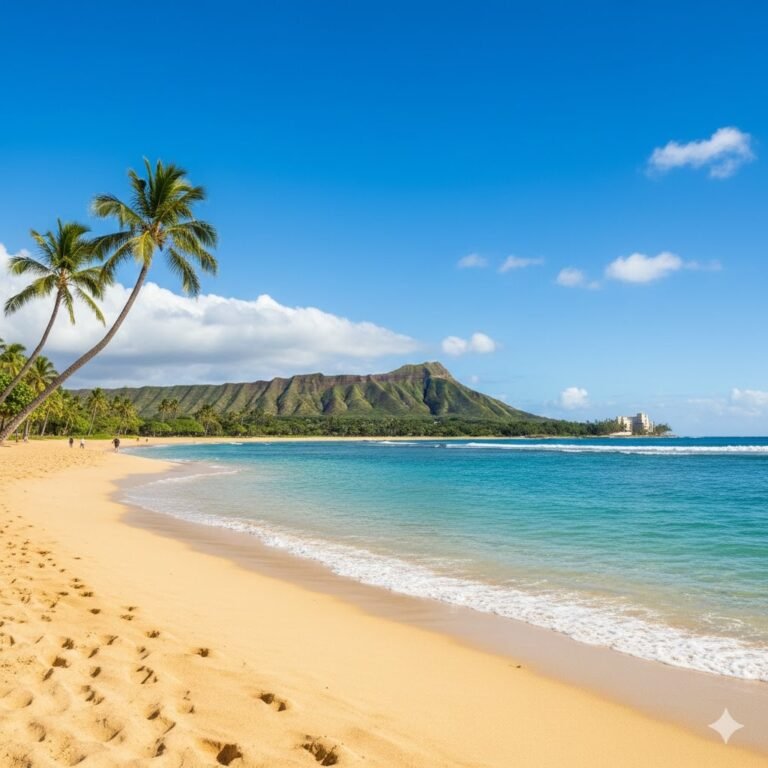
Day 1: Arrive and settle into Waikiki. Land at Honolulu’s airport, pick up your rental car, and drive the 20 minutes to Waikiki. Do not plan anything ambitious. Walk the beach, swim, eat poke from a counter, and go to bed early. You are likely jet-lagged, and day 2 starts early. If you have energy, the sunset from the beach fronting the Royal Hawaiian is the gentlest possible welcome.
Day 2: Pearl Harbor and downtown Honolulu. Book the USS Arizona Memorial program in advance through recreation.gov; the boat tickets are free but the time slots go fast. Give the whole morning to Pearl Harbor, then spend the afternoon in downtown Honolulu: Iolani Palace, the only royal palace on American soil, and the historic Chinatown food scene. This is the history day, and it earns its place. For the full rundown of Oahu’s must-see spots, keep that guide handy all week.
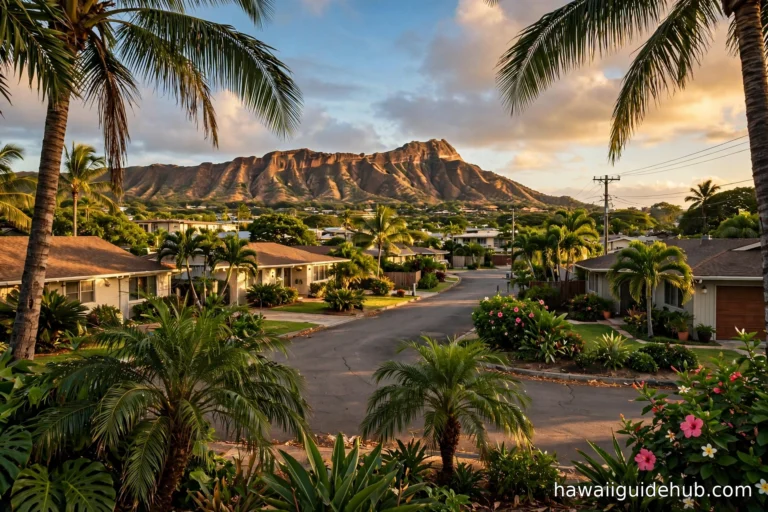
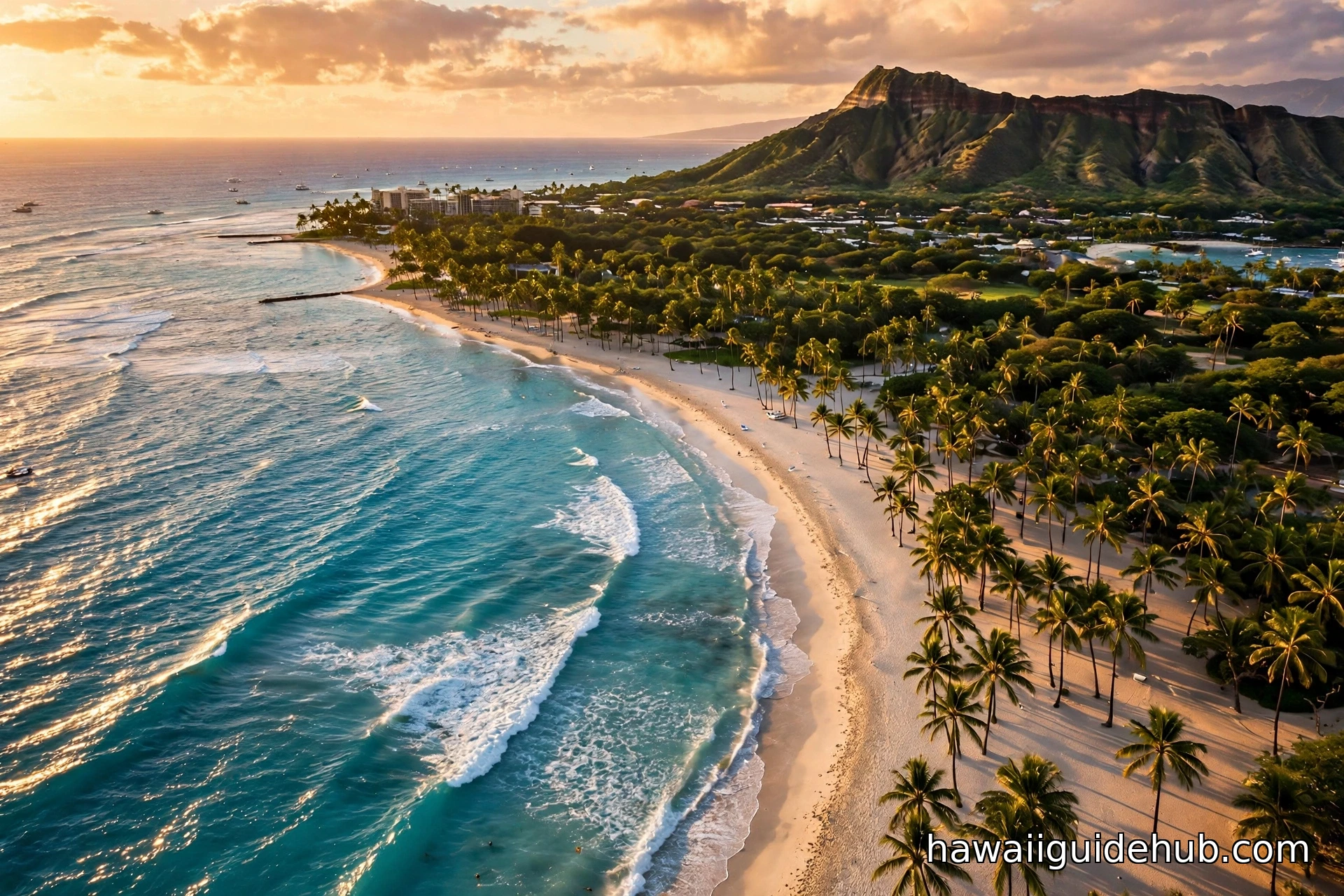
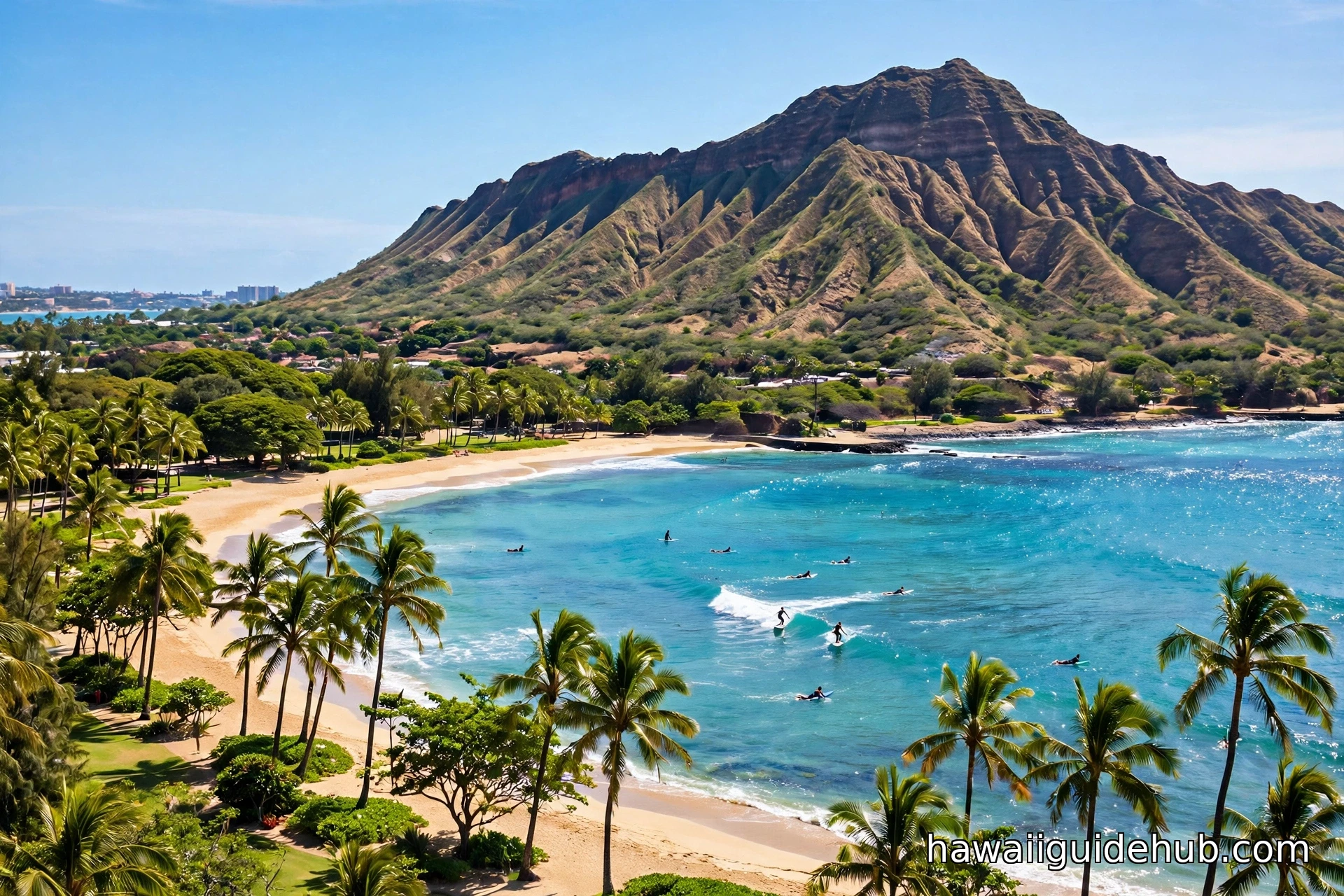
Day 3: Diamond Head and Waikiki. Hike Diamond Head first thing in the morning. Non-residents need a reservation booked ahead, and the early slots beat both the heat and the crowds. The round trip takes about two hours at a relaxed pace, and the view from the summit, crater on one side and Waikiki’s skyline on the other, is the single most recognizable panorama in Hawaii. Spend the afternoon back at the beach. Take a surf lesson; Waikiki’s gentle rollers are the best beginner waves in the state.
Day 4: North Shore day trip. Drive up to the North Shore, about an hour from Waikiki. In winter the surf is enormous and the pros are out at Banzai Pipeline and Waimea Bay; in summer the same water is calm enough for swimming and snorkeling. Eat garlic shrimp from a food truck in Kahuku, stop at the Dole Plantation only if pineapples genuinely excite you, and be back in Waikiki for dinner. This is a long day, so keep day 5 light.
Day 5: Easy Honolulu. Sleep in. Visit the Bishop Museum if Hawaiian culture and history interest you; it is the best museum in the state. Or do Hanauma Bay for snorkeling, but only with a reservation made well in advance, and note it is closed a couple of days each week so check the schedule. Otherwise: beach, shave ice, an early dinner, and pack. Tomorrow you fly.
Day 6: The Hop to the Big Island
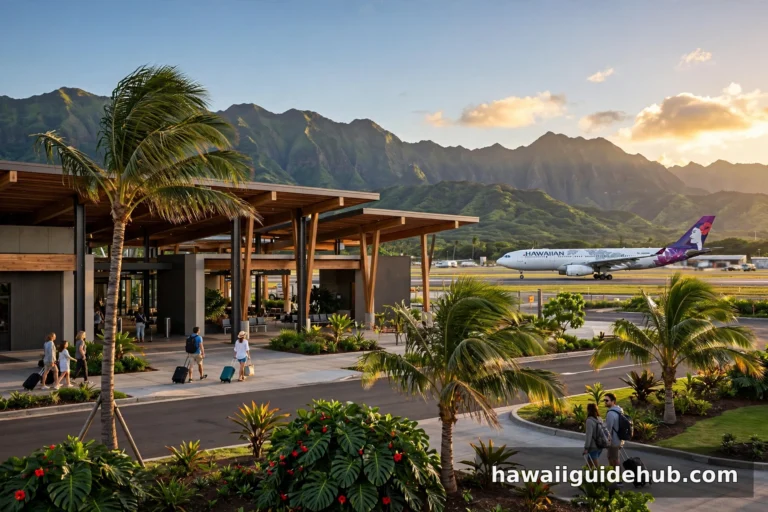
Fly Honolulu to Kona in the morning. Hawaiian Airlines and Southwest both run the route constantly; the flight itself is about 45 minutes gate to gate. Treat this as a half travel day on purpose. Pick up your second rental car, check into your Kona-side lodging, and spend the afternoon doing nothing structured: swim at a Kona beach, visit a coffee farm on the slopes above town, watch the sunset. You need one decompression day between islands. Do not schedule the volcano for today.
Days 7 to 10: The Big Island
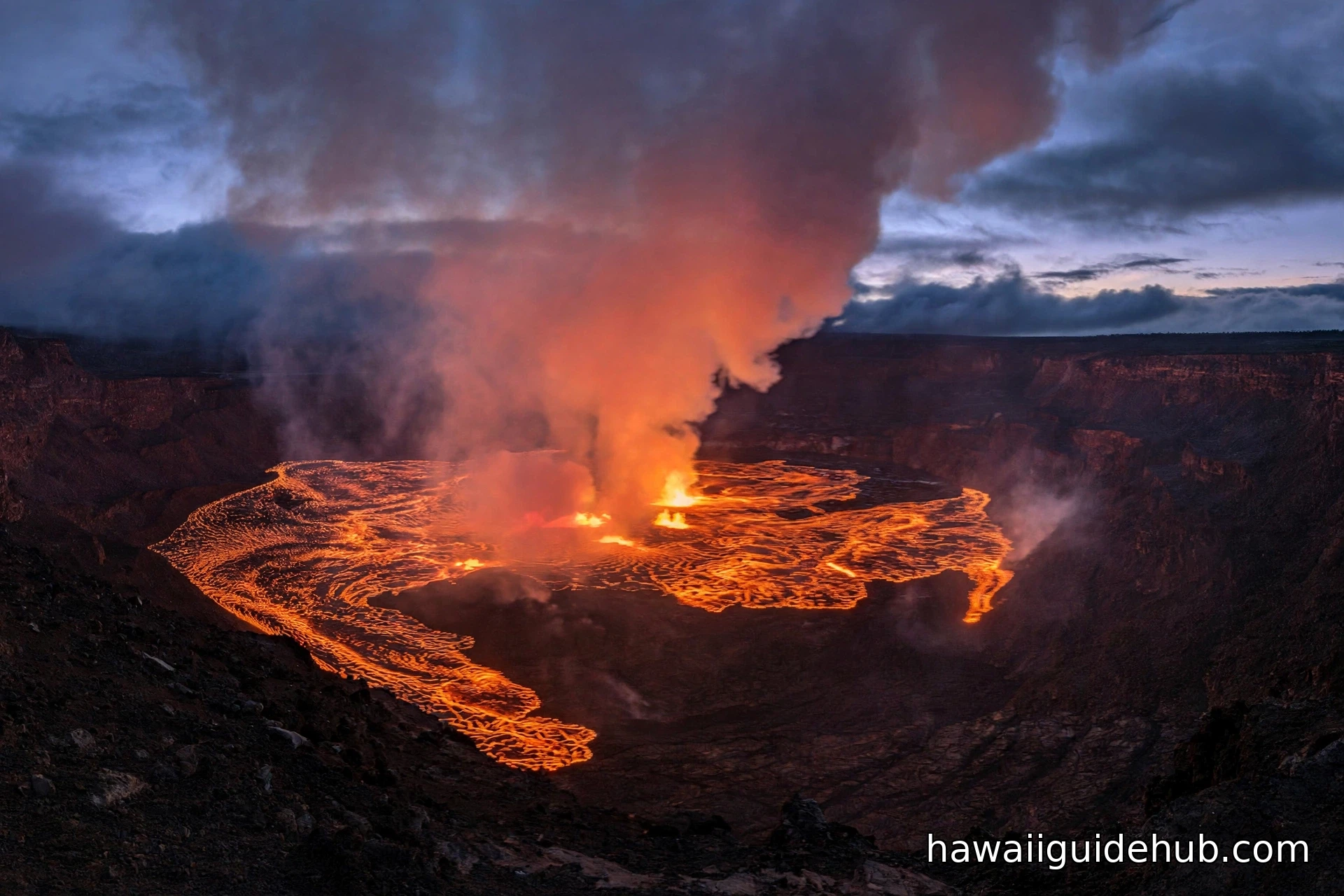
Day 7: Hawaii Volcanoes National Park. This is the big day, so start early. The drive from Kona takes about two hours each way; from the Volcano village area it is minutes. The park entrance is $30 per vehicle, good for seven days. Walk the steam vents, peer into Kilauea Iki crater, drive Chain of Craters Road down to the sea, and walk through Thurston Lava Tube. If Kilauea is erupting, the after-dark glow is unforgettable, so consider staying for sunset and driving back in the dark. Check the park’s current conditions on nps.gov before you go; closures shift with volcanic activity.
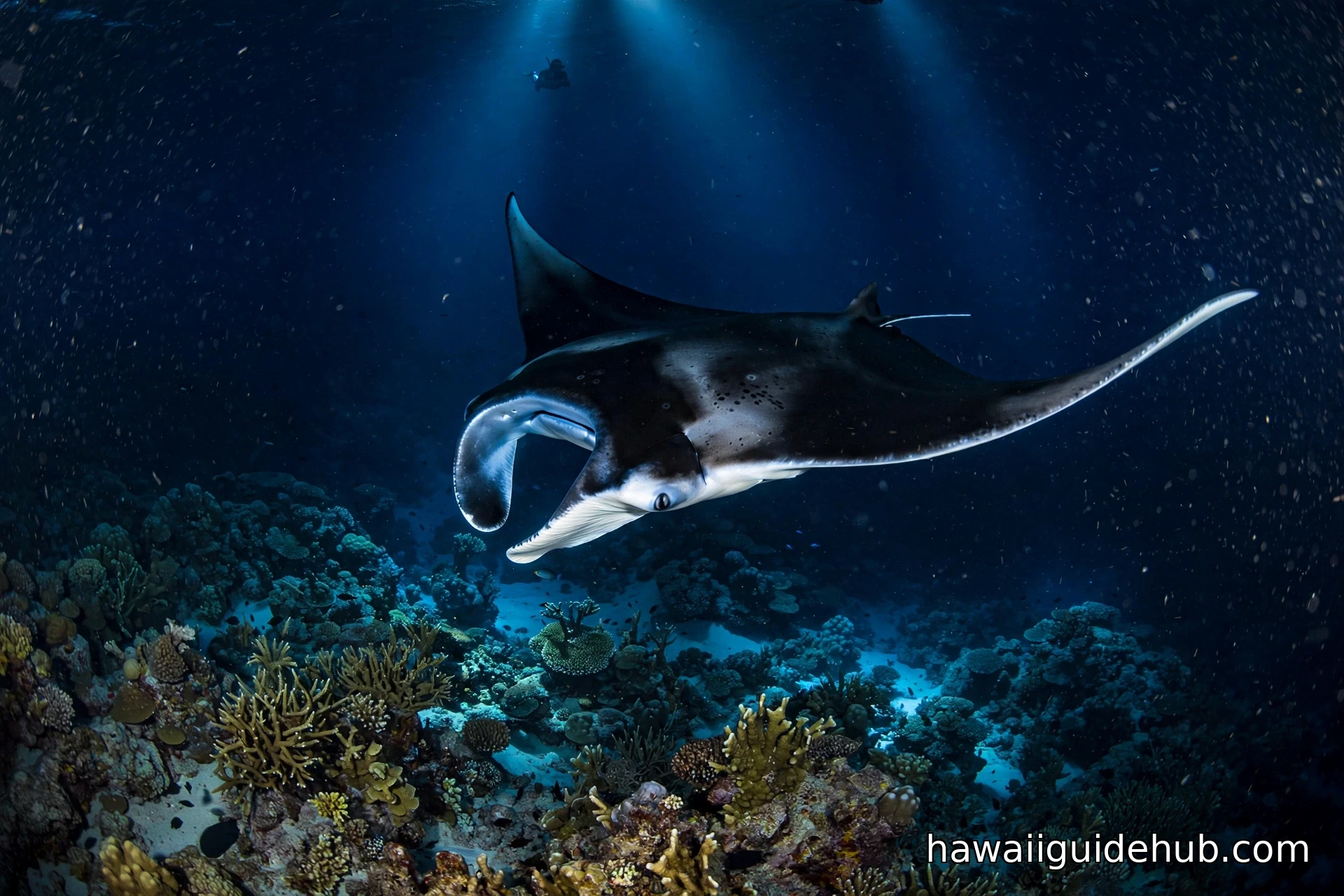
Day 8: Kona coast. Sleep in after the volcano day. Snorkel in the morning when the water is calmest; the Kona coast has the clearest water in the islands. Explore the things to do in Kona, from the historic Hulihee Palace to the farmers markets. In the evening, do the manta ray night snorkel. You float at the surface holding a light board while giant mantas barrel-roll inches beneath you feeding on plankton. It is the single most recommended paid activity on the Big Island, and it sells out, so book it weeks ahead.
Day 9: Hamakua Coast waterfalls. Drive the scenic Hamakua Coast to Akaka Falls, a 442-foot waterfall in a lush state park, an easy loop walk. Continue to the town of Hawi and the Pololu Valley lookout at the end of Highway 270. This is the green, waterfall Hawaii that surprises people who think the Big Island is all lava rock. Stop for malasadas on the way back. If you still have energy, add a beach afternoon; Hapuna Beach is the island’s best white sand swimming beach.
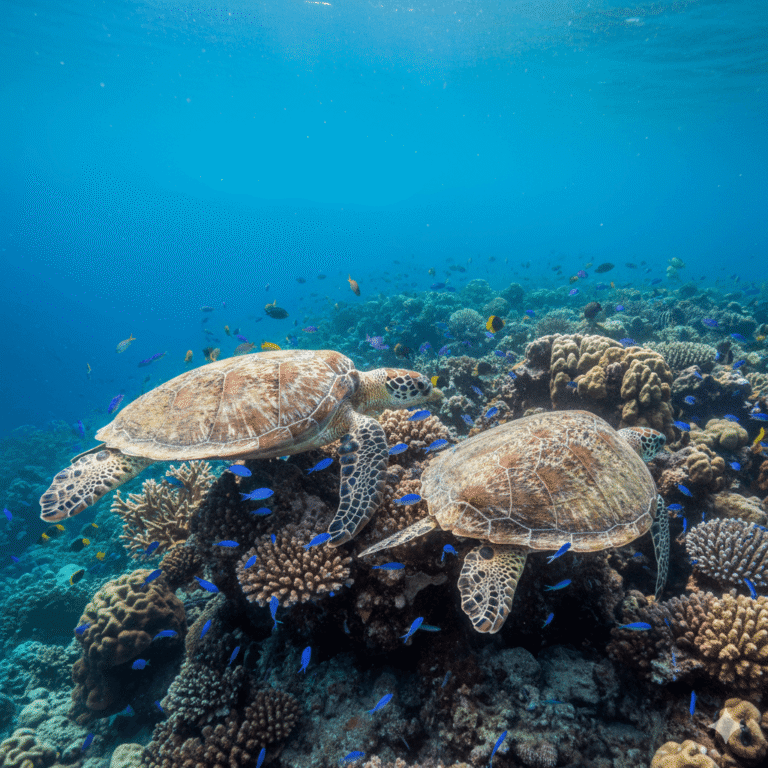
Day 10: Last morning, fly home from Kona. One final swim, one final Kona coffee, return the rental car, and fly out of Kona International Airport. If your flight is in the afternoon, the Kaloko-Honokohau National Historical Park near the airport is a quiet last stop with sea turtles hauled out on the sand.
Island-Hopping Logistics
The practical side of two islands is straightforward once you know the pattern. Book inter-island flights separately from your mainland tickets; Hawaiian Airlines and Southwest compete hard on these routes, and one-way fares are often reasonable when booked a few weeks out. The flights are short, usually 30 to 45 minutes, but budget three hours door to door.
Rent a car on each island rather than trying to manage without. Public transit exists on Oahu but it will eat your vacation hours; on the other islands a car is essentially required. Book rental cars early; Hawaii’s fleets sell out in peak season and walk-up prices are punishing. Pack so that the island hop is painless: one bag you live out of, everything else stays packed. And keep your reef-safe sunscreen, swim gear, and a light rain jacket in your day bag, not in checked luggage.
Book These Before You Leave Home
Hawaii punishes spontaneity at its most popular sights. These are the reservations to lock in weeks before your trip, not days.
- USS Arizona Memorial boat program: free tickets released on recreation.gov; the popular morning slots go first.
- Diamond Head: reservations required for non-residents; book the earliest entry you can stand.
- Hanauma Bay: timed entry reservations required; closed two days a week, so plan around it.
- Manta ray night snorkel: the Big Island’s signature experience; evening departures sell out weeks ahead in high season.
- Luau: if you want one, book early. The well-reviewed luaus on Oahu and the Big Island fill up, especially the ones with oceanfront seating.
- Haleakala sunrise (if you swap in Maui): requires a separate sunrise reservation on top of the park entrance fee.
What 10 Days in Hawaii Really Costs
For two people sharing, a ten-day two-island trip typically lands in a wide range depending on your lodging choices. Budget travelers using vacation rentals and cooking some meals can manage it; mid-range hotel travelers should expect lodging to be the biggest line item by far, followed by inter-island flights, two rental cars, food, and activities. The manta ray snorkel, luaus, and helicopter tours are the priciest single activities. The best money-saving moves are booking flights and rental cars early, choosing a vacation rental with a kitchen for at least one island, and remembering that Hawaii’s best experiences, beaches, hikes, sunsets, scenic drives, are free.
Watch: 10 Days Across Oahu and the Big Island
Mistakes That Ruin a 10-Day Hawaii Trip
Trying to see three or four islands. This is the number one regret. You will spend your vacation in transit and remember the trip as a blur of airports. Two islands. Commit.
Scheduling every hour. Hawaii runs on island time for a reason. Leave at least two mornings completely unscheduled. Some of the best moments, a turtle appearing at the beach, a farmers market you stumble into, a sunset that stops conversation, cannot be booked.
Skipping reservations and hoping for walk-ins. Pearl Harbor, Diamond Head, Hanauma Bay, and the manta ray snorkel all require advance booking. Showing up hopeful is how you spend day 3 staring at a “sold out” sign.
Underestimating drive times on the Big Island. The Big Island is bigger than all the other islands combined. Kona to the volcano is two hours each way; Kona to Hilo is similar. Plan your lodging location around your day trips, not the other way around.
Flying home from the wrong island. Book an open-jaw ticket: into Honolulu, home from Kona (or whatever your second island is). Backtracking to your arrival island for the flight home wastes most of a day.
Ten days is enough to fall a little bit in love with two islands and still leave with a list of reasons to come back. That is exactly what a good Hawaii bucket list is for: the trip after this one. Plan the two islands well, book the reservations early, leave room for the unplanned mornings, and Hawaii will do the rest.