Oahu Travel Guide: Beaches, Top Sights, Where to Stay and Getting Around

If you could only visit one Hawaiian island, most people who know Hawaii would point you to Oahu. Not because it is the biggest or the wildest, but because it packs the most complete version of Hawaii into a single, drivable island. World-famous beaches, a genuine big city, sacred valleys, surf that makes global headlines, and the history that shaped modern Hawaii all sit within about an hour of each other. This guide covers everything you need to plan an Oahu trip: where to base yourself, how to get around, the sights that are truly worth your time, and the practical details that separate a smooth vacation from a frustrating one.
Where Oahu Sits in Hawaii
Oahu is the third largest of the Hawaiian islands at about 608 square miles, and it is home to roughly a million people, around 70 percent of the state’s population. That sounds crowded until you realize most of those people live in the Honolulu metro area, while the rest of the island holds sleepy surf towns, empty ranch land, and valleys that feel a world away from the city. The island is built from two ancient volcanic ranges, the Waianae mountains on the west and the Koolau range on the east, with a flat central plateau between them where most of the farms and suburbs sit.
You will almost certainly arrive at Daniel K. Inouye International Airport (HNL), just west of downtown Honolulu. It is the state’s main gateway, with direct flights from the US mainland, Asia, and the other islands. From the airport, Waikiki is about a 20 to 30 minute drive depending on traffic, which means you can realistically be on the beach within an hour of landing.
Where to Stay: Picking Your Base
Where you sleep shapes your whole trip, so choose deliberately.
Waikiki
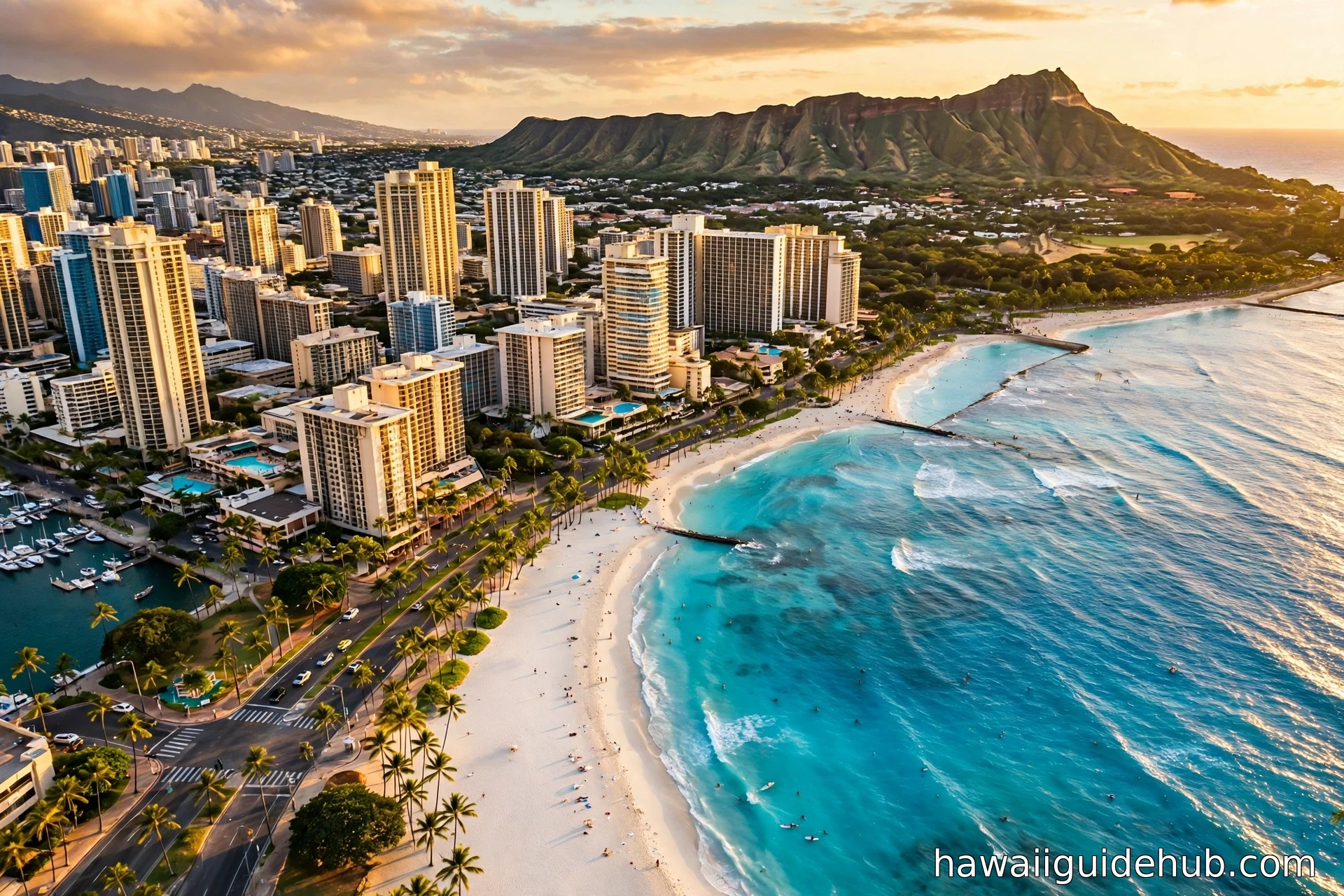
Waikiki is the default for good reason. It holds the island’s biggest concentration of hotels at every price point, the most restaurants, and the best public transit connections. You can walk to the beach, take a surf lesson on gentle beginner waves, and eat dinner somewhere new every night without driving. The tradeoff is that it feels like a city beach district, which it is. If your idea of Hawaii is quiet and empty, Waikiki will surprise you.
North Shore
The North Shore, centered on the old plantation town of Haleiwa, is the opposite end of the spectrum: country roads, shrimp trucks, art galleries, and in winter, some of the largest surfable waves on Earth. Staying here puts you close to Waimea Valley and the famous surf breaks, but it adds 45 to 60 minutes to any trip into Honolulu. It suits travelers who want a slower pace and do not mind driving.
Ko Olina and the West Side
Ko Olina is a planned resort area on the dry leeward coast with man-made lagoons that stay calm year round. It is popular with families and with anyone who wants guaranteed sunshine, since this side of the island gets the least rain. The downside is distance: you are 30 to 45 minutes from Waikiki and Honolulu’s dining scene.
Kailua and the Windward Side
Kailua and nearby Lanikai sit on the lush windward coast beneath the Koolau cliffs. The beaches here regularly top “best in the world” lists, and the town has a pleasant local feel with good food. Vacation rentals dominate over hotels, which suits longer stays but requires more planning.
Getting Around Oahu
Oahu is the easiest Hawaiian island to navigate without a car, but a rental car still gives you the most freedom. The island’s public bus system, TheBus, is genuinely excellent by US standards, with routes that reach the North Shore, the windward coast, and Pearl Harbor. A single ride costs $3, and day passes are available. If you stay in Waikiki and plan mostly beach days plus a couple of excursions, you can manage on TheBus and the occasional rideshare.
That said, the island rewards drivers. The windward coast drive along Kamehameha Highway, the climb to the Nuuanu Pali Lookout, and the loop around the North Shore are all best done at your own pace with the freedom to stop. Book your rental car early, especially for winter trips, when demand spikes. Parking in Waikiki hotels often runs $40 to $60 a night, so factor that into your budget.
Waikiki and Diamond Head
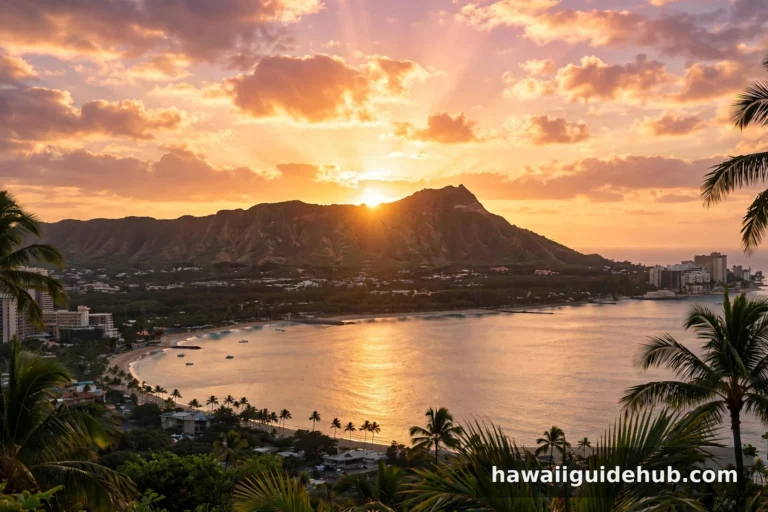
Start where most trips start. Waikiki Beach is two miles of white sand backed by high-rises, and it remains the spiritual home of modern surfing. The waves here are famously gentle, which is exactly why surf schools line the beach. Even if you never stand up on a board, paddling out at sunrise with Diamond Head on the horizon is one of the island’s signature experiences.
Speaking of Diamond Head, the volcanic crater looming over Waikiki is Oahu’s most climbed trail, and it earns the crowds. The 0.8 mile trail to the summit gains 560 feet through switchbacks, stairs, and a 225-foot tunnel built in 1908 as part of the island’s coastal defenses. The crater itself formed about 300,000 years ago in a single explosive eruption. Plan for it: since May 2022, non-residents must book entry and parking reservations in advance through the Hawaii state parks system, and walk-ins are not an option. Go early. The gates open at 6:00 AM, the light is beautiful, and the heat builds fast. Entry is $5 for non-residents, children 3 and under are free, and the park closes on Christmas Day and New Year’s Day.
Hanauma Bay: The Snorkel Day
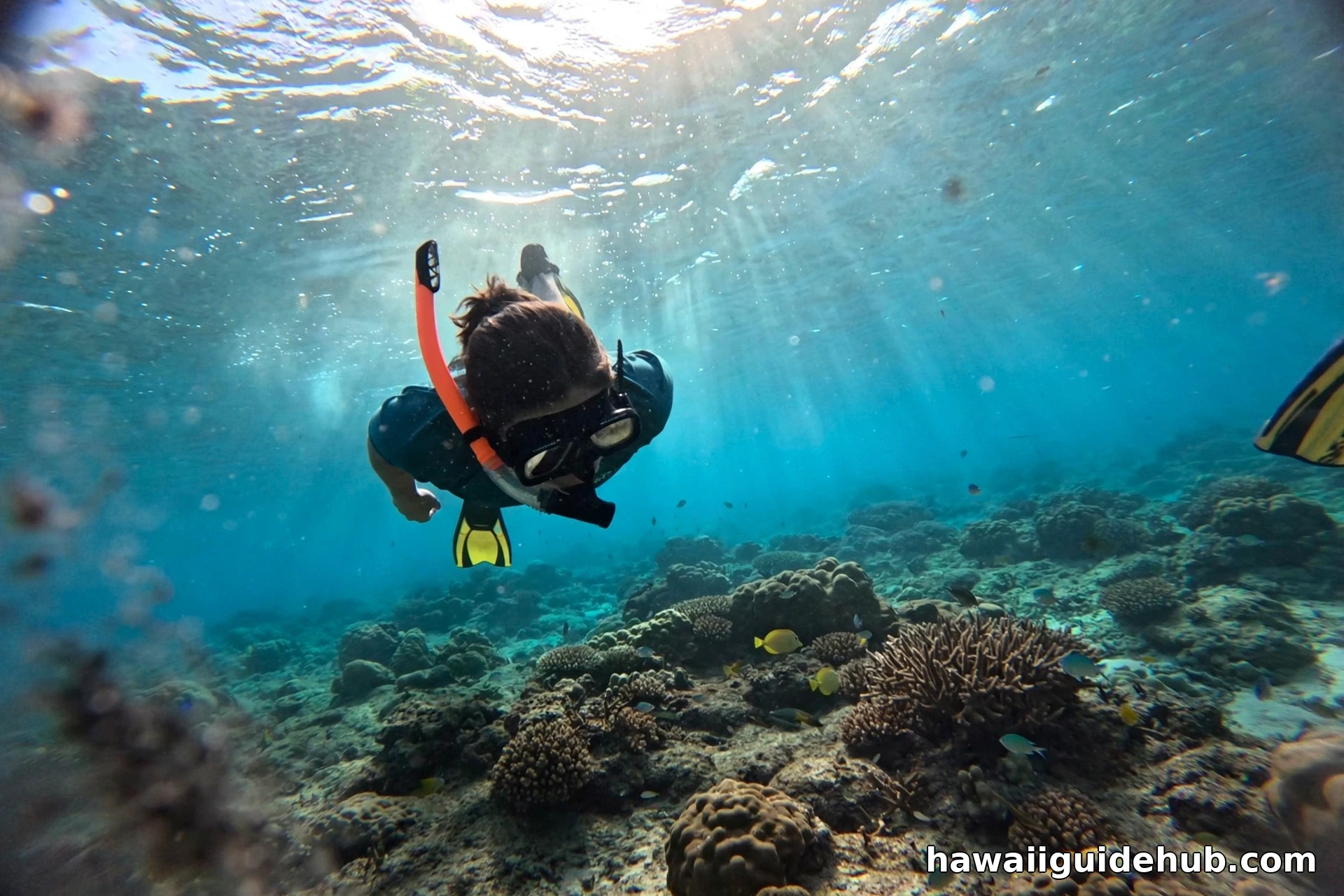
Hanauma Bay is a flooded volcanic crater on the southeast coast that the City and County of Honolulu manages as a nature preserve, and it is the island’s premier snorkeling spot for beginners. The water inside the reef is calm and shallow, the fish are abundant and unbothered by people, and lifeguards watch the beach. It is also one of the most logistics-heavy attractions on Oahu, so treat it like an appointment.
Non-residents pay $25 per person (ages 13 and up), children 12 and under enter free, and parking is $3. Reservations open exactly two days ahead at 7:00 AM Hawaii time through the city’s online system, and the limited daily slots sell out fast. The bay is closed every Monday and Tuesday to let the reef rest, plus Christmas and New Year’s Day. Entry runs from 6:45 AM to 1:30 PM, and everyone watches a short conservation video before heading down to the water. Bring reef-safe sunscreen, or better yet, a rash guard, and do not stand on the coral.
If Hanauma Bay’s reservation system defeats you, Shark’s Cove on the North Shore offers excellent summer snorkeling with no reservations required.
Pearl Harbor and Historic Honolulu
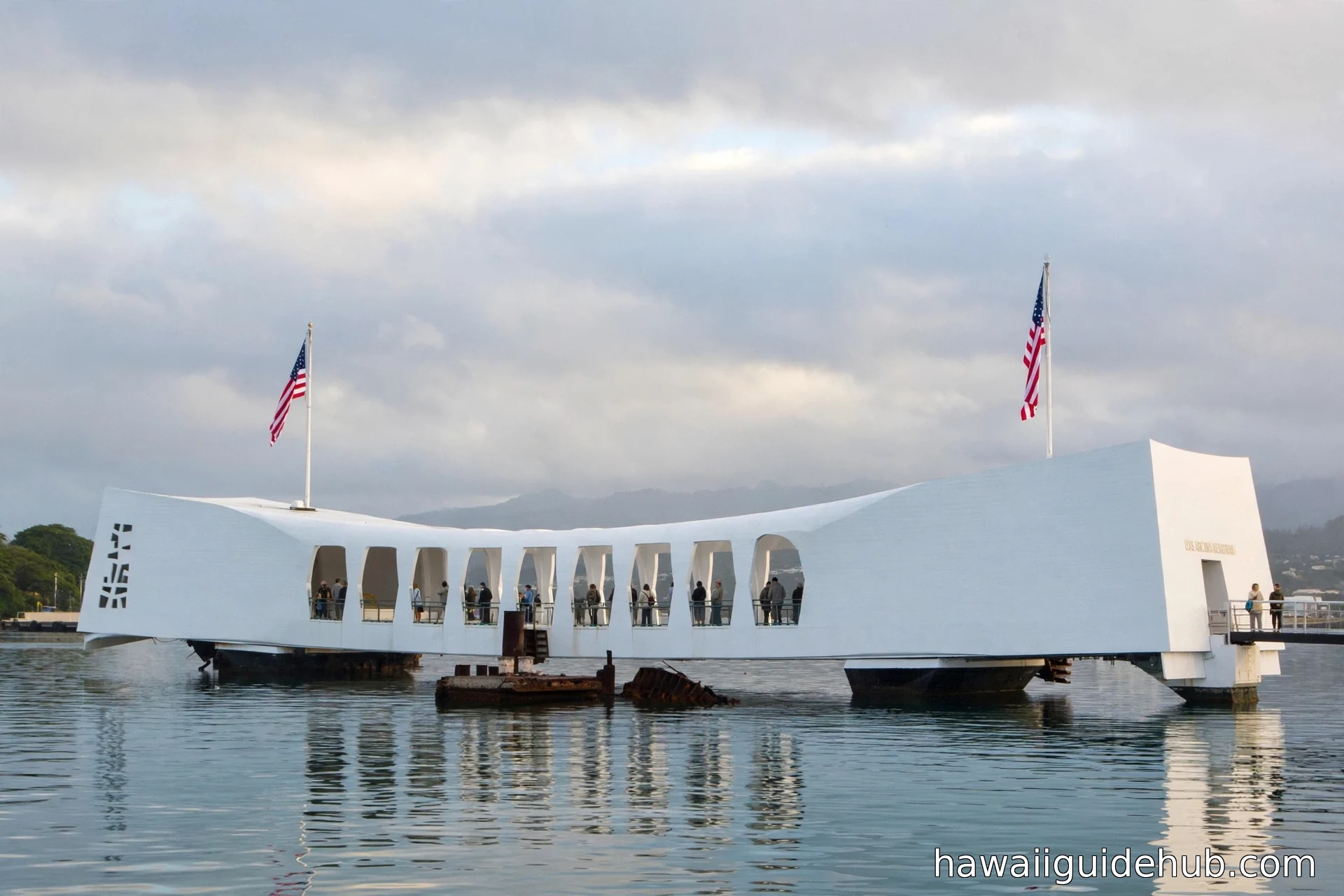
Pearl Harbor is the most visited historic site in Hawaii, and it deserves a full morning at minimum. The Pearl Harbor National Memorial, run by the National Park Service, is free to enter, including the visitor center museums and the film. The boat program out to the USS Arizona Memorial is also free, but it requires a ticket reserved in advance through recreation.gov, which collects a $1 service charge. Reservations release in two windows, 8 weeks and 24 hours ahead, and they go quickly in peak season. Note the strict bag policy: bags larger than a small wallet are not allowed, though storage is available nearby for a fee.
Pair Pearl Harbor with downtown Honolulu, ten minutes east. Iolani Palace is the only official royal residence in the United States, built in 1882 by King Kalakaua and now a National Historic Landmark. A guided tour through its restored halls is the single best hour you can spend understanding that Hawaii was a sovereign kingdom with its own monarchy, not just a beach destination that became a state.
For a deeper dive into planning the memorial visit, see our guide to visiting Pearl Harbor on your own.
The North Shore: Surf Country
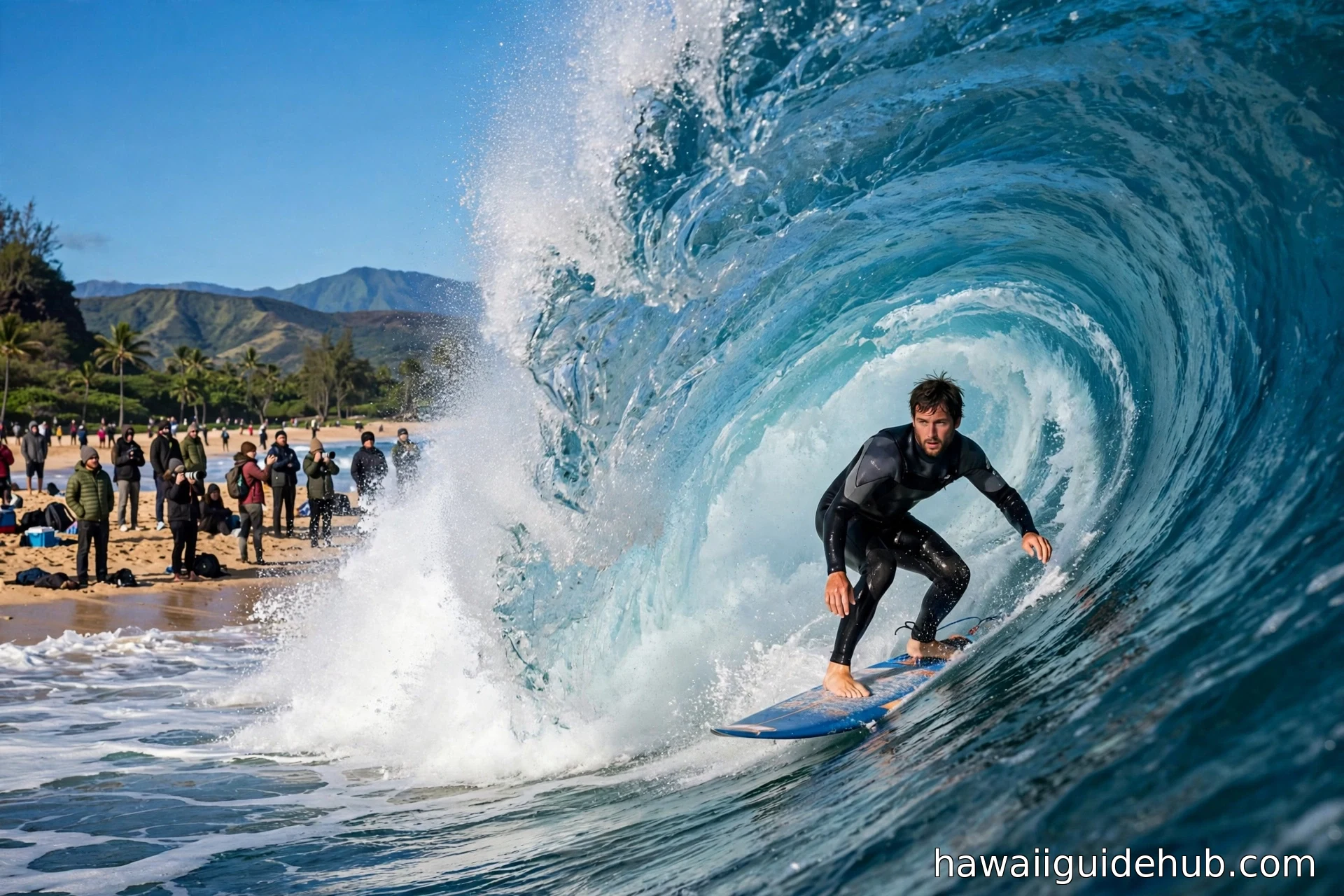
The North Shore is a state of mind as much as a place. This 17-mile stretch of coastline between Haleiwa and Turtle Bay hosts the most famous surf breaks on the planet: Banzai Pipeline, Waimea Bay, and Sunset Beach. From roughly November through February, swells arriving from North Pacific storms produce waves 25 to 40 feet and bigger, and the world’s best surfers gather to ride them. Watching from the sand at Pipeline on a big day is free, thrilling, and humbling.
In summer the same ocean goes flat and friendly, which is when locals swim and snorkel at the very beaches that terrify professionals in winter. Respect the seasonal split absolutely. Winter surf on the North Shore kills people every year, including strong swimmers. If the waves are up, stay on the sand and enjoy the show.
Haleiwa town makes a good lunch stop, with its shrimp trucks, shave ice stands, and surf shops. For a full rundown of the area, see our North Shore guide.
The Windward Coast: Temples, Valleys, and Movie Cliffs
Drive over the Koolau range through the Pali Highway tunnels and the island transforms. The windward side is green, misty, and quiet, and it holds some of Oahu’s most beautiful stops.
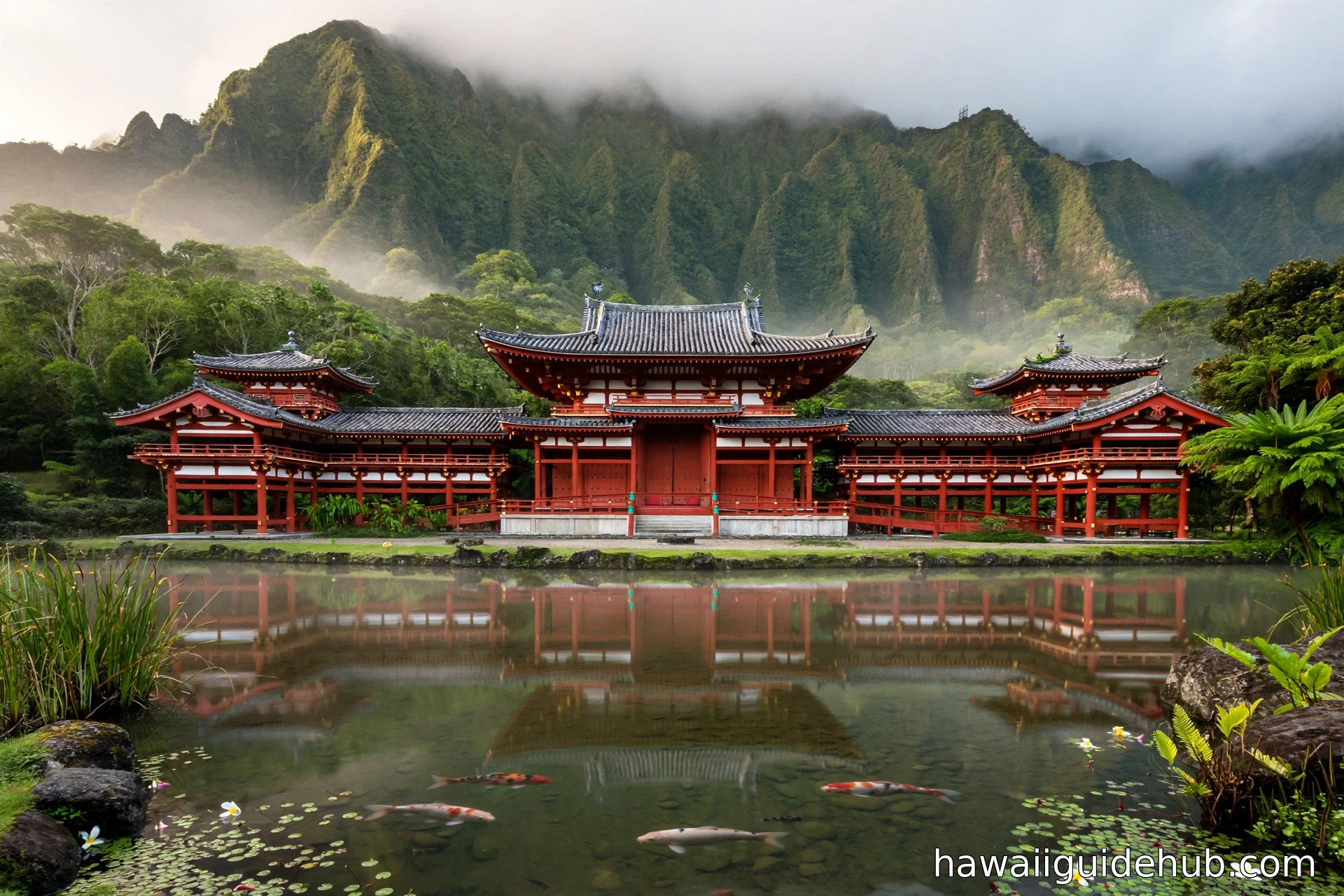
The Byodo-In Temple in Kaneohe sits in the Valley of the Temples memorial park, a half-scale replica of a 950-year-old Buddhist temple in Uji, Japan. Built in 1968 to mark 100 years of Japanese immigration to Hawaii, it is a non-denominational sanctuary open to all visitors, with a reflecting pond, koi, peacocks, and the massive Koolau cliffs as a backdrop. Ring the three-ton bronze peace bell before you leave.
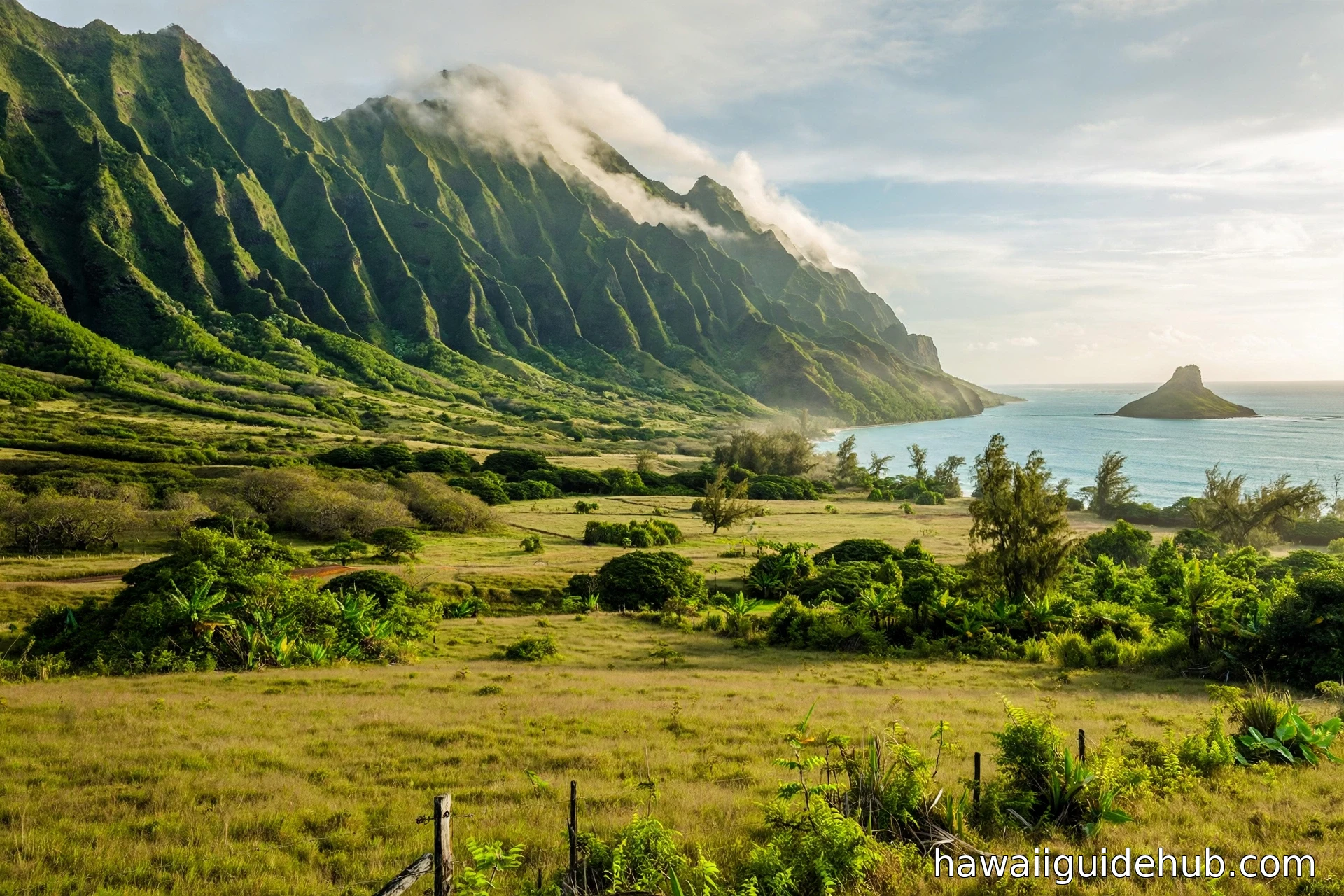
Further up the coast, Kualoa Ranch spreads across 4,000 acres of private nature reserve at the foot of the same cliffs. Established in 1850 and listed on the National Register of Historic Places, the ranch is famous as a filming location, but its real value is the landscape itself: deep green valleys that have barely changed in centuries. Guided tours by ATV, horseback, or bus are the only way into the valleys.
What to Eat on Oahu
Oahu has the best food scene in Hawaii, full stop. A few things to seek out:
Poke is the island’s signature dish, cubes of raw ahi tuna tossed with shoyu, sesame oil, and seaweed, sold by the pound at grocery delis and dedicated poke shops. Shave ice is not a snow cone; it is finely shaved ice that absorbs syrup instead of letting it pool at the bottom, best topped with sweetened condensed milk. Malasadas, Portuguese-style fried doughnuts, are worth the inevitable line. And on the North Shore, the shrimp trucks serve garlic shrimp plates that have become a pilgrimage in their own right.
For sit-down meals, Honolulu’s dining scene ranges from old-school plate lunch counters to some of the best Japanese food outside Japan, a legacy of the islands’ plantation history. Farmers markets, especially the Saturday market at Kapiolani Community College, are excellent for tropical fruit and local snacks.
Practical Tips for a Smooth Trip
A few things that catch first-timers off guard. Book the big three reservations early: Diamond Head entry, Hanauma Bay, and the Pearl Harbor boat program. All three sell out, and none accepts walk-ins reliably. Sunscreen sold in Hawaii must be reef-safe by state law, but bring your own anyway, since compliant options cost more on the island. The sun is stronger than it feels with the trade winds blowing; reapply often.
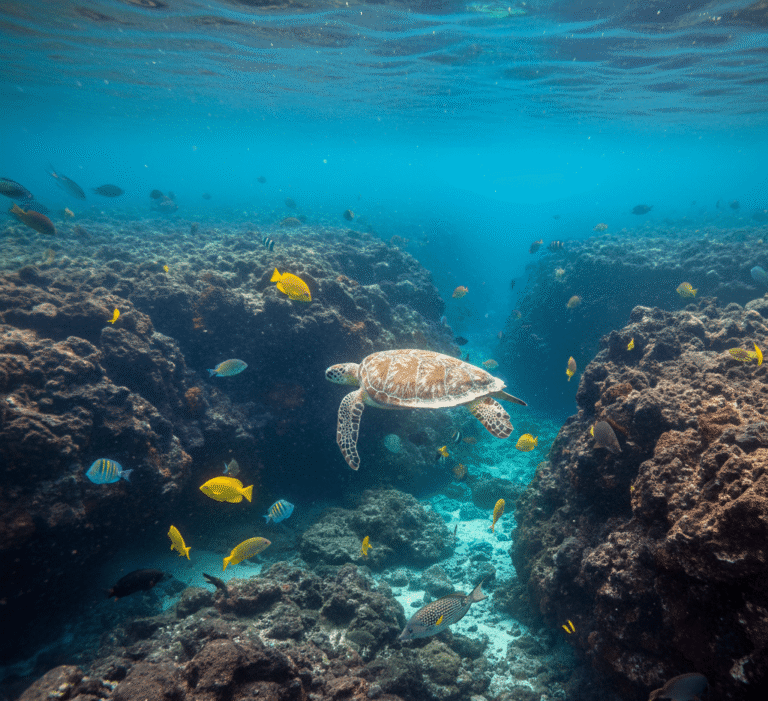
Respect the ocean more than you think you need to. Oahu’s beaches look gentle and often are not. Read the warning signs, ask lifeguards, and never turn your back on the surf. Give honu, the Hawaiian green sea turtles, at least 10 feet of space; it is the law, and it is simple courtesy.
Finally, remember that you are visiting someone’s home. Learn a few words, support local businesses over chains where you can, and leave beaches cleaner than you found them. The aloha spirit is real, and it is reciprocal.
Watch: Oahu in Motion
Oahu rewards the traveler who plans a little and wanders a lot. Book the reservations that need booking, then leave room in your days for the unplanned stops: the roadside fruit stand, the beach you pass twice before pulling over, the sunset you did not schedule. That is the island at its best.