Oahu Snorkeling Seasons: Turtle Sightings, Swell and Weather

Green sea turtles live around Oahu throughout the year. For snorkeling, the more useful question is whether a particular coast is suitable on the day you visit. Swell direction, wind, rainfall, visibility and your ability matter more than choosing a month advertised as “turtle season.”
This guide focuses on seasonal ocean patterns and the checks to make before entering the water. For access and individual locations, see our Oahu snorkeling locations guide. Wildlife sightings and calm water are never guaranteed.
Two main seasons in Oahu’s weather
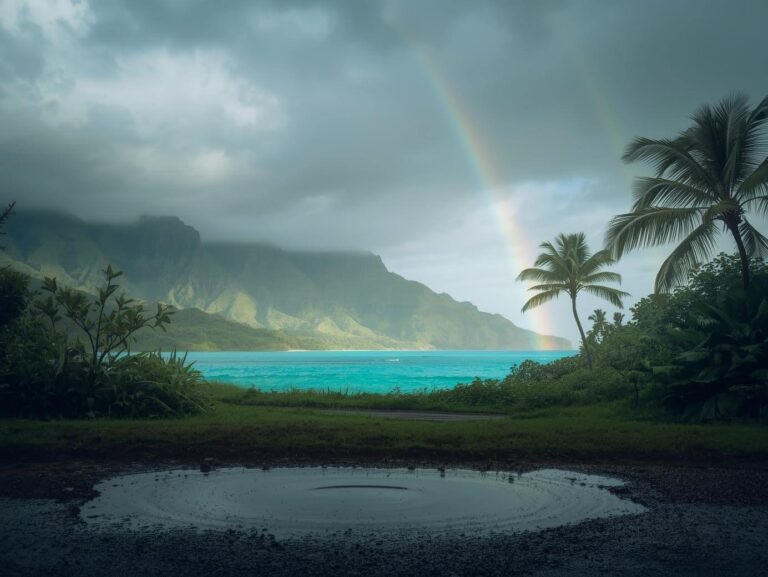
Oahu has a broadly warmer, drier part of the year and a cooler, wetter part. The National Weather Service climate summary describes summer as roughly May through October and winter as roughly November through April, and explains how trade winds, terrain and seasonal storm patterns shape Hawaii’s weather. The boundaries are approximate: conditions change from day to day and between windward and leeward coasts.
- Warmer months: Rain is generally less frequent, but showers and storms remain possible. Ocean conditions vary by coastal exposure.
- Cooler months: Wetter weather and large north or northwest swells become more likely. Local conditions can still differ substantially around the island.
You can see turtles all year long, but these seasonal patterns have a big effect on snorkeling conditions.
A Breakdown of Turtle Snorkeling by Season
Let’s look more closely at what each season has to offer for people who like to snorkel with turtles.
Summer: Compare North and South Exposure
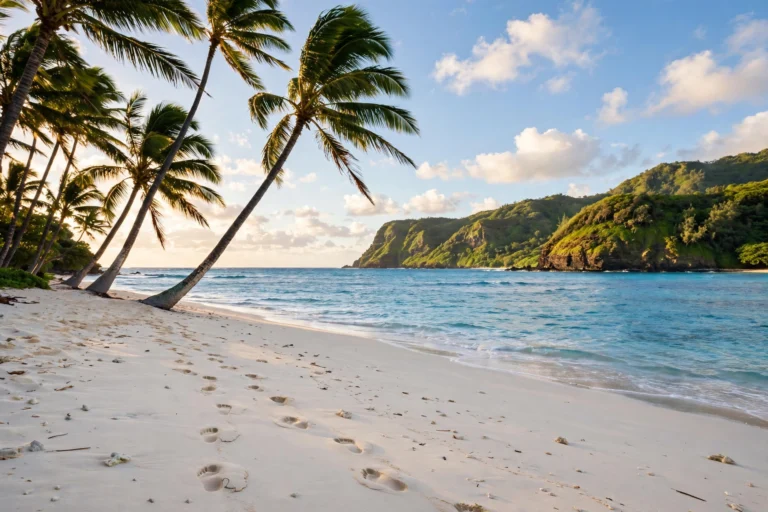
Summer often provides more opportunities on north-facing shores than winter. Shark’s Cove, for example, is generally calmer from about May through October — see our Shark’s Cove snorkeling conditions guide for the seasonal details. That is a seasonal tendency, not a recommendation to enter every North Shore beach. A forecast, lifeguard advice and observation at the specific beach still come first.
Weather And Ocean Conditions
North-facing surf is often smaller in summer, while south-facing coasts can receive substantial Southern Hemisphere swells. Trade winds can make exposed coasts choppy. Warm sunshine on the sand does not tell you whether currents, shorebreak or waves are suitable for snorkeling.
Visibility changes with surf, wind, sediment and runoff. Do not expect a fixed viewing distance. If you cannot assess the bottom, exit route and nearby swimmers comfortably, choose a land activity instead of entering unfamiliar water.
Turtle Behavior and Sightings
Turtles feed and rest in coastal habitats in every season. At cleaning stations, fish remove material from a turtle’s skin or shell; a cleaning station is a location where that interaction occurs, not a special type of coral. Stay back and avoid interrupting the behavior.
A calm period can make a site more accessible, but neither a forecast nor a booking guarantees turtle sightings. Do not follow an animal farther offshore or stay in the water beyond your comfort level to get a photograph.

Winter: Large Swells and Flexible Plans
Winter snorkeling needs more planning and adaptability, but it can still be very rewarding.
Weather and Ocean Conditions
Large winter swells, typically from about November through March, can make north- and west-facing beaches unsuitable for swimming or snorkeling. Even when a bay appears briefly quiet, larger sets may arrive. Check the National Weather Service marine forecasts and warnings and ask an on-duty lifeguard about the exact entry you are considering.
South-facing shores may be less exposed to a north swell, but they still have wind, currents, shorebreak and other hazards. After heavy rain, runoff is a water-quality concern as well as a visibility problem. Follow Hawaii Department of Health beach advisories and avoid brown or murky water; do not assume it will clear within a predictable time.
Turtle Behavior and Sightings
Turtles remain present during winter, but their presence is not evidence that the water is suitable for people. Wildlife can be watched from land without entering rough conditions. Keep a flexible itinerary so a planned beach session can become a coastal walk or indoor visit.
An offshore site is not automatically protected because it lies near Waikiki. Conditions at the departure beach and at the reef can differ. Avoid treating any boat trip or experienced companion as a guarantee of personal safety.
The Shoulder Seasons: Fall and Spring
Spring and fall can combine features of both seasons. Early or late swells, changing winds and heavy showers mean the calendar alone is a poor basis for choosing a snorkeling spot.
- Spring: North swells may become less frequent, but they do not stop on a fixed date. Check the surf forecast rather than relying on a seasonal label.
- Fall: Both lingering south swells and returning north swells are possible. Keep beach plans flexible.
Important Snorkeling Areas for Meeting Turtles
The examples below illustrate different coastal exposures. They are not a daily recommendation or a ranking of guaranteed turtle encounters.
Waikiki’s Turtle Canyon
Turtle Canyon is an offshore reef area near Waikiki, generally reached by boat. Do not attempt a long swim out from the beach because a map makes it appear nearby. Assess offshore conditions separately from the sheltered water at shore.
West Oahu’s Electric Beach (Kahe Point)
Kahe Point, commonly called Electric Beach, is on the leeward coast. Open water, currents and an exposed entry can make it unsuitable for inexperienced snorkelers. It should not be presented as a dependable winter fallback. Do not pursue dolphins or other wildlife offshore.
North Shore’s Laniakea Beach (Turtle Beach)
Laniakea is best considered here as a place to observe basking turtles from shore. Rocks, waves and currents can make water entry hazardous in any season. Stay clear of animals and use our shore-viewing guide for the distinction between watching from land and snorkeling.
A Same-Day Conditions Checklist
Make the following checks before leaving and repeat them when you reach the beach. If any answer is uncertain, postpone snorkeling or ask an on-duty lifeguard. A previous successful visit does not establish today’s conditions.
- Surf and wind: Read the forecast for the coast you plan to visit and respect warnings and closures.
- Water quality: Check health advisories and avoid water affected by runoff or a pollution notice.
- Local conditions: Ask a lifeguard about currents, shorebreak and suitable entry and exit points.
- Your group: Match the plan to the least experienced swimmer, use a buddy system and agree when to turn back.
- Daylight and energy: Leave enough daylight and energy to exit comfortably. A sunset photograph is not a reason to remain in unfamiliar water.
A cultural and legal duty to respect the Honu
Federal and state laws protect the Hawaiian green sea turtle. Many Native Hawaiians also see them as aumakua, or ancestral guardians, and they are important to their culture. It is unlawful to touch, chase, feed, or harass them.
NOAA recommends at least 10 feet (3 meters) from sea turtles on land and in water. Give more room when necessary, keep their route to the surface and shoreline clear, and never chase, touch or feed them. Read the turtle conservation and etiquette guide for the full distinction between guidance and legal protection.
Choosing a Day and a Coast
So, when is the best time to go turtle snorkeling in Oahu?
Use summer’s generally smaller north swells as a planning consideration, not a promise. South swells, wind and rain can interrupt summer plans, while some winter days may be suitable on a less exposed coast. Choose the site only after reviewing the current conditions.
The best time to enter the water is when conditions suit your ability and you have a clear exit plan and a capable buddy. If those requirements are not met, watching from land is a worthwhile alternative.
Traveling with children? Our family snorkeling preparation guide covers readiness, supervision and equipment considerations. Do not let a hoped-for turtle encounter determine whether a child enters the ocean.