The Ultimate Guide to Turtle Snorkeling in Oahu: Best Spots and Tips for an Unforgettable Experience

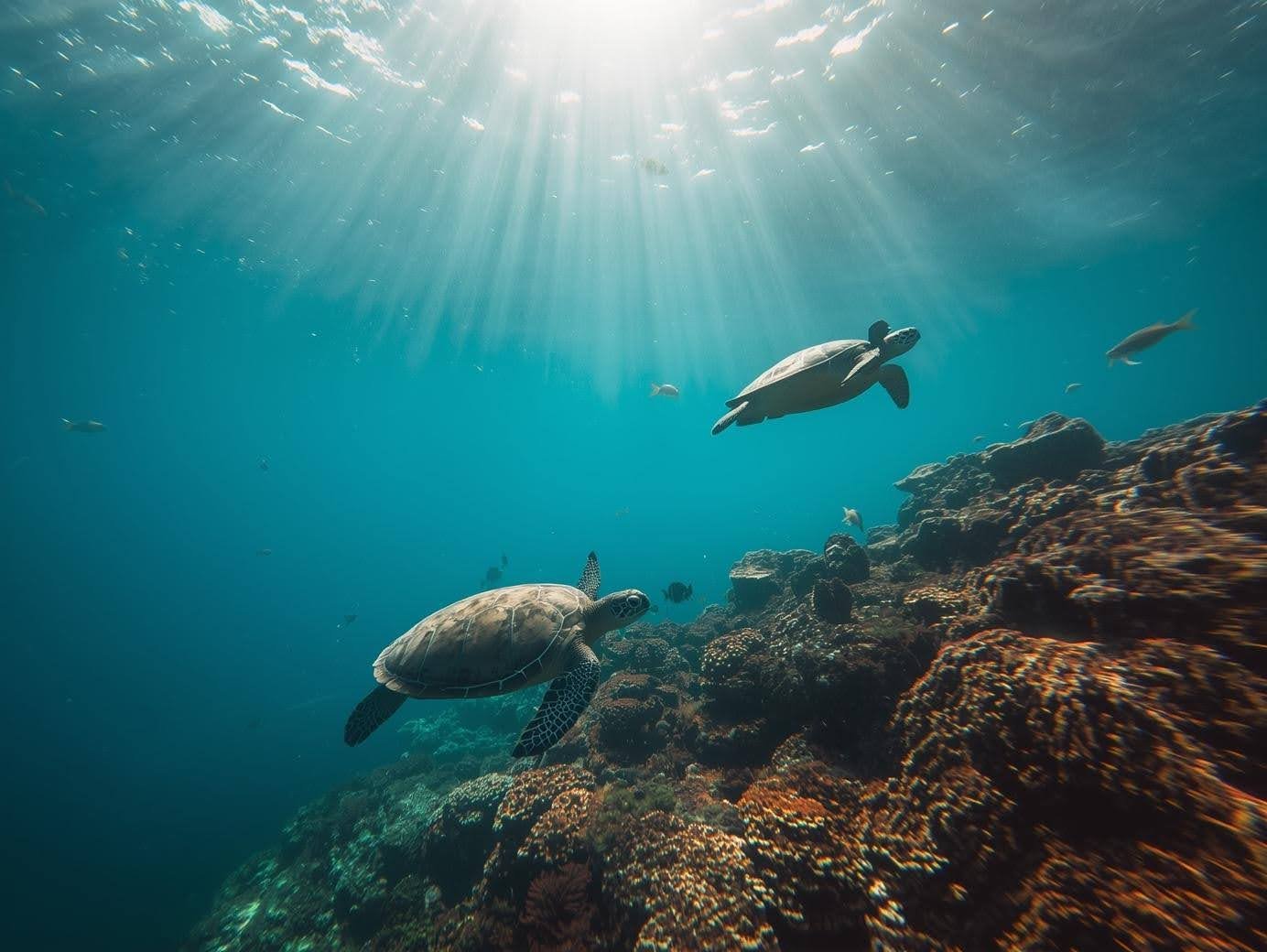
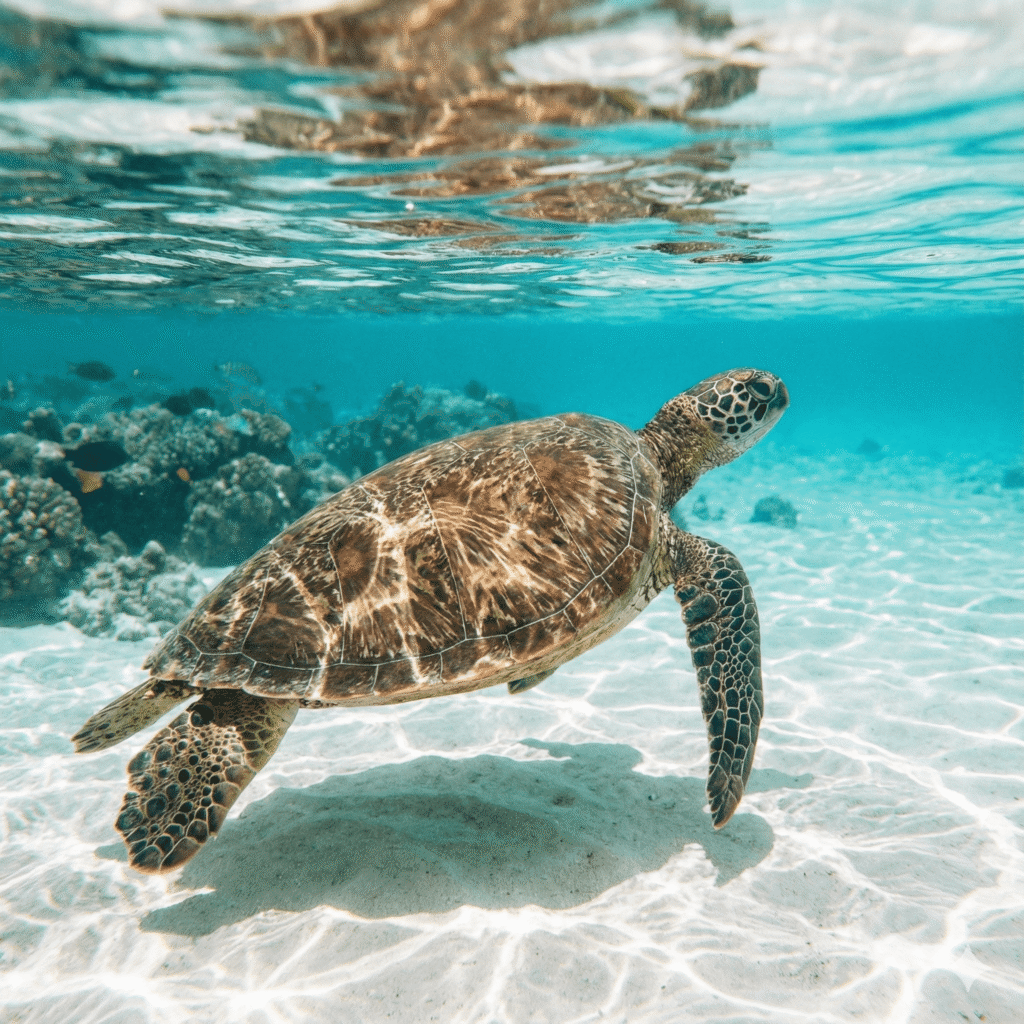
One of the most magical things to do underwater in Oahu is swim with Hawaiian green sea turtles (honu). These gentle giants, which are seen as symbols of wisdom and longevity in Hawaiian culture, glide gracefully through clear waters, giving snorkelers unforgettable experiences in their natural habitat.
This guide compares several Oahu snorkeling settings by access and exposure. A turtle sighting is a possibility, not a reason to ignore conditions or swim beyond your ability. Use the locations as planning context, then make a same-day decision with local safety advice.
This guide has everything you need to make meaningful connections with Hawaii’s beloved honu while respecting their protected environment, whether you’re planning your first snorkeling trip or looking for new places to explore.
The Best Places to Snorkel with Turtles in Oahu
Nature Preserve at Hanauma Bay
Hanauma Bay is a Marine Life Conservation District and a managed nature preserve. Its reef supports many kinds of fish, and turtles may be present, but sightings are not guaranteed. Read the DLNR site description and safety guidance before planning a visit.
What Makes It Unique:
- Shallow reef areas still require care around currents, coral and breaking waves.
- Turtles may be present, but sightings are unpredictable.
- An educational center that gives useful information about marine life.
- Lifeguards are on duty for extra safety.
Choosing an area: Ask the lifeguards which part of the bay suits the day’s conditions and your ability. Channels and the outer bay can have strong currents. Do not cross the reef or swim into deeper water simply to follow a turtle.
Access and facilities: Confirm current opening days, admission, reservation requirements and closures through the City’s Hanauma Bay page. Parking is limited. The preserve has restrooms, showers and lifeguards, but an entry reservation does not establish that water conditions suit you.
Turtle Canyon: An Offshore Setting
Turtle Canyon is an offshore reef area near Waikiki associated with turtle cleaning activity. It is a different setting from a sheltered beach: you enter open water and must account for currents, depth, waves and boat traffic.
Why Turtles Like This Place:
- The main food source for them is the algae that grows on rocks and coral.
- Fish may clean turtles at the reef; observe without interrupting.
- Depth varies across the reef and is not a measure of suitability for a visitor.
Access: Turtle Canyon is generally reached by boat. It is not a shore-entry recommendation, and this guide does not recommend swimming out to it from Waikiki.
Kahe Point Electric Beach
Kahe Point, often called Electric Beach, lies on Oahu’s leeward coast near a power plant. The setting includes open water and an exposed shoreline. It should not be treated as a beginner alternative merely because it is accessible from land.
Special Features:
- An open coastal setting where conditions change.
- Visibility varies with surf, wind and runoff.
- Shore access does not eliminate the risks of an exposed entry.
- Never pursue dolphins or other wildlife into open water.
Suitability: Do not use a turtle sighting, clear patch of water or the plant outflow as a reason to swim farther offshore. Assess currents and your exit route before entering, and leave wildlife undisturbed.
Turtle Bay
The Turtle Bay resort area includes distinct bays and coves. Check the exact access point rather than assuming every beach near the resort has the same conditions. A location name containing “turtle” does not guarantee wildlife.
Seasonal considerations: North-facing surf is generally smaller in summer, but swell and currents can still affect coves. Winter surf can make water entry unsuitable. Review our seasonal snorkeling conditions guide and current reports.
Places to Snorkel:
Do not assume a cove is safe for a beginner or that an outer reef is appropriate for an experienced visitor. Confirm public beach access, current parking arrangements and local warnings before deciding whether to enter.
Shark’s Cove and Pūpūkea: This North Shore reef area is a documented Marine Life Conservation District. Its rocky entry and exposure require care, and it has no lifeguard station at Shark’s Cove. Turtles may be present, but reef conditions and swimmer readiness should determine your plans.
Why Conservation is Important:
DLNR warns that winter wave and current conditions can become extremely dangerous throughout Pūpūkea, including the tidepool area. Read our Shark’s Cove guide for more location context, and avoid entering during rough conditions.
Important Tips for Turtle Snorkeling
Respectful Interaction with Animals
The Endangered Species Act protects Hawaiian green sea turtles, so it is both legally and morally necessary to treat them with respect.
Viewing distance: NOAA recommends at least 10 feet (3 meters) from turtles on land and in water. This is guidance, while harassment and other prohibited interference are legal matters. Read our turtle conservation and etiquette guide and give animals more room when needed.
How to Observe:
- Take your time and move carefully through the water.
- Don’t go right up to turtles that are resting.
- If a turtle moves toward you, give it space and keep its route clear.
- Do not try to touch, ride, or feed marine animals.
Suggestions for equipment
Well-fitting, familiar equipment helps you concentrate on swimming and your surroundings. It does not replace ocean swimming ability, a buddy or a suitable location. Hawaii Ocean Safety advises snorkelers to understand the risks of surf, currents and shallow breaking waves.
Necessary Gear:
- High-quality mask with proper fit and seal
- Snorkel with a splash guard and a purge valve
- Comfortable fins for efficient swimming
- Sun-protective clothing and sunscreen that complies with local requirements.
Extra Equipment:
- Camera that works underwater to take pictures
- A suitable flotation aid, without relying on it to overcome limited swimming ability.
- Appropriate thermal protection when needed; a wetsuit is not a life jacket.
Safety Rules
Safety in the ocean is always the most important thing to think about when snorkeling, especially when looking for wildlife in waters you don’t know.
Before You Enter:
- Look at the weather and ocean conditions right now.
- Know where to get in and out of the water before you go in.
- Understand local hazards such as currents and marine life
- Ensure someone knows your snorkeling plans and expected return time
Things to do to stay safe in the water:
- Always snorkel with a friend; don’t go alone.
- Stay within comfortable swimming distance of shore
- Monitor energy levels and plan rest breaks
- Watch for signs of tiredness or pain early on.
Timing Your Snorkel Day
Patterns by season
Turtles occur around Oahu year-round. For choosing a coast, surf direction and local conditions are more useful than a claimed peak month for turtle activity. For seasonal swell and weather planning, see our Oahu snorkeling seasons guide.
Summer: Smaller north swells often improve opportunities on the North Shore, while south-facing locations can receive summer swell. Neither coast is uniformly calm.
Winter: Large north and west swells can close off suitable entry opportunities. Do not assume a leeward location will be protected.
Timing every day
There is no reliable island-wide feeding timetable that guarantees a sighting. Choose daylight, manageable conditions and a schedule that leaves energy for a comfortable return.
Morning: Wind and crowds may differ from later in the day, but check the actual forecast. Early arrival does not guarantee calm water or active turtles.
Afternoon: Allow ample time to leave the water before fatigue or fading light makes the exit harder. Do not extend a session waiting for wildlife.
Understanding Access and Suitability
Offshore Sites
An offshore reef and a beach entry have different demands. Compare the water entry, the return route, the distance from help and your own swimming competence before choosing either.
Open-water exposure: Offshore swimming can involve current, swell and deep water without somewhere to stand. Prior swimming experience in a pool is not the same as ocean competence.
Exit plan: Know exactly how you will leave the water and what to do if conditions change. A flotation aid does not make unsuitable conditions suitable.
Wildlife: A remote reef does not guarantee more turtles. Do not select a site on that assumption or pursue an animal away from the planned swimming area.
Shore Entry Considerations
A shore entry lets you inspect the beach before entering, but it can still involve surf, rocks and currents. Observe conditions and ask a lifeguard where available.
Entry and exit: Identify both before entering. Keep enough energy to return and do not assume the same spot will be easy to use if surf increases.
Access costs: Public access does not necessarily mean free parking or admission. Check the managing authority’s current information for the specific beach.
Facilities: Confirm lifeguard coverage, restrooms and opening hours where they matter to your group. Do not infer facilities from a beach’s popularity.
Cultural Importance of Hawaiian Conservation and Respect
In Native Hawaiian culture, Hawaiian green sea turtles are very important because they are seen as guides for navigation, symbols of long life, and a way to connect spiritually with the ocean.
Cultural Protocol: When you see a turtle, treat it with respect and reverence. Understand that these animals are sacred and should be protected and admired, not entertained.
Being responsible for the environment
Every snorkeler helps protect the ocean by being responsible and aware of the environment.
Leave No Trace Rules:
- Use sun-protective clothing and follow local sunscreen requirements; labels do not guarantee zero environmental impact.
- Avoid touching or disturbing coral formations
- Don’t take any natural materials out of the ocean.
- Pack out all trash and belongings
Helping conservation: Respect closures, keep fins off coral, pack out waste and follow wildlife-viewing guidance.
Getting ready for your turtle snorkeling trip: what you need to know
To have a good time snorkeling with turtles, you need to plan ahead and set realistic goals.
Physical Preparation:
To snorkel safely, you need to know how to swim and be comfortable in open water. Before going on ocean adventures, get used to using your gear in places you know.
Conditions and Weather:
Check marine forecasts and local advisories before planning snorkeling activities. Light winds, calm seas, and good visibility are all good conditions.
Making memories that will last
Turtle encounters create lasting memories when approached with patience, respect, and wonder.
Photography Tips:
- To get real underwater photos, use natural light.
- Instead of just getting close to the turtles, focus on composition and storytelling.
- Take pictures of the whole marine environment as well as individual animals.
- When taking pictures, keep a safe distance from wildlife to show respect.
Related Planning Guides
For a land-based alternative, use our guide to watching turtles from shore. A successful coastal visit does not require entering the ocean.
Traveling with children requires separate attention to readiness, supervision and equipment fit. See our family snorkeling preparation guide before choosing a site.
Create Lasting Memories with Hawaii’s Gentle Giants
Swimming with Hawaiian green sea turtles is more than just a fun thing to do on vacation; it’s a chance to connect with Hawaii’s rich cultural heritage and ancient marine wisdom. These experiences remind us of our duty to protect the ocean and create memories that will last a lifetime.
Responsible observation leaves animals free to feed, rest and surface. A distant view, or no sighting at all, is preferable to interrupting those behaviors.
Before leaving, check the forecast, water-quality advisories and site access information. At the beach, reassess conditions with your buddy and be willing to change the plan.