Living in Hawaii: What It’s Really Like (Pros, Cons, and Real Costs)

Every year, thousands of people stand on a Hawaiian beach during vacation and think the same thought: what if I just stayed? The sunset is doing its thing, the air smells like plumeria, and back home there is a mortgage, a commute, and February. It feels like the islands are calling.
Some of those people do stay. And a good number of them love it. But living in Hawaii is not an extended vacation, and the gap between the fantasy and the daily reality is wider than the Pacific. This is the honest version: what it costs, how work really functions, which island fits which life, and the parts nobody puts on Instagram.
The Real Cost of Living in Hawaii
Start here, because this is where most Hawaii dreams get their first reality check. Hawaii is the most expensive state in the country, and it is not close. The widely cited cost-of-living index puts Hawaii around 185 against a national average of 100, which means the overall price level runs roughly 85 percent above the mainland average. Housing does most of the damage, but nearly everything else costs more too.
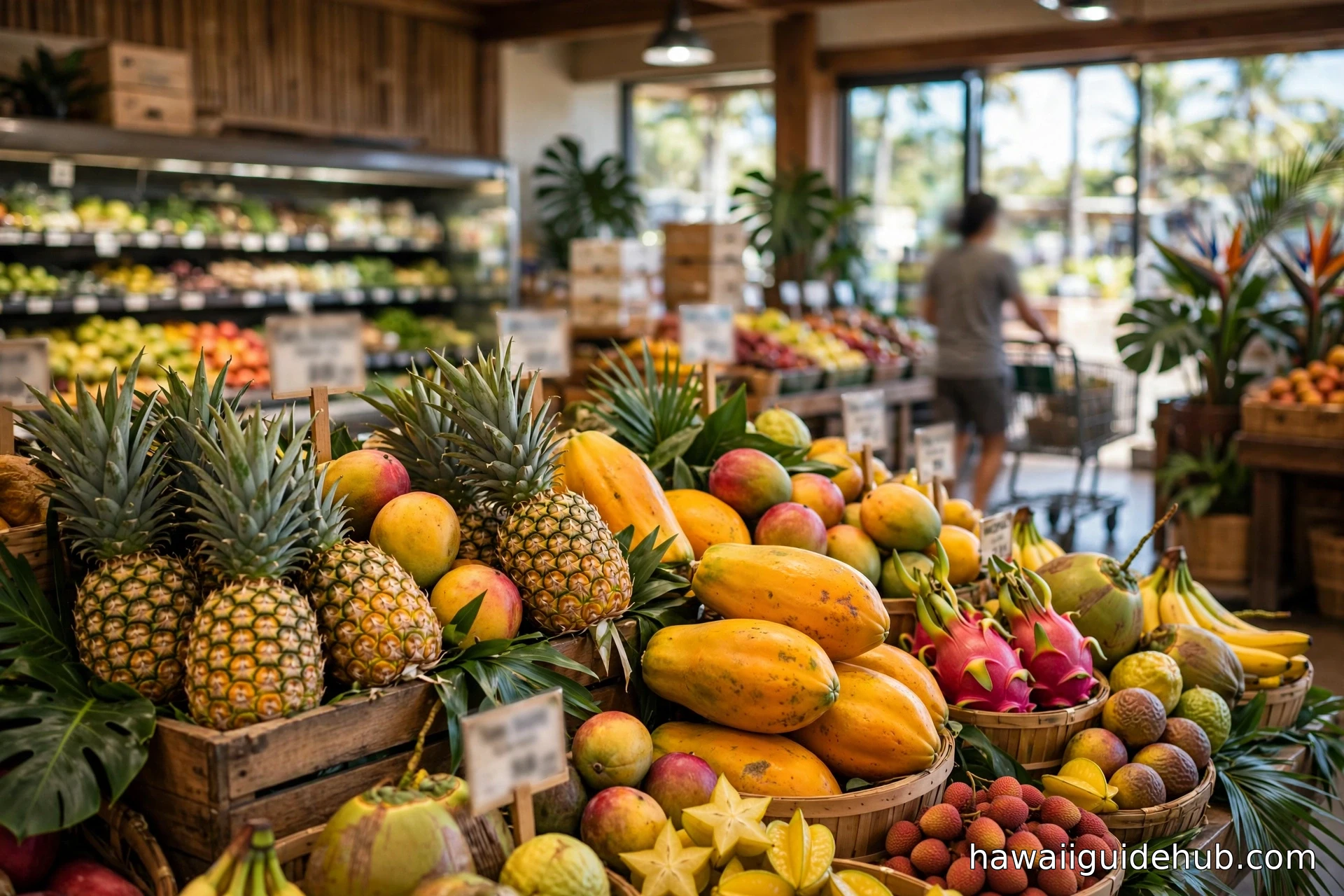
The numbers behind that index tell the story. A gallon of milk routinely sells for six to eight dollars. Electricity runs around 43 cents per kilowatt-hour, roughly triple typical mainland rates, which is why longtime residents treat air conditioning as a luxury rather than a default. Groceries run about 50 percent above the national average because nearly everything arrives by ship or plane. Analyses of comfortable living suggest a single person needs somewhere around 85,000 to 100,000 dollars a year to live reasonably on Oahu, and a family of four needs roughly 150,000 to 200,000.
None of this means living in Hawaii is impossible. It means the math has to work before the dream does. Plenty of people make it work on modest incomes by renting rooms, cooking at home, driving older cars, and skipping the tourist-priced lifestyle. But if your plan requires your mainland salary to stretch the same way it does now, run the numbers first. Our detailed breakdown of Hawaii’s cost of living goes deeper into monthly budgets for singles, couples, and families.
Housing: Renting and Buying in Paradise
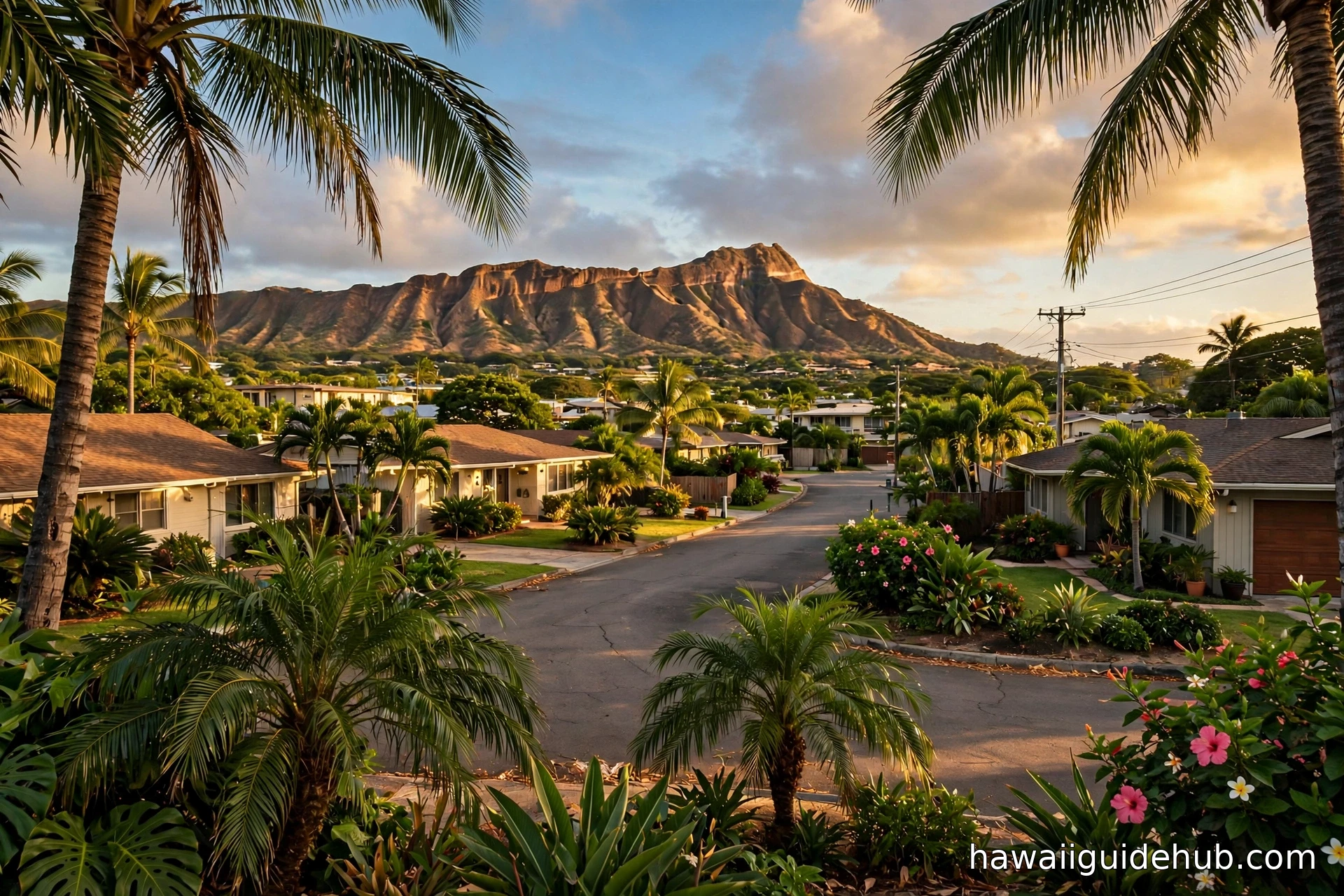
Housing is the single biggest line item and the one that surprises newcomers most. On Oahu, the median single-family home has been selling around 1.2 million dollars, while the median condo sits near 510,000. The condo number looks friendlier until you add monthly HOA fees, which on many Honolulu buildings run several hundred dollars and keep climbing with insurance costs. Renting is not much relief: a decent two-bedroom in Honolulu typically runs 2,500 to 3,800 dollars a month, and landlords can be choosy in a tight market.
The neighbor islands offer some breathing room but not as much as people hope. Maui’s housing market runs hot on tourism demand. The Big Island is the most affordable of the four main islands, with real single-family homes still available at prices that would make Oahu buyers weep, but the trade-off is distance from jobs and services. Kauai is small, beautiful, and expensive, with limited inventory that moves fast.
The standard advice from people who have done it: rent for at least a year before even thinking about buying. Neighborhoods that look perfect on a visit feel different after six months of daily life. Commute patterns, rain microclimates, and which side of the island gets the vog all matter more than any listing photo suggests.
Jobs and Making a Living
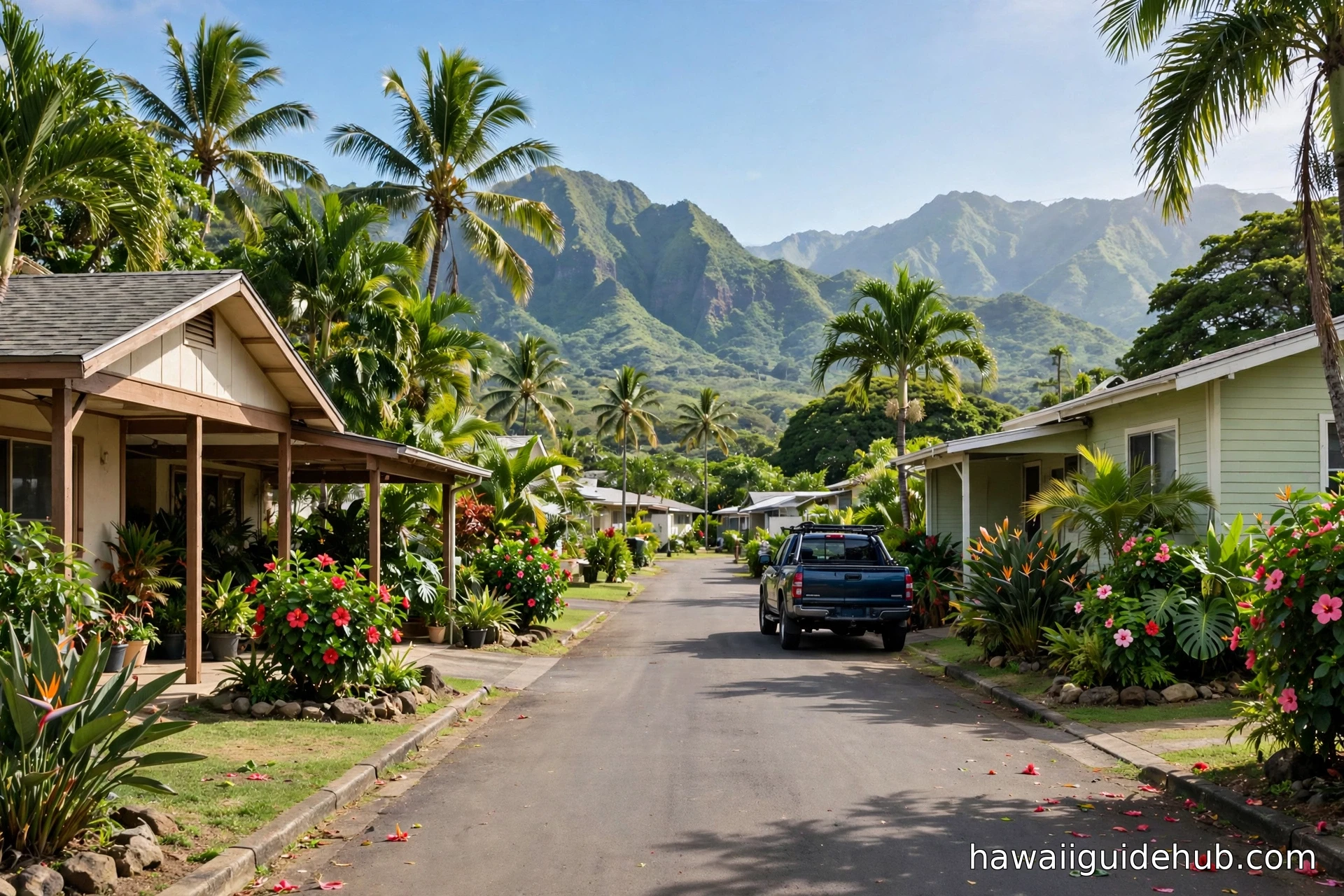
Here is the part that breaks the most plans: Hawaii’s unemployment rate is among the lowest in the nation, recently hovering around 2.5 percent, but low unemployment does not mean high wages. The economy leans heavily on tourism, the military, state and local government, and healthcare. Those sectors provide stability, but many of the available jobs are in hospitality and services, where pay often lags far behind the cost of living.
The honest math: Hawaii’s living wage for a single adult is estimated near 20 dollars an hour, but a huge share of service jobs pay at or barely above the minimum wage. This is why working two jobs is so common among residents, and why so many transplants arrive with a remote job or a portable career. If you can bring mainland pay to island prices, the equation changes completely. Remote work has made Hawaii viable for more people than ever, though even remote workers discover that island internet and time zone gaps come with their own friction.
Certain professions do well. Healthcare workers are in constant demand across all islands. Skilled trades pay solidly because labor is scarce. Teachers are needed but famously underpaid relative to housing costs. Entrepreneurs find a small, relationship-driven market where reputation matters more than advertising. Whatever your field, line up income before you arrive. Moving to Hawaii to “figure it out” is the fastest route to an expensive return flight.
Which Island Should You Live On?
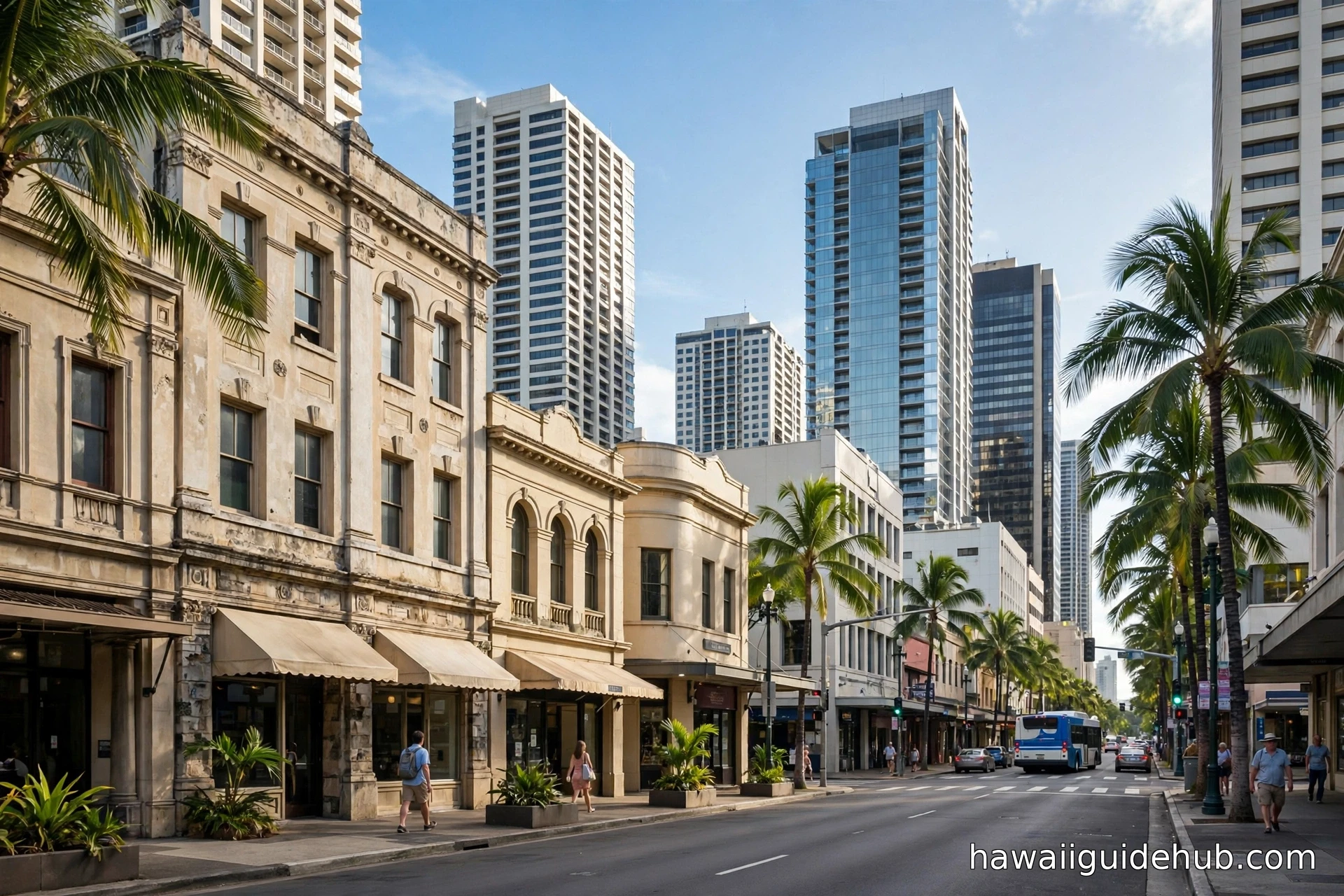
Choosing an island is choosing a lifestyle, and the differences are bigger than visitors realize. Oahu holds about two-thirds of the state’s population and nearly all of its corporate jobs, universities, and specialized healthcare. If your career needs a real job market, Oahu is the practical answer. It also has the worst traffic, the highest prices, and the least “island escape” feeling of the four.
Maui strikes a middle ground: a real tourism economy with decent job options, beautiful country towns, and prices that punish the unprepared. The Big Island gives you the most space for your money and the most variety, from snowy summits to black sand beaches, but you will drive long distances for everything and the job market is thin. Kauai is the choice for people who want small-town life at its most beautiful and are willing to accept the smallest economy and the highest sense of remoteness.
Molokai and Lanai exist too, but they are not realistic options for most newcomers. Tiny populations, minimal jobs, and a way of life that rewards deep local roots over fresh arrivals. Visit them, love them, but plan your move around the four main islands.
The Culture Shock Nobody Warns You About
The biggest adjustment is not the price of milk. It is the social reality of being a newcomer in a place with deep roots and long memories. Hawaii has a real local culture, shaped by Native Hawaiian heritage and generations of plantation-era immigration, and it does not automatically make room for arrivals. The concept of the aloha spirit is genuine, but it is not a welcome mat. It is a value system you are expected to learn, and learning it takes humility and time.
Newcomers sometimes bristle at the term “mainland” used the way locals use it, or at discovering that some social circles are simply not open to them yet. Friendships form slower. Workplace norms differ. Things run on relationships and reputation, and a newcomer has neither. The people who thrive are the ones who listen first, who learn some history, who show up for the community before asking anything of it. The ones who struggle are often the ones who arrived announcing how things were done “back home.”
Island fever is real too. Hawaii is the most isolated population center on Earth, and after the novelty fades, some people feel the walls closing in. Flights to the mainland are long and expensive. Family milestones get missed. The same smallness that felt charming in month two can feel suffocating in month fourteen. There is also a subtler shift: your mainland friendships fade into holiday calls, and building a new circle from scratch as an adult takes real effort. Extended visits before committing are not optional. They are the cheapest insurance against a very expensive mistake.
Healthcare, Schools, and Daily Logistics
On the practical side, Hawaii handles some things better than newcomers expect. The state’s Prepaid Health Care Act requires most employers to provide health insurance to employees working twenty or more hours a week, which is why Hawaii’s uninsured rate stays low. Quality care is concentrated on Oahu, and neighbor island residents routinely fly to Honolulu for specialists, which is its own kind of logistical tax.
Public schools are a sore point for many families. Hawaii has a single statewide school district, funding is tight, and outcomes lag. A large share of middle-class families who can manage it choose private school, which adds another major expense to the budget. This is worth researching ward by ward before you commit to a neighborhood.
Daily logistics carry their own island tax. Amazon Prime’s two-day shipping is a mainland memory; expect a week or more, and some retailers do not ship to Hawaii at all. You will need a car on every island except possibly urban Honolulu. Gas costs more, registration costs more, and salt air eats vehicles faster. Inter-island travel means planes, not highways, so visiting friends on another island is a two-hundred-dollar commitment, not a road trip.
Moving to Hawaii: The Practical Stuff
If the honest accounting still leaves you wanting to come, the logistics are manageable with planning. Shipping a car from the West Coast typically costs around one thousand to fifteen hundred dollars and takes two to three weeks. Household goods go by container ship on similar timelines, so pack assuming you will live out of suitcases for a month.
Pets require special attention. Hawaii is rabies-free and keeps it that way with strict animal quarantine rules. Dogs and cats need microchips, specific vaccinations with waiting periods, and blood tests completed months before travel. The direct airport release program lets qualifying pets skip the long quarantine, but only if every document is perfect. Start this process at least four months before your move.
Timing matters too. Summer brings the most rental competition as military families rotate. Winter brings higher short-term rental prices but more long-term availability. Whatever season you choose, secure temporary housing for your first month. Signing a year lease sight unseen in a market you do not understand is how people end up stuck in the wrong neighborhood at the wrong price. A short-term rental or an extended-stay hotel gives you room to learn the island before you commit to it.
Who Thrives in Hawaii (And Who Should Think Twice)
After all the caveats, here is the truth that keeps people coming: for the right person, Hawaii is genuinely wonderful. The weather really is that good. The beaches really are that close. The pace of life really does recalibrate what matters. People who thrive here tend to share a few traits. They have solid income lined up. They are flexible about housing and lifestyle. They respect the culture instead of performing it. And they came for the life, not the backdrop.
The people who struggle usually ignored one of the fundamentals. They underestimated costs by half. They assumed a job would materialize. They treated local culture as scenery. Or they discovered that paradise without community is just a pretty place to be lonely. None of these are character flaws. They are planning failures, and planning is fixable.
Watch: The Realities of Life in Hawaii
For a local’s honest take on the concessions island life requires, this video lays it out plainly:
Living in Hawaii is not a fantasy to stumble into. It is a decision to make with open eyes, a real budget, and genuine respect for the place and its people. Get those three things right, and the islands offer a quality of life that is hard to match anywhere else. The ocean will still be there in the morning. The question is only whether you built a life that lets you stay for it.