
Kauaʻi Towns
Kauaʻi is the oldest of the main Hawaiian Islands, and its towns show that age in the best possible way. Nothing here feels rushed or newly built for visitors. The Garden Isle moves at its own pace, and each community has a distinct personality shaped by geography, history, and rainfall. Understanding the towns is the fastest way to plan a good trip, because where you base yourself determines your daily weather, your drive times, and the character of everything around you.
This guide covers every town that matters for a visitor: what it is known for, what is nearby, and who will enjoy staying there. Together, these communities form a complete map of the island.
On This Page
Kauaʻi Towns at a Glance
Kauaʻi has no true cities. Līhuʻe, the county seat, is the island’s largest community, but it functions more like a working town than an urban center. The rest of the island is a string of small towns and villages connected by a single ring road. Each sits in a distinct microclimate, and the differences are dramatic. The north shore around Hanalei can receive over 80 inches of rain a year, while the west side near Kekaha gets less than 20. Choosing a town is really choosing a climate zone.
The island divides naturally into regions. The north shore is lush, scenic, and the wettest, anchored by Hanalei and the resort community of Princeville. The east side, often called the Coconut Coast, is the most populated corridor, running from Kapaʻa through Wailua to Līhuʻe. The south shore around Poʻipū and Kōloa is the sunniest and driest, with the island’s main resort strip. The west side is rural and historic, home to Waimea, Hanapēpē, and the gateway to Waimea Canyon. Upcountry communities like Kalaheo sit on the cooler slopes between the south and west.
A few practical realities shape every visit. First, there is no road that circles the entire island. The Nāpali Coast on the northwest breaks the ring, so driving from the north shore to the west side means going all the way back around through the east. Second, almost everything funnels through Līhuʻe, where the airport and the main harbor sit. Third, traffic concentrates on the two-lane Kūhiō Highway on the east and north, and on Kaumualiʻi Highway heading west. Distances look short on a map, but drive times during morning and afternoon rush can double.
The towns themselves are worth exploring rather than just passing through. Kōloa holds the history of Hawaiʻi’s first commercial sugar plantation. Hanapēpē has reinvented itself as an art town. Kapaʻa has a walkable main street lined with local shops. Waimea is where Captain James Cook first landed in the Hawaiian Islands in 1778. None of these places are large, but each rewards a slow morning of wandering.
North Shore Towns
The north shore is the Kauaʻi of postcards: emerald mountains, taro fields, waterfalls, and the long crescent of Hanalei Bay. It is also the wettest part of the island, which is exactly why it looks the way it does. Visitors who stay here trade sunshine reliability for scenery, and most consider it a fair exchange.
Hanalei
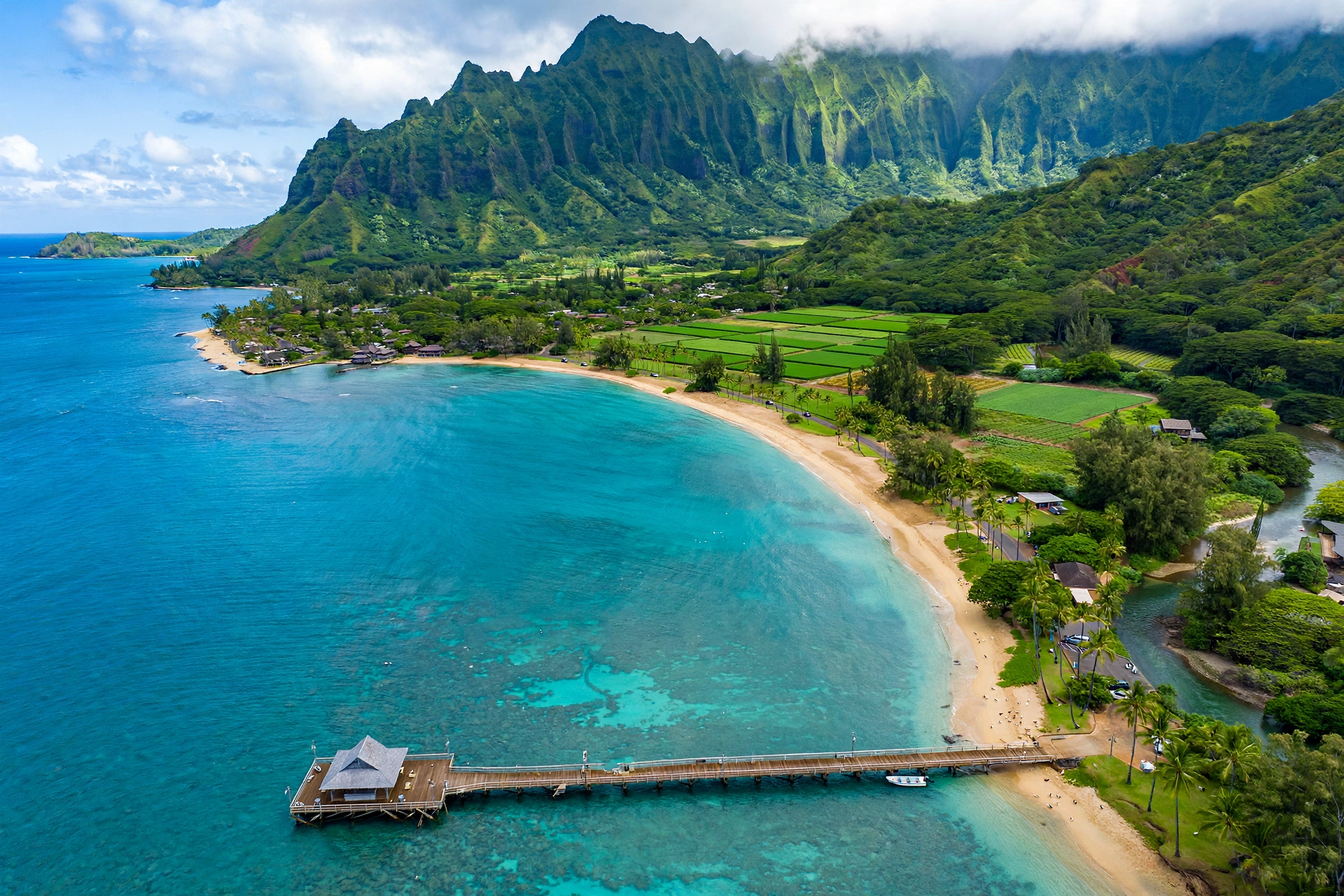
Hanalei is a small town wrapped around one of the most beautiful bays in Hawaiʻi. Hanalei Bay curves for nearly two miles, backed by waterfalls that stream down the mountains after rain. The town itself is a compact cluster of shops, restaurants, and galleries along the highway, with a famously relaxed pace. The Hanalei Pier, built in 1892, extends into the bay and is a favorite spot for photos and sunset watching.
Hanalei is the last real town before the road ends at Hāʻena and the Nāpali Coast. That position makes it the natural base for exploring the north shore’s trails and beaches, including Lumahaʻi Beach and Tunnels. The trade-off is weather: this is the rainiest inhabited part of Kauaʻi, and winter brings large surf that closes some beaches to swimming. Summer is calmer and drier, and it is the best season to stay here.
Princeville
Princeville sits on the cliffs above Hanalei Bay, a planned resort community named for Prince Albert, the young son of King Kamehameha IV and Queen Emma who visited the area in 1860. It is quieter and more spread out than Hanalei, with vacation rentals, condominiums, a golf course, and clifftop views across the bay. There is no real town center, so visitors stay here for the setting and the views rather than for walkable streets.
Princeville works well for travelers who want north shore scenery with a calmer, more residential feel. The Queen’s Bath tide pools and Hideaways Beach are nearby, though ocean access requires navigating steep paths. Dining and shopping are limited compared with Hanalei, a short drive down the hill.
Kīlauea
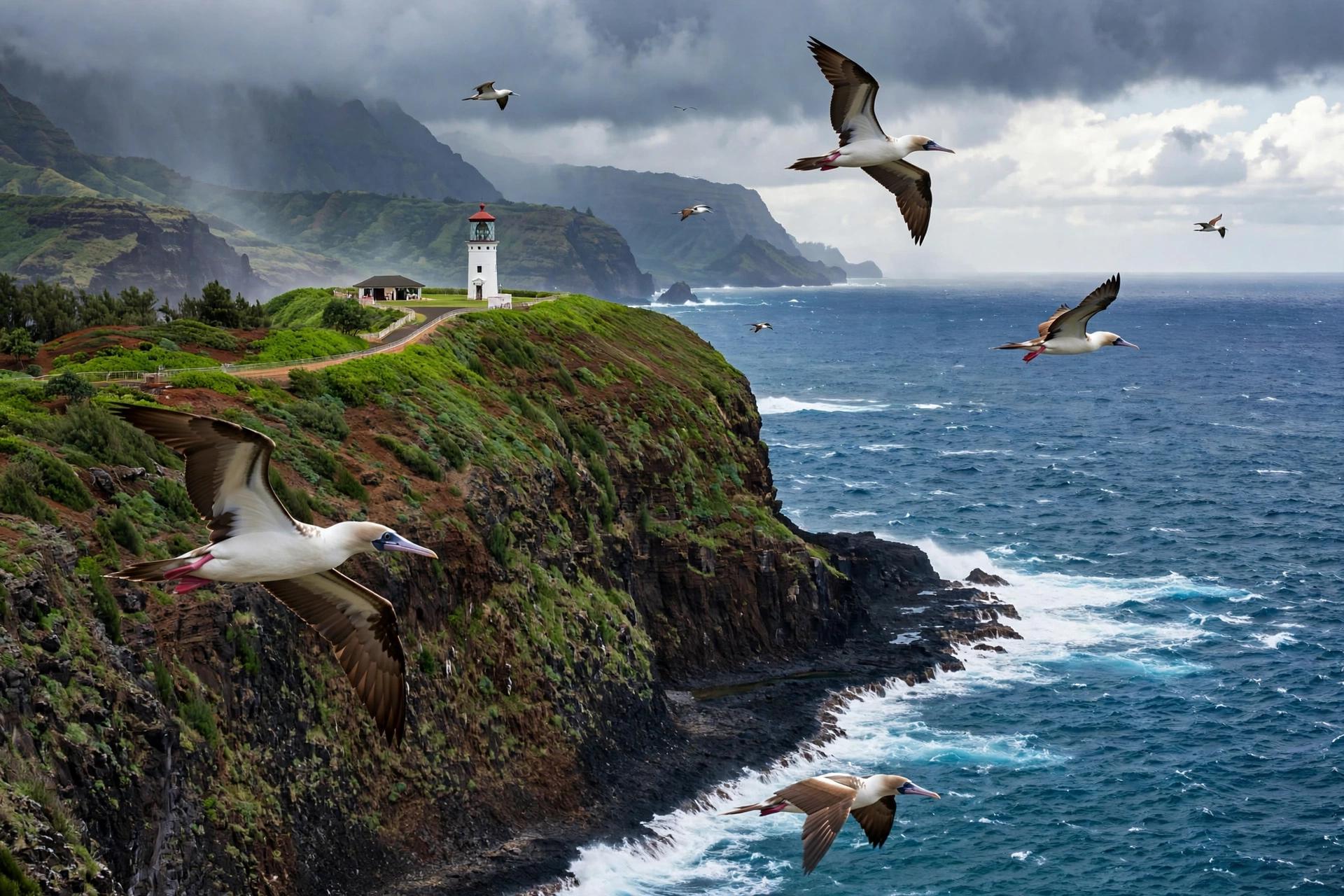
Kīlauea is a small plantation-era village on the way to the north shore, best known for the Kīlauea Point National Wildlife Refuge and the Daniel K. Inouye Kīlauea Point Lighthouse, built in 1913. The refuge protects nesting seabirds, including red-footed boobies, Laysan albatrosses, and the white-tailed tropicbird, and it offers some of the best land-based wildlife viewing on the island. Humpback whales pass offshore in winter.
The town itself has a grocery store, a farmers market, and a handful of shops, and it serves as a convenient stop between Līhuʻe and Hanalei. Kīlauea is also near Secret Beach (Kauapea) and the Kīlauea Falls area. It makes a good base for visitors who want to be close to the north shore without paying Hanalei prices.
East Side Towns
The east side is Kauaʻi’s population center and its commercial heart. The Kūhiō Highway runs through a nearly continuous corridor of towns from Kapaʻa to Līhuʻe, and this is where most of the island’s residents live and work. For visitors, the east side offers the most dining options, the most shopping, and the shortest drive to the airport.
Kapaʻa
Kapaʻa is the largest town on Kauaʻi by population and the liveliest of the east side communities. Its main street runs parallel to the ocean and is lined with local shops, shave ice stands, restaurants, and galleries. The town has a genuine local character that sets it apart from the resort areas, and it is a good place to experience everyday island life.
Kapaʻa sits on the Coconut Coast, a stretch named for the royal coconut groves planted in the area. Nearby attractions include the Wailua River, ʻOpaekaʻa Falls, and the Sleeping Giant (Nounou Mountain) trail, which rises directly behind town. The coastal path, Ke Ala Hele Makalae, runs along the shoreline and is popular for walking and biking. Kapaʻa makes a practical base: centrally located, reasonably priced, and close to both the north and south shores.
Wailua
Wailua is less a distinct town than a district along the Wailua River, the only navigable river in Hawaiʻi. The area is rich in Hawaiian history and legend; the Wailua River valley was once a center of aliʻi (chiefly) power, and sites like the Menehune Fishpond and the heiau (temples) along the river speak to that past. Today the river is known for kayak trips to Secret Falls (Uluwehi) and boat tours to the Fern Grotto.
Visitors pass through Wailua on the way between Kapaʻa and Līhuʻe, and the river activities make it worth a dedicated stop. Lydgate Beach Park, at the mouth of the river, has protected swimming areas that are popular with families.
Līhuʻe
Līhuʻe is the county seat and the island’s main town, home to Līhuʻe Airport (LIH), the cruise port at Nāwiliwili Harbor, and most government offices. It is a working town rather than a resort destination, but it has real advantages for visitors: the widest selection of restaurants, the island’s main shopping centers, and the Kauaʻi Museum, which offers the best single introduction to the island’s history and culture.
Līhuʻe is also the most practical place to stay for a short trip or for travelers who want to minimize driving. Kalapaki Beach fronts the harbor area, and the town is centrally positioned for day trips in every direction. Most visitors at least pass through, since nearly every arrival and departure touches Līhuʻe.
South Shore Towns
The south shore is Kauaʻi’s sun belt. Sheltered from the trade winds and the north swells, it gets the island’s most reliable sunshine and its calmest ocean conditions. This is where the main resort development sits, but the towns themselves retain genuine history.
Poʻipū
Poʻipū is Kauaʻi’s primary resort area, a collection of hotels, condominiums, and vacation rentals spread along a sunny stretch of coastline. Poʻipū Beach Park is consistently ranked among the best beaches in Hawaiʻi, with good snorkeling, a protected wading area for children, and frequent visits from Hawaiian monk seals and green sea turtles. The Mahaʻulepu Heritage Trail begins nearby and follows the coast past limestone cliffs and ancient sites.
Beyond the resorts, Poʻipū has a golf course, the Shops at Kukuiʻula (an open-air shopping and dining center), and the historic Spouting Horn blowhole a short drive away. The area suits travelers who want dependable weather, easy beach access, and resort amenities. It is also the best base for visitors who plan to split their time between beaches and Waimea Canyon, since the canyon road begins on the west side not far away.
Kōloa
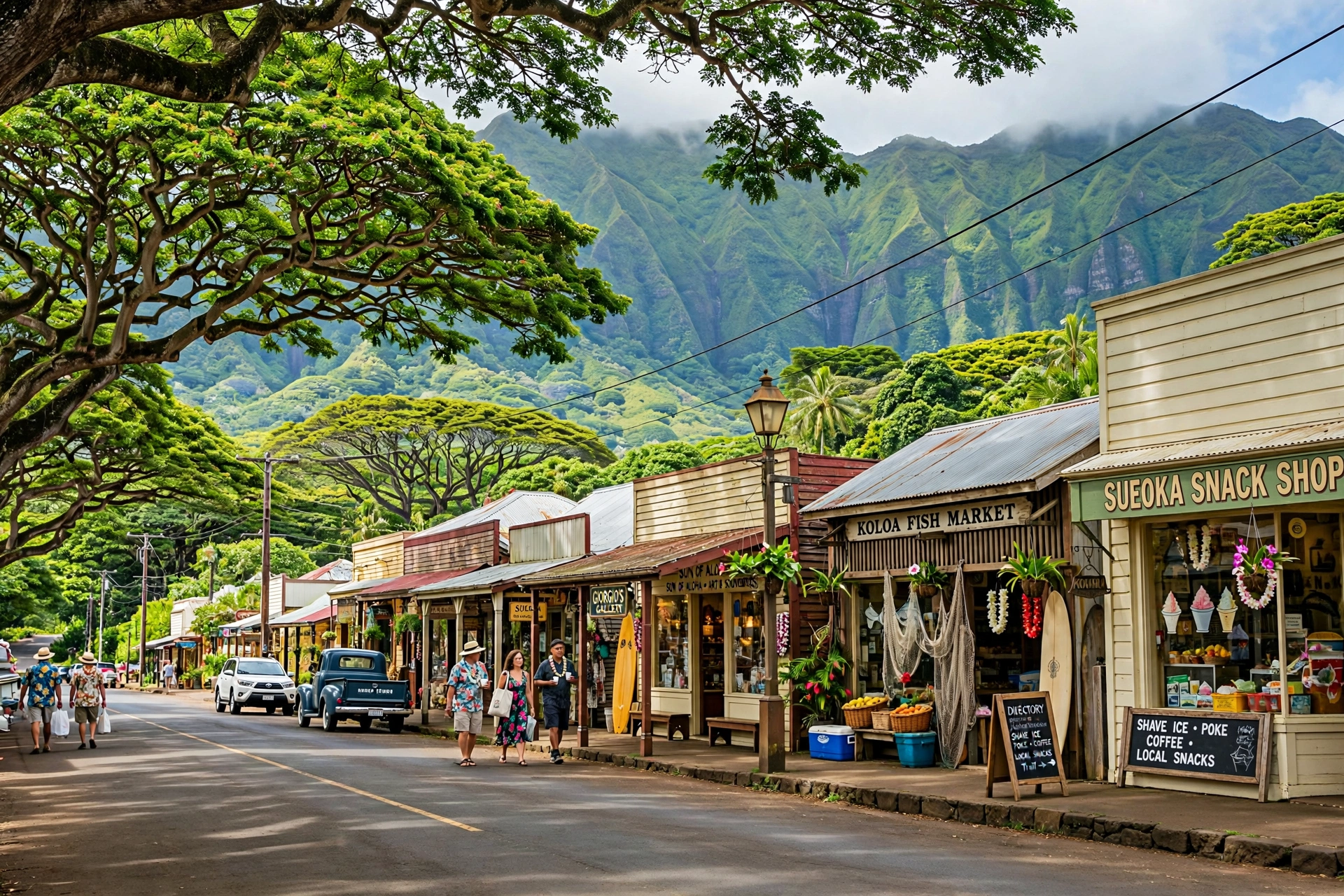
Kōloa is one of the most historically significant towns in all of Hawaiʻi. In 1835, Ladd and Company established the first commercial sugar plantation here, launching the plantation era that would transform the islands’ economy, demographics, and landscape for the next 150 years. Old Kōloa Town preserves that history in its plantation-era storefronts, which now house shops, restaurants, and galleries.
Kōloa sits a few miles inland from Poʻipū, and it feels like a genuine small town rather than a resort appendage. The Kōloa History Center and the old sugar mill chimney tell the plantation story. Visitors staying in Poʻipū often come here for dinner or to browse the shops, and it is worth a dedicated wander for anyone interested in Hawaiʻi’s history.
West Side Towns
The west side is Kauaʻi’s rural frontier: drier, quieter, and more traditionally Hawaiian in character than the resort areas. This is the driest part of the island, the gateway to Waimea Canyon, and the region where the island’s history runs deepest.
Waimea
Waimea is where modern Hawaiian history begins. In January 1778, Captain James Cook anchored off Waimea and became the first European to set foot in the Hawaiian Islands, an event commemorated by a statue near the river. The town that grew here became a plantation community and later the gateway to Waimea Canyon, the “Grand Canyon of the Pacific,” which begins just up the road.
Waimea today is a small, unhurried town with a historic theater, local restaurants, and the West Kauaʻi Technology and Visitor Center. It is the last place to fuel up and stock supplies before heading into the canyon, and it makes a good base for hikers and anyone who wants to experience the island’s quieter side. The nearby Russian Fort Elizabeth, built in 1817, is a reminder of a brief and unusual chapter when Russian traders attempted to establish a presence on Kauaʻi.
Hanapēpē
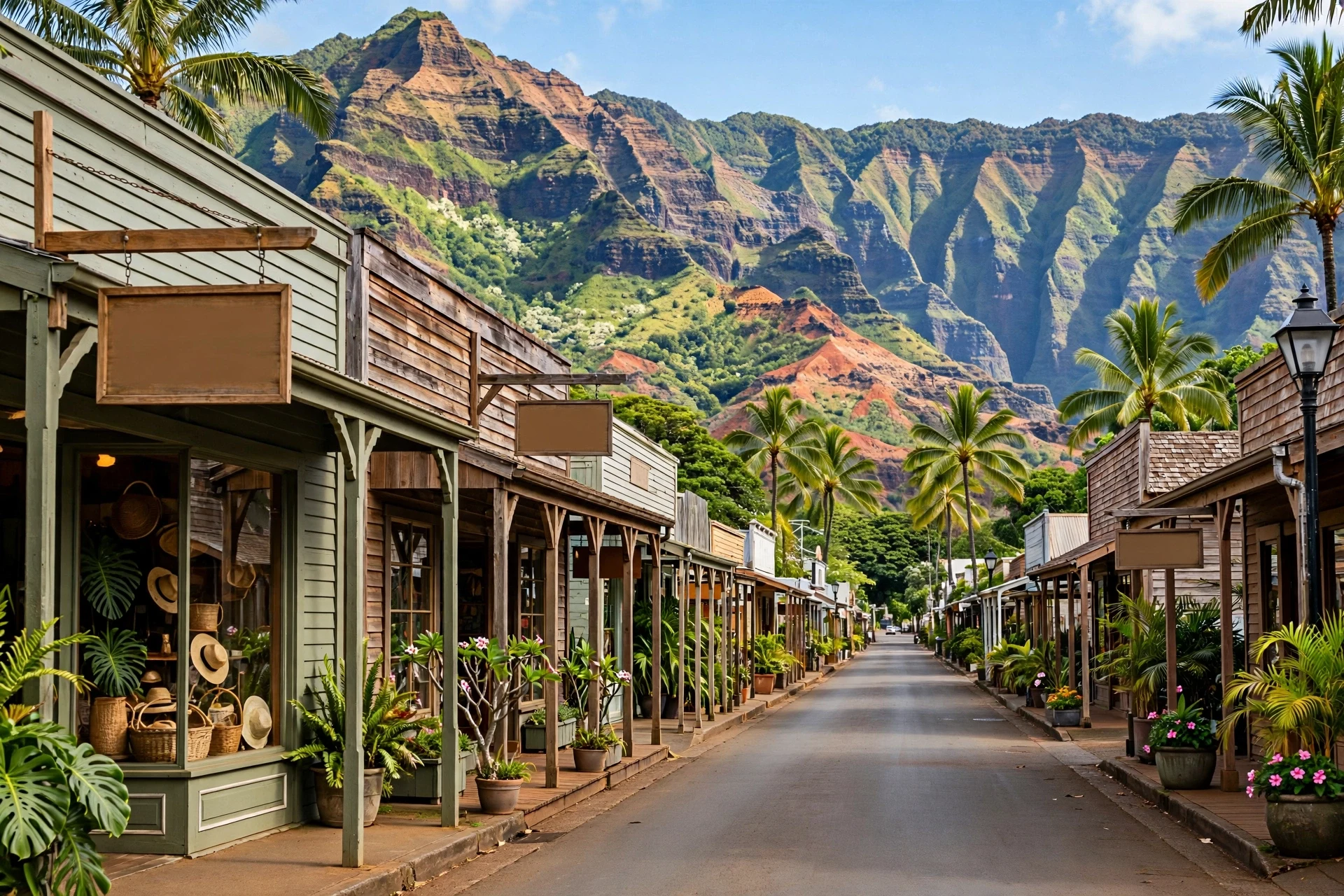
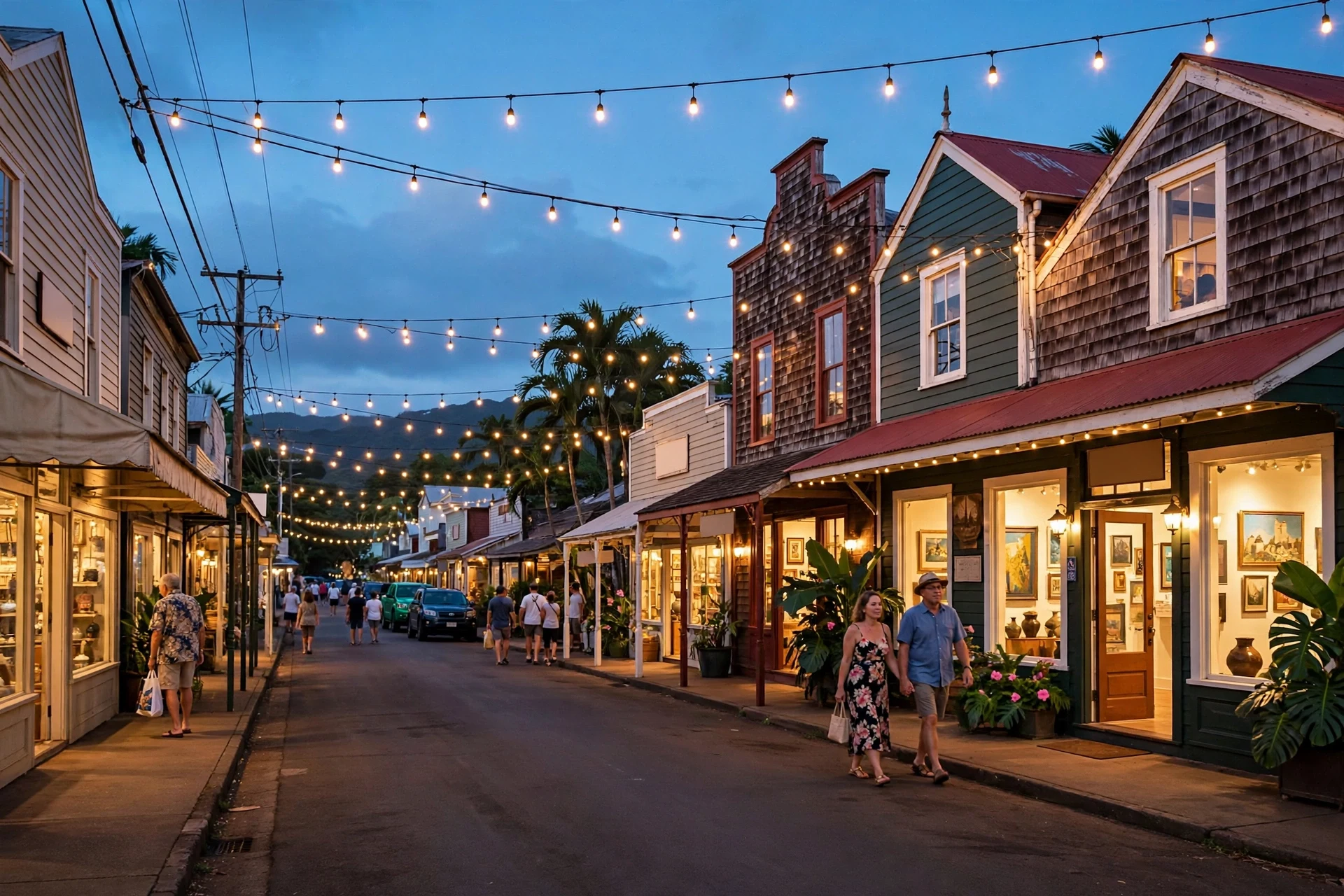
Hanapēpē has reinvented itself as Kauaʻi’s art town. Its main street of restored plantation-era buildings houses galleries, bookshops, and cafes, and the Friday Art Night draws visitors and locals for live music, open galleries, and food vendors. The town’s swinging bridge, spanning the Hanapēpē River, is a beloved local landmark.
Hanapēpē also carries a heavier history: it was the site of the 1924 Hanapēpē Massacre, a violent clash during a sugar strike that remains one of the darkest episodes in Hawaiʻi’s labor history. Salt Pond Beach Park, just south of town, is one of the west side’s best swimming beaches, with a protected lagoon and traditional Hawaiian salt ponds nearby where sea salt is still harvested by hand.
Kekaha
Kekaha is the last town on the west side before the road ends at Polihale State Park. It is a quiet residential community with a long beach that locals favor for sunsets and surfing. Kekaha Beach Park has a large pavilion and calm summer conditions. Beyond Kekaha, the road continues to Polihale, home to one of the longest beaches in Hawaiʻi, backed by towering dunes and the cliffs of the Nāpali Coast.
Few visitors stay in Kekaha, but the drive out here rewards anyone seeking empty beaches and big skies. The Pacific Missile Range Facility at Barking Sands, a US Navy installation, sits just beyond town and is the reason this stretch of coast has remained undeveloped.
Upcountry and Central Communities
Between the south shore resorts and the west side’s dry plains, the island rises into cooler agricultural country. Kalaheo is the main upcountry town, a residential community with local restaurants and shops serving the surrounding farms. The real draw here is Kauaʻi Coffee, the largest coffee farm in the United States, where visitors can walk the grounds and sample the roast. The Numila area grows coffee on land that once grew sugar, a visible symbol of the island’s agricultural transition.
The central interior also holds the Kōkeʻe area’s access roads and the island’s agricultural heartland. Travelers rarely base themselves upcountry, but the drive through on the way to Waimea Canyon passes through some of Kauaʻi’s prettiest farmland, and the cooler temperatures offer a pleasant break from the coastal heat.
One place that belongs in any discussion of Kauaʻi’s communities is Niʻihau, the privately owned island visible off the west coast. Known as the Forbidden Island, it is home to a small Native Hawaiian community and is generally closed to visitors. Its presence is a reminder that Kauaʻi County extends beyond the Garden Isle itself.
Where to Base Yourself
Choosing a base comes down to priorities, because no single town does everything. The island is small enough that day trips are possible from anywhere, but drive times add up, and staying near your main interests saves real time.
Choose Poʻipū if dependable sunshine, calm beaches, and resort amenities top your list. It has the island’s most reliable weather, excellent snorkeling, and easy access to both the south shore and Waimea Canyon. Families and first-time visitors tend to be happiest here.
Choose Hanalei or Princeville if scenery is your priority and you accept the rain that creates it. The north shore is the most beautiful part of Kauaʻi, with the best access to the Nāpali Coast trails, Tunnels Beach, and Lumahaʻi. Summer is the ideal season for this choice, when the surf calms and the rain eases.
Choose Kapaʻa or Līhuʻe if you want a central, practical base with the most dining and shopping. Kapaʻa offers local character and a walkable main street, while Līhuʻe puts you closest to the airport and the harbor. Both work well for travelers who plan to explore the whole island rather than settling into one beach.
Choose the west side, Waimea or the Kōkeʻe area, if you want quiet, history, and canyon access. This is the best base for hikers tackling Waimea Canyon and Kōkeʻe State Park trails. It is the farthest from the north shore, so plan accordingly.
Many experienced visitors split their stay: a few nights on the north shore and a few on the south shore, or a south shore base with a north shore day trip. Kauaʻi rewards this approach more than any other Hawaiian island, because the two sides feel like different places.
Frequently Asked Questions
What is the best town to stay in on Kauaʻi?
Poʻipū is the best all-around choice for most visitors, with the sunniest weather, calm beaches, and resort amenities. Hanalei suits scenery lovers who visit in summer. Kapaʻa and Līhuʻe are the most practical central bases, and Waimea is ideal for hikers focused on the canyon.
What is the main town on Kauaʻi?
Līhuʻe is the county seat and the island’s largest community. It holds the airport, the cruise port at Nāwiliwili Harbor, government offices, the main shopping centers, and the Kauaʻi Museum. Most visitors pass through Līhuʻe at the start and end of their trip.
Is Kapaʻa or Poʻipū better?
Poʻipū has better weather, better beaches, and more resort amenities. Kapaʻa has more local character, a walkable main street, lower prices, and a more central location for exploring the whole island. Beach-focused travelers usually prefer Poʻipū; explorers on a budget usually prefer Kapaʻa.
Can you drive between all the towns on Kauaʻi?
Almost. A single ring road connects every town described here, but the Nāpali Coast breaks the ring on the northwest side. There is no road between Hāʻena on the north shore and the west side, so traveling between them means driving back around through Līhuʻe.
Which Kauaʻi town is the oldest?
Kōloa is often called Kauaʻi’s oldest town, and it is the site of Hawaiʻi’s first commercial sugar plantation, founded in 1835. Waimea is historically significant as the landing place of Captain Cook in 1778, the first European contact with the Hawaiian Islands.
What is Hanapēpē known for?
Hanapēpē is known as Kauaʻi’s art town, with galleries and shops in restored plantation-era buildings, a popular Friday Art Night, and the historic swinging bridge over the Hanapēpē River. Salt Pond Beach Park nearby is one of the west side’s best swimming beaches.
Is the north shore or south shore of Kauaʻi better?
The north shore is more scenic but wetter, with dramatic mountains, waterfalls, and the Nāpali Coast. The south shore is sunnier and drier, with calmer beaches and the main resort area. In summer the north shore is at its best; in winter the south shore is the safer bet for beach weather.
Are there towns near Waimea Canyon?
Waimea is the gateway town to Waimea Canyon, sitting at the base of Waimea Canyon Drive. Kekaha and Hanapēpē are also nearby on the west side. Kōkeʻe State Park, at the top of the canyon road, has cabins and a lodge but no real town.
Related Guides
- Kauaʻi Map: Complete Island Guide
- Kauaʻi Hikes: Trails, Permits, and Safety
- Kauaʻi Waterfalls: Complete Guide
- Kauaʻi Snorkeling: Best Spots and Safety
- Kauaʻi Weather: Seasons and Microclimates
- Hanalei Map: North Shore Guide
- Hanalei Bay Map: Beaches and Access
- Līhuʻe Map: Town and Airport Guide
- Hawaiʻi Beaches: Complete Guide
Reading Kauaʻi Through Its Towns
Kauaʻi’s towns are small, but they carry the whole story of the island between them. Kōloa holds the beginning of the sugar era. Waimea holds the beginning of contact with the outside world. Hanalei holds the landscape that made writers and filmmakers fall for the island. Hanapēpē shows what a plantation town can become. None of them try to be more than they are, and that is precisely their appeal. Spend time in the towns and the island stops being a backdrop for beaches. It becomes a place with a past, a present, and a rhythm of its own.