Hawaii Itinerary: 14 Days Across Four Islands

Fourteen days is the trip Hawaiʻi actually deserves. Two weeks is long enough to stop sprinting, long enough to give four islands real time instead of airport time, and long enough for the small moments that people remember years later: a second morning at the same beach, a neighborhood bakery, a hike repeated at a better hour. This 14 day Hawaii itinerary is built around one rule. Every island gets at least three nights, and no day asks you to cross the state to see it.
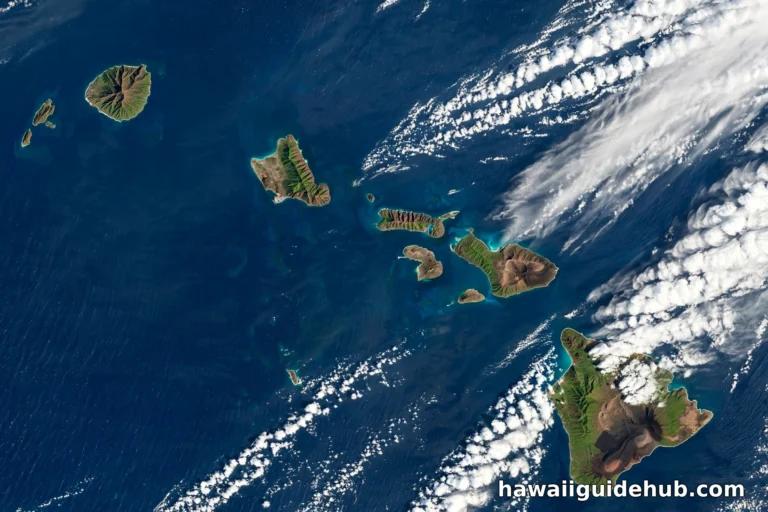
The route runs Oʻahu, Kauaʻi, Maui, and Hawaiʻi Island, in that order, flying in to Honolulu and home from Kona so you never backtrack. It is written for first time visitors who want the complete picture, but return visitors will find it works just as well with the icon days swapped for deeper cuts. Shorter trip? Our Hawaii itinerary for ten days shows the two island version of this same philosophy.
The Route at a Glance
| Days | Island and base | The point of this stop |
| 1 to 4 | Oʻahu, Waikīkī or Honolulu | Icons, history, North Shore, easy landing |
| 5 to 7 | Kauaʻi, Kapaʻa or Poʻipū | Nā Pali Coast, Waimea Canyon, slow north shore |
| 8 to 11 | Maui, Kīhei, Wailea or Kāʻanapali | Haleakalā, Hāna road, best beach rhythm |
| 12 to 14 | Hawaiʻi Island, Kona side | Volcano day trip, coffee country, grand finale |
Interisland flights are short, roughly 30 to 60 minutes in the air, but treat each move as half a day once airports are counted. That math is exactly why this plan uses four bases in fourteen days and not six. Travelers who hate changing hotels can drop Kauaʻi or Hawaiʻi Island and stretch the other stays, and the plan still holds together. What you should not do is add a fifth island. Two weeks feels generous at home and very short at day ten in a rental car line.
Days 1 to 4: Oʻahu, the Complete Introduction
Day 1 belongs to arrival and nothing else. Most mainland flights land tired, so the plan is a Waikīkī swim, an early dinner, and a walk on the sand while your body clock adjusts. Resist scheduling anything with a ticket time. Day 2 is Pearl Harbor, and it deserves a full, unhurried morning. The National Park Service releases USS Arizona Memorial program reservations through Recreation.gov, and they go fast in busy months, so this is the first booking to make when your dates are set. Spend the afternoon in downtown Honolulu: ʻIolani Palace, the King Kamehameha statue, and Chinatown for dinner.
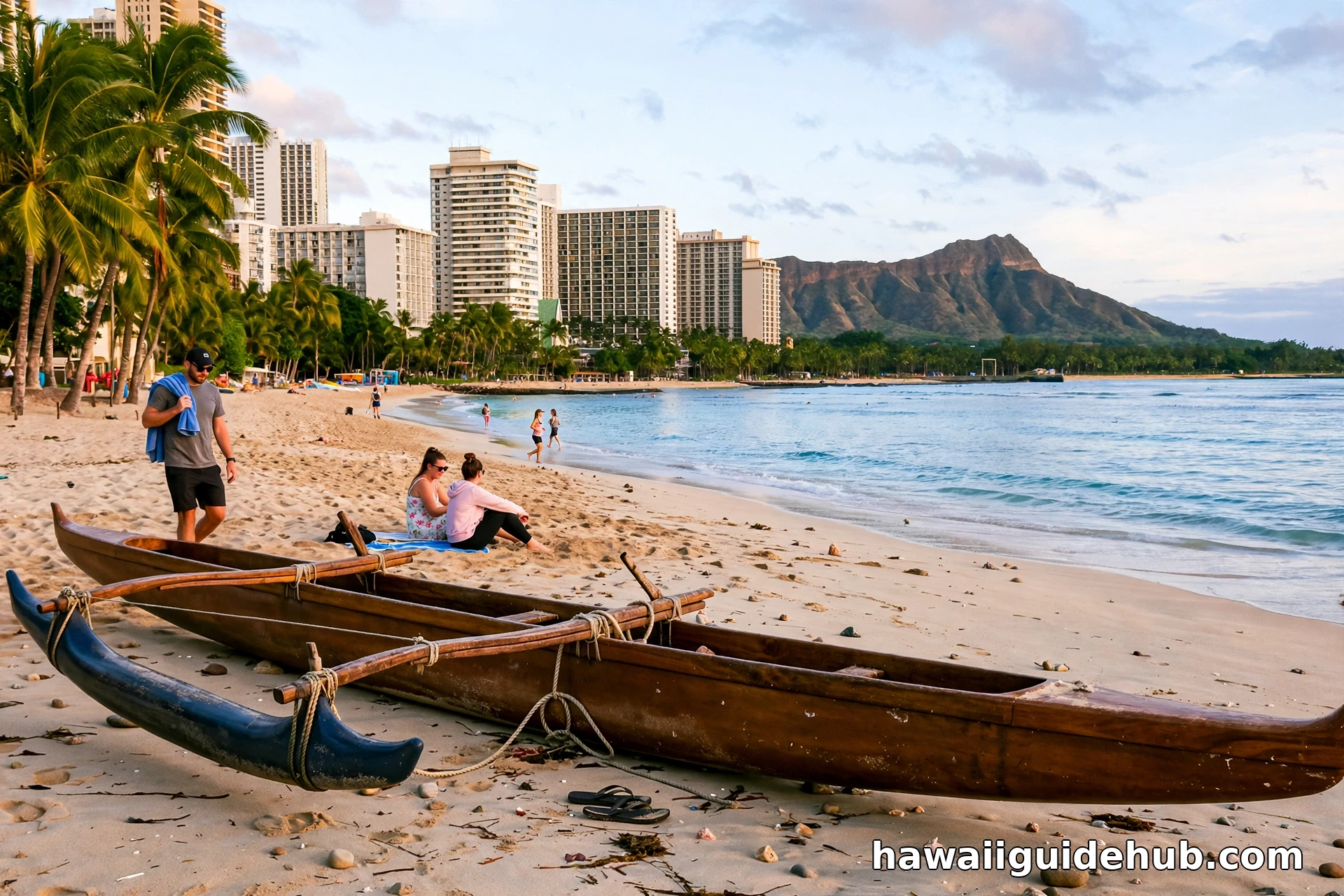
Day 3 is the Diamond Head and windward day. The Diamond Head State Monument trail requires an advance entry reservation for nonresidents through the Hawaiʻi Division of State Parks, so book it alongside Pearl Harbor. Go early, climb before the heat, then drive the windward coast to Kailua and Lanikai for the afternoon swim. Day 4 is the North Shore: Waimea Bay, the surf towns around Haleʻiwa, and a sunset that feels like a different state from Waikīkī. In winter the waves are the show. In summer the same bays turn calm enough for swimming. If you are still choosing islands, our guide to the best island in Hawaii for first time visitors explains why Oʻahu makes such a strong opening chapter.
Days 5 to 7: Kauaʻi, the Green Heart
Fly to Līhuʻe on the morning of day 5, pick up the car, and point it at the island rhythm: slower, greener, earlier to bed. Base in Kapaʻa if you want central access in both directions, or Poʻipū if beach weather insurance matters most. The afternoon is for settling in and the nearest beach, nothing more. Day 6 is Waimea Canyon and Kōkeʻe State Park on the west side. The canyon lookouts and a ridge hike fill the day honestly, and the light is kindest before mid afternoon clouds gather.
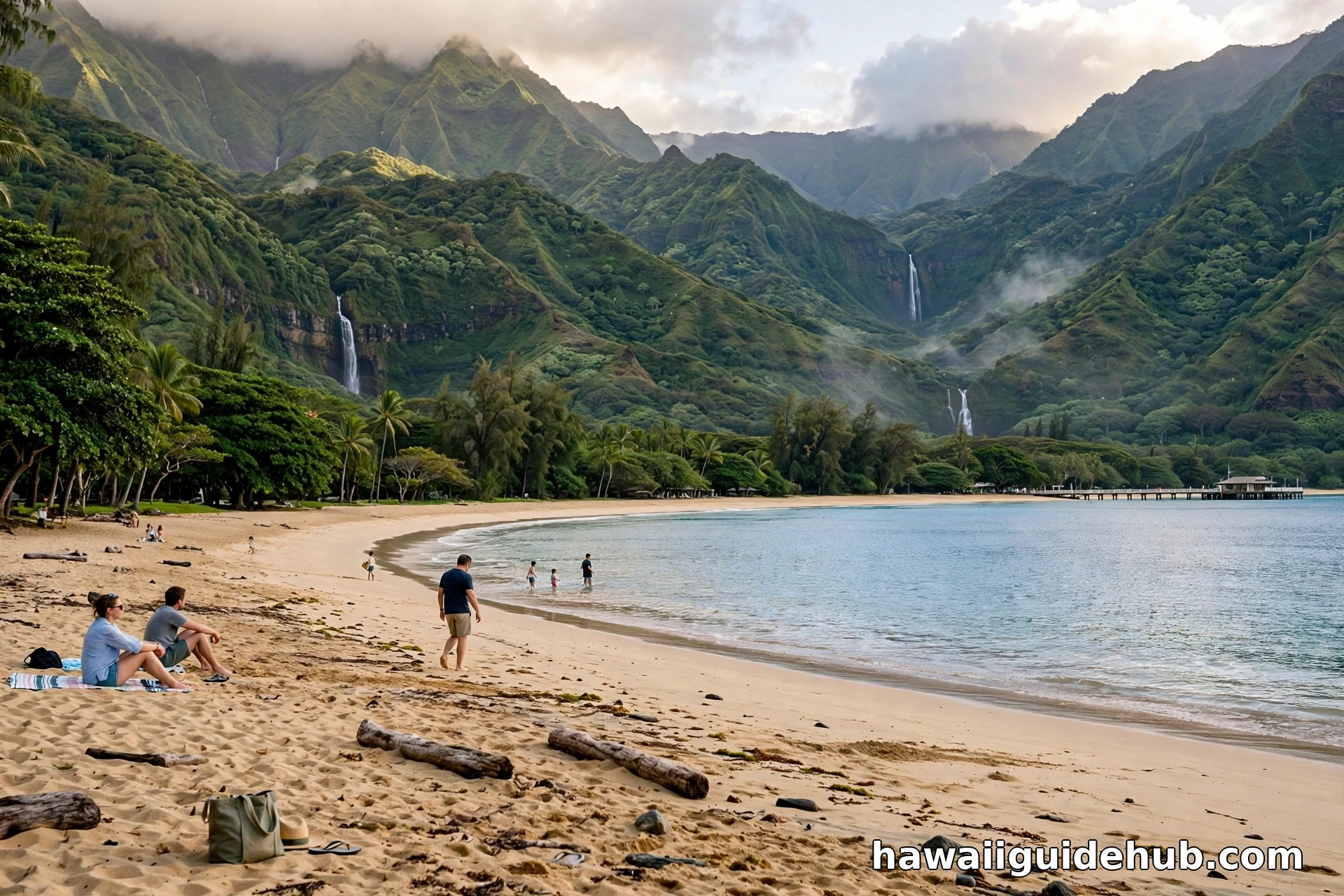
Day 7 belongs to the north shore and Hanalei Bay. Hāʻena State Park, the gateway to the Kalalau Trail and Kēʻē Beach, runs a strict advance reservation system for nonresident entry and parking through the state parks reservation site, and spaces sell out. Book it the day your flights are set. Even a short walk on the first section of the trail explains the whole Nā Pali legend, and the trail notes in our guide to hiking in Kauaʻi will help you pick a distance that suits your legs. End the day in Hanalei town as the waterfalls appear on the mountains behind the taro fields.
Days 8 to 11: Maui, the Balanced Middle
Day 8 is a travel and decompress day: fly to Kahului, settle into your Maui base, and keep the schedule empty. Maui rewards having four nights more than any other island here, because its two biggest experiences sit at opposite ends of the clock. Day 9 is Haleakalā. Sunrise at the 10,023 foot summit requires a National Park Service reservation for entry between 3:00 AM and 7:00 AM, plus warm clothing you will laugh about packing and then wear all at once. Sunset from the summit is the reservation free alternative and nearly as moving. Either way, give the rest of that day to upcountry towns like Makawao and Kula rather than a second big mission.
Day 10 is the Road to Hāna, done properly: wheels rolling by 7:00 AM, swim stops and waterfall lookouts chosen rather than chased, and Waiʻānapanapa State Park as the centerpiece. That park requires advance reservations for entry and parking through the state parks system, and its black sand cove, detailed in our Maui black sand beach guide, is worth building the day around. Day 11 is deliberately unscripted Maui: a snorkel morning on a calm west or south shore beach, a beach you loved revisited, and an early night. Every good two week itinerary needs one day with nothing to prove.
Days 12 to 14: Hawaiʻi Island, the Grand Finale
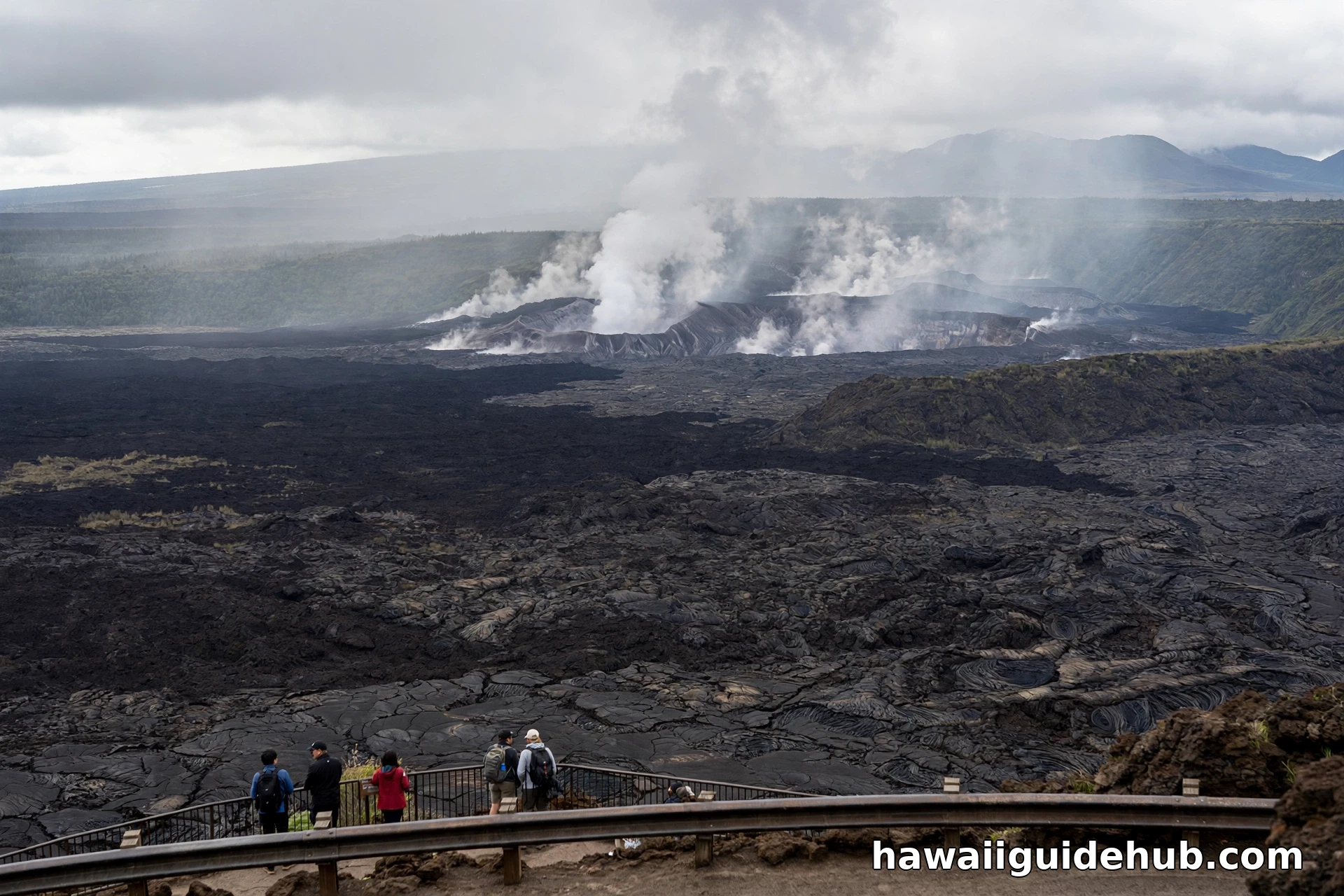
Fly into Kona on day 12 and base on the dry west side. The afternoon is for the historic town of Kailua Kona, a swim at a nearby bay, and coffee country the following morning, when farms in the Kona coffee belt on the slopes above town welcome visitors. Day 13 is the big one: Hawaiʻi Volcanoes National Park. It is roughly a two hour drive each way from Kona, so leave early, and consider the park entrance pass, which the National Park Service sells per vehicle for seven days, money well spent even for one long day. Walk the Kīlauea summit area, the steam vents, and a lava tube, and check the park website that morning for eruption viewing updates and closures, because conditions change with the volcano, not the calendar.
Day 14 is a gentle landing: a late breakfast, one last swim, souvenir weight distributed across bags, and a flight home from Kona in the afternoon or evening. Ending open jaw, into Honolulu and out of Kona, is the single smartest logistics choice in this whole plan. It saves a backtracking flight, a hotel night, and a tired travel day you would otherwise spend retracing your steps.
Variations: Two Islands Slow, or Three Islands Balanced
Not everyone wants four bases, and this framework bends gracefully. The slow version picks two islands, usually Oʻahu plus Kauaʻi or Maui plus Hawaiʻi Island, and gives each a full week. That depth buys things the four island version cannot: a rental with a kitchen, a favorite coffee shop, a hike done twice in different light, and a rainy day that costs nothing because tomorrow is free too. Honeymooners and second time visitors usually prefer this cut, and families with small children often find one move in fourteen days is plenty.
The balanced version drops one island, most often Kauaʻi or Hawaiʻi Island depending on whether waterfalls or volcanoes matter more, and stretches the remaining three to four or five nights each. You keep the open jaw logic, keep one unscripted day per island, and gain evenings. What never works is the variation people attempt on their own: five or six islands because the flights look short on a map. Each hop quietly consumes half a day, and by the second week the trip has become a tour of airports with beaches in between.
Book These First: The Reservation Checklist
In order, as soon as your dates exist: interisland flights, while the cheap morning seats remain. Then the USS Arizona Memorial program through Recreation.gov. Then Hāʻena State Park entry and parking for your Kauaʻi north shore day. Then the Haleakalā sunrise vehicle reservation if you want the dawn version, the Diamond Head entry reservation, and the Waiʻānapanapa entry and parking reservation for the Hāna day. Rental cars come next, one per island, and only then the pleasant extras like a snorkel morning or a farm visit. Work down that list in a single sitting and the entire trip locks into place, leaving the two weeks themselves free for the part no reservation can schedule: wandering.
What Two Weeks in Hawaiʻi Costs
Ranges, honestly stated, beat fake precision. For a mid range trip for two, lodging commonly runs about $250 to $450 per night before taxes and resort or parking fees, with vacation rentals sometimes lower and beachfront resorts higher. A rental car on each island often lands between $50 and $100 per day before taxes. Interisland flights frequently price between about $60 and $160 per person each way depending on route and timing. Food is the flexible line: grocery breakfasts, food trucks, and one memorable dinner out every few days keep most couples in the $80 to $150 per day range. Add it up and many two week, four island trips for two land somewhere between $7,000 and $12,000 from the mainland, airfare included, with wide swings in both directions. The levers that move the total most are lodging style and how many paid activities you stack per day, not the island order.
Mistakes That Shrink a Two Week Trip
The classic error is treating fourteen days as permission to see everything, then spending four of them in airports, car lines, and check in queues. The second error is booking the famous reservations last. Pearl Harbor, Diamond Head, Hāʻena, Haleakalā sunrise, and Waiʻānapanapa all run on advance systems, and in peak months they fill. The third error is front loading: travelers burn out by day nine because days one through eight had no slack. This plan protects at least one light afternoon on every island for a reason. Finally, do not schedule the volcano or the Hāna road on a travel day. Long drives and flight days do not mix, and in Hawaiʻi the weather always gets a vote anyway.
A family shares its Oʻahu itinerary and the cuts that made it better, a good model for pacing any island.
Frequently Asked Questions
Is 14 days enough for four islands?
Yes, with discipline. Three to four nights per island gives each place a real chance, as long as you accept highlights over completeness. If four bases sound tiring, three islands in fourteen days feels luxurious and is the better trip for many travelers.
What is the best order to visit the islands?
Start on Oʻahu, where most flights arrive, and finish on Hawaiʻi Island, flying home from Kona. Moving generally eastward along the chain and ending open jaw avoids backtracking. The reverse order works equally well if flight prices favor it.
How many interisland flights does this itinerary need?
Three: Honolulu to Līhuʻe, Līhuʻe to Kahului, and Kahului to Kona. Each is under an hour in the air. Morning flights protect your afternoons, and keeping one carry on sized bag per person makes the hops painless.
Can I do this itinerary with kids?
Yes, and two weeks actually suits families better than one, because the pace can breathe. Swap the longest hikes for beach mornings, keep the same four bases so naps and laundry stay simple, and protect the unscripted Maui day fiercely. Children remember the repeated favorite beach more than the fifth famous one.
A 14 day Hawaii itinerary is not really about fitting more in. It is about finally traveling at the speed the islands move: one big experience a day, one beach you return to, one town you learn by name. Plan the reservations early, keep the bases few, and let the days between the landmarks become the trip. That is what the second week is for.