Hawaii Sensory-Friendly Travel Guide: Plan the Calm Trip

Hawaii is a sensory paradox: it holds some of the calmest places on earth, silent lava fields, empty beaches at dawn, gardens built for contemplation, and some of the most overwhelming, Waikiki at full volume, luaus with fire and drums, airports in holiday season. For travelers with sensory sensitivities, autism, ADHD, PTSD, sensory processing differences, the difference between a wonderful trip and a miserable one is not luck. It is planning the sensory map.
This is the single complete sensory-friendly travel guide for Hawaii. It covers sensory load ratings by experience, the calmest places on each island, strategies for flights and airports, lodging for low stimulation, food and routine anchors, meltdown and overload protocols, and traveling with sensory-sensitive kids. If you have been searching for anything about sensory-friendly Hawaii travel, the answers are all here on this one page.
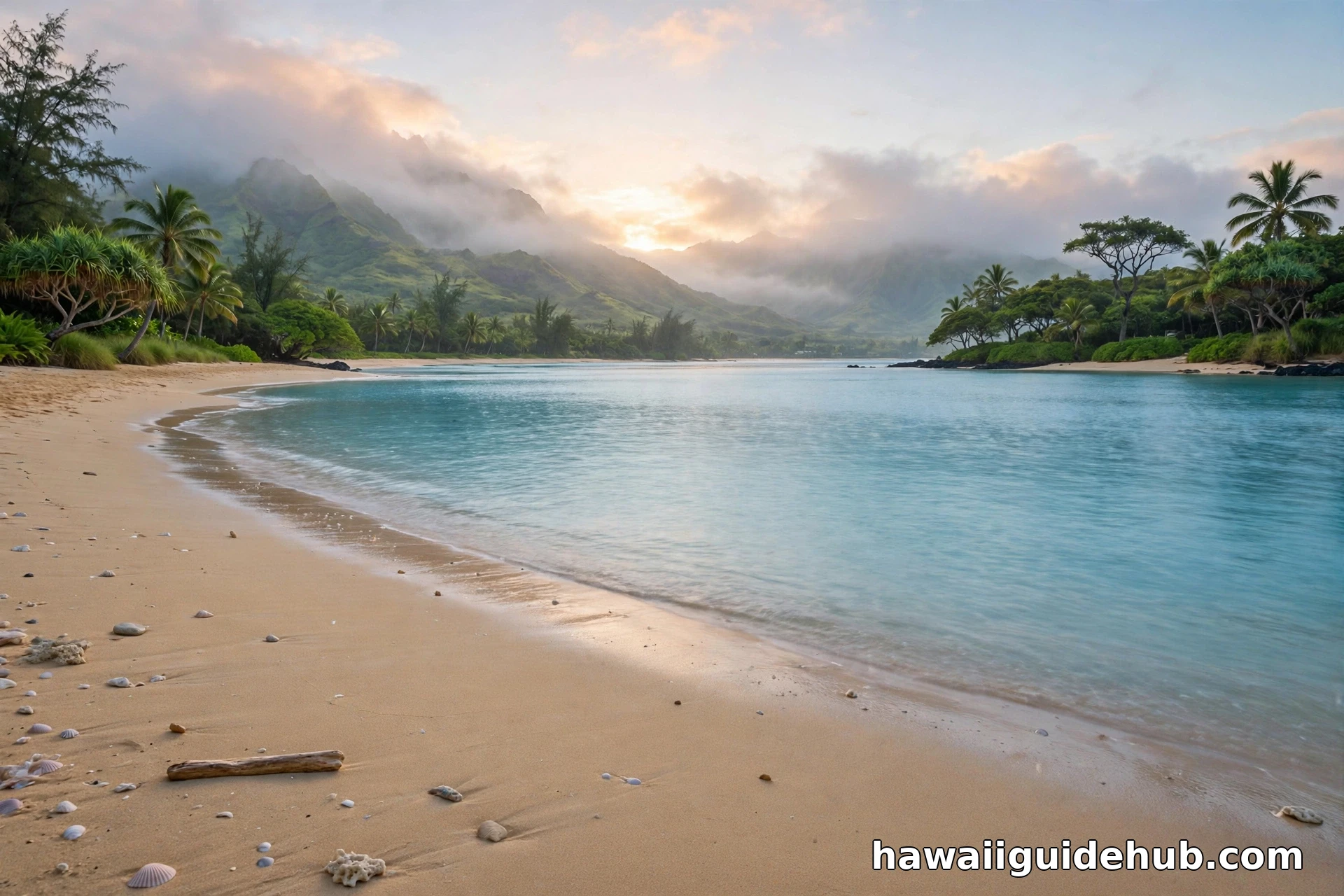
This is the sensory haven made visible: an empty beach at dawn, mist on the mountains, glassy water, not a single crowd or engine in sight. The sensory load here is near zero and the beauty is near infinite. This is what the planning buys: the traveler who rose early gets the islands at their gentlest, and the nervous system gets the morning it needed.
Why Hawaii Can Be a Sensory Haven
Here is the case for Hawaii as a sensory-friendly destination, made honestly. The natural soundscapes, ocean, wind, birdsong, are inherently regulating: rhythmic, predictable, non-threatening. The visual environment is high in the greens and blues that calm the nervous system. The pace of island life is slower, with less of the urban hurry that frays sensitive travelers. Temperatures are stable, eliminating the sensory shock of weather swings. And the culture of aloha tends toward patience and warmth rather than impatience. The haven is real; the planning just routes you to it.
The Sensory Packing List
Pack like a professional. Noise-canceling headphones plus backup earplugs. Sunglasses and a hat for the intense tropical light. Familiar comfort items: the blanket, the stuffed animal, the pillow that smells like home. Fidget tools and chewables. The white noise app loaded and tested. Familiar snacks in quantities that seem excessive. Visual schedule materials: printed or on the tablet. Medications in original containers with the prescription list. Sunscreen the traveler tolerates, tested before the trip, not discovered at the beach. Everything in the personal item for the flight.
Timing Is Everything
The same place at different hours is a different sensory planet. Beaches at 7 a.m.: empty, quiet, glorious. Beaches at noon: crowded, loud, glaring. Popular attractions at opening: calm. At midday: chaos. Restaurants at 5 p.m.: peaceful. At 7 p.m.: overwhelming. Build the itinerary around the quiet hours: early mornings for the big experiences, midday for the condo pool or the quiet garden, evenings for the calm sunset spots. The early bird does not just get the worm in Hawaii; it gets the entire island at its gentlest.
Social Stories for Hawaii
For autistic travelers who benefit from previewing, build Hawaii-specific social stories: the airport security sequence, the airplane’s sounds and phases, the hotel check-in, the beach’s sensory profile (sand texture, wave sounds, sunscreen), the restaurant routine, the snorkel boat’s engine and briefing. Use real photos and videos from the actual places you will visit; this very website’s images can help. Rehearse the stories in the weeks before the trip. The unknown is the enemy; the previewed is the manageable.
Dining Without the Meltdown
Food is a sensory minefield: new textures, new smells, new environments, all at once. Defuse it: preview menus online and choose restaurants with safe options, go at off-peak hours for quiet and faster service, bring the familiar snacks as backup without shame, and consider the condo kitchen the primary restaurant with dining out as the planned exception. Grocery stores become the heroes of the trip: familiar brands, controllable environment, no surprises. The traveler who eats well and calmly does everything else better.
Teens and Adults With Sensory Needs
Sensory needs do not end at childhood, and Hawaii works for sensory-sensitive adults too. The strategies shift: self-advocacy replaces parent advocacy, so practice the scripts for requesting quiet rooms and early boarding. Build solo retreat time into the itinerary without guilt. Choose activities by sensory profile honestly: the sunrise hike yes, the luau maybe not. And recognize that the regulating power of Hawaii’s nature works on adult nervous systems just as well; the ocean does not check ID.
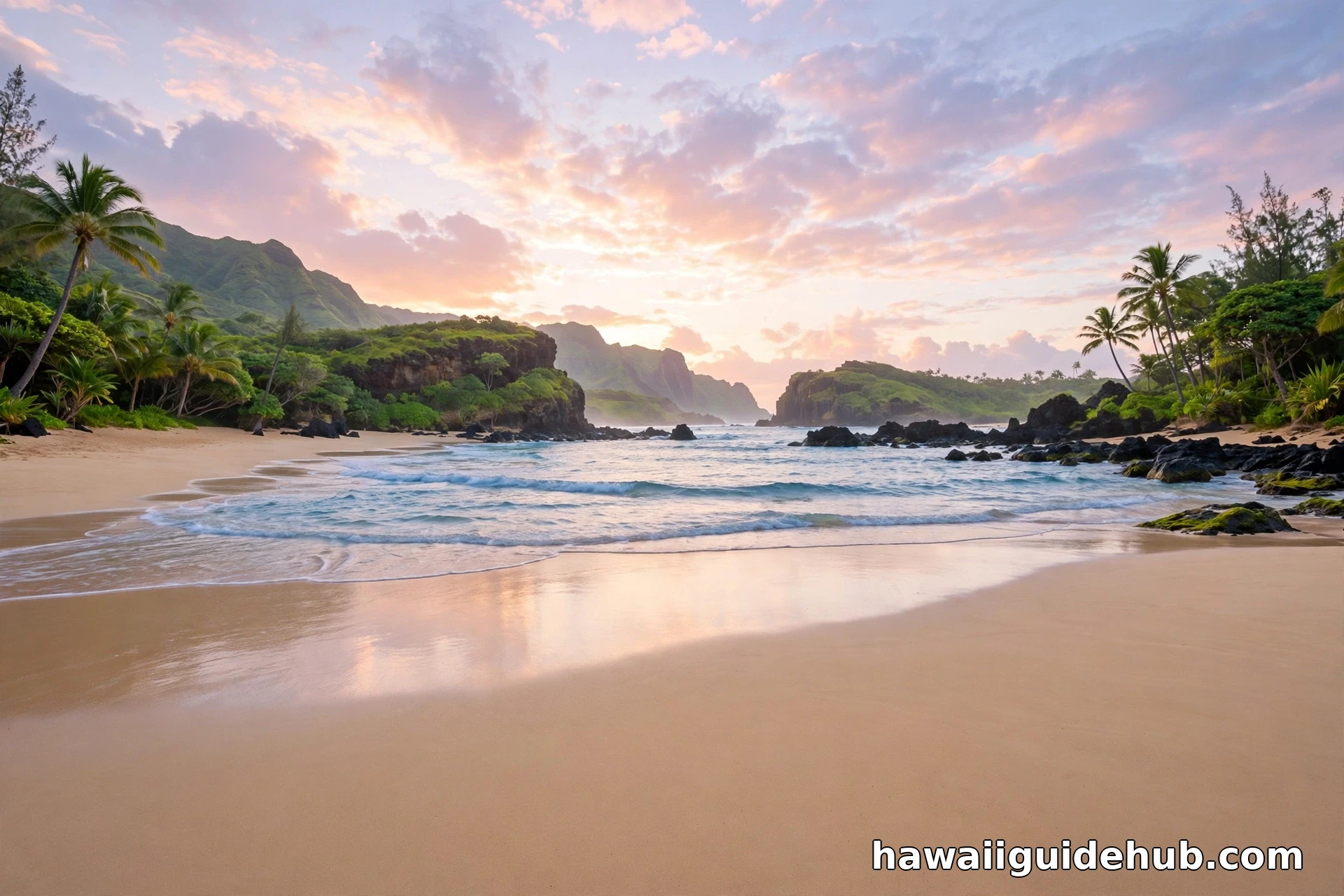
Sunrise on an empty cove: pastel sky, gentle surf, wet sand mirroring the light. No crowds, no music, no engines, just the rhythmic hush that regulates nervous systems better than any app. This is the sensory-friendly Hawaii at its purest, and it happens every single morning for the travelers who set the alarm.
Sensory Load by Experience: Honest Ratings
The expert move is rating every experience by sensory load and always having the calmer alternative ready. The table below does that work.
| Experience | Sensory load | Why | Calmer alternative |
| Waikiki Beach midday | High | Crowds, noise, vendors, heat | Same beach at 7 a.m. |
| Luau show | High | Drums, fire, crowds, late night | Daytime hula at a garden |
| Volcano overlook | Low | Vast, quiet, open space | None needed |
| Farmers market | Medium | Crowds but outdoors, escapable | Weekday morning visit |
| Snorkel boat | Medium-high | Engine, briefing, group, water | Shore snorkeling at a calm cove |
| Botanical garden | Low | Quiet paths, natural soundscapes | None needed |
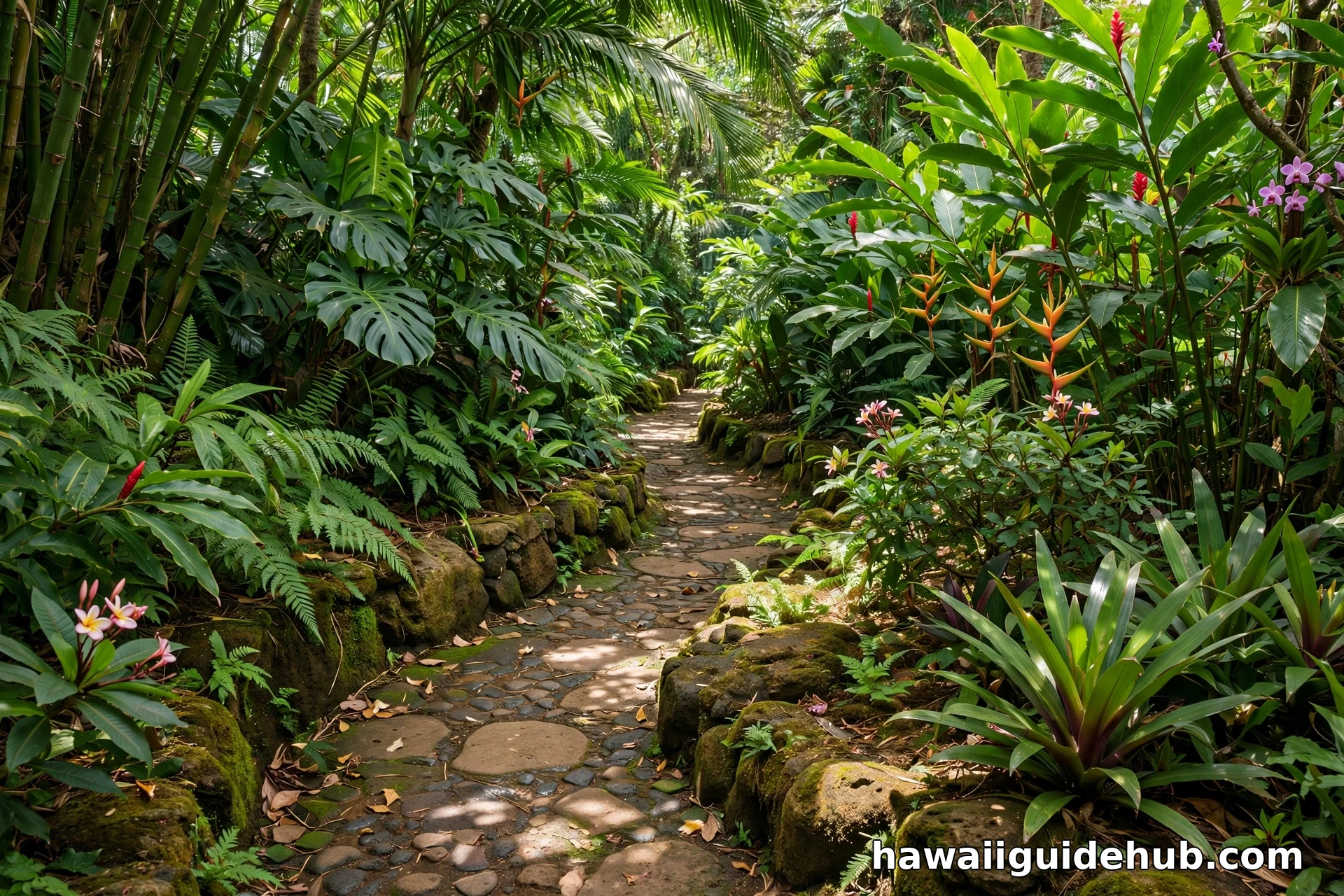
The garden path is the sensory reset button: dappled light, rustling bamboo, flowers at eye level, the only sounds birdsong and leaves. Botanical gardens are the unsung heroes of sensory-friendly Hawaii, offering beauty without crowds, nature without unpredictability, and exits every few hundred feet. When the day’s stimulation accumulates, come here and let the green do its work.
The Calmest Places on Each Island
Every island has its sanctuaries. On Oʻahu: Kaʻena Point’s wild quiet, the Hoʻomaluhia Botanical Garden’s 400 acres of calm, the Byodo-In Temple’s stillness. On Maui: the Keʻanae Arboretum, the quiet Upcountry lavender farm, the Nakalele blowhole at off hours. On the Big Island: the volcano park’s vast overlooks, the Hawaii Tropical Botanical Garden, the empty black sand of remote Kaʻū. On Kauaʻi: the Limahuli Garden, the quiet north shore beaches at dawn, the canyon overlooks in mist. Learn these places; they are the pressure valves of the trip.
The final reassurance for the anxious planner: the sensory-friendly trip to Hawaii is not a lesser trip. The dawn beaches, the quiet gardens, the volcano overlooks in mist, the empty coastal paths, these are not the consolation prizes for missing the luau. They are the islands’ deepest experiences, the ones the hurried tourists miss entirely. The traveler who needs calm does not get less of Hawaii; in many ways, they get more of what Hawaii actually is.
Flights and Airports: The Hardest Hours
The flight is the sensory gauntlet: security lines, engine drone, recycled air, strangers’ elbows. Mitigate it: noise-canceling headphones, familiar comfort items, window seat against the wall, pre-boarding to settle before the crowd, and a visual schedule of the flight’s phases so the unknown becomes the known. Many airports offer practice boarding programs for autistic travelers; ask yours. Honolulu’s airport is open-air in parts, which helps. Pack the sensory kit in the personal item, never in checked luggage.
Lodging for Low Stimulation
Book for quiet: top-floor rooms away from elevators and pools, vacation rentals over hotels for control of the environment, kitchens for food routine. Request in advance and in writing: quiet location, no connecting doors, early check-in to settle before dinner chaos. Bring the sleep kit: familiar pillow, white noise app, blackout solutions for the unfamiliar windows. The lodging is the sensory home base; get it right and the whole trip stabilizes.
Food, Routine, and Anchors
Sensory travelers run on routine, and travel breaks it. Rebuild anchors: same breakfast every day, familiar snacks always in the bag, meals at consistent times. Grocery stores are your allies: stock the condo with the safe foods. Restaurants: choose quiet ones, go at off hours, preview menus online, and always have the exit plan. The routine is not rigidity; it is the scaffolding that makes the new experiences possible.
Overload Protocol: When It Happens Anyway
Despite all planning, overload happens. Have the protocol ready: the exit route scouted in advance, the quiet place identified, the sensory kit at hand, the safe word or signal agreed. Do not push through; retreat is the strategy, not the failure. Build recovery time into every day: the quiet hour after the stimulating morning, the rest day after the big excursion. The trip succeeds not by avoiding all overload but by recovering from it gracefully.
For more trip planning, the guide to Hawaiian cultural traditions adds the cultural layer, while responsible travel practices and the guide to Hawaii’s natural environments help you travel well.
Watch: How to Travel With a Kid With Autism
Frequently Asked Questions
Is Hawaii good for autistic travelers?
Yes, with planning. Hawaii’s natural environments are low-stimulation and calming; the challenge is the high-stimulation tourist zones, which can be avoided or timed.
What are the quietest places in Hawaii?
Botanical gardens, volcano overlooks, remote beaches at dawn, and Upcountry farm country offer the lowest sensory loads.
How do you handle flights with sensory sensitivities?
Noise-canceling headphones, comfort items, window seat, pre-boarding, visual schedules, and the sensory kit in the personal item.
Should you tell hotels about sensory needs?
Yes, in advance and in writing: request quiet room location, no connecting doors, and early check-in to settle calmly.
What should be in a travel sensory kit?
Noise-canceling headphones, fidget tools, comfort items, familiar snacks, visual schedules, and sunglasses for bright light.
Hawaii at its best is a sensory gift: the trade winds’ hush, the ocean’s rhythm, the garden’s green quiet. The trip’s work is steering toward those gifts and away from the noise, and this guide is the steering chart. Plan the sensory map, protect the routines, build in the quiet, and the islands will give your traveler what they give everyone at their best: peace. And peace, in the end, is the whole point of the trip, the thing the hurried itineraries chase and the quiet ones find waiting on the empty beach at dawn, in the hush between the waves. Plan for the quiet, protect the routines, trust the islands, and the trip will give back more calm than you put into the planning, which is the best trade in all of travel. The sensory map is drawn, the quiet places are marked, the kit is packed. All that remains is to go: early, gently, and with the confidence that the islands have been waiting, patiently and quietly, for exactly this traveler, exactly as they are. And when the dawn comes up over the empty beach, the mist on the mountains, the glassy water, the whole quiet world, you will know the planning was worth it, because the peace on their face is the entire reason you came, and the memory you will carry home long after the tan fades: the morning the islands were quiet, the traveler was calm, and everything was exactly as it should be. That is the sensory-friendly Hawaii: not a compromise, not a workaround, but the islands at their truest, met on their quietest terms, and loved all the more for it, by the travelers who needed the quiet most and found it waiting, exactly where the planning said it would be: on the empty beach, in the quiet garden, under the vast and silent Hawaiian sky, which has been calming travelers since long before anyone wrote a guide about it, and will keep calming them long after this one is forgotten, because the quiet was never in the guide. It was in the islands all along, waiting for the traveler wise enough to seek it, and brave enough to plan for it, and rewarded beyond all measure when they finally find it waiting, quiet and perfect.