Responsible Whale Viewing in Hawaii: Distances, Etiquette and Conservation

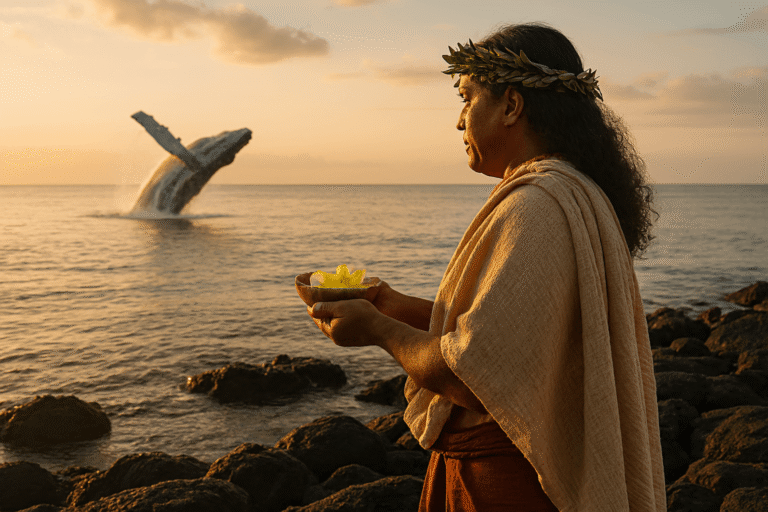
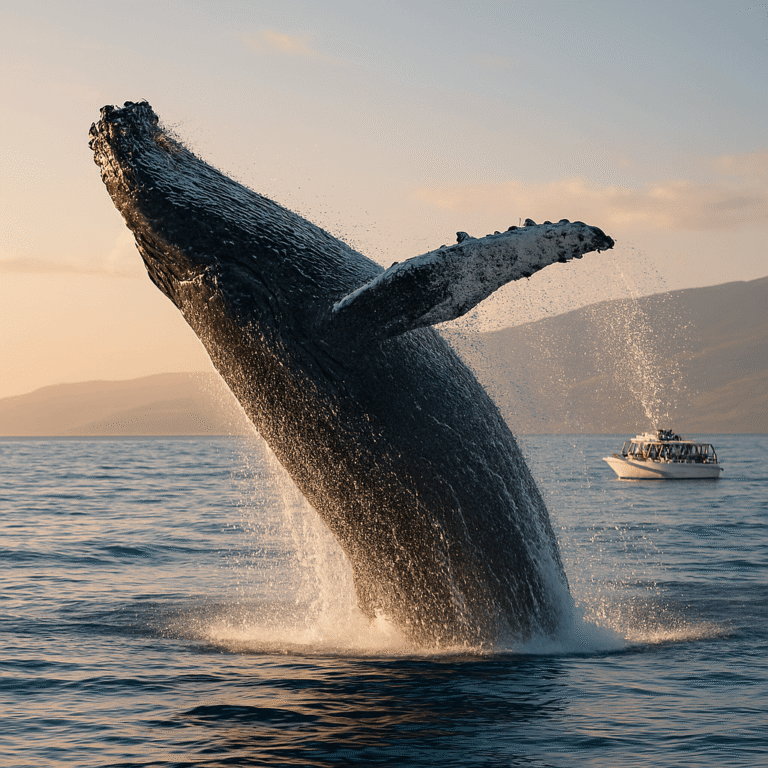
Imagine the sight: a forty-ton humpback whale breaches the surface of the Pacific, its massive form suspended against the backdrop of a Hawaiian sunset. This is the kind of amazing moment that brings millions of people to the islands every year. But this amazing gift also comes with a lot of responsibility. If not done carefully, the same things that let us see this beauty can hurt the fragile marine ecosystem.
Responsible whale viewing means maintaining distance, avoiding interference and knowing when to leave. This guide focuses on actions you can take from shore or on the water. It separates legal approach restrictions from additional guidance and explains how to report an injured or entangled animal.
Why Sustainable Tourism Matters for Hawaii’s Ocean
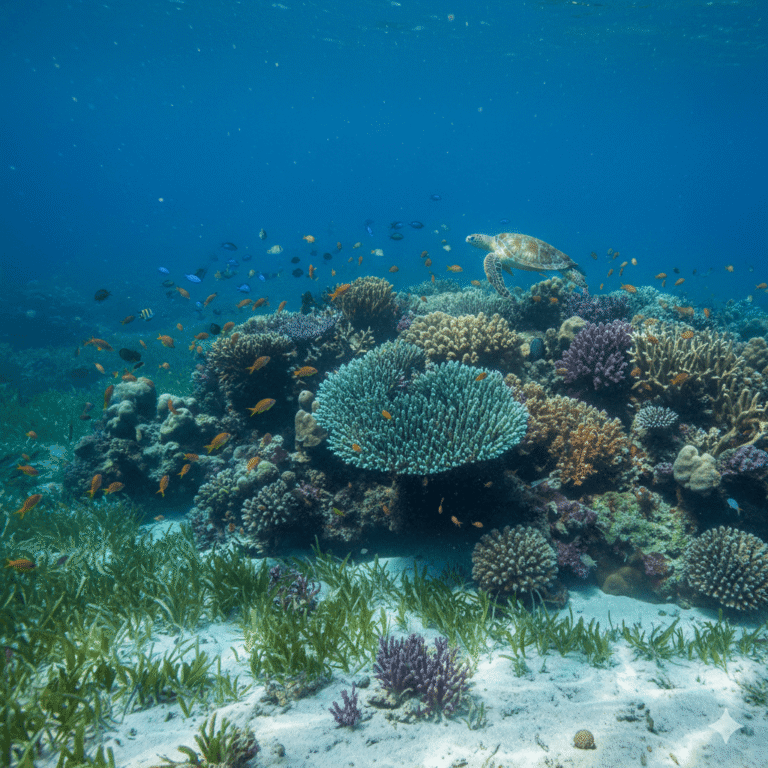
Hawaii’s warm, clear waters are not just a tropical paradise for people; they are also a very important home for many different kinds of marine life. The sea life in Maui, Oahu, and the other islands is a fragile treasure. It includes the majestic humpback whales that come here to breed and calve, the playful spinner dolphins, and the endangered Hawaiian monk seals. This unique Hawaii ocean ecosystem faces threats from pollution, climate change, and human activity.
This is when eco-friendly tourism becomes very important. Marine life can get very stressed out by irresponsible things like tour boats getting too close to animals, making too much noise, or interrupting natural behaviors. This stress can make it hard for them to do important things like eat, sleep, and care for their young. NOAA Fisheries Hawaii has strict rules to protect these animals, but the best way to help them is for both tour operators and visitors to make smart choices.
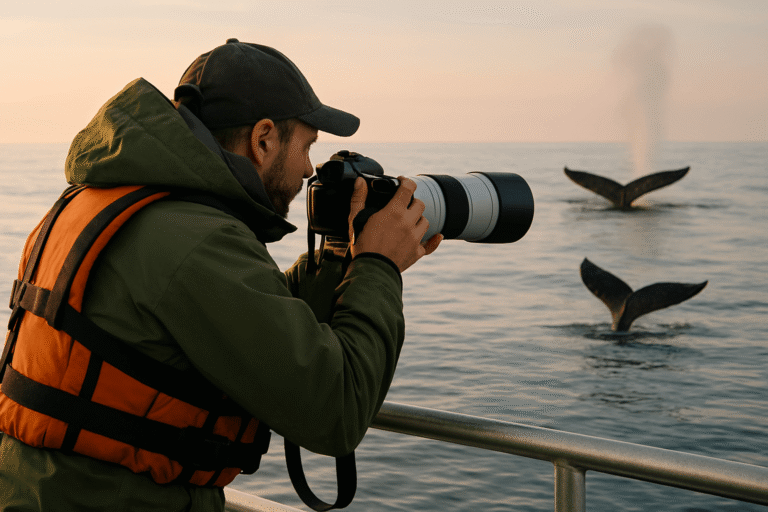
A wildlife encounter should leave the animal free to continue resting, traveling, nursing or interacting with other whales. A close photograph is not evidence of a better experience. Plan to observe with binoculars or a zoom lens and accept that a sighting may be distant or brief.
Know the Approach Rule
The central rule in Hawaii is that you must not approach a humpback whale within 100 yards. This applies to more than motorboats: swimmers, kayaks, paddleboards and other means of approach are covered. Read the sanctuary’s regulations for the full scope, including aircraft restrictions.
Labels Do Not Override Wildlife Protection
A voluntary recognition program or conservation partnership is not permission to approach wildlife. Nor does a label such as “eco-friendly” establish that every activity is lawful. Judge the behavior itself: distance, speed, positioning and whether animals can continue their activity without interference.
Research permits are separate from ordinary visitor access. A photograph credited to permitted researchers does not show a distance or method that visitors may copy. Follow the public rules even if you have seen close research footage online.
Plan Your Observation Before Arriving
Before observing whales, make the practical decisions that keep the encounter from becoming a pursuit:
- Distance: Plan to remain beyond the 100-yard approach limit. Use extra room rather than relying on an uncertain estimate.
- Position: Do not block a travel path, separate animals or try to move between a mother and calf.
- Observation: Use a stable shore viewpoint where possible, and keep cameras from distracting you from safety.
- Departure: Be prepared to leave if your presence appears to disrupt an animal; do not wait for an obvious dramatic response.
Interpret Photographs Carefully
A long lens can make a whale appear closer than it was. Conversely, a claim that an animal “came to us” does not remove the need to follow response guidance. Do not infer compliance or a violation from a photograph alone; accurate context and observation matter.
Observe From Shore or Follow Boating Guidance
Shore viewing lets you watch without adding a vessel to the whale’s immediate surroundings. Choose a lawful, stable viewpoint, stay behind barriers and keep well away from cliff edges and wave-washed rocks. If the view is distant, use optics rather than moving into an unsafe position.
Education is an Important Part
Learn to distinguish a blow, a fluke-up dive, a breach and a fin slap. The humpback behavior guide explains visible movements and the limits of interpreting their purpose. Recognizing an action does not mean you know the animal’s intentions.
Giving the Animals Their Space
If you operate a vessel, read the official boating guidance. If you find yourself within 100 yards, NOAA advises stopping immediately and leaving engines running in neutral until the whale moves away. Do not chase, intercept or move ahead of an animal to create a closer encounter.
There’s More to It Than Whales
Different species have different rules and recommended distances. Do not use the humpback rule as a universal wildlife rule. Our responsible dolphin-viewing guide explains spinner dolphin restrictions, while the turtle etiquette guide covers turtle observations.

How You Can Help Hawaii’s Marine Life Stay Safe
Responsible choices also apply away from the sighting. Keeping waste out of the water and respecting shoreline habitat support the wider marine environment. Small practical actions are more useful than an unsupported claim that a visit has no impact.
On and Off the Water
- Use sun protection thoughtfully: Clothing, hats and shade reduce exposure. Follow local sunscreen requirements; a marketing label does not establish that a product has no impact.
- Reduce Plastic Use: Marine animals are in a lot of danger from plastic pollution because they can mistake it for food or get stuck in it. When you go shopping, bring your own bags and say no to plastic straws.
- Do not feed or touch wildlife: Keep interactions passive and avoid changing an animal’s behavior.
- Participate in a Beach Cleanup: Many local organizations host beach cleanup events. Joining one is a fantastic way to make a direct, positive impact and meet like-minded people. It gives you a real answer to the question, “How can I help marine life?”
Getting the Word Out
When sharing a photograph, describe what you observed and how distance was maintained. Do not imply you touched, fed or approached an animal if you did not. Avoid presenting speculative explanations of behavior as facts. For practical camera choices that work at a distance, read our whale photography guide.
Questions that are often asked
When is the best time to go whale watching in Hawaii?
Humpbacks are generally present from November through May, with peak abundance typically January through March. Individuals do not follow fixed opening and closing dates. Our whale season and shore-viewing locations guide covers timing in more detail.
How should I pack for a whale watching trip?
Bring water, sun protection, suitable footwear and binoculars or a zoom lens. Match clothing to the exposed viewpoint and forecast. Keep equipment manageable so you can remain aware of your footing and the people around you.
Will I definitely see whales?
No. Whales are wild animals, and visibility also depends on wind, glare, distance and sea conditions. Never pursue an animal, remain in poor conditions or approach inside the permitted distance to obtain a sighting.
How does pollution affect life in the ocean?
Pollution has a lot of different effects on marine life. Plastic trash can be eaten or get stuck on something. Chemical runoff from land can create “dead zones” where oxygen levels are too low to support life. Ships and other human activities can make a lot of noise, which can make it hard for animals like whales and dolphins to talk to each other and find their way.
Know When to Leave and How to Report a Problem
A worthwhile observation does not require close contact. Choose an appropriate viewpoint, understand the rules before arriving, and give animals enough space to continue their activity. If conditions or wildlife behavior change, be willing to end the observation.
For an injured or entangled whale, call the NOAA Marine Wildlife Hotline at 888-256-9840. Report suspected close-approach violations to NOAA Fisheries Enforcement at 800-853-1964. Record the location and what you observed from a safe distance; never attempt to disentangle a whale yourself.