Hawaii in April: Weather, Crowds, Festivals and Travel Tips

There is a particular week in April when the islands seem to exhale. The winter crowds have thinned, the big north swells have backed off, and the trade winds settle into an easy rhythm. Hotel rates dip. Restaurant waits shrink. And in Hilo, on the Big Island, the most prestigious hula competition on earth takes over an entire town. If you have ever wondered when Hawaii is at its most comfortable, April belongs near the top of the list.
This guide covers everything about visiting Hawaii in April: the weather you will actually get, what the ocean is doing, how crowds and prices behave, the festivals worth planning around, and what to pack. It is written for travelers deciding whether April is their month, and for those who have already booked and want to make the most of it.
April Weather in Hawaii: The Short Version
April sits at the hinge between Hawaii’s wetter winter season and its drier summer. The result is some of the most agreeable weather of the year. Afternoon highs on the leeward coasts, the sunny sides where most resorts sit, average around 80 degrees Fahrenheit. Overnight lows settle near 68. Humidity stays moderate. Rain, while never fully gone from the islands, drops off noticeably from the winter months.
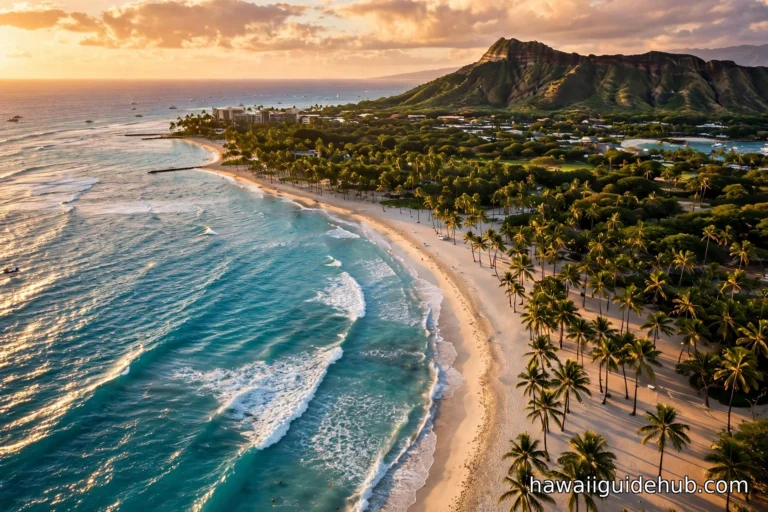
That is the statewide sketch. The details matter, because Hawaii’s weather changes dramatically across short distances. A beach in Waikiki and a mountainside in Manoa, barely four miles apart, can feel like different climates on the same afternoon. The sections below break down what April really delivers.
How Warm Is It? April Temperatures Across the Islands
Expect daytime highs between 77 and 82 degrees on the leeward coasts of Oahu, Maui, Kauai, and the Big Island. These are the dry, sunny sides: Waikiki, Lahaina, Poipu, and the Kohala Coast. Mornings start in the low 70s and warm steadily. By mid-afternoon, with the sun high and the trades moving, it feels like classic beach weather without the intensity of summer.
Nights cool to the upper 60s, which most visitors find perfect for sleeping with the windows open. If your lodging sits at elevation, pack accordingly. Upcountry Maui, Volcano Village on the Big Island, and the higher neighborhoods above Honolulu can run five to ten degrees cooler than the beaches, and April evenings up there genuinely call for a light layer.
The windward sides, the east-facing coasts that catch the trade winds, run a touch cooler and noticeably wetter. Towns like Kailua, Hilo, and Hanalei see more cloud cover and more frequent showers. None of this ruins a trip. It is simply the trade: greener landscapes and waterfalls running strong, in exchange for a higher chance of a passing shower.
Rain in April: Less Than You Think
April is not Hawaii’s driest month, but it is far from its wettest. Leeward resort areas typically record just one to two inches of rain for the entire month, spread across a handful of brief showers. Many April days on the sunny coasts see no rain at all.
When rain does come, it usually arrives the Hawaiian way: a quick morning shower or a short afternoon burst, then sunshine again. The full-day washouts that occasionally hit in winter are rare by April. The exception is the windward coasts and mountain interiors, where orographic rain, the kind squeezed out of clouds by the peaks, keeps things lush year-round. Hilo, famously one of the wettest cities in the United States, still averages meaningful rainfall in April. If your itinerary leans toward the green side of an island, a light rain jacket earns its place in your bag.
One practical tip: April showers often arrive overnight or in the early morning, burning off by mid-morning. Planning beach time for late morning through afternoon stacks the odds in your favor.
Ocean Conditions: Swimming, Surf, and the Last of the Whales
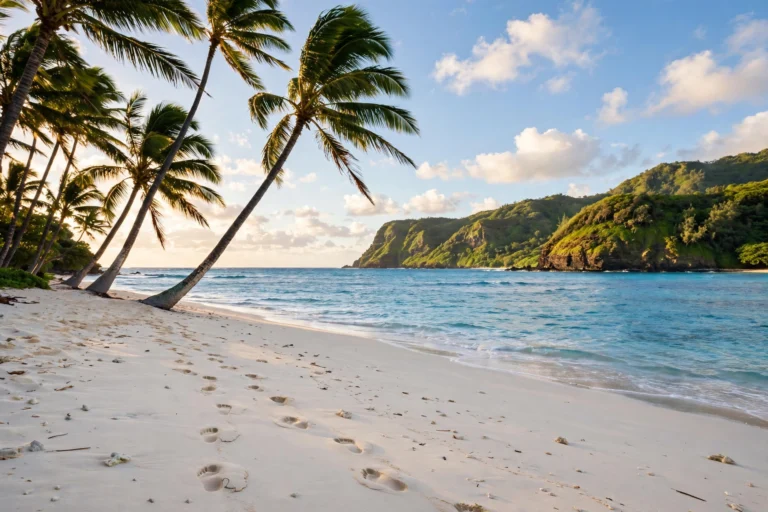
The Pacific around Hawaii in April averages about 77 degrees. That is comfortable for most swimmers without a wetsuit, though people who chill easily sometimes prefer a rash guard for longer snorkel sessions. Sunshine, air temperature, and wind matter as much as the water number itself, and April delivers well on all three.
Surf conditions in April reflect the seasonal transition. The giant winter swells that pound Oahu’s North Shore from December through February have faded. North-facing shores calm down considerably, which opens up beaches that are too rough for casual swimming in winter. At the same time, the south swells of summer have not fully arrived, so south-facing shores stay moderate. For the average visitor, this is arguably the most versatile ocean month: more beaches are swimmable, on more days, than at almost any other time of year.
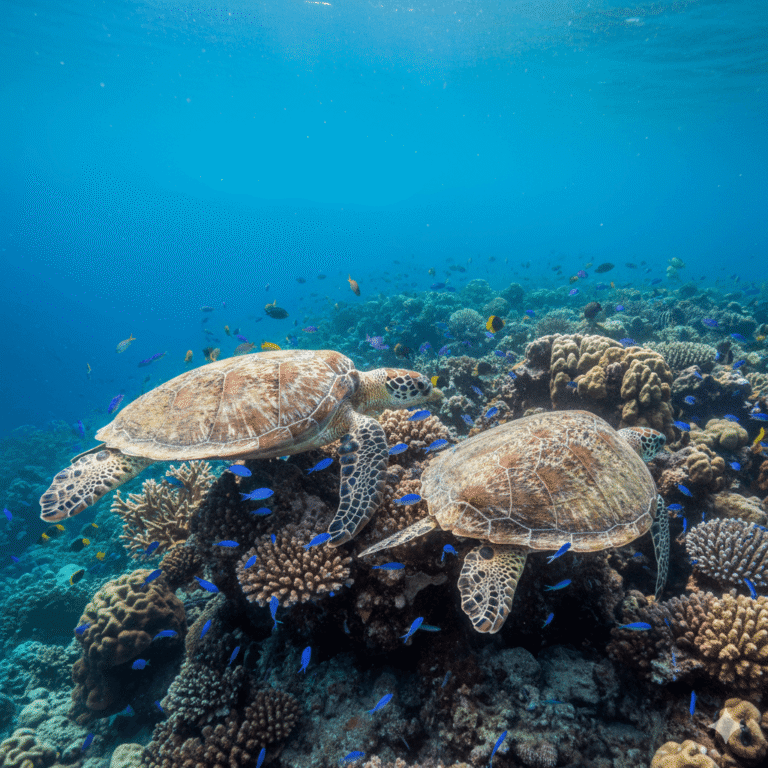
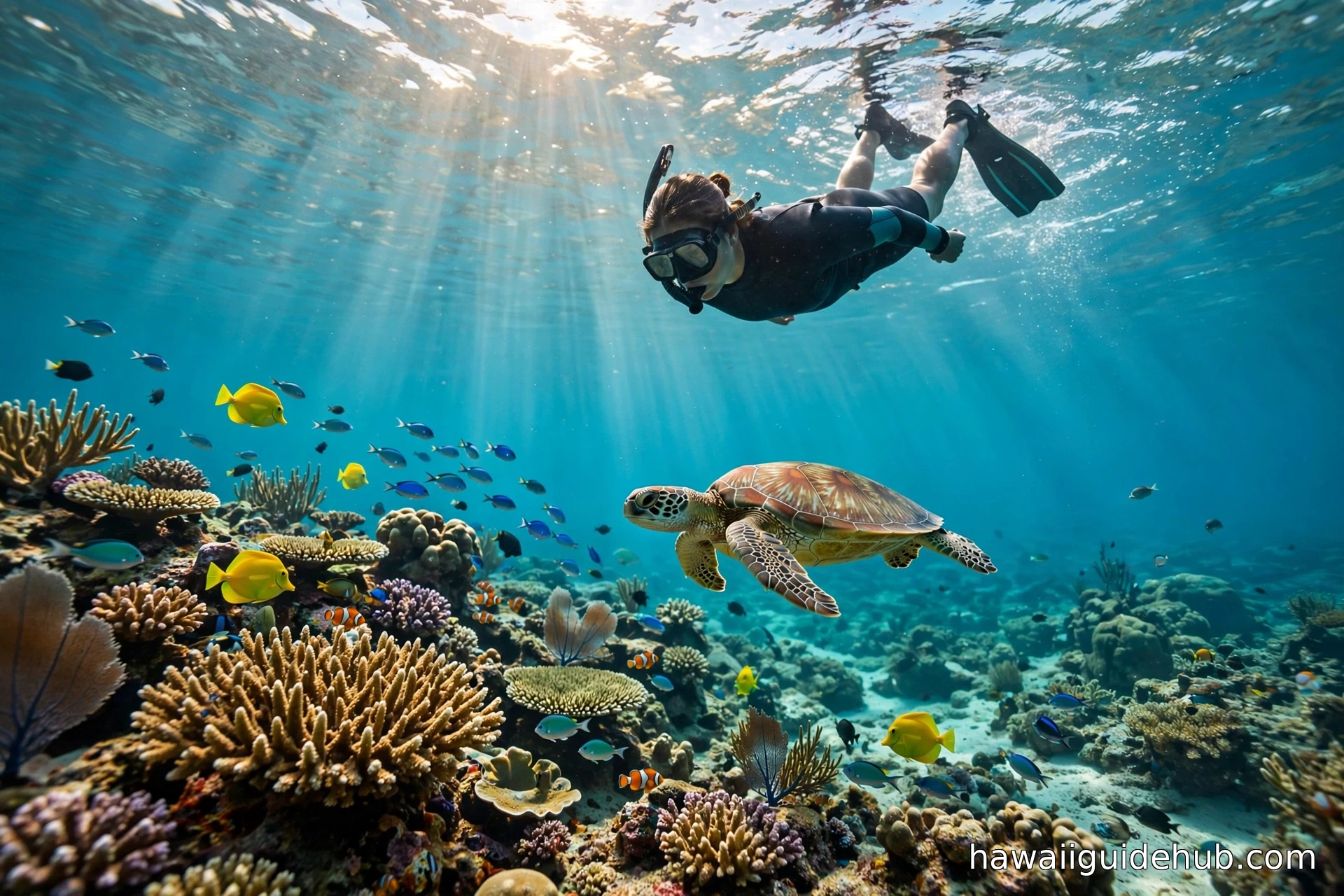
Snorkeling conditions follow the same pattern. Calmer seas mean better visibility and easier entries at many reef spots. Spring is an excellent window for getting in the water, whether you are a first-timer or a seasoned snorkeler. If Oahu is on your itinerary, sheltered spots like Shark’s Cove reward calm conditions with some of the island’s clearest reef viewing.
A Note on Whale Season’s Final Weeks
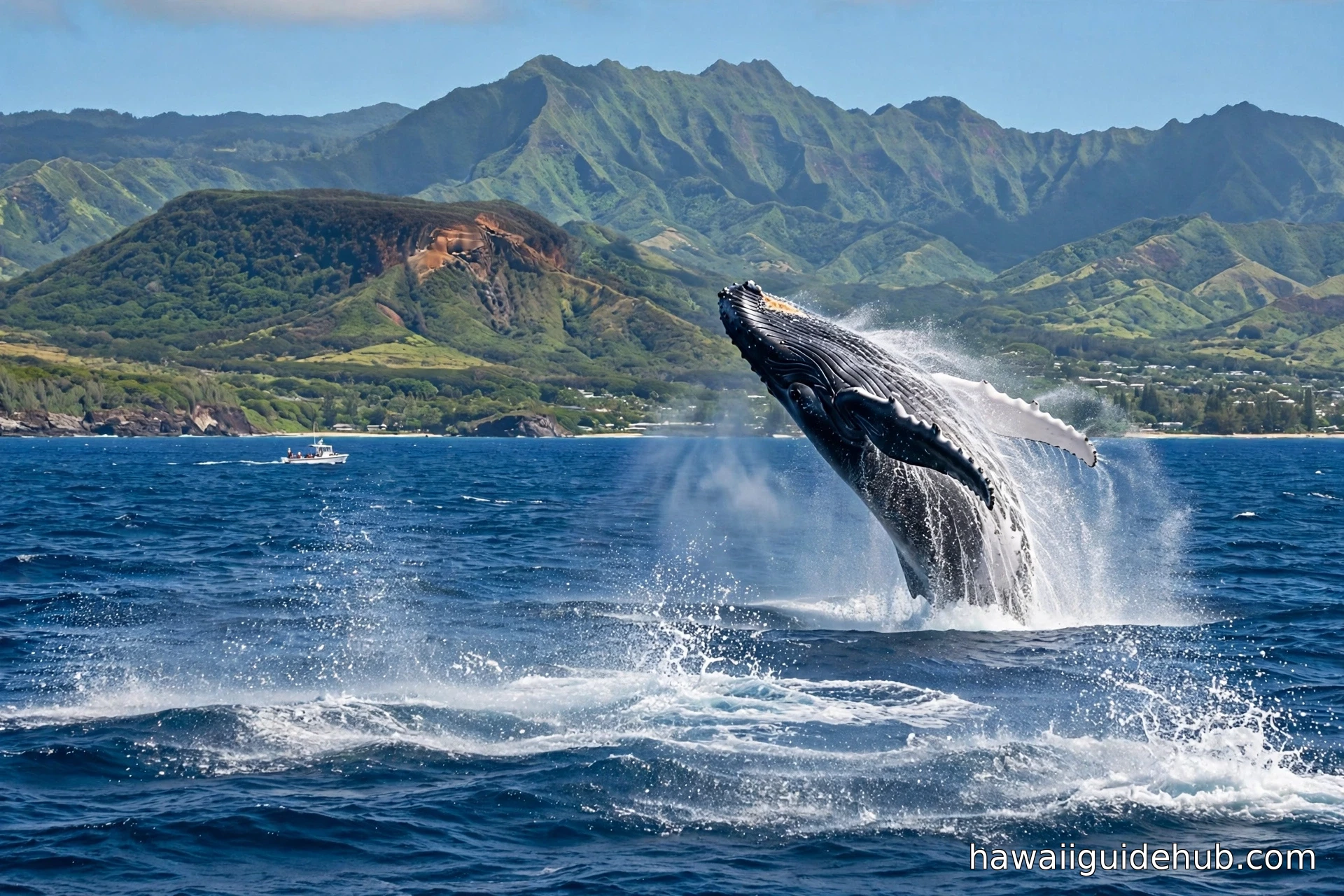
April marks the tail end of humpback whale season. NOAA’s Hawaiian Islands Humpback Whale National Marine Sanctuary describes the season as generally running November through May, with peak abundance from January through March. By April, most whales have begun or completed their migration back toward Alaska, though stragglers, often mothers with calves, can still be spotted into the month.
Many whale watching tour operators wind down their seasons in mid-April, so if seeing a humpback matters to you, book for the earliest part of the month and confirm the operator is still running. Even without a tour, keep an eye on the horizon from west-facing shores. Late-season sightings happen, and a distant breach never gets old. Federal law requires staying at least 100 yards from humpback whales, a rule worth knowing whether you are on a boat or watching from shore. Our guide to whale watching in Hawaii covers the seasons, the regulations, and the best vantage points in more detail.
Crowds and Prices: The Spring Sweet Spot
April is a tale of two halves for crowds. The first half can still feel busy, thanks to spring break travel and the Easter holiday period, when families take advantage of school breaks. If your dates fall in early April, expect livelier beaches and higher prices, closer to winter season levels.
The second half of April is where the value appears. Once spring break ends, visitor numbers drop and the islands enter one of their quietest stretches of the year. Hotel rates soften, vacation rentals offer better availability, and interisland flights get cheaper. Restaurants that needed reservations in March may welcome walk-ins. For travelers with flexible schedules, late April delivers a rare combination: great weather, thin crowds, and fair prices.
A practical note on booking: even in the quieter weeks, the Merrie Monarch Festival fills Hilo’s limited hotel inventory completely. If your trip includes the Big Island’s east side during festival week, book lodging as early as possible or plan to base elsewhere.
April Events: Merrie Monarch Takes Center Stage
The defining event of April in Hawaii is the Merrie Monarch Festival, held each spring in Hilo on the Big Island. Founded in 1963 and named for King David Kalakaua, known as the Merrie Monarch for his patronage of Hawaiian arts, the festival has grown into the world’s most prestigious hula competition.
The week includes the Miss Aloha Hula solo competition, group competitions in both hula kahiko (ancient style) and hula auana (modern style), an invitational Hawaiian arts fair, free midday entertainment, and a royal parade through downtown Hilo. The competition nights take place at the Edith Kanakaole Stadium, and tickets for the evening performances typically sell out far in advance. Many events during the week, including the arts fair and the parade, are free and open to everyone.
Even if you cannot get competition tickets, being in Hilo during Merrie Monarch week is special. The whole town leans into the celebration, with hula performances popping up at hotels and public spaces, craft vendors everywhere, and an atmosphere of cultural pride that visitors are welcomed into. To understand what you are watching, our piece on Hawaiian hula traditions gives helpful background on the dance forms, the chanting, and the storytelling at the heart of the art.
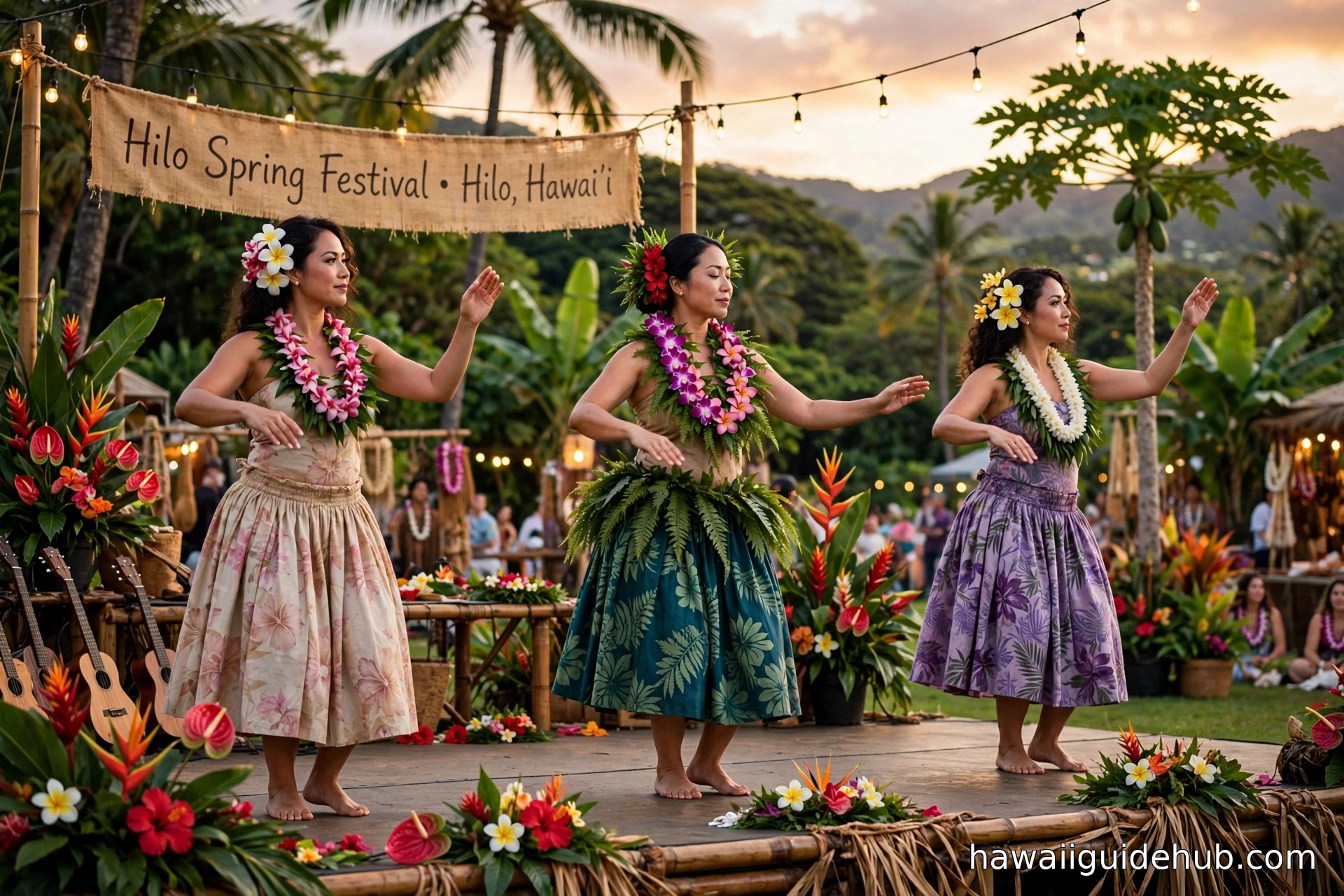
Beyond Merrie Monarch, April brings Easter celebrations across the islands, from sunrise services to resort egg hunts, and the usual calendar of farmers markets, art walks, and local festivals. Spring is also a lovely time for garden visits: the islands’ botanical gardens are lush from the winter rains and full of blooms.
What to Pack for Hawaii in April
April packing is straightforward, because the weather asks for little beyond warm-weather basics with a couple of smart additions. Daytime calls for shorts, t-shirts, sundresses, and swimwear. Evenings rarely demand more than a light sweater or wrap, and even that is mostly for higher elevations or breezy waterfront dinners.
The two items visitors most often wish they had packed: reef-safe sunscreen and a light rain jacket. Hawaii law restricts sunscreens containing oxybenzone and octinoxate, so bring a compliant mineral formula or plan to buy one on arrival. The rain jacket is for those windward excursions and mountain drives, where a brief shower is always possible. Comfortable walking shoes matter too, since April’s mild temperatures make it one of the best months for hiking and exploring on foot.
Best Things to Do in Hawaii in April
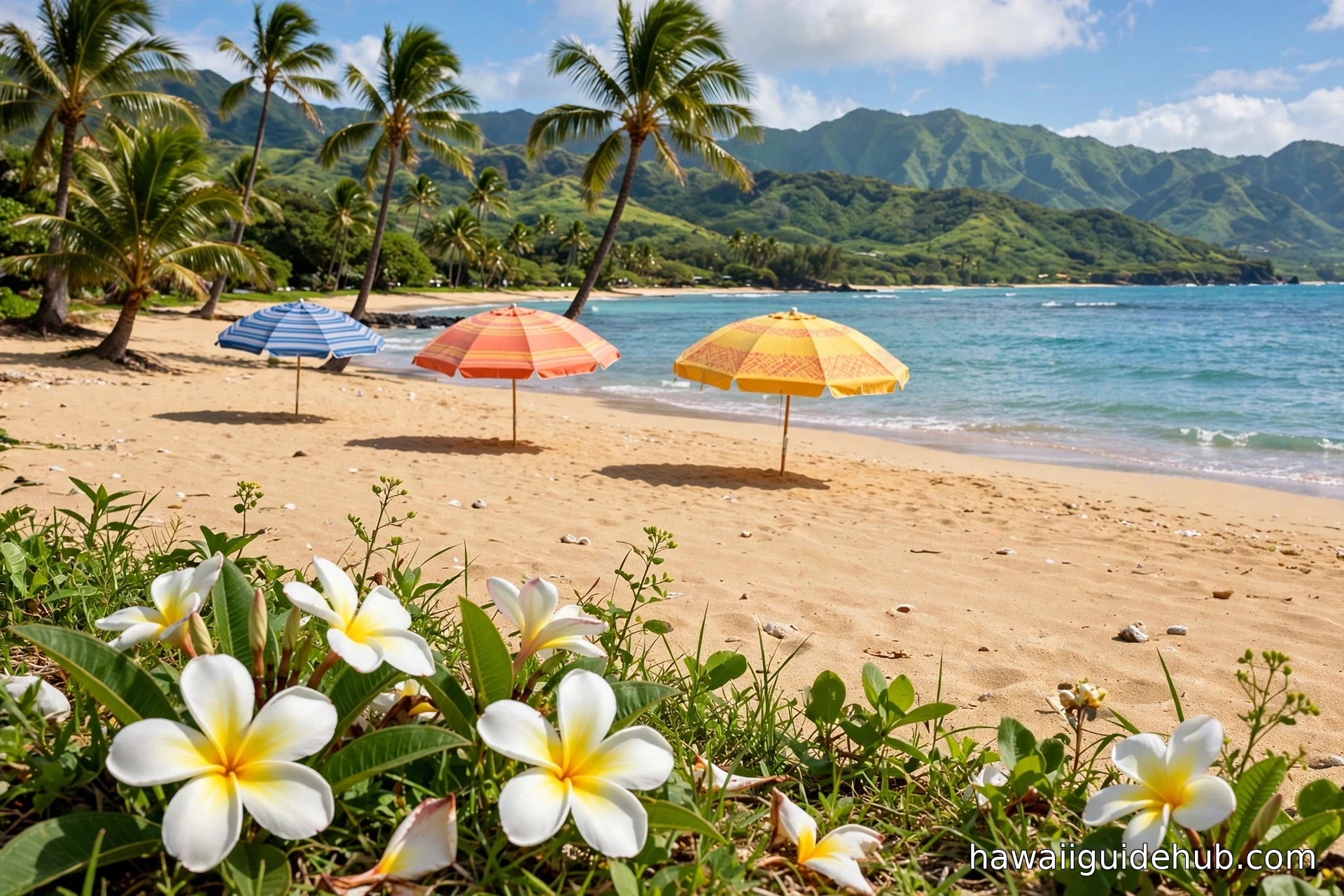
April’s mild weather and calm seas open up nearly the whole island playbook. Beach days are a given, with water warm enough for long swims and sand that is not yet at summer heat. Snorkeling and introductory dive trips benefit from the settled ocean. Hiking is at its best: trails are green from the winter rains, temperatures are comfortable for exertion, and the waterfalls are still running strong.
Cultural experiences deserve a special push in April. Between Merrie Monarch and the general spring festival calendar, there are more opportunities than usual to see hula, hear live Hawaiian music, and browse craft fairs with local artisans. Even outside Hilo, many hotels and cultural centers schedule extra programming in spring.
Whale watching, as noted, is a maybe rather than a sure thing. Treat a late-season sighting as a bonus, not the centerpiece of your trip. If you want to build an active itinerary, our guide to outdoor adventures in Hawaii covers hiking, snorkeling, and more across all the islands.
Is April a Good Time to Visit Hawaii?
For most travelers, yes, and for some it is the best month of all. The weather hits a sweet spot between winter’s rain and summer’s heat. The ocean is at its most versatile. Late-month crowds are thin and prices are fair. And the cultural calendar, led by the Merrie Monarch Festival, gives spring visitors something no other season offers.
The honest caveats are few. Early April can still carry spring break crowds and prices, whale season is winding down rather than peaking, and windward coasts stay showery. None of these are deal-breakers. They are simply the texture of a real place in a real season, and a little flexibility in your daily plans smooths out all of them.
April rewards the traveler who wants Hawaii comfortable rather than extreme: warm enough for the beach, cool enough for a hike, quiet enough to hear the islands themselves. If that sounds like your kind of trip, the fourth month is waiting. Bring layers for breezy evenings and reef-safe sunscreen for the midday sun, and the month will treat you well.