Hawaii Farmers Markets: The Complete Island-by-Island Guide

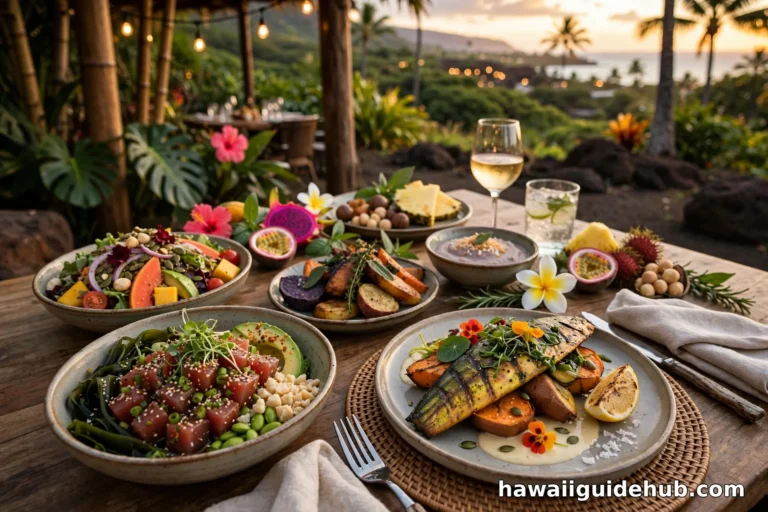
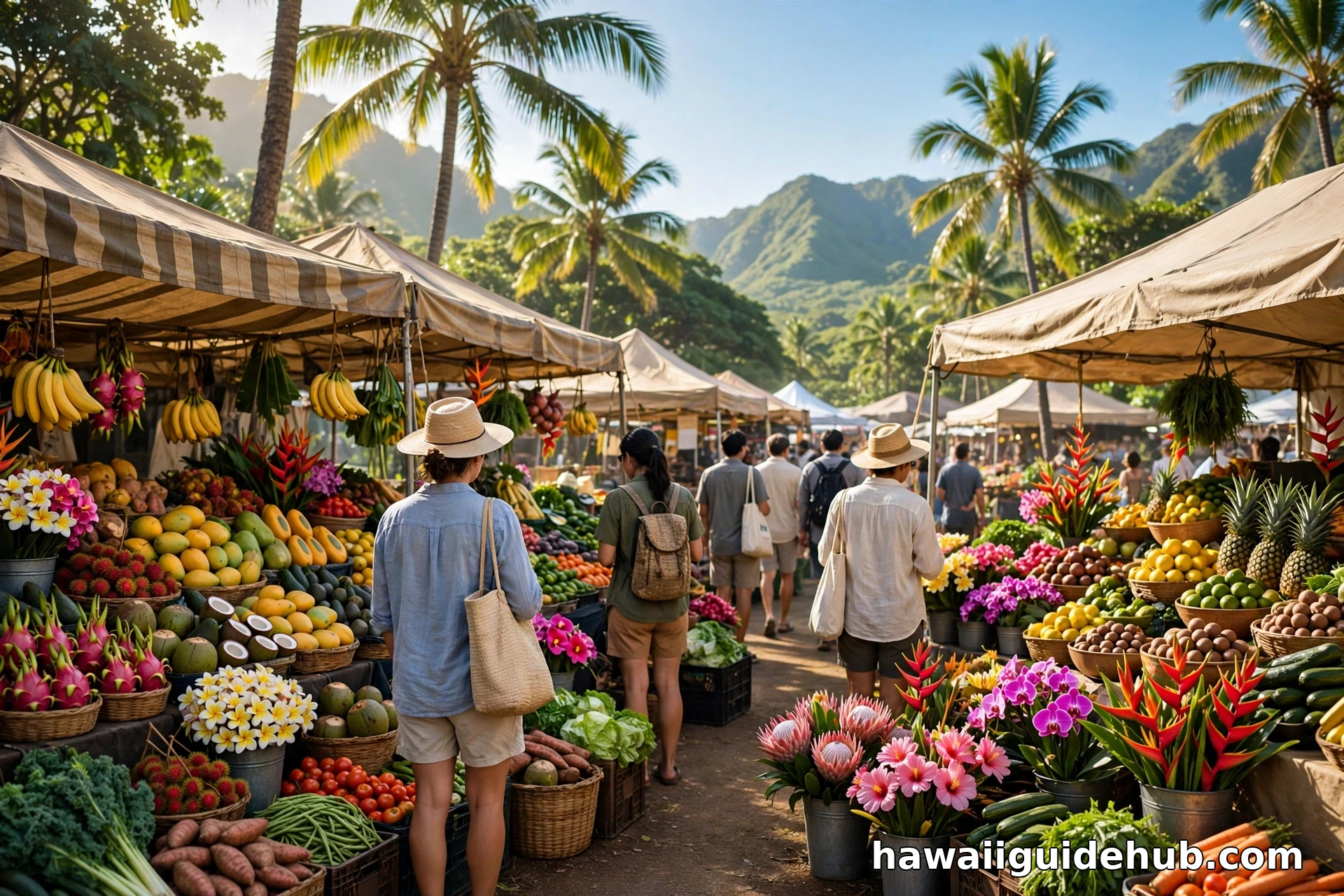
Hawaii’s farmers markets are where the islands’ food culture is most alive. Tropical fruits you have never seen, vegetables picked that morning, flowers for a few dollars, and prepared foods from every immigrant kitchen in the state. For visitors, a good market is equal parts grocery run, breakfast, souvenir hunt, and cultural experience. This guide covers the best markets on every island, what to buy, and how to shop them like a local.
This is the single complete guide to farmers markets in Hawaii. It covers the top markets on Oahu, the Big Island, Maui, and Kauai, what to buy at each, seasonal highlights, shopping tips, and etiquette. If you have been searching for anything about Hawaii farmers markets, the answers are all here on this one page.
Hawaii Farmers Markets at a Glance
| Most famous | KCC Farmers Market, Oahu (Saturdays, 7:30-11am) |
| Biggest selection | Hilo Farmers Market, Big Island (daily; big days Wed and Sat) |
| Strictest local rule | Keauhou Farmers Market (100% Hawaii-grown, no resellers) |
| Best setting | Hanalei Farmers Market, Kauai (grassy field by Hanalei Bay) |
| Best for foodies | Kauai Culinary Market at Kukui’ula (chef demos, Wednesdays) |
| Upcountry pick | Waimea Town Market (cool-climate produce, Saturdays) |
| What to bring | Cash, reusable bags, sun protection, appetite |
| Golden rule | Go early for the best selection; go hungry |
| Year-round? | Yes. Hawaii’s growing season never ends, though offerings shift |
| Etiquette | Ask before sampling; don’t haggle aggressively; buy from the grower |
Oahu: The KCC Market and Beyond
The Kapiolani Community College Farmers Market is Hawaii’s most famous market, and it earns the reputation. Every Saturday from 7:30 to 11am, the parking lot at 4303 Diamond Head Road fills with Oahu’s best growers and food makers, minutes from Waikiki. Arrive early, because parking is tight and the popular stalls sell out. Come hungry: the prepared food here is a destination in itself, from breakfast plates to pastries to fresh juices, alongside mangoes, papaya, pineapple, and exotic flowers.
Beyond KCC, Oahu’s market scene is deep. The Kaka’ako Farmers Market runs Saturdays in Honolulu’s art district, an easy pairing with the neighborhood’s murals. The Hawaii Farm Bureau also runs markets in Honolulu (Wednesdays), Kailua (Thursdays), and Mililani (Sundays). Each has its own character; the windward markets lean more local, KCC more visitor-friendly. Check schedules before you go, as times shift occasionally, and note that some markets add evening hours seasonally.
Big Island: Hilo’s Abundance and Kona’s Standards
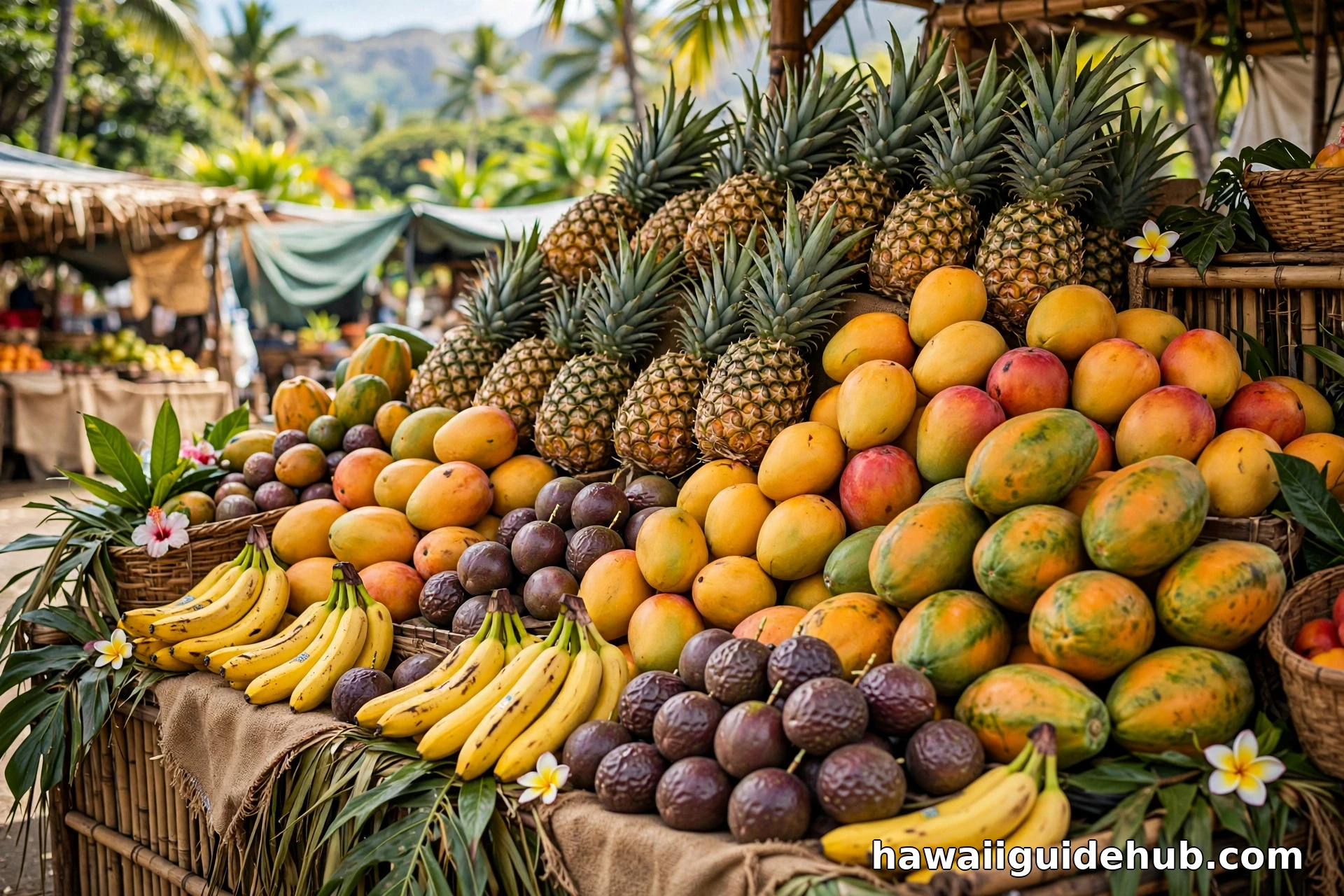
The Hilo Farmers Market is one of the best markets in the state, full stop. Open daily from 7am to 3pm at Mamo Street and Kamehameha Avenue, it goes full-scale on Wednesdays and Saturdays, the “Big Market” days, with 150 to 200 vendors. The east side’s rain grows astonishing fruit: jaboticaba, mangosteen, rambutan, and lychee alongside Kona coffee beans, macadamia products, and some of the cheapest orchids anywhere. Prices are the lowest in the state; bags of citrus or avocado that cost ten dollars elsewhere go for three or four.
On the Kona side, the Keauhou Farmers Market (Saturdays, 8am to noon) enforces a rare rule: everything sold must be 100% Hawaii-grown, with no resellers. That makes it the most trustworthy market for Kona coffee straight from farmers, goat cheese, grass-fed beef, and local honey. Waimea’s Saturday markets, including the Waimea Town Market at Parker School, showcase upcountry produce: lettuces, strawberries, beets, and the famous Waimea tomatoes, in ranch country under Mauna Kea. For Big Island trip planning, see our guides to things to do in Kona and the Big Island.
Kauai: Sunshine Markets and Hanalei
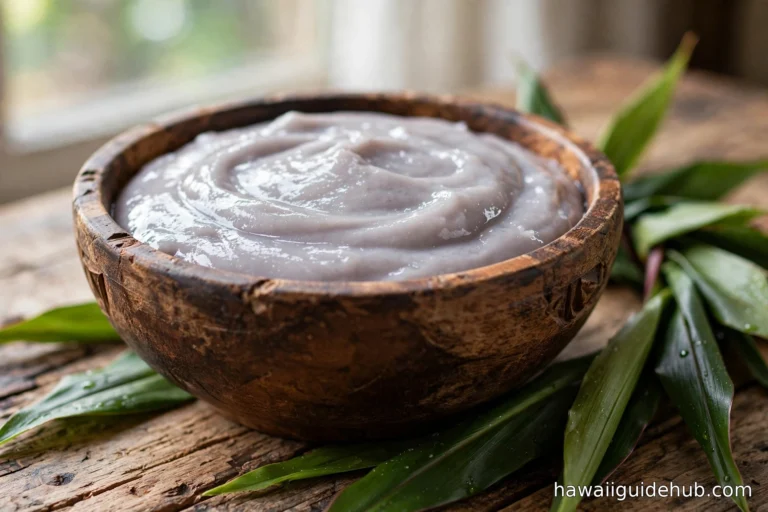
Kauai runs a charming dual system. The county-sponsored “Sunshine Markets” rotate through towns on different weekdays, small community gatherings where locals do their weekly shopping. The headliner is the Hanalei Farmers Market, Saturdays from 9:30am to noon on the North Shore, repeatedly voted among the state’s best. Taro from Hanalei’s patches, which produce much of Hawaii’s poi, fresh fish, tropical flowers, and artisan goat cheese, all in a grassy field across from Hanalei Bay.
On the south shore, the Kauai Culinary Market at the Shops at Kukui’ula (Wednesdays, 3:30 to 6pm) is the foodie pick: local chefs do cooking demos, with live music and wine and cheese, ideal for gathering dinner ingredients. For Kauai planning, see our guides to things to do on Kauai and Poipu.
Maui: Upcountry and Local
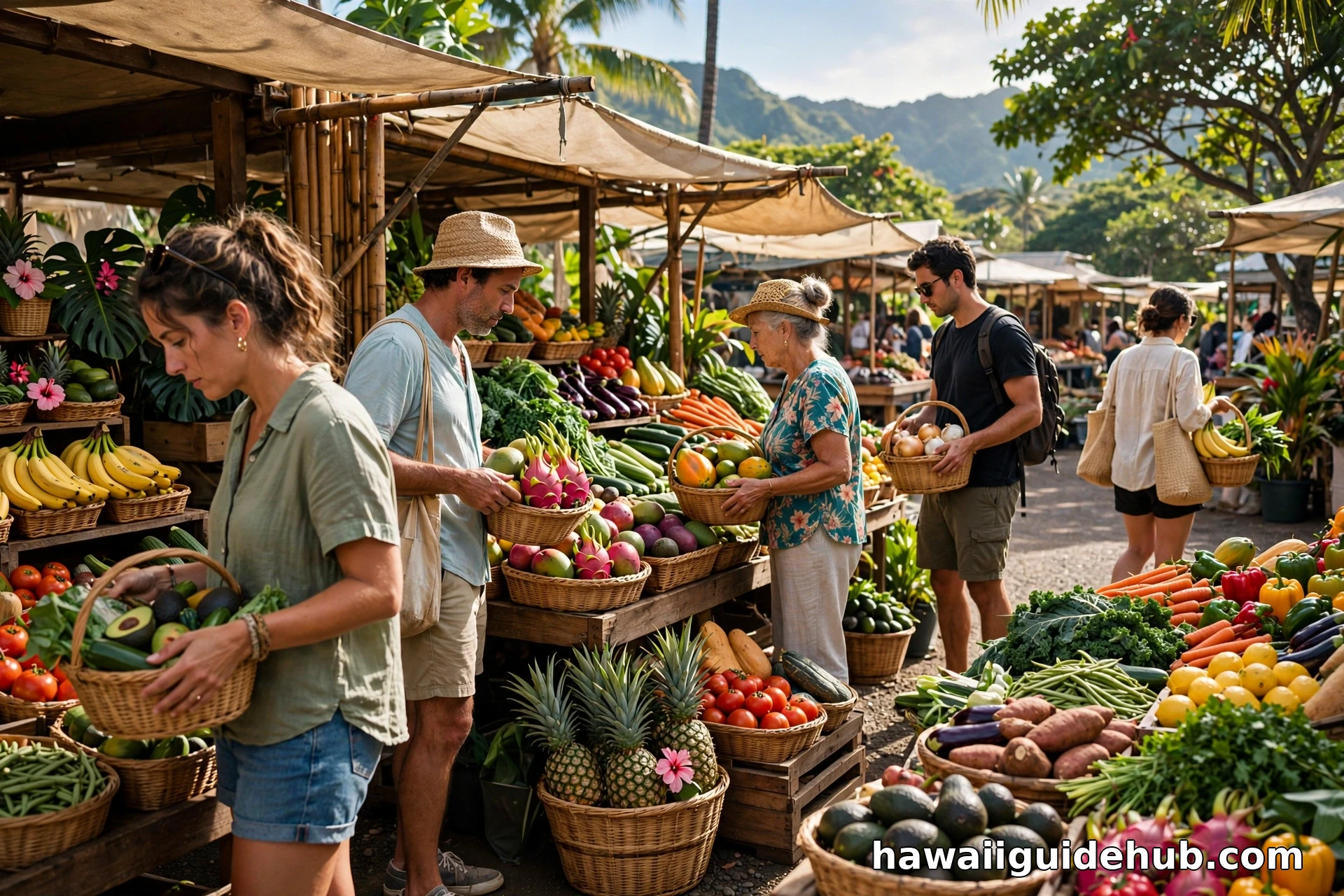
Maui’s market scene centers on the Upcountry, where the elevation grows produce the coasts cannot. The Upcountry Farmers Market in Pukalani (Saturdays) is the island’s anchor: cool-climate vegetables, strawberries, flowers, and prepared foods from the island’s farms. Smaller markets dot the island through the week. Maui’s markets are less tourist-polished than KCC, which is exactly their charm; you are shopping where Maui shops.
What to Buy: A Shopper’s Hit List
Every market differs, but the island hits are consistent. Here is what to prioritize, and why.
| Buy this | Why | Tip |
| Lilikoi (passion fruit) | Intensely aromatic; the defining island fruit flavor | Heavy for size means juicy; wrinkled skin is fine |
| Mango | Tree-ripened flavor no shipped mango matches | Ask which variety; Hayden and Pirie are classics |
| Lychee and rambutan | Brief seasons, unforgettable when perfect | Buy in season; out-of-season fruit disappoints |
| Papaya | Sunrise and Rainbow varieties are superb | Yellow-orange skin with green tips is ready soon |
| Kona coffee beans | Fresh-roasted from the grower | Check for “100% Kona” on the label |
| Macadamia nuts | Fresh local nuts beat imported easily | Try flavored varieties as gifts |
| Tropical flowers | Orchids and anthuriums for a few dollars | Ask about agricultural inspection for mainland transport |
| Prepared foods | The fastest education in local food culture | Eat breakfast at the market |
Shopping Like a Local: Tips and Etiquette
Bring cash. Many vendors take cards now, but cash is faster and universally accepted. Bring your own bags. Go early for the best selection, especially for popular items like lychee in season, but know that late in the day sometimes brings deals as vendors clear stock. Wear sun protection; markets are open-air and Hawaii’s sun is strong by 9am.
On etiquette: ask before sampling, and buy something from stalls where you taste. Don’t haggle hard; prices are already fair, and aggressive bargaining insults growers. Chat with the farmers. They will tell you what is peaking, how to ripen it, and what to buy next week. That conversation is half the value of the market.
What’s Ripe When: Hawaii’s Fruit Calendar
Hawaii grows year-round, but individual fruits have seasons, and timing your visit to a peak is worth it. This is the general rhythm; exact timing shifts with weather and microclimate.
| Fruit | Peak season | Notes |
| Mango | May to September | The summer glory; dozens of varieties |
| Lychee | May to July | Short and intense; buy the moment you see it |
| Rambutan | June to October | Lychee’s spiky cousin; Hilo excels |
| Mangosteen | Summer into fall | Rare and prized; expensive but unforgettable |
| Lilikoi | Summer, with a smaller winter crop | Available much of the year in some form |
| Papaya | Year-round | Peaks in the warm months |
| Pineapple | Year-round | Sweetest in the hot months |
| Avocado | Varies by variety; much of the year | Hawaii grows remarkable avocados |
| Citrus | Winter into spring | Tangerines and tangelos shine |
| Strawberries | Winter into spring (Upcountry) | Kula and Waimea berries are excellent |
The practical move: when you arrive, ask a vendor “what’s peaking right now?” They will light up, because it is their favorite question, and you will eat the best fruit of your trip.
The Prepared Food Scene: Breakfast at the Market
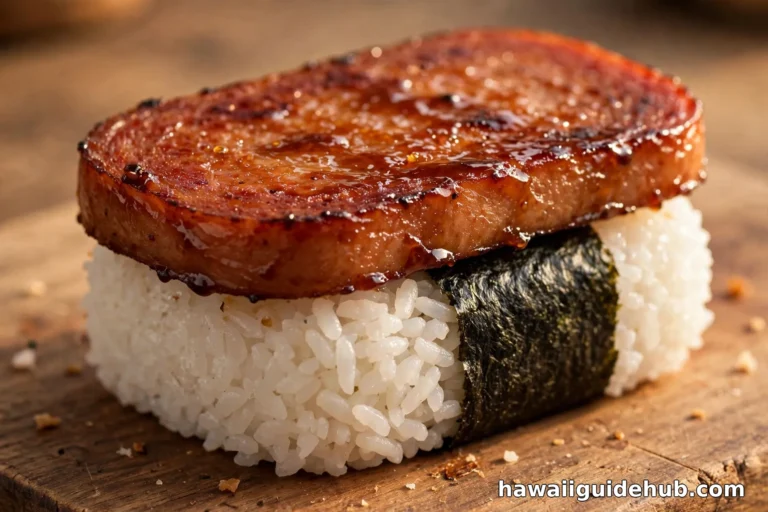
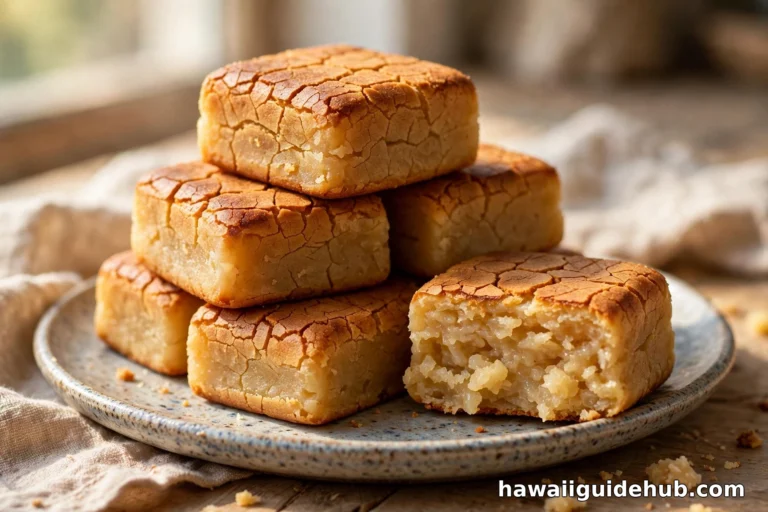
Some visitors shop the markets. Smart visitors eat at them. Hawaii’s markets have grown into serious food destinations, where the line between farm stand and restaurant blurs deliciously. At KCC on a Saturday morning, you can assemble a breakfast that would cost triple at a Waikiki hotel: fresh-baked pastries, tropical fruit plates, made-to-order crepes or noodles, and coffee roasted days ago by the person pouring it.
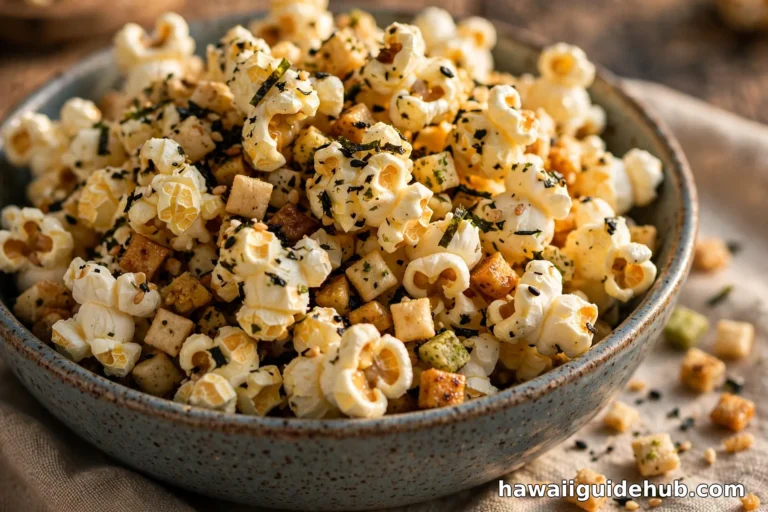
The prepared food reflects Hawaii’s immigrant kitchens. Look for Filipino, Japanese, Korean, Chinese, Portuguese, and Hawaiian plates side by side, often from family operations that have sold at the same market for years. This is some of the most authentic eating in the islands, at the fairest prices. Our guide to local eats covers more of this food culture.
Markets as Community
A Hawaii farmers market is not just retail. It is where a community feeds itself and knows its farmers by name. The Sunshine Markets on Kauai are explicitly community institutions, rotating through neighborhoods so every town gets its market day. Waimea’s Saturday markets feel like town gatherings that happen to sell extraordinary produce. Even the big tourist-facing markets run on local loyalty; the visitors are welcome guests at someone else’s weekly ritual.
That is worth remembering as you shop. The unhurried pace, the chatting, the auntie who insists you taste the new mango variety: that is the market working as intended. Slow down, join in, and you will experience something no resort can stage.
Flowers, Plants, and Gifts
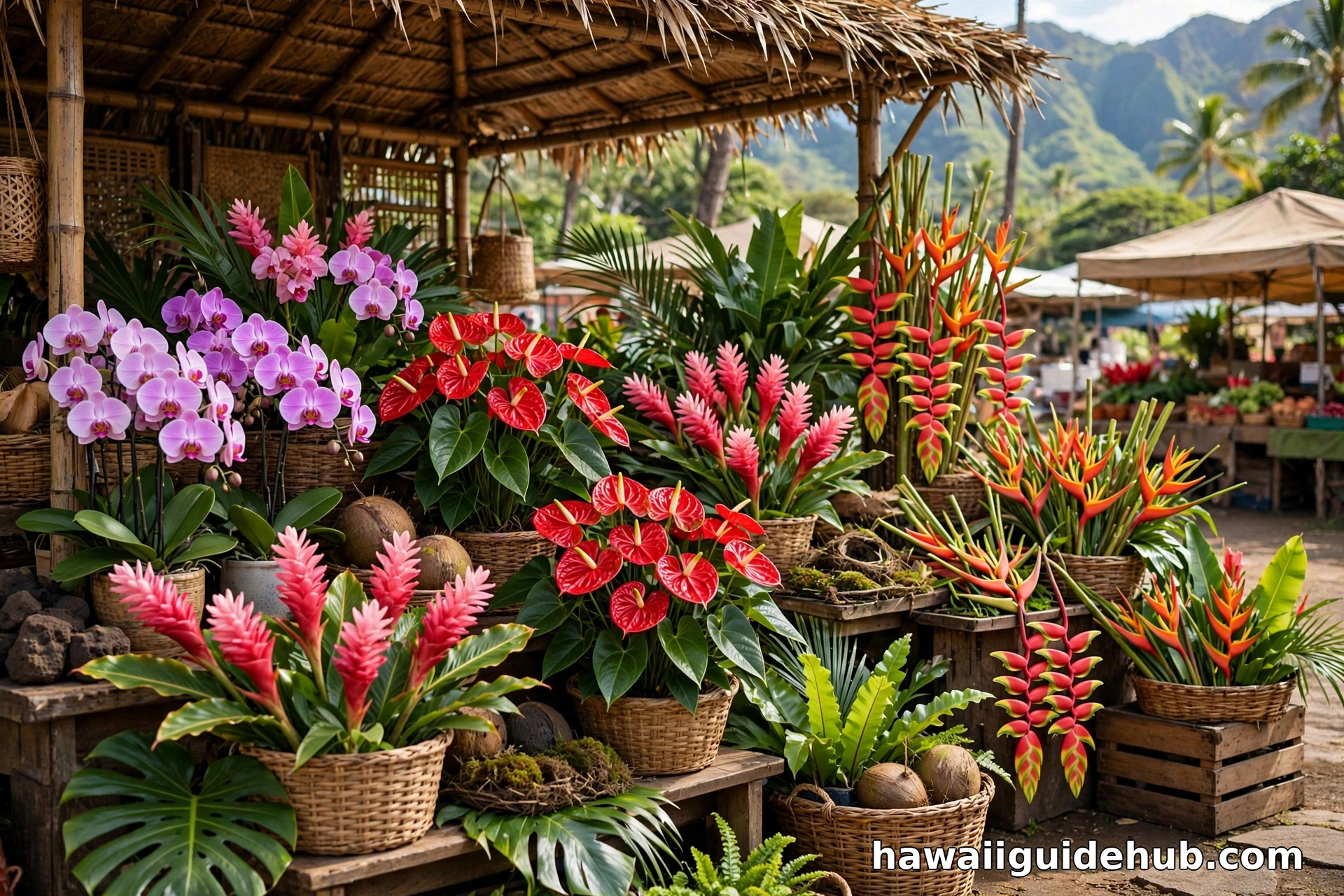
Don’t overlook the non-edible half of the market. Hawaii’s flower growers sell orchids, anthuriums, ginger, and heliconia at prices that shock mainland visitors: a stunning orchid lei or a bouquet that would cost forty dollars at home goes for a fraction of that. Potted plants and cuttings make living souvenirs, though agricultural rules apply to anything leaving the state.
For gifts, the markets beat the airport shops on every axis: price, quality, and authenticity. Local honey, macadamia products, coffee, jams and jellies, and handmade crafts all come straight from their makers. Buy the gift where the story is, and you’ll have something to tell when you give it.
Video: Walking the KCC Farmers Market
Stroll the KCC Farmers Market: the stalls, the crowds, and the Saturday-morning energy.
Frequently Asked Questions
What is the best farmers market in Hawaii?
The KCC Farmers Market on Oahu is the most famous, and the Hilo Farmers Market on the Big Island has the biggest selection. The “best” depends on your island and whether you want food, produce, or atmosphere.
When is the KCC Farmers Market?
Saturdays from 7:30 to 11am at Kapiolani Community College, 4303 Diamond Head Road in Honolulu. Arrive early for parking and the best selection.
Are Hawaii farmers markets open year-round?
Yes. Hawaii has no winter shutdown; something is always in season. Offerings shift through the year, with different fruits peaking in different months.
Should you bring cash to Hawaii farmers markets?
Yes. Many vendors accept cards, but cash is faster, works everywhere, and is appreciated. Bring small bills.
Can you take fruit home from Hawaii?
Most fresh fruits and vegetables cannot go to the US mainland without USDA inspection and treatment, with pineapples and coconuts as notable exceptions. Flowers usually need inspection too. Ask vendors; they know the rules.
What should you not do at a Hawaii farmers market?
Don’t haggle aggressively, don’t sample without asking, and don’t touch produce roughly. Buy from the growers, chat with them, and respect that this is their livelihood.
Where do you park at the KCC Farmers Market?
Parking is in the lots around the market at Kapiolani Community College, and it fills fast on Saturdays. Arrive before 8am for the easiest parking, or consider rideshare from Waikiki, which is only minutes away. Street parking in the surrounding Kaimuki neighborhood is another option if the lots are full.
Are dogs allowed at Hawaii farmers markets?
It depends on the market. KCC does not allow pets, for example. Many smaller markets are more relaxed, but food-vendor areas often restrict animals for health reasons. When in doubt, leave pets at your accommodation and check the specific market’s rules before you go.
Hawaii’s farmers markets are the islands at their most generous: the harvest laid out, the growers behind the tables, and breakfast waiting at the next stall. Put one on your itinerary early in the trip, stock your rental kitchen, and eat well all week. You will spend less than you would at a grocery store, eat better than you would at a restaurant, and meet the people who grow your food. That is a morning well spent.