Farm to Table Big Island: Restaurants, Markets & Farm Tours

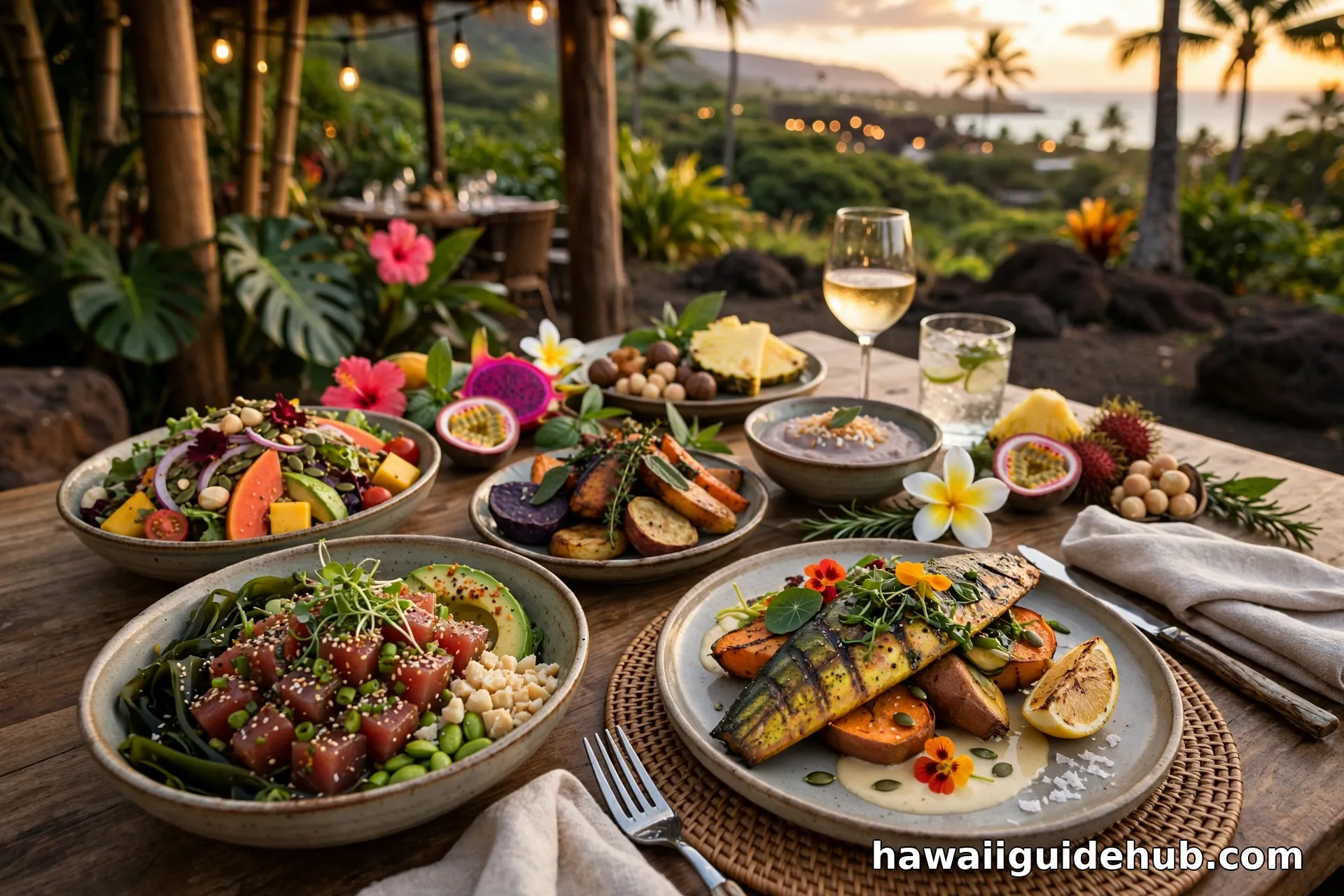
The Big Island grows an astonishing share of its own food: Kona coffee, macadamia nuts, tropical fruit, grass-fed beef, taro, cacao and vanilla all come from its farms and ranches. That abundance makes the Big Island the best of the Hawaiian islands for farm-to-table dining, from white-tablecloth restaurants that source 90 percent of their ingredients locally to farmers markets where you can meet the growers yourself.
This guide is the single complete resource for farm to table big island, covering farm-to-table hawaii in the same place. It covers what makes Big Island farm-to-table dining special, the pioneer restaurants, farmers markets, farm tours and tastings, the key local ingredients to know, how to spot genuine farm-to-table cooking, seasonal timing, prices, and FAQs. Everything about farm to table big island is gathered here in one URL.
Farm to Table Big Island at a Glance
| Element | Detail | The story |
|---|---|---|
| The pioneer | Merriman’s Waimea, est. 1988 | The restaurant that started it all |
| Fine dining | About $30 to $50+ per entree | At the best kitchens, 90%+ of it is local |
| Market picnic | Picnic for two under $25 | Hilo Farmers Market, Waimea Homestead |
| Star ingredients | Kona coffee, mac nuts, taro, grass-fed beef | From the island’s biggest farms |
| Why here | Biggest island farms: coffee, beef, fruit, nuts | The island feeds itself |
Why the Big Island Leads Hawaiʻi’s Farm-to-Table Movement
Farm-to-table is not a trend on the Big Island; it is the island’s natural state. Hawaiʻi Island is the state’s agricultural heartland: the Kona Coffee Belt climbs the slopes of Hualālai, cattle ranches spread across the Waimea highlands, taro thrives in Waipiʻo Valley, and tropical fruit grows in backyards from Hilo to Hawi. With so much grown nearby, the island’s best chefs simply built their menus around what the land provides. The result is a dining scene where “local” is a fact, not a marketing word.
The movement has a name and a founder. In the early 1990s, a group of chefs including Peter Merriman created Hawaii Regional Cuisine, a deliberate break from imported continental cooking toward dishes built on island ingredients. Merriman’s Waimea flagship, opened in 1988, became the movement’s standard-bearer, and it remains the essential farm-to-table reservation on the island. Eating this way also keeps money in the community: every farm-named dish on a menu is income for a local family farm, which is why the island’s food culture and its agricultural economy are the same story. For the broader context of what to eat across the islands, the culinary journey through Hawaiʻi covers the other must-try dishes.
The Essential Restaurants
Merriman’s Waimea
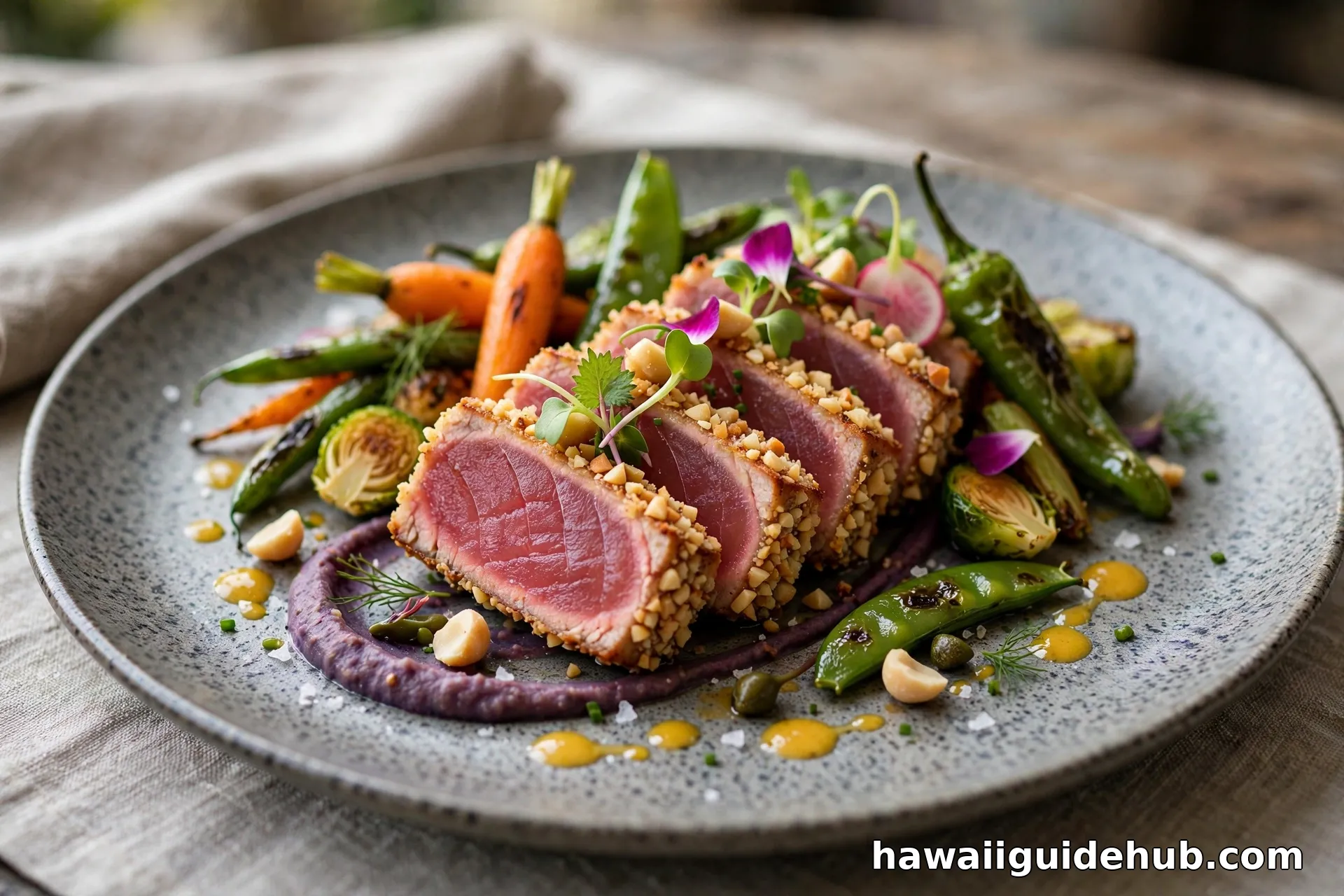
The pilgrimage. Merriman’s at 65-1227 Opelo Road in Waimea (Kamuela) is the pioneer of Hawaii Regional Cuisine, sourcing around 90 percent of its ingredients from local farms, ranches and fishermen. Lunch runs Monday through Saturday, 11:30 AM to 2:00 PM; dinner nightly 5:00 to 8:30 PM; Sunday brunch 10:30 AM to 1:00 PM. Reservations are highly recommended. Expect white-tablecloth polish with upcountry warmth, signature dishes like wok-charred ahi, and a Wine Spectator award-winning list. Dress is resort casual. This is the splurge that justifies itself.
Merriman’s Market Cafe
The casual sibling, also in Waimea, delivering the same local-sourcing philosophy at friendlier prices. It is the smart way to taste Merriman’s cooking without the fine-dining bill.
Hilo’s Local Kitchens
The east side does farm-to-table without the white tablecloths. Cafe Pesto at 308 Kamehameha Avenue and Pineapples Island Fresh Cuisine at 332 Keawe Street both lean on local ingredients in relaxed Hilo settings. The town’s food scene is genuinely local, family-run and affordable, the place where island families actually eat.
A Perfect Farm-to-Table Day
Here is how to eat the island in one day. Start at the Hilo Farmers Market or the Waimea Homestead Market, depending on your side: graze the stalls, buy fruit for the road, and eat a real breakfast from a prepared-food vendor. Mid-morning, drive upcountry to a coffee farm in the Kona Coffee Belt for a tour and tasting; the walk among the trees teaches you more about Kona coffee than any label. Lunch at a casual farm-driven cafe, then spend the afternoon however you like, the beach, the volcano, the waterfalls. End with dinner at Merriman’s in Waimea, reserved well ahead. One day, three meals, zero imported shortcuts. If you have two days, spend the second on the Hamakua Coast: the vanilla farm, roadside fruit stands and the small towns between Honokaa and Hilo are the island’s quiet agricultural heart. For ideas on the west-side half of that day, the best things to do in Waikoloa Village guide covers the resort coast nearby.
Farmers Markets Worth Planning Around
Hilo Farmers Market
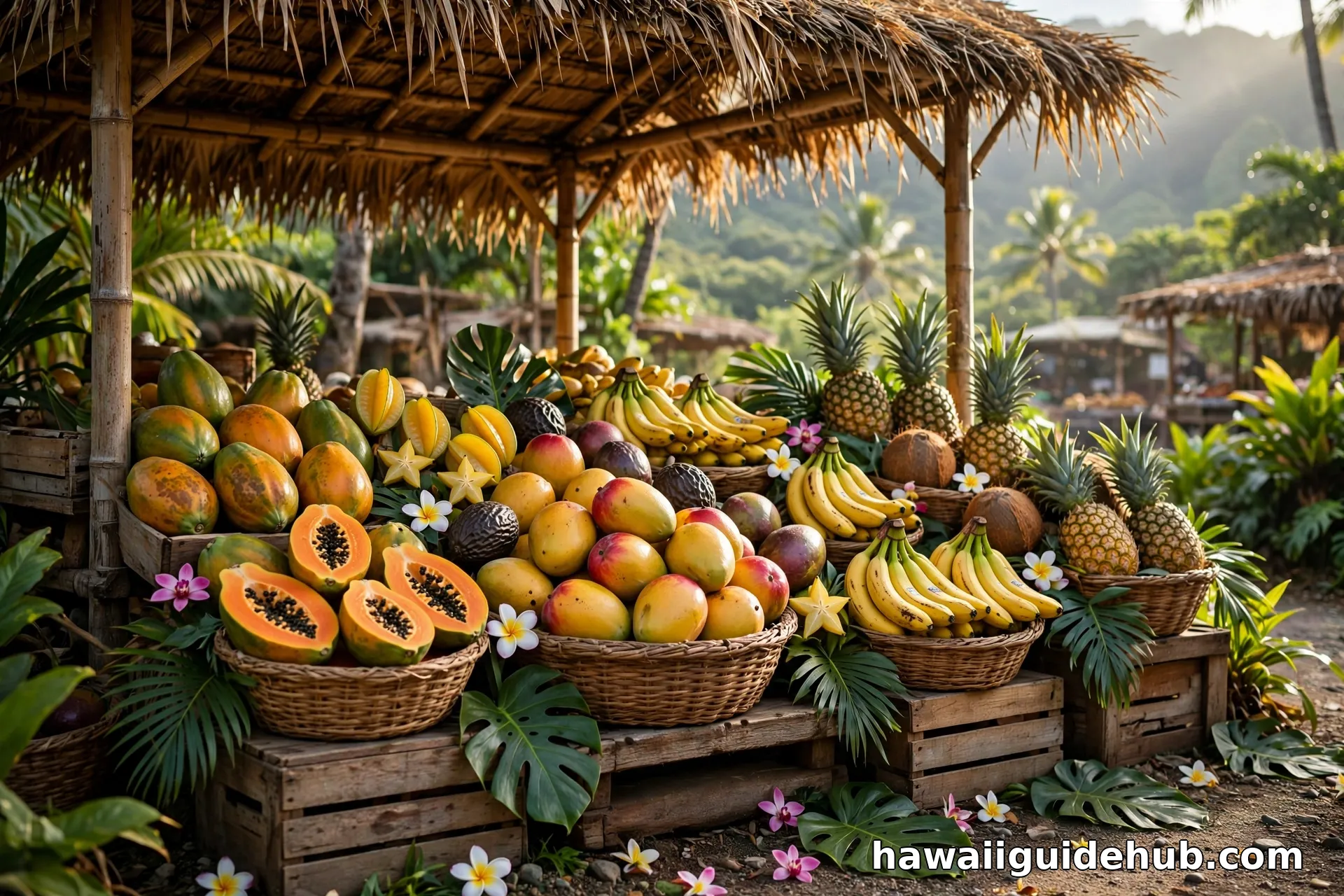
At the corner of Kamehameha Avenue and Mamo Street in downtown Hilo, this is the island’s most famous market: tropical fruit you have never seen, taro, fresh flowers, baked goods and prepared foods. It runs daily, with the biggest vendor turnout on Wednesdays and Saturdays. Assemble a picnic here for a fraction of restaurant prices.
Waimea Homestead Farmers Market
The Saturday market in paniolo country, heavy on upcountry produce, grass-fed beef, goat cheese and baked goods from the island’s ranchlands. Pair it with a Merriman’s lunch for the perfect Waimea food day.
Market tip: bring cash, bring a tote, and eat breakfast at the market. The prepared-food stalls at Hilo and Waimea are some of the cheapest great meals on the island, and the fruit is picked ripe in a way grocery stores cannot match.
Farm Tours and Tastings
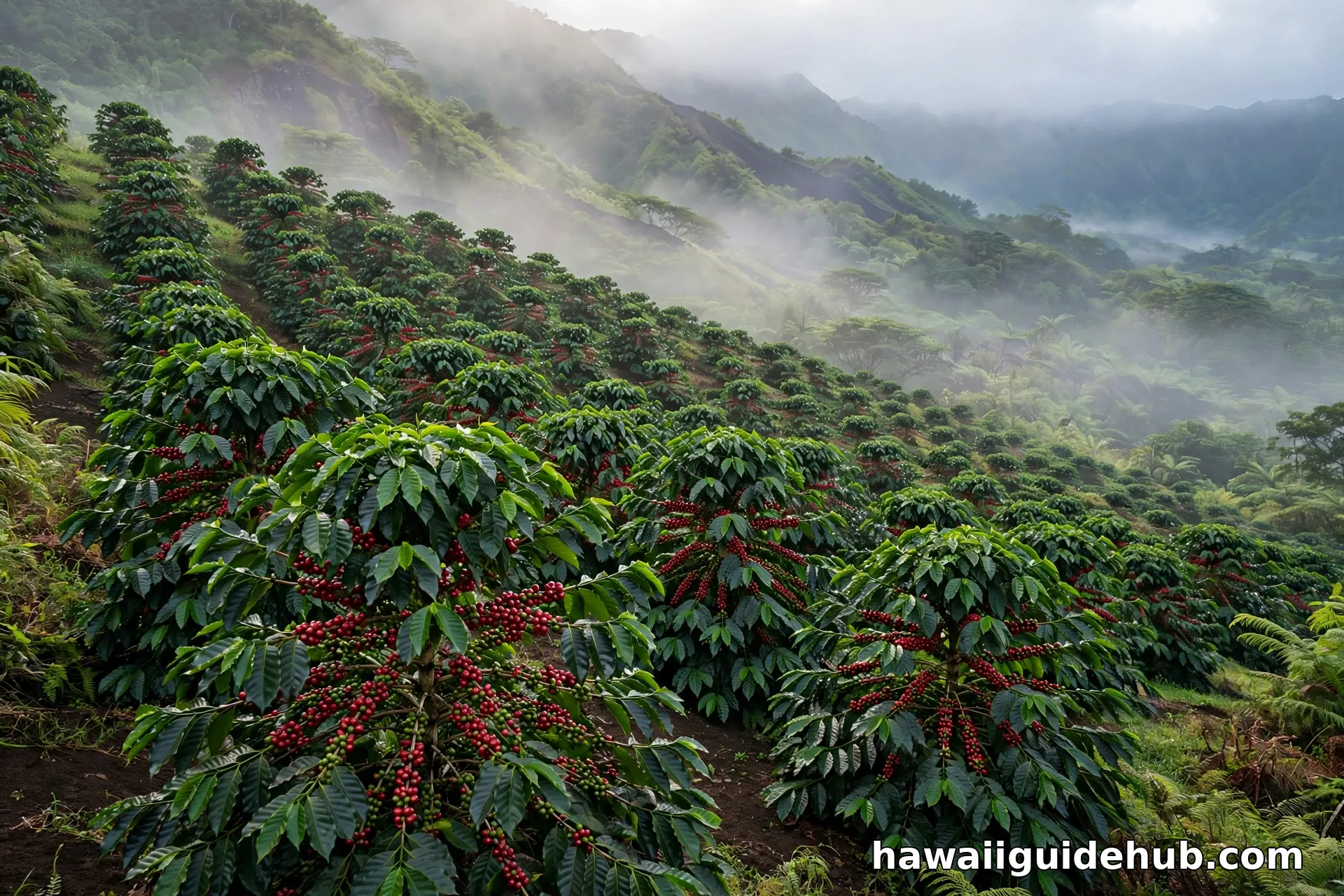
Eating local is better when you have seen where it grows. The Kona Coffee Belt offers farm tours where you walk the trees, watch roasting and taste 100% Kona coffee at the source; Greenwell Farms is a classic stop, and many smaller farms offer free tours with tastings. The Mauna Loa Macadamia Nut Visitor Center in Keaau (16-701 Macadamia Road) shows how the island’s famous nuts go from orchard to chocolate-covered. The Kona Coffee Living History Farm tells the story of the Japanese immigrants who pioneered the coffee industry. Hawaiian Vanilla Company near Honokaa grows real vanilla, one of the few places in the US that does. Book tours ahead in high season.
Video: Big Island Farm to Table
The Ingredients to Know
Learn these and menus start making sense. Kona coffee: only coffee grown in the Kona district can carry the name; 100% Kona is the real thing, blends are not. Macadamia nuts: the Big Island is mac nut country, and fresh-roasted beats bagged. Grass-fed beef: Waimea’s ranches, including Parker Ranch, produce some of the best beef in the state. Taro and poi: the ancestral staple, grown in Waipiʻo Valley. Tropical fruit: apple bananas, lilikoi, rambutan, mountain apples and white pineapple at the markets. Cacao and vanilla: small but growing island industries. When a menu names its farm, order that dish. To take the flavors home, shop where locals shop: KTA and Foodland carry strong local sections, roadside stands sell just-picked fruit on the honor system, and the markets sell packaged coffee, honey and mac nuts that make better souvenirs than anything at the airport.
How to Spot Genuine Farm-to-Table
The clue is a short, changing menu that names its growers, not a long static one that names none. Real farm-to-table kitchens list farms on the menu, adjust dishes with the seasons, and can tell you where the fish was caught. Be skeptical of the phrase on menus that never change. Another tell: the staff. At genuinely farm-driven restaurants, servers know which farm grew the tomatoes and which boat caught the fish, because the kitchen talks about it every day. If nobody can answer, the sourcing is decoration. The best kitchens on the Big Island treat local sourcing as infrastructure, not decoration: Merriman’s built relationships with dozens of family farms over decades, which is why the food tastes like the island.
Seasons and Timing
Hawaiʻi has no winter shutdown, but ingredients still have seasons. Mango peaks in summer, citrus in winter, and many tropical fruits have their own windows. Coffee harvest runs roughly August through January, which is the best time for farm tours. Farmers markets run year-round, with fuller stalls in the warmer months. Restaurant menus shift subtly with availability; the specials board is where the season shows up. November brings the Kona Coffee Cultural Festival, a weeks-long celebration of the harvest with farm events, tastings and competitions; if your trip lands then, build coffee country into the plan.
Farm-to-Table With Kids
This is one of the most family-friendly food themes on the island. Kids love farm tours: coffee farms let them see red cherries on the trees and taste the difference fresh roasting makes, mac nut centers hand out samples, and farmers markets are basically delicious playgrounds. Merriman’s offers keiki menus at lunch and dinner, so the fine-dining night works for families too. The casual Hilo kitchens are naturally kid-easy. Pack snacks from the market for the car; the drives between farm country stops are scenic but long. And let kids pick one unfamiliar fruit at every market: tasting something new together is half the fun of eating local.
Prices and Planning
Farm-to-table spans every budget. Fine dining at Merriman’s runs $30 to $50 or more per entree, with multi-course options higher. Casual farm-driven cafes and Hilo kitchens run $15 to $25 per person. Farmers markets are the bargain: a picnic of fruit, baked goods and prepared foods for two costs under $25. Farm tours range from free tastings to $30+ guided experiences. Reserve the splurge restaurants well ahead, especially for weekend dinners. For trip planning around meals, the best things to do in Kona guide pairs well with a food-focused itinerary.
Frequently Asked Questions
What is the best farm-to-table restaurant on the Big Island?
Merriman’s in Waimea is the pioneer and the essential reservation, sourcing around 90 percent of ingredients locally since 1988. Merriman’s Market Cafe offers the casual version.
Where is the Hilo Farmers Market?
At the corner of Kamehameha Avenue and Mamo Street in downtown Hilo. It runs daily, with the most vendors on Wednesdays and Saturdays.
What food is the Big Island known for?
Kona coffee, macadamia nuts, grass-fed beef, tropical fruit, taro and fresh-caught fish. The island grows an unusual share of its own food for a US destination.
Is farm-to-table expensive in Hawaiʻi?
It can be at fine-dining level ($30 to $50+ per entree), but farmers markets and casual local kitchens make eating local affordable: a market picnic for two runs under $25.
When is coffee harvest season in Kona?
Roughly August through January, which is the best window for coffee farm tours in the Kona Coffee Belt.
Do I need reservations at Merriman’s?
Yes, reservations are highly recommended, especially for dinner and weekend brunch. Book as far ahead as you can; it is the island’s most in-demand table.
Can I visit a working cattle ranch?
Some Waimea-area ranches offer tours and horseback rides that include ranch history; check locally for current offerings. Even without a tour, you will see the ranchlands driving through Waimea, and the beef on local menus comes from these pastures.
What is Hawaii Regional Cuisine?
A culinary movement founded in the early 1990s by chefs including Peter Merriman, built on island-grown ingredients instead of imported continental cooking. It is the philosophy behind the Big Island’s farm-to-table scene.
The Big Island feeds Hawaiʻi, and eating your way across it is one of the island’s great pleasures. Book the Merriman’s table, wander the Hilo market with a tote bag, tour a coffee farm, and learn the names of the farms on your menus. Farm-to-table here is not a concept imported from elsewhere; it is what the island has always done. Come hungry, ask questions, and let the island feed you the way it feeds itself. That is the whole secret of Big Island dining: the best meal is the one that traveled the shortest distance to your plate. Taste the island, support its farmers, and eat well.