
Kauaʻi Snorkeling
Kauaʻi snorkeling means something different from snorkeling anywhere else in the Hawaiian Islands. The island locals call the Garden Isle wraps its reefs in trade-wind rain and ancient geology: fringing reefs on the south and west shores, the largest barrier reef in Hawaiʻi ringing Anini on the north, and the sea cliffs of the Nāpali Coast where waterfalls plunge straight into ocean visibility that runs deep and blue. The snorkeling is excellent, but it asks more of you than Maui does. Swell, season, and shoreline position matter here. This guide walks through the island’s best snorkel spots, the marine life you are likely to meet, honest safety guidance, and the practical details that make the difference between a great morning and a disappointing drive.
Kauaʻi Snorkeling at a Glance
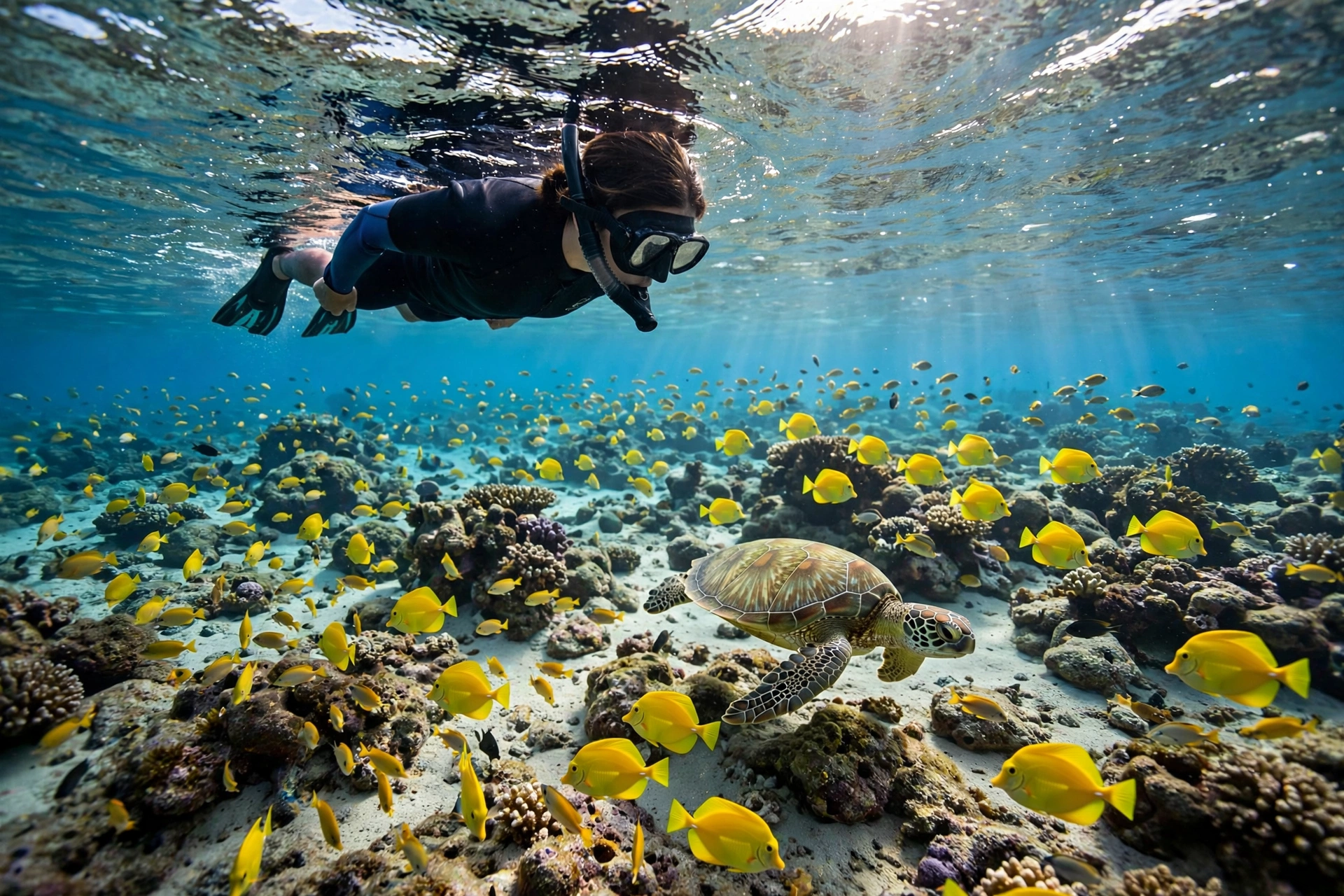
Kauaʻi is the oldest of the main Hawaiian Islands, and five million years of weathering have carved it into the most topographically dramatic of the chain. For snorkelers, that age cuts both ways. Old volcanic shorelines have had time to build extensive fringing reefs, and the offshore barrier reef at Anini is the largest in the state. At the same time, the island sits exposed to North Pacific swell every winter and trades weather all year, so water clarity and surf conditions vary more from day to day than they do on Maui or Oʻahu. Planning around season and shore is the single most important skill a Kauaʻi snorkeler can develop.
The seasonal rhythm is straightforward. In summer, roughly May through September, the north shore calms down and spots like Tunnels, Keʻe, and Anini become spectacular. Winter, roughly October through April, sends large surf into every north and west facing beach, and the best snorkeling moves to the south shore around Poʻipū and Lydgate. Shoulder months can swing either way in a single week. The reliable move is to check the National Weather Service Honolulu surf forecasts each morning and be ready to drive to the calm side. Kauaʻi is small enough that a south-to-north switch is an hour’s drive, and making that switch often turns a canceled day into the best session of your trip.
Unlike Maui’s Molokini, Kauaʻi has no offshore crater with boat-only access, but it has something equally distinctive: the Nāpali Coast. No roads reach it, so the coast’s waterfalls, sea caves, and reef walls are reached by boat from Port Allen on the west side or Hāʻena on the north side. Boat snorkeling trips along Nāpali are one of the island’s signature experiences, pairing snorkeling in deep clear water with views of cliffs that rise thousands of feet straight out of the sea. These trips are described factually here as transportation and logistics; choose any licensed operator you like, or skip the boats entirely and stay on shore. The shore snorkeling alone fills a week.
Water temperature stays comfortable year round, generally ranging from the low to mid 70s Fahrenheit in winter and approaching 80 in late summer. Most visitors snorkel in swimwear or a light rash guard; those who chill easily can add a thin wetsuit in winter. Visibility varies by site and conditions rather than by season alone, but summer north shore days and calm south shore mornings can deliver 80 feet or more of blue clarity.
The Top Snorkel Spots on Kauaʻi
Poʻipū Beach Park
Poʻipū is the island’s most dependable snorkel spot and the best answer when winter surf closes the north shore. The beach park sits at the protected eastern end of Poʻipū’s shoreline, and its reef areas stay calm and clear on the majority of days. Facilities include restrooms, showers, parking, and lifeguards, which makes it an easy first session and a good default when conditions elsewhere look questionable. The snorkeling itself runs along the reef patches on both sides of the sandy swim area, with green sea turtles grazing close to shore and a steady mix of reef fish in the protected water.
Tunnels (Makua)
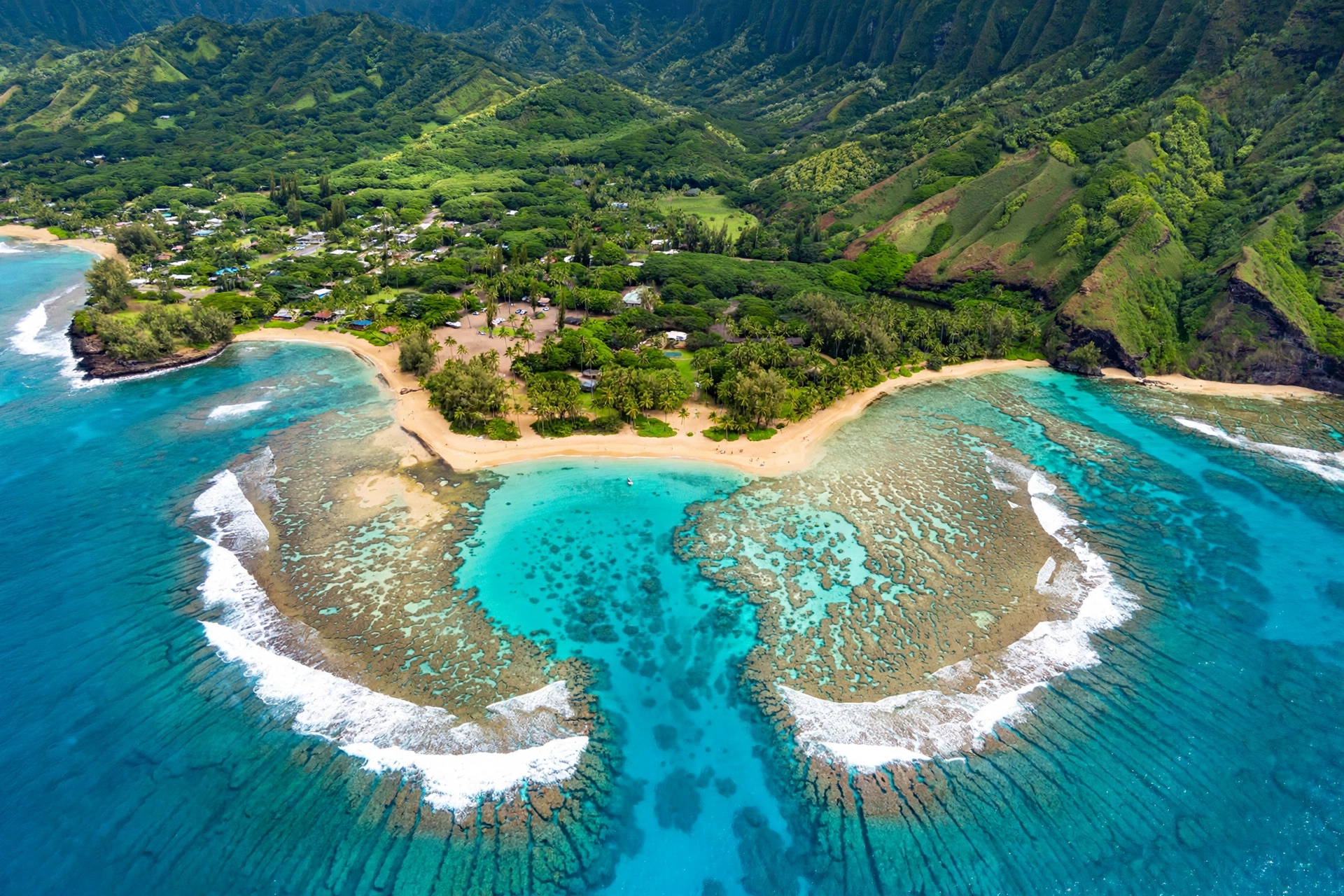
Tunnels is the north shore’s most famous reef and a summer-only proposition. When the North Pacific swells drop, usually between May and September, the horseshoe reef at Makua Beach opens into some of the finest snorkeling in Hawaiʻi: large coral heads, tunnels and swim-throughs in the reef, and fish life dense enough that the site’s nickname needs no explanation. There is no parking lot to speak of, restrooms are absent, and entry involves a short walk down a dirt path. Winter surf can be enormous and genuinely dangerous here; do not attempt Tunnels when surf is up. Check conditions before driving north.
Keʻe Beach (Hāʻena State Park)
Keʻe sits at the end of the road on the north shore, where the highway terminates at Hāʻena State Park and the Nāpali Coast begins. The reef here is broad and shallow, and the snorkeling on calm summer days is excellent, with turtles, coral, and fish in water that stays protected close to shore. Access now requires an advance reservation through the Hāʻena State Park reservation system, either a parking permit or a shuttle reservation, and both book out well ahead in peak season. Plan ahead or you will not get in. The outer reef beyond the channels is not for casual snorkelers; currents develop at the channels even on calm days, so stay inside the reef and enjoy what is there.
Anini
Anini Beach Park on the north shore fronts the largest barrier reef in Hawaiʻi, a two-mile-long reef that sits offshore and breaks the surf before it reaches the beach. The result is the calmest swimming water on the north side, with shallow reef flats inside the barrier that are ideal for beginners and relaxed exploration. Snorkeling is best in the deeper pockets near the channels rather than directly off the beach park, where the water stays shallow. Winter can still push surf over the barrier on the biggest swells, so check conditions, but Anini is often the north shore’s backup when Tunnels is too rough.
Lydgate Beach Park
Lydgate, just north of Līhuʻe on the east side, is the island’s most beginner-friendly snorkeling. A manmade rock breakwater forms two protected lagoons where the water stays nearly flat year round, and the eastern lagoon is stocked with reef fish that are accustomed to snorkelers. Children learning to snorkel, first-timers, and anyone nervous about open water should start here. The fish density is good, the entry is easy, and the facilities include restrooms, showers, picnic areas, and parking. It will not match Tunnels for wild beauty, but for confidence building it is unmatched.
Hideaways (Pali Ke Kua)
Hideaways is a north shore local favorite reached by a steep path from the Princeville area. The reef here is healthy and the snorkeling on calm summer days is genuinely good, with turtles, coral, and fish in clear water. The catch is the path: it is steep, muddy after rain, and tricky with gear. Winter surf makes the beach dangerous. Go in summer, wear shoes with grip for the descent, and treat this as a reward for prepared snorkelers rather than a beginner stop.
Salt Pond Beach Park
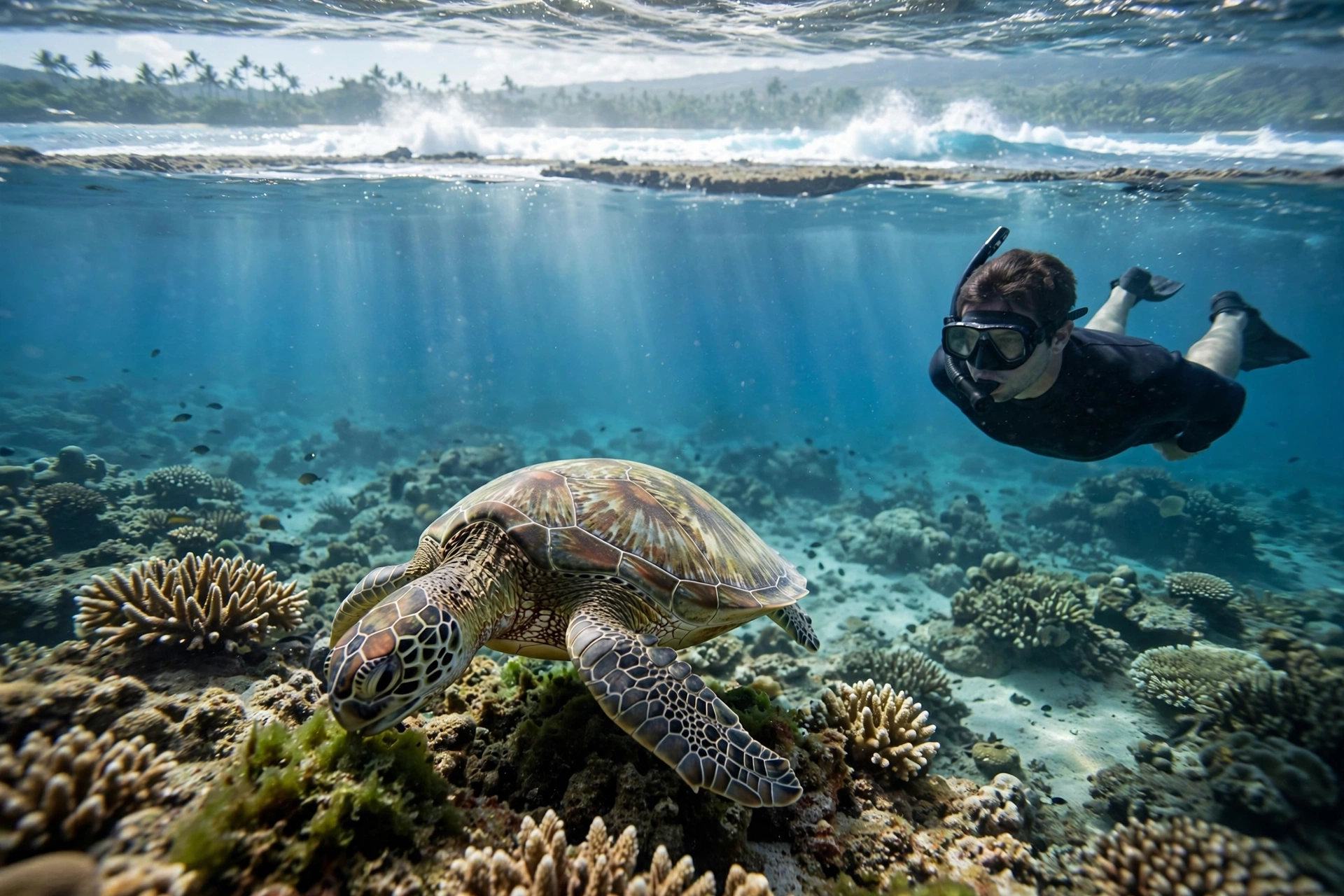
Salt Pond on the west side near Hanapēpē is a protected beach park with a small natural reef area that stays calm most of the year. The snorkeling is modest compared to the headliners, but it is reliable, uncrowded, and easy, which makes it a good west side option when you are staying in Waimea or visiting Waimea Canyon and want a quick afternoon swim. Lifeguards, restrooms, and picnic facilities are all available. Conditions follow the west shore pattern: fine most of the year, occasionally affected by winter swells and summer south swells.
Nāpali Coast Boat Snorkeling
The reefs along the Nāpali Coast are unreachable from shore, which is exactly what keeps them in such good shape. Boats depart from Port Allen on the west side year round and from Hāʻena on the north side in summer. A typical trip pairs coastal sightseeing, sea caves, dolphins, and waterfall views with one or two snorkel stops in deep clear water off the cliffs. Visibility is often exceptional because the coast faces open ocean. Sea conditions matter: winter swells can make the north side trips rough or canceled, and the west side departures are the more reliable winter option. Motion-sensitive visitors should prepare accordingly.
Shore vs. Boat Snorkeling
Shore snorkeling on Kauaʻi is free, flexible, and often excellent. Spots like Poʻipū, Lydgate, Anini, and Salt Pond are easy entries with facilities nearby, and on calm summer days Tunnels and Keʻe rival anything in the state. The shore game rewards condition-reading: pick the calm side, go early, and be willing to switch beaches when the surf forecast changes. Most visitors will spend most of their snorkeling time from shore and be completely satisfied.
Boat snorkeling earns its place for exactly one reason: the Nāpali Coast cannot be snorkeled any other way. The boats add cost and a schedule, and they add motion, but the payoff is snorkeling beneath 3,000-foot cliffs with waterfalls and spinner dolphins as the scenery. For visitors with the budget and the stomach for open water, one Nāpali trip is the kind of memory that anchors a trip. West side departures from Port Allen run year round; north side departures are summer only.
The morning rule applies to both. Trade winds build through the day on Kauaʻi, so mornings are calmer, clearer, and less crowded at nearly every site. Plan shore sessions before 10 a.m. when possible, and book boat trips on the earliest departure available.
Marine Life
Green Sea Turtles (Honu)
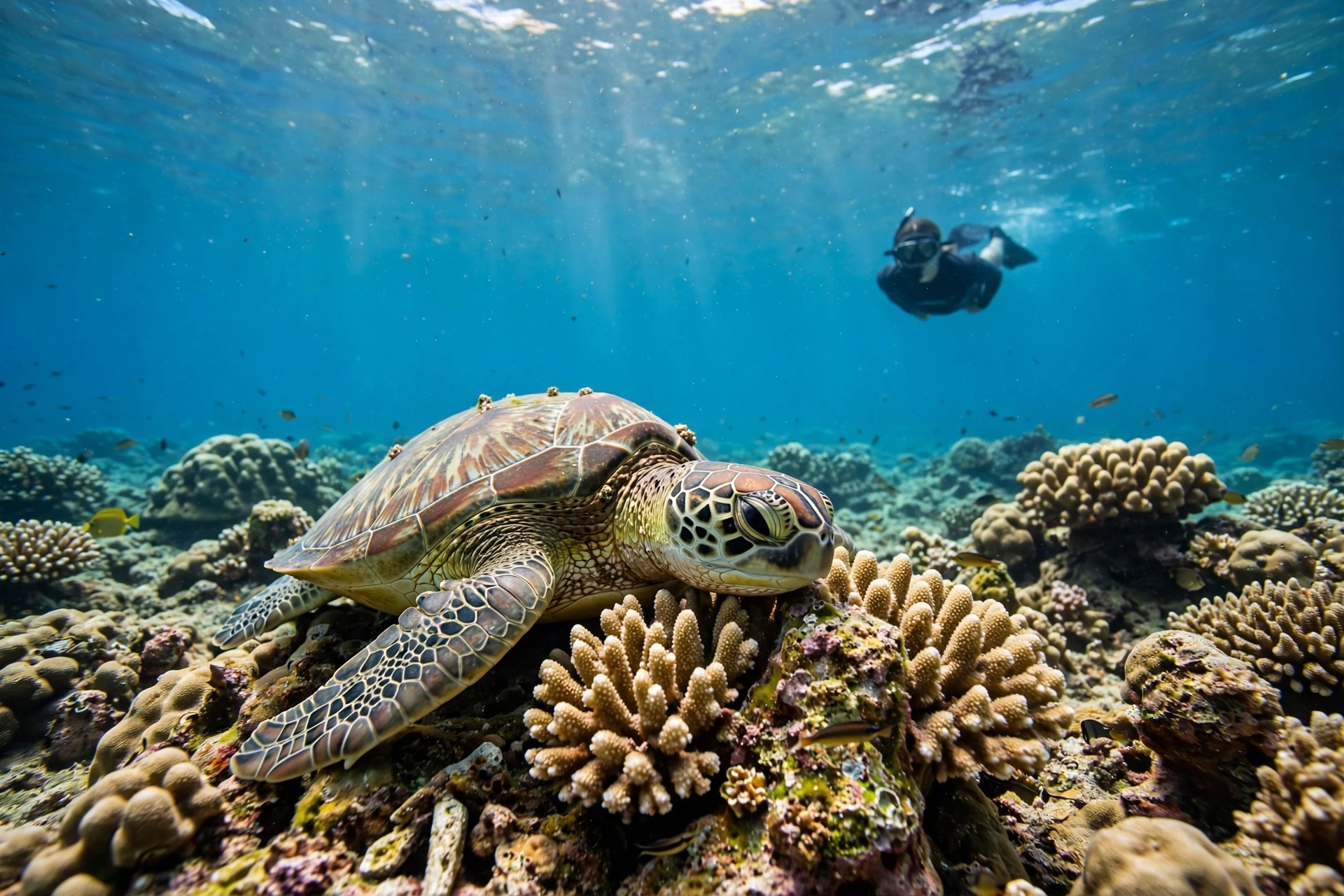
Green sea turtles are abundant on Kauaʻi, and you are likely to see them at nearly every snorkel spot on this list. Poʻipū, Anini, and Tunnels are all reliable turtle water. Turtles are federally protected, and the rule is simple and absolute: do not touch them, do not chase them, do not block their path to the surface, and give resting turtles on beaches plenty of space. A turtle that changes direction because of you is a turtle you disturbed. Watch from a respectful distance and the encounters will come to you.
Reef Fish
Kauaʻi’s reefs host the full Hawaiian reef fish lineup. Expect clouds of yellow tang, convict tang, and sergeant majors at most sites, with parrotfish (uhu) crunching coral, Moorish idols in pairs, and triggerfish including the famously named humuhumunukunukuāpuaʻa. Tunnels and Keʻe, with their larger reef structures, tend to hold the greatest variety. Hawaiʻi’s fish are unusually approachable, but the same rules apply: look, do not touch, and never feed fish, which disrupts natural behavior and damages the reef ecosystem.
Hawaiian Monk Seals
Hawaiian monk seals haul out on Kauaʻi beaches more often than on any other main island, with roughly 300 of the approximately 1,600 remaining animals in the wild living around the main Hawaiian Islands. A seal napping on the sand is resting, which is essential to its survival, and the guidance is to stay at least 50 feet away, keep dogs leashed and distant, and never get between a mother and pup. If you see a seal while snorkeling, give it wide space and enjoy one of the rarest wildlife encounters in the United States.
Spinner Dolphins (Naiʻa)
Spinner dolphins are common along the Nāpali Coast and in west side waters, and boat trips frequently encounter pods. Federal rules prohibit swimming with, approaching, or pursuing spinner dolphins; stay at least 50 yards away and let the animals choose their distance. Dolphins resting in nearshore bays during the day are sleeping after a night of hunting, and disturbing resting pods has real consequences for their health. The best dolphin encounter is the one where you stay in the boat and watch.
Humpback Whales (Koholā, Seasonal)
Humpback whales visit Hawaiian waters from December through April, and Kauaʻi’s deep offshore waters and the channels around the island are part of their range. Whale sightings from shore happen most often on the west and south sides; boat trips, especially Nāpali coast trips, frequently include whale watching in season. The federal approach rule is 100 yards. Whales sometimes surface near snorkelers anyway, which is the animal’s choice and a privilege, not a plan.
Safety
Read the Water Before You Enter
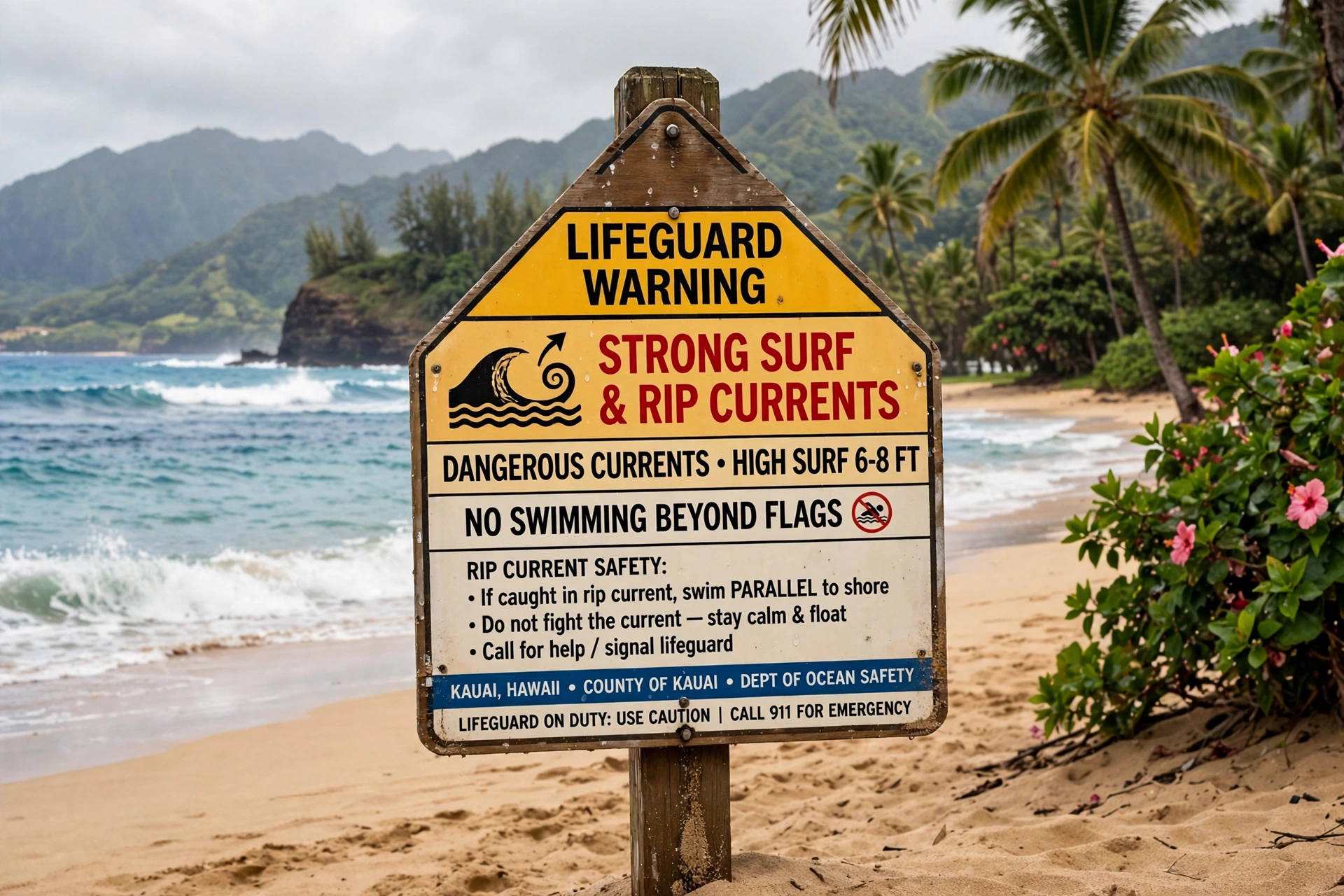
The ocean on Kauaʻi deserves more respect than the island’s beauty suggests. Before entering at any beach, spend five minutes watching: where is the surf breaking, is there a current pulling along the shore, how far out do the whitecaps reach, and are other swimmers staying inside a particular zone? If the water looks rough, do not go in. Drownings in Hawaiʻi frequently involve visitors who entered water that looked calm from the sand. When in doubt, choose a different beach or a different day.
Winter Swells
Winter surf on the north and west shores is not a snorkeling inconvenience; it is a genuine hazard. Swells generated by North Pacific storms arrive from October through April and can produce surf of 15 to 30 feet on exposed north shore beaches. Spots like Tunnels and Keʻe that are idyllic in August can be lethal in January. The south shore, around Poʻipū and Lydgate, is the winter answer. Never assume a beach that was calm yesterday is calm today; check the National Weather Service Honolulu surf forecast every morning.
Currents and Channels
Even on calm days, currents develop at reef channels and points. At Keʻe, the channels through the reef can pull outward even when the inner reef looks flat. At Anini, the channels through the barrier reef carry the strongest flow. The practice is always the same: snorkel with a buddy, stay within your ability, and if you feel yourself being pulled, swim across the current rather than fighting it, then head for shore once free. Currents at Kauaʻi beaches are manageable for aware swimmers and dangerous for complacent ones.
Shorebreak and Entries
Shorebreak, where waves break directly onto the sand, causes more snorkeling injuries than almost anything else: scrapes, sprains, and broken equipment from being tumbled in shallow water. Beaches with shorebreak are worst at high tide and during swells. Enter where the water is calmest, time your entry between wave sets, keep your mask on your face rather than your forehead, and hold your fins in your hand until you are past the break. If entry looks sketchy, it is.
Never Stand on Coral
Coral is a living animal, and standing on it kills it. Hawaiʻi’s reefs grow slowly; a footprint can destroy decades of growth. Always enter from sand, swim or float over the reef, and if you need to rest, find a sandy patch. This is both an ecological duty and a practical one: coral cuts and sea urchin spines are painful injuries that ruin vacations. Fins, buoyancy awareness, and sandy entries keep both you and the reef intact.
Reef-Safe Sunscreen
Hawaiʻi law (Act 104) bans the sale of sunscreens containing oxybenzone and octinoxate, the two chemicals most damaging to coral reefs. Buy mineral sunscreen with zinc oxide or titanium dioxide, or better yet, wear a long-sleeve rash guard and reduce sunscreen use altogether. Apply sunscreen at least 15 minutes before entering the water so it absorbs rather than washing straight off onto the reef. The reef you are snorkeling over is the reason the water is beautiful; protect it.
Hydration, Sun, and the Buddy System
Snorkeling dehydrates you faster than you expect, and Kauaʻi sun is intense even on overcast days. Drink water before and after, wear a hat on shore, and reapply reef-safe sunscreen to exposed skin. Always snorkel with a buddy: not just for emergencies, but because two sets of eyes find more turtles, more fish, and more of the small things that make a reef worth visiting. Tell someone on shore where you are going and when you expect to be back.
Gear and Practicalities
What to Bring
A mask that seals to your face is the single most important piece of gear; a leaking mask ruins everything else. If you own a mask that fits, bring it. Snorkels are simple and cheap; dry-top snorkels reduce the splash water that startles beginners. Fins should fit snugly without pinching, and open-heel fins with booties work better for rocky entries than full-foot fins. A rash guard or swim shirt provides sun protection and a little warmth. A small dry bag keeps your phone, keys, and a towel safe on shore.
Rentals
Snorkel gear rentals are widely available in Poʻipū, Kapaʻa, Hanalei, and near the resort areas, with daily and weekly rates. Renting for the week is usually cheaper than multiple single days, and many shops will swap gear that does not fit. Try the mask on before you leave the shop: press it to your face without the strap, inhale gently through your nose, and if it stays in place, the seal is good. Full-face snorkel masks are widely sold and rented; they feel intuitive but have been associated with breathing and safety concerns, and many experienced snorkelers and safety organizations recommend a traditional mask and snorkel instead.
Best Time of Day
Morning is the golden window. Trade winds are lightest before 10 or 11 a.m., which means calmer water, better visibility, and fewer people. Parking at popular spots like Tunnels and Keʻe fills early in summer, which is another reason to go at opening. Afternoon sessions are still worthwhile on calm days, but the wind chop builds and the light flattens. If you only snorkel once, make it a morning.
Parking and Access Notes
Parking is the practical constraint at Kauaʻi’s best snorkel spots. Keʻe requires an advance Hāʻena State Park reservation for parking or shuttle access. Tunnels has very limited roadside parking. Poʻipū, Lydgate, Anini, and Salt Pond all have dedicated lots that fill on busy days but turn over regularly. Arrive early, never leave valuables visible in the car, and lock up. Break-ins at trailheads and beach lots are a known problem statewide; take your valuables or leave them at your lodging.
A Beginner’s Guide to Snorkeling Kauaʻi
If you have never snorkeled, Kauaʻi is a fine place to start, provided you pick the right beach. Lydgate’s protected lagoons are the island’s best classroom: flat water, easy entry, visible fish, and lifeguards nearby. Poʻipū Beach Park is the next step up. Do not make Tunnels or Keʻe your first snorkel; the entries and currents ask for experience you do not have yet.
Practice the basics before you need them. In shallow water, get comfortable breathing through the snorkel with your face down, then practice clearing water from the snorkel with a sharp exhale. Learn to clear your mask by tilting your head back, lifting the bottom edge, and exhaling through your nose. These two skills take ten minutes to learn in a calm lagoon and prevent ninety percent of beginner panic.
A few etiquette points will make you welcome in the water. Do not stand on coral, ever. Do not chase turtles or any other animal; the good encounters happen when you float still and let curiosity work in both directions. Keep your fins away from other snorkelers and from the reef. Rinse off sunscreen before entering, and consider a rash guard so you need less of it. Snorkeling is a quiet sport; the reef rewards the calm.
Frequently Asked Questions
What is the best snorkeling beach on Kauaʻi?
There is no single best beach because conditions change with the season. In summer, Tunnels (Makua) and Keʻe on the north shore are the standouts. In winter, Poʻipū Beach Park on the south shore is the most reliable. Anini and Lydgate are the safest choices for beginners and families year round.
Can you snorkel the Nāpali Coast from shore?
No. The Nāpali Coast has no road access and no shore entries for snorkeling. The coast’s reefs are reached by boat from Port Allen on the west side or Hāʻena on the north side in summer. Boat trips combine snorkeling with coastal sightseeing, sea caves, and dolphins.
Do I need a reservation to snorkel at Keʻe Beach?
Yes. Keʻe Beach is inside Hāʻena State Park, and all visitors need an advance reservation, either a parking permit or a shuttle seat, booked through the park reservation system. Reservations sell out well in advance during peak season, so plan ahead.
When is the best time of year to snorkel on Kauaʻi?
Summer, roughly May through September, opens the north shore’s best reefs like Tunnels and Keʻe. Winter moves the best snorkeling to the south shore around Poʻipū. Year round, mornings are calmer and clearer than afternoons. There is good snorkeling somewhere on Kauaʻi in every month; the skill is picking the right shore.
Is snorkeling safe for kids on Kauaʻi?
Yes at the right beaches. Lydgate’s protected lagoons were practically designed for children learning to snorkel. Poʻipū Beach Park and Anini are also good family choices on calm days. Keep kids in the protected areas, always within arm’s reach, and consider flotation vests for young or nervous swimmers.
What marine life will I see snorkeling on Kauaʻi?
Green sea turtles are nearly guaranteed at the popular spots. Expect yellow tang, parrotfish, Moorish idols, and triggerfish on the reefs. Hawaiian monk seals occasionally haul out on beaches. Spinner dolphins and, in winter, humpback whales are seen from boats along the Nāpali Coast and west side.
Do I need to worry about sharks while snorkeling?
Shark encounters while snorkeling on Kauaʻi are extremely rare. Reef sharks are occasionally seen but are shy and uninterested in people. Standard ocean awareness applies: avoid snorkeling at dawn and dusk when visibility is low, stay with a buddy, and do not snorkel near fishing activity or where fish are being cleaned.
Should I bring my own snorkel gear or rent?
If you own a mask that fits your face well, bring it; mask fit matters more than any other gear factor. Everything else rents easily and affordably around Poʻipū, Kapaʻa, and Hanalei. Weekly rentals are usually cheaper than daily rates for multi-day snorkelers.
Related Guides
- Hawaiʻi Snorkeling: The Statewide Guide : how Kauaʻi compares to the other islands
- Maui Snorkeling : Molokini, Turtle Town, and Honolua Bay
- Kauaʻi Map : orienting the island’s regions and roads
- Kauaʻi Hikes : the Kalalau Trail, Waimea Canyon, and more
- Kauaʻi Waterfalls : Waipoʻo, Wailua Falls, and Hanakāpīʻai
- Kauaʻi Weather : seasons, rainfall, and surf patterns
- Hawaiʻi Beaches : the islands’ best beaches compared
A Final Note
Kauaʻi’s reefs reward the snorkeler who reads the island the way locals do: by season, by shore, and by the morning surf report. The Garden Isle does not hand you its best water the way a resort lagoon does; it asks you to check the forecast, drive to the calm side, and arrive early. Do that, and the payoff is real. A turtle surfacing beside you at Anini, a school of yellow tang parting around a coral head at Tunnels, the cliffs of Nāpali rising out of blue water while dolphins work the bow wake. These are not experiences that require advanced skill. They require attention, respect for the ocean, and the willingness to let the island set the schedule. Snorkel that way, and Kauaʻi will show you why it earned its name.