
Hawaiʻi Snorkeling

Hawaii is one of the most rewarding snorkeling destinations on the planet. Warm water, exceptional visibility, and a marine ecosystem found nowhere else combine to create conditions that few places can match. On a calm morning, you can float over coral gardens in water so clear it feels like flying, watching green sea turtles glide past while schools of bright yellow tangs move through the reef below.
What makes snorkeling in Hawaii special is not just the scenery. Roughly one in four marine species in Hawaiian waters is endemic, meaning it exists nowhere else on Earth. Add in water temperatures that stay comfortable year round and a strong network of protected marine areas, and Hawaii earns its reputation as a world class snorkeling destination for beginners and experienced snorkelers alike.
This guide covers everything you need to plan snorkeling across the Hawaiian Islands: the best spots on each island, seasonal conditions, the marine life you will encounter, safety practices, and gear advice. Dedicated island snorkeling guides are linked throughout for deeper detail.
On This Page
- Why Snorkel in Hawaii
- Best Snorkeling on Maui
- Best Snorkeling on Oahu
- Best Snorkeling on Kauai
- Best Snorkeling on the Big Island
- Snorkeling Spots Comparison
- Snorkeling Seasons and Conditions
- Marine Life You Will See
- Snorkeling Safety
- Gear Guide and Reef Safe Sunscreen Law
- Snorkeling Etiquette and Reef Protection
- Frequently Asked Questions
- Related Guides
Why Snorkel in Hawaii
Hawaii’s snorkeling stands apart for several concrete reasons. First, visibility is consistently excellent. On calm days at protected sites, underwater visibility commonly reaches 100 feet or more, and at offshore locations like Molokini Crater off Maui it can exceed 150 feet.
Second, Hawaii’s reefs are protected by an unusually strong system of Marine Life Conservation Districts. These designated areas restrict fishing and other extractive activities, which allows fish populations to thrive. Many of the best snorkeling spots in this guide sit inside these districts, which is no coincidence.
Third, the barrier to entry is low. Most of Hawaii’s top snorkel sites are accessible directly from shore, with no boat required. You can walk into the water at beaches on every major island and be over coral within minutes. Water temperatures range from the mid 70s Fahrenheit in winter to the low 80s in summer, so most people snorkel comfortably without a wetsuit.
Best Snorkeling on Maui

Maui offers the most celebrated snorkeling in Hawaii, anchored by an offshore volcanic crater that delivers the clearest water in the islands. The island’s leeward west and south coasts stay sheltered from trade winds, creating calm morning conditions through much of the year.
Molokini Crater
Molokini is a crescent shaped, partially submerged volcanic crater sitting about 2.5 miles off Maui’s southwestern coast. Its curved wall blocks waves and currents, creating a natural sheltered basin with visibility that regularly reaches 150 feet. The crater is a Marine Life Conservation District, so fish populations are dense and varied, with around 250 species recorded. Access is by boat only, and the crater’s back wall drops to about 300 feet, making the sheltered inner reef the area most snorkelers explore. Morning trips offer the calmest water before trade winds build in the afternoon.
Honolua Bay
On Maui’s northwest coast, Honolua Bay is widely considered the island’s best shore snorkeling. The bay is a Marine Life Conservation District with a healthy coral reef stretching along the right side of the bay. Summer brings calm, glassy conditions ideal for snorkeling. In winter, north swells can make the bay unsafe, so this is strictly a seasonal spot. There are no facilities and access requires a short walk down from the roadside parking area along the Honoapi‘ilani Highway. Arrive early, as the small parking area fills quickly on calm summer mornings.
Black Rock at Ka‘anapali Beach
The lava rock promontory at the northern end of Ka‘anapali Beach, known as Black Rock or Pu‘u Keka‘a, creates a natural snorkeling area with good fish life and frequent sea turtle sightings. The entry is easy from the sandy beach, making it one of Maui’s most accessible snorkel spots. Conditions are best in the morning before the afternoon winds ripple the surface. The area around the rock itself has the most coral and fish, while the open sandy areas nearby are less interesting underwater.
Ahihi-Kina‘u Natural Area Reserve
South of Makena, the ‘Āhihi-Kīna‘u Natural Area Reserve protects a rugged coastline of young lava flows and clear tidepools. Snorkeling here feels wilder than at Maui’s resort beaches, with lava formations creating interesting underwater topography. The reserve has limited parking and no facilities, and parts of the reserve are closed to protect fragile resources, so check current access rules before visiting. This spot suits confident snorkelers comfortable with rocky entries rather than beginners looking for sandy beach access.
Napili Bay
Napili Bay on Maui’s upper west side is a gentle, crescent shaped bay with a sandy entry and a reef along both points. It is one of Maui’s most beginner friendly snorkel spots, with calm summer conditions and easy access from the beach. Sea turtles are common here. Winter swells can bring surf into the bay, so check conditions before entering during the cooler months.
For a full breakdown of Maui’s snorkel sites with seasonal timing and access maps, see the dedicated Maui snorkeling guide.
Best Snorkeling on Oahu

O‘ahu’s snorkeling is concentrated in a handful of excellent protected sites. The island’s south and southeast shores offer the most reliable year round conditions, while the famous North Shore sites are strictly seasonal.
Hanauma Bay Nature Preserve
Hanauma Bay is O‘ahu’s most famous snorkeling destination: a flooded volcanic crater on the island’s southeast coast with a curved white sand beach and a shallow reef teeming with fish. The bay is a Nature Preserve, which means strict protections apply. All visitors must watch a short educational video about reef protection before entering the water, and the bay operates with an entry fee and reservation system with limited daily capacity. The bay closes on certain days each week for reef recovery, so verify the current schedule before planning your visit. Inside the water, the reef is shallow and the fish are abundant and approachable, making this one of the best beginner snorkeling experiences in Hawaii. Arrive at opening time for the calmest water and smallest crowds.
Shark’s Cove (Pūpūkea)
Despite the name, Shark’s Cove is named for the shape of the reef, not for sharks. This North Shore site in the Pūpūkea Marine Life Conservation District offers dramatic underwater lava formations, caves, and arches with excellent marine life. It is a summer only destination: from roughly May through September the ocean is calm, but winter brings powerful surf that makes the cove dangerous. There are no lifeguards and the rocky entry requires care. Experienced snorkelers rate it among Hawaii’s most interesting shore dives, but beginners should choose a calmer south shore site instead.
Kuilima Cove
At the northern tip of O‘ahu near Turtle Bay, Kuilima Cove is a small protected cove with a sandy entry and calm water that suits beginners and families. The reef inside the cove hosts turtles, reef fish, and occasional rays. Because the cove is sheltered, it stays swimmable on days when nearby North Shore beaches are too rough, though winter swells can still affect it. Facilities and parking are available nearby.
Kahe Point (Electric Beach)
On O‘ahu’s leeward west coast, Kahe Point is known locally as Electric Beach because of the power plant nearby. Warm water discharged from the plant’s outflow pipes attracts large schools of fish, making this one of O‘ahu’s most fish dense snorkel sites. The entry is from a rocky shoreline and the site is best for confident snorkelers. Afternoon winds can chop up the surface, so morning visits are preferable. There are minimal facilities, so bring everything you need.
For O‘ahu specific spot rankings and seasonal guidance, see the best snorkeling on Oahu.
Best Snorkeling on Kauai

Kaua‘i’s snorkeling is defined by its dramatic north shore reefs and the island’s wilder, less developed coastline. Conditions here are more seasonal than on Maui or O‘ahu, with summer offering the calm windows that make the north shore sites shine.
Tunnels Beach (Makua)
Tunnels Beach on Kaua‘i’s north shore is consistently ranked among the best snorkeling sites in all of Hawaii. The large horseshoe shaped reef creates a protected lagoon with exceptional coral formations, underwater lava tubes, and abundant marine life including turtles, reef sharks (harmless whitetip reef sharks that rest in caves), and rays. Visibility on calm summer days is outstanding. This is a strictly seasonal site: winter surf makes it unsafe from roughly October through April. Parking is limited along the beach access road, so arrive early in the morning. The reef extends quite far out, and the best coral is beyond the inner sandy area, so confident swimming ability helps here.
Ke‘e Beach
At the end of the road on Kaua‘i’s north shore, Ke‘e Beach sits within Ha‘ena State Park and offers a protected reef lagoon ideal for snorkeling when conditions are calm. The beach marks the start of the Kalalau Trail and the Nā Pali Coast, so the setting is spectacular. Access to Ha‘ena State Park requires advance reservations for parking or shuttle entry, which means planning ahead is essential. Like Tunnels, Ke‘e is a summer destination, with winter surf closing out safe snorkeling. The lagoon’s inner reef is shallow and good for beginners on calm days.
Po‘ipu Beach Park
On Kaua‘i’s south shore, Po‘ipu Beach Park offers the island’s most reliable year round snorkeling. The protected swimming area has a sandy entry and a reef with good fish life, and Hawaiian monk seals frequently haul out on the beach to rest. The park has full facilities including lifeguards, restrooms, showers, and picnic areas, making it the easiest and most family friendly snorkel site on Kaua‘i. Mornings are calmest. While the reef here is not as dramatic as the north shore sites, the convenience and reliability make Po‘ipu the go to choice for most visitors.
Anini Beach
Anini Beach on Kaua‘i’s north shore is fringed by one of the longest barrier reefs in Hawaii, creating a vast shallow lagoon that stays calm even when other north shore sites are rough. The water inside the reef is shallow, often waist deep well offshore, which makes Anini excellent for beginners and children. The trade off is that the shallow lagoon has patchier coral than Tunnels or Ke‘e, but turtles and reef fish are still common. Anini works in more conditions than any other north shore site, giving it the longest snorkelable season on that coast.
Lāwa‘i Beach
Next to the Beach House restaurant on Kaua‘i’s south shore, Lāwa‘i Beach is a small rocky cove with surprisingly good snorkeling close to shore, including turtles and eels. There is no sand entry and minimal parking, so it suits snorkelers comfortable with a rocky shoreline.
For the complete Kaua‘i breakdown, see the dedicated Kauai snorkeling guide.
Best Snorkeling on the Big Island

The Big Island’s Kona coast on the dry western side offers Hawaii’s most consistent snorkeling conditions. Sheltered from trade winds by massive volcanoes, the Kona coast stays calm and clear through most of the year, and its young lava rock shoreline creates dramatic underwater topography.
Kealakekua Bay
Kealakekua Bay is a Marine Life Conservation District and one of Hawaii’s premier snorkeling destinations. The bay’s steep underwater drop off and protected status support dense coral and fish populations, and spinner dolphins frequently rest in the bay during the day. The bay is best known for the Captain Cook Monument on its far shore, where some of the clearest water and healthiest coral are found. Reaching that side requires either a boat trip or a hike down the Captain Cook Monument Trail, a steep 2 mile round trip with significant elevation change. The bay’s protected status means strict rules apply: stay off the coral, maintain distance from dolphins, and follow all posted regulations. Morning offers the calmest water and the best light for viewing the reef.
Hōnaunau Bay (Two Step)
Adjacent to Pu‘uhonua o Hōnaunau National Historical Park, Hōnaunau Bay is nicknamed Two Step for the natural lava rock steps that make water entry remarkably easy. The bay offers excellent shore snorkeling with healthy coral, abundant fish, and frequent turtle and dolphin sightings. The underwater terrain drops off fairly quickly past the entry, revealing coral heads and lava formations. Entry is free at the bay itself, though the neighboring national historical park charges admission and is well worth combining into the same visit. Arrive early for parking and the calmest conditions.
Kahalu‘u Beach Park
Kahalu‘u Beach Park just south of Kailua Kona is one of Hawaii’s best beginner snorkeling sites. The shallow, protected bay has a sandy entry, lifeguards on duty, restrooms, and some of the most reliable turtle sightings in the islands. The reef is close to shore, so even nervous first timers can see plenty within a few fin kicks of the beach. Because it is easy and accessible, Kahalu‘u gets busy by midday. Morning visits bring calmer water, fewer people, and more active marine life. This is an ideal first snorkel of a Hawaii trip.
Mauna Kea Beach (Kaunaoa Bay)
On the Kohala coast, Kaunaoa Bay, known as Mauna Kea Beach, offers a beautiful white sand beach with a reef on both sides of the bay. The right side in particular has excellent snorkeling with good coral and fish. Public access is limited: the resort controls the beach access road and issues a limited number of public parking passes each day, so arrive early or be prepared to be turned away once passes run out. The bay is also known for manta ray visits at night, which has made it famous among divers. Daytime snorkeling conditions are best in the calm morning hours.
For the full Big Island snorkel site list, see the dedicated Big Island snorkeling guide. Night snorkeling with manta rays off the Kona coast is covered in the marine life section below.
Snorkeling Spots Comparison
| Spot | Island | Access | Difficulty | Best Season | Highlights |
|---|---|---|---|---|---|
| Molokini Crater | Maui | Boat only | All levels | Year round | 150 ft visibility, protected crater reef |
| Honolua Bay | Maui | Shore, short walk | Intermediate | Summer | Conservation district, vibrant coral |
| Black Rock, Ka‘anapali | Maui | Shore, sandy beach | Beginner | Year round | Easy entry, turtles |
| Hanauma Bay | O‘ahu | Shore, park entry | Beginner | Year round | Shallow reef, abundant fish |
| Shark’s Cove | O‘ahu | Shore, rocky | Advanced | Summer | Lava formations, caves |
| Tunnels Beach | Kaua‘i | Shore | Intermediate | Summer | Horseshoe reef, turtles, rays |
| Po‘ipu Beach Park | Kaua‘i | Shore, full facilities | Beginner | Year round | Lifeguards, monk seals |
| Kealakekua Bay | Big Island | Boat or hike | Intermediate | Year round | Conservation district, dolphins |
| Hōnaunau Bay (Two Step) | Big Island | Shore, easy entry | Beginner | Year round | Coral heads, turtles |
| Kahalu‘u Beach Park | Big Island | Shore, full facilities | Beginner | Year round | Shallow reef, lifeguards |
Snorkeling Seasons and Conditions

Hawaii’s snorkeling conditions follow a predictable seasonal pattern driven by ocean swells. Understanding this pattern is the single most useful piece of knowledge for planning your snorkeling, because the same beach can be glassy calm in one season and rough in another.
Summer (May through September)
Summer brings south swells generated by storms in the Southern Hemisphere. This means south facing shores see periodic surf, while north facing shores go calm. Summer is the prime season for O‘ahu’s North Shore (Shark’s Cove), Kaua‘i’s north shore (Tunnels, Ke‘e), and Maui’s northwest coast (Honolua Bay). Water temperatures peak in the low 80s Fahrenheit, and trade winds are at their most consistent, which means afternoons get breezy even on calm days. Mornings remain the best window everywhere.
Winter (October through April)
Winter reverses the pattern. Powerful north Pacific storms send large swells to north and west facing shores, making North Shore sites on every island unsafe for snorkeling. South and southeast facing shores calm down, so winter is excellent for South Maui, South Kaua‘i (Po‘ipu), southeast O‘ahu (Hanauma Bay), and the Kona coast of the Big Island, which stays sheltered year round thanks to the island’s massive volcanoes blocking the trade winds. Water temperatures dip to the mid 70s, which most people still find comfortable, though a thin rash guard or short wetsuit adds comfort on longer sessions.
Reading Daily Conditions
Seasonal patterns are a starting point, not a guarantee. Always check the day’s surf forecast and ocean conditions before entering the water. Hawaii’s surf forecasts report wave heights by shore (north, south, east, west), which tells you directly which coasts are calm. As a rule of thumb, if the surf forecast shows anything above 2 to 3 feet for the shore you plan to snorkel, choose a more sheltered site or a different coast. Lifeguarded beaches post daily condition flags and warnings. When in doubt, ask the lifeguard. They would rather answer a question than perform a rescue.
Time of Day
Across all islands and all seasons, morning is the best time to snorkel. Trade winds typically build from late morning into the afternoon, creating surface chop that reduces visibility and makes swimming harder. Marine life is also most active in the morning. Plan to be in the water by 8 or 9 AM for the calmest, clearest conditions, and treat afternoon snorkeling as a bonus rather than the plan.
Marine Life You Will See

Snorkeling in Hawaii introduces you to a marine community shaped by millions of years of isolation. The most commonly sighted large animal is the Hawaiian green sea turtle, known locally as honu. These gentle reptiles are a regular sight at nearly every snorkel site in this guide, often resting on the reef or surfacing nearby for air. Honu are protected under federal and state law. Never touch a turtle, and give them space: NOAA recommends staying at least 10 feet away. If a turtle approaches you, remain still and let it pass.
Below the surface, Hawaii’s reefs host a colorful cast of fish. Yellow tangs move in bright schools through the coral. Parrotfish, including the spectacular male uhu with its blue green coloring, crunch coral with their beak like mouths; the fine sand on Hawaiian beaches is largely parrotfish produced, which is worth remembering next time you walk on it. Moorish idols with their long trailing dorsal fins, raccoon butterflyfish, and the famous humuhumunukunukuāpua‘a (the reef triggerfish and Hawaii’s state fish) are all common sights. About a quarter of Hawaii’s reef fish species are endemic, so even experienced tropical snorkelers will see unfamiliar faces.
Moray eels peer from reef crevices, and spotted eagle rays occasionally glide past in deeper water near reef edges. Whitetip reef sharks rest in caves and under ledges during the day at sites like Tunnels on Kaua‘i. These sharks are nocturnal hunters that pose no threat to snorkelers, but observe them quietly without blocking their resting spots.
Hawaiian Monk Seals
The Hawaiian monk seal, or ‘īlioholoikauhale, is one of the rarest marine mammals on Earth, with most of the population living in the Northwestern Hawaiian Islands. A smaller number hauls out on beaches in the main islands, and Po‘ipu Beach Park on Kaua‘i is one of the most reliable places to see one resting on the sand. Monk seals are federally protected and endangered. Federal guidelines recommend staying at least 50 yards (150 feet) away from a resting seal. Never approach, feed, or disturb a seal. If you see one on the beach, enjoy the rare sighting from a respectful distance.
Spinner Dolphins
Hawaiian spinner dolphins rest in shallow bays during the day after feeding offshore at night. Kealakekua Bay on the Big Island is one of their well known resting areas. Federal regulations now require staying at least 50 yards away from spinner dolphins in Hawaiian waters, a rule created because daytime disturbance was disrupting their rest and harming the population. If dolphins approach your group while you are snorkeling, remain passive and let them choose the interaction. Do not chase, surround, or attempt to swim with them.
Manta Rays
The Kona coast of the Big Island is one of the few places in the world where manta rays reliably feed at night near shore, drawn by plankton attracted to lights in the water. Night snorkeling with manta rays has become one of Hawaii’s signature ocean experiences. Mantas are gentle filter feeders with no stinger and no teeth, and they often pass within inches of snorkelers. If you participate, follow the standard etiquette: float calmly at the surface, do not touch the rays, and avoid shining lights directly into their eyes. Even if you never enter the water at night, knowing these animals cruise the Kona coast adds context to daytime snorkeling there.
Seasonal Visitors: Humpback Whales
From roughly December through April, humpback whales migrate to Hawaiian waters to breed and calve. While you will not snorkel with whales (federal law prohibits approaching within 100 yards), snorkelers frequently hear whale song underwater during the season, a haunting and unforgettable experience. Mothers with calves sometimes rest in shallow bays, so give any whale you spot from shore or water the full legal distance.
Snorkeling Safety

Snorkeling is a safe activity when practiced with basic precautions, but the ocean demands respect. Most snorkeling incidents in Hawaii involve the same handful of preventable factors: entering rough water, overexertion, and unfamiliarity with equipment.
Assess Conditions Before Entering
Never enter the water without assessing conditions first. Watch the ocean for at least five minutes. Look for wave size, current direction, and how the water behaves around rocks and reef edges. If waves are breaking over the reef where you plan to snorkel, choose another site. Conditions can change during your session, so glance toward shore periodically and exit if the water gets rougher. Snorkel with a buddy whenever possible, and tell someone on shore where you are going and when you expect to return.
Know Your Limits
Snorkeling looks effortless but involves sustained swimming, sometimes against current. If you are not a confident swimmer, stay in shallow protected areas like Kahalu‘u Beach Park or Kuilima Cove, wear a flotation vest (available for rent at most snorkel shops), and consider a guided experience for your first outing. Do not push through fatigue. Tired snorkelers make poor decisions, and currents that felt manageable at the start of a session can feel very different when you are exhausted. If you feel tired, cold, or anxious, return to shore. There is no shame in a short session.
Shallow Water Blackout
One specific risk deserves attention: never hyperventilate before diving down, and never push breath hold limits while snorkeling. Hyperventilation (rapid deep breathing before submerging) can cause shallow water blackout, a sudden loss of consciousness underwater that leads to drowning. Breathe normally, dive within comfortable limits, and surface well before you feel the urge to breathe strongly. This applies mainly to snorkelers who free dive below the surface rather than floating on top.
Sun and Hydration
You burn faster in the water than on land. Water reflects UV rays, and the cooling effect of the ocean masks how much sun you are absorbing. Apply reef safe sunscreen before entering (see the gear section), wear a rash guard for extended sessions, and reapply after swimming. Drink water before and after snorkeling. Dehydration combined with sun exposure causes the headaches and nausea that ruin many afternoons.
Ocean Hazards
Hawaii’s ocean hazards are manageable with awareness. Sharp coral and lava rock cause most snorkeling injuries, which is why water shoes or fins and careful entries matter. Sea urchins (wana) hide in reef crevices; do not put your hands or feet into holes in the reef. Portuguese man o’ war occasionally drift onto windward beaches; their sting is painful and lifeguards post warnings when they are present. Box jellyfish arrive on O‘ahu’s south shore roughly 8 to 12 days after each full moon; the Waikiki Aquarium publishes a box jellyfish forecast calendar worth checking. Shark encounters while snorkeling are extremely rare, and sharks are a natural and respected part of Hawaii’s ocean ecosystem.
Gear Guide and Reef Safe Sunscreen Law
You do not need much equipment to snorkel in Hawaii, but the right basics make the experience far better.
Mask, Snorkel, and Fins
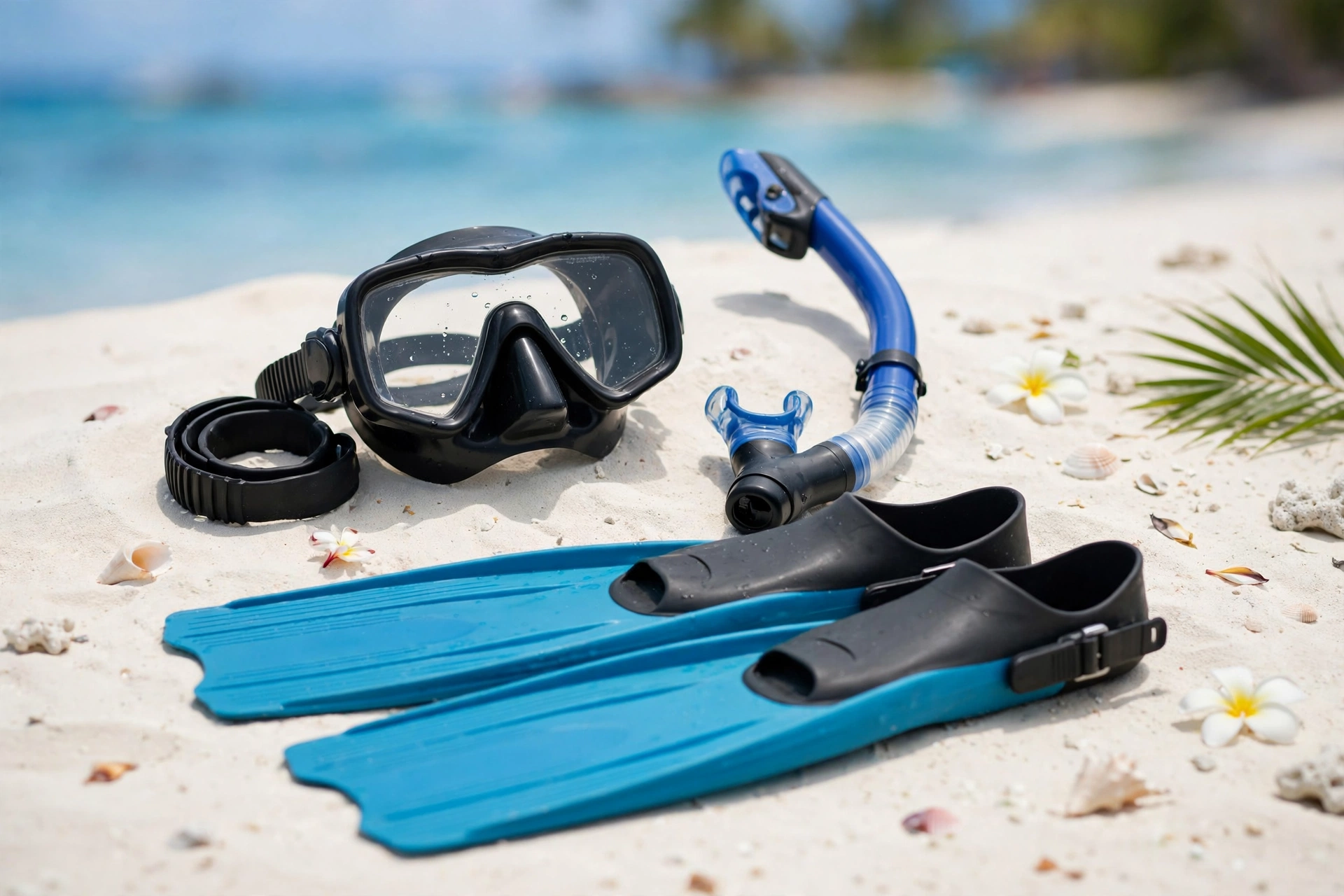
A well fitting mask is the most important piece of gear. A leaking mask ruins a session faster than anything else. If you are buying, get fitted at a dive shop rather than grabbing a generic set. Fins add propulsion and reduce fatigue, which matters on longer swims or in mild current. Full foot fins work well for beach entries; adjustable strap fins fit over water shoes for rocky entries. Many visitors rent gear from local shops, which is practical if you snorkel only a few days. If you rent, test the mask seal before leaving the shop: press it to your face without the strap and inhale gently through your nose. It should stay in place.
What to Bring
- Rash guard: Protects against sun and provides light thermal insulation. Long sleeve versions offer the best coverage.
- Water shoes or fin booties: Essential for rocky entries at sites like Shark’s Cove or Ahihi-Kina‘u.
- Flotation vest or pool noodle: Inflatable snorkel vests add confidence for less strong swimmers without restricting movement.
- Waterproof bag: Keeps your phone, keys, and dry clothes safe on the beach.
- Drinking water and snacks: Especially for remote sites with no facilities.
Hawaii’s Reef Safe Sunscreen Law
Since January 1, 2021, Hawaii has banned the sale of sunscreens containing oxybenzone and octinoxate, two chemicals shown to harm coral reefs. This is not a suggestion; it is state law, and it reflects real science on how these compounds contribute to coral bleaching and deformities in coral larvae. Bring sunscreen that uses non nano zinc oxide or titanium dioxide as the active ingredient, labeled reef safe. Apply it at least 15 minutes before entering the water so it absorbs rather than washing straight off. Better still, lean on physical protection: a long sleeve rash guard and a hat during surface intervals reduce how much sunscreen you need at all. Many Hawaii shops sell compliant sunscreen if you forget yours.
Snorkeling Etiquette and Reef Protection
Hawaii’s reefs are living structures built by tiny coral animals over thousands of years. A single careless fin kick can destroy decades of growth. Every snorkeler in Hawaii shares responsibility for keeping these reefs healthy, and the rules below are both etiquette and, in many cases, law.
- Never stand on coral. Coral is a living animal, not a rock. Standing on it kills the polyps and breaks the skeleton. If you need to rest, float on your back or return to sandy areas. Practice floating horizontally so your fins stay near the surface and away from the reef.
- Do not touch marine life. Touching removes the protective mucus layer on fish and stresses every animal you contact. Sea turtles, monk seals, and dolphins have specific legal distance requirements covered in the marine life section.
- Do not feed fish. Feeding disrupts natural behavior, harms fish health, and is prohibited in Marine Life Conservation Districts.
- Do not take anything. Collecting coral, shells with living animals, or sand is prohibited in many areas. Take photographs, not souvenirs.
- Maintain buoyancy control. The most common reef damage comes from snorkelers who cannot control their position in the water. If you are new, practice in a sandy shallow area before swimming over coral.
- Respect kapu (restricted) areas. Some reef areas are closed for cultural reasons or ecological recovery. Honor all posted signs and rope lines.
- Pack out everything. Marine debris kills wildlife. If you see trash in the water or on the beach, remove it if you safely can.
These practices are not just about conservation in the abstract. The reefs you protect are the same reefs that make your snorkeling spectacular. Every healthy coral head you leave untouched is there for the next snorkeler, and for the one after that.
Frequently Asked Questions
What is the best island in Hawaii for snorkeling?
Each island has a strong case. Maui has Molokini Crater and the highest concentration of top tier sites. The Big Island’s Kona coast has the most consistent year round conditions. O‘ahu has Hanauma Bay, the most beginner friendly famous site. Kaua‘i has Tunnels Beach, arguably the best single shore snorkel in the state during summer. Match the island to your travel season: in winter, favor the Big Island and South Maui; in summer, Kaua‘i’s north shore and O‘ahu’s North Shore open up.
What month is best for snorkeling in Hawaii?
There is no single best month because conditions vary by coast. As a general rule, May through September offers the widest range of calm sites across all islands, since north shore locations are accessible. December through March brings the biggest surf to north facing shores but excellent conditions on south facing shores and the Kona coast. If your trip is fixed to winter months, base your snorkeling plans on the Big Island or South Maui. If you visit in summer, every island has options.
Can beginners snorkel in Hawaii?
Absolutely. Hawaii is one of the best places in the world to learn. Sites like Kahalu‘u Beach Park on the Big Island, Hanauma Bay on O‘ahu, Po‘ipu Beach Park on Kaua‘i, and Napili Bay on Maui all offer shallow water, sandy entries, and calm conditions suited to first timers. Start in water where you can stand, practice clearing your mask and snorkel, and stay within your comfort zone. A flotation vest adds confidence without getting in the way.
Is it safe to snorkel in Hawaii? What about sharks?
Snorkeling in Hawaii is statistically very safe, and the overwhelming majority of sessions happen without incident. The main risks are environmental: rough surf, strong currents, and sun exposure, all manageable by choosing appropriate sites and conditions. Shark encounters while snorkeling are extremely rare. Hawaii’s most common nearshore sharks, whitetip reef sharks, are nocturnal and docile during the day. Follow the safety practices in this guide, snorkel with a buddy, and respect posted warnings.
How much does it cost to snorkel in Hawaii?
Shore snorkeling is essentially free beyond gear. Many of Hawaii’s best sites, including Two Step, Po‘ipu Beach Park, and Kahalu‘u Beach Park, have no entry fee. Hanauma Bay charges an entry fee with a reservation system, and some state parks charge parking or entry fees. Renting a mask, snorkel, and fins costs a modest daily rate from local shops. Boat trips to offshore sites like Molokini Crater cost more but include gear and access you cannot get from shore.
Do I need a wetsuit to snorkel in Hawaii?
Most people do not. Water temperatures range from the mid 70s Fahrenheit in winter to the low 80s in summer, which most swimmers find comfortable without thermal protection. A long sleeve rash guard is the more useful investment: it blocks UV rays during long surface floats and adds a small amount of warmth. If you chill easily or plan long sessions in winter, a 2mm shorty wetsuit adds comfort.
Where can I see sea turtles while snorkeling in Hawaii?
Green sea turtles (honu) are common at nearly every site in this guide. The most reliable spots include Kahalu‘u Beach Park and Hōnaunau Bay on the Big Island, Black Rock at Ka‘anapali on Maui, and Tunnels Beach on Kaua‘i in summer. Turtles often rest on the reef or feed on algae in shallow water. Remember the law: never touch a turtle and stay at least 10 feet away. If one swims toward you, stay still and enjoy the moment passively.
Can I snorkel with manta rays in Hawaii?
Manta ray night snorkeling operates off the Kona coast of the Big Island, where lights attract plankton that the mantas feed on. It is a remarkable experience and mantas are gentle, with no sting or teeth. Standard etiquette applies: float at the surface, do not touch the animals, and follow the crew’s instructions. If night snorkeling is not for you, mantas are occasionally spotted during daytime dives along the Kona coast as well.
What should I not do while snorkeling in Hawaii?
The short list: do not stand on or touch coral, do not touch or chase marine life, do not feed fish, and do not use sunscreen containing oxybenzone or octinoxate. Federal and state laws protect sea turtles (10 foot minimum distance), monk seals (50 yards), spinner dolphins (50 yards), and humpback whales (100 yards). Violations carry real fines. Beyond the law, the deeper principle is simple: observe without altering what you observe.
Is Hanauma Bay worth visiting for snorkeling?
Yes, particularly for beginners and families. The shallow protected reef, abundant approachable fish, and sandy beach entry make it one of the easiest rewarding snorkels in Hawaii. The trade offs are the reservation requirement, entry fee, and crowds. Go at opening time on a weekday for the best experience. Experienced snorkelers seeking wilder conditions may prefer Shark’s Cove in summer or Kahe Point, but Hanauma Bay remains the classic O‘ahu snorkel for good reason.
Can I bring my own snorkel gear to Hawaii?
Yes, and many regular snorkelers do. A mask that fits your face is worth owning, since rental masks are hit or miss. Fins are bulkier to pack; many travelers bring their mask and snorkel and rent fins locally. If you buy gear on arrival, Hawaii’s dive shops can fit you properly. Whatever you bring or rent, test the mask seal and get comfortable with the equipment in shallow water before heading to deeper reef areas.
What is the difference between snorkeling sites on the Kona coast and other islands?
The Kona coast’s defining advantage is consistency. The massive volcanoes of the Big Island block the northeast trade winds, so the leeward Kona coast stays calm through most of the year while other islands’ coasts alternate with the seasons. The underwater landscape is also distinctive: young lava flows create dramatic arches, caves, and drop offs rather than the broad coral gardens found at older islands’ sites. If your trip falls in winter and snorkeling is a priority, the Kona coast is the most reliable choice in the state.
Related Guides
- Maui Snorkeling: Complete Island Guide : every Maui snorkel site with seasonal timing and access details
- Kauai Snorkeling: Complete Island Guide : north shore reefs, seasonal windows, and family friendly south shore sites
- Big Island Snorkeling: Complete Island Guide : the Kona coast’s year round sites and manta ray night snorkeling
- Best Snorkeling on Oahu : O‘ahu’s top sites ranked for beginners through advanced snorkelers
- Molokini Crater Snorkeling and Diving : what to expect at Maui’s famous offshore crater
- How to Snorkel in Hawaii : technique basics for first time snorkelers
- Hawaii for First Time Snorkelers : beginner friendly sites and confidence building tips
- How Much Does It Cost to Snorkel in Hawaii : gear, rentals, fees, and boat trip pricing
- Maui Beaches: The Complete Guide : pair your snorkeling with the island’s best beach days
- Hawaii Beaches: The Complete Guide : the state’s best beaches across all islands
Planning Your Hawaii Snorkeling
The best snorkeling trip in Hawaii is rarely about finding a single perfect site. It is about reading conditions each morning, choosing the right coast for the day’s surf, and arriving early enough to enjoy calm water before the trade winds build. The islands reward snorkelers who stay flexible: a site that is flat calm on Tuesday can be blown out on Wednesday, and the snorkeler who checks the forecast and adjusts will always see more than the one locked into a fixed plan.
Start with the protected beginner sites to build confidence and get your gear dialed in, then work up to the more dramatic locations as conditions allow. Give the marine life its space, keep sunscreen reef safe, and treat every reef as a place you are visiting rather than using.