Maui vs Oʻahu: Which Island Fits Your Trip?

Maui or Oʻahu? It is the first real decision most Hawaiʻi trips demand, and it shapes everything that follows: where you sleep, how you move, what your days feel like, and what your trip costs. Both islands deliver warm ocean, serious scenery, and food worth remembering. They do it at completely different tempos. Oʻahu is the urban island, home to Honolulu, Waikīkī, and nearly a million residents. Maui is the resort and road trip island, larger on the map, far emptier in person, and built around scenic drives and slow beach days.
This page is the single complete Maui Hawaii vs Oahu comparison. It covers size and population, airports and transport, neighborhoods and bases, weather, beaches, headline experiences, food, costs, safety, and the honest answer for first timers, families, couples, and budget travelers. Read it once and you will know which island fits the trip you actually want, and how to split your time if you decide to visit both.
Maui vs Oʻahu at a Glance
| Land area | Maui about 735 square miles; Oʻahu about 597 square miles |
| Population | Oʻahu about 996,000; Maui about 164,000 (2022 Census figures) |
| Main airport | Oʻahu: Daniel K. Inouye International (HNL); Maui: Kahului (OGG) |
| Signature base | Oʻahu: Waikīkī in Honolulu; Maui: Kāʻanapali, Wailea, and Kīhei |
| Getting around | Oʻahu: walkable Waikīkī plus TheBus; Maui: rental car for almost everything |
| Headline nature | Maui: Haleakalā summit and the Road to Hāna; Oʻahu: Diamond Head and the North Shore |
| Headline history | Oʻahu: Pearl Harbor and ʻIolani Palace; Maui: historic Lahaina and ʻĪao Valley |
| Typical lodging cost | Maui resort rates run far higher on average; Oʻahu offers the wider price ladder |
| Best shorthand | Oʻahu for variety and value; Maui for space, scenery, and slow luxury |
Orientation: Two Islands, Two Tempos
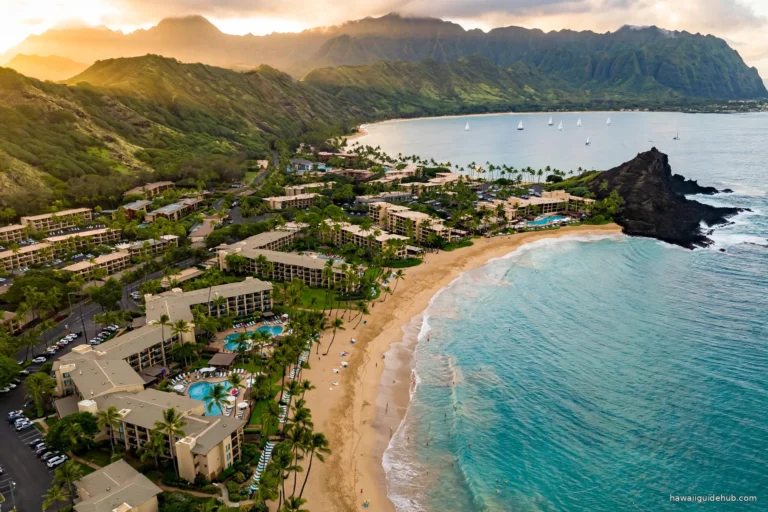
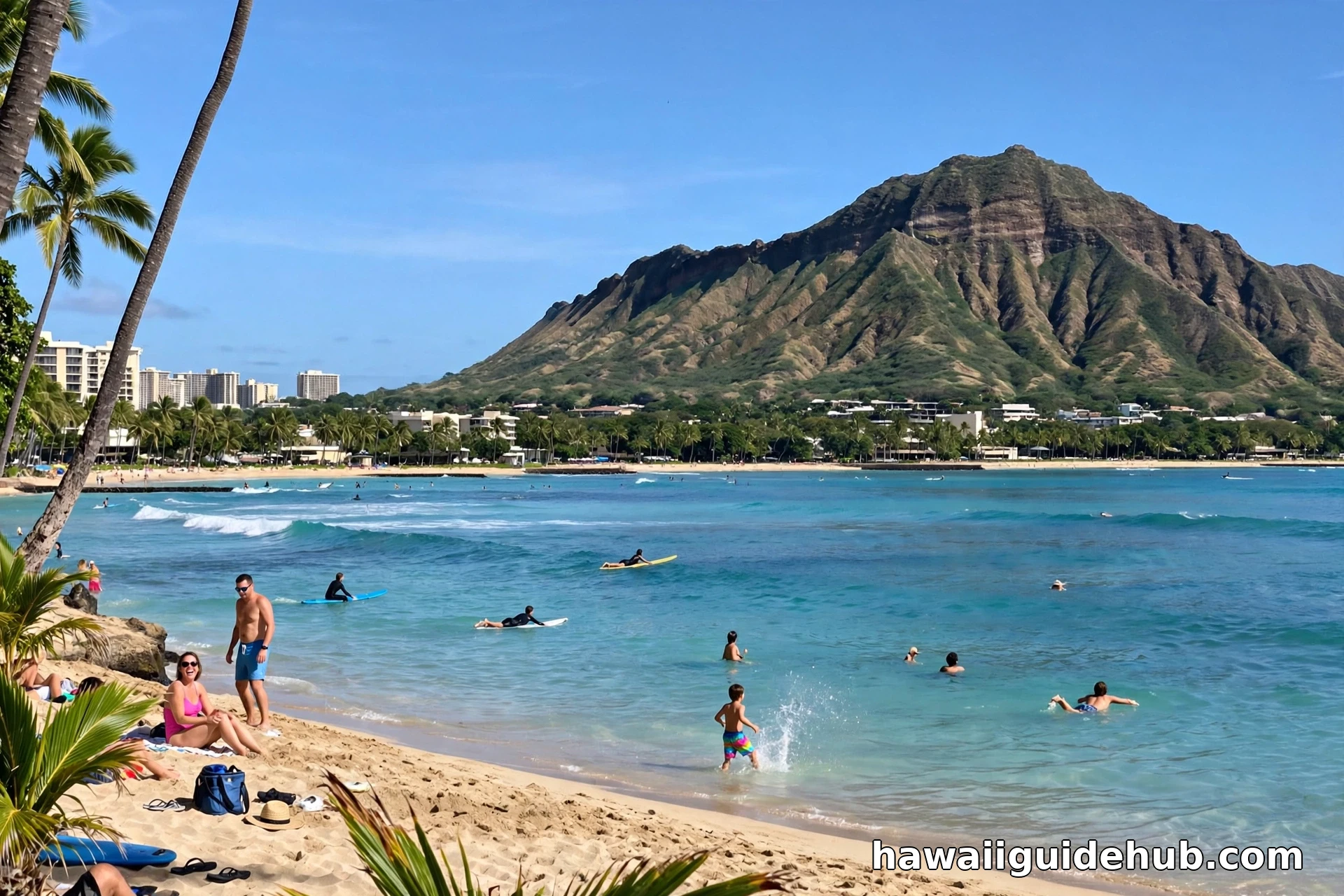
Oʻahu calls itself the Gathering Place, and the name is literal. Roughly seven in ten Hawaiʻi residents live on this one island, most of them in and around Honolulu on the south shore. That concentration gives Oʻahu a real city: freeways, a downtown, universities, hospitals, and neighborhoods where people live their whole lives with tourism as background, not the main event. Waikīkī is the visitor district, a dense, walkable strip of hotels, shops, and restaurants fronting a famous beach, with Diamond Head standing at its eastern end. Leave Waikīkī and Oʻahu changes fast: the windward side is green and residential, the North Shore is surf country, and the west side is dry, local, and quiet.
Maui is the second largest Hawaiian island by land and feels emptier everywhere. Its population clusters in Kahului and Wailuku in the central valley, in Kīhei and Wailea along the sunny south shore, and along the west side resort coast at Kāʻanapali. Between those pockets lie long stretches of open country: sugarcane era plains, the ranchlands of Upcountry, the rainforest wall of the West Maui Mountains, and the enormous shield of Haleakalā filling the island’s eastern half. A Maui day is usually a drive, a beach, a viewpoint, and dinner near your base. An Oʻahu day can hold five different neighborhoods before lunch.
Airports, Arrival, and Transport
Most Oʻahu visitors land at Daniel K. Inouye International Airport in Honolulu, the state’s largest airport, with the widest choice of nonstop routes. From there, Waikīkī is a short drive, and a visitor who bases in Waikīkī can honestly manage without a car: the neighborhood is flat and walkable, rideshares and taxis are plentiful, and TheBus, Honolulu’s public bus system, reaches Diamond Head, Pearl Harbor, and much of the island for anyone patient with schedules. A car still helps for the North Shore and windward beaches, and many visitors rent one for a day or two rather than the whole stay.
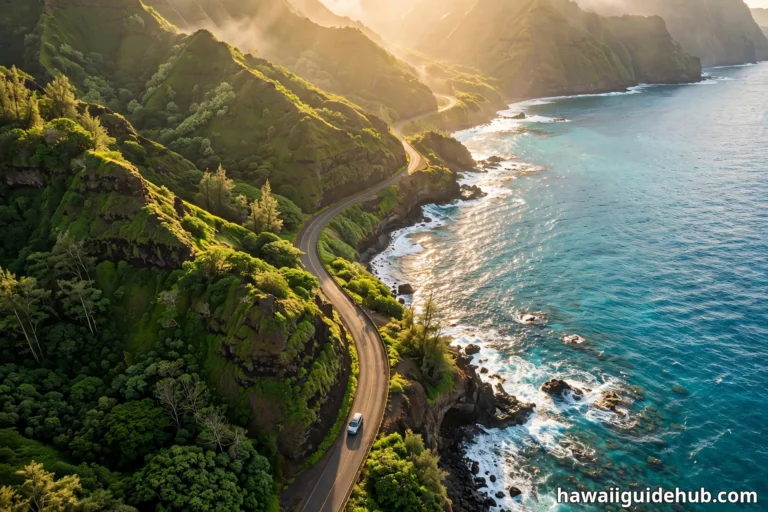
Maui’s main gateway is Kahului Airport, and the logic reverses. Maui’s sights are spread across a large island with limited public transit, so most visitors rent a car for the full trip and treat driving as part of the experience. The famous drives demand it: the winding Road to Hāna on the east side and the climb to Haleakalā’s summit in Upcountry are road trips by design. Interisland flights between Honolulu and Kahului are short and frequent, which makes a two island trip realistic, but every island change still costs you half a day in airports and transfers. Pick one island well rather than two islands thinly, especially on a first trip of a week or less.
Where You Sleep: Neighborhoods and Bases
On Oʻahu, Waikīkī is the default base and the right one for most first timers. Its room count is enormous, which creates choice at every price level, from simple walk up hotels a block off the beach to full service resorts on the sand. Ko Olina on the west side offers a calmer resort enclave with protected lagoons, and the North Shore suits surfers and repeat visitors who want a small town pace. Sleeping in Honolulu also puts the island’s deepest bench of restaurants, shops, and rainy day options at your door.
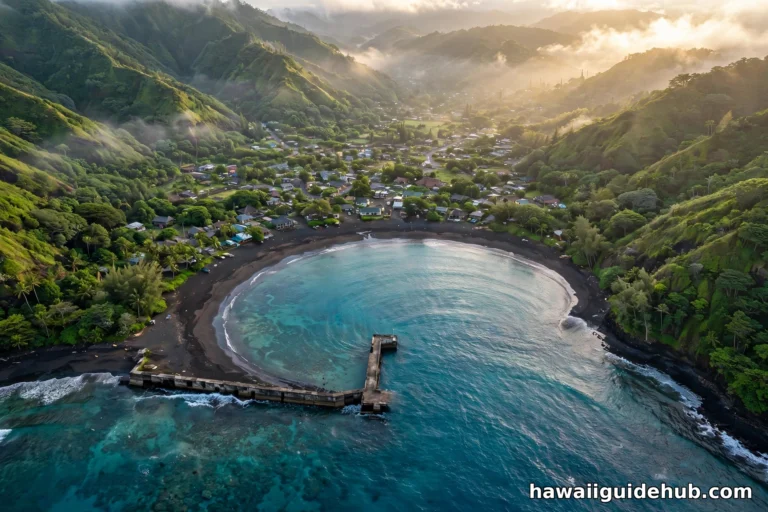
On Maui, the bases are resort communities rather than a city. Kāʻanapali on the west side pairs a long, swimmable beach with a walkable resort path. Wailea in the south is the luxury end, with manicured resorts and calm crescent beaches. Kīhei, just north of Wailea, is the value play, with condos, food trucks, and a local beach town rhythm that keeps Maui costs manageable. Hāna, at the far end of the famous road, is for travelers who want rainforest quiet and early mornings before day trippers arrive. There is no Maui equivalent of Waikīkī’s density, and for many visitors that is precisely the attraction.
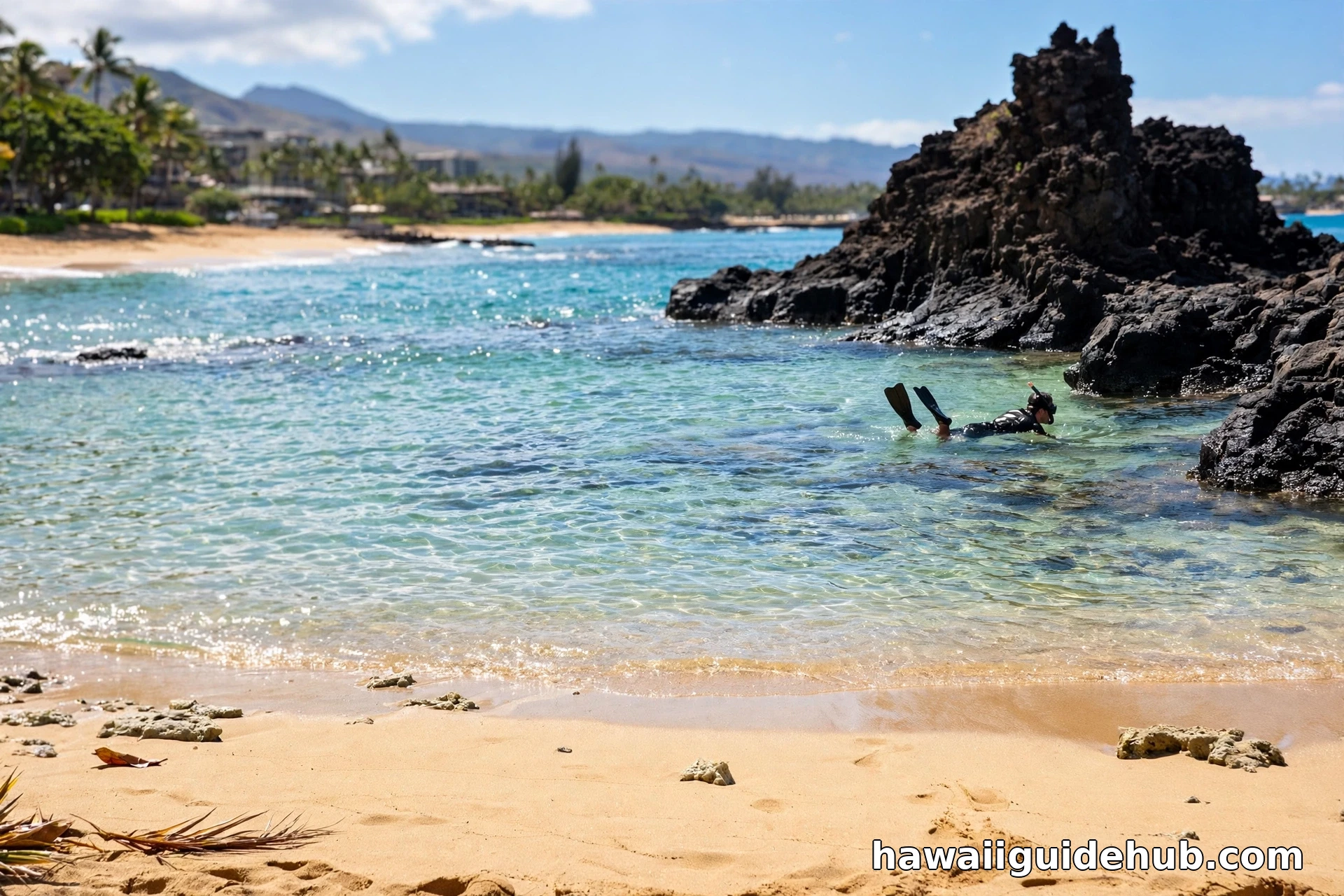
Weather: Similar Numbers, Different Microclimates
Island wide averages make the two look nearly identical: mean temperatures within about a degree of each other, around 77 to 78 degrees Fahrenheit, and similar annual rainfall in the main visitor areas. The lived experience is about microclimates, not averages. On both islands the leeward south and west shores are sunny and dry, while windward coasts collect trade wind showers and stay lush. Waikīkī and Ko Olina sit in Oʻahu’s dry leeward pocket. Kīhei, Wailea, and Kāʻanapali sit in Maui’s dry pockets. Rain, when it comes, usually arrives as brief showers rather than lost days, and winter, roughly November through March, is the wetter season on both islands.
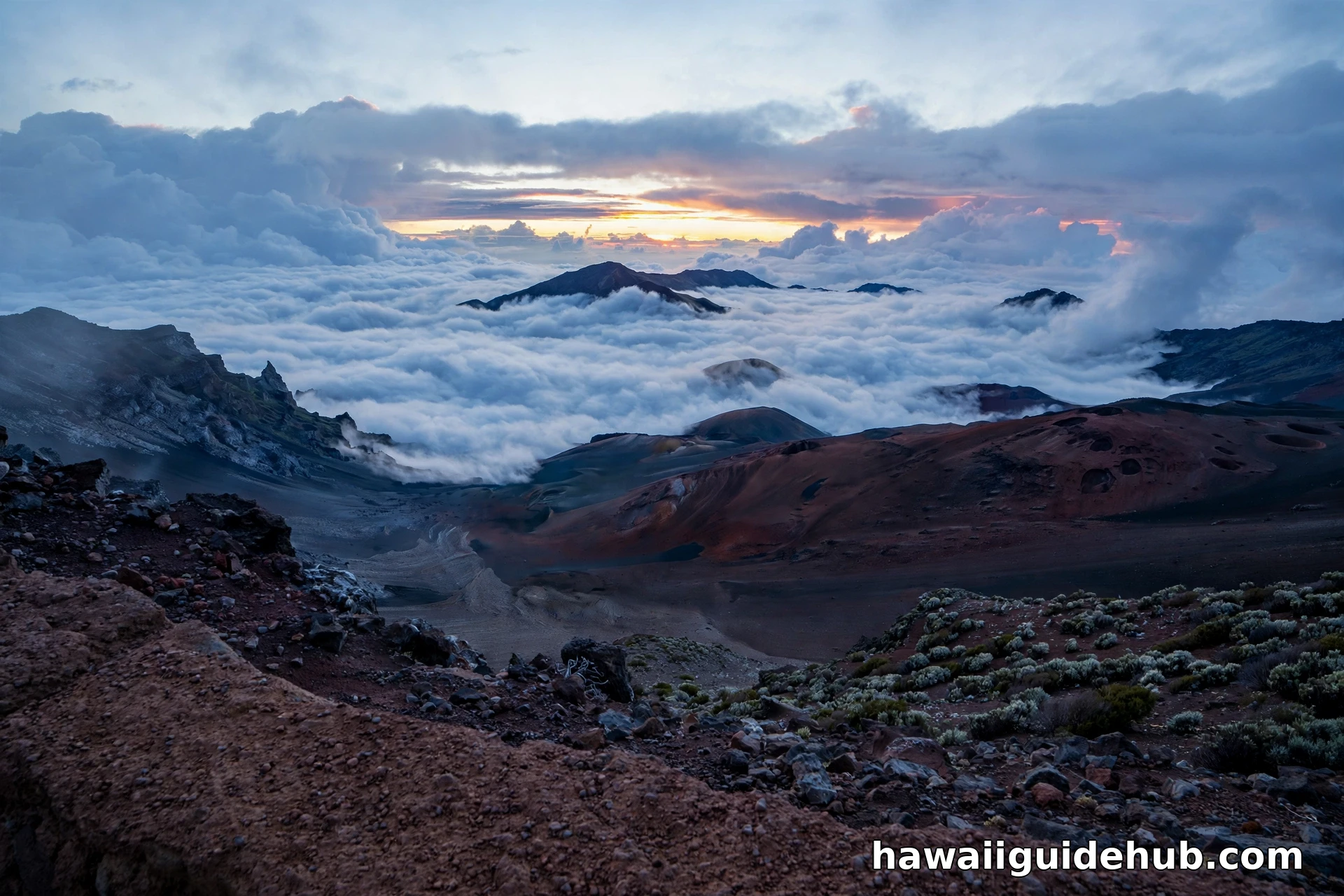
Elevation is Maui’s weather twist. Haleakalā’s summit stands 10,023 feet above sea level, where temperatures can drop below freezing before dawn even when the beaches below are warm. Oʻahu’s highest point, Mount Kaʻala, is far lower, and no standard Oʻahu visitor plan involves real cold. If your Maui list includes a summit sunrise, pack layers you would never bring for Waikīkī. Ocean conditions follow a shared pattern too: south shore surf rises in summer, north shore surf rises in winter, on Maui and Oʻahu alike.
Beaches and the Ocean
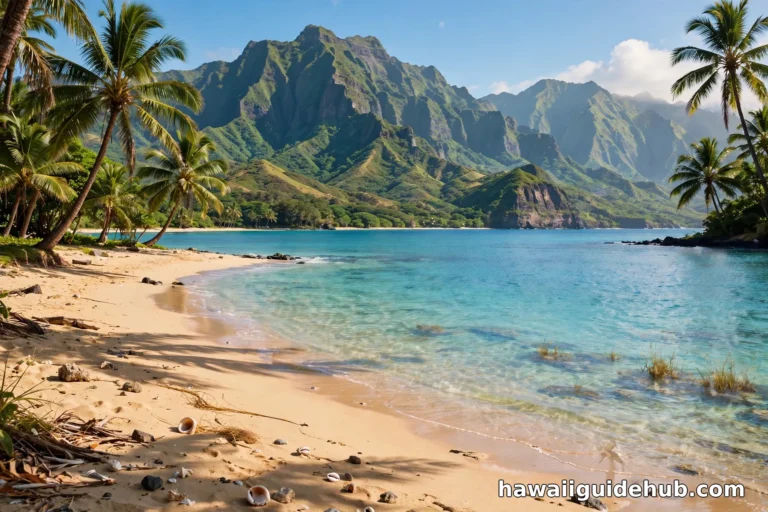
Oʻahu wins on variety. Within one island you get the gentle, serviced water of Waikiki Beach, the postcard turquoise of the windward side at places like Kailua Beach, the winter big wave theater of the North Shore at Waimea Bay and Banzai Pipeline, and quiet west side coves. Many Oʻahu beaches have lifeguards, restrooms, and parking, because they serve a large resident population year round. The trade off is company: famous Oʻahu beaches are busy, especially on weekends when local families claim their rightful space.
Maui wins on resort beach ease and snorkeling. Kāʻanapali offers three miles of sand with snorkeling at Black Rock, Wailea strings together calm crescents made for morning swims, and Mākena’s Big Beach delivers a wide, wild shoreline south of the resorts. Maui also holds one of Hawaiʻi’s most distinctive shores at Maui black sand beach in Waiʻānapanapa State Park on the Hāna road, where entry is managed by reservation. Maui beaches generally feel less crowded than Oʻahu’s headliners, and the winter bonus is real: humpback whales winter in the sheltered channel between Maui, Lānaʻi, and Molokaʻi, visible from shore in season. On both islands, respect posted warnings, swim near lifeguards, and never turn your back on the surf.
Headline Experiences, Side by Side
Oʻahu’s signature list mixes nature with national history. Pearl Harbor, with the USS Arizona Memorial managed by the National Park Service, is the most visited historic site in Hawaiʻi, and it sits minutes from downtown Honolulu’s royal sites, including ʻIolani Palace, the only royal palace on United States soil. Diamond Head, a state monument at Waikīkī’s doorstep, requires an entry reservation for nonresidents and rewards the short climb with the classic summit view. Add the North Shore surf towns, the Polynesian Cultural Center, and a deep museum bench, and Oʻahu fills a week without repetition. Our Oahu Hawaii travel guide maps those days in detail.
Maui’s signature list is landscape first. Haleakalā National Park charges a per vehicle entrance fee, currently $30 and valid for three days, and sunrise entry to the summit district between 3:00 AM and 7:00 AM requires an additional $1 reservation made in advance through Recreation.gov. The other essential is the Road to Hana, a full day of curves, waterfalls, and one lane bridges that should be driven slowly and finished before dark. Whale watching in winter, snorkeling at Honolua Bay in summer, and an afternoon in Upcountry’s farms and small towns round out a Maui week. Neither island is short of things to do. Oʻahu’s list is wider. Maui’s list is grander per item.
Food and Evenings
Honolulu is Hawaiʻi’s food capital by depth and range. A visitor on Oʻahu can eat a different cuisine every night for weeks, from chef driven dining rooms to plate lunch counters, shave ice stands, and late night ramen, much of it walkable in Waikīkī or a short ride away. Nightlife follows the same pattern: Waikīkī stays up, with live music, bars, and evening shopping, while the rest of the island sleeps early. Maui eats very well at the top end, with destination restaurants in Wailea, Kāʻanapali, and Kapalua, and it shines at food trucks, farm stands, and bakery stops in Kīhei and Upcountry. Evenings on Maui end earlier and quieter. Couples who picture long dinners and an early night usually prefer Maui’s rhythm. Travelers who want a city after dark choose Oʻahu without hesitation.
Costs and Crowds, Honestly
Hawaiʻi is expensive on both islands, but the structure differs. State hotel reporting for the first half of 2026 put average daily rates at about $277 on Oʻahu and about $545 in Maui County, roughly double. That gap reflects Maui’s resort heavy supply and Oʻahu’s volume: thousands of Waikīkī rooms competing across every tier. Food, activities, and rental cars cost money on both, but Oʻahu gives budget travelers more levers: public transit, condo kitchens in a dense grocery market, free beaches and hikes in every direction. Maui rewards splurging and punishes improvisation less kindly, although a Kīhei condo, grocery runs, and beach days keep a Maui trip reasonable.
Crowds concentrate differently. Oʻahu receives more visitors in total and Waikīkī can feel packed, yet the island’s size and resident infrastructure absorb people: step one neighborhood away and you are in local Hawaiʻi. Maui receives fewer visitors spread over resort zones, so beaches and roads feel calmer midweek, but its headline chokepoints, Haleakalā sunrise parking and the Hāna road, fill completely in season. On both islands, early starts are the universal crowd strategy.
Safety and Practical Notes
Standard Hawaiʻi ocean safety applies equally: swim at lifeguarded beaches, check conditions, respect closures, and give turtles and monk seals wide space, as federal law requires. In Honolulu, add ordinary city awareness around valuables and parked cars, the same as any American city. On Maui, the main risks are road fatigue on long scenic drives and underestimating distances: Hāna and Haleakalā are full commitments, not quick detours. Both islands require reef safe habits and respect for private land and kapu signs on trails. Neither island asks anything unusual of a prepared visitor.
Video: Maui vs Oʻahu Discussed
Watch a family focused Maui versus Oʻahu debate to hear how the choice feels for travelers planning with kids.
Frequently Asked Questions
Which is better for a first trip to Hawaiʻi?
Oʻahu, for most people. It concentrates the classic Hawaiʻi checklist, Waikīkī, Diamond Head, Pearl Harbor, the North Shore, into one island with the easiest logistics and the widest budget range. Maui is the classic second trip, or the first trip for travelers whose priority is resorts, scenery, and quiet over variety.
Which island is cheaper, Maui or Oʻahu?
Oʻahu, clearly. Lodging averages run far lower, transit can replace a rental car, and food choices span every price level. A careful Maui trip in a Kīhei condo narrows the gap, but Maui’s resort zones set a higher floor.
Can you visit Maui and Oʻahu on one trip?
Yes. Short interisland flights link Honolulu and Kahului, and a trip of ten days or more can hold both comfortably, with at least four nights on each. On a week or less, choose one island and day trip within it. Island hopping days look short on a map and feel long in practice.
Which island has better beaches?
Oʻahu has more kinds of beaches, from Waikīkī’s serviced sand to North Shore surf breaks and windward lagoons. Maui has the better resort beaches for a daily swim and snorkel routine, plus whale views in winter. Snorkelers and resort swimmers lean Maui. Variety seekers and surfers lean Oʻahu.
Which island is better for couples?
Maui, if the trip is about the two of you: slower days, sunset dinners, and resorts designed for lingering. Oʻahu suits couples who want energy, dining depth, and nightlife alongside the beach. Both host excellent weddings and honeymoons: the difference is tempo, not quality.
Choose Oʻahu for the full Hawaiʻi sampler with a city heartbeat, easier costs, and history you cannot find on any other island. Choose Maui for space, scenery at national park scale, and days organized around the ocean and the road. Neither answer is wrong, and most travelers who fall for one island eventually return for the other, because Maui Hawaii vs Oahu is not really a contest. It is two good trips wearing the same ocean.