Things to Do in West Maui: Your Complete Guide to the West Side

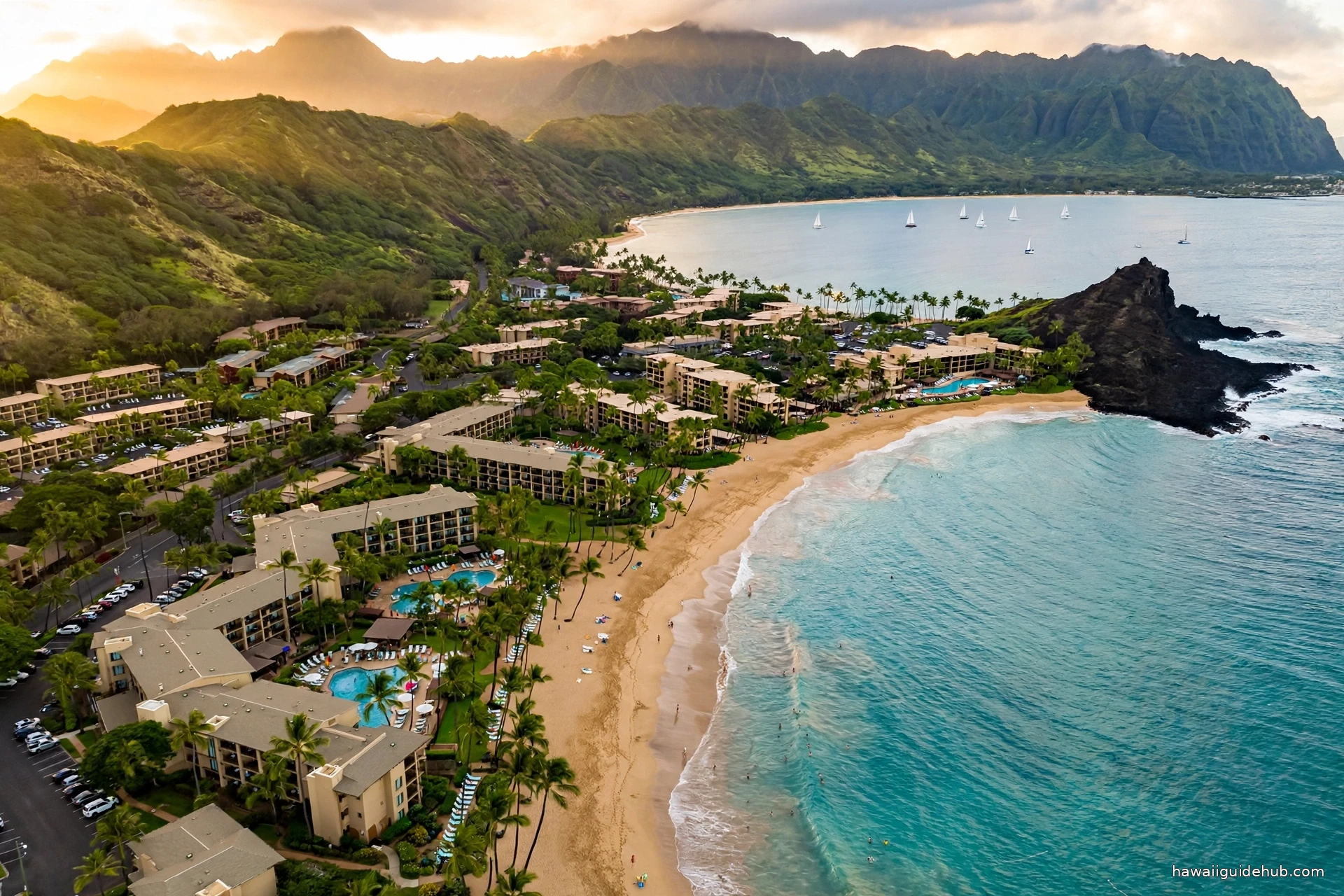
West Maui is the side of the island most visitors picture when they dream of Maui. This is where the long golden beaches meet the green ridges of the West Maui Mountains, where resort-lined Kāʻanapali gives way to the quiet coves of Nāpili and Kapalua, and where the road finally turns wild along the northwest coast. If you are planning a trip, this guide covers the best things to do in West Maui, from famous beaches and snorkeling spots to small towns, scenic drives, and honest advice on visiting Lahaina as it rebuilds.
West Maui stretches along the western shore of the island, roughly from Lahaina in the south to the Nakalele Blowhole in the north. Most of it sits about 45 minutes from Kahului Airport via Honoapiʻilani Highway (Highway 30), the single main road that links every town along the coast. The region packs an remarkable variety into a short drive: the resort strip of Kāʻanapali, the condo communities of Honokowai and Kahana, the charming bay at Nāpili, the upscale enclave of Kapalua, and the rugged northwest coast beyond.
Visiting Lahaina With Respect
No guide to West Maui can skip Lahaina, and no honest guide can pretend it is what it was. The August 2023 wildfire destroyed most of the historic town, claimed 102 lives, and damaged or destroyed more than 2,000 structures. Nearly three years later, Lahaina is rebuilding, and visitors are welcome back, but on different terms than before.
Here is what is open. Front Street reopened to vehicle traffic on August 1, 2026, from Pāpalaua Street to Shaw Street, and businesses are returning along it, including ʻUlu o Lele Marketplace, the rebuilt Kimo’s restaurant, and more than a dozen other shops and eateries. The Old Lahaina Luau, one of the island’s most beloved cultural shows, is performing again. Lahaina Harbor reopened for limited commercial boat operations in December 2025, so whale watching tours, sunset sails, and snorkel cruises are running from West Maui once more. The Lahaina Cannery area and Māla Wharf businesses are open and welcoming guests.
Some landmarks remain closed. The historic commercial core is still largely fenced off, and Banyan Court Park, home to the famous banyan tree that survived the fire and is recovering under intensive care, is not yet open to the public. The right way to visit is simple: spend money with local businesses, respect all fencing and closures, do not drive through residential burn areas, and do not photograph what remains of people’s homes. Visitor spending funds the jobs that fund the recovery, and it is the single most useful thing a traveler can do here.
Kāʻanapali Beach and Black Rock
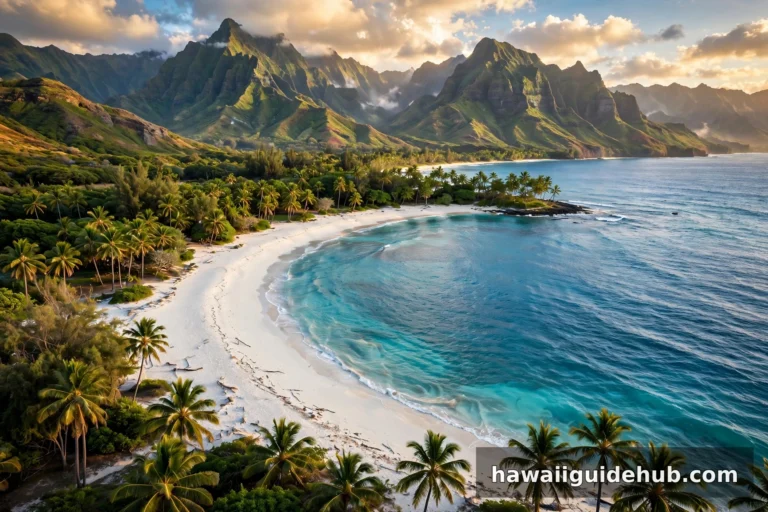
Kāʻanapali is West Maui’s famous resort strip, and its beach is the reason most people come. About three miles of white sand run from Black Rock at the north end to the Hyatt Regency at the south, all of it public and free to access. The water is typically calm and clear, ideal for swimming, stand-up paddleboarding, and long walks on the connected beach walk. Arrive before 9 a.m. on weekends and you may have long stretches nearly to yourself.
The star of the show is Black Rock, known in Hawaiian as Puʻu Kekaʻa. This dark lava formation is one of the most culturally significant sites in West Maui. In ancient Hawaiʻi it was called leina a ka ʻuhane, the leap of the soul, a sacred place where spirits were believed to pass into the afterlife. King Kahekili, Maui’s last ruling chief, famously proved his courage by diving from it. Since 1963, the Sheraton Maui has honored that tradition with a nightly sunset ceremony: a torchbearer lights the torches along the point and dives into the ocean below. It is free to watch from the beach and worth seeing at least once.
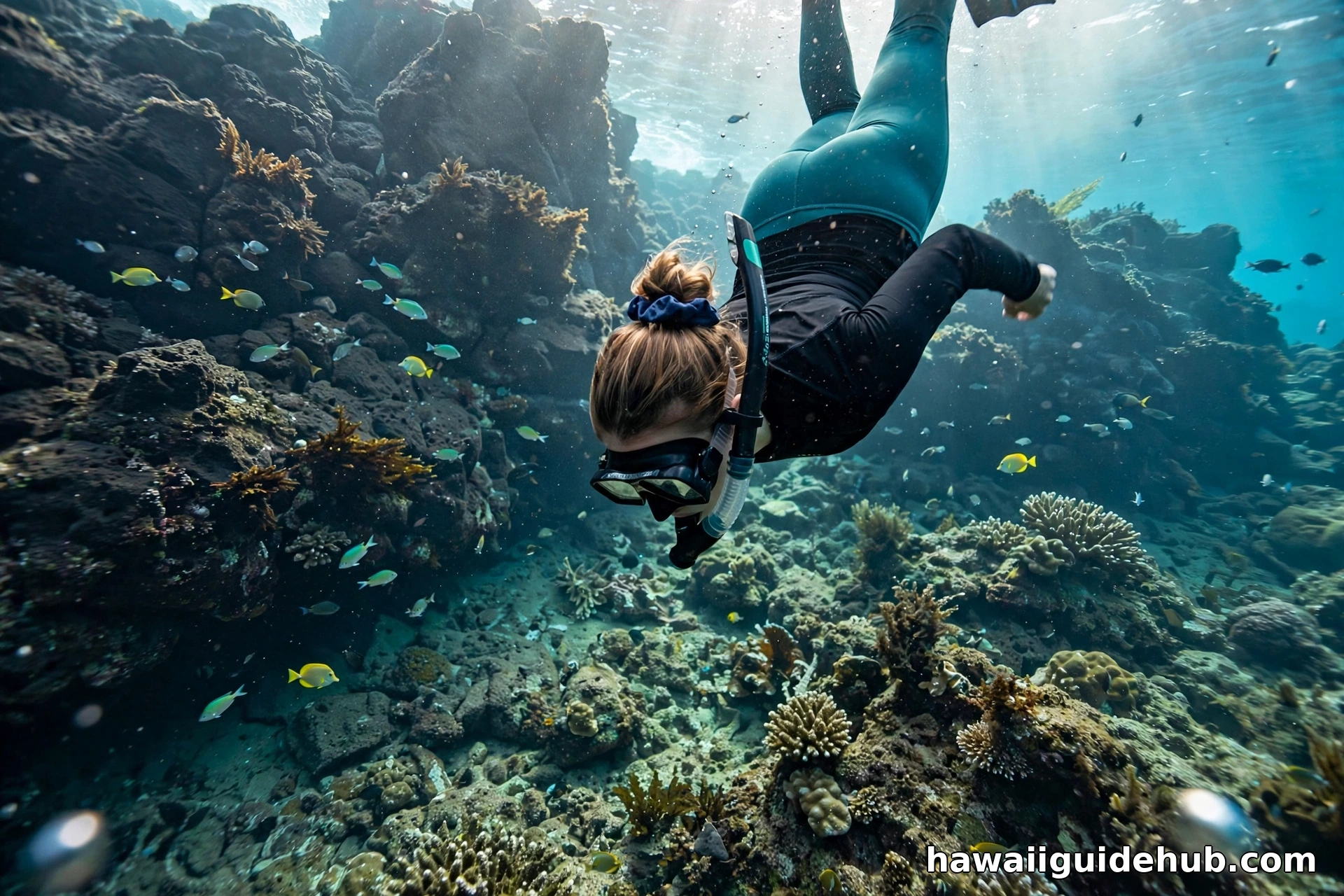
Black Rock is also Kāʻanapali’s top snorkeling spot. The fish gather densely around the rocky point, and Hawaiian green sea turtles (honu) are regular visitors. Go in the morning for the calmest water, enter from the sandy beach, and stay on the calmer side of the rock rather than swimming around the point, where currents can be stronger. Snorkel gear is available for rent right on the beach.
Practical notes for Kāʻanapali: parking is the main challenge. Whalers Village offers up to three hours of free parking with validation from a purchase, and there are small public lots between the resorts plus larger free lots at Hanakaoʻo Beach Park and Kahekili Beach Park, though the walk to the resort strip can be 15 minutes or more. Whalers Village itself is worth a stop for its whaling museum and oceanfront shops and restaurants. If you are weighing where to base your trip, our guide to why Maui belongs on your travel list explains what makes this island special.
Nāpili Bay: The Charming Cove
A short drive north of Kāʻanapali, the high-rises give way to low-key Nāpili, and the bay that shares its name is one of the prettiest on the island. Nāpili Bay is a small golden crescent tucked between two lava rock points, with calm, clear water that makes it a favorite for families, beginner snorkelers, and paddleboarders. There is no big resort here, just condos and small hotels, which keeps the mood relaxed.
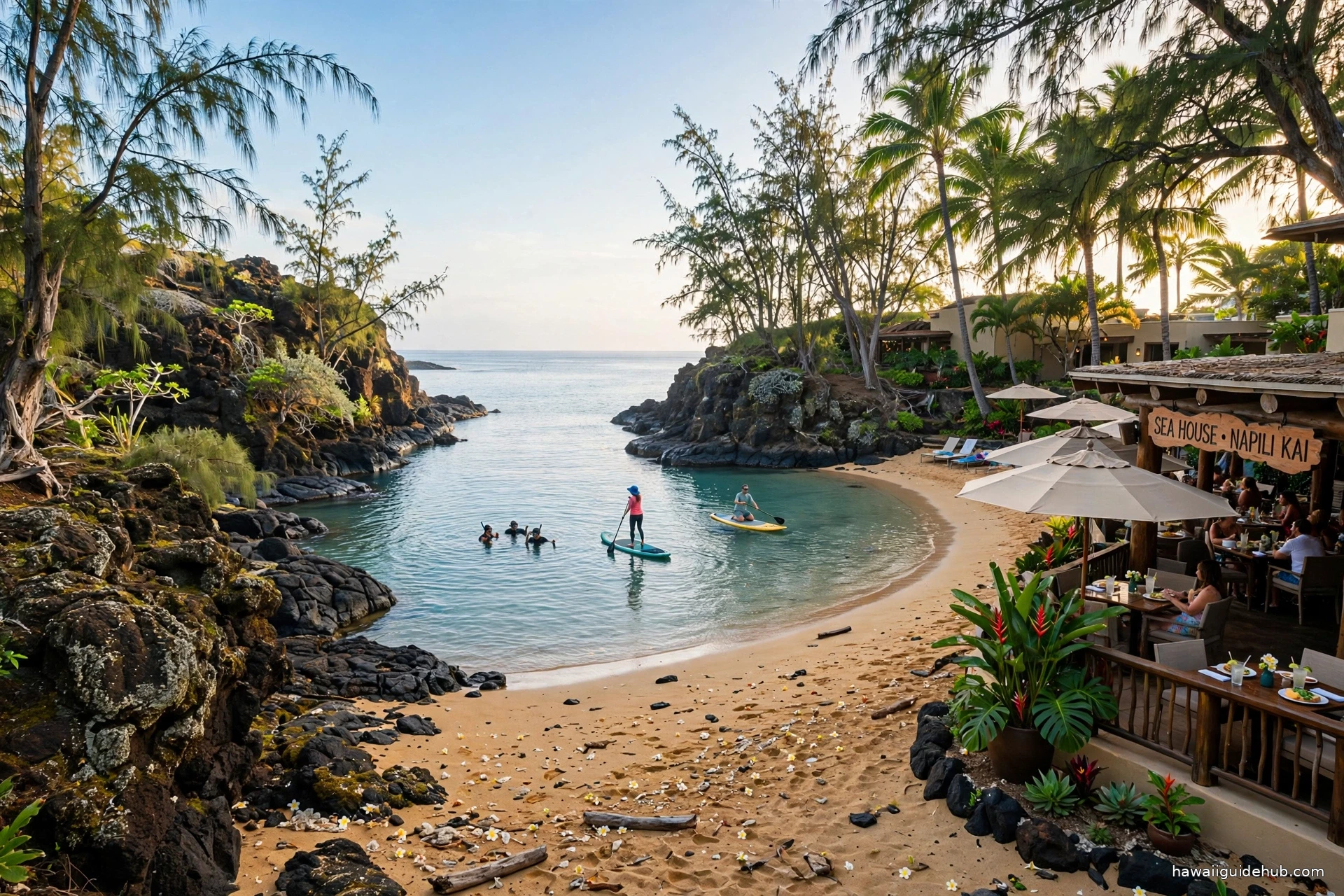
Nāpili is famous for two dining institutions. The Gazebo, perched above the bay at Napili Shores, serves a breakfast worth the inevitable wait in line; the fried rice and banana-macadamia nut pancakes have a loyal following. On the sand itself, the Sea House Restaurant offers oceanfront lunch and dinner with sunset views. For snorkeling, the rocky points at either end of the bay hold reef fish and the occasional turtle, and the calm morning water is ideal for first-timers.
Kapalua: Trails, Bays, and Dragon’s Teeth
Kapalua is the upscale resort enclave at the northwest end of the developed coast, and it rewards travelers who like their scenery with a side of activity. Kapalua Bay itself is a beautiful crescent with excellent snorkeling, while neighboring D.T. Fleming Beach Park offers a longer stretch of sand with lifeguards, picnic areas, and restrooms, making it one of the most family-friendly beaches in West Maui.
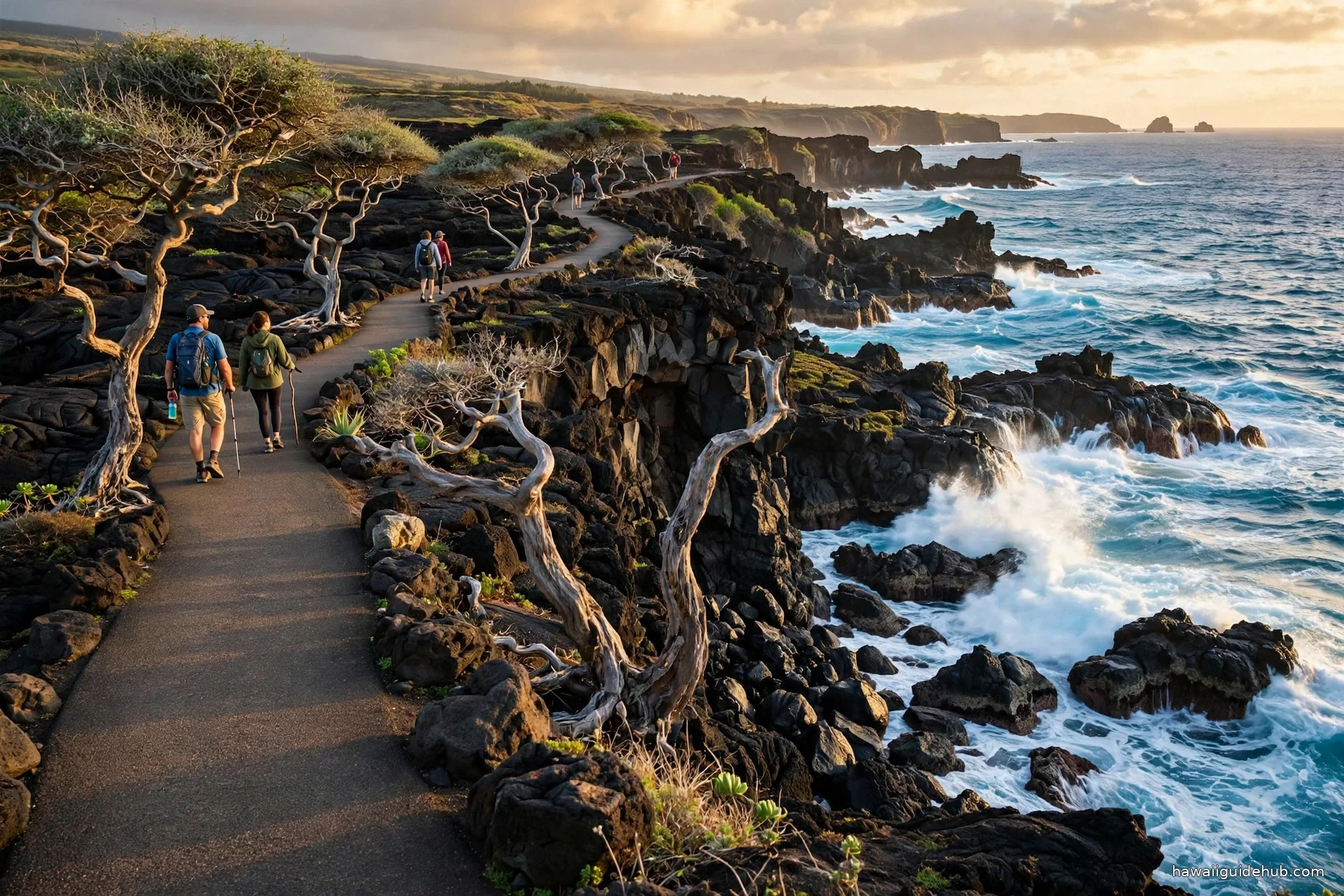
The must-do here is the Kapalua Coastal Trail, a free 1.76-mile one-way path that runs from Kapalua Bay to D.T. Fleming Beach Park. Parts are paved, parts are boardwalk and lava rock, and the whole route delivers ocean views, seabird nesting areas, and tide pools. Allow one to four hours depending on how often you stop. Near the northern end, a short side trail leads to Dragon’s Teeth (Makaluapuna Point), a lava formation where wind and waves have sculpted the rock into jagged spires that look like teeth.
Golfers know Kapalua for its two championship courses, including the Plantation Course, which hosts the PGA Tour’s season-opening tournament each January. Even non-golfers enjoy the resort’s manicured grounds and the dining at the Ritz-Carlton Kapalua. For more ideas on active days across the islands, see our guide to outdoor adventures across Hawaii.
Honolua Bay and the Northwest Coast
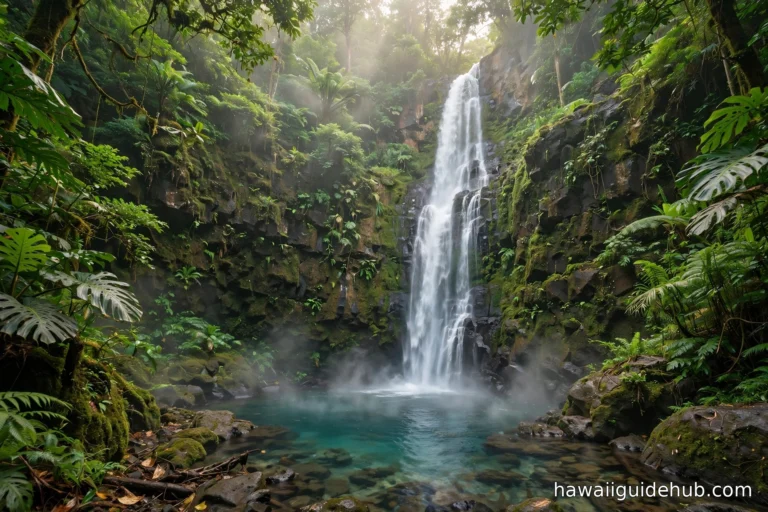
Past Kapalua, the road narrows and the coastline turns dramatic. Honolua Bay sits at the end of a short jungle trail and is protected as a marine life conservation district. In summer, when the surf is down, it offers some of the best snorkeling on Maui, with coral gardens and abundant reef fish. In winter, the same bay produces powerful surf that draws experienced surfers and spectators. There is no sandy beach here, just a rocky shoreline, so wear reef shoes and bring everything you need, as there are no facilities.
Continuing north, Highway 30 becomes Highway 340, a narrow, winding road with spectacular views and no guardrails in places. Drive it slowly and only in daylight. The payoff is the Nakalele Blowhole, near mile marker 38. This natural blowhole can shoot ocean spray more than 100 feet into the air when the surf is up, and mornings at high tide are the best time to see it. It is genuinely dangerous: stay well back from the hole, as the suction has pulled in visitors who got too close. A short rough trail leads down from the dirt parking area, or you can view it from the overlook turnout.
Whale Watching, Luaus, and Sunset Sails
West Maui is one of the best places in Hawaiʻi to see humpback whales. From December through April, thousands of humpbacks migrate to the warm, shallow waters of the ʻAuʻau Channel between Maui, Molokaʻi, and Lānaʻi to breed and calve. You can often spot them from shore at Kāʻanapali or Kapalua, but a dedicated whale watching cruise from Lahaina Harbor gets you closer, with naturalist narration. If you are visiting in winter, our guide to the best places to visit in Maui this winter has more seasonal ideas.
For an evening out, West Maui’s luaus are among the island’s best. The Old Lahaina Luau, now performing again after the fire, is the classic choice, known for its traditional storytelling and oceanfront setting. The Drums of the Pacific luau at the Hyatt Regency in Kāʻanapali is another long-running favorite. Sunset dinner sails and catamaran cruises depart from both Lahaina Harbor and Kāʻanapali Beach, and booking a day or two ahead is wise in peak season.
Where to Eat in West Maui
West Maui’s dining ranges from food trucks to fine dining. In Kāʻanapali, Whalers Village and the resorts hold most of the sit-down restaurants, while the Honoapiʻilani food truck park near the north end of Kāʻanapali is a local favorite for casual plates. In Honokowai and Kahana, look for farmers markets and plate-lunch spots along the highway. Nāpili’s Sea House and The Gazebo anchor the bay, and Kapalua’s resort restaurants, including Sansei Seafood Restaurant and Sushi Bar, are worth the drive. Down in Lahaina, the returning restaurants on Front Street, plus old favorites like Mala Ocean Tavern near Māla Wharf, are where your dining dollars do the most good for the recovery.
West Maui Travel Tips
A few practical notes will make your west side days smoother. Rent a car. West Maui is built for driving, and while the public Maui Bus connects Lahaina and Kahului, it will not get you to trailheads, blowholes, or early-morning snorkel sessions. Book popular restaurants, luaus, and boat tours ahead, especially from December through April. For snorkeling, mornings are almost always calmer than afternoons, and reef-safe sunscreen protects the coral you came to see.
Weather on the west side is drier and sunnier than much of Maui thanks to the rain shadow of the West Maui Mountains, but winter swells can make north-facing shores rough, so check ocean conditions before swimming at Honolua Bay or the blowhole coast. Give yourself more time than the map suggests for the northwest drive; it is slow, narrow, and absolutely worth savoring. And if this is your first trip to the islands, our overview for first-time visitors to Hawaii will help you plan the bigger picture, while our guide to Wailea covers the south side if you want to compare coasts.
West Maui FAQs
How many days do you need in West Maui?
Three to four days covers the highlights: a beach day at Kāʻanapali with the Black Rock sunset ceremony, a morning at Nāpili Bay, the Kapalua Coastal Trail and Dragon’s Teeth, the drive to Honolua Bay and the Nakalele Blowhole, and a respectful visit to Lahaina. Add a whale watching cruise in winter or a luau evening and you have a full west side itinerary.
Is it appropriate to visit Lahaina after the wildfire?
Yes, with the right mindset. The community welcomes visitors who support local businesses, eat at local restaurants, book local tours, and treat the town with respect. What is not appropriate is visiting to photograph the damage or treating the burn zone as an attraction. Front Street reopened to traffic in August 2026 and businesses are returning.
Which West Maui beach is best for snorkeling?
Black Rock at Kāʻanapali is the most accessible top snorkel spot, with dense fish and regular turtle sightings. Honolua Bay is superb in calm summer conditions, and the rocky points at Nāpili Bay and Kapalua Bay are excellent for beginners. Go in the morning everywhere for the calmest water.
Can you drive the whole northwest coast of Maui?
You can drive from Kapalua to the Nakalele Blowhole and a bit beyond on Highway 340, but the road gets very narrow and rough past the blowhole, and most rental agreements prohibit continuing all the way around. Plan to turn around at the blowhole or the ʻŌhai trailhead area and enjoy the drive back in the other direction’s light.
Watch: West Maui Travel Guide
This video walkthrough covers the west side from Kāʻanapali to Kapalua, with stops at Black Rock, Nāpili Bay, the Kapalua Coastal Trail, Honolua Bay, and the Nakalele Blowhole, plus an update on Lahaina.
The West Side Stays With You
West Maui packs more variety into a short coastline than almost anywhere else in Hawaiʻi. You can snorkel with turtles at Black Rock in the morning, walk a lava cliff trail in Kapalua by afternoon, and watch the sun drop into the ʻAuʻau Channel from a Nāpili lanai by evening. It is a coast of famous beaches and quiet coves, of resort comfort and wild shoreline, and of a historic town finding its way back. Give it the time it deserves, travel it with respect, and it will give you some of the best days of your Maui trip.