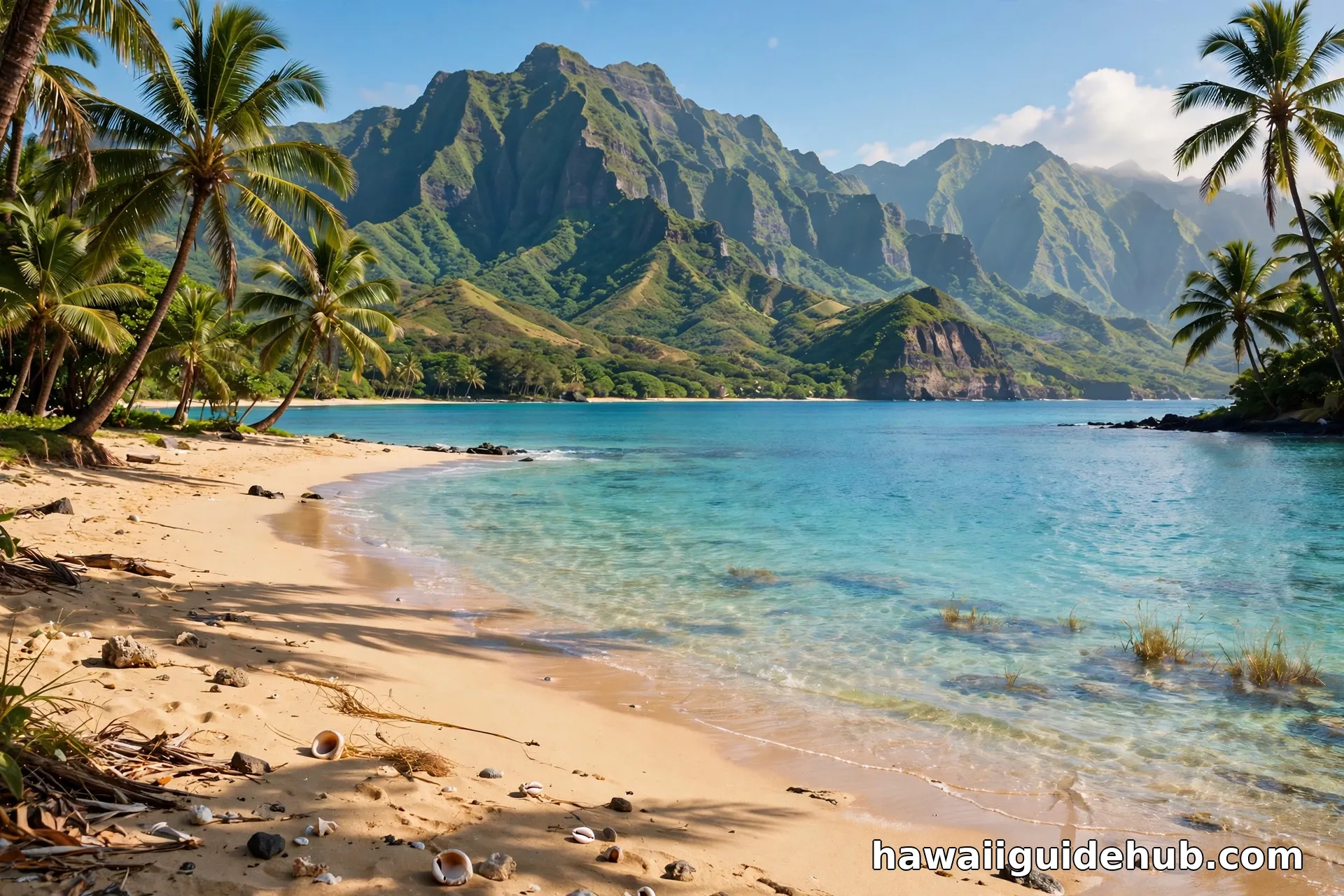
The Perfect 6-Day Maui Itinerary: Volcano, Road to Hana & Reef

Six days on Maui is the sweet spot: long enough to drive the Road to Hana, watch sunrise from the summit of Haleakalā, snorkel a volcanic crater, and still have unhurried beach mornings. It is not enough to see everything, so the art of a 6-day Maui itinerary is choosing well. This plan does that for you, balancing the island’s three great experiences, the volcano, the road, and the ocean, with downtime built in so the trip feels like a vacation, not a checklist.
This is the single complete 6-day Maui itinerary. It covers a day-by-day plan, where to base yourself, the logistics that need booking before you fly, what each day costs in park fees, how to handle the Road to Hana and Haleakalā sunrise, the best snorkeling, where to eat along the way, and answers to the questions first-time Maui visitors ask most. Everything about a 6-day Maui itinerary is right here on this one page.
6-Day Maui Itinerary at a Glance
| Day 1 | Arrive, settle in, sunset at Kāʻanapali or Wailea |
| Day 2 | Road to Hana: full-day drive with waterfall stops |
| Day 3 | Haleakalā sunrise, then Upcountry towns |
| Day 4 | West Maui beaches and snorkeling, Lahaina area |
| Day 5 | Molokini snorkel cruise, South Maui beaches |
| Day 6 | ʻĪao Valley, Kahului, departure |
| Best base | Kāʻanapali or Wailea for beaches; split stay if you prefer |
| Book ahead | Haleakalā sunrise reservation, rental car, snorkel tours |
Where to Base Yourself
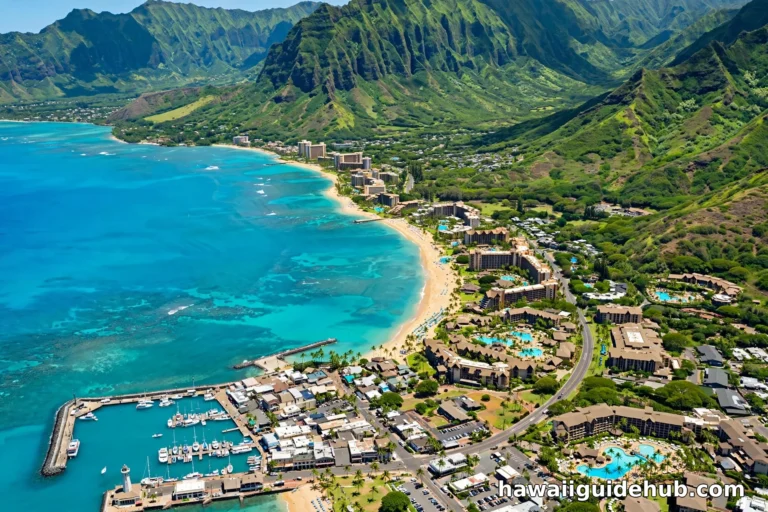
For six days, one base keeps things simple. Kāʻanapali on the west side puts you near the best snorkeling beaches and Lahaina, with the classic resort strip and its nightly cliff-diving ceremony at Black Rock. Wailea on the south side is quieter and more upscale, with calmer mornings and easy access to Molokini departures from nearby Māʻalaea. Either works for this itinerary; the drives to Haleakalā and Hana are long from both, so pick based on the vibe you want, not the map. Splitting the stay, three nights west and three south, saves some driving but costs you packing time.
Day 1: Arrive and Unwind
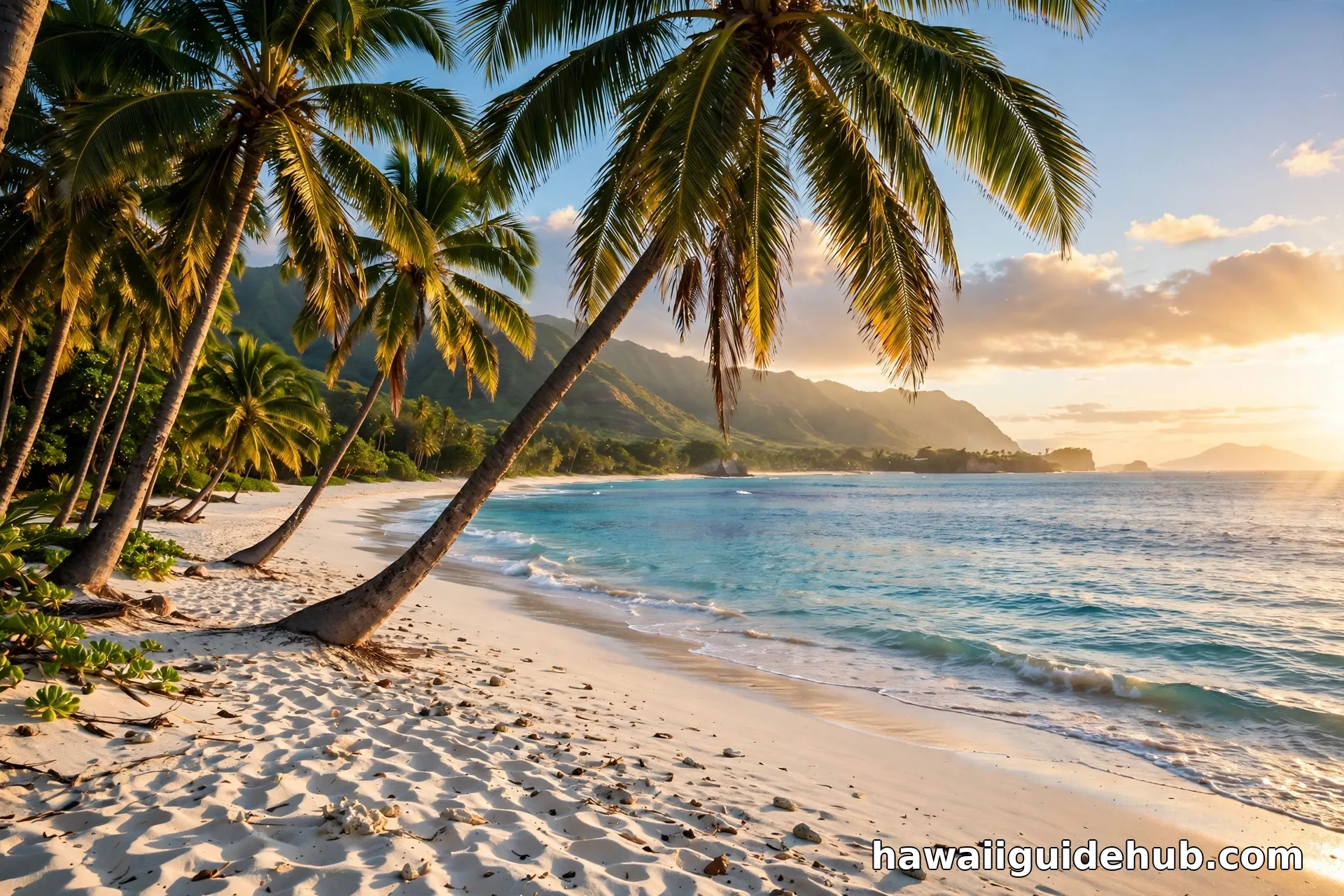
Day one is for landing, not launching. Pick up your rental car at Kahului Airport, stock up on groceries and reef-safe sunscreen, and drive to your hotel. Spend the afternoon on the nearest beach, letting your body clock start its adjustment. In the evening, walk the beach path at sunset; Kāʻanapali’s three-mile beach walk and Wailea’s coastal trail are both made for this. Eat an early dinner and sleep early. Tomorrow is the longest driving day of the trip, and you want to start it rested. If you land early enough, the Maui Ocean Center at Māʻalaea is a gentle first-day activity that introduces the island’s marine life before you meet it in the wild.
Day 2: The Road to Hana
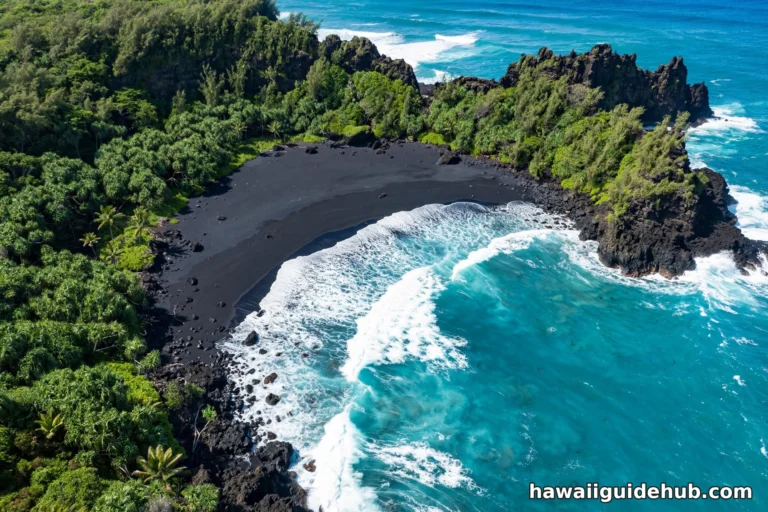
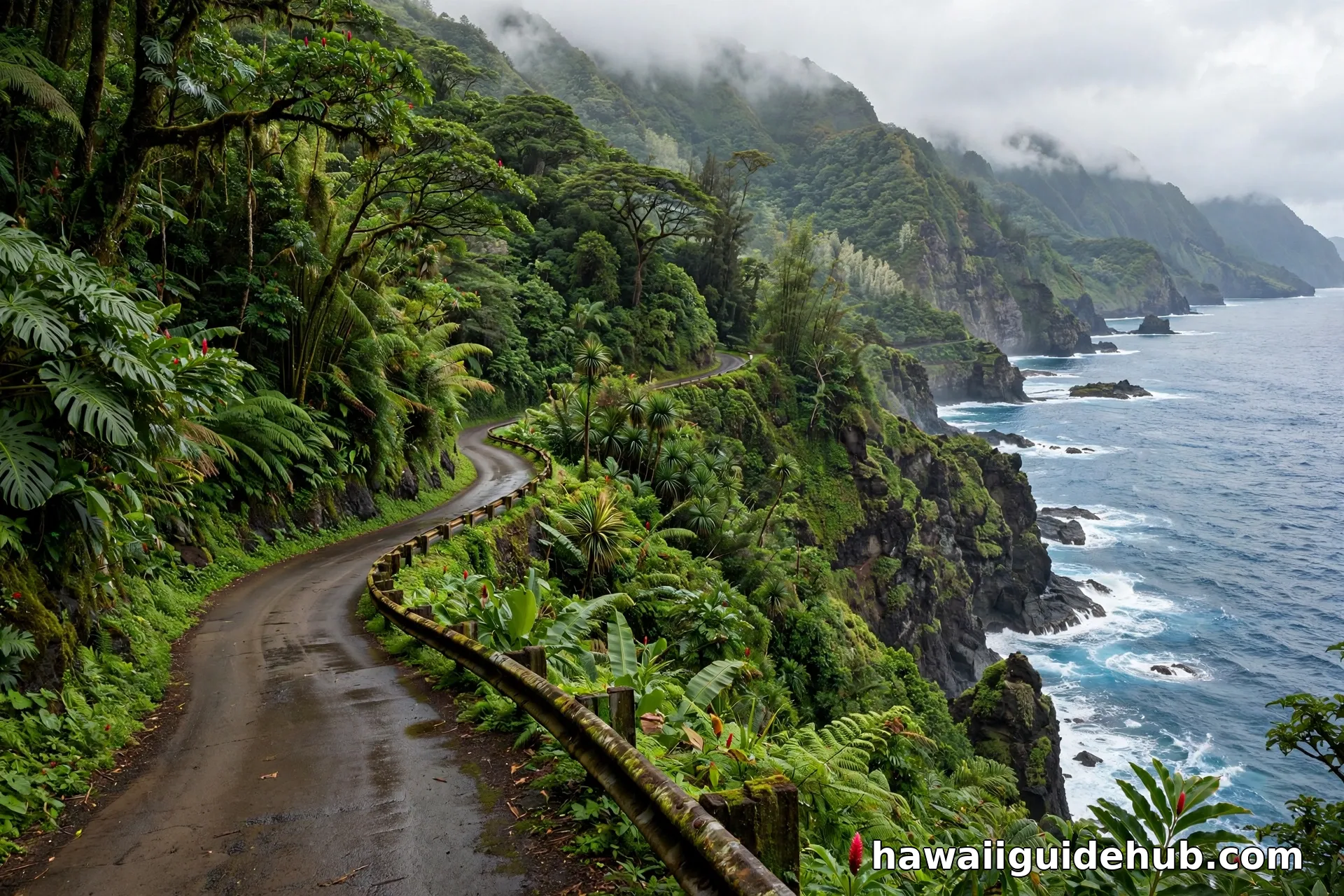
The Hana Highway is 64 miles of winding coastal road with some 600 curves and dozens of one-lane bridges, and it deserves a full day. Leave by 7 AM with a full tank, snacks, and water. The classic stops: Twin Falls early before crowds, the Garden of Eden arboretum, Wailua Valley views, the black sand beach at Waiʻānapanapa State Park (which requires a reservation for entry), and the red sand beach near Hana town. If energy allows, continue to the Kīpahulu District of Haleakalā National Park for the Pīpīwai Trail, a four-mile round trip through bamboo forest to 400-foot Waimoku Falls.
Rules of the road: pull over for locals, never stop on bridges, and do not trespass; many waterfalls sit on private land. Most visitors turn back at Hana or Kīpahulu and return the way they came, which makes for a 10 to 12 hour day. It is exhausting and unforgettable in equal measure.
Day 3: Haleakalā Sunrise and Upcountry
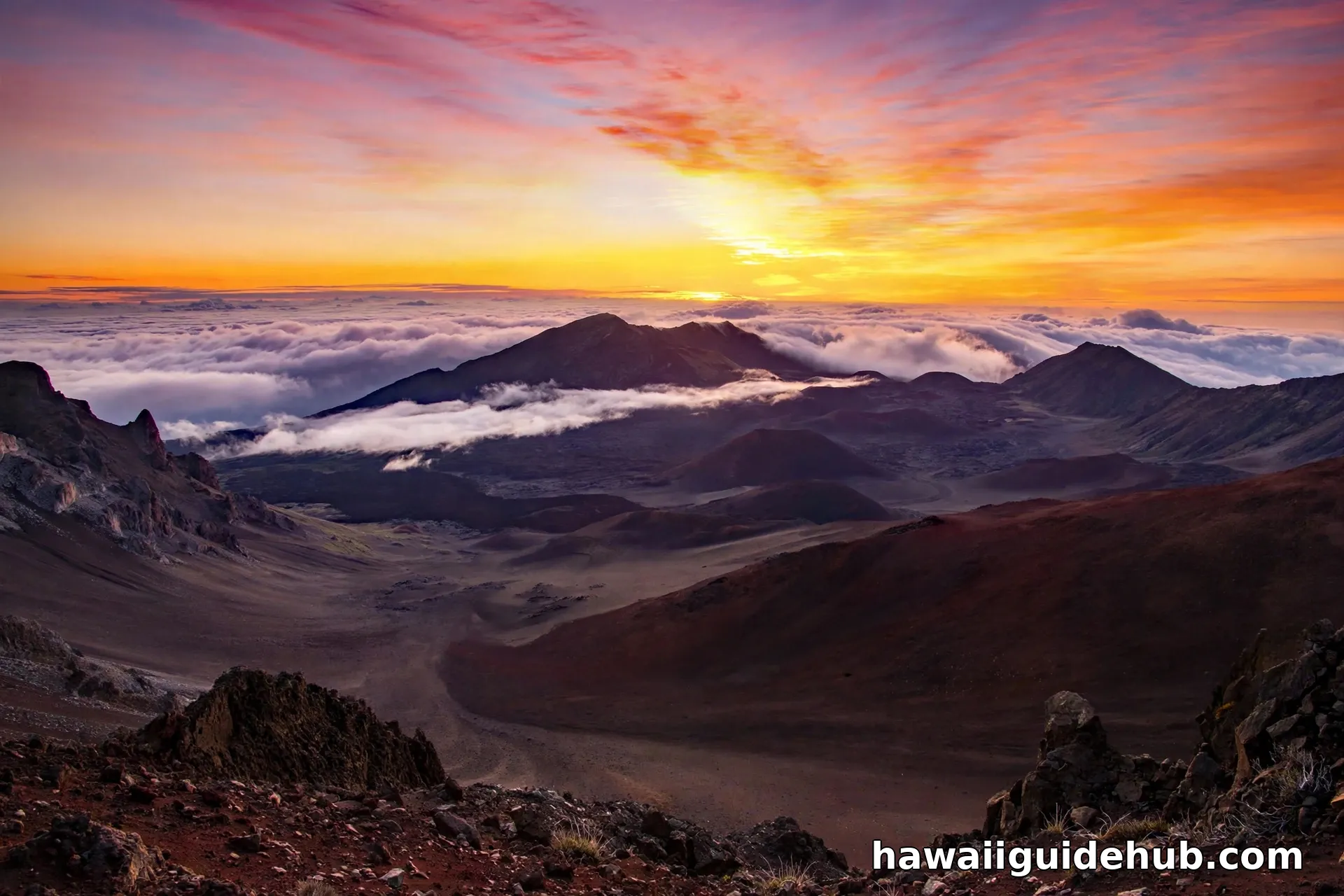
This is the earliest alarm of your trip and the most otherworldly morning. Haleakalā’s summit sits at 10,023 feet, above the clouds, and sunrise there is a Maui rite of passage. You need a reservation for any vehicle entering the summit district between 3 AM and 7 AM, booked on Recreation.gov up to 60 days ahead for $1 per vehicle, plus the $30 park entrance fee. Leave your hotel around 3 AM, dress for 40-degree cold with wind, and bring a thermos. After sunrise, walk a short stretch of the Sliding Sands trail into the crater’s cinder landscape.
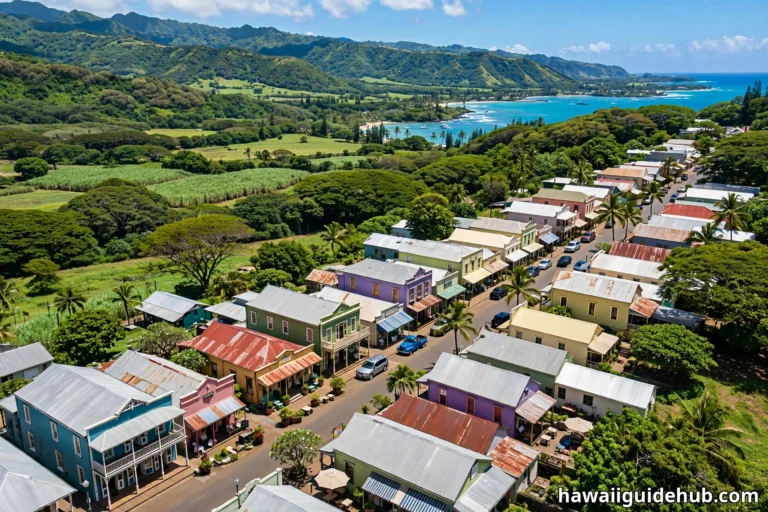
Descend through Upcountry Maui in the late morning: the cowboy town of Makawao with its galleries and boutiques, Kula’s farms and the Kula Botanical Garden, and a farm-to-table lunch. You will be back at the beach by mid-afternoon for a well-earned nap. If you missed the sunrise reservation, sunset from the summit needs no reservation and is nearly as spectacular.
Day 4: West Maui Beaches and Snorkeling
After two big days, day four is ocean time. The west side’s beaches are calmest in the morning, so get in the water early. Honolua Bay offers the island’s best shore snorkeling when surf is down (it is a marine reserve, so look and do not touch). Kahekili Beach Park (Airport Beach) has easy entry and frequent turtle sightings. Napili Bay is the postcard cove for an afternoon float.
In the afternoon, explore the Lahaina area with sensitivity and respect. The town was devastated by the August 2023 wildfires, and rebuilding is ongoing; check current access guidance before visiting, support the local businesses that have reopened, and remember that many residents are still recovering. Front Street’s reopened sections, the rebuilt areas, and the surrounding west side communities deserve your aloha and your patronage.
Day 5: Molokini Crater and South Maui
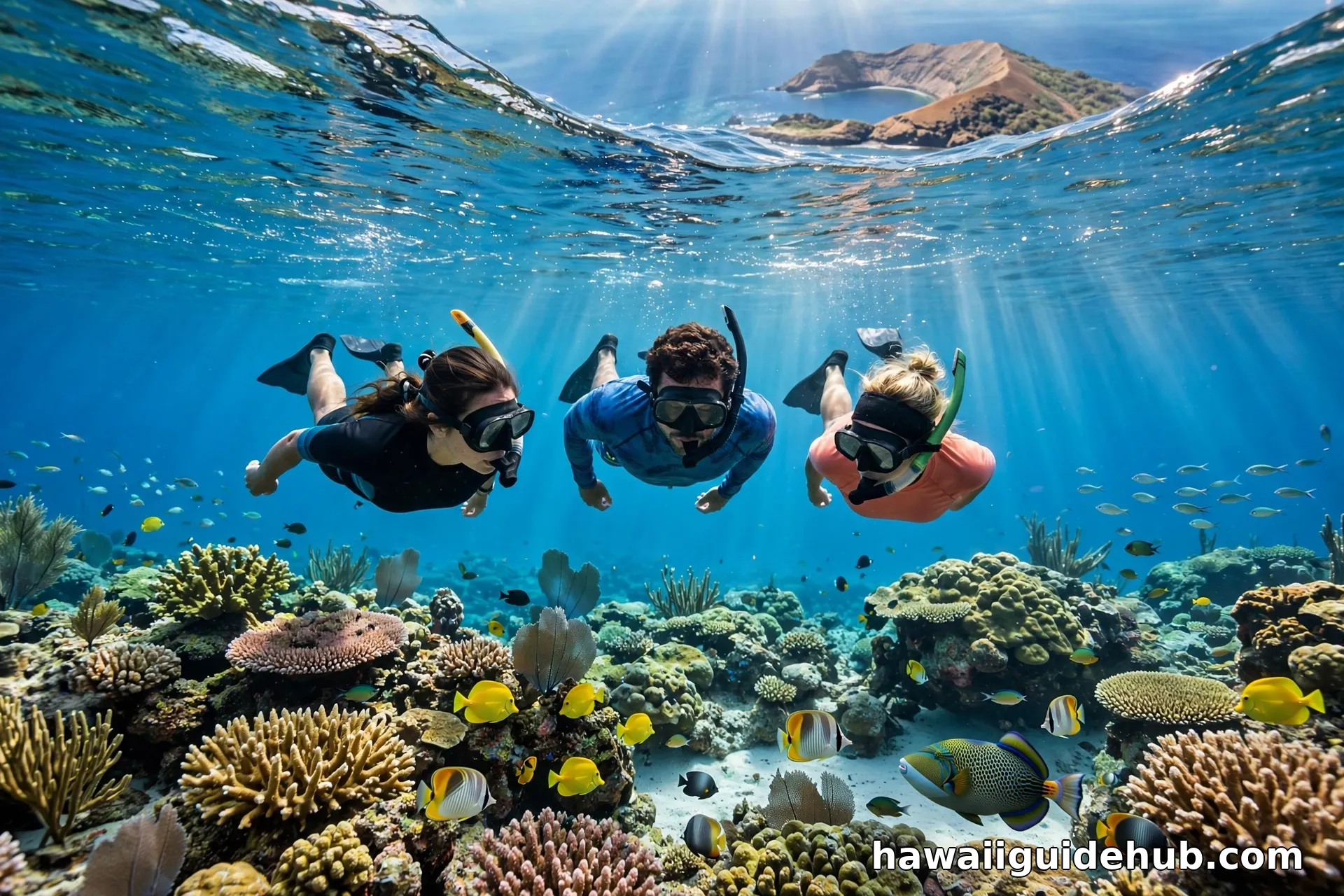
Molokini is a crescent-shaped, partially submerged volcanic crater three miles off Maui’s south coast, and its sheltered waters offer the clearest snorkeling in Hawaiʻi, with visibility often past 100 feet. Boats depart from Māʻalaea Harbor, mostly in the morning when conditions are calmest. Book ahead; the morning departures fill first. Most tours include snorkel gear, breakfast or lunch, and a second stop at Turtle Town.
Back on land, spend the afternoon on South Maui’s beaches. Wailea’s Ulua and Mokapu beaches are calm and swimmable. Mākena’s Big Beach (Oneloa) is wilder and famous for its shorebreak; bodysurf with caution. End the day with dinner in Wailea or Kīhei, where the food truck and casual dining scene keeps prices saner than the resort strip.
Day 6: ʻĪao Valley and Departure
On your last morning, drive to ʻĪao Valley State Monument near Wailuku, where the 1,200-foot Kukaʻemoku (ʻĪao Needle) rises from the valley floor. It is a short, paved visit, perfect before a flight, but note that the monument uses a parking and entry reservation system for nonresidents, so check current requirements and book ahead. Stop in Wailuku or Kahului for a final plate lunch, then return the rental car and fly out. If your flight is late, the Maui Nui Botanical Garden in Kahului fills an hour nicely.
What This Itinerary Costs in Fees
Maui’s big experiences are refreshingly light on fees. Haleakalā National Park charges $30 per vehicle for a three-day pass, and the sunrise reservation adds just $1. The Road to Hana itself is free to drive, though Waiʻānapanapa State Park requires its own entry reservation. Snorkel tours to Molokini are the main splurge. Budget accordingly and book the reservation pieces first.
Book These Before You Fly
Maui rewards planners. The Haleakalā sunrise reservation opens 60 days out and popular dates go fast, with a smaller batch released 48 hours ahead. Rental cars should be booked early, especially if you want a convertible for the Hana drive. Molokini morning departures, luaus, and the best-regarded restaurants all benefit from advance booking. The through-line: anything with limited capacity gets reserved before you pack, and everything else can wait until you are watching the sunset.
Tips for the Week
A few patterns make the six days flow. Do ocean activities in the morning when winds are calm; afternoons are for beaches, pools, and naps. The Road to Hana and Haleakalā are the two early starts; everything else can be leisurely. Pack layers: the summit is freezing, the beaches are hot, and Upcountry sits in between. Reef-safe sunscreen is required by law in Hawaiʻi, so buy compliant sunscreen before you go; the state bans sunscreens containing oxybenzone and octinoxate, and you will be asked about it on some tours. Cash is handy for roadside stands, farmers markets, and food trucks along the Hana Highway, where cards are not always accepted. And build in one unscheduled half-day; the best Maui memories are often the unplanned ones, a roadside banana bread stand, a beach you pulled over for on impulse.
When to Visit: Timing Your 6 Days
This itinerary works year round, but the season shapes it. Winter, roughly December through April, brings humpback whales to Maui’s waters, and a whale watch from Lahaina or Māʻalaea is the easiest upgrade to this plan; swap it into day four’s ocean afternoon. Winter also brings bigger surf to the north and west shores, which can close Honolua Bay to snorkeling, and more rain to Hana. Summer offers calmer seas, drier roads, and warmer summit sunrises, though the island is busier and prices run higher. Shoulder seasons, April to May and September to October, are the local favorite: good weather, thinner crowds, and better rates.
What to Pack for 6 Days on Maui
Pack for three climates, because this itinerary visits all of them. Beach days need swimwear, reef-safe sunscreen, a hat, and water shoes for rocky entries. The Road to Hana needs sturdy walking shoes, insect repellent, and a dry bag for electronics. Haleakalā sunrise demands real warmth: a fleece or puffer jacket, long pants, closed shoes, and a beanie, since 40 degrees with wind at 10,000 feet feels far colder than the number suggests. A small daypack carries the daily kit, and a reusable water bottle saves money and plastic across six days of driving.
Frequently Asked Questions
Is 6 days enough for Maui?
Yes. Six days covers the Road to Hana, Haleakalā, Molokini snorkeling, and beach time with room to breathe. It is the most popular trip length for good reason.
Should I stay in one place or split my stay?
One base keeps six days simple; Kāʻanapali and Wailea both work. Splitting between west and south Maui saves some driving but costs packing and check-in time.
Do I need a reservation for Haleakalā sunrise?
Yes. Vehicles entering the summit district between 3 AM and 7 AM need a $1 reservation from Recreation.gov, booked up to 60 days ahead, plus the $30 park entrance fee.
Can you do the Road to Hana in one day?
Yes, most visitors do it as a 10 to 12 hour day trip, leaving early and returning the same way. Staying overnight in Hana is quieter but not necessary.
What is the best snorkeling on Maui?
Molokini Crater has the clearest water, often over 100 feet of visibility. For shore snorkeling, Honolua Bay and Kahekili Beach Park are top picks when conditions are calm.
Is Lahaina open to visitors?
Lahaina is rebuilding after the August 2023 wildfires. Some businesses have reopened; check current access guidance before visiting and support local businesses respectfully.
Why Six Days Works
Six days on Maui gives you the island’s holy trinity, the volcano, the road, and the reef, without rushing any of them. You will drive one of the world’s great coastal roads, stand above the clouds at sunrise, float over a submerged crater, and still have afternoons with nothing scheduled but sand. That balance is the whole secret. Plan the big days, leave room for the small ones, and let Maui do the rest. You will go home with salt in your hair, red dirt on your shoes, and a list of reasons to come back.
Video: 6 Days in Maui
This day-by-day video follows a real 6-day Maui trip, from Haleakalā sunrise to the Road to Hana, with food stops along the way.