Fiji or Hawaii

Fiji or Hawaii is not really a contest between a good island trip and a better one. It is a choice between two very different kinds of Pacific travel. Hawaii is a United States state with familiar systems, rental cars, and a huge range of hikes, beaches, and towns you can explore on your own schedule. Fiji is an independent country in the South Pacific with more than 300 islands, reef sheltered lagoons, village culture, and a slower pace that starts the moment you land. The right answer depends on how you travel, not just where you want to swim.
This guide compares the two honestly: getting there, cost, weather, beaches, culture, safety, and the practical details that quietly decide a trip, like passports, money, and driving side. By the end you should be able to pick one with confidence.
Fiji or Hawaii at a Glance
| Question | Fiji | Hawaii |
| Country | Independent nation in the South Pacific | 50th state of the United States |
| Main gateway | Nadi International Airport on Viti Levu | Honolulu on Oʻahu, plus Kahului, Kona, Hilo, and Līhuʻe |
| Flight from Los Angeles | About 10.5 to 11 hours nonstop | About 5 to 5.5 hours nonstop to Honolulu |
| Passport for US citizens | Required, visitor permit on arrival | Not required, domestic travel |
| Currency | Fijian dollar | US dollar |
| Driving side | Left | Right |
| Best weather window | May to October, the drier season | April to June and September to October for balance |
| Signature strength | Calm lagoons, soft coral diving, island seclusion | Hiking, surf, volcanoes, easy independent travel |
| Typical pace | Slow, resort and island based | Active, road trip based |
Where They Are and Why That Matters
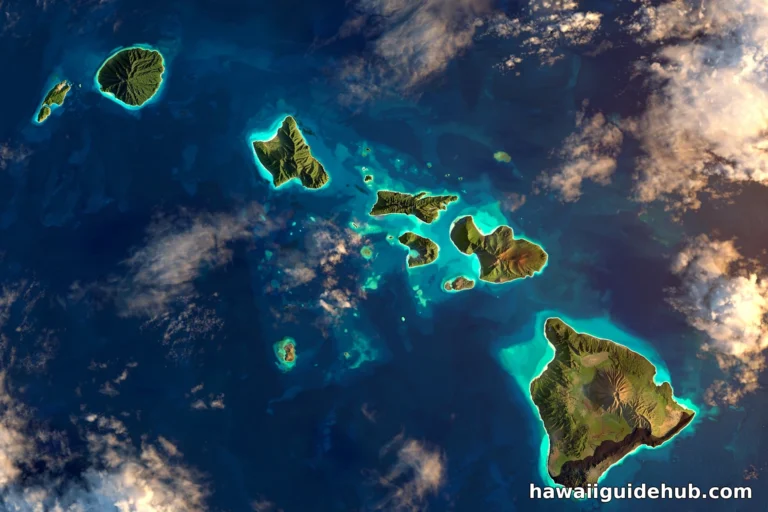
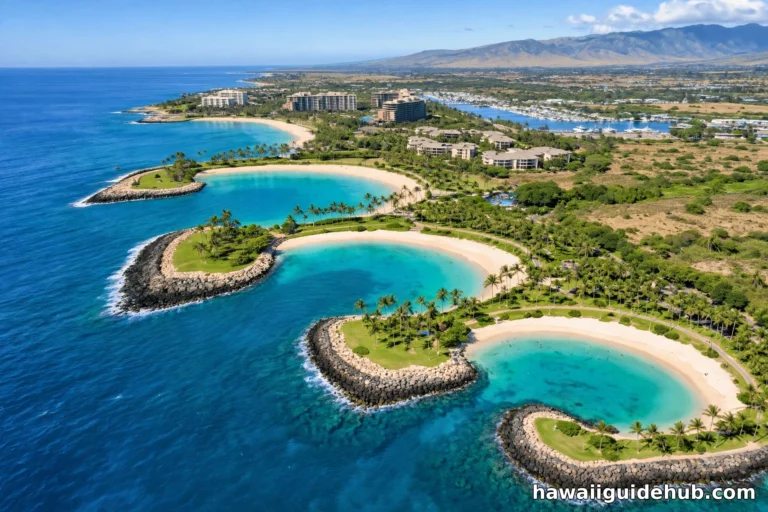
Hawaii sits in the North Pacific, about 2,400 miles southwest of California. Fiji sits in the South Pacific, northeast of Australia and north of New Zealand, just west of the International Date Line. That geography explains almost everything else here. Hawaii is far from the mainland, but it is still the United States, with domestic flights and no border crossing. Fiji is a full international trip, with immigration, a different currency, and seasons that run opposite to the Northern Hemisphere.
The seasons point matters more than most people expect. When it is summer in Hawaii, it is winter in Fiji, although Fijian winter still means warm days in the mid 70s to low 80s Fahrenheit. Fiji’s drier season runs roughly from May to October. Its wetter season runs from November to April, which is also the South Pacific cyclone season. Hawaii has a drier summer and a wetter winter too, but the temperature swing is smaller.
Getting There: Flights, Airports, and Transfers
For most Americans, Hawaii is much easier to reach. Nonstop flights to Honolulu leave from dozens of mainland cities, and Kahului on Maui, Kona and Hilo on Hawaiʻi Island, and Līhuʻe on Kauaʻi also have direct mainland service. From Los Angeles or San Francisco the flight is about five to five and a half hours. From the East Coast it is a long day, usually with one stop on the West Coast. Once you land, you can rent a car and be at a beach within the hour. Our guide to Hawaii airports explains which airport fits each island.
Fiji takes more commitment. From the United States, nonstop flights to Nadi run from a small number of gateways, including Los Angeles, San Francisco, Dallas, and Honolulu, and the Los Angeles flight takes about ten and a half to eleven hours, usually overnight. Landing in Nadi is also not the end of the journey for many visitors. Resorts in the Mamanuca and Yasawa groups require a boat transfer, a seaplane, or a short domestic flight, and many travelers spend their first night near Nadi and transfer the next morning. From Australia and New Zealand the picture flips: Fiji is a short hop of roughly three to four hours, while Hawaii is a long haul flight of nine to ten hours or more.
Cost: Flights Cost More to Fiji, Days Cost More in Hawaii
People often ask which one is cheaper, and the honest answer is that the money moves to a different part of the budget. Flights to Fiji from the United States usually cost more because the route is twice as long and competition is thinner. Once you arrive, however, many everyday costs in Fiji are lower than in Hawaii, especially local food, domestic help at family run properties, and mid range resort rates. In Hawaii the flight may be cheaper, but lodging, restaurant meals, parking, and groceries are priced at United States resort levels, and they add up fast.
Hawaii does give budget travelers more tools. You can rent a condominium with a kitchen, shop at regular grocery stores, and build most days around free beaches and trailheads. A careful Hawaii trip built on self catering can undercut a Fiji island resort trip easily. Fiji’s outer island resorts often bundle meals because there is nowhere else to eat, and boat transfers add a fixed cost before you have done anything. At the luxury end, both are expensive, and neither apologizes for it.
Weather and the Best Time to Go
Hawaii is a genuine year round destination. Daytime temperatures at sea level sit in the high 70s to high 80s Fahrenheit through the year, with winter slightly cooler and wetter and summer warmer and drier. The main seasonal choices are about surf and crowds, not temperature. Winter brings the famous big waves to north shores and more rain, especially on windward sides. Summer brings calmer north shore water and stronger trade winds. Hurricane season in the Central Pacific runs from June 1 to November 30, according to the National Oceanic and Atmospheric Administration, although direct hits on Hawaii are uncommon.
Fiji has a sharper seasonal divide. The May to October dry season brings lower humidity, less rain, and daytime temperatures in the high 70s to low 80s Fahrenheit, and it is the most popular time to visit. The November to April wet season is hotter, more humid, and much rainier, and tropical cyclones can affect the islands in those months. Shoulder weeks in late April, May, and October often give the best mix of decent weather and lower prices in Fiji. If your dates are fixed in January or February, Hawaii is the safer weather bet. If your dates are fixed in July, both are appealing, and Fiji is at its best.
Beaches and the Ocean: Lagoons Against Open Pacific
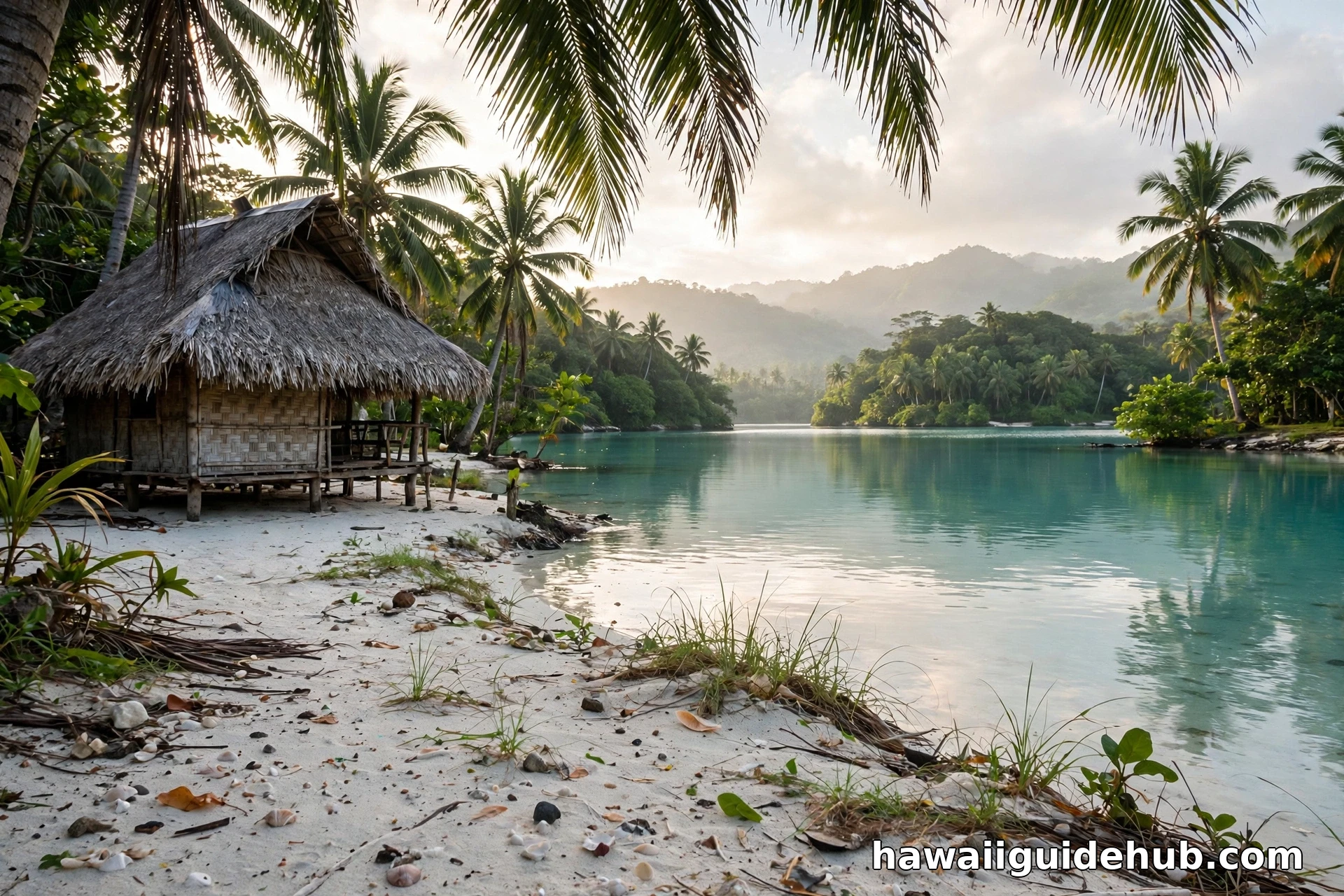
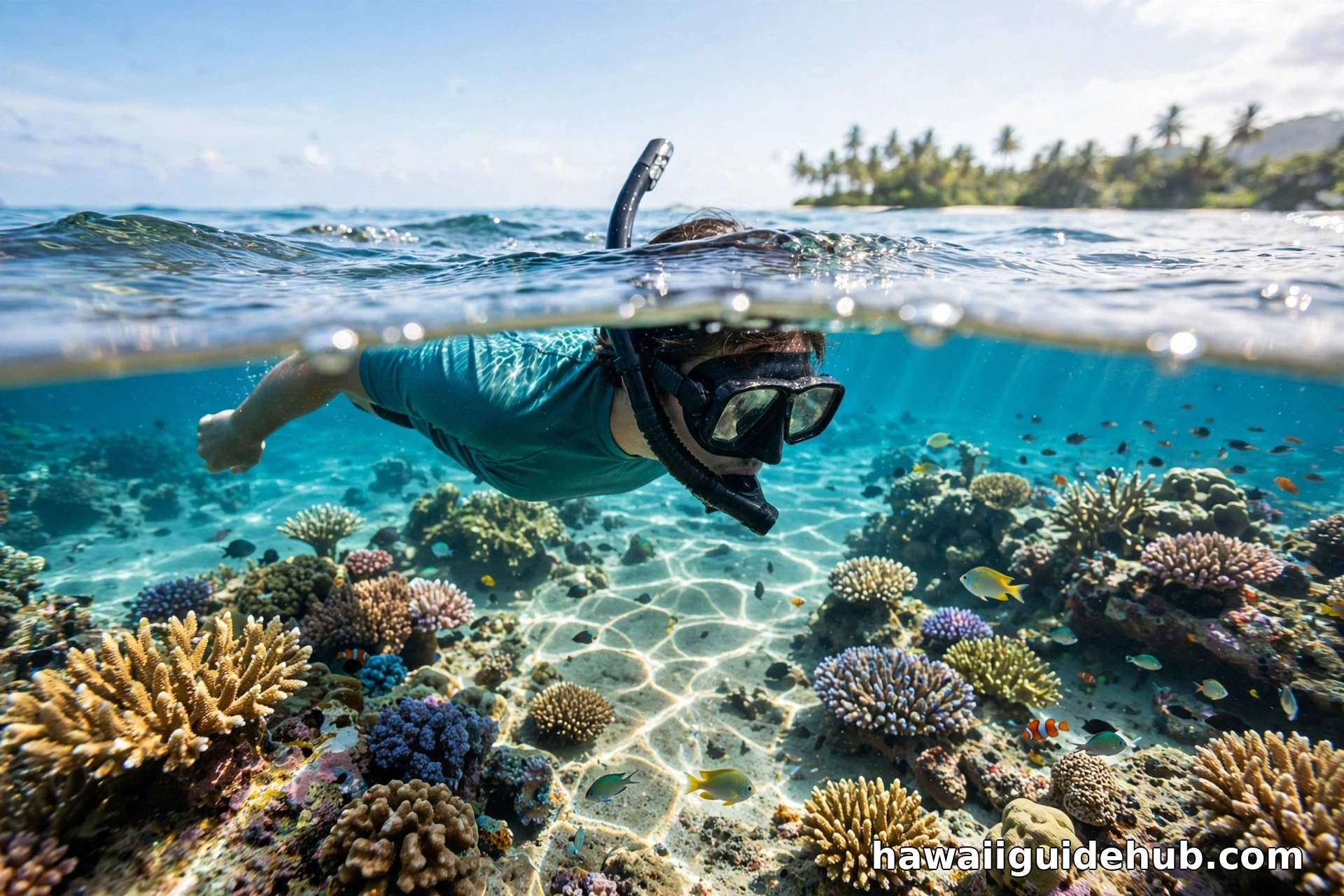
This is the section that decides the trip for water lovers. Fiji is famous for soft coral reefs and calm, reef protected lagoons. On many outer islands you can walk from your room into warm, clear, shallow water and be snorkeling over coral gardens within minutes. The Mamanuca and Yasawa groups are the classic examples, with white sand, gentle entries, and very little surf inside the reef. Fiji is also known among divers for soft coral walls and shark diving, and its reefs are the main event, not a side activity.
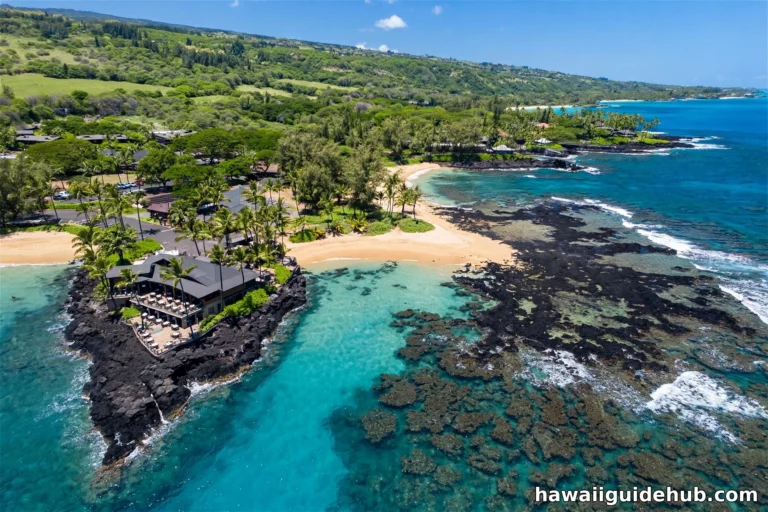
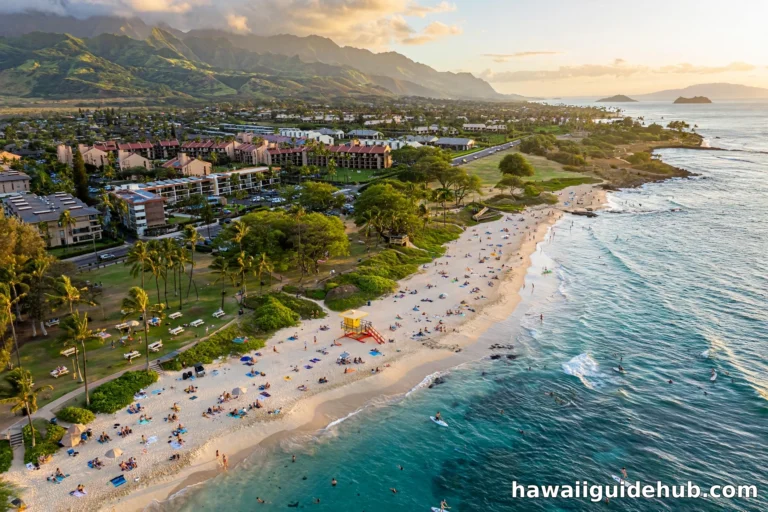
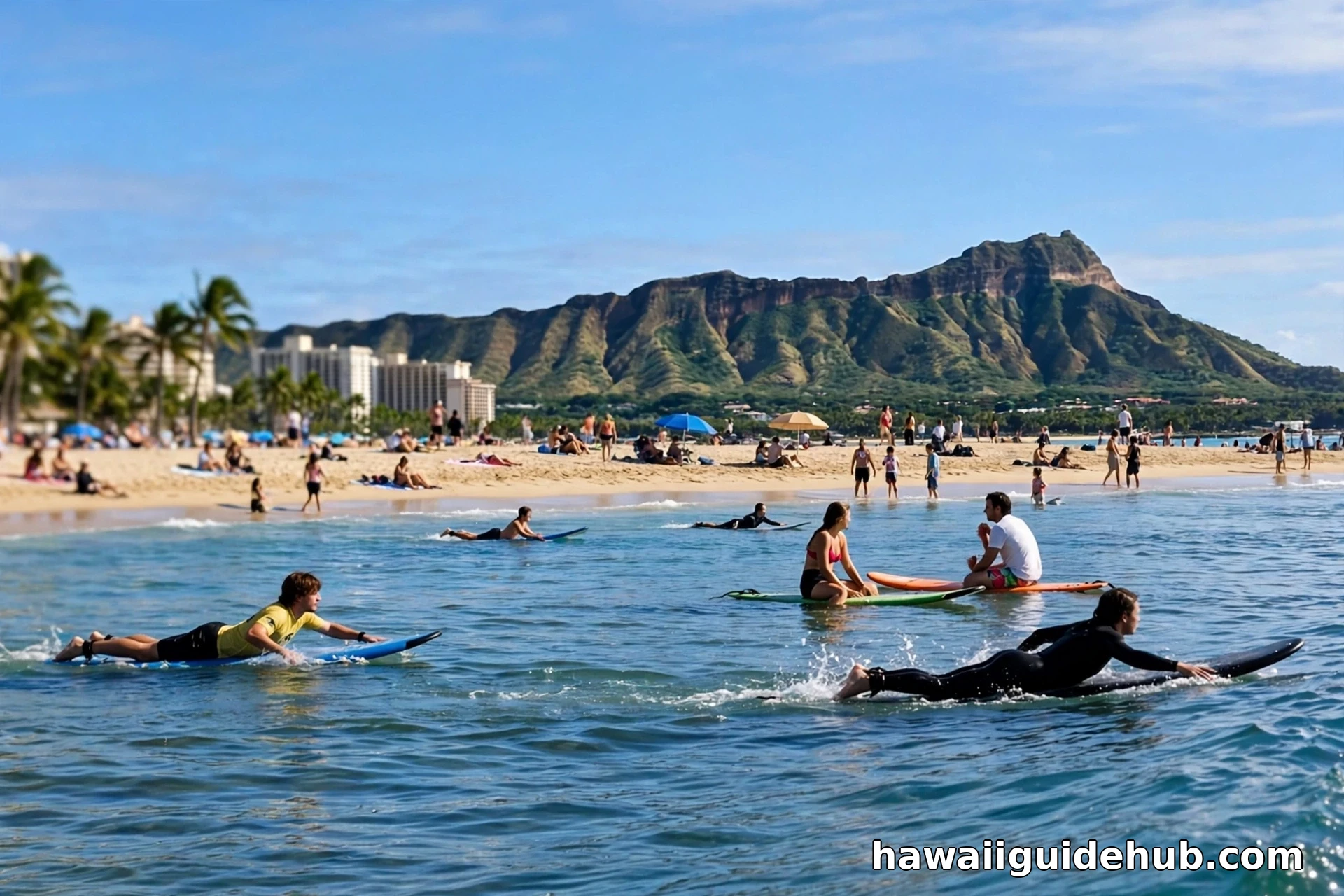
Hawaii faces the open Pacific, and its ocean has more energy and more variety. That means world class surf, from gentle Waikiki breaks that are ideal for a first lesson to the giant winter waves of Oʻahu’s North Shore. It also means conditions change by season and by shore, and some beautiful beaches are look only in certain months. Hawaii snorkeling is excellent in protected bays, with sea turtles and reef fish, and humpback whales offshore in winter. What Hawaii rarely offers is that flat, bathtub calm lagoon in front of your room. What Fiji rarely offers is surf culture and big wave drama.
Landscapes and Things to Do on Land
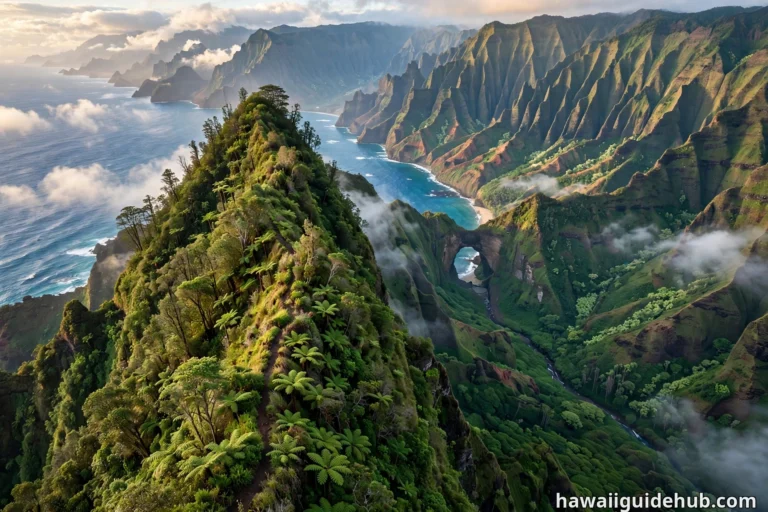
On land, Hawaii pulls ahead on variety and independence: active volcanoes in Hawaiʻi Volcanoes National Park, the deep valleys of the Nā Pali Coast, Haleakalā’s summit on Maui, Pearl Harbor on Oʻahu, and hundreds of marked trails, most of them public and free or low cost. With a rental car you can build a different day every day. A sample Hawaii itinerary shows how much ground a visitor can cover in ten days across two islands.
Fiji’s land experiences are gentler and more local in scale. Viti Levu, the largest island, has the Sigatoka Sand Dunes, the Garden of the Sleeping Giant orchid collection, mud pools near Nadi, and the capital, Suva, with its museum and markets. Taveuni is known for waterfalls and rainforest walks. But most visitors spend most of their time on or in the water, and many outer island stays revolve around one resort, one beach, and one reef. That is a feature if you want to slow down. It is a limitation if you get restless after two quiet days.

Culture and Food in Both Places
Both destinations have living Indigenous cultures, and both ask visitors to engage respectfully rather than treat culture as entertainment. In Fiji, village life remains central. Visitors may be welcomed with a sevusevu, a presentation of kava root, and invited to share in a kava ceremony. Dress codes in villages are modest, hats and sunglasses are removed, and permission is asked before photographs. The famous Fijian greeting, bula, is used constantly and sincerely. Travelers who spend time in a village often name it as the most memorable part of the trip.
In Hawaii, Native Hawaiian culture shapes the language, place names, music, hula, and food you encounter every day, alongside strong influences from Japanese, Chinese, Filipino, Korean, Portuguese, and other communities from the plantation era. You will hear Hawaiian words in daily use and find cultural sites from ancient temples to the royal palaces of Honolulu. Hawaii feels familiar because it is American, and then repeatedly surprises visitors with how deep its own culture runs underneath that familiarity.
Families, Couples, and Different Travel Styles
For families, both work, in different ways. Fiji is loved by parents of young children for its calm lagoon water and its well known nanny culture, where dedicated childcare is a normal part of many family resorts. The long flight and boat transfers are the hard part with little kids. Hawaii is easier to reach, has familiar food and medical care, and offers endless variety for older children and teenagers, from surf lessons to volcano hikes. Our guide to the best Hawaiian island for kids breaks down which island fits each age group.
Practical Logistics and Safety
The paperwork difference is clear. United States citizens travel to Hawaii as domestic travelers, with a government issued photo ID for flights and no passport required. For Fiji, United States citizens need a passport valid for at least six months beyond their stay, and they receive a visitor permit on arrival, generally for up to four months, with proof of an onward or return ticket. Rules can change, so check official Fiji immigration and United States State Department pages before any international trip. Hawaii also has an agricultural declaration form on arrival, because the state protects its farms and ecosystems from invasive pests.
Health and safety basics are similar in spirit. Both are warm water destinations where reef cuts, sunburn, and ocean conditions are the everyday risks. In Hawaii, follow lifeguard flags and seasonal surf warnings. In Fiji, be careful on reefs at low tide and take cyclone season forecasts seriously. Tap water is safe throughout Hawaii. In Fiji, resort water is generally treated, but many visitors choose bottled or filtered water outside major properties. Serious medical cases from Fiji’s outer islands may require transfer to Suva or Nadi, which is one reason travel insurance matters more there.
Driving sums up the independence gap. Hawaii has good paved roads, US traffic laws, and driving on the right, and a rental car unlocks each island. Fiji drives on the left, and most outer islands have no visitor driving at all.
Video: Island Hopping in Fiji and Hawaii Compared
This video compares the island hopping experience in both destinations, from Fiji’s boat transfers to Hawaii’s short interisland flights.
So, Fiji or Hawaii: The Honest Verdict
Choose Hawaii if you want the easier, more active, more independent trip. It suits first time island travelers, hikers, surfers, and road trippers. Start with our guide to the best island in Hawaii for first time visitors if you go this way. Choose Fiji if you want to slow down, swim in calm lagoons, dive soft coral reefs, and feel genuinely far from home, and if you have the time and budget for the longer flight from the United States.
Frequently Asked Questions
Is Fiji cheaper than Hawaii?
It depends on where you start and how you travel. Flights to Fiji from the United States usually cost more, while many daily costs in Fiji are lower. Hawaii flights can be cheaper, but lodging and food cost more. Self catering in Hawaii can be the cheapest option of all, while a Fiji outer island resort with transfers and a meal plan can cost more than expected.
How far is Fiji from Hawaii?
Fiji is roughly 3,100 miles southwest of Hawaii. A nonstop flight between Honolulu and Nadi takes about six and a half to seven hours. The two are not a quick hop between each other, and combining them in one short trip rarely makes sense unless you have at least two weeks.
Which has better beaches, Fiji or Hawaii?
Fiji has calmer, warmer, more swimmable lagoon beaches, especially in the Mamanuca and Yasawa groups. Hawaii has more dramatic beaches, better surf, and more beaches you can reach by car. For gentle swimming and snorkeling from your room, choose Fiji. For variety, scenery, and surf, choose Hawaii.
Do US citizens need a passport for Fiji or Hawaii?
US citizens do not need a passport for Hawaii, because it is domestic travel within the United States. They do need a passport for Fiji, valid for at least six months beyond the stay, and they receive a visitor permit on arrival. Always confirm current entry rules on official government pages before you travel.
Which is better for a honeymoon?
Fiji is the classic choice for a quiet, secluded honeymoon built around one beautiful island and a calm lagoon. Hawaii is better for couples who want activities, dining, and exploring alongside beach time. Neither is the wrong answer. The choice is between seclusion and variety.
Whichever you choose, go in its best season, give it enough days to justify the flight, and let the destination set the pace instead of fighting it. Fiji rewards surrendering to island time. Hawaii rewards curiosity and a full tank of gas. Pick the reward that sounds like the holiday you actually need, and the Fiji or Hawaii question answers itself.