Guava Bread in Hawaii: The Pink Sweet Bread Locals Grew Up On

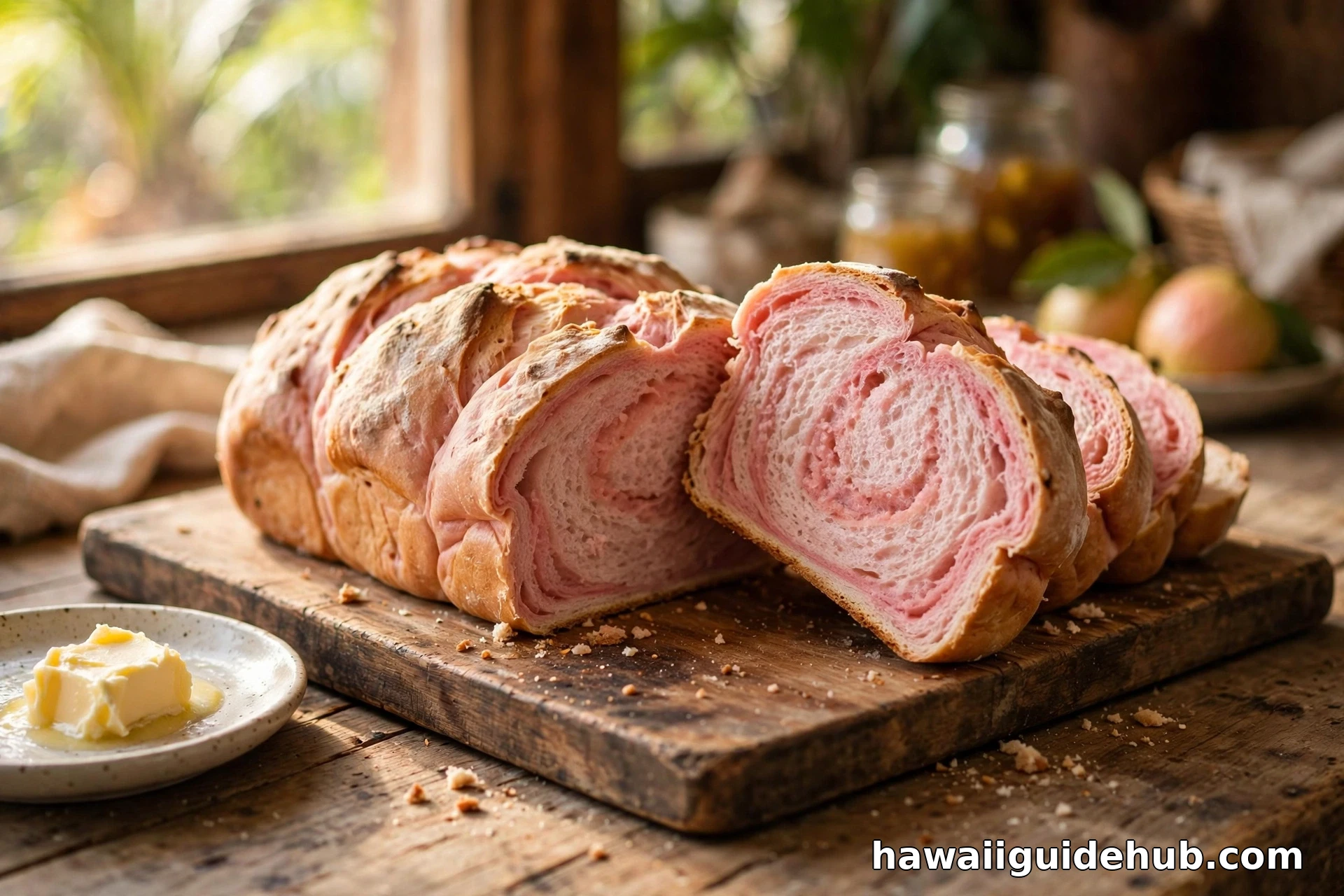
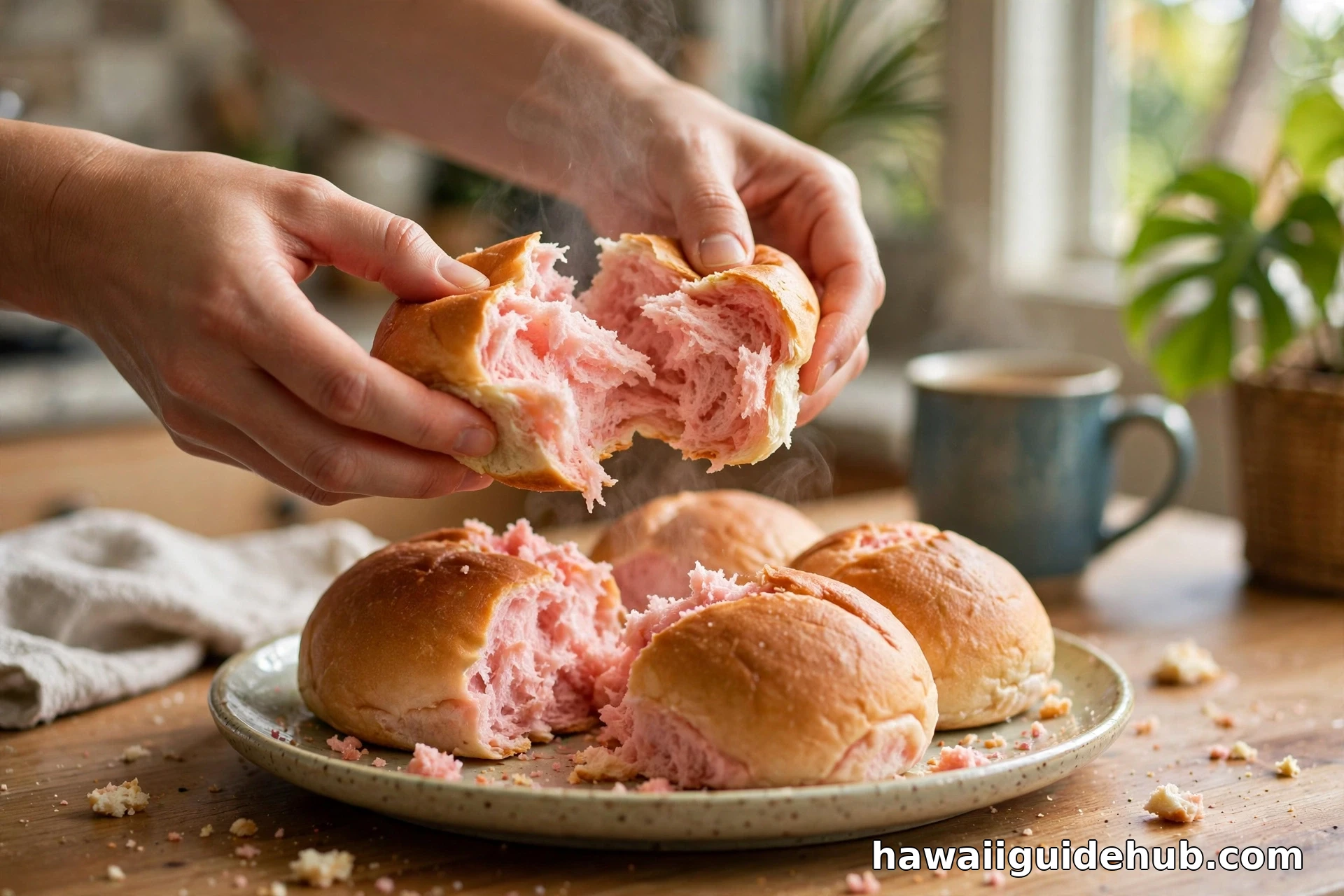
Cut into a loaf of guava bread in Hawaii and the inside glows pink. Not frosting pink and not candy pink, but the soft blush of ripe guava folded into one of the islands’ most beloved doughs: Hawaiian sweet bread. It tastes like a bakery roll crossed with a tropical orchard, sweet and floral with a gentle tang, and it shows up everywhere from old school Honolulu bakeries to farmers market stalls on the Big Island.
This is the complete guide to guava bread in Hawaii. It covers what the bread actually is, the two traditions that created it, what it tastes like, how bakers make it, the forms it takes, where visitors can find it, and how to bake a loaf at home. If you have been searching for anything about guava bread in Hawaii, the answers are all on this one page.
Guava Bread at a Glance
| What it is | Soft enriched sweet bread flavored and colored with guava |
| Base dough | Hawaiian sweet bread, descended from Portuguese pao doce |
| Flavor | Sweet, floral, lightly tart, unmistakably tropical |
| Color | Pale to deep pink, from pink guava or a touch of coloring |
| Common forms | Loaves, dinner rolls, swirled loaves with guava filling |
| Where you find it | Local bakeries, farmers markets, grocery bakery cases statewide |
| Closest relatives | Taro sweet bread, mango sweet bread, guava chiffon cake |
| Best eaten | Fresh the day it is baked, warm, with butter or plain |
What Is Guava Bread?
Guava bread is a sweet yeast bread made by working guava into a soft, enriched dough. Bakers use guava nectar, guava juice concentrate, or guava puree in place of part of the liquid, and some versions roll the dough around a guava filling so each slice shows a pink swirl. The result is a loaf or roll with the pillowy texture of Hawaiian sweet bread and the perfume of fresh guava in every bite.
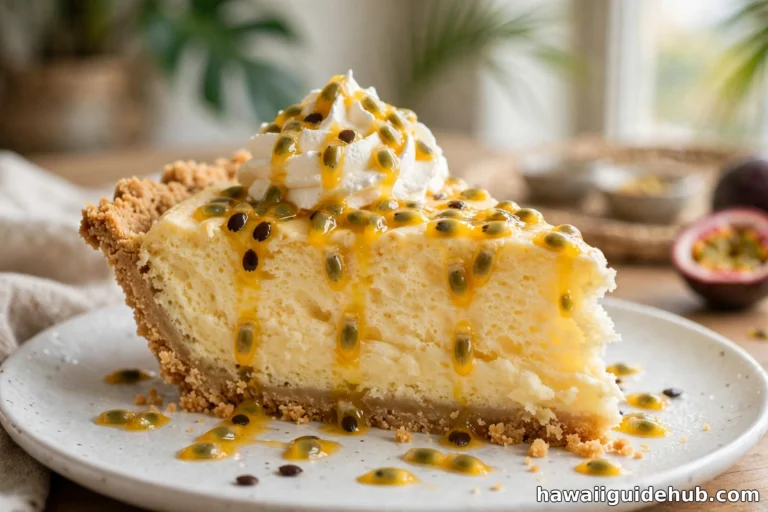
It helps to separate guava bread from its famous cousin, guava cake. The cake is a chiffon dessert with whipped topping and a glossy guava glaze. The bread is breakfast food, snack food, and road trip food. You tear it, toast it, butter it, and turn the leftovers into French toast. Both treats come from the same island love affair with guava, but they live in different corners of the bakery case.
Root One: Portuguese Sweet Bread
The dough at the heart of guava bread arrived in Hawaii in the 19th century with Portuguese immigrants, many from Madeira and the Azores, who came to work in the sugar fields. They brought pao doce, a rich sweet bread made with eggs, milk, butter, and sugar, baked for holidays and family tables. Over generations the recipe settled into island life and became Hawaiian sweet bread, the soft golden loaf and roll that now anchors everything from holiday dinners to plate lunch sides.
The bread got its most famous chapter in the 1950s, when baker Robert Taira began selling his family’s sweet bread in Hilo on the Big Island. His bakery grew into King’s Hawaiian, and the orange packaged rolls carried the style to grocery stores across the country. Our guide to the classic Hawaiian bread recipe walks through that dough in detail, because once you understand the base, every island variation, taro, mango, cinnamon raisin, and guava, makes sense.
Root Two: Guava in Hawaii
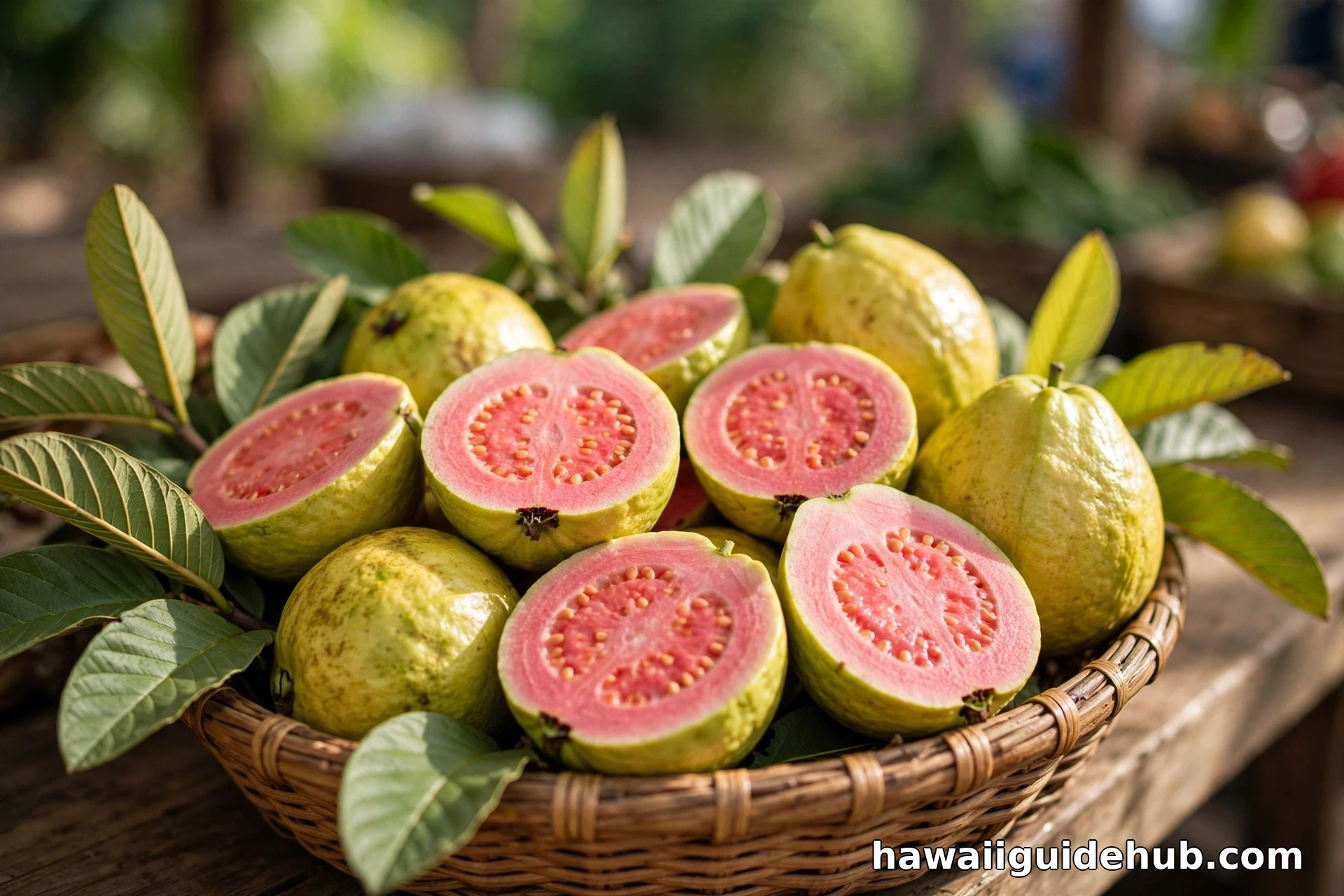
Guava is not native to Hawaii. Common guava, called kuawa in Hawaiian, was introduced around the turn of the 19th century, with most accounts placing its arrival near 1790 or the early 1800s, and it spread fast through lowland forests, pastures, and backyards. Strawberry guava followed in 1825, according to the Hawaii Department of Agriculture, and naturalized so aggressively that land managers now treat it as one of the state’s most invasive forest trees. The same abundance that worries foresters made guava a fixture of island kitchens: the fruit was free, fragrant, and everywhere.
Island cooks turned that glut into jams, jellies, juices, and syrups, and commercial growing followed. For about 30 years a large guava plantation on Kauai processed huge daily harvests into puree for drinks and desserts before closing in 2007. Guava also anchors POG, the passion orange guava juice blend created in the 1970s on Maui, which taught a whole generation of Hawaii kids what guava tastes like. If you want the wider fruit story, our guide to native Hawaiian fruits puts guava in context, including the honest note that this beloved flavor is an adopted one.
The Pink Cousin: Guava Chiffon Cake
No history of guava baking in Hawaii is complete without Dee Lite Bakery in Honolulu. In the 1960s, baker Herbert Matsuba developed a guava chiffon cake there, layering airy pink cake with whipped cream and guava gel. It became one of the most requested celebration cakes in the islands, and bakeries still sell versions of it today. The cake proved that guava and soft baked goods belong together, and it set the pink standard that guava bread follows: in Hawaii, if it is guava, it should look a little pink.
What Guava Bread Tastes Like
The first thing you notice is the aroma. Guava has a scent somewhere between strawberry, pear, and a bunch of tropical flowers, and baking concentrates it. The bread itself is soft and slightly chewy, rich from eggs and butter, and sweet without being cloying. The guava flavor sits on top of that base like a glaze you can taste all the way through: bright, floral, and gently tart at the finish, which keeps a second slice from feeling heavy.
Texture depends on the form. A swirled loaf gives you pockets of deeper guava flavor where the filling runs. Rolls flavored all the way through taste more delicate and even. Either way, the crumb should be fine and tender, never dry. If a loaf eats like plain sweet bread with a pink tint and no perfume, it was made with coloring and a whisper of extract rather than real guava, and locals can tell the difference in one bite.
How Guava Bread Is Made
Most bakery and home recipes start from an enriched sweet bread dough: bread flour or all purpose flour, yeast, sugar, salt, eggs, milk or water, and butter. The guava enters as liquid. Bakers simmer guava juice or nectar down to concentrate it, cool it, and use it for part of the liquid in the dough, a trick you will also see in published home recipes for Hawaiian guava bread. Concentrating the juice matters, because straight juice is mostly water and would dilute the flavor to nothing.
For the swirl style, the baker rolls the risen dough into a sheet, spreads it with guava jam, guava butter, or a cooked guava filling, rolls it up like a jelly roll, and proofs it in a loaf pan. For rolls, the flavored dough is divided, shaped, proofed until puffy, and baked until the tops turn light gold. Guava bread bakes at moderate temperatures, around 350 degrees Fahrenheit, and it is done when the crust is golden and the inside no longer looks doughy. Like all sweet breads, it rewards patience: slicing before it cools crushes the crumb.
About that color. Pink guava puree gives the dough a natural blush, but baking dulls it toward a soft rose. Many bakeries add a drop or two of red food coloring to keep the signature pink bright, the same approach used in guava cake recipes. Neither choice is wrong. What matters is that the flavor comes from real fruit, with the color as a finishing touch rather than a substitute.
Forms and Close Relatives
Guava bread belongs to a family of island sweet breads, and bakery cases often line the whole family up in a row. Taro sweet bread is pale lavender and gently earthy. Mango sweet bread is golden and honeyed. Cinnamon raisin macadamia nut sweet bread leans toward coffee cake territory. Guava is usually the best seller of the flavored loaves because it is the most aromatic, and because pink bread is hard to walk past.
The wider guava bakery family is just as busy. Guava malasadas, pillowy Portuguese doughnuts rolled in sugar, fill boxes at bakeries and food trucks, and our story of malasadas and Hawaii’s Portuguese roots explains how those arrived. Guava bars, guava butter for toast, and guava jam thumbprint cookies round out the case. And on the stovetop side, banana bread remains the other great island loaf: our banana bread recipe Hawaii guide covers the version sold warm at roadside stands along famous drives.
Where Visitors Find Guava Bread
The most storied address is Punaluʻu Bake Shop in Nāʻālehu on the Big Island, which bills itself as the southernmost bakery in the United States. Its sweet bread line grew from a family recipe served at a Punaluʻu resort restaurant in the 1970s, and the bakery opened in 1991 to keep up with demand. Guava sweet bread and guava dinner rolls became signature items, sold at the shop and in grocery stores around the islands. The shop has faced closures and disruptions in recent years, so check its current status before building a road trip around it.
Beyond that one famous counter, guava bread is a statewide staple rather than a single shop specialty. Look in the bakery sections of local grocery chains, where packaged sweet bread loaves and rolls come in guava alongside taro and mango. Check farmers markets for home style loaves, including guava bread sold by bakehouse stalls on Oahu. Old fashioned local bakeries in Honolulu and in plantation towns on every island rotate guava loaves and rolls through the case, often selling out by midday on weekends. When in doubt, follow the rule that works for most island bakeries: go in the morning, and ask what came out of the oven most recently.
Bringing It Home and Storing It
Guava bread is at its best within a day of baking. At room temperature in a sealed bag it keeps its softness for about two to three days, and slices freeze well for a month or more, ready to toast straight from the freezer. Warm leftover slices briefly and the guava perfume comes right back. Day old guava bread also makes outstanding French toast and bread pudding, two uses local home cooks swear by.
Travelers flying to the mainland can carry baked bread in a carry on or checked bag with no special paperwork, since it is a shelf stable baked good. Fresh guava fruit is a different story: federal agriculture rules restrict moving fresh fruit from Hawaii because of fruit fly concerns, so enjoy the fresh fruit in the islands and let the bread be the souvenir. A sealed loaf in your bag will make the whole suitcase smell like a bakery, which most people count as a bonus.
Video: Baking Hawaiian Sweet Bread
Watch the sweet bread dough come together, the same base that guava bread builds on.
Frequently Asked Questions
Is guava bread the same as Hawaiian sweet bread?
Guava bread is a flavored member of the Hawaiian sweet bread family. It uses the same soft, enriched dough style that descends from Portuguese pao doce, with guava juice, nectar, or filling added for flavor and pink color. Plain Hawaiian sweet bread is golden and buttery; guava bread is pink and tropical.
Why is guava bread pink?
Pink guava flesh naturally tints the dough a soft rose color. Because baking fades that blush, many bakers add a drop of red food coloring to keep the loaf vividly pink. The color is a signal, not the source: real guava bread should smell and taste like guava, not just look pink.
What does guava taste like?
Ripe guava tastes like a blend of strawberry, pear, and tropical flowers, sweet with a mild tart edge. In bread, that flavor reads as bright and perfumed rather than sharp, and the slight acidity balances the rich eggs and butter in the dough.
Where can I buy guava bread in Hawaii?
Start with local bakeries and the bakery aisles of island grocery stores, where guava sweet bread loaves and rolls are regular items. Farmers markets carry home style versions, and Punaluʻu Bake Shop on the Big Island is the most famous name attached to guava sweet bread, though you should confirm it is open before a special trip.
Can I take guava bread home on the plane?
Yes. Baked bread is fine in carry on or checked luggage. Fresh guava fruit is restricted on flights from Hawaii to the mainland under federal agriculture rules, so the bread, or packaged guava jam, is the practical way to bring the flavor home.
How long does guava bread stay fresh?
Sealed at room temperature, it stays soft for about two to three days. For longer storage, slice and freeze it, then toast slices as needed. Stale slices are not a loss: they make excellent French toast and bread pudding.
Guava bread is a small loaf with a long memory. In one pink slice you can taste Portuguese plantation bakers, backyard guava trees that spread faster than anyone planned, a Honolulu cake that taught the islands to expect guava in the bakery case, and generations of local families who never stopped buying it. Find a fresh loaf on your trip, eat the first slice warm in the parking lot the way everyone does, and you will understand why this bread never needed a trend to survive.