Kapolei Beach: The Complete Guide to Oahu’s West Coast Beaches

There is no single beach called Kapolei Beach on any official map. Kapolei is a planned city on Oahu’s sunny west coast, and when travelers search for “Kapolei beach,” they mean the string of west-coast beaches in and around it. This guide covers them all: the calm, family-friendly lagoons of Ko Olina, the snorkeling at Kahe Point, the surf at Tracks and White Plains, and the rocky shoreline of Barbers Point. One canonical guide, every Kapolei-area beach, honest conditions included.
Kapolei-Area Beaches at a Glance
| Beach | The draw | The catch | Lifeguard |
|---|---|---|---|
| Ko Olina Lagoons | Families, calm swimming, snorkeling | Man-made calm; no real surf | No |
| Kahe Point (Electric Beach) | Experienced snorkelers, divers | Strong currents; experts only | Yes, station |
| Tracks Beach Park | Surfing, sunsets | Reef near shore; only fair swimming | Seasonal towers |
| White Plains Beach | Beginner surfing | Beginner surf zone; expect boards in the water | Yes |
| Barbers Point Beach Park | Fishing, lighthouse photos | Not a swimming beach | No |
Where Is Kapolei and How to Get There
Kapolei sits on Oahu’s leeward (west) coast, about 25 miles west of Honolulu. From Waikiki, take the H-1 freeway west for roughly 35 to 45 minutes depending on traffic. The freeway ends near Kapolei, where Farrington Highway (Route 93) continues along the coast toward the Waianae towns. Every beach in this guide is within about 15 minutes of central Kapolei by car, which makes the city a practical base for exploring the west side.
The west coast is the driest, sunniest part of Oahu. Trade winds blow offshore here, so mornings are often glassy and calm. Afternoon onshore breezes are common. This side of the island gets far less rain than the windward coast, which is one reason the Ko Olina resort area and its lagoons were built here.
Ko Olina Lagoons: Four Calm Man-Made Lagoons
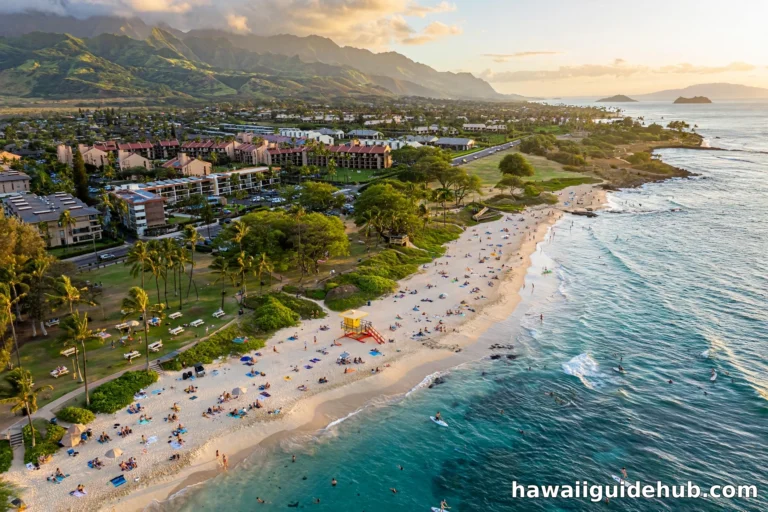
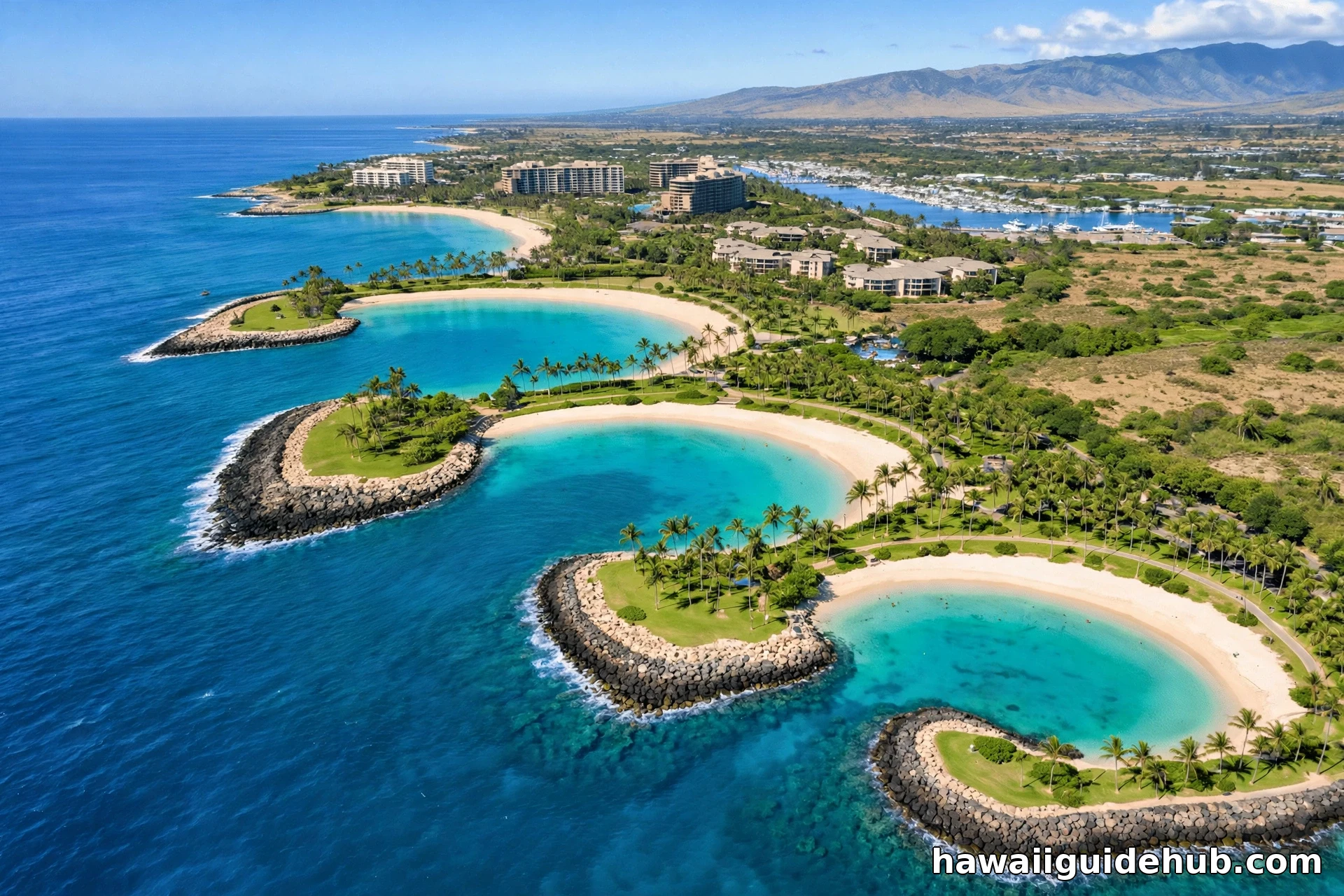
The four lagoons at Ko Olina are the headline beaches of the Kapolei area. They are man-made, ringed by rock breakwaters that keep the ocean swells out, which leaves the water inside calm, clear, and shallow in most spots. Families with small children love them. Snorkeling is decent along the breakwater rocks, where reef fish gather, though the marine life is thinner than at natural reef beaches.
All four lagoons are open to the public by law, including the ones fronting the resorts. Lagoon 1 sits in front of Aulani, a Disney Resort, and the Four Seasons Resort Oahu. Lagoon 2 fronts the Beach Villas. Lagoon 3 is by Marriott’s Ko Olina Beach Club. Lagoon 4 has no resort and tends to be the quietest of the four. A paved seaside path connects all of them, and the walk from end to end is about two miles.
There are no lifeguards on duty at the lagoons, so swim at your own risk and keep children within arm’s reach. Public parking is free but limited, and the lots fill early on weekends and holidays. Arrive before 9 AM on a weekend or you may be circling. Public restrooms and outdoor showers are available near the lagoons. Bring your own food and drinks; there are no snack stands at the lagoons themselves, though the nearby resorts have restaurants.
Kahe Point Beach Park: Electric Beach Snorkeling
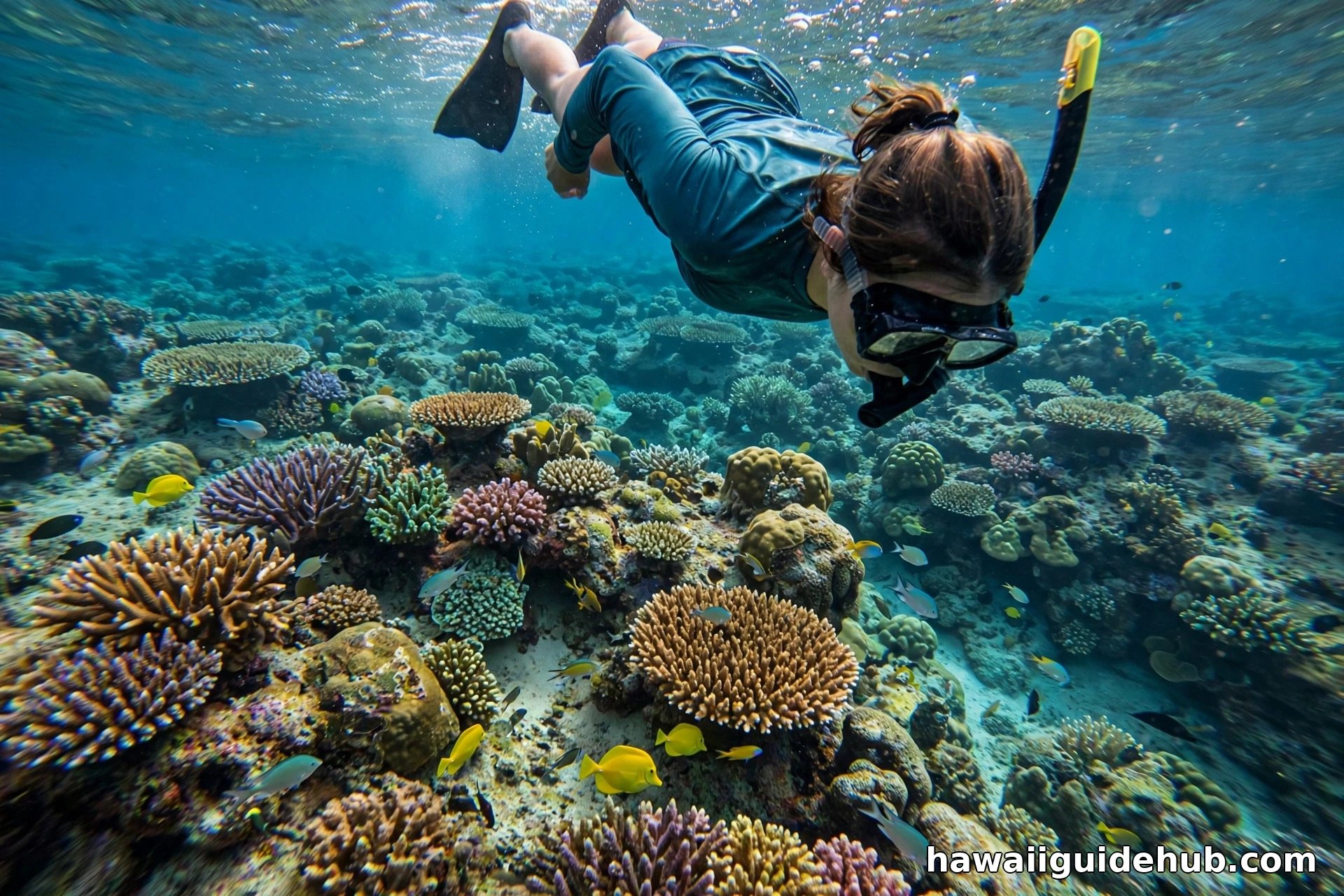
Kahe Point, known locally as Electric Beach, sits on Farrington Highway a few miles south of Ko Olina. It gets its nickname from the power plant next door: warm water discharged from the plant flows out over the reef, attracting huge schools of fish, green sea turtles, and often spinner dolphins. For experienced snorkelers and divers, it is one of the best shore-accessible reefs on Oahu.
This is not a beginner spot. The entry is rocky, the surf can surge, and currents run strong outside the protected areas. A lifeguard station is on site, along with restrooms, showers, and a free parking lot. If you are comfortable in open water and watch the conditions, the payoff is real: dense clouds of reef fish riding the warm current, turtles grazing on the reef, and visibility that can be excellent on calm mornings.
Tracks Beach Park: Surf and Sunsets
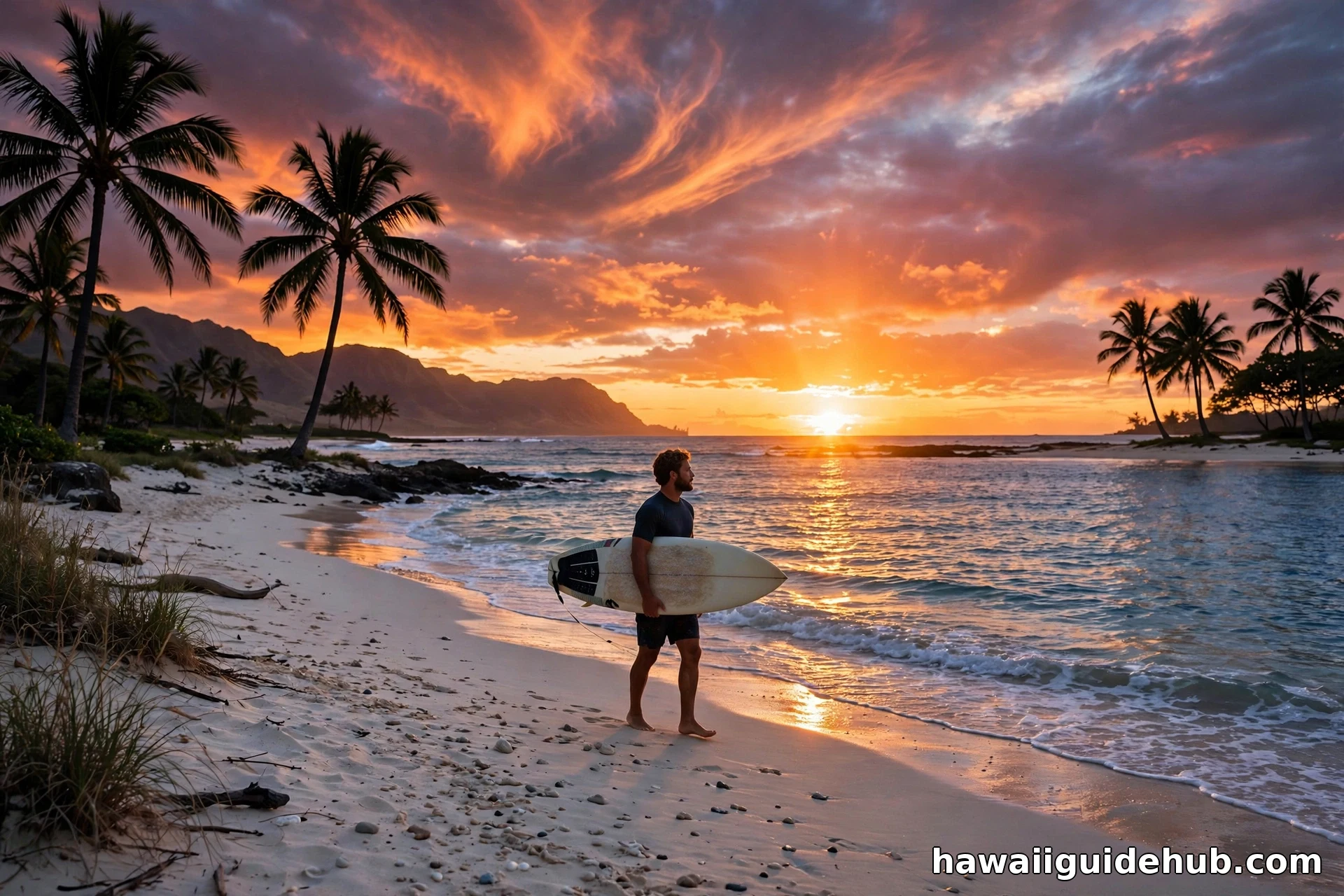
Tracks is a City and County of Honolulu beach park at 92-201 Farrington Highway, just south of Kahe Point. It is a local surf spot with a reef that sits close to shore, plus white sand and clear turquoise water. Snorkelers work the reef on calm days, and the sunsets here are some of the best on the island since the beach faces due west.
Parking is free but tight on busy weekends. The park has picnic tables and freshwater showers. Ocean Safety lifeguard towers cover parts of this coastline, but coverage varies by tower and day, so never assume a guard is watching. Check the surf before entering; the reef is shallow in places and the shorebreak can be punchy when a west swell runs.
White Plains Beach: Beginner-Friendly Surf
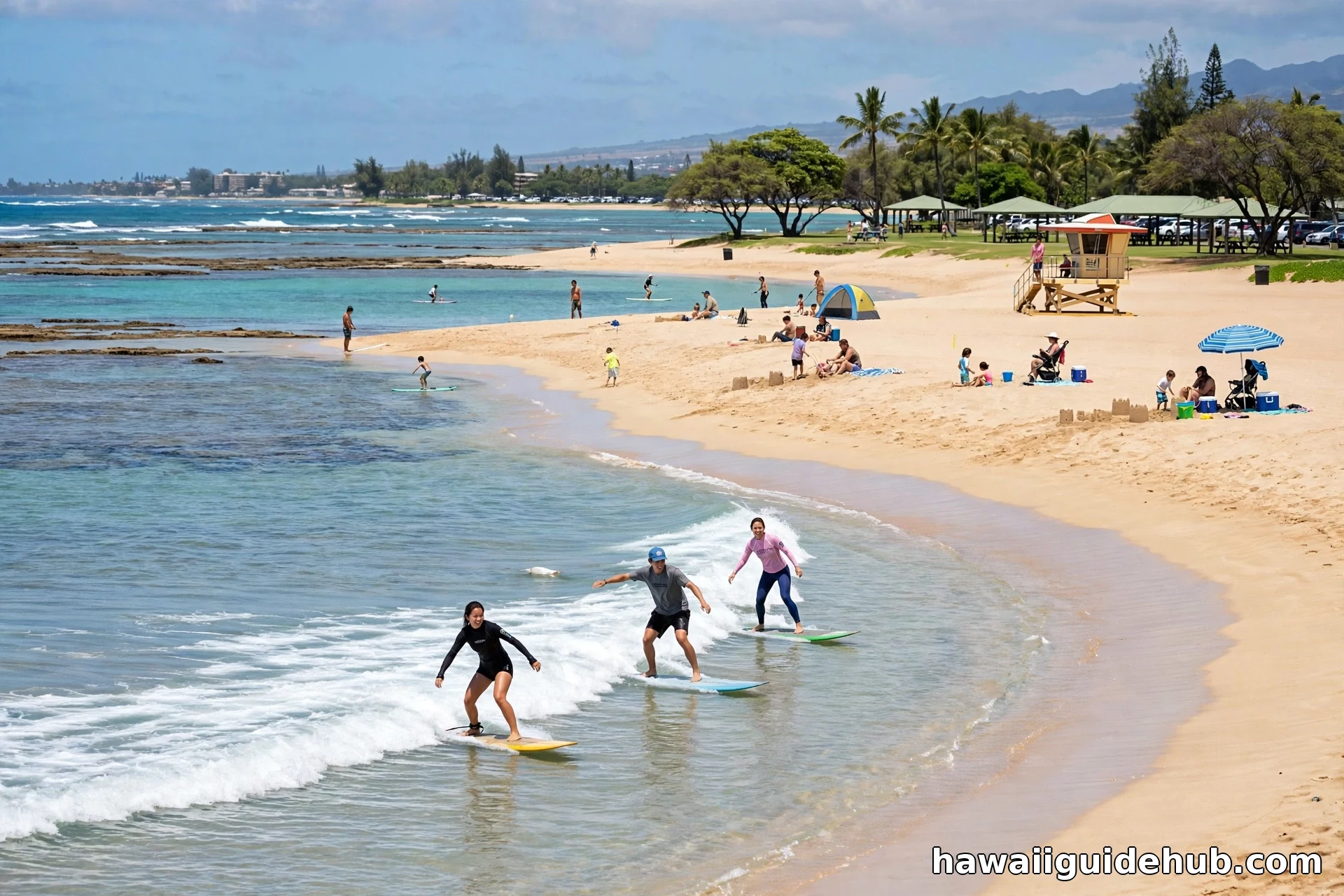
White Plains sits on the Kalaeloa (former Barbers Point Naval Air Station) shoreline, east of Ko Olina toward Ewa Beach. An offshore reef knocks the waves down to gentle rollers, which makes it one of the most beginner-friendly surf spots on Oahu. Surf schools run lessons here, and the long sandy beach is good for swimming on calm days.
The beach has lifeguards, restrooms, showers, and picnic tables. One quirk: White Plains remains under Navy jurisdiction rather than city or state management, so the rules and hours can differ from other public beaches. Follow posted signs, lock your vehicle, and keep valuables out of sight, as with any beach parking lot on the west side.
Barbers Point Beach Park: Look, Do Not Swim
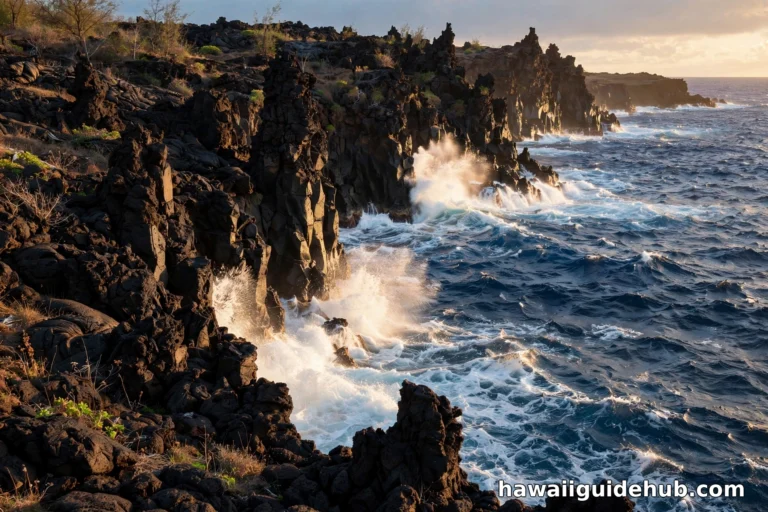
Barbers Point Beach Park, near the industrial harbor area, has a narrow rocky beach, dangerous currents, and a rough shorebreak. Swimming is not recommended here. The park’s real draws are the historic lighthouse, shoreline fishing, and grassy picnic space. There is no lifeguard on duty. If you stop by, treat it as a sightseeing and fishing stop, not a swim beach, and keep a close eye on children near the water.
Seasonal Ocean Conditions on the West Side
West Oahu’s ocean follows a clear seasonal pattern. From roughly October through March, northwest swells wrap around the island and bring bigger surf to west-facing beaches. This is when Tracks and the outer reefs get lively, and when swimming conditions at exposed beaches can turn rough. From April through September, the ocean is typically at its calmest, which is prime season for snorkeling at Kahe Point and swimming in the Ko Olina lagoons.
Daily conditions matter more than the season, though. Check the surf forecast and heed posted warning signs before entering the water anywhere on this coast. If in doubt, ask a lifeguard where one is on duty, or choose the protected lagoons.
Lifeguards, Safety, and Honest Hazards
Lifeguard coverage is uneven across the Kapolei-area beaches. Kahe Point and White Plains have lifeguard stations. The Ko Olina lagoons have no lifeguards. Barbers Point has none. Tracks has seasonal tower coverage that varies. The honest rule: swim only where you are comfortable with the conditions, never swim alone, and keep children within reach at all times.
West-side hazards are the standard Oahu set: strong currents at reef passes, shallow reef and rock, shorebreak on exposed beaches, and sharp coral. Box jellyfish occasionally drift in on the south and west shores, usually 8 to 12 days after a full moon; lifeguard stations post warnings when they arrive. If you see Portuguese man o’ war on the sand, stay out of the water.
Parking, Facilities, and Accessibility
Parking is free at all of these beaches, but capacity is the constraint. Ko Olina’s public lots are small and fill early on weekends. Kahe Point and Tracks have modest lots that can overflow on surf days. Arrive early, carpool if you can, and never leave valuables visible in the car.
Restrooms and showers are available at Ko Olina, Kahe Point, Tracks, and White Plains. The lagoons and their paved paths are the most wheelchair-accessible option in the area; the natural beaches have soft sand and uneven entries. Beach wheelchairs may be available through Honolulu’s adaptive programs; call ahead to confirm.
Rules to Know
Honolulu beach park rules apply at the city parks: parks are generally open from early morning to 10 PM, alcohol and smoking are prohibited in beach parks, and dogs are not allowed on the sand at most beaches. Commercial activity, including paid surf lessons, requires permits in certain areas. At Ko Olina, the resort district has its own security and rules for the pathways; the beaches themselves remain public. At White Plains, follow Navy-posted rules, which can differ from city beaches.
Best Time to Visit the Kapolei Beaches
Mornings are the sweet spot: calmer water, clearer visibility for snorkeling, easier parking, and fewer crowds. Weekdays beat weekends everywhere, especially at Ko Olina. For swimming and snorkeling, late spring through early fall offers the calmest ocean. For surfing, winter brings the swells. Sunsets are spectacular year-round on this west-facing coast, and Tracks is a favorite sunset-watching spot among locals.
What to Bring
Reef-safe sunscreen is the law in Hawaii; chemical sunscreens containing oxybenzone and octinoxate are banned. Bring more water than you think you need, since the west side runs hot and shade is limited at most of these beaches. Snorkel gear, rash guards, and water shoes for rocky entries round out the kit. There are no gear rentals at the beaches themselves, so rent in Kapolei town or bring your own.
Beyond the Beach: Kapolei Town
Kapolei town has the practical side covered: grocery stores, plate-lunch spots, and shopping centers for anything you forgot. It is also the gateway to the deeper west side, including the Waianae coast towns and Yokohama Bay at the end of Farrington Highway. If you want a quieter beach day away from the resort scene, the drive up the Waianae coast is worth it.
For more ideas on planning your time on this side of the island, see our guide to outdoor adventures in Hawaii and our first-time visitor guide. If you are deciding when to come, our rainy season guide explains the west side’s dry advantage, and snorkelers should read our sea turtle etiquette guide before getting in the water. The North Shore offers a completely different beach experience on the opposite side of the island.
See the Ko Olina Lagoons on Video
Kapolei Beach FAQs
Is there a beach actually named Kapolei Beach?
No. There is no official beach with that name. “Kapolei beach” is a search shorthand for the beaches in and around Kapolei on Oahu’s west coast, mainly the Ko Olina lagoons, Kahe Point, Tracks, White Plains, and Barbers Point. This guide covers all of them.
Which Kapolei-area beach is best for kids?
The Ko Olina lagoons, without question. The breakwaters keep the water calm and shallow, the sand is soft, and the paved paths make stroller access easy. Just remember there are no lifeguards, so keep children within arm’s reach.
Can non-guests use the Ko Olina lagoons?
Yes. All beaches in Hawaii are public, and the Ko Olina lagoons are open to everyone. Public parking is free but limited, and resort amenities like chairs, pools, and restaurants are for guests. Arrive early on weekends.
Is Electric Beach safe for beginners?
No. Kahe Point (Electric Beach) has strong currents, a rocky entry, and surge. It suits experienced snorkelers and divers. Beginners should stick to the Ko Olina lagoons or White Plains on calm days.
Do any Kapolei beaches have lifeguards?
Kahe Point and White Plains have lifeguard stations. Tracks has seasonal tower coverage that varies. The Ko Olina lagoons and Barbers Point have no lifeguards. Never assume a guard is on duty; check before you swim.
When is the ocean calmest on the west side?
Generally April through September. Winter months (October through March) bring bigger northwest swells that can make exposed west-facing beaches rough. Mornings are calmer than afternoons year-round.
The Kapolei-area beaches reward visitors who match the beach to the day. Pick the lagoons for easy family swimming, Kahe Point when you want serious snorkeling and the ocean is calm, Tracks or White Plains for surf, and Barbers Point when you want a lighthouse photo and a quiet picnic. Check conditions, respect the water, and the west side will treat you well.