Big Island vs Maui: Which Island Fits Your Hawaii Trip?

Big Island or Maui? It is the first real decision of a Hawaii trip, and it shapes everything after it: how much you drive, what your beach days look like, whether you stand on an active volcano, and how much the whole trip costs. The two islands sit about 80 miles apart across the ʻAlenuihāhā Channel, yet they deliver almost opposite vacations. One is vast, raw, and still growing out of the ocean. The other is compact, polished, and built around some of the finest beaches on earth.
This is the complete head to head comparison of Hawaii’s Big Island and Maui. It covers size and driving, volcanoes, beaches and snorkeling, weather, towns and food, cost, how many days each island needs, and a clear decision framework for different travelers. If you have been searching for anything about Big Island vs Maui, the answers are all on this one page.
The Short Answer
Pick Maui if your trip is built around beaches: long golden strands you can swim at every day, resort comfort, great snorkeling, and short drives between everything. Pick the Big Island if your trip is built around wonder: an active volcano, black and green sand beaches, night swimming with manta rays, waterfalls, stargazing above the clouds, and landscapes that change every hour. Maui is the classic Hawaii vacation. The Big Island is the adventure that happens to include beaches.
Big Island vs Maui at a Glance
| Land area | 4,028 square miles | 727 square miles |
| Residents (2020 census) | About 200,600 | About 164,200 |
| Highest point | Mauna Kea, 13,803 feet | Haleakalā, 10,023 feet |
| Volcano status | Active: Kīlauea and Mauna Loa | Dormant: Haleakalā, last erupted centuries ago |
| Main airports | Kona (KOA) and Hilo (ITO) | Kahului (OGG) |
| Beach style | Fewer, wilder, black and green sand | Many long golden swimming beaches |
| Signature experience | Hawaiʻi Volcanoes National Park, manta rays | Road to Hāna, Haleakalā sunrise, Molokini |
| Driving style | Long distances, plan by regions | Short hops, one base works |
| Typical cost | Lower lodging, wider budget range | Highest lodging rates in the state |
| Days needed | 5 to 7 minimum to do it justice | 4 to 7 for a full trip |
Size and Layout: The Difference That Changes Everything
The Big Island covers 4,028 square miles, more than five times the land of Maui and larger than all the other main Hawaiian islands combined. Maui covers 727 square miles. That single fact drives most of the other differences. On Maui, one resort base in Kāʻanapali or Wailea puts nearly every sight within a day trip. On the Big Island, the volcano, the waterfalls, and the best beaches sit in different corners of an island where a cross island drive takes two hours or more, so smart trips split the stay between the Kona side and the Hilo or Volcano side, or accept one very long day.
Population tells the same story in reverse. About 200,600 people live on the Big Island and about 164,200 on Maui, per the 2020 census, but the Big Island spreads its residents across five times the land. Maui feels lively and gathered around its resort coasts and central towns. The Big Island feels spacious and local, with small towns separated by lava fields, ranch land, and rain forest. Visitors who equate Hawaii with buzz pick Maui. Visitors who want room to breathe pick the Big Island.
Volcanoes: Living Fire vs a Sleeping Giant
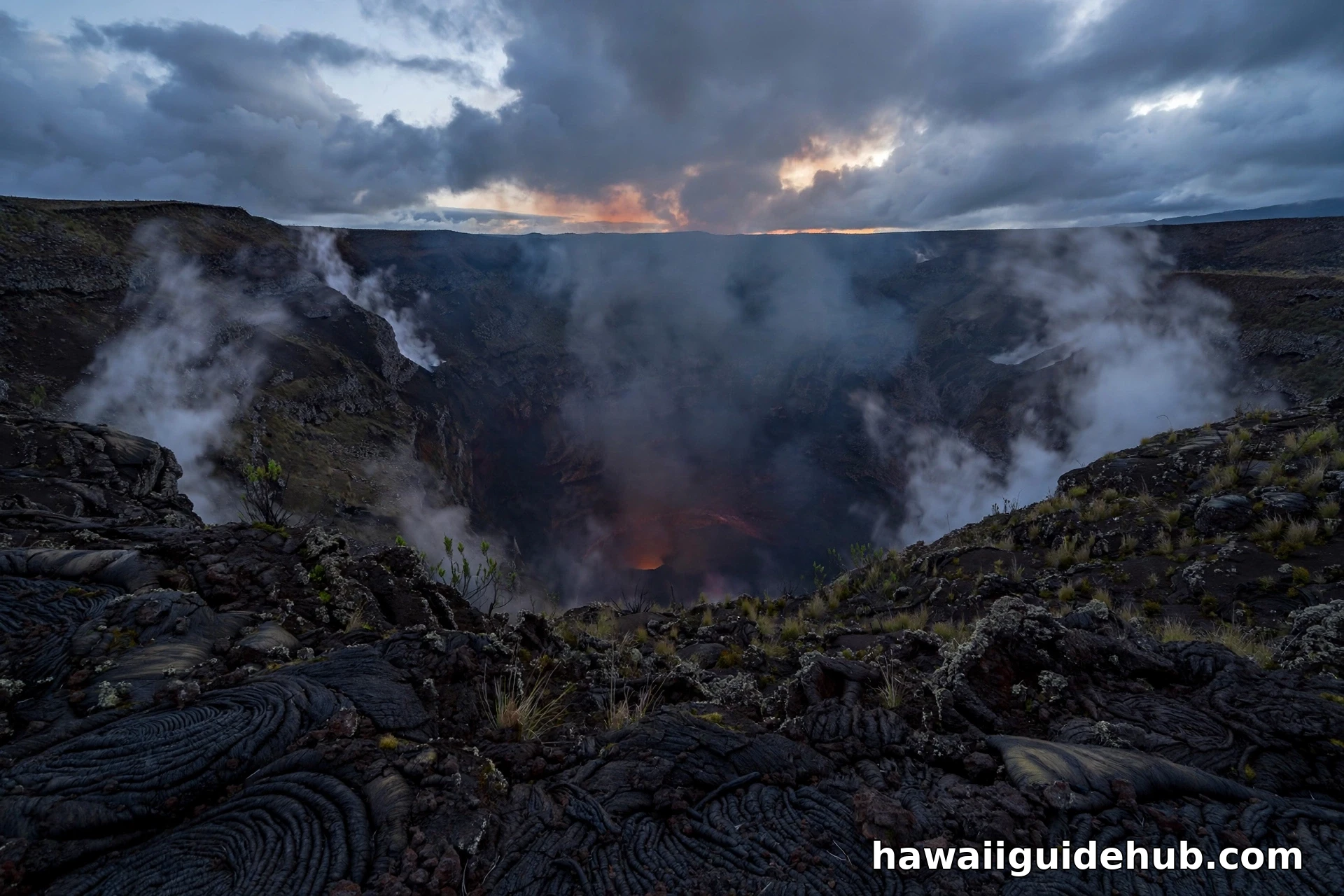
The Big Island is the only place in Hawaii where you can visit an actively erupting volcano system. Hawaiʻi Volcanoes National Park protects Kīlauea, one of the most active volcanoes on earth, and the lower slopes of Mauna Loa, the largest volcano on the planet, which erupted most recently in 2022. Eruptions at Kīlauea pause and resume, and lava viewing depends entirely on current activity, so check the US Geological Survey and park alerts before you go. Even between eruptions, the park delivers steam vents, craters, lava tubes, and fields of fresh rock. Entry costs $30 per private vehicle, valid for seven days.
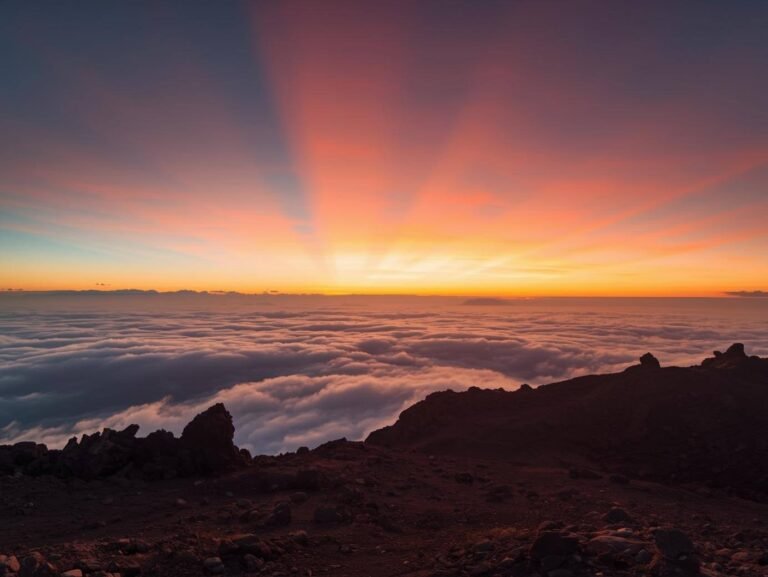
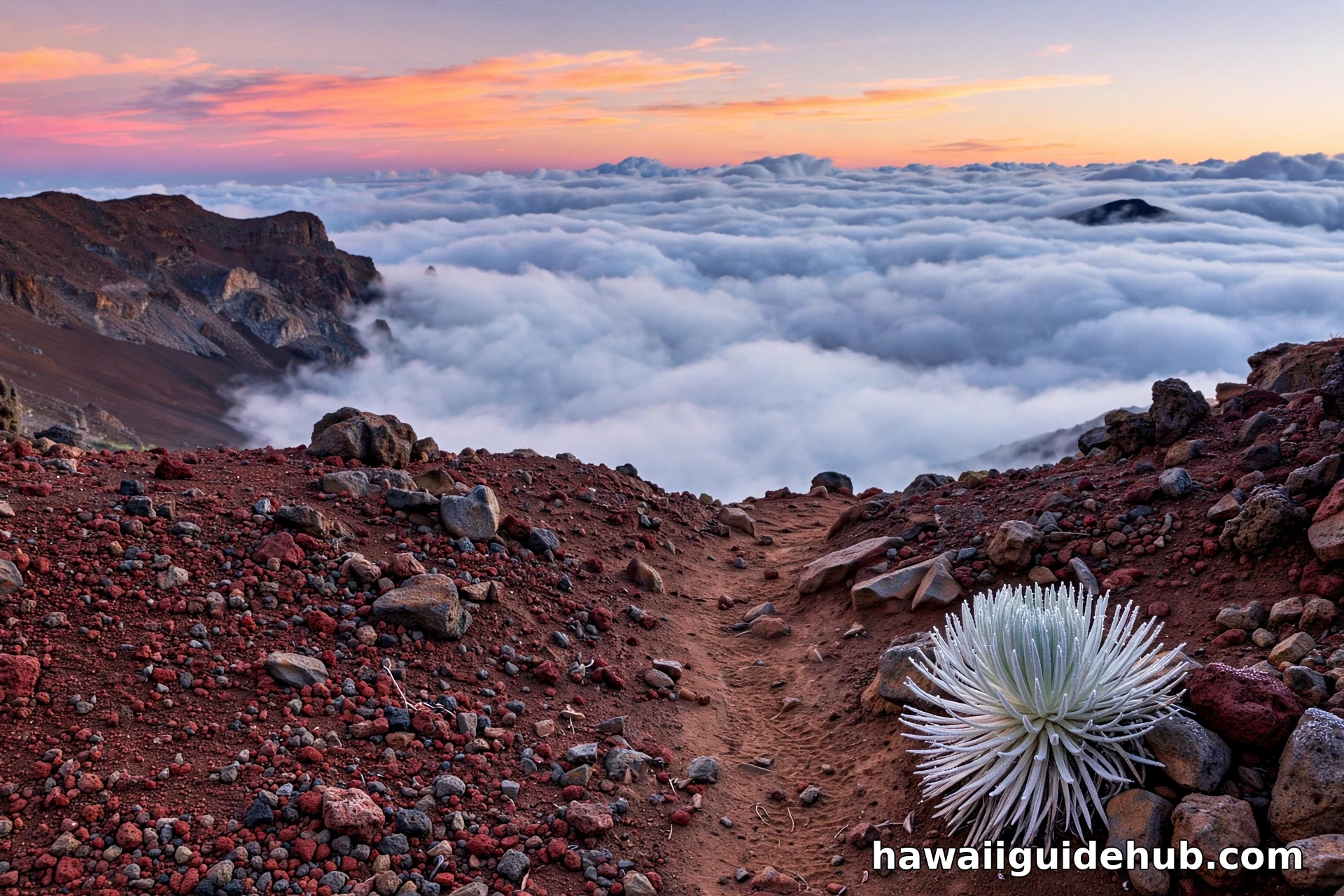
Maui’s volcano, Haleakalā, is a different kind of giant. It last erupted centuries ago, around 1790 by traditional dating, and today it is a place of silence and scale rather than fire. The summit stands 10,023 feet above the Pacific, and sunrise from the rim, above a sea of clouds, is one of the great morning experiences in the national park system. Entry costs $30 per vehicle, valid for three days at both the summit and coastal Kīpahulu districts, and vehicles entering for sunrise between 3:00 AM and 7:00 AM also need a $1 reservation booked ahead through recreation.gov. The Big Island shows you the earth being made. Haleakalā shows you what it becomes. Our roundup of the best things to do on the Big Island starts, naturally, at the volcano.
Beaches and Snorkeling
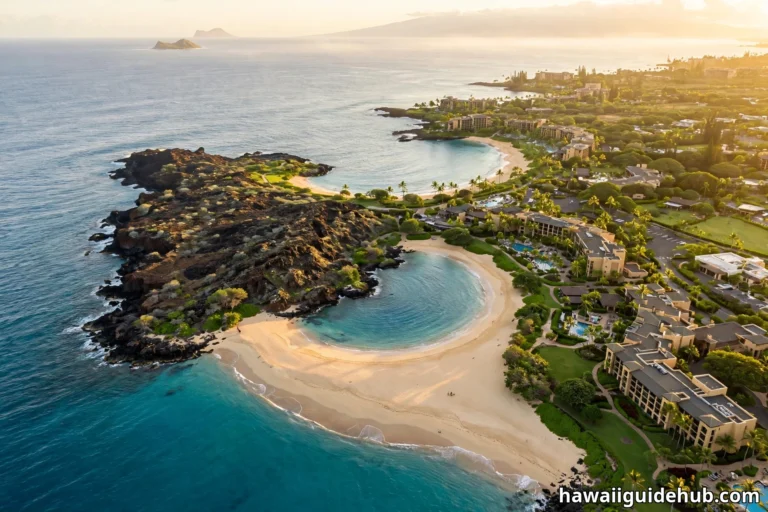
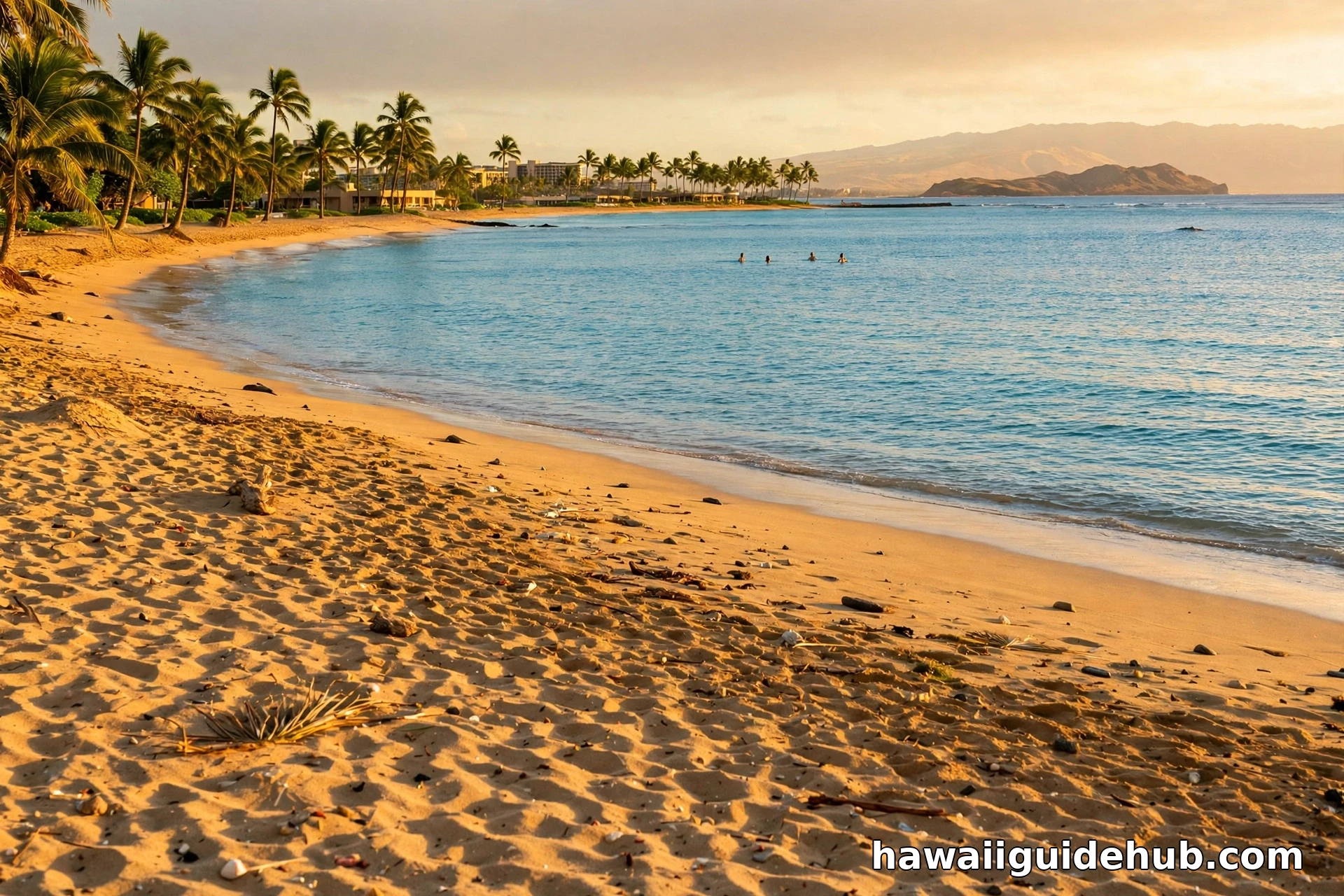
Maui wins the classic beach contest, and it is not close. Kāʻanapali, Wailea, Mākena, Kapalua, and Nāpili form a chain of long, golden, swimmable beaches with calm morning water, easy snorkeling at the rocky ends, and resorts and beach parks strung along them. Molokini Crater, a crescent islet offshore, adds some of the clearest snorkeling water in the state. For travelers whose perfect day is breakfast, beach, snorkel, sunset, repeat, Maui is purpose built. Our guide to Maluaka Beach on Maui shows the quieter end of that South Maui beach chain.
The Big Island answers with beaches Maui cannot match for drama. Punaluʻu offers black sand and basking sea turtles. Papakōlea, reached by a hike of about 2.5 miles each way near South Point, is one of the world’s rare green sand beaches, colored by olivine crystals. Hāpuna Beach delivers the island’s best classic white sand strand, while rocky Kona coast entries lead to superb snorkeling at places like Kealakekua Bay. What the Big Island cannot offer is Maui’s density of easy swimming beaches, and some of its famous shores, including green sand beach at Papakōlea, are for looking and careful wading rather than carefree swimming. Maui also holds an edge in winter whale watching: humpback whales gather in the sheltered channels around Maui each winter, roughly December through April, in some of the largest concentrations in the state.
Signature Experiences Only One Island Has
Some experiences exist on exactly one of these islands. The Big Island owns the night snorkel with manta rays off the Kona coast, where plankton drawn to lights brings giant rays looping beneath swimmers, an encounter described in our guide to the manta ray night snorkel in Kona. It owns Mauna Kea, at 13,803 feet the tallest mountain on earth measured from its base on the ocean floor, with stargazing at the visitor station at 9,200 feet. And it owns Kona coffee country, the Hilo waterfalls, and the rainy, botanical east side.
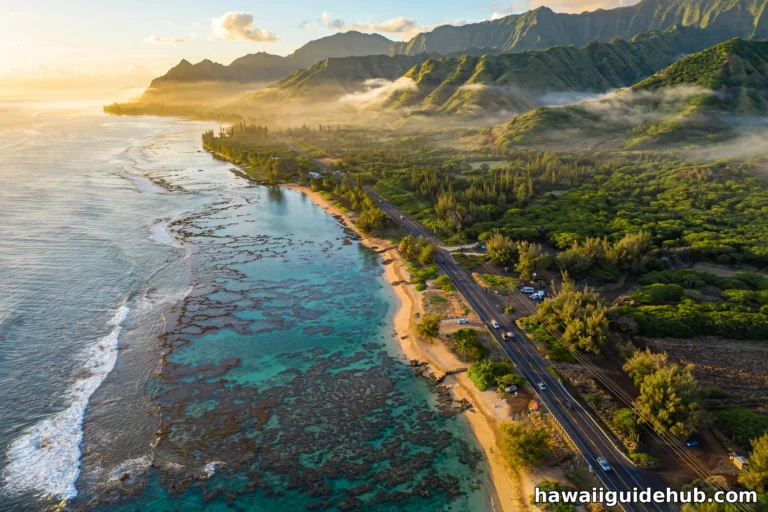
Maui owns the Road to Hāna, a full day of curves, waterfalls, and rain forest ending at black sand coves like the one in our Maui black sand beach guide, plus the Upcountry towns, ʻĪao Valley, and the island’s deep bench of beachfront dining. Our Road to Hāna guide covers how to drive it well. West Maui is still shaped by the August 2023 wildfire that destroyed much of historic Lahaina town; resorts in Kāʻanapali have reopened, the town itself is rebuilding, and visitors are asked to be patient and respectful in the area. Neither island has a monopoly on beauty. They simply specialized.
Weather: Two Islands, Many Climates
Both islands split into a dry leeward side and a wet windward side, and both keep their resort coasts on the dry side: Kona and the Kohala Coast on the Big Island, Kāʻanapali and Wailea on Maui, each averaging warm days in the 80s Fahrenheit with trade wind relief. The difference is scale and range. The Big Island packs an unusual number of climate zones into one island, from Hilo’s rain forest, where annual rainfall runs around 130 inches, to the alpine summit of Mauna Kea, where snow falls in winter and temperatures drop below freezing. Maui’s range is gentler: a wet Hāna coast, a dry resort belt, and a cold summit at Haleakalā where sunrise visitors bundle up in winter jackets. Pack layers on both islands. Pack a rain jacket and a sweater for the Big Island, and expect to actually use them.
Towns, Food, and Evening Life
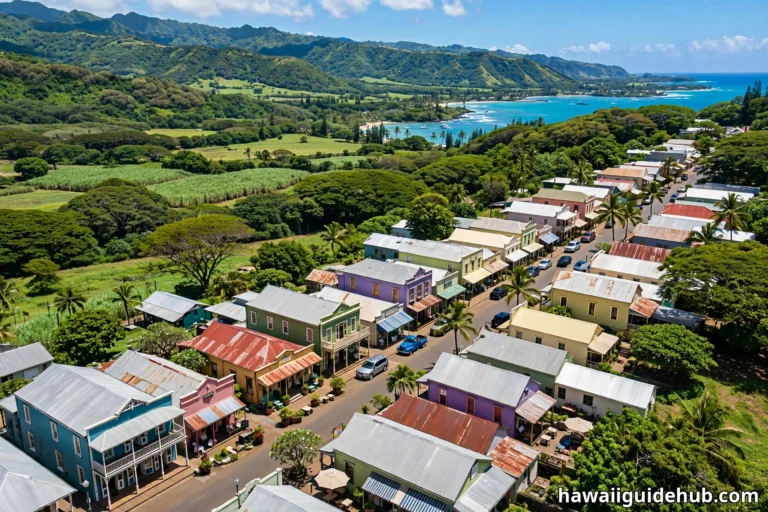
Maui has the deeper dining scene, especially around Wailea, Kīhei, and Pāia, and its resort areas keep restaurants, shops, and beach paths busy into the evening. The Big Island counters with character: Kailua-Kona’s seaside strip, Hilo’s old plantation era storefronts and farmers market, and small upcountry towns like Waimea and Honokaʻa where the food is local and the pace is slow. Nightlife is modest on both islands by city standards. Maui edges ahead for resort entertainment and dining variety; the Big Island wins for travelers who prefer a plate lunch, a farmers market, and an early night before a big day outside.
Cost: Where Your Budget Goes Further
Maui consistently posts the highest hotel rates in Hawaii in Hawaii Tourism Authority data, and its resort dining follows the same pattern. The Big Island usually runs lower for comparable lodging, with a wider spread from budget friendly condos and small inns to luxury Kohala Coast resorts. Both islands effectively require a rental car. Airfare can tilt either way: Kahului (OGG) receives many mainland nonstop flights, while the Big Island splits arrivals between Kona (KOA), near the resorts, and Hilo (ITO), near the volcano. Park fees are a wash, $30 per vehicle on each island. For most trips, the same week costs noticeably less on the Big Island, and the savings grow the further you stay from the big resort strips.
How Many Days, and Can You Do Both?
Give Maui at least four days and ideally five to seven, enough for a Road to Hāna day, a Haleakalā day, and real beach time. Give the Big Island five to seven days minimum, because the island punishes rushing: the volcano and the Kona beaches are two hours apart before you stop anywhere. With a week or less, choose one island and do it properly. With ten days or more, both islands pair beautifully, and the hop between them is a short interisland flight, roughly 30 to 45 minutes in the air between Kahului and Kona or Hilo. Split the trip with more days on the Big Island, since it needs them.
Video: Comparing Hawaii’s Islands
Watch island personalities compared side by side before you commit to one.
Frequently Asked Questions
Is Maui or the Big Island better for a first trip to Hawaii?
For most first timers, Maui is the easier yes: the beaches are swimmable everywhere, the drives are short, and the classic Hawaii postcard is right outside the hotel. Choose the Big Island first if volcanoes, waterfalls, and wild landscapes matter more to you than resort polish, and you are happy to drive for them.
Which island has better beaches?
Maui has better beaches for swimming, with more long golden strands, calmer entries, and better beach infrastructure. The Big Island has more unusual beaches: black sand at Punaluʻu, green sand at Papakōlea, and excellent snorkeling coves on the Kona coast. Better depends on whether you want to swim all day or see sand colors found almost nowhere else.
Which island is cheaper, Maui or the Big Island?
The Big Island is usually cheaper. Maui records the highest average hotel rates in the state, while the Big Island offers a wider range of lodging prices and more low key dining. Rental cars, groceries, and park fees are similar on both.
Can you see an active volcano on Maui?
No. Haleakalā last erupted centuries ago and is considered dormant. Active volcanism is a Big Island experience, centered on Kīlauea and Mauna Loa in and around Hawaiʻi Volcanoes National Park, and whether you see flowing lava depends on the eruption activity during your visit.
How many days do you need for both islands?
Plan on at least ten days to do both islands well, with roughly six on the Big Island and four on Maui. Interisland flights take about 30 to 45 minutes, but airport time still eats half a day, so fewer total days means choosing one island instead.
There is no wrong answer in this comparison, only a wrong match. Maui hands you the Hawaii of the postcards, refined over decades into the easiest great beach vacation in the state. The Big Island hands you a younger, bigger, stranger Hawaii, where the land is still being built and every region feels like its own small country. Decide what kind of days you want to have, and the island chooses itself.