Why Is Hawaii a Good Place to Visit?

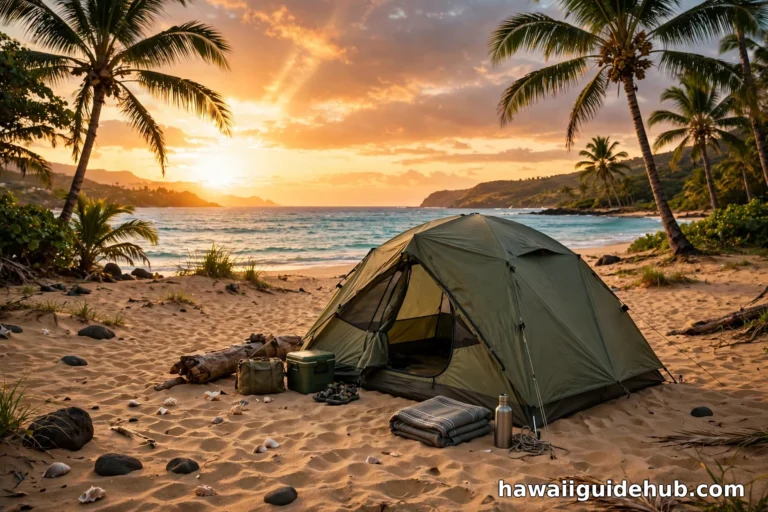
Ask a room of travelers to name the trip they still talk about years later, and Hawaii comes up with a regularity that no marketing budget can buy. That reputation is not an accident, and it is not just about beaches. Hawaii is a good place to visit because several rare things stack on top of each other in one destination: a tropical climate that works in every month, landscapes that change completely from one island to the next, an ocean culture that shaped modern surfing, a living Native Hawaiian culture, and, for American travelers, all of it without a passport, a currency exchange, or a language barrier.
This page is the single complete answer to why Hawaii is a good place to visit. It covers the weather, the beaches and outdoors, the food, the culture, and the practical side honestly, including the one real drawback, cost, and how to judge whether Hawaii is worth it for your trip. The goal is not to sell the islands. It is to explain them well enough that you can decide with clear eyes.
The Short Answer: Six Reasons Hawaii Works
| Reason | What it means in practice |
| Year round warmth | Coastal daytime highs usually sit between the upper 70s and upper 80s Fahrenheit in every month |
| Variety in one trip | Volcanoes, rainforest valleys, dry resort coasts, and a real city, all inside one state |
| The ocean | Warm water all year for swimming, snorkeling, and the birthplace of modern surfing |
| Living culture | Native Hawaiian language, hula, and traditions you encounter as part of daily life |
| Easy logistics for US travelers | No passport, US dollars, English everywhere, domestic flights |
| Safety and infrastructure | US standards for roads, hospitals, and lifeguarded beaches |
Weather That Rarely Ruins a Plan
Hawaii sits in the tropics, just south of the Tropic of Cancer, and its coastal weather is famously steady. According to NOAA climate normals, Honoluluʻs daytime highs average in the low 80s in the coolest months and the upper 80s in the warmest, with overnight lows that rarely fall below the mid 60s at sea level. The ocean stays swimmable all year, generally between the mid 70s and low 80s Fahrenheit. Trade winds from the northeast do the quiet work: they keep humidity comfortable and carry most showers onto the windward coasts, while the leeward sides, where most visitors stay, remain sunny and dry.
This steadiness changes how a trip feels. In many beach destinations you gamble a week of vacation on a season. In Hawaii, the main seasonal questions are gentler ones, such as whether you want humpback whales in winter or the calmest snorkeling in summer. Our month by month guide to March in Hawaii shows the pattern in detail, and the rainfall guide to when it rains in Hawaii explains the windward and leeward split that keeps the resort coasts dry.
Landscapes That Refuse to Repeat Themselves
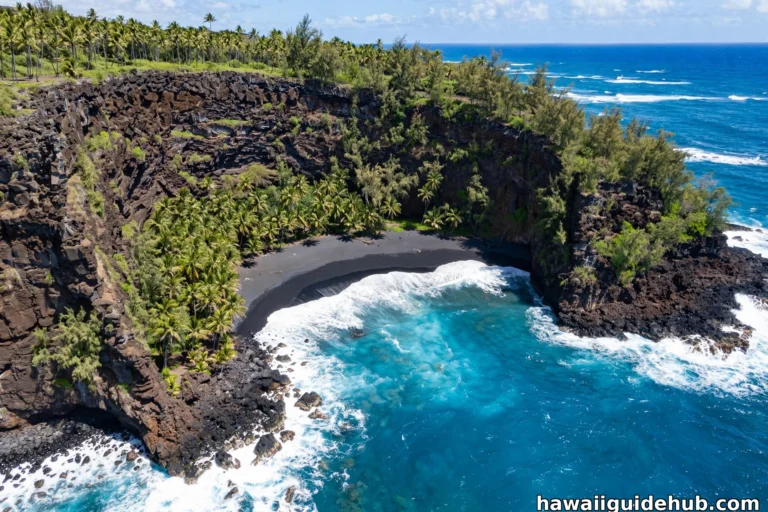
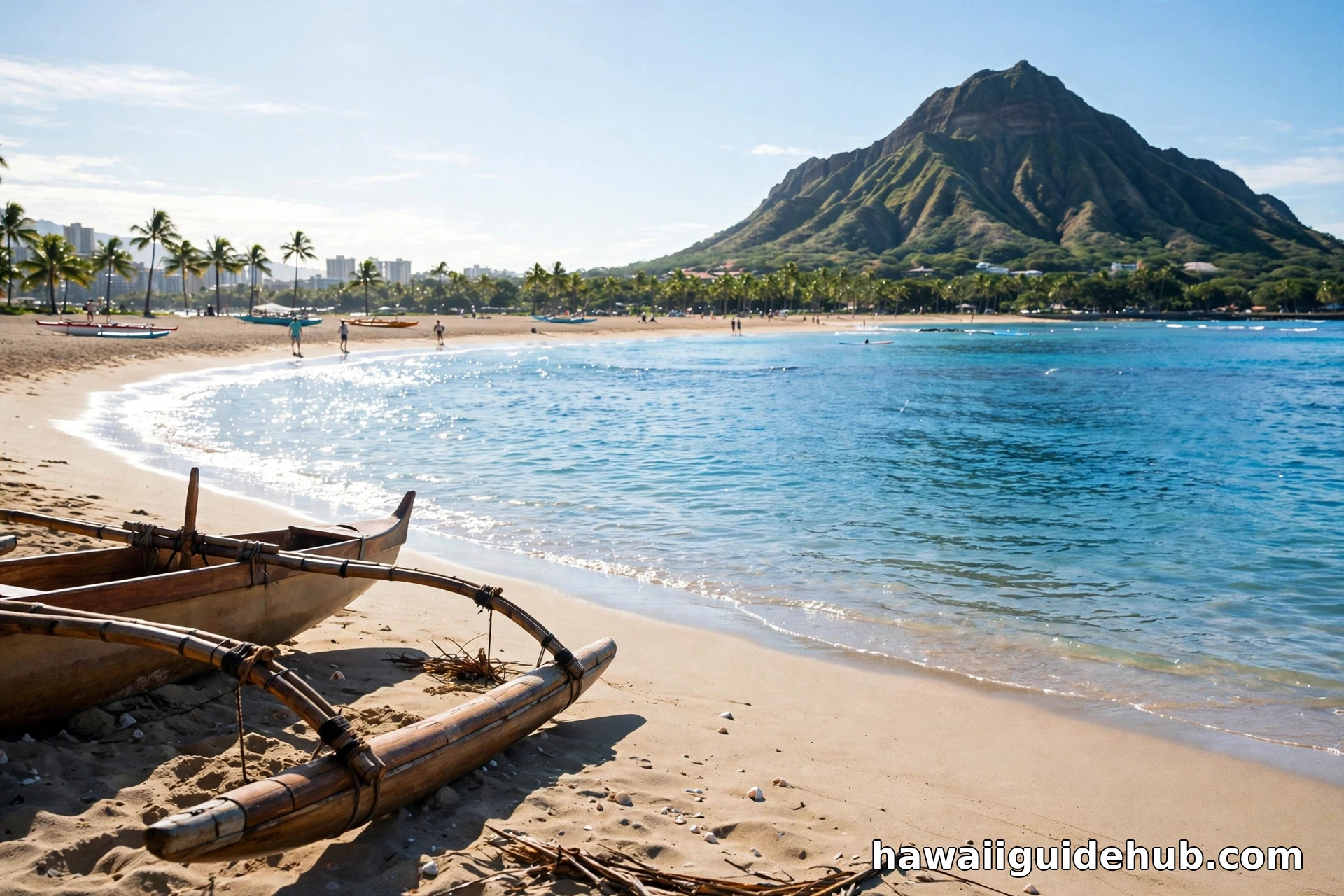
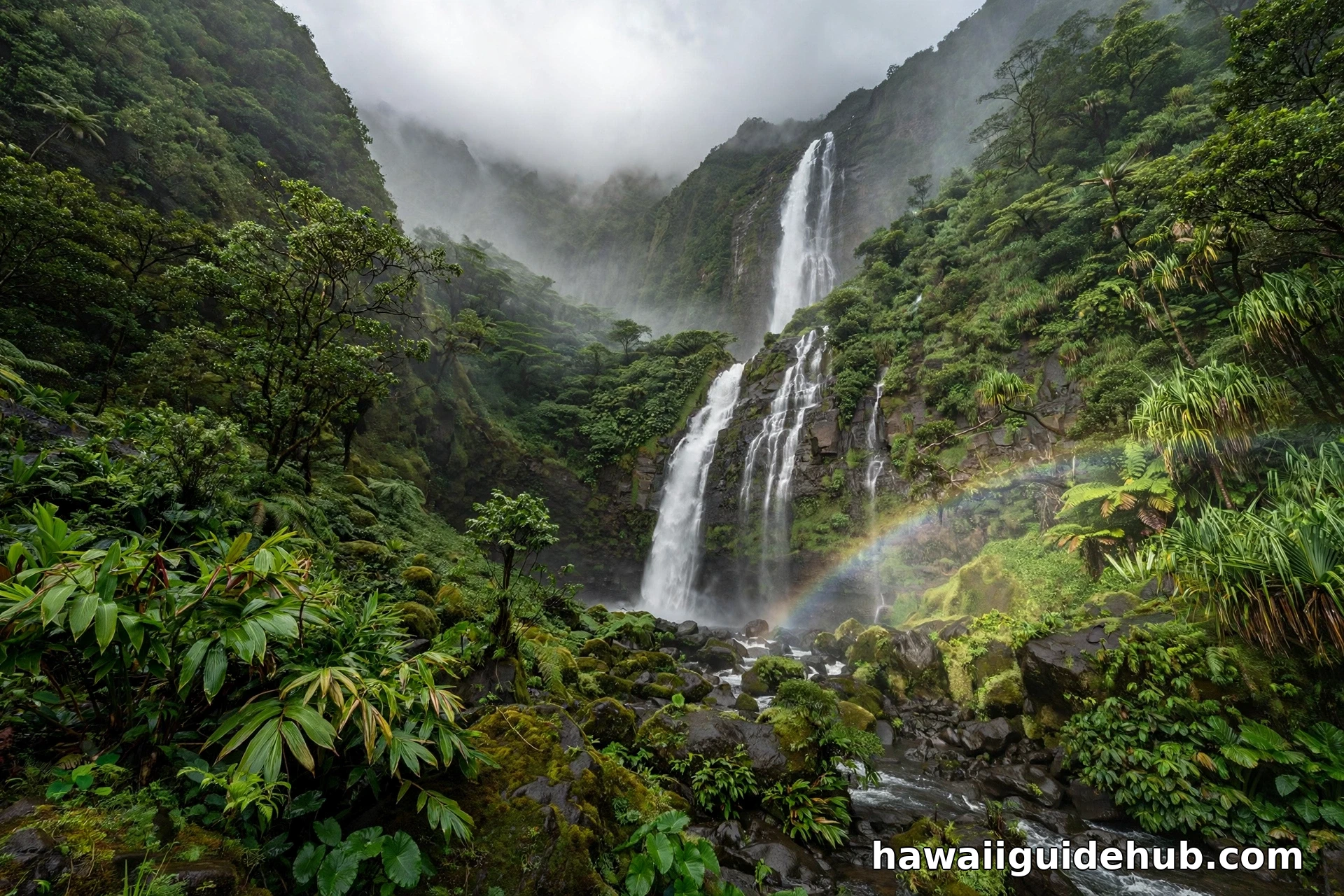
Hawaii is the only US state made entirely of islands, and each major island has its own personality. Oʻahu pairs a genuine city, Honolulu, with legendary surf coasts. Maui mixes resort beaches, the winding Road to Hana, and the vast crater of Haleakalā. Kauaʻi is the green, older island of cliffs, valleys, and waterfalls. Hawaiʻi Island, the Big Island, is still growing, with active volcanoes inside Hawaiʻi Volcanoes National Park, black sand beaches, and snow occasionally capping Mauna Kea in winter. Travelers who cannot decide where to start will find our comparison of the best island in Hawaii for first time visitors useful.
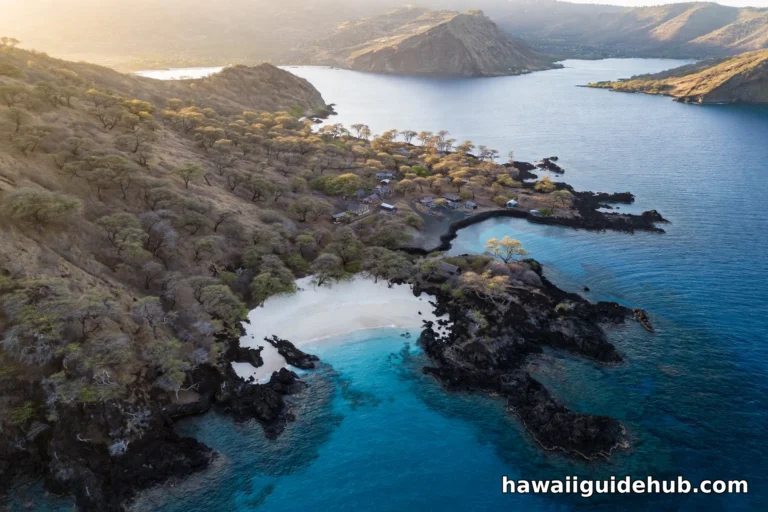
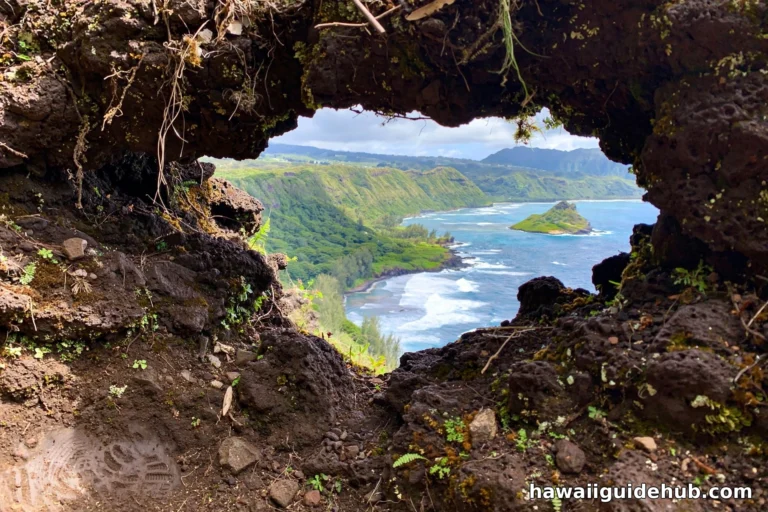
The variety exists inside single islands, too. On the Big Island you can stand in a rainforest in the morning and on a dry lava field by lunch. On Oʻahu you can surf at dawn, walk a museum by noon, and hike a ridge above the city before dinner. Few destinations compress that range into drives this short, and it is the main reason repeat visitors keep returning: the second trip can feel completely different from the first without leaving the state.
The Ocean Is the Main Event
Modern surfing was developed in Hawaii, and the islands still set the standard for ocean life. Waikikiʻs gentle, rolling break is where generations of beginners have stood up for the first time, in the same waters where Olympic champion Duke Kahanamoku popularized the sport. Beyond surfing, warm and generally clear water supports snorkeling over coral reefs with green sea turtles, winter whale watching when humpback whales migrate from Alaska to breed and calve in the sheltered channels, and paddling, sailing, and fishing cultures that are working traditions, not staged attractions.
The ocean here also commands respect, and Hawaii is honest about it. Many popular beaches are lifeguarded, surf and hazard warnings are posted daily, and the state runs clear guidance on rip currents and seasonal shore break. A good Hawaii trip builds that respect in from day one: swim at lifeguarded beaches, check conditions, and treat winter north shore surf as a spectator sport. That balance of access and candor is part of why families return with children year after year, a pattern reflected in our guide to the best Hawaiian island for kids.
A Living Culture, Not a Theme
Hawaii is a good place to visit because it is a real place with a real culture, not a backdrop. Hawaiian is an official state language alongside English, and you will hear it in place names, music, and daily greetings. Hula, chant, and storytelling carry genealogies and history. Concepts such as aloha and ʻohana shape how people treat land, family, and guests, and visitors who learn even a little of that context tend to describe their trip differently afterward: less like a resort stay, more like being welcomed into someoneʻs home. Our background reads on Hawaii facts and island traditions are a good place to start before you go.
History is equally present. You can walk Pearl Harborʻs memorials, tour ʻIolani Palace, the only royal palace on US soil, and stand at heiau and fishponds that predate the United States by centuries. That depth is something a purely scenic destination cannot offer, and it rewards travelers who give the culture a day or two of their itinerary rather than treating it as decoration between beach sessions.
Food That Tells the Immigration Story
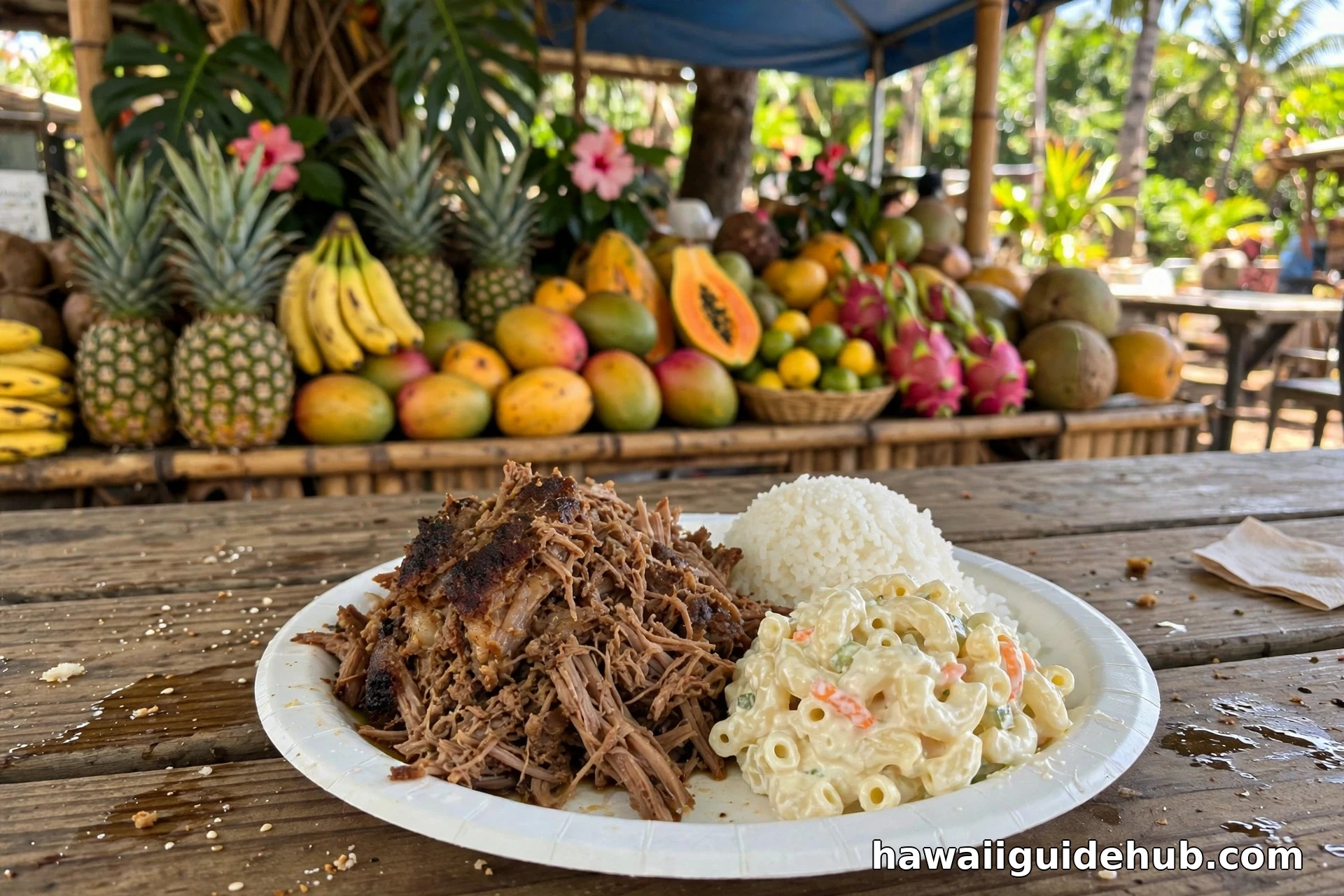
Hawaiian food is a delicious record of everyone who came to the islands. Native Hawaiian staples such as poi, kalua pork, and lomi salmon share the table with Japanese, Chinese, Filipino, Portuguese, Korean, and mainland influences. The plate lunch, rice, macaroni salad, and a generous portion of meat, is the working meal that plantation era cultures built together. Poke, shave ice, malasadas, and saimin each carry a chapter of that story, and farmers markets pile up fruit most visitors have never tasted fresh: lilikoi, apple bananas, mango, and papaya among them. Eating locally is one of the easiest ways to spend money that stays in the community.
The Practical Side: Easy in the Ways That Matter
For US citizens, Hawaii is a domestic trip, as our guide to whether you need a passport to fly to Hawaii explains: no passport, no visa paperwork, no currency conversion, and your phone plan simply works. Nonstop flights reach Honolulu and the neighbor islands from many West Coast cities in about five to six hours, with interisland flights of under an hour connecting the islands. Roads, tap water, hospitals, and emergency services meet US standards, and the time zone, Hawaii Standard Time, sits far enough behind the mainland that early risers get the islands to themselves each morning.
Is Hawaii Worth the Cost? An Honest Answer
Hawaii is not a cheap destination, and pretending otherwise helps no one. Nearly everything is shipped or flown in, land is limited, and demand is global, so lodging, rental cars, and restaurant meals usually cost more than mainland equivalents. Travelers asking whether Hawaii is a good vacation spot often mean exactly this: is it good enough to justify the price? The honest answer is that the value is real but it depends on how you travel. Costs drop outside peak holiday periods, as our guide to the cheapest time of year to visit Hawaii shows, and the islandsʻ best assets, beaches, hikes, viewpoints, and ocean, are public and free.
Where the money goes furthest: spend on location and a few memorable meals, save on everything the ocean gives away for free. A sunrise hike, a lifeguarded beach, and a plate lunch from a local spot deliver more Hawaii than most paid attractions.
For many travelers the math also improves with trip length and grouping. A weeklong stay lets a single interisland flight and a weekly rental rate work harder, and a rough Hawaii itinerary planned around one or two islands avoids the hidden cost of constant moving. Judged that way, Hawaii stops being an expensive version of a generic beach trip and becomes what it actually is: several distinct destinations and a distinct culture, reached on one domestic ticket.
Who Hawaii Suits, and Who Might Skip It
Hawaii suits beach lovers who also want substance: hikers, snorkelers, surfers, history readers, photographers, families, honeymooners, and anyone who likes their scenery with a culture attached. It is a weaker fit for travelers who want nightlife above all else, who need a bargain above all else, or who dislike flying, because there is no way around the long flight over open ocean. Knowing that fit in advance is the simplest predictor of whether someone comes home calling Hawaii the best trip they have taken or an expensive week at the beach.
Video: The Hawaii Most Visitors Miss
This travel documentary moves across all four major islands, past the postcard views into the valleys, volcanoes, and cultural sites that make the case better than any brochure.
Frequently Asked Questions
Why is Hawaii such a popular place to visit?
Because it stacks advantages that usually require separate trips: tropical weather in every month, several distinct island landscapes, warm ocean and surf culture, a living Native Hawaiian culture, and, for US travelers, domestic simplicity with no passport or currency exchange.
Is Hawaii a good place to vacation for families?
Yes. Lifeguarded beaches, gentle bays for first snorkeling, farms, aquariums, and national parks give families range, and the infrastructure is built for multi generation trips. Choosing the right base island matters most, which is why families often start with the island comparison linked above.
Is going to Hawaii worth it if I have been to other beach destinations?
For most travelers, yes, because the comparison is misleading. Caribbean and Mexican beach trips rarely include active volcanoes, Polynesian culture and language, US national parks, and four genuinely different islands on one ticket. If beaches alone are the goal, cheaper options exist. If range is the goal, Hawaii is hard to match.
What is the best month to visit Hawaii?
There is no bad month, only trade offs. Late spring and early fall often combine warm ocean, smaller crowds, and steadier prices. Winter brings whales and big surf on north shores along with more rain on windward coasts. Summer brings the calmest water on many shores and the busiest family season.
How many days do you need in Hawaii?
Five days works for one island. Seven to ten days suits one island in depth or two islands at a comfortable pace. Shorter trips are possible but the long flight eats a larger share of the value, which is why many repeat visitors plan a week or more.
Is Hawaii safe for visitors?
Hawaii is generally a safe destination with US standard emergency services. The realistic risks are natural ones: strong currents, shore break, sun exposure, and trail hazards. Swim at lifeguarded beaches, heed posted warnings, and prepare for hikes as you would anywhere, and the safety picture is a strong one.
In the end, Hawaii is a good place to visit for a simple reason: it gives back in proportion to what you bring to it. Come only for a beach and you will still get a fine one. Come curious about the volcanoes, the language, the food, and the people, and the islands keep unfolding long after the flight home, which is exactly what a good destination is supposed to do.