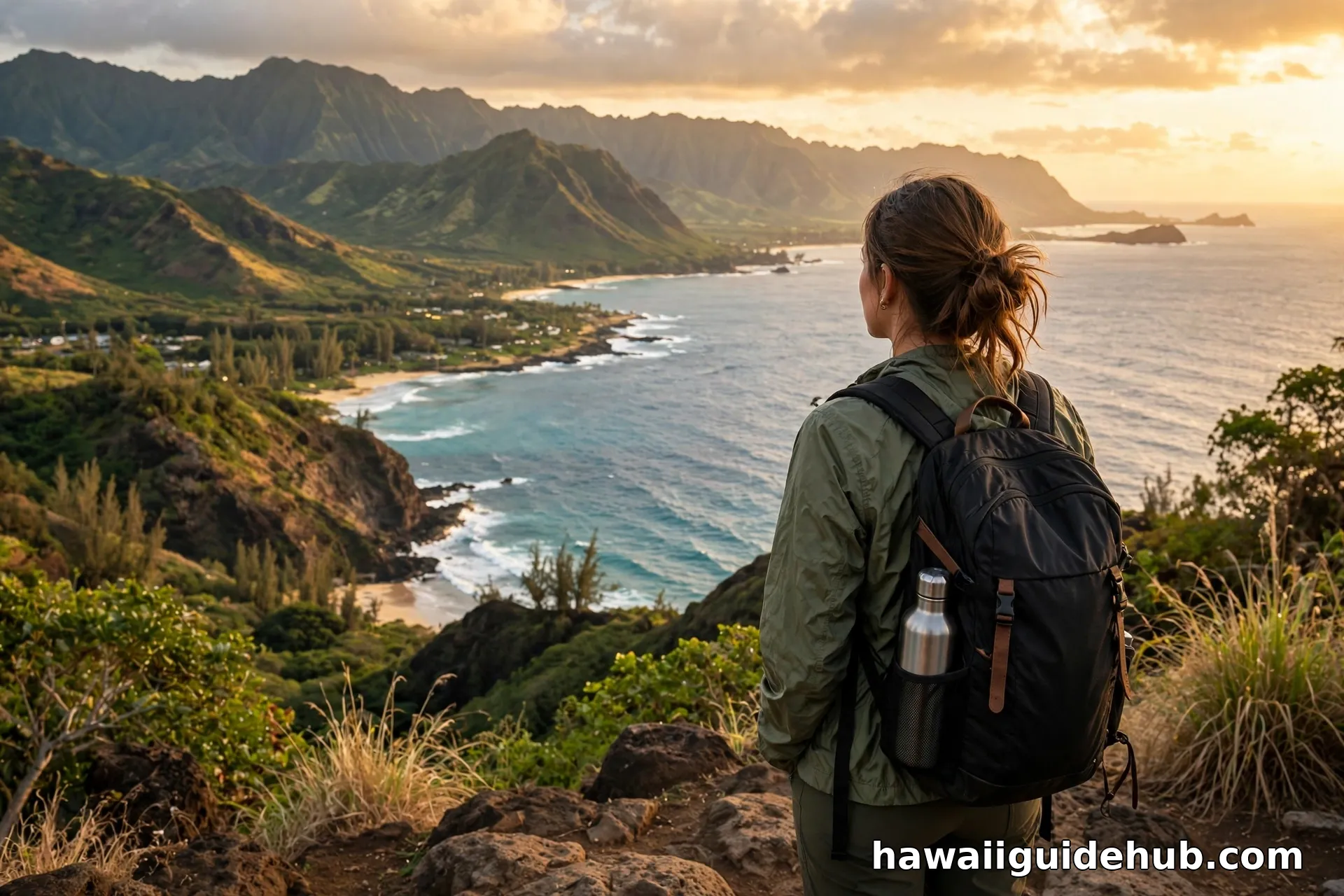
Oahu for Solo Travelers

Oʻahu is truly one of the easiest places in the world to travel alone. It has the infrastructure of a city, the scenery of a postcard, and a pace that lets you be as social or as solitary as you want. Solo travelers get the best of both worlds here: you can hike a ridge at sunrise with only seabirds for company, then eat dinner at a counter surrounded by people doing exactly the same thing. This guide covers everything about visiting Oʻahu solo: where to stay, what to do, how to get around, safety, and the little details that make a solo trip great.
Why Oʻahu Is Great for Solo Travelers
| The worry | The reality |
| Getting around alone | Easy: TheBus covers the island, Waikīkī is walkable, rentals are simple |
| Safety | Low violent crime; standard city awareness applies |
| Meeting people | Hostels, group tours, surf lessons, and the food scene do the work |
| Eating alone | Counters, food trucks, poke shops, and plate lunch spots are built for it |
| Where to base | Waikīkī for first-timers; Kailua for a quieter vibe |
Oʻahu works for solo travel because nothing here requires a companion. The island’s best experiences, hiking, snorkeling, beach days, scenic drives, food exploration, are all perfectly enjoyable alone, and some are better that way. The bus system actually reaches the trailheads and beaches, which is rare for an island destination. English is universal, the culture is welcoming to strangers, and Waikīkī’s density means you are never far from people, food, or help. If you are weighing islands, our first-time visitor guide compares Oʻahu with the others.
Best Time to Visit Oʻahu Solo
Solo travelers get the most from Oʻahu in the shoulder seasons, April-May and September-October, when the weather is warm, the crowds are thinner, and hostel dorms and hotel rooms are cheaper. Summer brings peak energy and peak prices; winter brings big surf and whale season but also rain and crowds. Traveling solo in the quieter months has a practical bonus: it is easier to get a bar seat, join a last-minute tour, or snag a hostel bed without booking far ahead. If your dates are flexible, aim for the shoulders; if not, Oʻahu works year-round, since the island never really has a bad month.
Solo Mistakes to Avoid
A few mistakes catch solo visitors every year. First, underestimating the sun: the UV index is brutal, and a solo traveler with no one to remind them re-applies sunscreen ends up lobster-red on day one. Second, leaving valuables in the car at trailheads; break-ins are the island’s most common visitor crime. Third, hiking alone on remote or advanced trails without telling anyone; stick to popular trails or share your plan. Fourth, trying to do the whole island in two days; Oʻahu rewards a slower pace, and rushing means you experience the traffic instead of the island. Fifth, skipping the windward side; many Waikīkī-bound visitors never see Lanikai or Kailua, which is a genuine loss.
Where to Stay Solo on Oʻahu
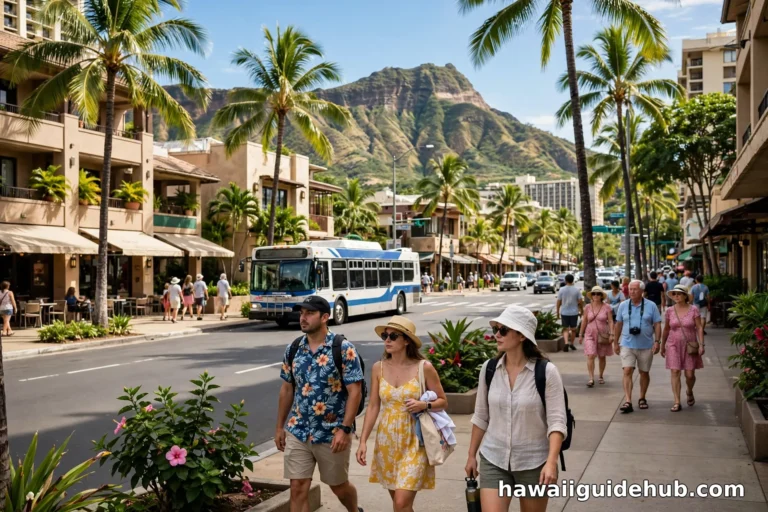
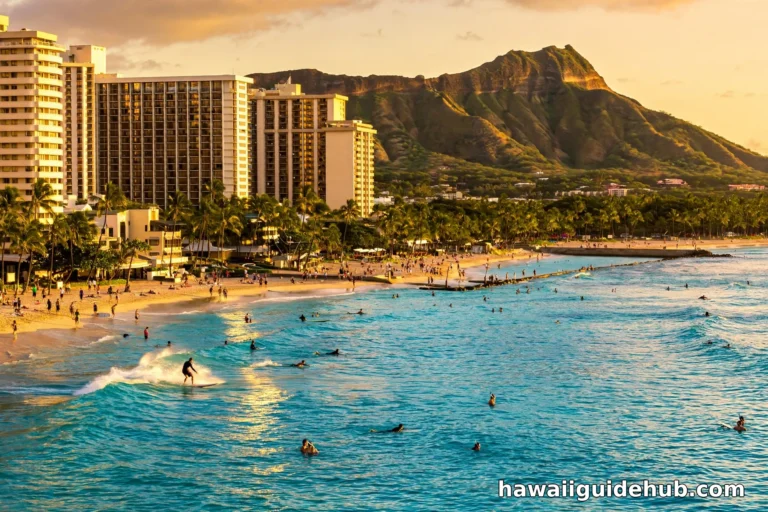
For a first solo trip, stay in Waikīkī. It is walkable, dense with restaurants and shops, well-lit at night, and served by every tour shuttle on the island. Hostels in Waikīkī are the social option: dorm beds are cheap, common areas make meeting people effortless, and organized activities give your days structure. Mid-range hotels along the beach offer a quieter base with the same convenience, and many have single-occupancy rates if you ask. If you want calm, Kailua on the windward side is the move: a real town with great beaches, excellent food, and a slower rhythm, though you will want a car or be comfortable on the bus. Avoid booking anywhere that requires a long dark walk from the bus stop; in Waikīkī this is rarely an issue, but on the outskirts check the map.
Getting Around Alone
You do not need a car on Oʻahu, which is one of the island’s great solo advantages. TheBus, the island’s public bus system, reaches Hanauma Bay, the North Shore, Kailua, and most trailheads for a few dollars a ride, and the routes are straightforward. In Waikīkī itself, everything is on foot. That said, a rental car transforms a solo trip: you can chase sunrise at Lanikai, pull over at every North Shore lookout, and eat at shrimp trucks on your own schedule. Solo drivers should know that parking at popular trailheads fills early, so start hikes by 7 a.m. Rideshares work well for evenings out. If you are nervous about driving alone in a new place, spend the first two days car-free in Waikīkī, then rent for the day-trip days.
Best Solo Activities on Oʻahu
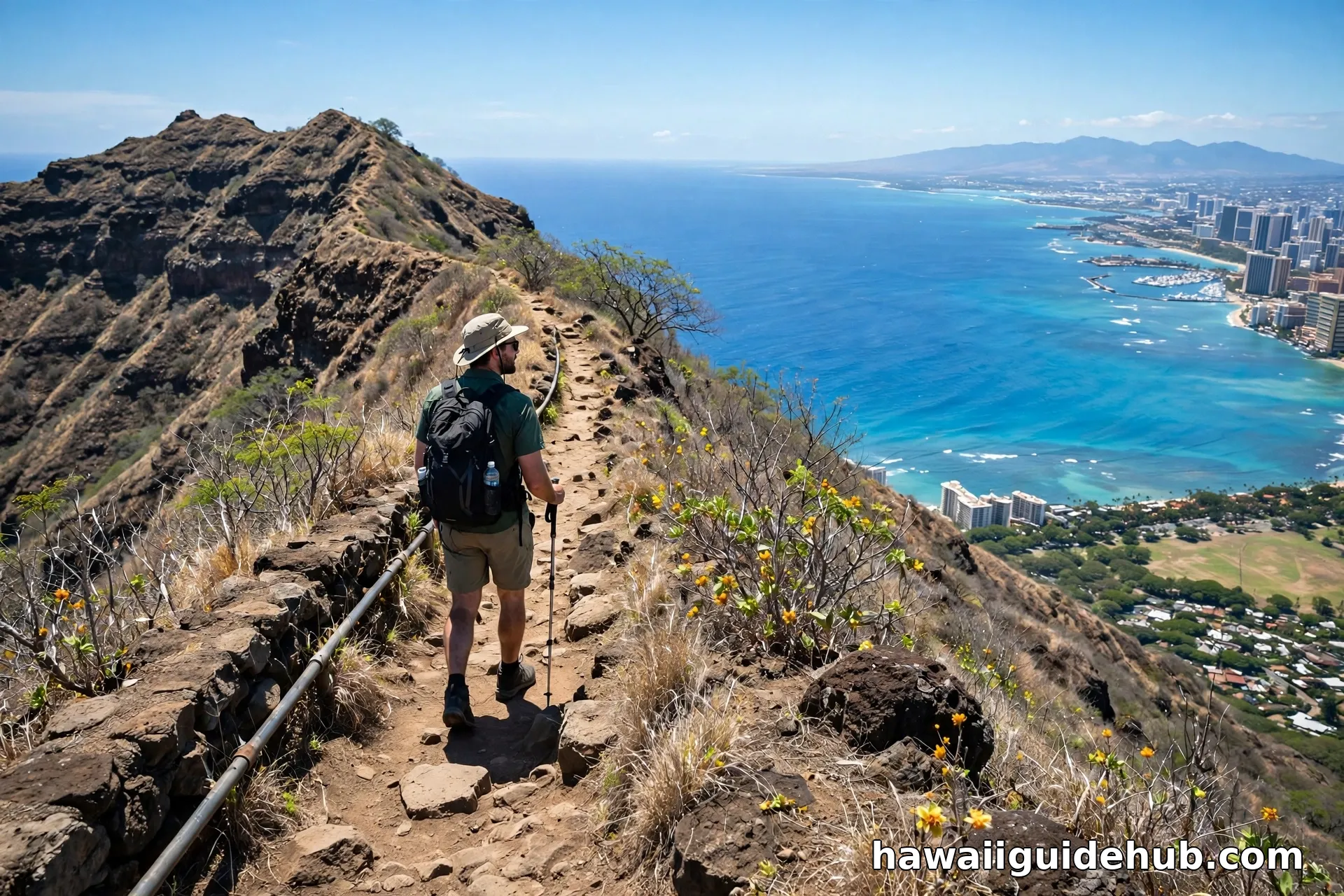
Hiking is the solo traveler’s superpower on Oʻahu, and Diamond Head is the essential first hike: a 1.6-mile round trip with a sunrise payoff, crowded enough to feel safe, spectacular enough to justify the early alarm. Book your reservation ahead; the park now requires timed entry. Mānoa Falls is the other must-do, a lush 1.6-mile rainforest walk to a 150-foot waterfall that feels like a different island. For a bigger challenge, Koko Crater’s 1,048 railroad-tie stairs are a brutal, beloved workout with panoramic payoff, and the Makapuʻu Lighthouse Trail is a paved, easy sunrise walk. Tell someone your hiking plan and expected return, carry more water than you think you need, and start early; the trails are busiest and safest in the morning.
Beaches for One
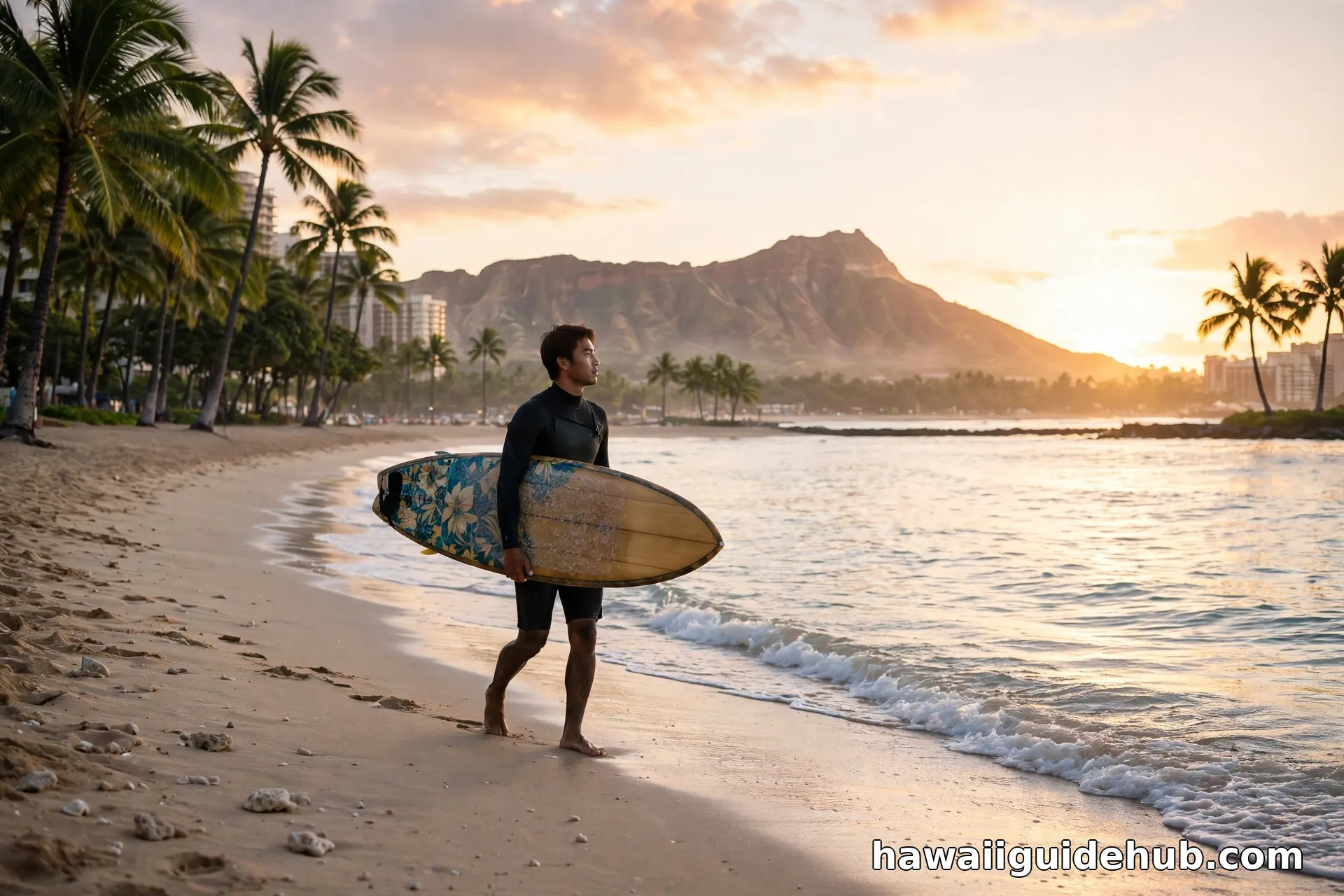
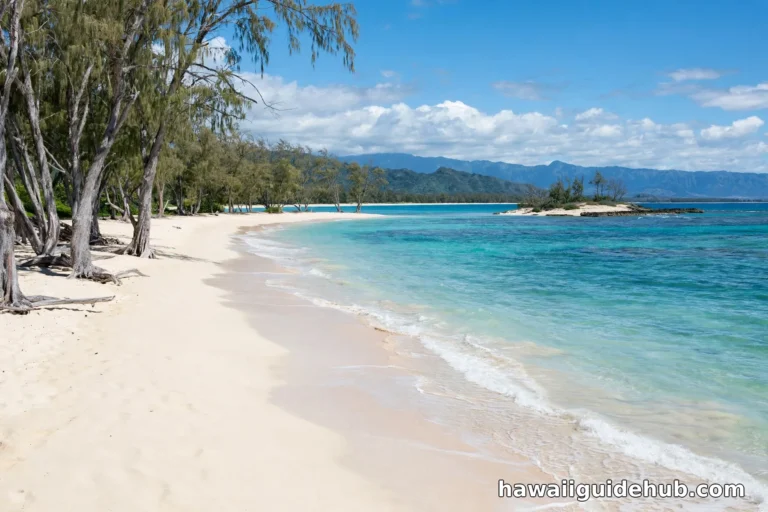
Solo beach days are simple: pick beaches with lifeguards, shade options, and people around. Waikīkī is the obvious choice, with calm water, surf schools, and endless people-watching. Kailua Beach and Lanikai are the prettiest, with powder sand and turquoise water, best on weekday mornings before the crowds. Waimānalo is the local favorite, long, uncrowded, and gorgeous. For snorkeling alone, stick to Hanauma Bay or the protected lagoons at Ko Olina, where the water is calm and lifeguards are present. Never snorkel alone at an exposed or unfamiliar spot, and never turn your back on the ocean on the North Shore in winter. The rule for solo ocean time is the same as everywhere: swim where others swim.
Eating Solo: Oʻahu’s Food Scene
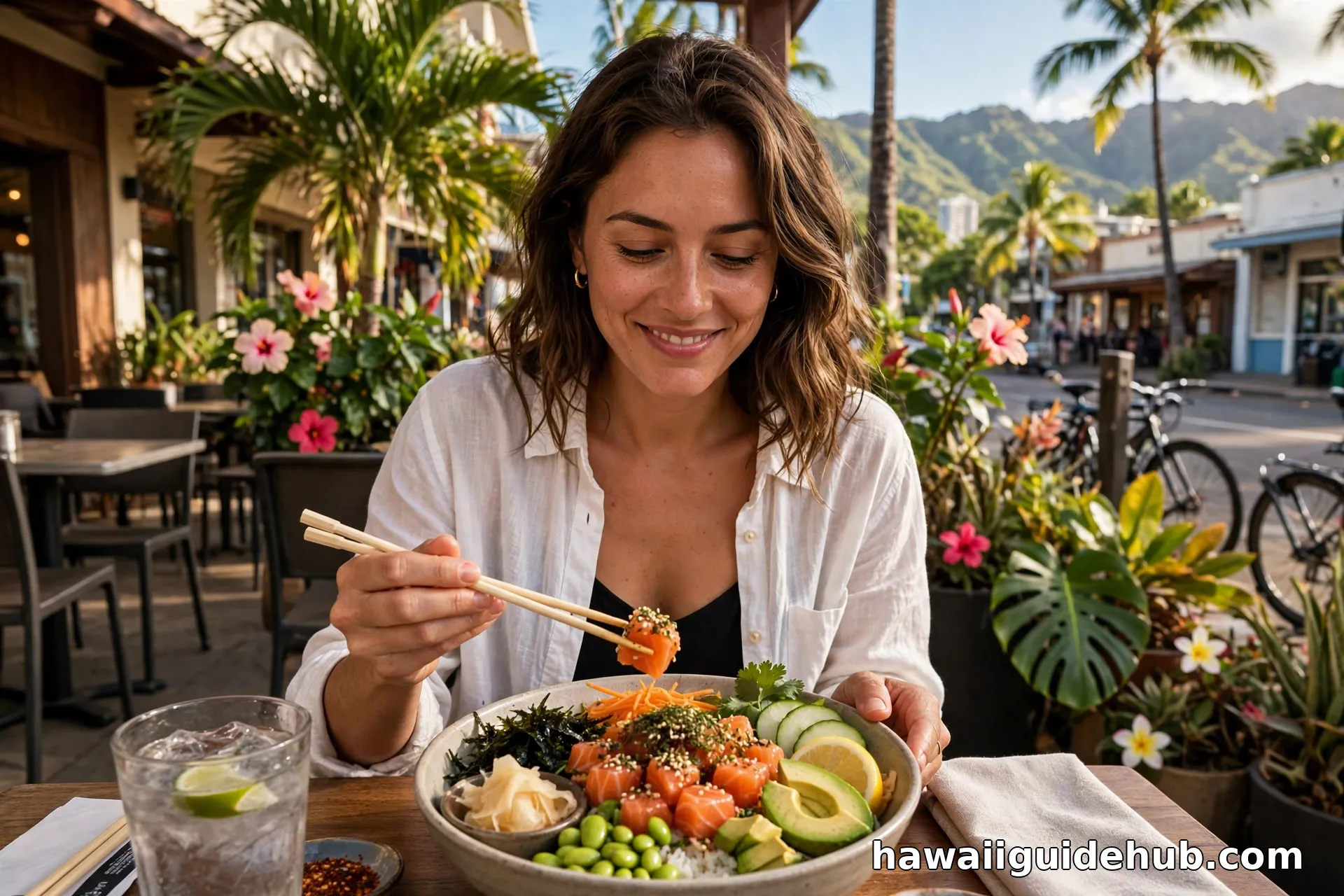
Oʻahu is one of the best food cities in America for eating alone, because so much of the best food is counter food. Poke bowls, plate lunches, shave ice, malasadas, and shrimp trucks are all grab-and-go by nature; nobody blinks at a solo diner. Sit at the counter at a sushi spot, join the line at a famous poke shop, and treat food trucks as your dining room. For a sit-down solo dinner, Waikīkī’s restaurants are accustomed to single diners, and a bar seat is always comfortable. Our Hawaiian food guide maps the dishes worth seeking out, and the Oʻahu seasonal guide helps you plan around the weather.
Meeting People (If You Want To)
Solo does not have to mean solitary. Hostels run group activities, from bar crawls to surf lessons, that are built for meeting people. Group tours, the circle island tour, snorkel cruises, surf lessons, luau evenings, put you with fellow travelers for a day with zero awkwardness. Surf schools at Waikīkī are famously social; you will chat with your instructor and fellow beginners between waves. Farmers markets, especially the KCC Saturday market, are natural conversation spots. Sunset catamaran sails from Waikīkī are another easy win: a couple of hours on the water with music and a crowd of fellow travelers. And the trailhead small talk on a popular hike is a time-honored solo traveler tradition. The balance is yours to set: Oʻahu makes both solitude and company easy.
Safety Tips for Solo Travelers
Oʻahu is generally safe, but solo travelers should apply standard city sense. Stay in well-lit, populated areas at night; Waikīkī’s main strips are fine, but the beach parks and some downtown blocks get sketchy after dark. Never leave valuables visible in a rental car; break-ins at trailheads and beach parking lots are the most common crime affecting visitors. Lock the car, take your bag, or leave the trunk empty and visible. On hikes, tell someone your plan, carry a charged phone, and turn back if a trail feels wrong. In the ocean, respect the lifeguard warnings and never swim alone at remote spots. Trust your instincts; they are usually right.
Solo Budget Tips
Solo travel costs more per person, since you cannot split hotels and rental cars, but Oʻahu has ways to keep it reasonable. Hostel dorms are the cheapest beds on the island, and private rooms in hostels split the difference between dorms and hotels. TheBus is a few dollars versus $60-plus daily for a rental car; many solo travelers mix the two, using the bus for Waikīkī days and renting only for North Shore or windward day trips. Happy hours in Waikīkī cut food costs, and the island’s best cheap eats, poke bowls, plate lunches, musubi from convenience stores, are also its most beloved. Free activities are everywhere: beaches, hikes, sunsets, the Friday night fireworks at Waikīkī, window shopping on Kalākaua Avenue. A solo traveler who eats local and hikes daily can have a rich Oʻahu trip on a moderate budget.
Sample 5-Day Solo Itinerary
Day 1: Arrive, settle into Waikīkī, sunset swim, poke bowl dinner, Friday fireworks if the timing works. Day 2: Diamond Head at sunrise, Waikīkī beach and a beginner surf lesson in the afternoon. Day 3: Bus or drive to the windward side, Lanikai and Kailua Beach, lunch in Kailua town. Day 4: North Shore day trip, Haleʻiwa town, shrimp trucks, Waimea Bay, sunset at Sunset Beach. Day 5: Mānoa Falls in the morning, Bishop Museum or ʻIolani Palace in the afternoon, farewell dinner on the beach. This pace leaves room for spontaneity, which is the whole point of going solo: when the only schedule is yours, the best plan is a loose one.
Video: A Solo Weekend in Oʻahu
A solo weekend in Oʻahu: hikes, beach days, and a food guide.
Frequently Asked Questions
Is Oʻahu safe for solo travelers?
Yes. Oʻahu has low violent crime and is well set up for independent travelers. Apply standard city awareness: stay in populated areas at night, lock your rental car, and do not leave valuables visible at trailheads or beaches.
Is Oʻahu good for solo female travelers?
Yes. Waikīkī is busy and well-lit, the hiking trails are popular and social, and the service culture is welcoming. The usual solo precautions apply, but Oʻahu is one of the more comfortable US destinations for women traveling alone.
Do I need a car as a solo traveler on Oʻahu?
Not necessarily. TheBus reaches most major sights, and Waikīkī is walkable. A rental car adds freedom for day trips like the North Shore, but many solo travelers do the whole island car-free and have a great trip.
Where should a solo traveler stay on Oʻahu?
Waikīkī for first-timers: walkable, safe, social, and central. Hostels there are the best option for meeting people. Kailua suits travelers who want quiet and have transport sorted.
What is the best solo hike on Oʻahu?
Diamond Head for the classic sunrise hike, Mānoa Falls for rainforest, and Makapuʻu Lighthouse Trail for an easy paved walk. All are popular, well-marked, and safe to do alone in the morning.
Can you meet people traveling solo on Oʻahu?
Easily. Waikīkī hostels run social events, surf lessons and group tours are full of fellow solo travelers, and the island’s casual food and beach culture makes striking up conversations natural.
Oʻahu rewards the solo traveler with something rare: total freedom without any of the friction. Go where you want, eat what you want, change the plan at noon. Hike at sunrise, swim at noon, watch the sunset, eat poke at a counter at night. The island handles the rest, and you will fly home with the particular quiet confidence that only comes from navigating a beautiful place entirely on your own terms.