3-Day Oahu Itinerary

Three days on Oʻahu is a delicious problem: the island has a week’s worth of wonders, and you have 72 hours. The good news is that Oʻahu rewards a tight plan. The island is small, the highlights cluster neatly, and with early starts and a Waikiki base, you can stand on a volcanic crater at sunrise, pay respects at Pearl Harbor, and watch 30-foot North Shore surf all in one trip without feeling rushed.
This is a complete 3-day Oʻahu itinerary for first-time visitors. It covers where to base yourself, the reservations to book before you fly, a day-by-day plan (Waikiki and Diamond Head, Pearl Harbor and Honolulu, the North Shore), an east-side alternative day, where to eat along the way, practical tips for getting around, and answers to the questions planners ask most. Everything about spending three days on Oʻahu lives here on this one page.
3-Day Oʻahu Itinerary at a Glance
| Day | The plan | Book before you fly |
|---|---|---|
| Day 1 | Waikīkī and Diamond Head: sunrise crater hike, beach afternoon, sunset on the sand | Diamond Head reservations |
| Day 2 | Pearl Harbor and Honolulu: USS Arizona Memorial, downtown history, evening in Waikīkī | USS Arizona program tickets |
| Day 3 | North Shore: Haleʻiwa town, Waimea Bay, Banzai Pipeline, turtles at Laniakea | No booking needed; just an early start |
| Alternative Day 3 | East Oʻahu: Hanauma Bay snorkeling, Lanikai Beach, Makapuʻu Lookout | Hanauma Bay reservations |
| Base | Waikīkī, for walkable beaches, dining, and central access | Book early for the best-located stays |
| Getting around | Rental car for Days 2 and 3; Waikīkī itself is walkable | Reserve the car with the flight |
| Pace | Full but doable: early starts, one anchor sight per half day | Protect the afternoons |
| Best for | First-time visitors who want icons plus local flavor | This exact traveler |
Before You Go: Book These First
Oʻahu’s most popular sights now run on reservations, and the travelers who book early have a visibly better trip than the ones who wing it. Three bookings matter. Diamond Head State Monument requires online reservations for all non-residents, booked through the state’s Go Hawaii State Parks site: entry is $5 per person plus $10 per vehicle, the park is open 6 a.m. to 6 p.m. with last entry at 4:30 p.m., and walk-ins are turned away. Hanauma Bay Nature Preserve requires reservations that open just two days ahead at 7 a.m. HST; entry is $25 for non-residents 13 and older, and the bay is closed Mondays and Tuesdays. The USS Arizona Memorial program at Pearl Harbor is free but capacity-controlled; reserve through recreation.gov for a $1 service fee. Book all three the moment your flights are set.
Where to Stay and How to Get Around
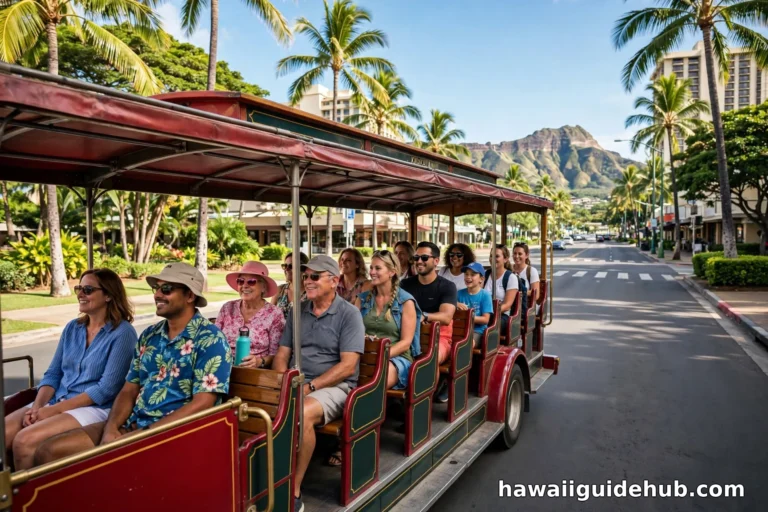
Base yourself in Waikiki. It puts the beach at your doorstep, dozens of restaurants within walking distance, and easy highway access for the North Shore and Pearl Harbor days. You can walk Day 1 entirely, then pick up a rental car for Days 2 and 3. Honolulu traffic is real: leave early for Pearl Harbor and the North Shore, and plan to be off the H-1 before the afternoon rush. TheBus covers the island cheaply if you would rather not drive, but a car gives this itinerary its flexibility.
Day 1: Diamond Head and Waikiki
Start before the heat. Diamond Head State Monument opens at 6 a.m., and the 0.8-mile trail to the summit takes 60 to 90 minutes round trip, climbing 560 feet through switchbacks, a 225-foot tunnel, and old military bunkers to a panoramic lookout over Waikiki and the Pacific. Book the earliest reservation you can; the light is best, the crowds are thinnest, and you will be back down before the midday sun. Bring water, wear real shoes, and use the restrooms at the trailhead because there are none on the trail.
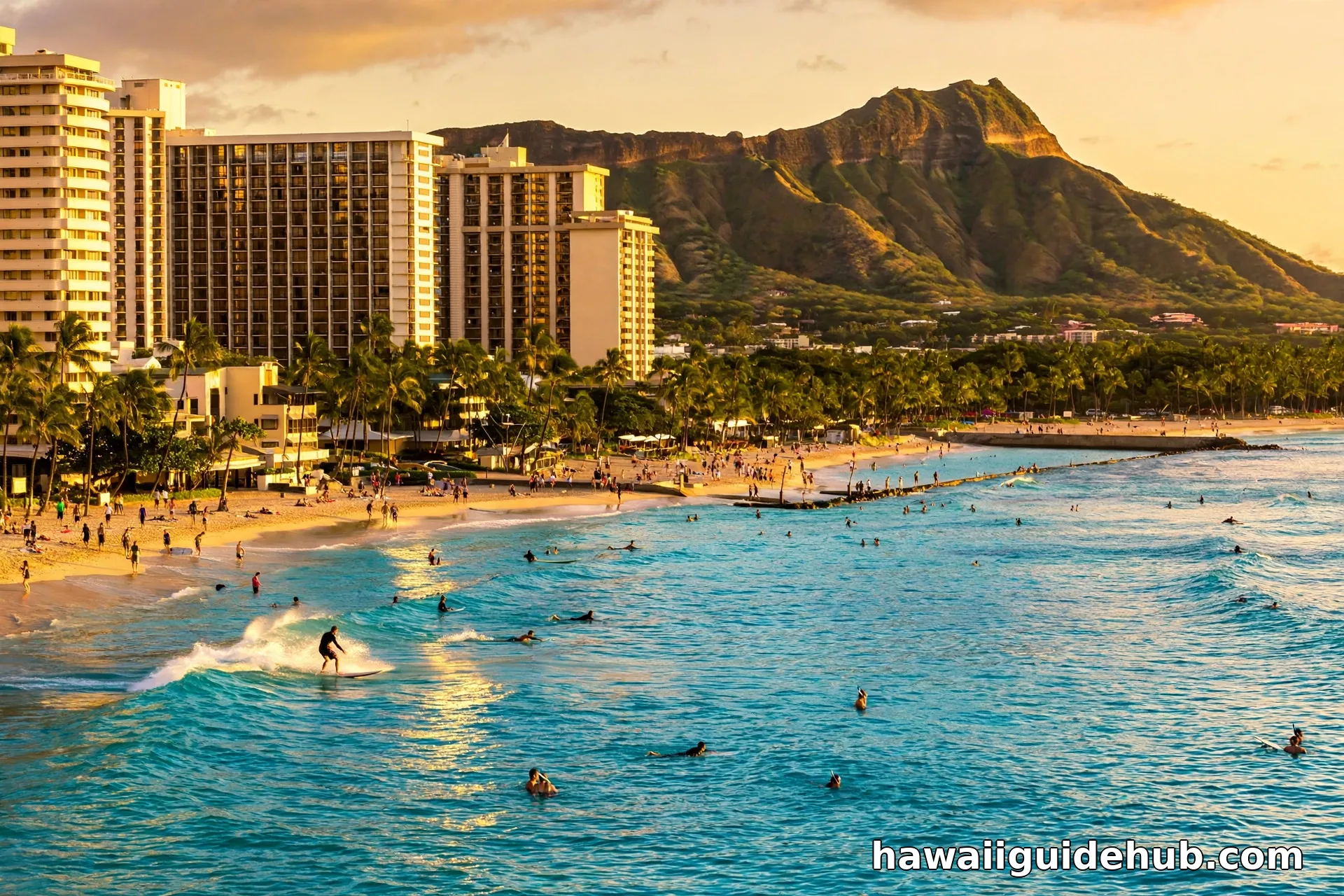
Return to Waikiki for the afternoon and claim your spot on the world’s most famous beach. Swim, take a beginner surf lesson on the gentle Waikiki rollers, or just watch the surfers from the sand with Diamond Head behind them. As evening falls, walk Kalākaua Avenue and end the day with dinner overlooking the water and a sunset that needs no filter. If you want a second hike later in the trip, Manoa Falls makes an easy, lush rainforest add-on.
Day 2: Pearl Harbor and Honolulu
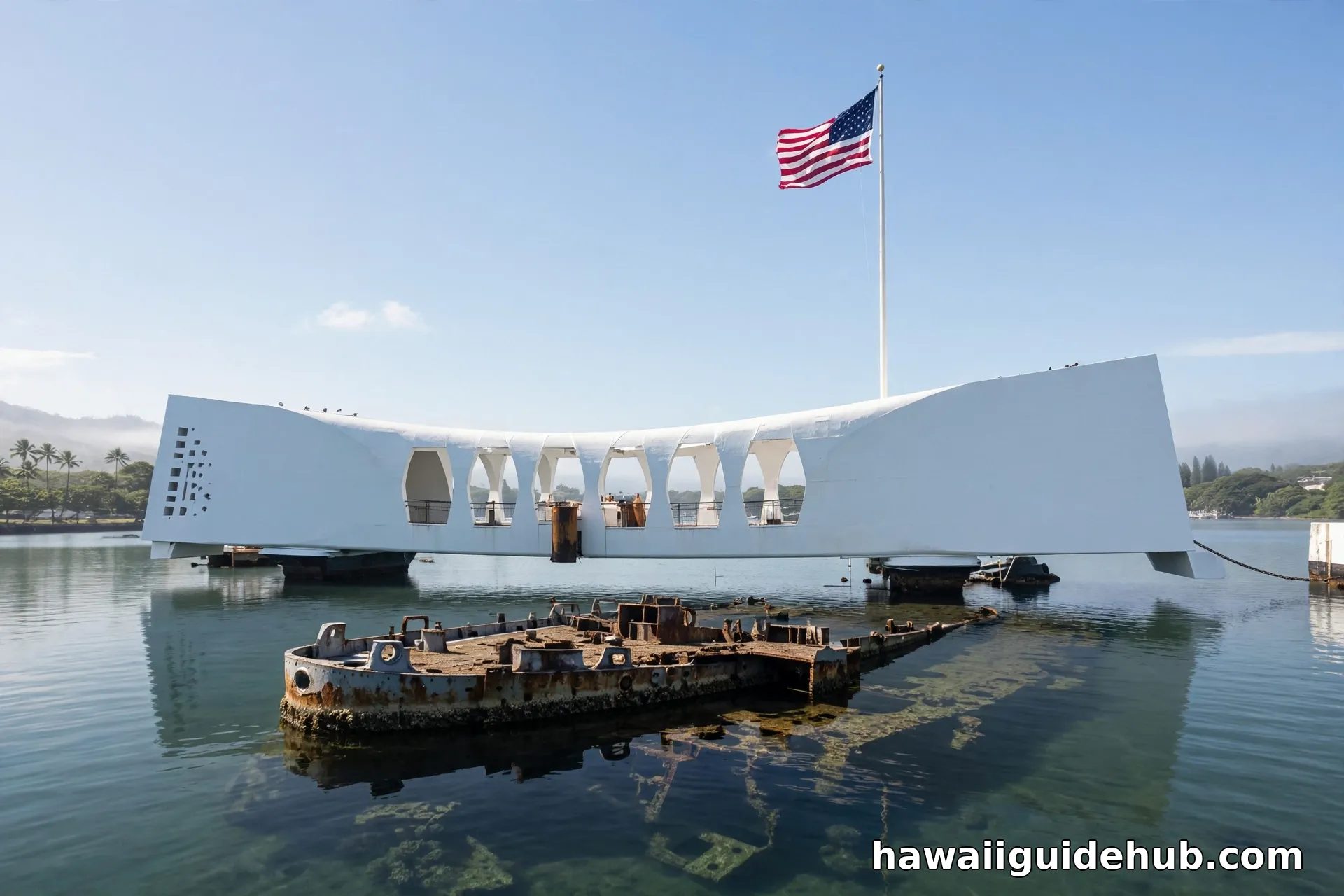
Give the morning to Pearl Harbor. The Pearl Harbor National Memorial is free to enter; the centerpiece is the USS Arizona Memorial program, a boat trip to the white memorial spanning the sunken battleship, which requires the advance reservation described above. Allow at least half a day: the visitor center museums, the Road to War and Attack galleries, give essential context, and the atmosphere is solemn by design. Dress respectfully, bring no bags if you can avoid it (bag storage costs extra and lines are long), and arrive early.
In the afternoon, drive into downtown Honolulu for the history the memorial points back to. ʻIolani Palace, the only royal palace on American soil, tells the story of the Hawaiian Kingdom; the King Kamehameha statue stands across the street. Chinatown’s markets and lunch counters are a short walk away and one of the city’s best eating neighborhoods. Our guide to visiting Pearl Harbor on your own has the full logistics for tickets, timing, and what to skip. End the day back in Waikiki: after the weight of the morning, a swim and a casual dinner are exactly right.
Day 3: The North Shore
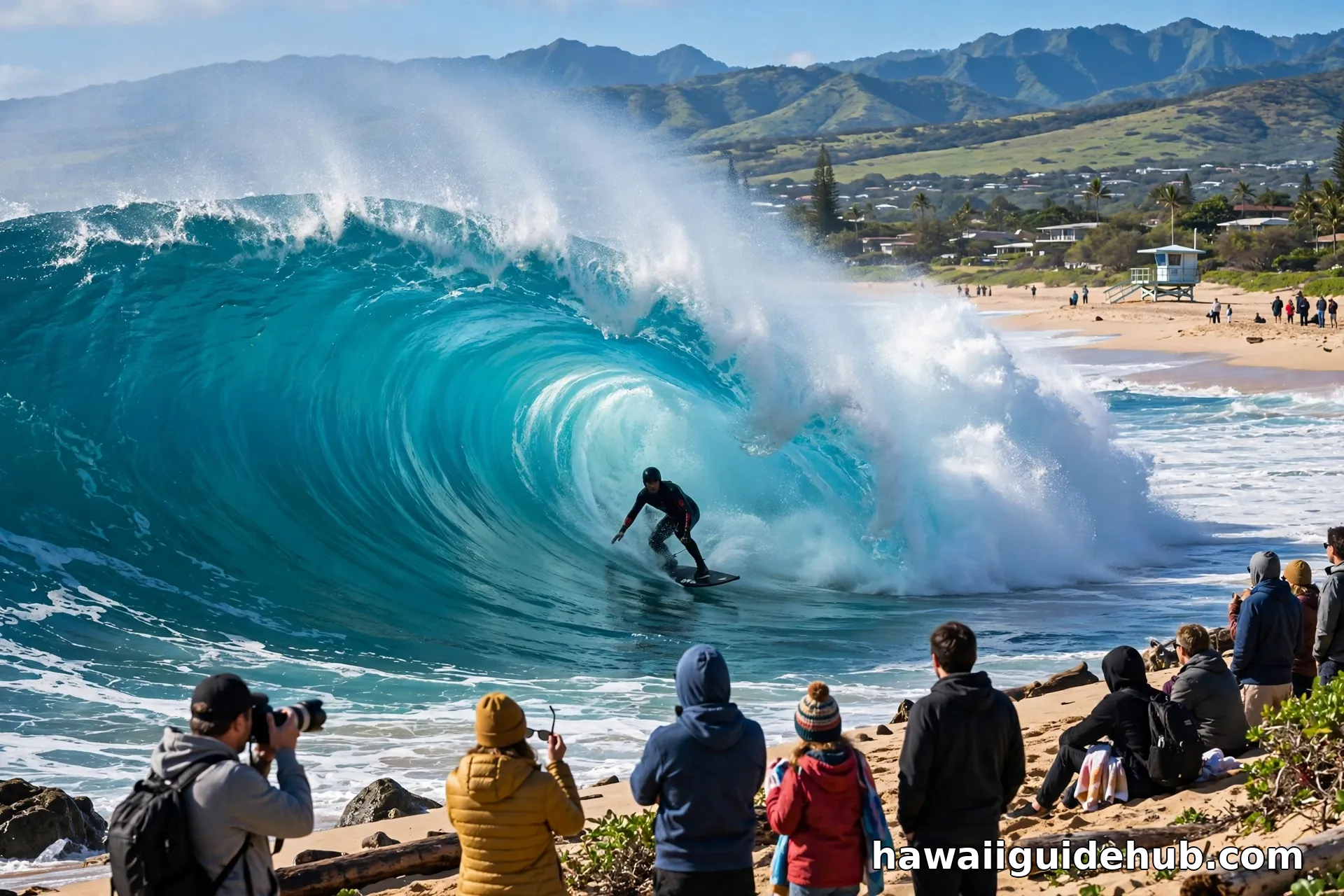
Drive north on the Kamehameha Highway for the island’s wild side. Stop first in Haleʻiwa, the surf town of shave ice, boutiques, and art galleries, and fuel up for the coast. Then work east along the shoreline: Waimea Bay, where the famous rock jump draws crowds in summer and monstrous surf in winter; Banzai Pipeline at Ehukai Beach, where the world’s best surfers ride perfect barrels from November through February; and Laniakea Beach, where green sea turtles rest on the sand and volunteers keep watch. In winter, treat the North Shore as a spectator sport: the waves are for experts only, and swimming is often unsafe. In summer, the same beaches turn calm and swimmable, with Sharks Cove offering the island’s best snorkeling.
Our North Shore guide covers every stop in detail, including where to eat and where the turtles are. On the way back, the Dole Plantation makes a classic roadside stop for pineapple soft serve. Return to Waikiki for a final sunset: you have now seen the island’s three faces, city, history, and wild coast, in three days.
Alternative Day 3: East Oʻahu
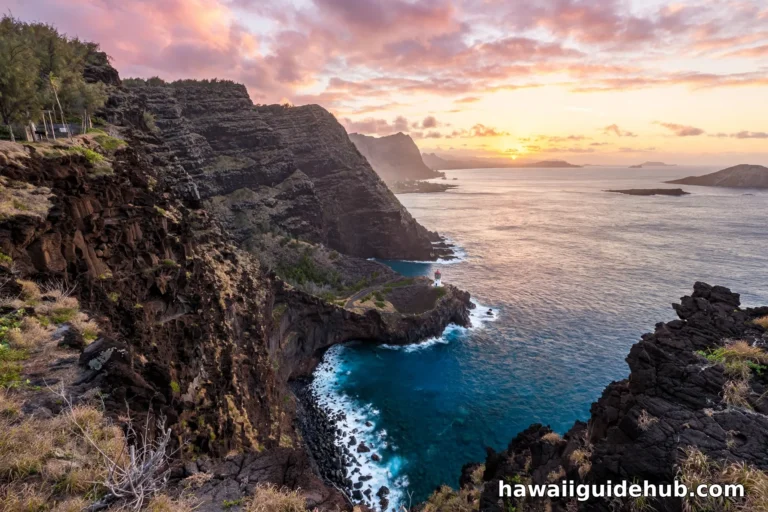
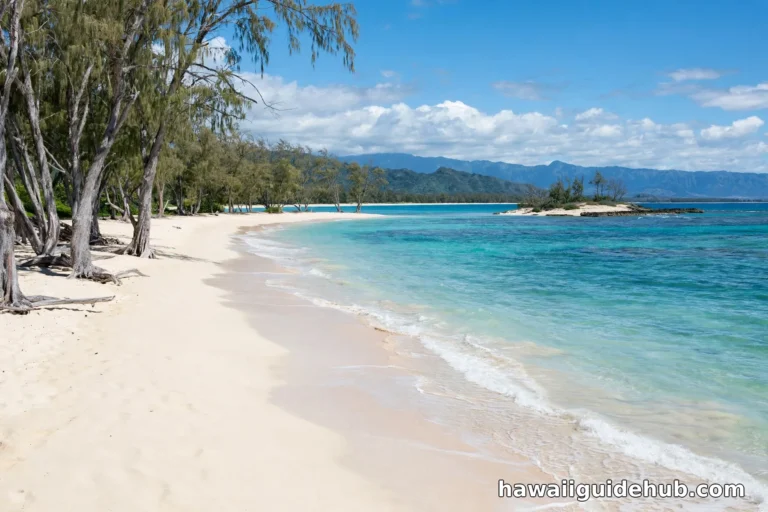
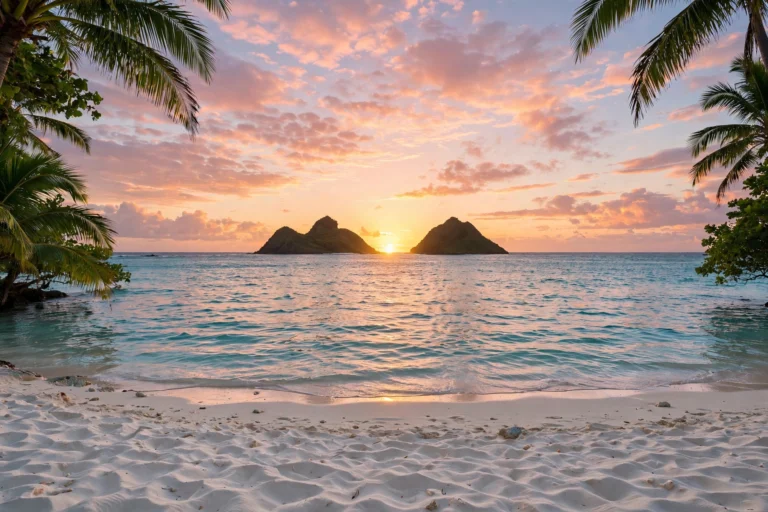
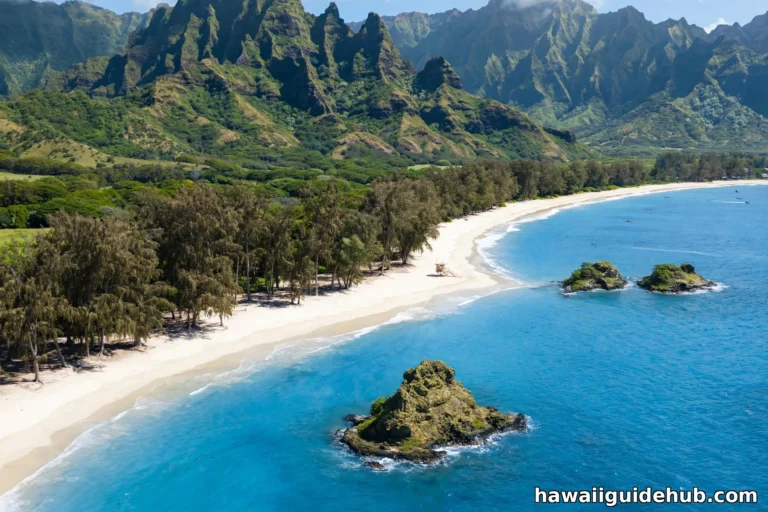
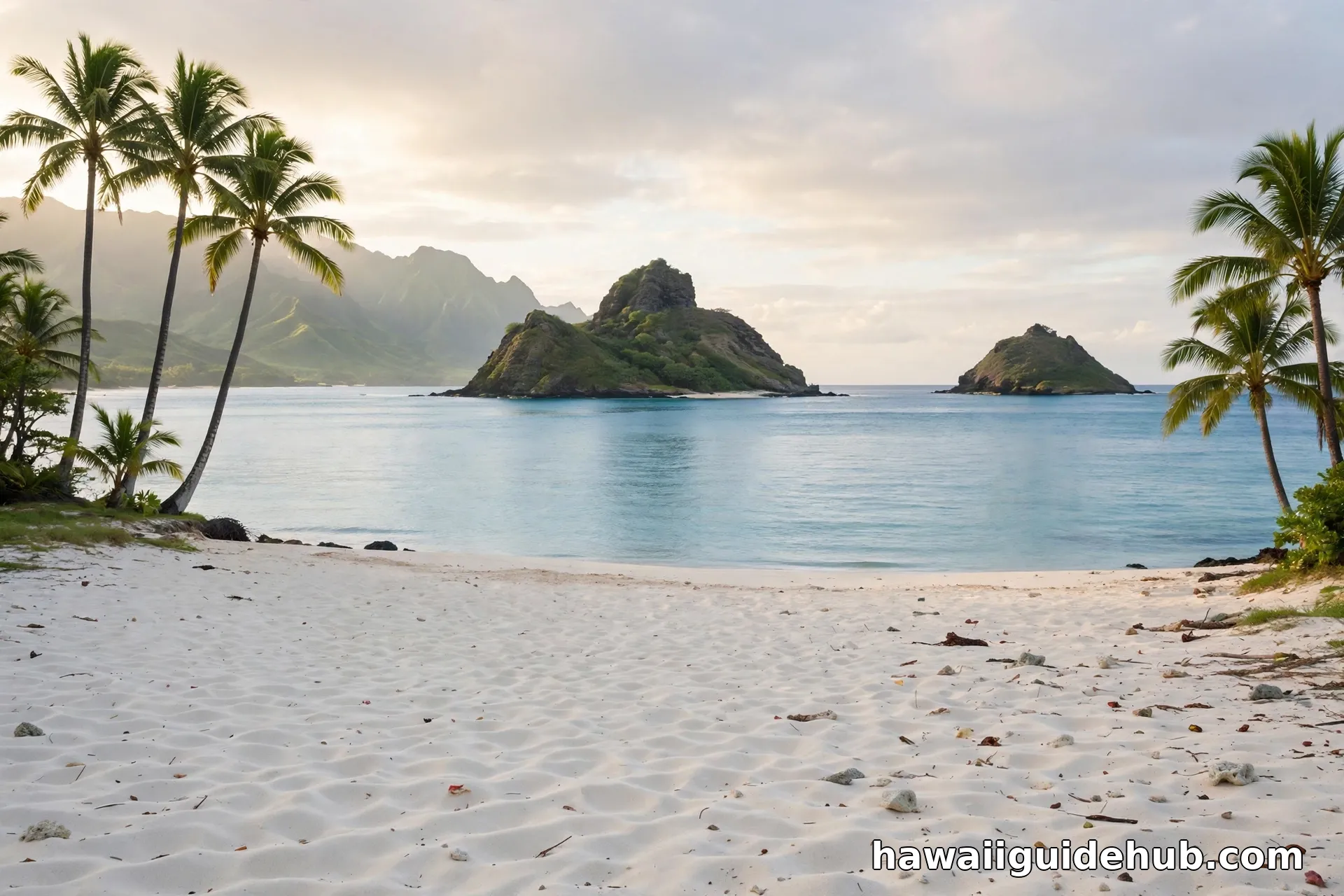
If big-wave watching is not your thing, or if you visit when Hanauma Bay’s reservation calendar lines up, spend Day 3 on the east side instead. Start at Hanauma Bay Nature Preserve, the curved volcanic crater bay with the island’s most beginner-friendly snorkeling; remember it is closed Mondays and Tuesdays, entry is $25, and reservations open two days ahead. Then drive to Lanikai Beach in Kailua, regularly ranked among the world’s most beautiful beaches, with powdery sand and the twin Mokulua islands offshore. Finish at the Makapuʻu Point Lighthouse Trail, an easy paved walk to a lookout where, in winter, you can often spot humpback whales. This version of Day 3 trades surf drama for the island’s prettiest water.
What to Eat Along the Way
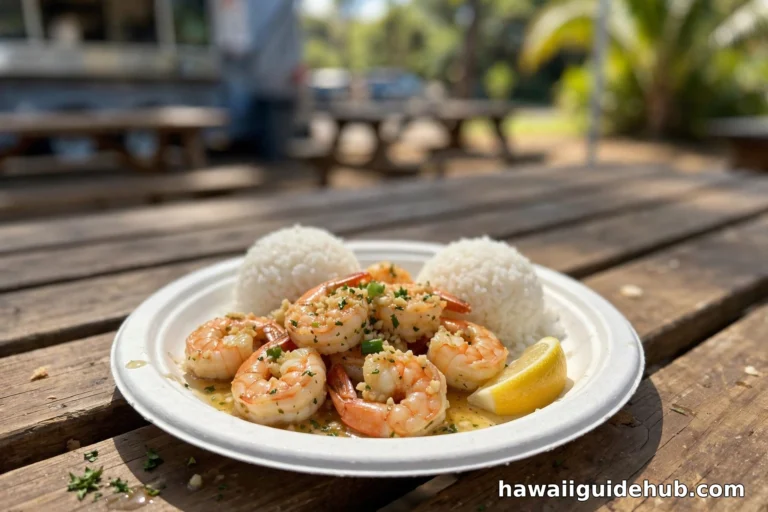
Three days is not enough for Oʻahu’s food scene, but you can hit the essentials. In Waikiki, start a morning with loco moco or pancakes, grab poke bowls for beach lunches, and save one dinner for fresh island fish. At Pearl Harbor, the visitor center area has quick options; save the real meal for Chinatown’s lunch counters afterward. On the North Shore, Haleʻiwa is the move: shave ice is mandatory, garlic shrimp from the roadside trucks is the local rite of passage, and the shrimp plates taste even better eaten at a picnic table with sand on your feet. End the trip the way locals end good days: with something sweet and something salty, watching the sun go down.
If You Have a Fourth Day
Many visitors tack on one extra day, and it is worth it. The obvious move is whichever Day 3 you skipped: if you went north, spend the fourth day east at Hanauma Bay and Lanikai, or vice versa. Alternatively, slow down entirely: sleep in, revisit your favorite Waikiki stretch, take the Waikiki submarine dive, or wander the Bishop Museum, the state’s premier museum of Hawaiian history and culture. A fourth day also buys insurance: if weather or a missed reservation disrupted one of your three anchor days, you have a built-in second chance without reworking the whole trip.
Practical Tips
A few things that make or break this itinerary. Sunscreen is non-negotiable at every stop; use reef-safe formulas, especially before snorkeling. Mornings are your superpower: Diamond Head, Pearl Harbor, and Hanauma Bay are all dramatically better early, with cooler air and thinner crowds. Keep swim gear and a change of clothes in the car on Days 2 and 3, because beach stops happen spontaneously. Respect the ocean everywhere: Oʻahu’s surf looks inviting and punishes carelessness, particularly on the North Shore in winter and at rocky east-side entries. When in doubt, ask a lifeguard; they would rather answer a question than make a rescue. And build in one buffer: if a reservation falls through or the surf is up, the alternative Day 3 and Waikiki’s beach are always there.
Video: 3 Days in Honolulu
A video walkthrough of a 3-day Honolulu itinerary covering Pearl Harbor, Waikiki, Diamond Head, Manoa Falls, ʻIolani Palace, and the southeast coast.
Frequently Asked Questions
Is 3 days enough for Oʻahu?
For the highlights, yes. Three full days cover Waikiki, Diamond Head, Pearl Harbor, and either the North Shore or the east side. You will not see everything, but you will leave feeling you saw the island’s essential faces. Add days for a slower pace, not for more sights.
What is the best area to stay for 3 days on Oʻahu?
Waikiki. It is walkable, has the most dining and lodging options, and sits centrally for day trips to Pearl Harbor, Diamond Head, the North Shore, and the east side. Staying elsewhere adds driving without adding much.
Do I need a rental car for 3 days on Oʻahu?
For Days 2 and 3, yes, or plan on tours and rideshares. Waikiki and Diamond Head are walkable and served by transit, but Pearl Harbor and the North Shore are far easier with a car. Book the car early; prices rise closer to travel dates.
Do I need reservations for Diamond Head and Hanauma Bay?
Yes. Diamond Head requires advance online reservations for non-residents ($5 entry plus $10 parking), and walk-ins are turned away. Hanauma Bay reservations open two days ahead at 7 a.m. HST, cost $25 for non-residents 13 and older, and the bay is closed Mondays and Tuesdays.
Should I do the North Shore or the east side on Day 3?
In winter (November to February), the North Shore’s giant surf is a must-see spectacle, so go north and watch. In summer, both are excellent: choose the North Shore for surf-town flavor or the east side for the island’s calmest, prettiest swimming and snorkeling.
How much does 3 days on Oʻahu cost?
Beyond flights and hotel, budget roughly $150 to $300 per person per day for a mid-range trip: $50 to $100 for food, $30 to $60 for the rental car share, $30 for the reservation fees across the three days, plus activities like surf lessons or snorkel rentals. Pearl Harbor’s memorial program is free.
Three days on Oʻahu is a sprint, but it is the rare sprint that ends with you feeling you actually saw the place. Sunrise over a crater, silence at a memorial, salt on your skin at the North Shore: that is the island in miniature. Book the reservations early, start your mornings early, and let Waikiki handle the evenings. The island does the rest.