North Beach, Hawaii: Which One You Mean and How to Visit

“North Beach, Hawaii” is one of the most confusing beach names in the islands, because two different places claim it. The famous one is North Beach in Kaneohe, Oahu: a spectacular windward beach that sits on Marine Corps Base Hawaii, which means most visitors cannot get in. The other is the North Beach section of Kaʻanapali Beach on Maui: fully public, lined with resorts, and easy to visit. This guide covers both honestly: which North Beach you are looking for, how to access each, and what to do when you get there.
This page covers the two North Beaches, the military access situation at Kaneohe, snorkeling and surf, Kaʻanapali North Beach on Maui, safety, and FAQs. Everything about North Beach Hawaii is on this one page.
The Short Answer
There are two “North Beaches” in Hawaii. North Beach, Kaneohe (Oahu) is a beautiful windward beach on Marine Corps Base Hawaii: access requires military clearance or a military sponsor, so most tourists cannot visit. Kaʻanapali North Beach (Maui) is the northern section of Kaʻanapali Beach: public, resort-lined, and open to everyone. If you are a civilian visitor, the Maui North Beach is your North Beach.
Which “North Beach” Do You Mean?
| Location | Island | Access | Best for |
| North Beach, Kaneohe | Oahu | Marine Corps Base; military only | Surf without crowds; snorkeling |
| Kaʻanapali North Beach | Maui | Public; resort beach | Swimming, sunsets, resort days |
North Beach, Kaneohe: The Restricted Paradise
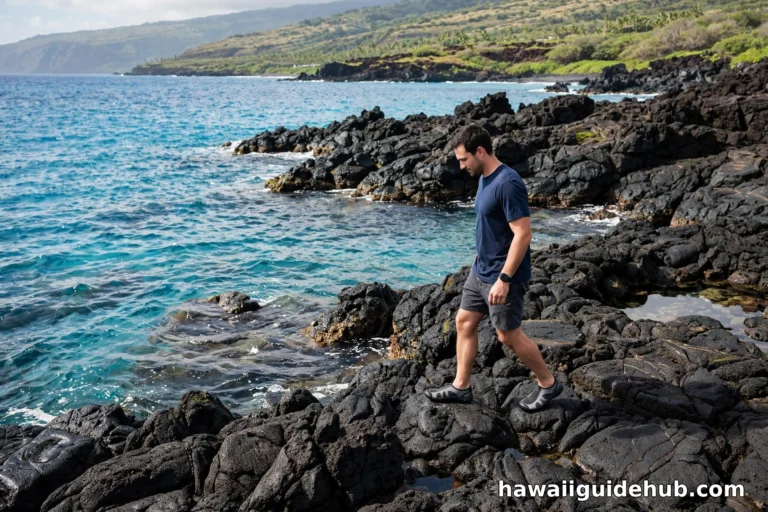
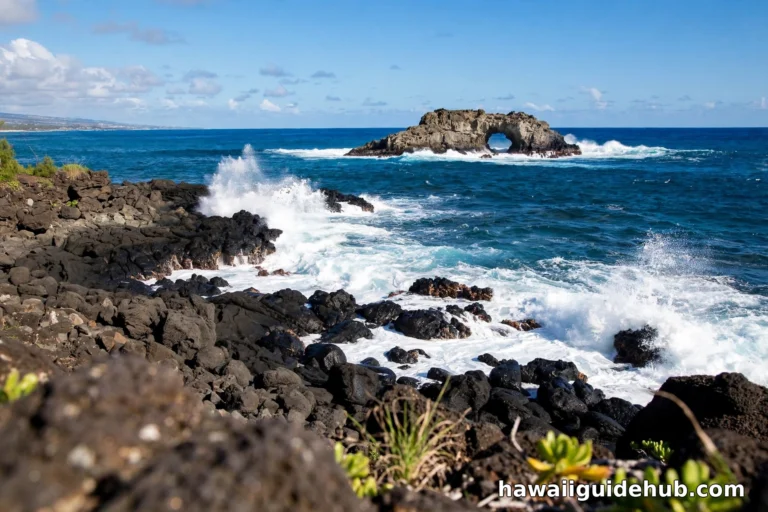
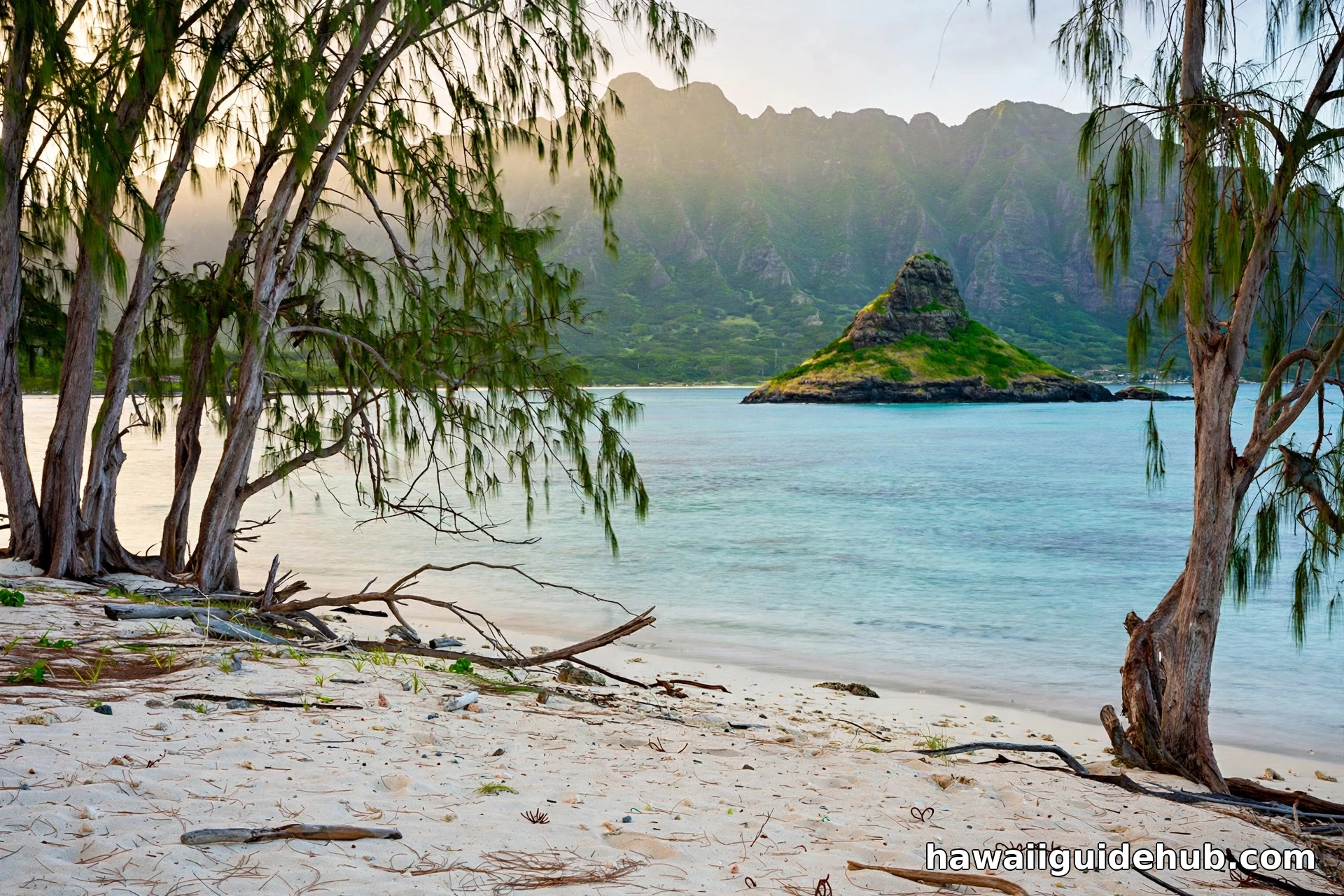
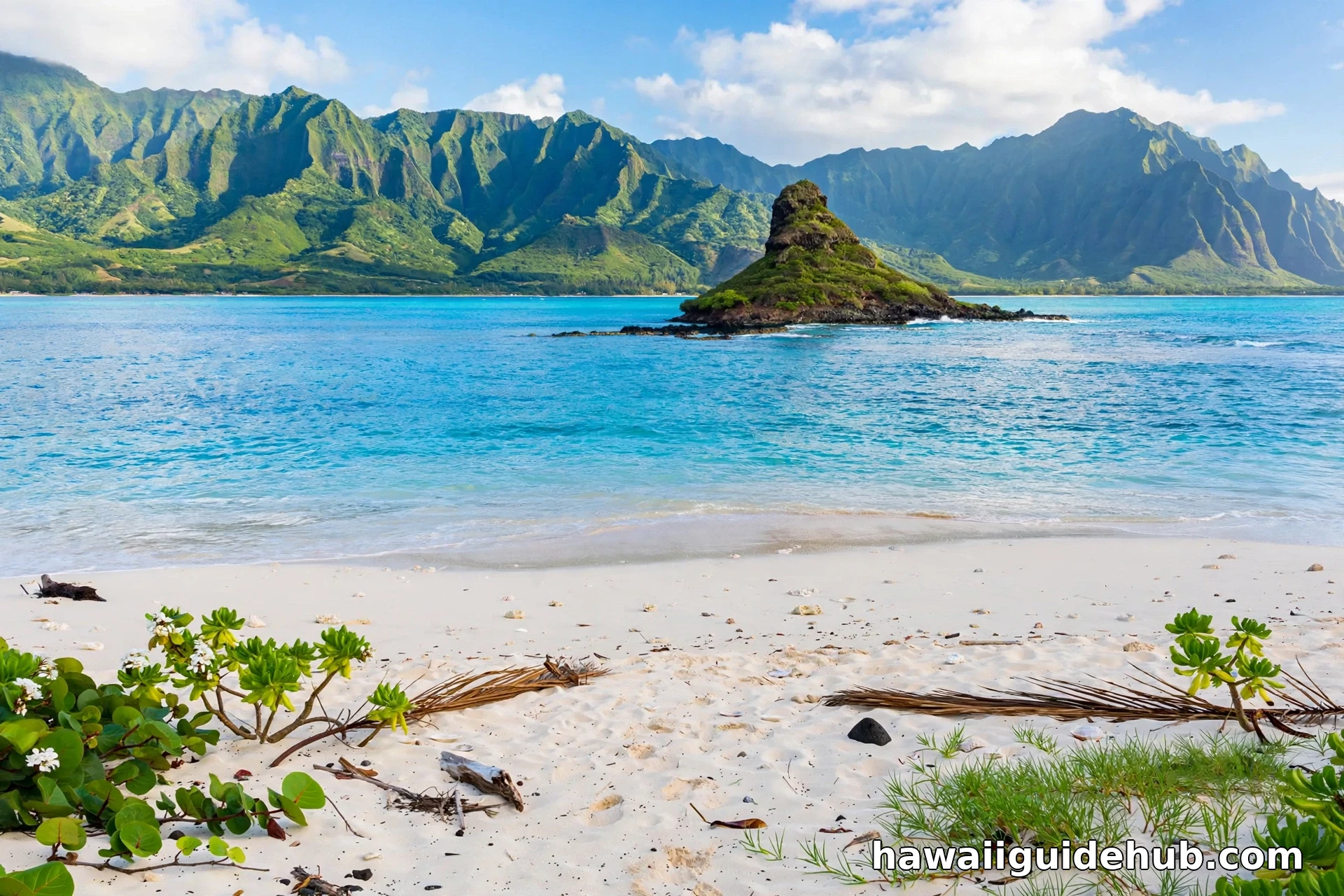
North Beach curves along the coast between Kaneohe and Kailua on Oahu’s windward side: white sand, turquoise water, views of Mokoliʻi (Chinaman’s Hat), and some of the only quality surf on the windward coast. It is, by every account, spectacular. The catch: it sits on Marine Corps Base Hawaii, and access requires military ID or a sponsor. There is no public entrance, no day pass, no way to talk your way in. If you have base access, you get North Shore-quality waves without the North Shore crowds. If you do not, admire it from afar.
Surf and Snorkel at Kaneohe’s North Beach
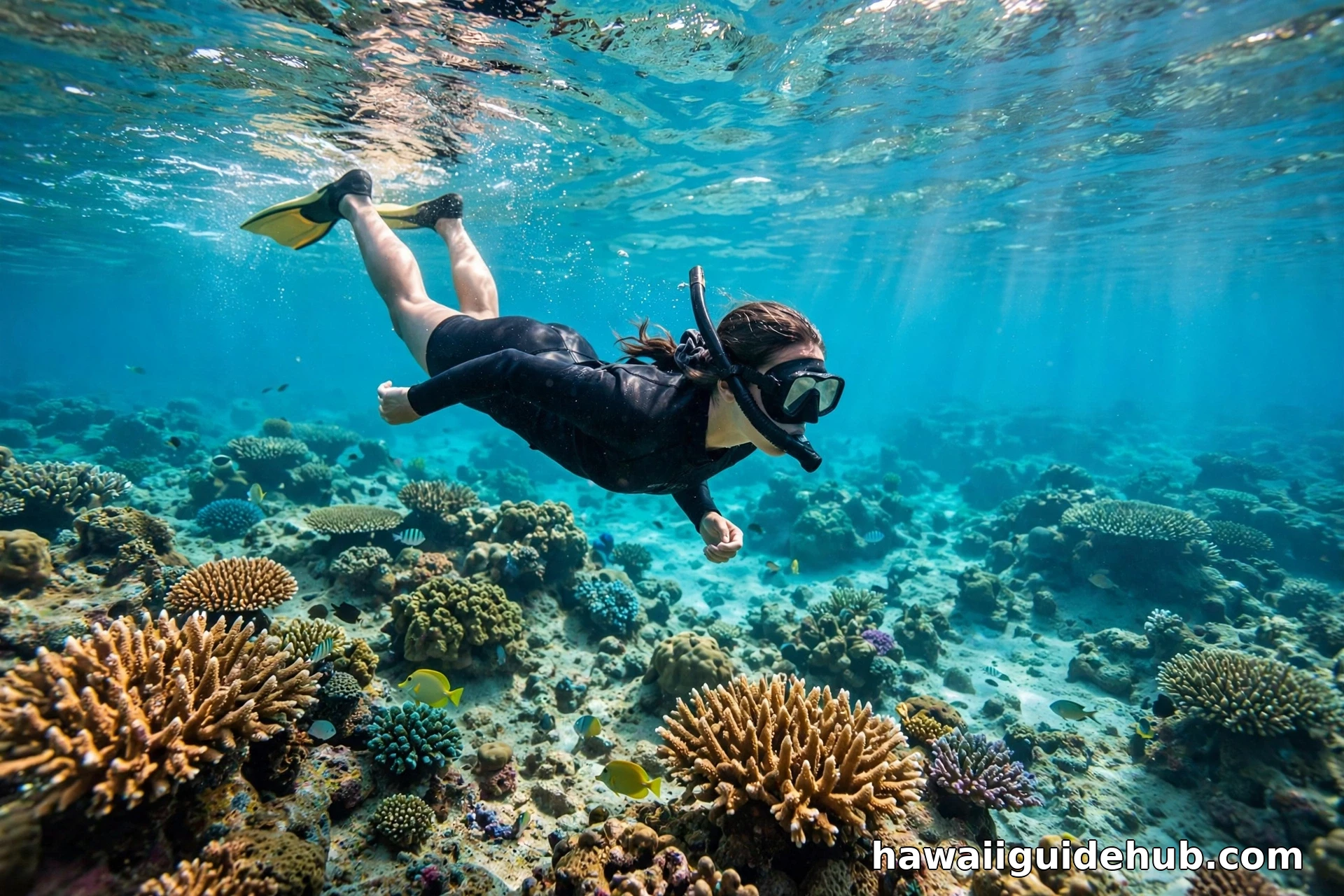
For those with access, North Beach delivers. The surf: the beach catches north swells, offering real waves on a coast famous for having none. It is not a beginner spot: the bottom is mostly reef, currents can be strong, and the shorebreak demands respect. The snorkeling: on calm days, the clear water over the reef is excellent, with the usual windward cast of reef fish and turtles. Lifeguards are on duty. Sharks are a noted presence: this is their ocean, and the beach’s own guides say to keep an eye out.
Kaʻanapali North Beach, Maui: The Public One
The North Beach section of Kaʻanapali Beach is the North Beach most visitors actually experience. Kaʻanapali is Maui’s famous three-mile beach; its northern stretch, around the Westin and the Mahana resorts, is called North Beach. It is wide, golden, and swimmable, with views of Lānaʻi and Molokaʻi, excellent whale watching in winter, and the classic Kaʻanapali sunset. All beaches in Hawaii are public by law, so the resort frontage does not block you: walk in from public access points and claim your sand.

What to Do at Kaʻanapali North Beach
Swim: the north section is generally calmer than the cliff-diving south end. Snorkel: the reef at Black Rock (the southern end) is the famous spot, an easy beach walk away. Walk: the Kaʻanapali beach walk runs the full three miles. Sunset: the west-facing beach delivers nightly. Whale watch: from December to April, humpbacks breach offshore. Dine: the resort restaurants and Whalers Village are steps away. It is the polished, easy, resort version of a Hawaiian beach day, and there is nothing wrong with that.
Safety at Both Beaches
Ocean safety rules apply double here. At Kaneohe’s North Beach: reef bottom, strong currents on some days, shark presence, and surf that exceeds beginner ability. At Kaʻanapali: the surf is gentler, but winter swells can still surprise, and the shorebreak at the cliff end is powerful. Everywhere: never turn your back on the ocean, swim near lifeguards, and check conditions before entering. The beaches are beautiful; the ocean is in charge.
For more Hawaii beaches, see Hanalei Beach: Kauai’s most beautiful beach, top 5 Kauai beaches for swimming, and Hawaii weather in December.
Getting to Kaʻanapali North Beach
Kaʻanapali is on West Maui, about 15 minutes north of Lahaina and 45 minutes from Kahului Airport. Public beach access points dot the shoreline: the main ones are near the Hyatt (south), Whalers Village (center), and the Westin/Mahana area (north). You do not need to be a resort guest: Hawaii law guarantees public access to all beaches, and the access paths are marked. Park in the Whalers Village garage (paid) or the small public lots, and walk to the sand. The north section is the quietest part of Kaʻanapali.
Parking at Kaʻanapali
Parking is the eternal Kaʻanapali puzzle. The Whalers Village garage offers paid parking with validation from shops. Limited free street parking exists along the highway but fills early. Resort lots are for guests. The honest strategy: arrive before 9 AM, park at Whalers Village, and make a day of it. Do not park illegally on the highway shoulders: Maui police ticket aggressively. The beach is free; the parking is the price.
Pyramid Rock: North Beach’s Neighbor
Just down the coast from Kaneohe’s North Beach sits Pyramid Rock, another military-beach surf spot with its own following. Together they form the windward coast’s secret surf zone: quality waves, empty lineups, zero access for civilians. Surfers with base privileges guard these spots jealously, and rightly so: they are the only uncrowded waves on the most crowded island. The rest of us can watch the videos and dream.
The Windward Coast: Why It’s Different
Oahu’s windward (east) coast is a different world from Waikiki: wetter, greener, wilder, with the Koʻolau mountains rising sheer behind the beaches. The trade winds hit here first, bringing rain that keeps everything lush and surf that keeps things interesting. Kailua and Lanikai get the fame, but the whole coast from Kaneohe to Kahuku is strung with beaches. North Beach sits in the middle of this green corridor: the military base preserved a stretch of coast that development would otherwise have claimed.
Kaneohe Bay: The Bigger Picture
North Beach fronts Kaneohe Bay, Oahu’s largest sheltered bay: a maze of coral reefs, sandbars, and the famous Chinaman’s Hat island. The bay’s sandbar, exposed at low tide, is a legendary gathering spot reachable by boat. The bay is a marine nursery: hammerhead sharks pup here, turtles graze the reefs, and the water glows turquoise. Even if you cannot set foot on North Beach, you can experience the bay: sandbar tours by boat are open to everyone and spectacular.
Oahu’s Military Beaches
North Beach is not Oahu’s only military beach. Bellows Air Force Station (windward) opens its beach to the public on weekends and holidays: a stunning stretch of sand civilians can actually visit. The military controls some of Oahu’s finest coastline, a legacy of World War II. Bellows is the consolation prize for North Beach: go on a weekend, arrive early, and you will see what the windward coast looks like without the crowds. It is the accessible version of the dream.
Best Time to Visit
For Kaʻanapali North Beach: summer brings the calmest water and best swimming; winter brings bigger swells and the whales (December to April). Mornings are calmest everywhere. For Kaneohe’s North Beach (if you have access): the surf is best with north swells in winter; snorkeling is best on calm summer mornings. The windward side is rainier than the leeward: brief showers are normal year-round. Go early, go on a weekday, and the beach is yours.
The Sandbar: The Bay’s Public Wonder
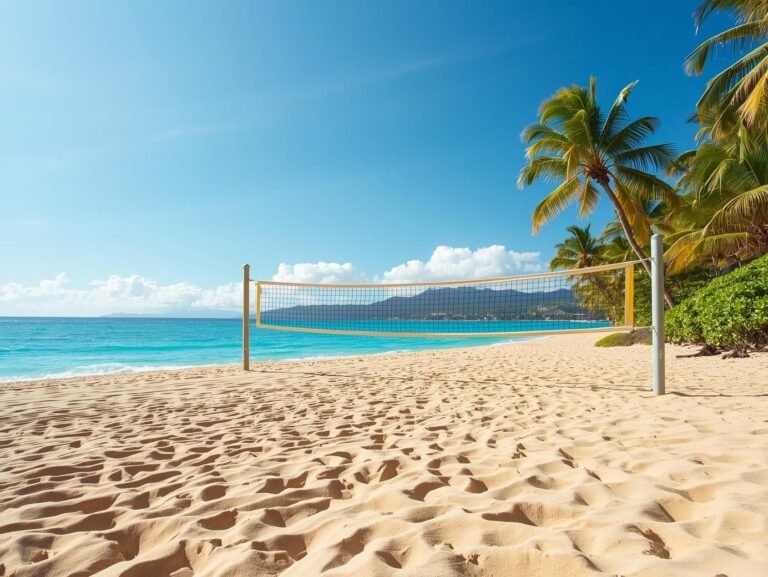
Cannot get onto North Beach? The Kaneohe sandbar is the public consolation, and it is extraordinary. A vast expanse of waist-deep turquoise water a half mile offshore, exposed at low tide, reachable only by boat: tour operators run sandbar trips with snorkeling, turtle watching, and volleyball on the sand. It is the windward coast’s signature experience, open to everyone. Book the morning trip for the calmest water. The sandbar is proof that the bay’s beauty is not locked behind the gate.
North Beach vs Lanikai
Visitors often confuse North Beach with Lanikai, the famous windward beach nearby. Lanikai is public, postcard-perfect, and packed: its tiny access paths and limited parking make it a dawn-patrol mission. North Beach (Kaneohe) is bigger, wilder, and empty, but restricted. The trade: Lanikai is accessible beauty with crowds; North Beach is inaccessible beauty without them. Bellows splits the difference. Choose your compromise: all three are the same turquoise water.
What to Pack
Reef-safe sunscreen (required by law), a rash guard for the strong sun, and water shoes for the reef entries at Kaneohe. Snorkel gear if you have it; rentals are available at Kaʻanapali shops. A dry bag for the phone, cash for parking at Whalers Village, and a cooler: there are no food vendors on the sand at either North Beach. Arrive early, stay late for the sunset (Maui) or the mountain light (Oahu), and leave nothing but footprints.
The Honest Summary
Let us be blunt. If you searched “North Beach Hawaii” hoping for a hidden public paradise, the Kaneohe version will disappoint you: it is a military beach, and you cannot go. But the search was not wasted. It led you to the windward coast’s story, to Bellows and the sandbar and Lanikai, and to the Maui North Beach that is genuinely wonderful. The best beach guides tell the truth about access: this one just did. Now go to Kaʻanapali, walk the north section at sunset, and thank the confusing name for the education.
A Note on Military Respect
The Kaneohe North Beach exists because the Marine Corps preserved it. Do not try to sneak onto the base: it is a federal installation, and trespassing is a serious offense. Respect the boundary. The military’s stewardship kept this coast wild while the rest of windward Oahu developed; that is worth acknowledging even as you wish it were otherwise. Bellows on a weekend is your invitation: take it.
Final tip: if the name brought you here, let the islands redirect you well. Spend your beach day at Kaʻanapali North Beach, take a sandbar tour in Kaneohe Bay, catch Bellows on a weekend, and watch the North Beach surf videos with appreciation for the Marines who surf it. Hawaii has enough beach for everyone: even the ones behind the gate have a public alternative nearby. The turquoise water does not check IDs.
Video: Surfing North Beach, Kaneohe
Surfing North Beach and Pyramid Rock on the Marine base.
Frequently Asked Questions
Where is North Beach in Hawaii?
Two places: Kaneohe, Oahu (on the Marine base) and the north section of Kaʻanapali Beach, Maui.
Can tourists visit North Beach, Kaneohe?
No. It is on Marine Corps Base Hawaii; you need military clearance or a sponsor.
Is Kaʻanapali North Beach public?
Yes. All Hawaii beaches are public; the resort frontage does not block access.
Is North Beach good for snorkeling?
Kaneohe’s North Beach is excellent on calm days; at Kaʻanapali, walk to Black Rock for the best snorkeling.
Is North Beach good for beginners?
Kaʻanapali North Beach is beginner-friendly. Kaneohe’s North Beach surf is not for beginners.
What is the view from North Beach, Kaneohe?
Mokoliʻi (Chinaman’s Hat) island, the Koʻolau mountains, and open windward ocean.
North Beach, Hawaii is two beaches sharing a name: one you probably cannot visit, and one you definitely should. The Kaneohe version is the windward fantasy, locked behind the base gate, visible in photos and in the memories of those with military access. The Kaʻanapali version is the vacation reality, open to all, with the sunset and the whales and the three miles of golden sand. Know which one you mean, and you will never be disappointed: the Maui North Beach is waiting, the sun is setting, and the whales are breaching offshore.