How to Go to Hawaii Cheap: The Real Budget Guide

Hawaii has a reputation as a luxury destination, but a cheap Hawaii trip is absolutely possible: travelers routinely do a week in the islands for under $1,500 per person with the right strategy. The secret is that Hawaii’s best experiences, beaches, hikes, snorkeling, sunsets, are free, while the expensive parts, flights, hotels, restaurants, all have budget workarounds. This guide gives you the real playbook for going to Hawaii cheap, with honest cost breakdowns and the trade-offs nobody tells you.
This page covers how much a cheap Hawaii trip costs, the cheapest time to go, flight strategies, budget lodging, eating cheap, getting around without a rental car, free activities, and FAQs. Everything about doing Hawaii on a budget is on this one page.
The Short Answer
A budget Hawaii trip runs about $1,200 to $2,150 per person for seven days from the US west coast: $350 to $500 flights booked in advance, $70 to $115 per night in hostels or budget vacation rentals, $35 to $55 per day on food from groceries and plate lunches, and mostly free activities. The three levers that matter most are timing (shoulder seasons), lodging with a kitchen, and eating like a local. Get those right and Hawaii costs less than a week at many mainland beach resorts.

What a Cheap Hawaii Trip Actually Costs
Ranges below are per person for seven days from the US west coast, based on 2026 fare and lodging listings.
| Category | Shoestring | Midrange | Comfortable |
| Round trip flights | $350-500 | $450-650 | $600-900 |
| Lodging, 7 nights | $500-800 | $1,050-1,750 | $2,100+ |
| Food, 7 days | $250-400 | $500-700 | $900+ |
| Transport | $100-250 | $300-450 | $500+ |
| Activities | $0-100 | $200-400 | $500+ |
| Total | ~$1,200-2,150 | ~$2,500-4,000 | ~$4,500+ |
Flights: The First Lever
Flights are the biggest single variable. Southwest’s entry into Hawaii routes pushed west coast fares down dramatically, and $350 to $500 round trips from California are common when booked two to three months ahead. Set Google Flights price alerts and be flexible by a day or two: midweek departures are consistently cheaper. Flying into Honolulu is usually cheapest, with inter-island hops on Southwest or Hawaiian running $40 to $90 each way. The cheapest months to fly are late April to early June and September to mid December, excluding holidays. For timing detail, see the cheapest time of year to visit Hawaii.
Lodging: The Second Lever
Hotels are where budgets die: Waikiki resorts run $250 to $500 a night before Hawaii’s steep lodging taxes, which are among the highest in the nation and add a painful surcharge to every bill. The budget move is a vacation rental with a kitchen: condos in Kihei on Maui, or apartments outside Waikiki on Oahu, run $120 to $200 a night and let you cook. Hostels in Waikiki and Hilo run $40 to $70 a night for dorm beds. Camping is the real bargain: state park campsites cost a few dollars a night, though you need gear and a car. Whatever you book, read the total with taxes and fees before comparing: resort fees and cleaning fees change the math.
Food: Eat Like a Local
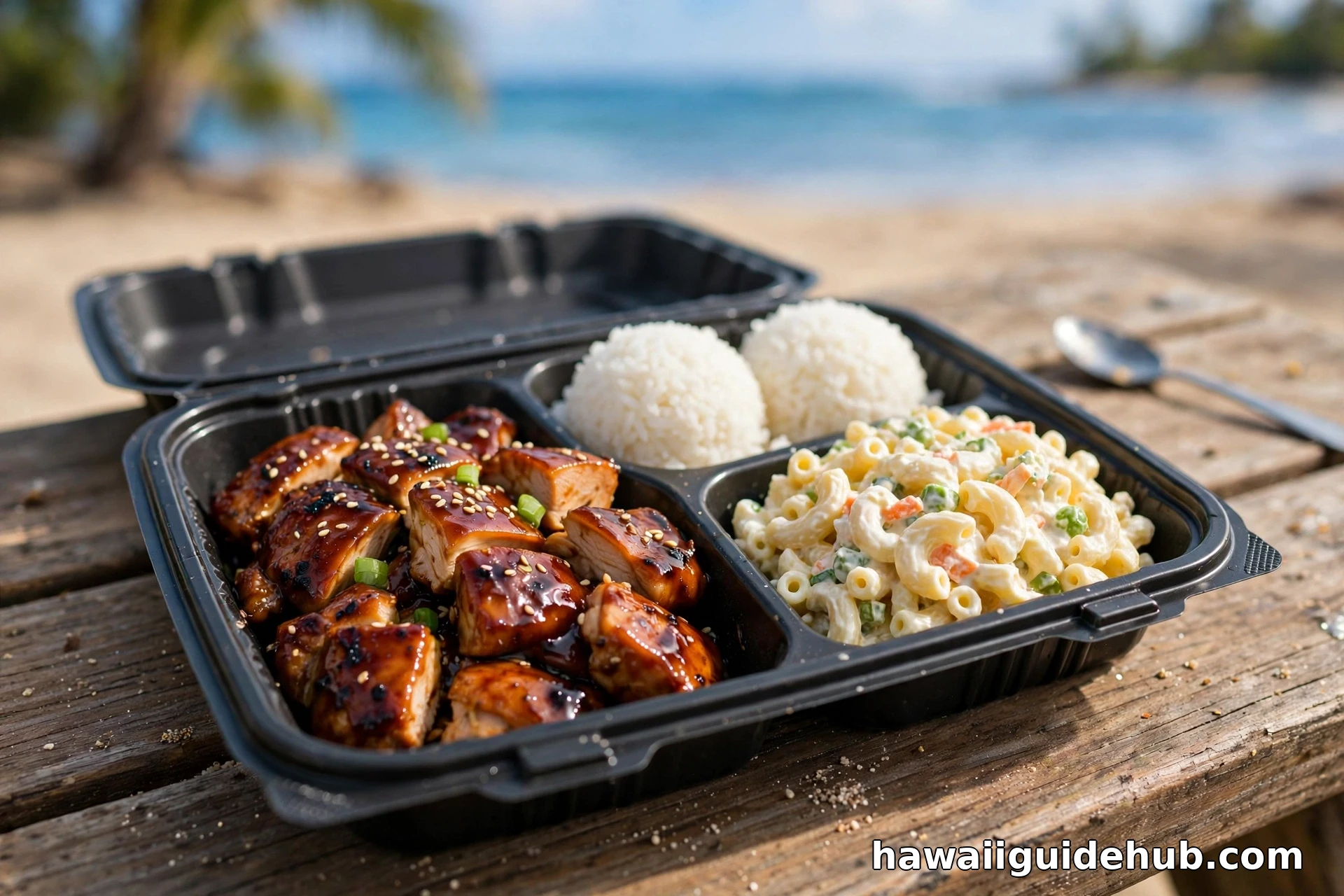
Food is the easiest budget to control. The plate lunch is Hawaii’s gift to cheap travelers: a full meal of teriyaki chicken or kalua pig, two scoops rice, and macaroni salad for $10 to $15. Food trucks, farmers markets, and poke by the pound from grocery delis feed you well for little. Shop at Costco or local supermarkets for breakfasts and snacks: a vacation rental kitchen turns $15 of groceries into meals that would cost $60 at restaurants. The expensive trap is the resort restaurant strip: walk two blocks inland and prices drop by half. Budget $35 to $55 a day eating this way, and eat better than the resort crowd.
Getting Around Cheap
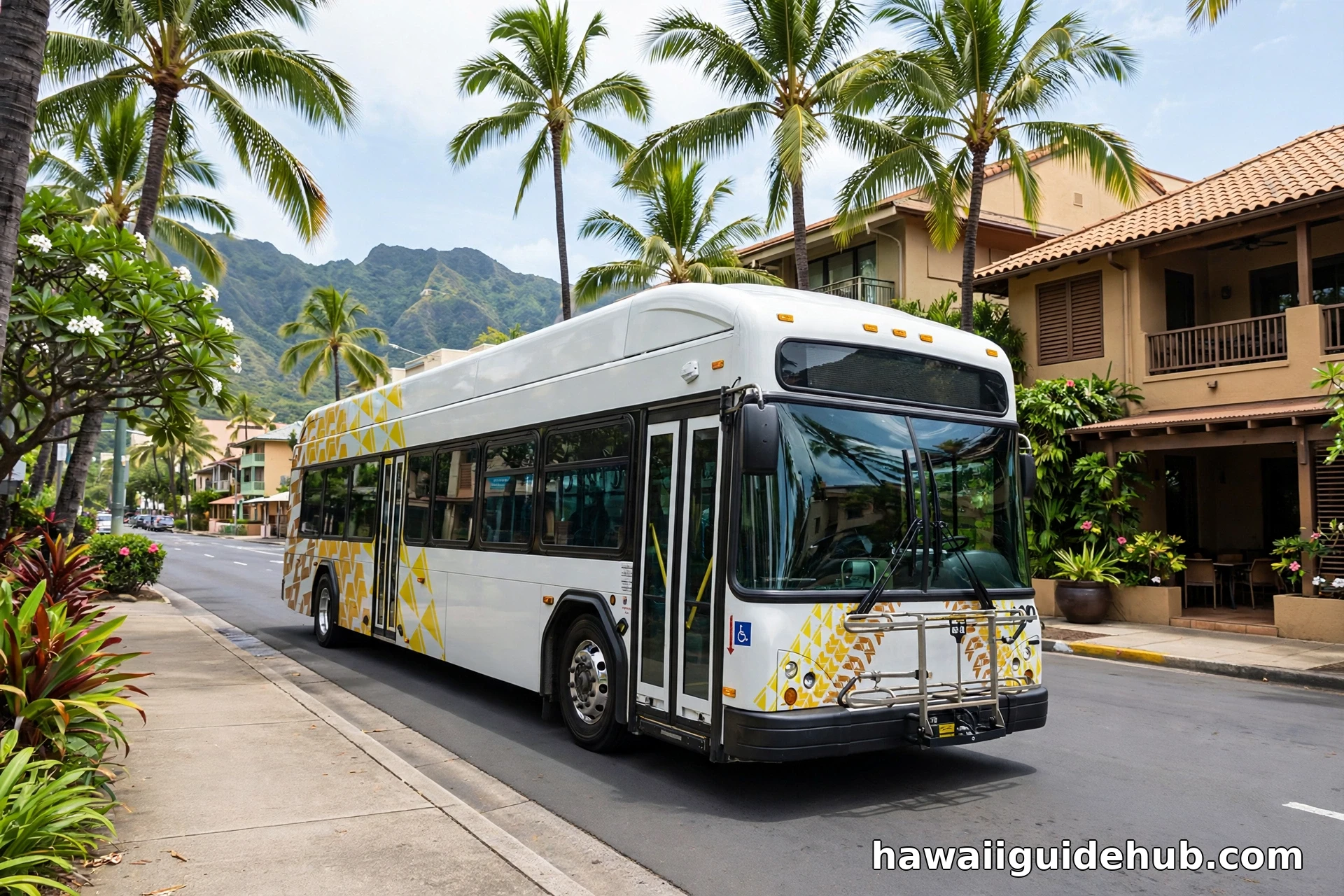
Rental cars are the default Hawaii expense, but they are not mandatory everywhere. On Oahu, TheBus covers the island for a few dollars a ride, and Waikiki is walkable. On the other islands you mostly need a car, but you can rent for two or three days instead of seven: cluster your driving days, use the car for the Road to Hana or the volcano, and stay local the rest. Turo often undercuts the big agencies. Book the smallest car that fits your group: a Prius sips gas on island drives. And never pay walk-up airport prices: book ahead.
The Free Hawaii: Activities That Cost Nothing
Here is the open secret: Hawaii’s best activities are free. Every beach is public. The great hikes, Diamond Head aside, are mostly free. Snorkeling costs nothing if you bring or buy a cheap mask and fins. Sunsets, tide pools, waterfall lookouts, scenic drives, sea turtles at Laniakea or Punaluʻu: all free. The paid activities worth splurging on, one per trip, are the ones you cannot do yourself: a manta ray night snorkel, a Na Pali boat tour, a volcano helicopter flight. Pick one splurge, do everything else free, and your activities budget stays under $150.
For island choice on a budget, see the best island in Hawaii for first time visitors. For cost context, how expensive it is to live in Hawaii explains why prices are what they are.
Choosing the Cheapest Island
Not all islands cost the same. Oahu is the budget champion: the most flights, the most competition, hostels in Waikiki, and TheBus replacing a rental car. A week on Oahu can run 30 percent less than the same week on Maui. The Big Island’s Hilo side is the sleeper pick: cheaper lodging than Kona, a walkable downtown, and the volcano nearby. Maui and Kauai are the priciest: limited budget lodging, rental car essential, and resort corridors that pull prices up. First trip on a budget: Oahu. Second trip: the Big Island. Save Maui and Kauai for when the budget breathes.
When to Book: The Timing Playbook
Timing is a money lever with three parts. First, travel in the shoulder seasons: mid April to mid June, and September to mid December. Fares and hotels drop 20 to 30 percent, and you skip the crowds. Second, book flights two to three months out: the fare studies consistently show this as the sweet spot for Hawaii. Third, avoid the peaks: Christmas to New Year, spring break, and mid summer are the most expensive weeks of the year, when even budget options price like luxury. A Tuesday departure in October versus a Saturday departure at Christmas can be a $400 per ticket difference.
Lodging Deep Dive
Hostels: Waikiki and Hilo have well run hostels at $40 to $70 a night for dorm beds, often with kitchens and a social scene. They are clean, safe, and full of fellow budget travelers. Vacation rentals: a studio or one bedroom condo with a kitchen is the budget traveler’s headquarters. On Oahu look outside Waikiki proper; on Maui look in Kihei rather than Kaʻanapali; on the Big Island look in Hilo rather than the Kohala resorts. Expect $120 to $200 a night, and always add taxes and cleaning fees before comparing. Camping: Hawaii’s state and county parks offer campsites for a few dollars a night, the cheapest roof in the islands, but you need gear, a car, and advance permits. House sitting and home exchanges exist but are unreliable to plan around.
Free and Cheap Activities by Island
Oahu: every beach, the Makapuʻu Lighthouse trail, Manoa Falls (small parking fee), snorkeling at Hanauma Bay (entry fee but cheap), the Byodo-In Temple grounds, and the North Shore’s surf watching in winter. Maui: the Road to Hana’s waterfalls and beaches, Haleakalā’s summit (park entry per vehicle), snorkeling at Black Rock, the Nakalele Blowhole. Big Island: Hawaii Volcanoes National Park (entry per vehicle, good for seven days), Punaluʻu’s turtles, the Hilo waterfalls driving tour. Kauai: the Kalalau lookout, Hanalei Bay, the Waimea Canyon lookouts. Nearly all of this is free or a few dollars.
Money Traps That Blow the Budget
Five traps catch budget travelers. One: resort fees and parking, which can add $50 to $80 a day to a “cheap” hotel. Two: eating every meal in the tourist strip, where a casual dinner runs $40 a person. Three: booking activities through the hotel concierge at full markup instead of direct. Four: the airport rental car counter, where walk-up rates double the online price. Five: inter-island flights booked last minute. Dodge these five and the budget holds; fall into two of them and the trip costs double.
Sample 7-Day Budget Itinerary (Oahu)
Day 1: arrive, TheBus to Waikiki, sunset at the beach, poke from a grocery deli. Day 2: Diamond Head at opening, Waikiki beach afternoon, plate lunch dinner. Day 3: bus to Hanauma Bay for snorkeling, evening at the International Market Place. Day 4: rent a car for one day: North Shore loop, shrimp trucks, Waimea Valley, sunset at Haleiwa. Day 5: Manoa Falls hike, Bishop Museum afternoon (the splurge), Chinatown dinner. Day 6: Kailua and Lanikai beaches by bus, boogie boarding, farmers market. Day 7: Makapuʻu Lighthouse sunrise, last beach hours, fly home. Total activities spending: under $120.
Families on a Budget
Families feel Hawaii’s prices hardest, but the math has a fix: a vacation rental with a kitchen and laundry. Cooking breakfast and packing beach lunches saves a family of four $100+ a day versus restaurants. Kids under a certain age fly as lap infants, and many activities are free for small children. The beach is the entertainment: no tickets, no lines, no gift shop ambush. A family that rents a condo, cooks half its meals, and does free activities can do a week for less than a family that books two hotel rooms and eats out.
Points and Miles: The Honest Take
Travel blogs love the “free Hawaii with points” story, and it can be real: airline miles cover the flights, hotel points cover the stays. But the honest version: accumulating enough points takes time and spending, award availability to Hawaii in peak season is scarce, and resort fees still apply on points stays. If you already have points, Hawaii is a great use. If you do not, do not open three credit cards for one trip: the budget strategies in this guide get you there cheaper than the points game costs in annual fees and effort.
Video: Hawaii on a Budget
A real budget breakdown: affordable Waikiki hotel, cheap rental car, free Oahu activities, and budget food.
Frequently Asked Questions
Can you do Hawaii on a budget?
Yes. About $1,200 to $2,150 per person for a week from the west coast with budget flights, a rental with a kitchen, local food, and free activities.
What is the cheapest month to go to Hawaii?
Late April to early June and September to mid December, excluding holidays, have the lowest fares and hotel rates.
What is the cheapest Hawaiian island to visit?
Oahu, generally: the most flight competition, the most budget lodging, and TheBus instead of a rental car. The Big Island’s Hilo side is also affordable.
How much is food in Hawaii per day?
$35 to $55 a day eating plate lunches, food trucks, and groceries; $100+ a day eating at resort restaurants.
Do I need a rental car in Hawaii?
On Oahu, no: TheBus and walking cover a lot. On Maui, Kauai, and the Big Island, mostly yes, but renting for part of the trip works.
Are Hawaii beaches free?
Yes. All beaches in Hawaii are public by law, including the sand in front of the most expensive resorts.
Hawaii cheap is not Hawaii diminished. The travelers who spend the least often experience the most: the free beach at sunrise, the $12 plate lunch eaten with sandy feet, the hike that cost nothing and delivered everything. Spend your money on the flight and a roof, eat like a local, and let the islands, which are gloriously free, do the rest. Paradise was never really for sale anyway.