Hilo vs Kona: Which Big Island Coast Suits You?

Every Big Island trip starts with the same fork in the road, sometimes literally. Hilo and Kona are the islandʻs two main towns, sitting on opposite coasts about 80 miles apart, and they could hardly be more different. Hilo is the lush, rainy, working county seat on the windward east coast, all banyan trees, waterfalls, and farmers markets. Kona is the sunny, dry leeward west coast of snorkeling bays, coffee farms, and resort sunsets. Choosing between them, or deciding how to split your days, shapes everything else about a Hawaiʻi Island vacation.
This is the single complete Hilo vs Kona guide. It compares the two sides honestly across weather, beaches and ocean, things to do, food and town feel, cost, and logistics, then gives clear recommendations by traveler type and a workable split stay plan. It also answers the airport and drive questions that come with the choice, so you can plan the whole island from this one page.
Hilo vs Kona at a Glance
| Factor | Hilo (east) | Kona (west) |
| Weather | Wet and lush, frequent showers | Dry and sunny, rain shadow coast |
| Annual rainfall | More than 120 inches in town | A small fraction of Hiloʻs; driest resort coast under 10 inches |
| Beaches | Few swimmable beaches, mostly rocky coast and beach parks | The islandʻs best swimming and snorkeling bays |
| Signature day | Volcanoes National Park and waterfalls | Snorkeling, coffee country, and sunset |
| Town feel | Local, historic, county seat | Visitor oriented seaside town plus resort areas |
| Airport | Hilo International (ITO), mostly interisland | Kona International (KOA), most mainland flights |
| Cost feel | Generally gentler prices | Higher, especially in resort areas |
| Distance to Volcanoes Park | About 30 miles, roughly 45 minutes | About 95 miles by the south road, roughly 2 to 2.5 hours |
The Weather Divide: Why the Two Coasts Differ So Much
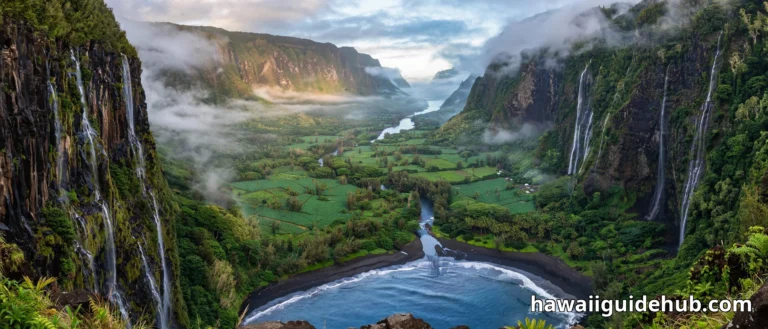
The whole Hilo vs Kona story starts with wind. Hawaiiʻs trade winds blow in from the northeast, loaded with ocean moisture. Hilo faces them head on. The air rises up the slopes of Mauna Loa and Mauna Kea, cools, and drops its rain on the east side, which is why Hilo is one of the wettest cities in the United States, averaging more than 120 inches of rain a year in University of Hawaii Rainfall Atlas figures. By the time that same air crosses the island and descends toward Kona, it has been wrung dry. The west coast sits in a rain shadow, and rainfall falls off dramatically, down to under 10 inches a year on the driest stretch of the Kohala resort coast.
Temperature, by contrast, barely separates them. Both coasts live in the low to mid 80s Fahrenheit on a typical afternoon, with Hilo feeling more humid and Kona feeling warmer in the sun. What changes is the daily pattern. Hiloʻs rain often falls at night and in passing showers, with bright mornings between them, while Konaʻs famous pattern is a clear morning that clouds over the coffee slopes in the afternoon as sea breezes push air upslope. Neither side is ever cold at sea level. One is simply green because it is wet, and the other is golden because it is not. Travelers weighing the island more broadly will find the full picture in our guide to the best things to do on the Big Island.
Hilo in Depth: The East Side Case
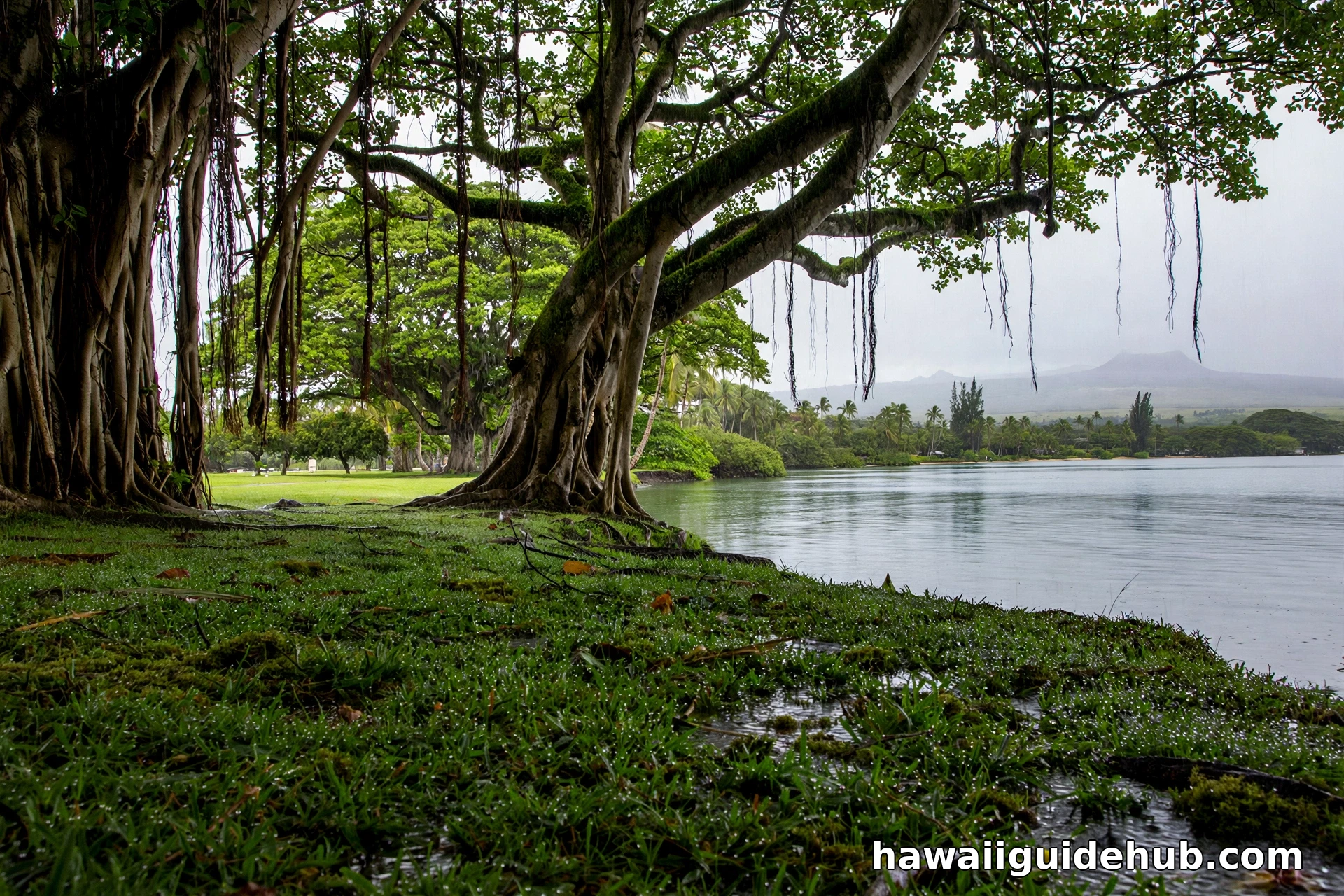
Hilo is Hawaiʻi Countyʻs seat and the Big Islandʻs largest community, and it feels like a place people live rather than a place built for visitors. The bayfront downtown holds historic storefronts, the Pacific Tsunami Museum, which tells the sobering story of the 1946 and 1960 tsunamis that reshaped this coast, and one of the stateʻs best farmers markets, busiest on Wednesdays and Saturdays. Liliʻuokalani Gardens, a large Japanese style garden on the bay, and the banyan lined drive past it give Hilo its calm, green first impression.
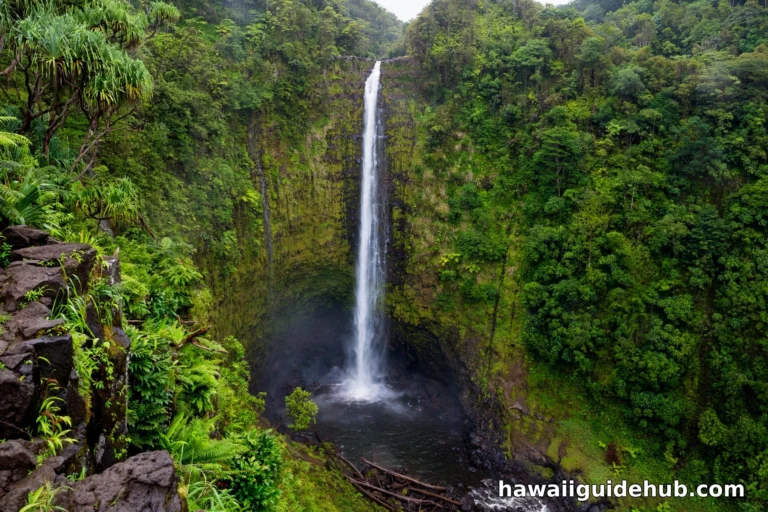
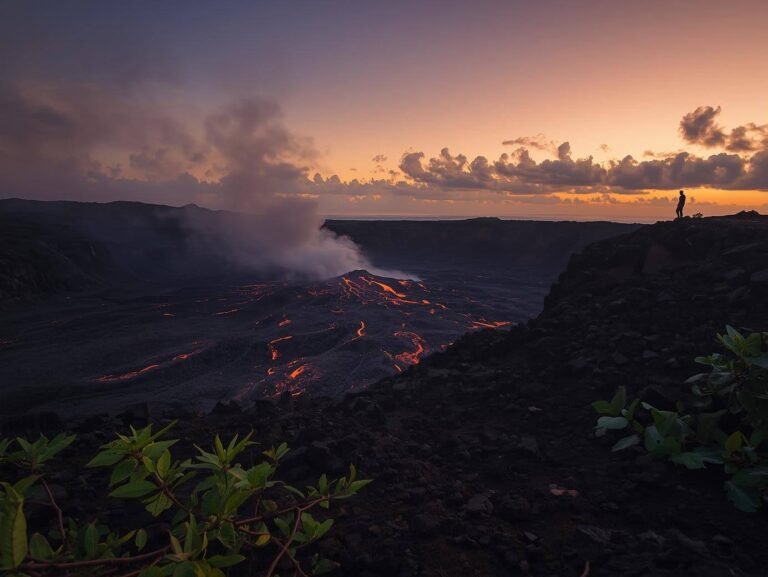
The east side owns the islandʻs water features. Rainbow Falls drops right in town, and ʻAkaka Falls, a 442 foot plunge in a state park about 30 minutes north, anchors the lush Hāmākua Coast drive. Hawaiʻi Tropical Bioreserve and Garden, botanical gardens, and black sand and turtle viewing at Punaluʻu farther south fill out an east side day. Above all, Hilo is the practical base for Hawaiʻi Volcanoes National Park: the entrance is about 30 miles up Highway 11, an easy day trip or even a half day add on. If the volcano is the centerpiece of your trip, Hiloʻs case is close to automatic.
Kona in Depth: The West Side Case
Kona is really a coast rather than one town: the seaside village of Kailua-Kona, the coffee belt on the slopes above it, and the resort coast running north toward Waikoloa and the Kohala Coast. Kailua-Konaʻs Aliʻi Drive holds Huliheʻe Palace, a former royal vacation residence, and Mokuaikaua Church, and the town runs on ocean time, with a famous sunset almost every evening of the year. In October the same waterfront hosts the Ironman World Championship, and the rest of the year it serves as the islandʻs dining and evening center. Our dedicated guide to the best things to do in Kona walks the coast in detail.
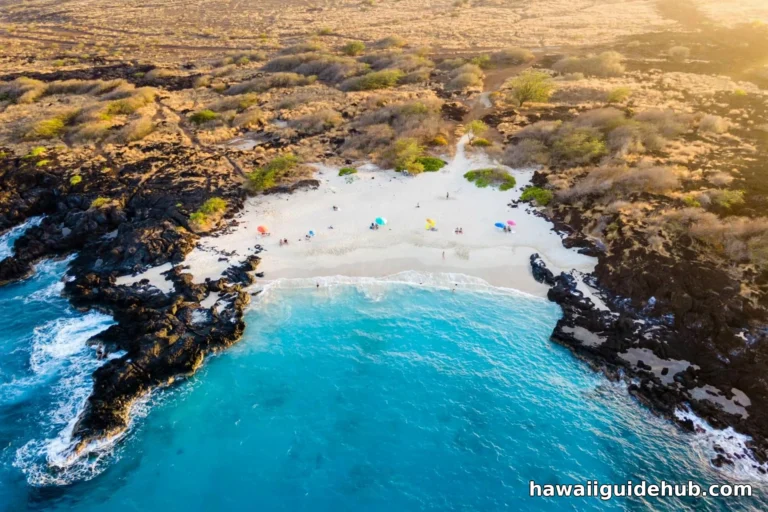
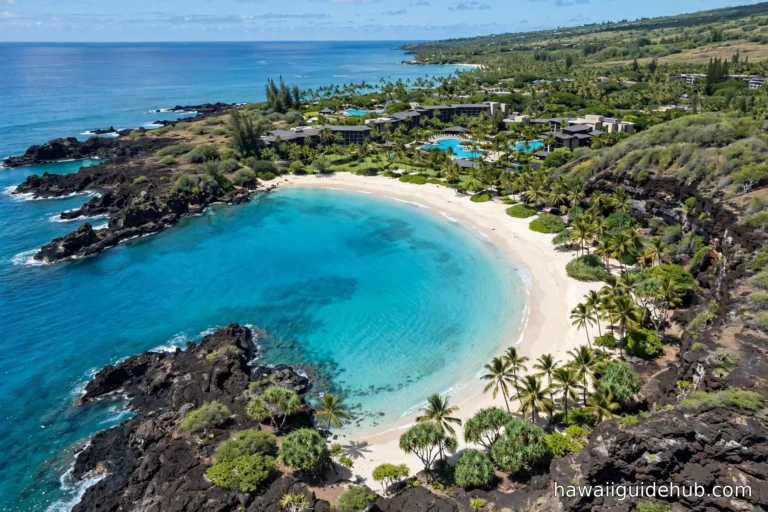
What Kona owns is the ocean. The leeward coast is where the Big Island swims: Kahaluʻu and Kealakekua Bay for snorkeling, the calm coves tucked along the resort coast, and the manta ray night snorkeling that has become one of Hawaiiʻs signature experiences. Add the Kona coffee farms pouring tastings on the slopes above town, sport fishing boats out of Honokōhau Harbor, and reliable dry weather for boat days, and the west side makes the classic beach vacation case. The cost of that case is literal: lodging and dining on the Kona side, especially in the resort areas, generally run higher than in Hilo.
Beaches and Ocean: The Clearest Difference
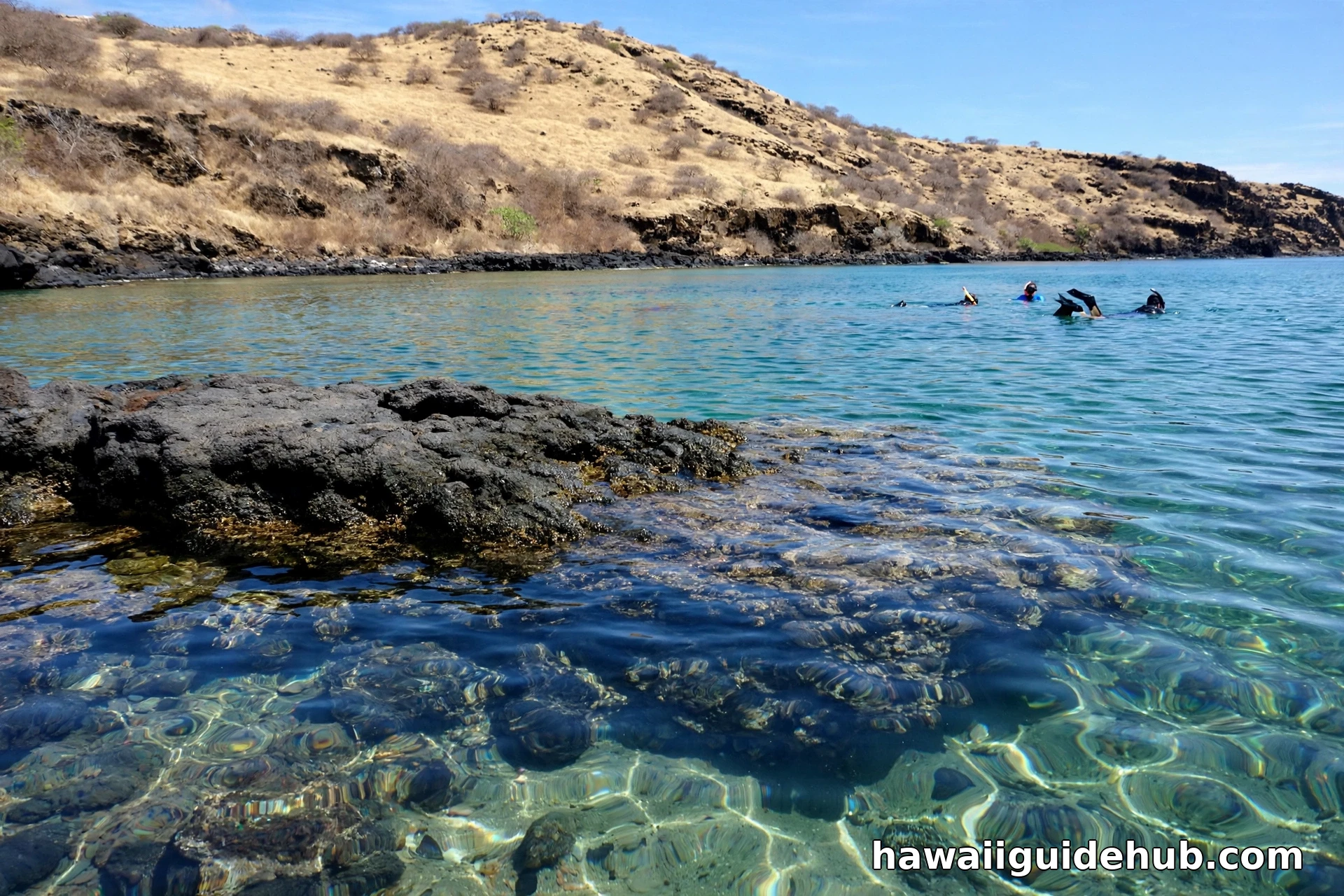
If you picture your trip around swimming and snorkeling, this section settles the question. The Kona side has the islandʻs best beach infrastructure: sandy entries, protected bays, and the clearest water, because the dry coast produces little runoff. Hiloʻs coast is beautiful but rugged, with rocky shorelines, river mouths, and beach parks better suited to picnics, fishing, and watching the surf than to casual swimming. Hilo does have calm spots, including the protected coves at Richardson Ocean Park and the swimming areas along Kalanianaʻole Avenue, and locals love them, but a beach first traveler will simply get more ocean days per week on the west side.
Food, Coffee, and Evenings
Evenings underline the contrast. Hilo eats early and local: plate lunch institutions, saimin and shave ice institutions, and a farmers market culture that puts island produce at the center of the table. It is the better town for tasting what residents actually eat, from poke by the pound to tropical fruit you will not find ripe on the mainland. Kona answers with range: oceanfront dining along Aliʻi Drive, resort restaurants up the coast, and a coffee country that pours estate tastings all day on the slopes above town, where farms grow in the same volcanic soil and afternoon cloud pattern that made Kona coffee famous. Nightlife on both sides is modest and early by city standards. Kona simply has more of it, while Hilo trades evening buzz for mornings that start green, quiet, and unhurried.
Getting There and Getting Between Them
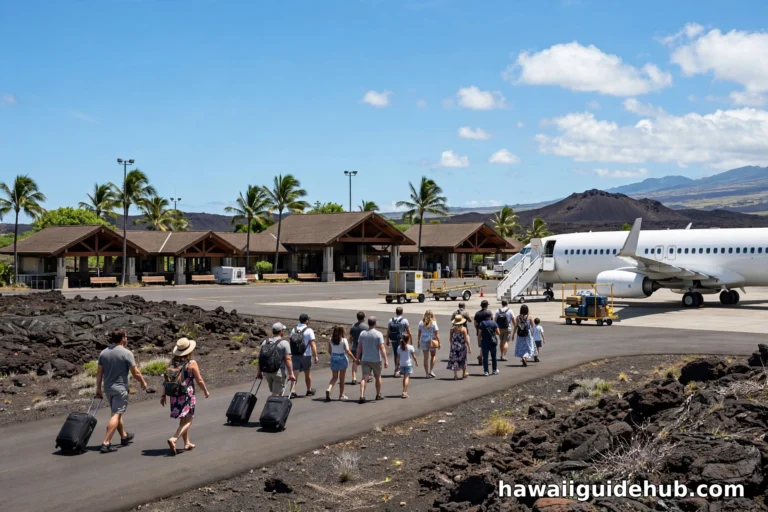
Most visitors meet this choice at the airport. Kona International Airport at Keāhole (KOA) handles the bulk of the islandʻs mainland flights, while Hilo International Airport (ITO) is served mainly by interisland flights with limited mainland service, as our Hawaii airport guide outlines. Flying into one and out of the other is a legitimate strategy if your itinerary runs one way across the island, and it saves backtracking.
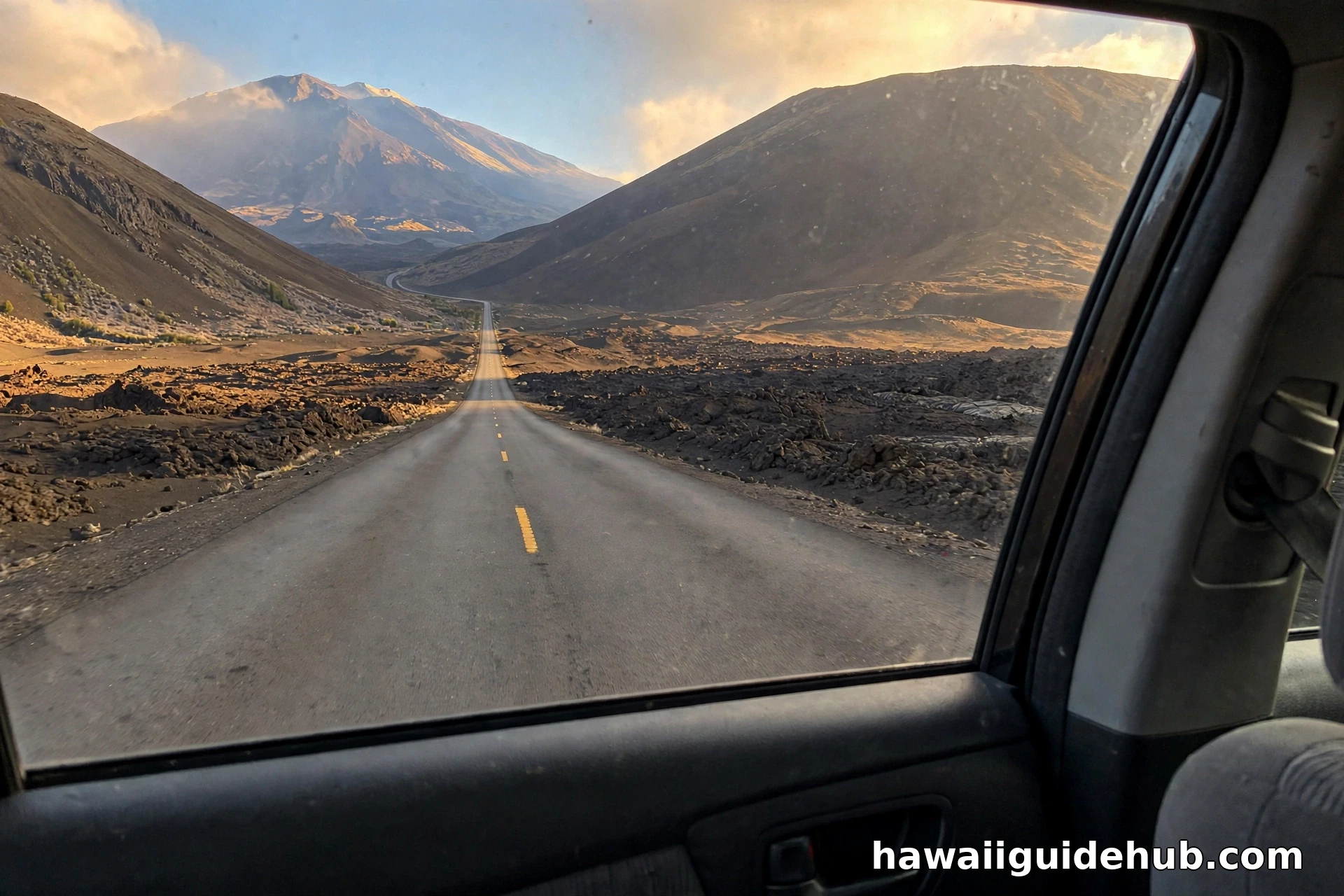
Three roads connect the towns. Saddle Road, the Daniel K. Inouye Highway, is the fast modern route across the islandʻs high middle, roughly 77 miles and about 1.5 to 2 hours, passing between Mauna Kea and Mauna Loa. The northern route on Highway 19 through Waimea and down the Hāmākua Coast is the green, waterfall lined option at roughly 84 miles and about 2 to 2.5 hours. The southern route on Highway 11 through the Kaʻū district and past the volcano is the longest at roughly 100 miles and 2.5 to 3 hours, but it doubles as sightseeing, passing near the islandʻs famous green sand beach turnoff and Punaluʻu black sand beach. A rental car is effectively required for all of it: the island is twice the size of all the others combined, and distances punish improvisation.
The split stay rule of thumb: with five nights or fewer, pick one base and day trip. With a week or more, split the stay, roughly two or three nights in Hilo for the volcano and waterfalls and the rest in Kona for the ocean, and you stop paying the cross island drive tax every day.
So, Hilo or Kona? Recommendations by Traveler
Choose Kona if this is your first Big Island trip, if beaches and snorkeling lead your list, if you are traveling with kids who live in the water, or if you want the simplest logistics: most flights, most lodging choice, most evening dining. Choose Hilo if the volcano is your headline, if waterfalls and gardens outrank beach days, if you prefer a local town over a resort strip, or if your budget works better with gentler prices and a slower pace. Split the stay if you have a week or more, because the islandʻs two halves are genuinely two destinations, and the split is the only way to give both of them mornings and evenings instead of windshield time.
Video: Hilo or Kona, Where to Stay
A grounded walk through the same decision, comparing weather, airports, price, and things to do on both coasts before choosing a base.
Frequently Asked Questions
Is Hilo or Kona better for first time visitors?
Kona is the easier first base for most visitors: more flights, more lodging, the best swimming, and reliable sun. Hilo is the better first base if Hawaiʻi Volcanoes National Park is the main purpose of the trip. With a week or more, splitting the stay beats choosing.
How far apart are Hilo and Kona?
About 77 miles by Saddle Road, 84 miles by the northern Hāmākua route, and roughly 100 miles by the southern volcano route. Driving times run from about 1.5 hours on Saddle Road to around 3 hours in the south with stops.
Does it really rain that much in Hilo?
Yes, by the numbers: more than 120 inches a year on average, among the wettest city totals in the United States. In practice much of it falls at night and in passing showers, and the rain is exactly why the east side has its waterfalls, gardens, and rainforest. Pack a light rain layer and plan outdoor highlights for the morning.
Which side is better for beaches, Hilo or Kona?
Kona, clearly. The west coast has the islandʻs best swimming and snorkeling bays, sandy entries, and clear water. Hiloʻs coast is rugged and scenic with a few protected swimming coves, but it is a coast for beach parks and viewpoints more than for long swim days.
Which airport should I fly into, Hilo or Kona?
Kona (KOA) for the widest choice of mainland flights and the easiest Kona side start. Hilo (ITO) suits volcano focused trips and mostly connects through Honolulu. Flying into one and out of the other works well for one way itineraries across the island.
Can you visit both Hilo and Kona in one trip?
Yes, and most weeklong visitors should. Either split your lodging between the two towns or base on one side and take one long, planned cross island day. What does not work is treating the crossing as a casual errand: it is a minimum of three hours of driving round trip on the fastest route.
Hilo vs Kona is not really a contest with a loser. It is the Big Island showing you its two natures: the wet green east that built waterfalls and a working town, and the dry bright west that built beach days and coffee farms. Pick the coast that matches the trip you actually want, or give a longer stay to both, and the island will take care of the rest.