Can You Drink the Tap Water in Hawaii?

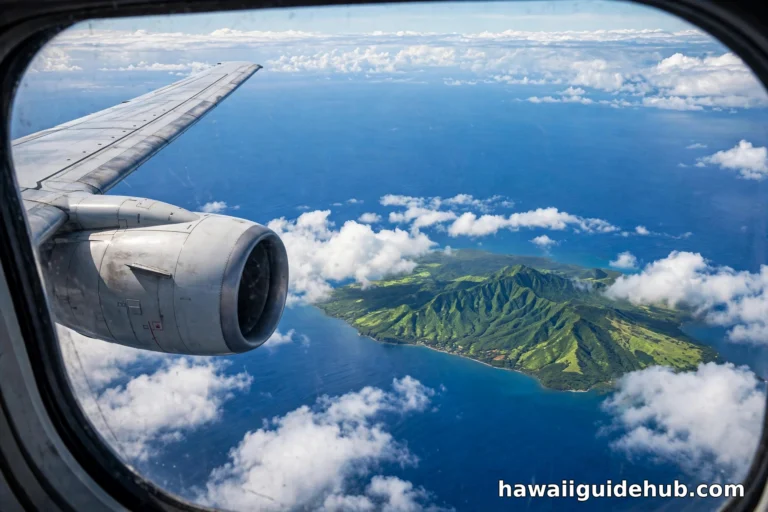
You just landed in Hawaii, you are thirsty, and there is a row of two-dollar water bottles at the airport shop. Save your money. Hawaii has some of the best tap water in the United States, and it is safe to drink straight from the faucet on every major island. This guide explains why it tastes so good, how it differs by island, and the few situations where you should think twice.
This is the single complete guide to Hawaii tap water. It covers water quality and safety, the volcanic filtration that makes it special, taste differences between islands, bottled water versus tap, hotels and restaurants, and answers to the questions visitors ask most. If you have been searching for anything about drinking tap water in Hawaii, the answers are all here on this one page.
The Short Answer: Yes, Drink the Tap Water
Tap water in Hawaii is safe to drink. Every public water system in the state must meet federal Safe Drinking Water Act standards set by the EPA plus Hawaii’s own state standards, which the Department of Health’s Safe Drinking Water Branch enforces. Water providers test for more than 100 contaminants, and each one publishes an annual Water Quality Report, also called a Consumer Confidence Report, with the results.
On Oahu, the Honolulu Board of Water Supply serves about one million people every day and states plainly that its water is safe to drink and does not require treatment by home filtration units. Its annual reports consistently show full compliance with safe drinking water standards. The story is the same on the neighbor islands. Maui, Kauai, and Hawaii Island each run county water departments that test to the same federal and state rules and publish yearly quality reports.
Why Hawaii’s Tap Water Is So Good
Hawaii’s water quality starts with geology. Rain falls on the volcanic mountains, then percolates down through layers of porous lava rock for roughly 25 years before it reaches the underground aquifers. That slow journey is a natural filtration system that strips out sediment and impurities. The water collects in lens-shaped freshwater aquifers inside the volcanic rock, and wells draw it up from there. About 99 percent of Hawaii’s domestic water comes from groundwater, not from rivers or reservoirs.
Because the source is deep underground, it is shielded from most surface pollution. The Board of Water Supply and the state Department of Health run thousands of tests on it every year. Treatment is light compared to many mainland cities: BWS disinfects with chlorine, and in some areas also treats with granular activated carbon. There is no need for the heavy treatment that river-sourced water requires, which is one reason the taste is so clean.
How Your Water Is Tested and Reported
Hawaii’s water testing is not a once-a-year formality. Providers collect thousands of samples annually from wells, treatment points, and taps across the distribution system, checking for bacteria, nitrates, metals, pesticides, volatile organic compounds, and more than 100 other regulated contaminants. The Hawaii Department of Health’s Safe Drinking Water Branch reviews the results and enforces the standards, and any violation triggers public notification. This layered oversight is why advisories are rare and, when they do happen, are announced immediately through the water department, local news, and county alert systems.
The annual Water Quality Report is the document that proves it. Every community water system mails or posts a Consumer Confidence Report by July 1 each year, listing exactly what was detected in your water and how those levels compare to the legal limits. If you are curious about the specific numbers for the area where you are staying, these reports are public and posted on each county water department’s website. For a visitor, the takeaway is simpler: the water coming out of the tap has already passed more testing than any bottled water on the store shelf is required to undergo.

What Hawaii Tap Water Tastes Like
Most visitors are pleasantly surprised by the taste. Hawaii’s water is naturally soft, with some of the lowest hardness levels in the country. The USGS measured hardness around 34 parts per million in Hawaii, compared to hundreds of parts per million in many mainland cities, which means no chalky mineral taste and no scale buildup. The pH sits naturally in the 7 to 8 range, essentially neutral to slightly alkaline.
You may notice a faint chlorine taste in some areas, since chlorine disinfection is standard. If it bothers you, chill a pitcher in the fridge; cold water tastes cleaner and the chlorine note fades as the water sits. What you will not taste is the heavy mineral or sulfur character that plagues well water in many places. Hotels, restaurants, and ice machines all use the same municipal supply, so the ice in your drink is fine too.
Tap Water on Each Island
Quality is high statewide, but the provider and the details vary by island. Here is who runs the tap where you are staying.
| Island | Who runs the tap | What locals know |
|---|---|---|
| Oʻahu | Honolulu Board of Water Supply | Serves about 1 million people; the annual Water Quality Report is public; no home filter needed |
| Maui | Maui County Dept. of Water Supply | Excellent quality; run the tap briefly after big storms bring “brown water” |
| Kauaʻi | Kauaʻi Dept. of Water | Tested to EPA and state standards; annual consumer reports published |
| Big Island | Hawaiʻi Dept. of Water Supply | Groundwater islandwide; some rural rentals use rain catchment instead |
The one island-specific quirk worth knowing is Maui’s brown water events. After heavy winter storms, runoff can temporarily cloud the water in parts of Maui, Molokai, and Lanai with sediment. The water department issues notices when this happens, and the cloudiness clears as the system flushes. It is a visible, temporary event, not a hidden contamination problem, and advisories tell residents exactly what to do.
On the Big Island, some rural vacation rentals, especially in the Puna district, run on rainwater catchment systems rather than county water. Catchment water is not held to the same standards as municipal water. If your rental uses catchment, ask the host whether the water is filtered and treated, and use bottled water for drinking if you are unsure. This is the main exception to the drink-the-tap rule in Hawaii.
Do You Need Bottled Water in Hawaii?
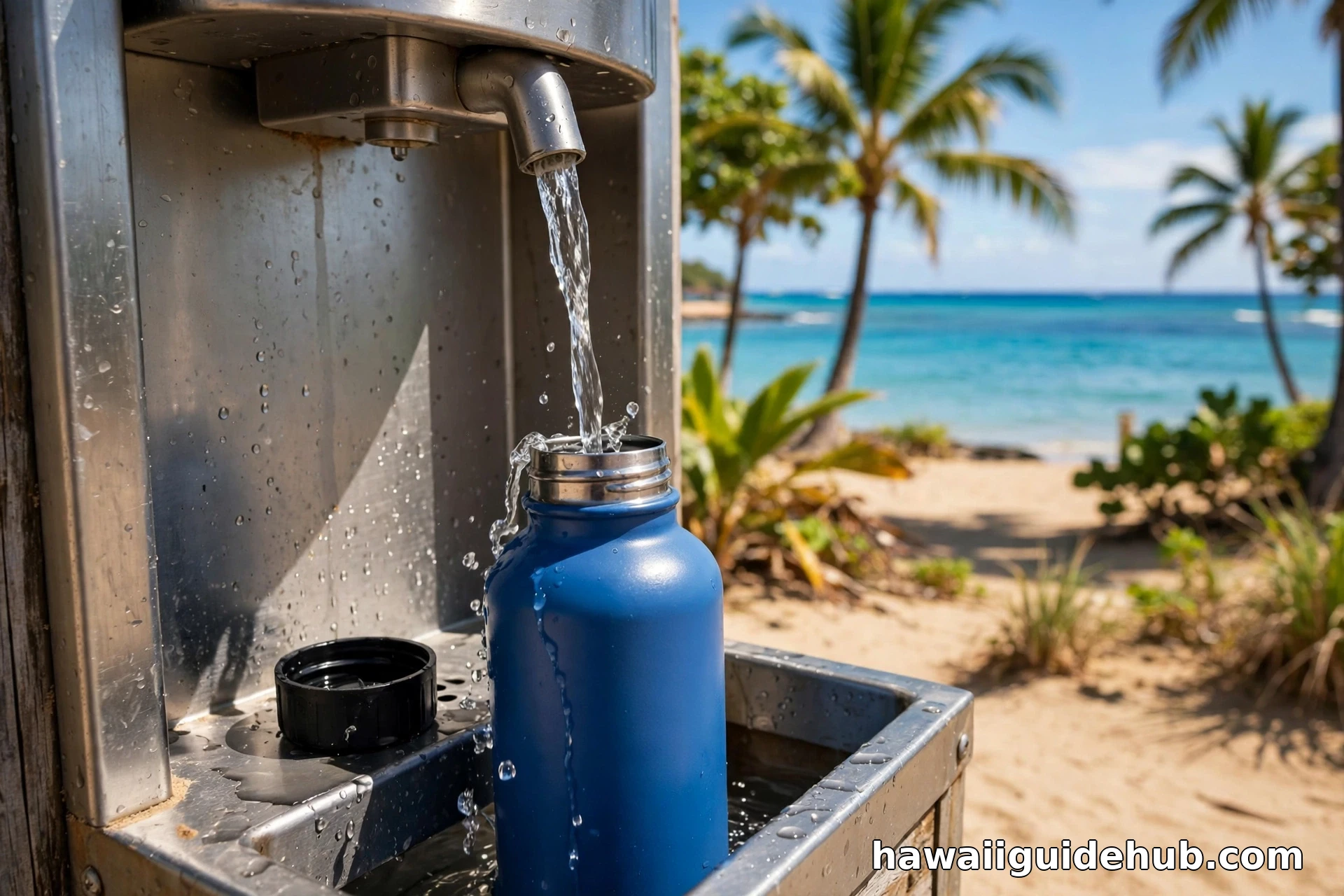
For most visitors, no. Bottled water in Hawaii is often just filtered municipal water sold back to you at a steep markup, and buying it case after case adds plastic waste to islands that already struggle with waste management. A reusable bottle is the smarter move. Fill it at your hotel each morning, refill at beach park fountains and public water stations during the day, and you will stay hydrated for free.
There are a couple of situations where bottled water makes sense. If you are staying in a rural catchment-water rental and the host cannot confirm treatment, buy drinking water. If a boil water advisory is ever issued for your area, which happens rarely and is announced loudly by the water department and local news, follow it until it is lifted. And if you simply prefer the taste of bottled water, that is a preference, not a safety need.
The Real Cost of Bottled Water in Hawaii
Do the math before you stock the rental car with cases. A case of 24 half-liter bottles at a Hawaii grocery store often runs six to eight dollars, and a family can go through a case every couple of days in the heat. Over a week-long trip, that is easily 25 to 50 dollars spent on something that flows free from the tap, plus a pile of plastic. Hawaii’s islands have limited landfill space and ship recyclables long distances, so every bottle you skip is a small win for the place you came to enjoy.
There is also a quiet irony to bottled water in Hawaii. Much of it is municipal water that was filtered and bottled elsewhere, sometimes on the mainland, then shipped thousands of miles back to the islands. You are paying for packaging and freight, not for better water. The one bottled product that is genuinely different is deep-ocean desalinated water from off the Kona Coast, sold as a premium specialty item. It is an interesting souvenir, not a daily hydration strategy.
Tap Water in Hotels, Restaurants, and Ice
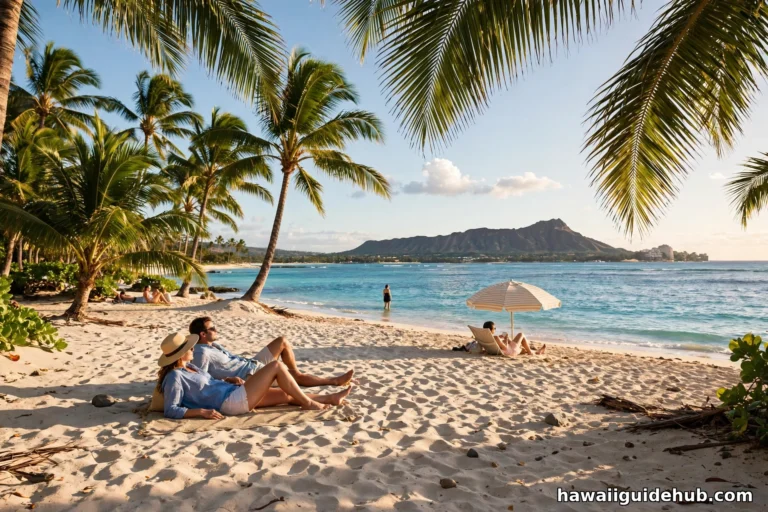
Hotel tap water in Hawaii comes from the same municipal systems as everywhere else, so it is safe to drink, brush your teeth with, and make coffee with. Waikiki’s high-rises, resort towers on Maui, and condos on Kauai all sit on county water. Ice machines use the same supply, so the ice in your poolside drink is fine. Restaurants serve tap water on request without hesitation, and many put chilled filtered water on tables as a matter of course.
One thing you will not find is fluoride added to the water. Hawaii’s public water systems do not fluoridate. If anyone in your family relies on fluoridated water at home for dental health, that is a conversation for your dentist, not a reason to avoid the tap. It also means the taste is purely the natural mineral profile of volcanic-filtered water.
Staying Hydrated in Hawaii’s Climate
Hawaii’s warm weather, trade winds, and strong sun dehydrate you faster than you expect, especially on hikes and beach days. Drink water before you feel thirsty, and carry more than you think you need on trails, where there are no fountains. A frozen bottle in the morning melts into cold water by afternoon. After a morning at a beautiful beach like Hanalei Bay, refill before your afternoon plans. Coconut water from a roadside stand is a tasty local alternative, but it does not replace plain water for hydration. Our guide to outdoor adventures in Hawaii has a full packing checklist for active days.
Video: Hawaii’s Tap Water Test Results
A local news report on testing that confirms Hawaii’s tap water meets safety standards.
Frequently Asked Questions
Is Waikiki tap water safe to drink?
Yes. Waikiki is served by the Honolulu Board of Water Supply, the same system that supplies the rest of Oahu. The water meets all federal and state standards, and BWS says it does not require home filtration. Hotel taps in Waikiki are fine to drink from.
Why does Hawaii tap water taste better than mainland water?
It comes from deep volcanic aquifers instead of rivers or reservoirs, so it needs less treatment and picks up fewer off flavors. The water is naturally soft and low in minerals, with a neutral pH, which most people perceive as clean and fresh tasting.
Does Hawaii tap water have chlorine?
Yes, at low levels. Chlorine disinfection is standard for public water systems, and BWS also uses granular activated carbon in some areas. If you notice the taste, chilling the water or letting a pitcher sit uncovered for a bit reduces it.
Can babies drink Hawaii tap water?
Yes, municipal tap water in Hawaii is safe for mixing baby formula, just as it is for drinking. The one exception is unregulated water sources like untreated rainwater catchment at some rural rentals. If your accommodation uses catchment, use bottled water for formula to be safe.
What is brown water on Maui?
After heavy storms, sediment runoff can temporarily turn tap water brownish in parts of Maui County. The water department issues public notices during these events with guidance, and the water clears as the system flushes. It is a temporary, visible condition, not a sign of hidden contamination.
Should I buy bottled water for my Hawaii vacation?
Almost certainly not. Bring a reusable bottle and refill it from taps and fountains. You will save money, avoid plastic waste, and drink water that is just as safe as the bottled kind. Buy bottled only if you are on untreated catchment water or during a rare boil water advisory.
Hawaii’s tap water is one of the quiet perks of visiting the islands. It is volcanic-filtered, rigorously tested, soft, and clean tasting, and it flows from every hotel tap, restaurant glass, and beach park fountain you will encounter. Pack a reusable bottle, drink the tap with confidence, and spend the money you save on something that actually needs buying in Hawaii.