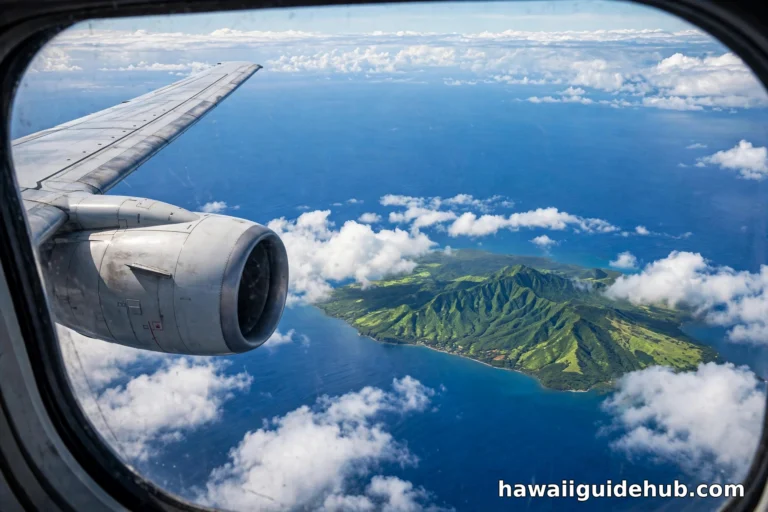

Hawaii Travel Insurance Guide

Hawaii is one of the most expensive trips an American traveler can take, and also one of the most remote. That combination is exactly why travel insurance deserves a serious look before you fly. A canceled flight, a broken ankle on a lava field, or a hurricane warning can turn a dream vacation into a five-figure loss, and Hawaii’s distance from the mainland makes every problem pricier to solve.
This is the single complete guide to Hawaii travel insurance. It covers whether you actually need it, what good coverage looks like, how much it costs, when to buy for the best benefits, the Hawaii-specific fine print most people miss, and how credit card coverage compares to a standalone policy. By the end, you will know exactly what to buy and what to skip. If you are still deciding where to go, our guide to the best island in Hawaii for first-time visitors pairs well with this one.
Do You Really Need Travel Insurance for Hawaii?
For domestic US travelers, travel insurance is optional but unusually sensible for Hawaii. Your health insurance probably covers emergency care in the islands, but trip cancellation, interruption, lost baggage, and medical evacuation are the gaps that bite. A week in Hawaii often costs $5,000 to $10,000 for two people once you add flights, hotels, a rental car, and activities. That is a lot of prepaid, nonrefundable money sitting at risk for months between booking and departure.
For international visitors, the case is much stronger. Many home-country health plans cover little or nothing in the United States, where medical prices are among the highest in the world. If you are flying in from abroad, first check whether you need a passport to fly to Hawaii, then sort your insurance. An emergency room visit can cost thousands of dollars, a hospital stay tens of thousands, and a medical flight home hundreds of thousands. If you are visiting from abroad, travel medical insurance is not optional in any practical sense.
Hawaii adds three wrinkles that make insurance more valuable than for a typical domestic trip. First, medical evacuation between islands is expensive, and serious cases on Maui, Kauaʻi, or the Big Island are routinely flown to Oʻahu. Second, Hawaii is an adventure destination, and injuries from surfing, hiking, and snorkeling are common enough that insurers specifically ask about them. Third, hurricane season runs June through November, and while direct hits are rare, flight cancellations from tropical weather are not.

What Travel Insurance Actually Covers
| Benefit | What it covers | You would use it when |
|---|---|---|
| Trip cancellation | Reimburses prepaid, nonrefundable costs if you cancel for a covered reason | A family emergency grounds you before departure |
| Trip interruption | Covers unused trip costs plus extra expenses if you must cut the trip short | You fly home mid-trip for an emergency |
| Emergency medical | Pays for hospital and doctor bills from illness or injury during the trip | A reef cut turns into an ER visit |
| Medical evacuation | Pays for emergency transport, including air ambulances between islands | A serious injury on a remote trail or island |
| Baggage loss and delay | Reimburses lost, stolen, or delayed luggage and essentials | Your bags miss the connection in Honolulu |
| Travel delay | Covers meals and hotels during long covered delays | A canceled flight strands you overnight |
| Cancel for any reason (CFAR) | Optional upgrade letting you cancel for reasons not otherwise covered | You want an exit ramp, whatever happens |
Trip cancellation is the benefit most Hawaii travelers use. Covered reasons typically include serious illness or injury to you or a traveling companion, a death in the family, jury duty, and natural disasters that make your destination uninhabitable. Standard policies do not cover changing your mind, which is why the cancel for any reason upgrade exists. CFAR usually reimburses 50 to 75 percent of trip costs and must be bought within a couple of weeks of your first trip deposit.
Emergency medical and evacuation are the benefits that prevent financial catastrophe. Look for at least $100,000 in emergency medical coverage and at least $250,000 in evacuation coverage for a Hawaii trip. These numbers sound large until you learn that a single inter-island air ambulance flight can cost tens of thousands of dollars, and a mainland medevac far more.
How Much Does Travel Insurance Cost for Hawaii?
A comprehensive travel insurance policy typically costs 4 to 7 percent of your total prepaid trip cost. For a $6,000 Hawaii vacation, expect roughly $240 to $420 for solid coverage. Medical-only policies for international visitors or adventure add-ons cost less, while CFAR upgrades add more. The exact price depends on your age, trip length, trip cost, and how much medical coverage you select. Travelers over 65 pay noticeably more, because insurers price on risk.
To keep costs down without gutting protection, insure only the nonrefundable parts of your trip. If your hotel has free cancellation up to a week before arrival, do not include those nights in your insured trip cost. Compare at least three policies, because prices for similar coverage vary widely. And check what your credit card already covers before you buy, since many premium cards include some travel protection that lets you buy a smaller, cheaper supplemental policy. Our guide to the cheapest time of year to visit Hawaii can also help you lower the trip cost you need to insure in the first place.
When to Buy: Timing Matters More Than You Think
Buy travel insurance soon after you make your first trip booking, ideally within 14 to 21 days of your initial deposit. This early-purchase window unlocks the two most valuable upgrades: cancel for any reason coverage and the pre-existing medical condition waiver. Miss the window and both are usually off the table.
The pre-existing condition waiver deserves special attention for Hawaii travelers. Many visitors are older adults or travel with parents managing chronic conditions like heart disease or diabetes. Without the waiver, a flare-up of a known condition that forces cancellation may not be covered. With it, purchased in the early window, it is. If anyone in your traveling party has a significant medical history, the early purchase is not a nice-to-have. It is the whole point.
There is one more timing rule: you cannot buy insurance for a storm that is already named. Once the National Hurricane Center names a tropical system, it becomes a foreseeable event, and trip cancellation coverage for that storm is no longer available. If you travel during hurricane season, buy your policy before any storm exists, not when one appears on the forecast map.
Hawaii-Specific Fine Print to Check
Adventure activities are the biggest fine-print trap for Hawaii. Standard policies cover normal vacation activities, but exclusions often kick in for things insurers classify as extreme: scuba diving below certain depths, backcountry hiking, cliff jumping, and sometimes even surfing. If your Hawaii plans include manta ray night dives, the Kalalau Trail, or surf lessons, read the activity exclusions line by line. Adventure sports riders exist and are worth the small extra cost if you need them.

Inter-island flights deserve a second look too. Many Hawaii visitors hop between islands on separate small bookings, and a missed connection because of a delay can strand you with extra hotel nights. Make sure your policy’s travel delay and missed connection benefits apply to the full journey, including separately ticketed inter-island legs. Rental cars are another gap: most travel policies offer limited rental car damage coverage, and Hawaii’s narrow roads and tight parking make dings common. Check whether your credit card or personal auto policy already covers rentals before paying for more.
Finally, understand what counts as a covered reason for hurricanes. A hurricane warning alone does not trigger trip cancellation under most policies. Coverage typically requires your destination to become uninhabitable, your flight to be canceled, or a mandatory evacuation order. A policy bought after the storm is named will not help at all, as noted above.
Credit Card Travel Insurance vs a Standalone Policy
Many premium credit cards include travel protections when you pay for the trip with the card: trip cancellation and interruption, baggage delay, and sometimes rental car coverage. For a straightforward Hawaii trip, this built-in coverage plus a small medical-only policy can be the smartest and cheapest combination, especially since credit card medical coverage is usually thin or nonexistent.
But credit card coverage has real limits. Benefit caps are lower, typically a few thousand dollars per trip rather than the full cost of a luxury Hawaii vacation. Pre-existing conditions are rarely waived. CFAR is never included. And the coverage only applies if you charged the trip to that card. For expensive trips, travelers with health concerns, or anyone who wants cancel for any reason flexibility, a standalone comprehensive policy is the better buy. Think of credit card coverage as a useful supplement, not a replacement.

Common Travel Insurance Mistakes
The most expensive mistake is buying too late and losing the CFAR and pre-existing condition options. The second is underinsuring the trip cost to save a few dollars on the premium, then discovering the payout does not cover the actual loss. Insure the real nonrefundable total, not a hopeful lower number.
Other classic errors: assuming your health insurance covers evacuation (it almost never does), assuming Medicare covers you abroad (standard Medicare does not cover care outside the US), skipping the adventure activity fine print, and forgetting to keep receipts. Every claim needs documentation, so save boarding passes, hotel receipts, medical bills, and any official notices of delays or cancellations. Photograph receipts immediately, because thermal paper fades.
How to File a Travel Insurance Claim
Start the claim as soon as the disruption happens, not after you get home. Call the insurer’s 24-hour assistance line, which is also the number to call for emergency help coordinating care. Most insurers let you start claims online or through an app, and you will upload documentation: proof of the loss, receipts for extra expenses, medical records for health claims, and airline notices for delays.
File within the policy’s deadline, usually 60 to 90 days from the incident, and keep copies of everything you submit. If a claim is denied, read the denial letter carefully against your policy wording and appeal with additional documentation. A surprising number of denials are reversed on appeal when the traveler provides the missing paperwork.
Video: Travel Insurance Explained for Hawaii Trips
A clear explanation of how travel insurance works and what to look for when comparing policies for a Hawaii vacation.
Frequently Asked Questions
Do I need travel insurance for Hawaii as a US resident?
It is not required, but it is strongly recommended. Your health plan likely covers emergencies, but trip cancellation, interruption, baggage, and medical evacuation are common gaps. Given Hawaii’s high trip costs and expensive inter-island medical transport, a comprehensive policy is good value for most travelers.
How much does travel insurance cost for a Hawaii trip?
Comprehensive policies typically cost 4 to 7 percent of your prepaid trip cost. For a $6,000 vacation, that is roughly $240 to $420. Age, trip length, and coverage limits move the price up or down.
What is the best travel insurance coverage for Hawaii?
Look for at least $100,000 in emergency medical coverage and $250,000 in medical evacuation coverage, plus trip cancellation matching your nonrefundable costs. Add cancel for any reason and an adventure activities rider if your plans call for them.
When should I buy travel insurance for Hawaii?
Within 14 to 21 days of your first trip deposit. Buying early unlocks cancel for any reason coverage and the pre-existing condition waiver, which are unavailable later. You also cannot buy hurricane-related cancellation coverage after a storm is named.
Does travel insurance cover scuba diving and surfing in Hawaii?
Sometimes, with limits. Many policies cover recreational snorkeling and surfing but exclude scuba below certain depths or classify some activities as extreme sports. Read the activity exclusions carefully and buy an adventure sports rider if your plans need it.
Is credit card travel insurance enough for Hawaii?
For simple trips, credit card coverage plus a medical-only policy can work well. But card benefits have lower caps, no pre-existing condition waiver, and no cancel for any reason option. For expensive trips or travelers with health concerns, a standalone comprehensive policy is safer.
Travel insurance is one of those purchases you hope to waste. Most Hawaii trips go perfectly, and the policy quietly expires unused. But the trips that do not go perfectly are exactly the ones where a few hundred dollars of insurance stands between a bad week and a financial disaster. Buy early, cover the real trip cost, check the adventure fine print, and save the assistance number in your phone. Then go enjoy the islands with one less thing to worry about.