Hawaii One Week Itinerary: The Perfect 7-Day Maui Plan

Seven days on Maui is the classic Hawaii week: enough time for the Road to Hana, a Haleakalā sunrise, world-class snorkeling, and actual beach days without the sprint. This itinerary bases you in the Kāʻanapali area on West Maui, the island’s best home base for first-timers, and paces the week so big days alternate with easy ones. No island hopping, no 4 a.m. alarms every day, just one island done well.
This is the single complete guide to a one-week itinerary in Hawaii. It covers a day-by-day Maui plan with pacing logic, the Road to Hana and Haleakalā strategies, snorkeling highlights, food stops, practical notes on reservations and costs, and answers to common questions. If you have been searching for anything about a Hawaii one-week itinerary, the answers are all here on this one page.
The Week at a Glance: Pacing Matrix
The secret of a good week is energy management. The table below shows the pacing logic: hard days never sit back to back.
| Day | Theme | Anchor activity | Pace |
| 1 | Arrive | Kāʻanapali Beach sunset | Easy: unpack, swim, sleep early |
| 2 | West Maui | Kapalua Bay snorkel; Nākālele Blowhole | Medium: beaches at your speed |
| 3 | Road to Hana | Full-day drive to Waimoku Falls | Hard: 10 to 12 hours, start by 7 a.m. |
| 4 | Recover | Beach morning; ʻĪao Valley afternoon | Easy: sleep in, no alarms |
| 5 | Ocean | Molokini snorkel cruise (morning) | Medium: early boat, free afternoon |
| 6 | Summit | Haleakalā sunrise; Upcountry towns | Hard: 2:30 a.m. wake-up, nap after |
| 7 | Farewell | Last beach morning; shave ice; fly home | Easy: souvenirs, no rushing |
Why Maui for the One-Week Trip
Maui wins the one-week decision for a simple reason: it has the highest density of marquee experiences per square mile. The Road to Hana and Haleakalā are both legitimate wonders of the world category sights, Molokini offers the state’s best boat-access snorkeling, and the beaches from Kāʻanapali to Wailea are consistently ranked among the world’s best. Oʻahu has more total things to do but spreads them across a busier island; Kauaʻi is wilder but quieter; the Big Island needs more days than a week allows. For seven days, Maui is the sweet spot.
West Maui vs. South Maui: Picking Your Base
The island’s two resort coasts suit different travelers. West Maui (Kāʻanapali, Kapalua, Honokowai) has the classic Hawaii look: golden beaches, the beach path, Black Rock snorkeling, and Lahaina’s history nearby. It is livelier, denser, and closer to the Road to Hana’s start. South Maui (Wailea, Kīhei) is sunnier and drier, with luxury resorts, the best winter whale watching from shore, and a more spread-out feel. Kīhei offers condos and local prices; Wailea offers polish at a premium. First-timers who want action choose west; those who want sun and calm choose south. This itinerary uses Kāʻanapali, but it works from either coast with adjusted drive times.
Food Strategy for the Week
Eat like this and the week feeds you well: breakfasts from a grocery run (condo or hotel fridge), lunches at plate-lunch spots and food trucks, dinners alternating between one splurge and casual local favorites. Do not miss: poke from a fish market, shave ice with all the toppings, a proper loco moco, and Maui’s Upcountry produce. The old Lahaina front street dining scene is rebuilding; check current openings before planning around it. Budget $80 to $150 per day for two on food if you mix groceries with restaurants, double that for resort dining every night.
What to Skip
A week is short; spend it on what only Maui offers. Skip the generic helicopter tour unless it is a lifelong dream: the Road to Hana and Haleakalā deliver the aerial-scale views from the ground. Skip the overpriced resort breakfast buffet more than once; the money is better spent on a snorkel cruise. Skip trying to “do” both coasts’ every beach; pick your favorites and return to them. And skip the backside of the Road to Hana (the full loop past Hana) unless your rental agreement allows it and you are comfortable on unpaved cliff roads: the out-and-back is the classic for a reason.
If It Rains
Maui’s weather is a tale of two sides: when it rains on the north and east, the south and west are usually sunny. A rainy forecast is a routing problem, not a ruined day. Swap a Hana day for a Wailea beach day, visit the Maui Ocean Center in Māʻalaea, explore the shops and galleries of Makawao and Paia, or drive the West Maui loop for waterfall views at their most dramatic. Winter storms can disrupt the Molokini boats; the operators will rebook you, and the beach day that replaces the cruise is hardly a punishment.
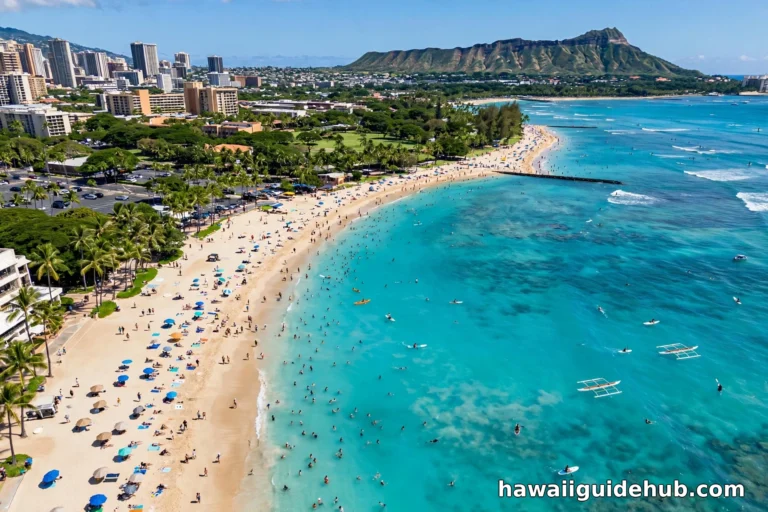
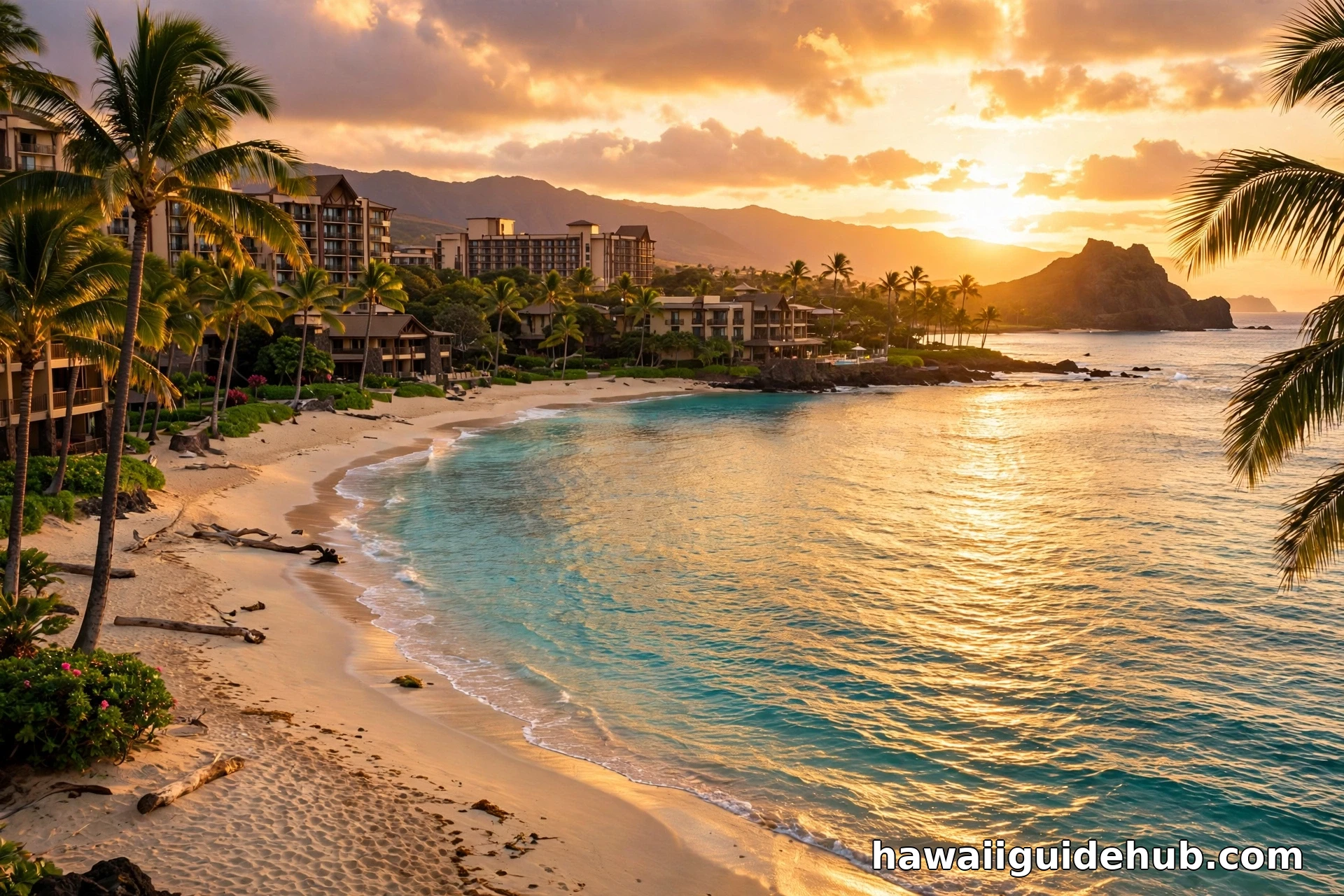
This is the Kāʻanapali you come home to each evening: the sun dropping behind Lānaʻi, the beach path filling with strollers, the torches lit along the resort fronts. Picking a base with a sunset like this matters more than most travelers realize, because the ends of the days are when the trip sinks in. A great home base does not just sleep you; it closes each day properly.
Day 1: Arrive and Unwind
Land at Kahului, collect the rental car you booked months ago, and drive the 45 minutes to Kāʻanapali. Check in, change, and walk straight to the beach: the Kāʻanapali beach path runs for miles past resorts and into the water at Black Rock. Watch the sunset, eat dinner at one of the beachfront restaurants, and get to bed early. The temptation is to start strong; resist it. Tomorrow the island begins, and jet lag is real.
Day 2: West Maui Beaches
Drive north through Kapalua: snorkel Kapalua Bay in the morning when the water is calmest, then continue to Honolua Bay’s jungle-framed cove and the Nākālele Blowhole. Stop in the old whaling town of Lahaina for lunch and the famous banyan tree. This is a choose-your-own-intensity day: serious snorkelers can add a second reef, loungers can claim a beach chair and stay put. Dinner back in Kāʻanapali.
Day 3: The Road to Hana
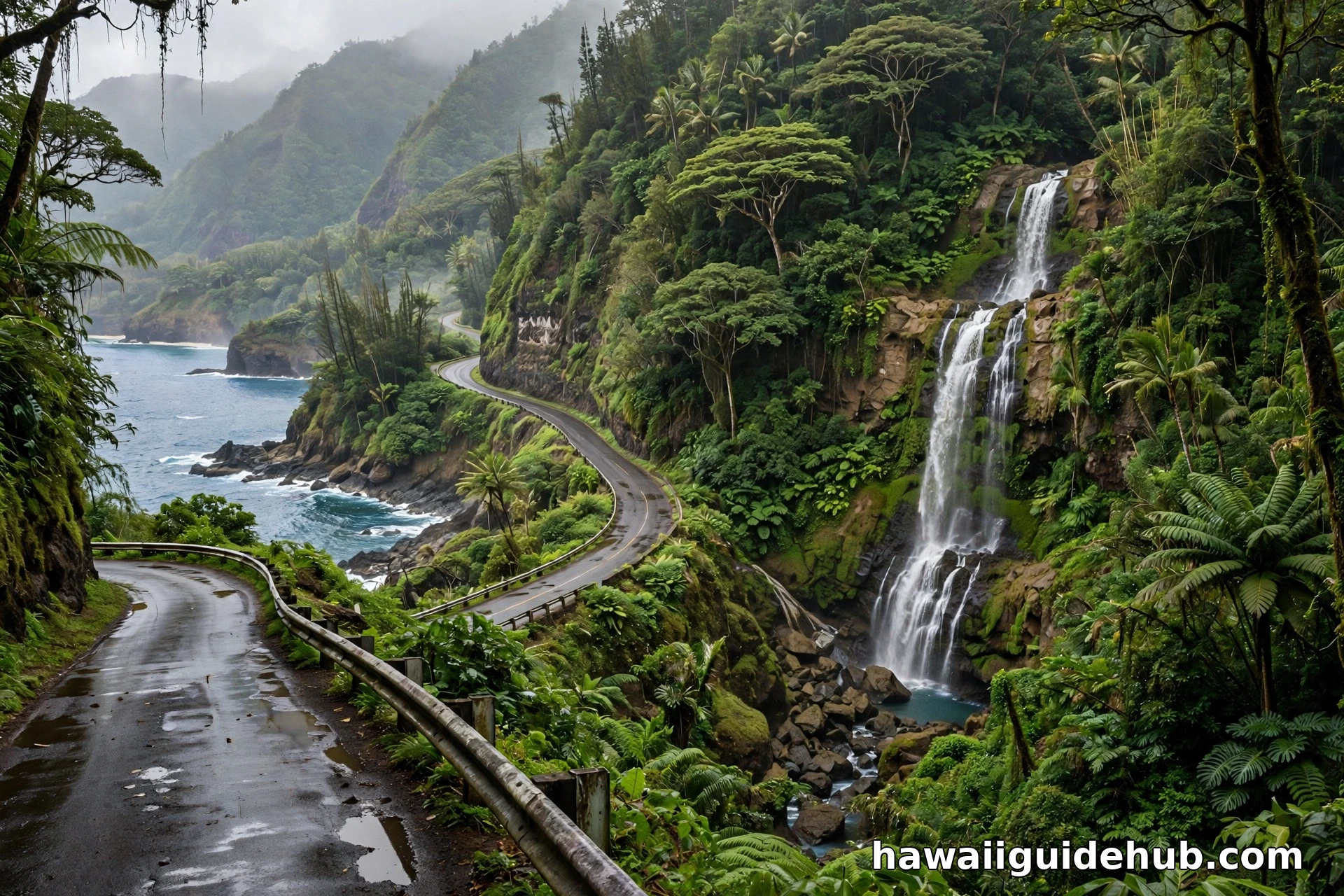
The full-day drive: leave by 7 a.m., pack snacks and reef-safe sunscreen, and download an offline guide app. Highlights along the 64-mile road include the Keʻanae Peninsula, Waiʻānapanapa State Park’s black sand beach, and, for the committed, the Pīpīwai Trail to 400-foot Waimoku Falls past Hana town. Turn around at ʻOheʻo Gulch unless you are continuing the full loop. This is a 10 to 12-hour day; start tired and it will break you. Start fresh and it is the best day of the trip.
The road in the photograph is the whole argument for Day 3: a ribbon of wet asphalt threading between waterfalls and the sea, with a new view around every one of its 600 curves. Drive it slowly, stop often, and let the rainforest set the pace. The travelers who love the Road to Hana are the ones who treated it as a day, not a drive; the ones who hated it tried to do it in an afternoon.
Day 4: Recover
Sleep in. This is the day the itinerary earns its keep: after Hana, your body wants a beach and nothing else. Morning at the resort pool or Kāʻanapali Beach, lunch somewhere casual, then an afternoon drive to ʻĪao Valley State Monument, the lush green needle rock that was the site of a pivotal 1790 battle. It is a half-day outing at most, leaving the evening free for the lūʻau if you booked one, or a quiet sunset dinner.
Day 5: Molokini Morning
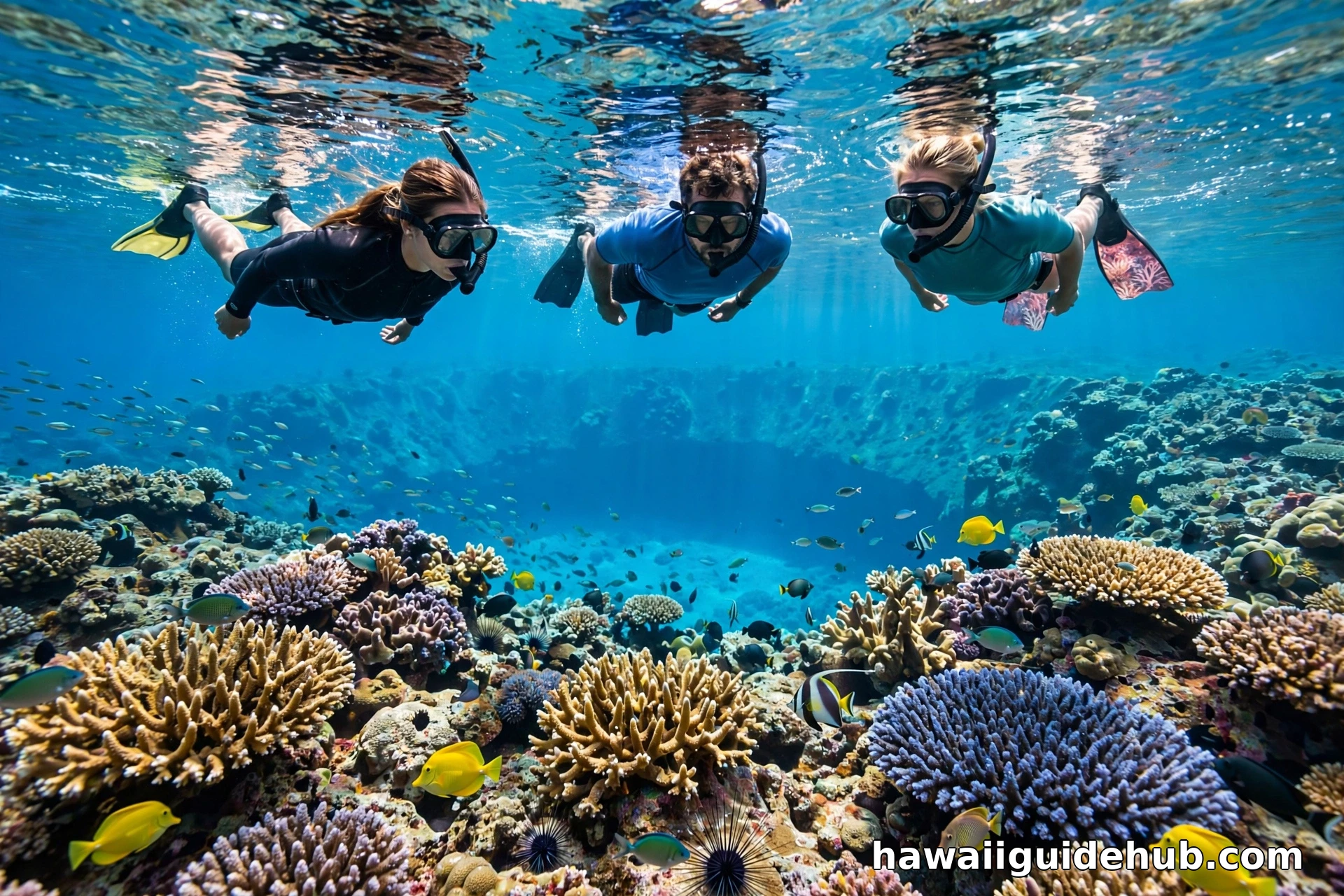
Board the snorkel boat early: Molokini Crater’s visibility, up to 150 feet, is best in the morning before the wind picks up. The crescent-shaped volcanic crater shelters a reef full of tropical fish, and most cruises add a second snorkel stop on the way back. You are back by early afternoon with the rest of the day free: nap, beach, or explore the shops of Whalers Village. Book the cruise in advance; the good boats fill up.
This is what Day 5 looks like from below: three snorkelers suspended over a reef garden, yellow tangs and butterflyfish moving through coral heads, visibility stretching into blue. Molokini on a calm morning is the closest thing to swimming in an aquarium, and the boat ride out, past the crater’s crescent rim with Maui falling away behind, is half the experience. Book the early departure, wear the reef-safe sunscreen, and keep your hands to yourself: the reef you are floating over took centuries to build. The fish do not care about your itinerary, which is exactly why the morning works: you are a guest in their commute, watching it go by.
Day 6: Haleakalā Sunrise
The 2:30 a.m. wake-up: drive to the 10,023-foot summit in the dark (reservation required for the sunrise window), watch the sun ignite the crater and the cloud sea below, then walk part of the Sliding Sands trail as the light changes. Stop in Upcountry towns, Makawao, Kula, the lavender farm, on the way down. Nap in the afternoon; you have earned it. Alternative for non-morning people: Haleakalā at sunset needs no reservation and no alarm, with nearly the same view.
Day 7: Farewell
One last beach morning, one last swim, one last shave ice. Check out, buy the coffee and the macadamia nuts, and drive to Kahului with time to spare. If your flight is late, the Maui Tropical Plantation or a final poke bowl fills the gap. Leave with the sand still in your bag and the plan for next time already forming.
Practical Notes
Reservations to book ahead: Haleakalā sunrise (recreation.gov), Molokini cruise, lūʻau, and any resort dining you care about. The rental car should be booked months ahead; Maui’s fleet is small and prices spike. Budget roughly $300 to $500 per day for two travelers excluding flights, depending on hotel tier. Reef-safe sunscreen is required by state law; buy mineral sunscreen on arrival. And build in the rest day: the itinerary’s Day 4 exists because travelers who skip it burn out by Day 6.
For more trip planning, the guide to Hawaiian cultural traditions adds the cultural layer, while responsible travel practices and the guide to Hawaii’s natural environments help you travel well.
Watch: Maui 7-Day Itinerary
Frequently Asked Questions
Is 7 days enough for Maui?
Yes. Seven days covers the Road to Hana, Haleakalā, Molokini snorkeling, West Maui beaches, and real downtime, which is the ideal first Maui trip.
Where should you stay for a week in Maui?
West Maui (Kāʻanapali or Kapalua) is the best base for first-timers: beaches, dining, and day-trip access. South Maui (Wailea/Kīhei) is the alternative.
Do you need a reservation for Haleakalā sunrise?
Yes. Sunrise entry (3 a.m. to 7 a.m.) requires a reservation via recreation.gov. Sunset visits do not.
How long does the Road to Hana take?
Plan 10 to 12 hours for the full experience including stops. Leave by 7 a.m. and do not rush.
What is the best month to visit Maui?
April to May and September to November offer the best balance of weather, prices, and crowds. Winter brings whales but also peak prices.
A week on Maui, paced right, is the trip that turns visitors into regulars. Alternate the hard days with the easy ones, book the reservations early, and leave room for the unplanned: the turtle at the beach, the rainbow over the valley, the extra hour at the black sand beach because nobody wanted to leave. That is the itinerary working as designed. And when you find yourself pricing flights home before the week is over, you will know it worked. The islands have a way of turning seven days into the first chapter of a much longer relationship, measured in return trips and the slow accumulation of favorite beaches, favorite plate lunches, and favorite sunsets, each one earned by a week well paced and a traveler wise enough to rest between wonders, day after glorious day.