Is Hawaii Safe to Live In? The Honest Answer About Crime, Nature and Daily Life

If you are thinking about moving to Hawaii, you have probably heard two opposite stories. One says the islands are the safest, friendliest place in America, where you can leave your doors unlocked and fall asleep to the sound of the surf. The other warns about hurricanes, tsunamis, volcanoes, sharks, and a cost of living that pushes people out. The truth, as usual, sits between the two. Hawaii is genuinely one of the safer states to live in by most measures that matter, but it comes with natural hazards that do not exist on the mainland, and pretending otherwise helps nobody.
This guide gives you the honest picture: what the crime numbers actually say, which natural hazards you need a plan for, what the ocean really demands of you, and how health care works out here. No scare tactics, no sugarcoating.
Crime in Hawaii: What the Numbers Actually Say
Let us start with the question most people really mean: will I be safe from other people? On that front, Hawaii performs well. Violent crime in the state runs well below the national average. In fact, Hawaii tied for the lowest murder rate in the country in 2025 at 1.2 per 100,000 residents, according to FBI data. Your odds of becoming a victim of violent crime in Hawaii are roughly one in 459, a figure that compares favorably with most states.
That does not mean Hawaii is crime free. Property crime is the more realistic day to day concern. Hawaii’s property crime rate sits above the national average, driven by theft and motor vehicle theft. Honolulu in particular has one of the higher car theft rates among American cities, with about one in 242 residents having a car stolen in a given year. Beach parking lots are classic targets: thieves know tourists leave bags in rental cars, and locals know it too. Lock your car, take your valuables, and do not leave anything visible.
Most violent crime in Hawaii is not random stranger crime. As in most places, it concentrates in specific neighborhoods and situations. The vast majority of residents live their whole lives without encountering any of it. Compared with the American average, a family in a typical Hawaii neighborhood faces meaningfully less violent crime risk than a family in a typical mainland city.
Not Every Neighborhood Is the Same
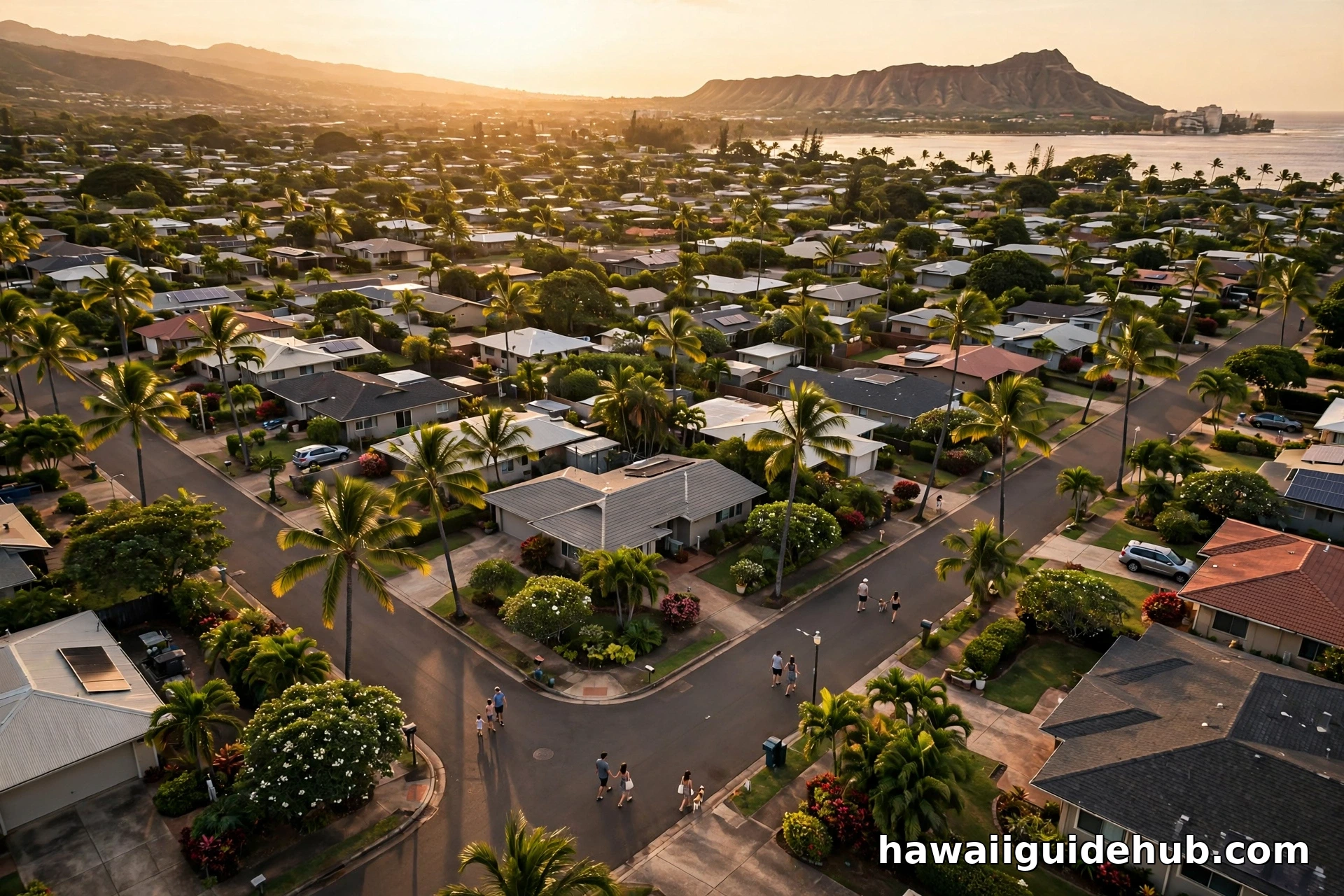
Statewide averages hide local differences, and your address matters. On Oahu, the safest residential areas tend to be the suburbs outside the urban core: places like Mililani Town, East Honolulu, and Kailua have notably low crime rates and are popular with families. The practical advice is the same advice you would follow anywhere: visit the neighborhood at night before you sign a lease, talk to would-be neighbors, and trust your instincts.
Tsunamis: The Hazard You Plan For in Advance
Now the nature part. Hawaii is one of the most tsunami prone places on Earth, sitting in the middle of the Pacific’s Ring of Fire with seismic zones in every direction. Destructive tsunamis reach the islands about once every 11 years on average, arriving from distant earthquakes in Alaska, Japan, Chile, or Russia.
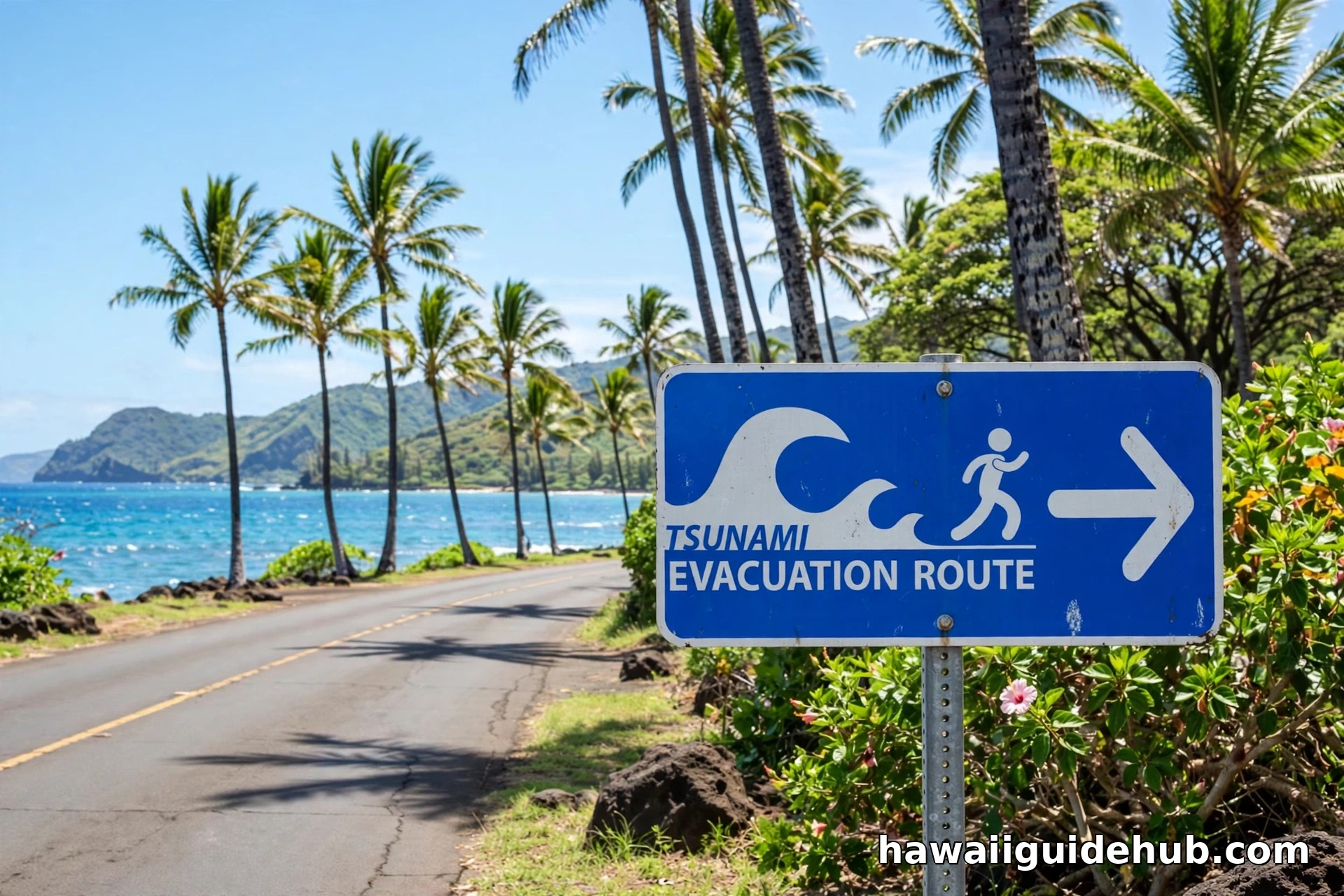
The good news is that distant tsunamis give hours of warning, and Hawaii has one of the most practiced evacuation systems in the world. Here is what living with the risk actually looks like. The state maps two kinds of zones: red zones are tsunami inundation areas that must be evacuated during any tsunami warning, and yellow zones are extreme inundation areas evacuated only for the rare extreme tsunami that could follow a magnitude 9.0 Alaska earthquake. In July 2025, an 8.8 magnitude earthquake off Kamchatka triggered real evacuations across the islands and produced waves of about five feet in Hilo and Kahului, a reminder that this is not theoretical.
Your job as a resident is simple and can be done in an afternoon. Look up your home, workplace, and children’s school on the Tsunami Aware app or your county’s evacuation maps. Walk your evacuation route to high ground before you ever need it. Sign up for emergency alerts at ready.hawaii.gov so warnings reach your phone directly. And learn the sirens: Hawaii tests its outdoor warning sirens on the first workday of each month at 11:45 AM.
Hurricanes: Rare, but 2026 Was a Wake-Up Call
For decades Hawaii seemed to have a force field against hurricanes. The islands are a small target in a vast ocean, and cooler waters to the east tend to weaken approaching storms before they arrive. The last major hurricane landfall was Hurricane Iniki in 1992, a Category 3 storm that tore through Kauai with 145 mph winds and damaged or destroyed about 70 percent of the island’s homes and businesses.
Then came the summer of 2026. Hurricane Lala struck the Big Island and Oahu in August with damaging winds, the first hurricane-force gusts recorded there in 155 years. Weeks later Hurricane Lowell slammed Kauai, and Hurricane Nolo followed near the Big Island. None of the three made a textbook landfall, but the damage was real: flooding, destroyed homes, downed power lines, and two deaths attributed to Lala. Officials openly talked about storm fatigue and rising risk as ocean temperatures warm.
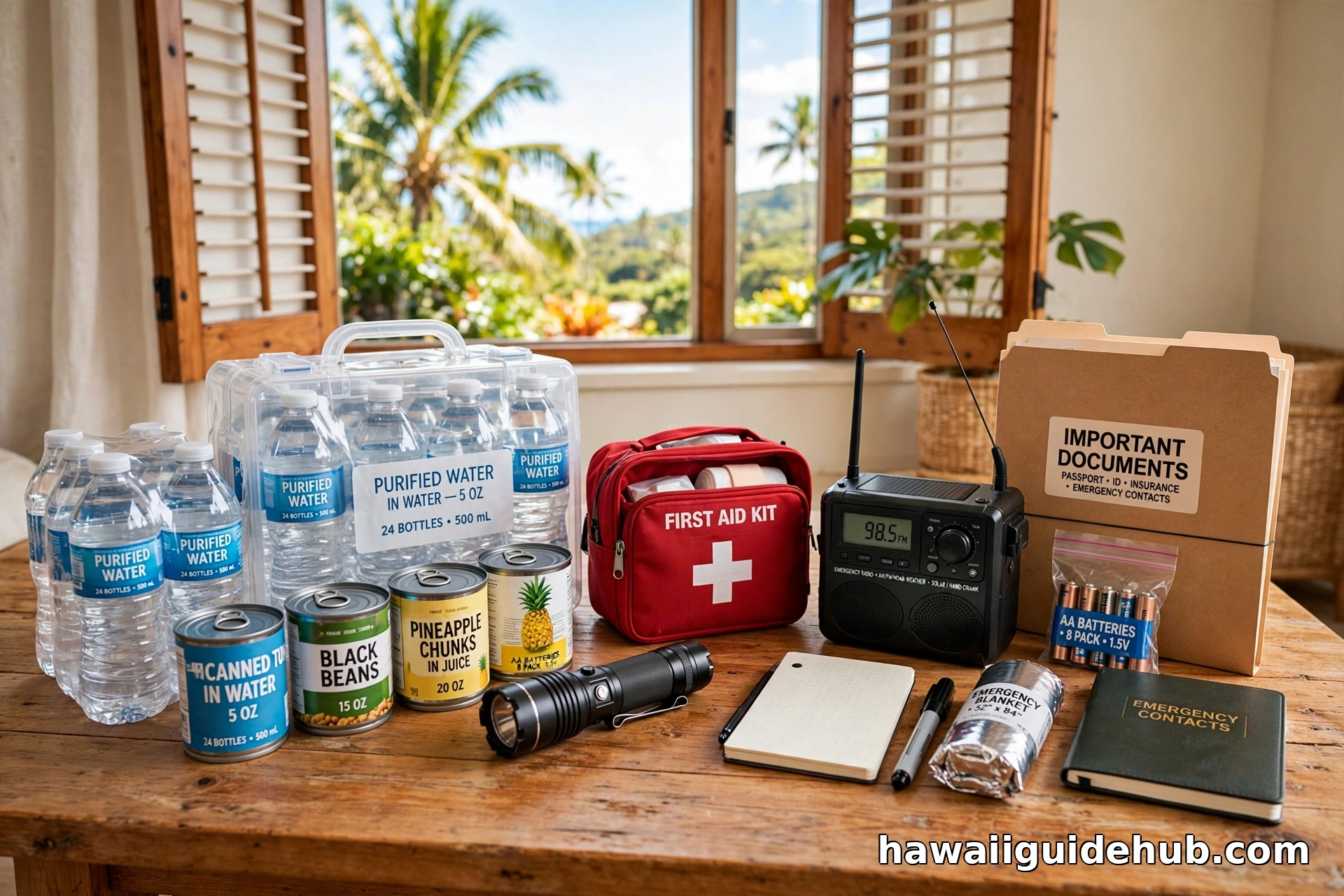
What does this mean for you? Hurricane season runs June 1 through November 30. Keep hurricane shutters or plywood on hand, know which windows face the trade winds, and maintain your emergency kit year round. The rare storm is still rare, but the margin for complacency is smaller than it used to be.
Volcanoes, Vog, and Earthquakes
Active volcanoes exist on only one island: the Big Island, home to Kilauea and Mauna Loa. If you live on Oahu, Maui, or Kauai, lava will never reach your home. Even on the Big Island, most communities sit in low-risk zones. Hilo, for example, is in a safe zone despite its proximity to the volcanoes.
The island-wide effect is vog, short for volcanic smog. When Kilauea is active, sulfur dioxide and fine particles can blanket the Big Island and, when the trade winds shift, drift to the other islands. People with asthma or other respiratory conditions feel it most. Check the USGS volcano updates and the state air quality readings the way you would check a weather forecast, and keep indoor air filters on hand if you are sensitive.
Earthquakes come with the volcanoes. The Big Island experiences regular small quakes, and a large one can rattle the whole chain. Secure heavy furniture and water heaters the way mainlanders in California do, and keep sturdy shoes by the bed. It is a low-probability risk in daily life, but the preparation is cheap.
The Ocean Is the Biggest Everyday Danger
Here is the safety statistic that surprises newcomers most. In Hawaii, the water is a bigger threat to life than crime or storms. Drowning was the fifth leading cause of fatal injuries in the state over 2021 through 2023, with an average of 93 drowning deaths per year, and 84 percent of them happened in the ocean. Hawaii has the second highest drowning rate in the nation.
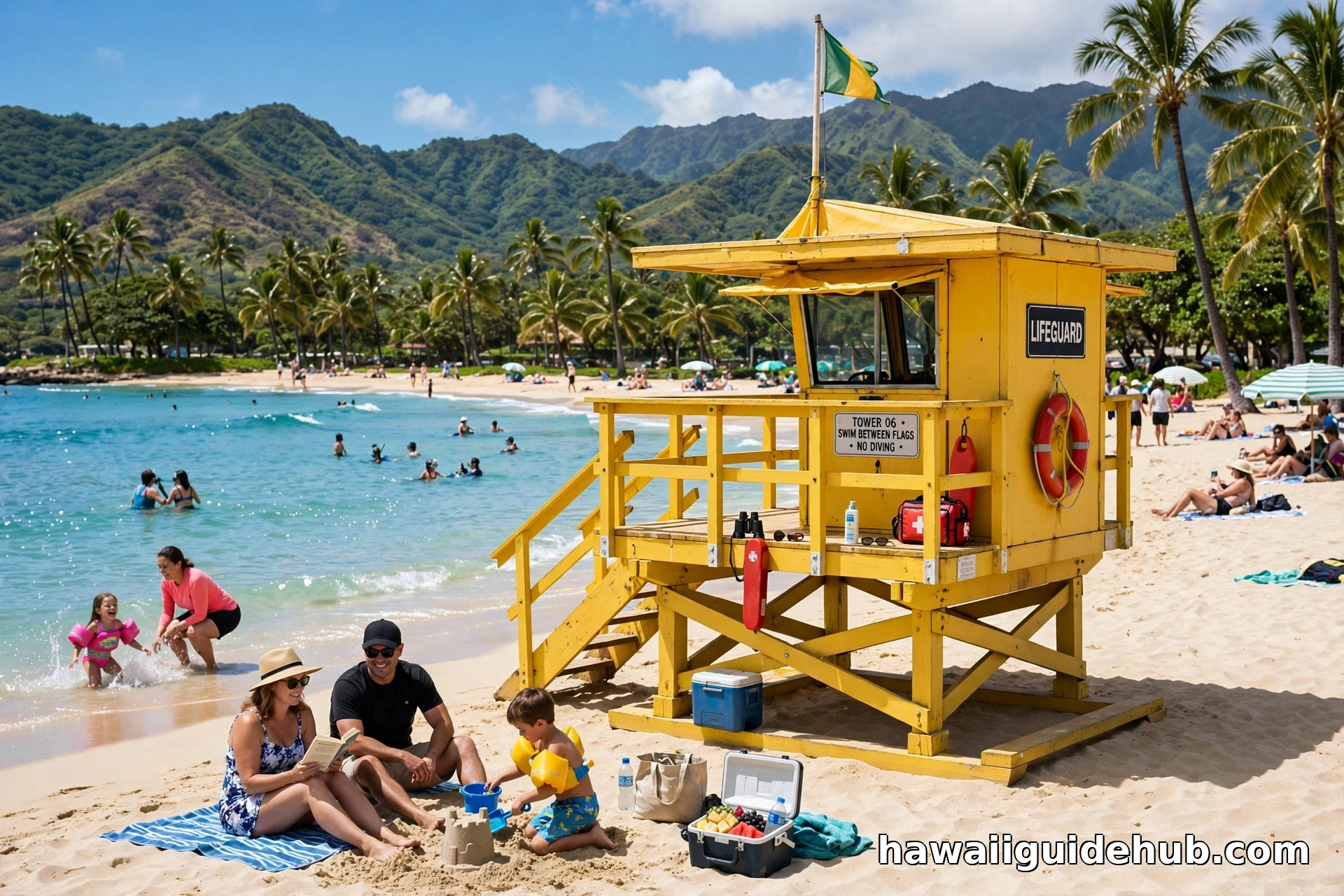
Snorkeling is the single most common activity in visitor drowning deaths, partly because it feels safe. A mask, fins, and calm-looking water create a false sense of security, especially for people with no ocean experience. Rip currents, shore break, and sudden changes in conditions catch even strong swimmers. If you are moving here, make ocean safety part of your education from day one. Swim near lifeguard towers, check conditions before you go in, and never snorkel alone. This sea turtle etiquette guide is a good primer on safe ocean habits, and the guide to outdoor adventures in Hawaii covers ocean activities across the islands.
Sharks deserve an honest mention too. Hawaii has tiger sharks and occasional encounters, mostly around Maui. The risk is statistically tiny compared with drowning, and simple habits reduce it further: avoid murky water, do not swim at dawn or dusk, and stay out of the water after heavy rain when runoff clouds visibility.
Wildfire: The Lesson of 2023
No honest safety guide can skip the Lahaina fire of August 2023, when wind-driven wildfires destroyed much of Lahaina town on Maui and killed 102 people. It was the deadliest US wildfire in over a century, and it changed how the state thinks about fire risk.
The pattern to understand is simple: Hawaii’s leeward (dry) sides can become tinderboxes in drought, especially when strong winds arrive. Dry grasslands on Maui, the Big Island, and Oahu’s leeward coast carry the most risk. Red Flag warnings are your cue to take it seriously. As a resident, keep brush cleared around your home, know your evacuation routes by car and on foot, and never assume a fire cannot reach a town. The state has invested heavily in warning systems and firebreaks since 2023, but personal preparation still matters.
The Things You Will Not Find: Snakes and Rabies
Every safety picture needs its bright spots, and Hawaii has two big ones. There are no snakes in Hawaii. Not one native species, and the state works hard to keep it that way, with serious fines for anyone caught bringing one in. If you are relocating from rattlesnake country, you can retire your boots.
Hawaii is also the only US state that is rabies free. The strict animal quarantine rules that frustrate new pet owners exist precisely to keep it that way. Day to day, this means you can hike, camp, and let your kids play outside without worrying about two hazards that are routine facts of life on the mainland.
Health Care and the Longevity Bonus
Hawaii leads the nation in life expectancy at 80.0 years, according to the CDC’s 2022 state life tables, the most recent official ranking. The climate, active outdoor lifestyle, and strong community ties all play a role, but health care access helps too. Hawaii’s Prepaid Health Care Act requires employers to provide health insurance to employees working 20 or more hours a week, which gives the state one of the highest insured rates in the country.
The honest caveat is geography. Oahu has excellent hospitals and specialists. On the neighbor islands, specialist care is thinner, and for serious conditions you may be flown to Oahu or even the mainland. If you or a family member has a complex medical condition, research your options on your specific island before you move.
Your First-Month Safety Checklist
Moving is chaotic, and safety tasks are easy to postpone. Do these in your first month and you will be ahead of most newcomers.
Watch: The Honest Realities of Moving to Hawaii
Numbers and checklists only go so far. Hearing from people who help families relocate every year adds the human side: the true cost of living, isolation, jobs, schools, health care, and what the aloha spirit really means in daily life.
The Honest Pros and Cons
Safety is not the only factor in a move, but it helps to see it in context.
What works in your favor
Violent crime is well below the national average, with the country’s lowest murder rate. Life expectancy is the highest in the nation. There are no snakes and no rabies. The emergency management system is experienced and well drilled. Communities are close knit, and neighbors genuinely watch out for each other.
What deserves respect
Property crime is above average, so lock up and stay aware. The ocean kills more people than crime does, and it demands real respect. Tsunamis, hurricanes, wildfires, and volcanic activity are all real, if infrequent, and each requires a plan. Health care access thins out on the neighbor islands. And the cost of living, while not strictly a safety issue, is the reason most people leave: financial stress undermines every other kind of security.
Is Hawaii Safe to Live In? FAQs
Is Hawaii safer than the US average?
For violent crime, yes. Hawaii’s violent crime rate runs well below the national average, and the state tied for the lowest murder rate in the country in 2025. Property crime, especially theft and car theft, is higher than average, so daily precautions matter.
What is the most dangerous natural disaster in Hawaii?
By frequency of threat, tsunamis and hurricanes top the list for residents. By lives lost in a single event in recent memory, the 2023 Lahaina wildfire was the worst disaster in modern Hawaii history. Day to day, though, the ocean is the most dangerous thing most people encounter.
Which Hawaiian island is the safest to live on?
There is no official safest island ranking, but violent crime is low across all of them. Oahu has the most crime in absolute numbers simply because most people live there, while its suburbs like Mililani, Kailua, and East Honolulu are among the safest communities. The Big Island adds volcano and vog considerations; Kauai and Maui face hurricane exposure. If you are still choosing, this best island for first-time visitors guide helps compare island personalities, and these reasons to visit Maui show what daily life can look like there.
Do I need tsunami insurance or hurricane insurance?
Standard homeowners and renters policies in Hawaii typically exclude hurricane and flood damage, and many lenders in high risk zones require separate coverage. Ask your insurance agent specifically about hurricane, flood, and lava zone exclusions before you buy or sign a long lease.
Is the tap water safe in Hawaii?
Yes. Hawaii’s municipal water meets federal standards, and volcanic rock filtration famously produces excellent tasting water.
Is Hawaii safe for kids?
Many families find Hawaii an exceptionally good place to raise children: low violent crime, year round outdoor life, strong schools in many districts, and a culture that cherishes keiki. The main adjustments are ocean safety education from an early age and sun protection as a daily habit rather than a vacation thought.
The Bottom Line
Is Hawaii safe to live in? For most people, in most neighborhoods, the answer is yes, with preparation. The violent crime risk is lower than what most mainlanders are used to, health outcomes are the best in the country, and the natural hazards are manageable for anyone willing to learn their zone, build a kit, and respect the ocean. Come with a plan, stay humble around nature, and Hawaii is as safe a home as you will find anywhere in America.