Hawaii in September: Weather, Crowds, and Why the Shoulder Season Shines

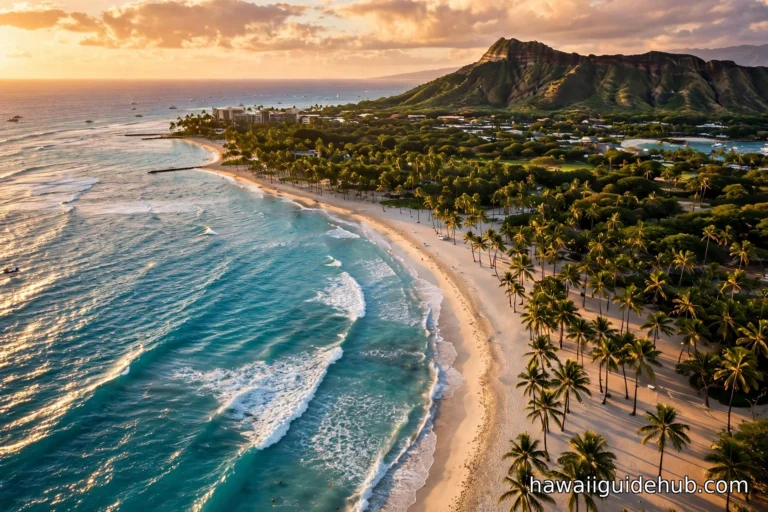
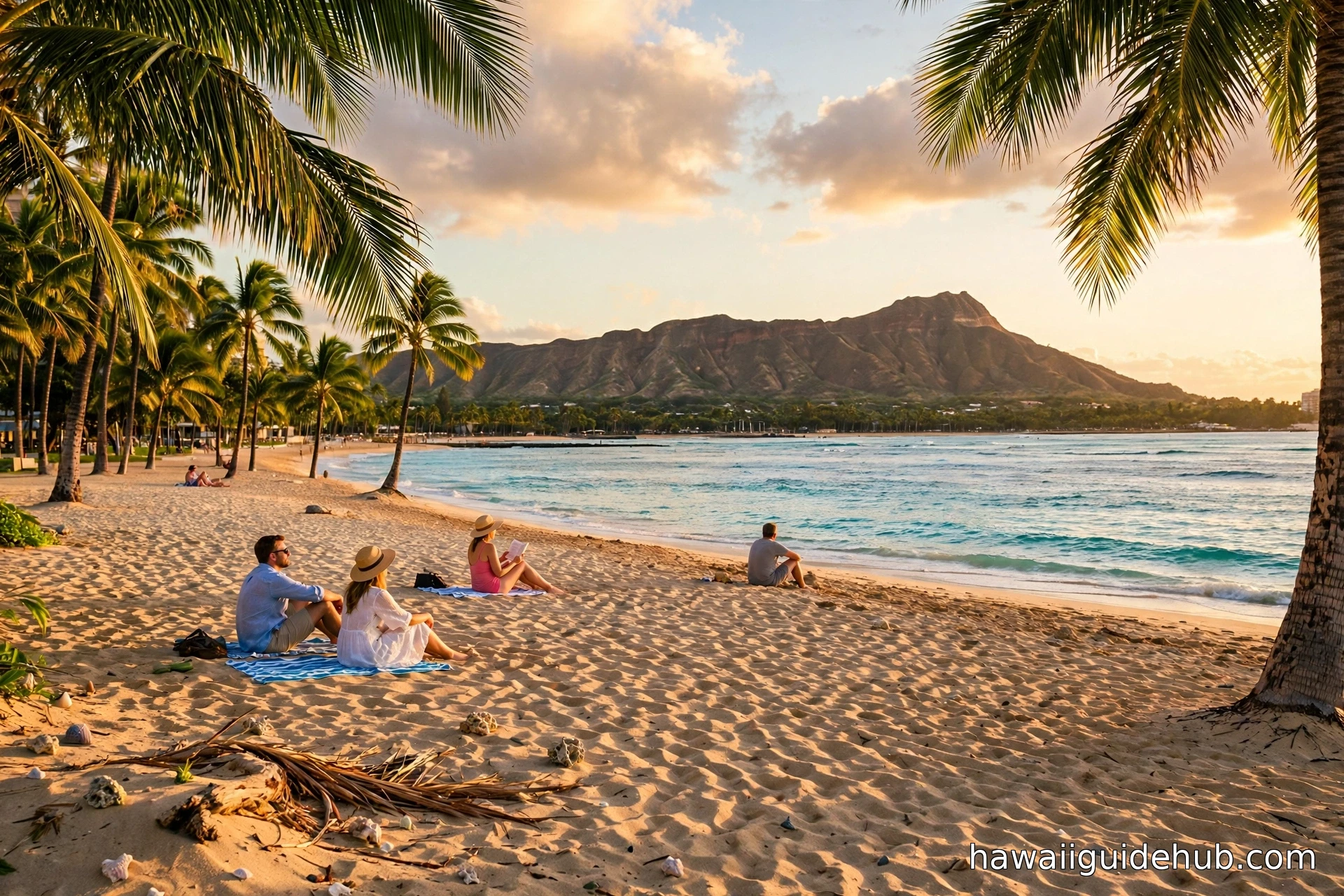
There is a week in early September when Waikiki feels like it exhales. The summer families have flown home, the beach umbrellas thin out, and the water, which has been soaking up sun since June, reaches the warmest it will be all year. Nobody announces the change. You just notice it one morning: the sand has breathing room, the snorkel boats are not booked solid, and the whole island seems to settle into an easier rhythm.
September is Hawaii’s best kept open secret. It sits in the sweet spot between the summer rush and the winter wave season, delivering summer-grade weather with shoulder-season prices and a cultural calendar headlined by the islands’ biggest celebration. If you can travel when the kids go back to school, this might be the smartest month on the Hawaiian calendar.
September Weather in Hawaii
September weather in Hawaii is, by almost every measure, superb. Honolulu averages a daytime high of 88 degrees Fahrenheit and a nighttime low of 75, according to National Weather Service 1991 to 2020 climate normals. Those numbers barely budge from August, which means you get full summer warmth without the peak summer crowds.
Rain is not much of a factor on the coasts where most visitors stay. Honolulu sees roughly an inch of rain for the entire month, and the resort areas of West Maui, Kona, and Poipu are similarly dry. The windward sides (think Hilo, Hanalei, and the east coast of Oahu) get their usual passing showers, but these tend to arrive as brief morning sprinkles that keep the valleys green rather than day-ruining downpours.
The trade winds deserve a mention. These steady northeast breezes blow most consistently through the summer months and into September, and they are the reason 88 degrees in Honolulu feels pleasant rather than oppressive. When the trades drop out for a few days, locals call it Kona wind weather, and it can feel noticeably muggier. Those spells are usually short.
September Weather by Island
Hawaii’s weather varies more by coast than by island, but each island has its own September personality. Here is what to expect.
Oahu
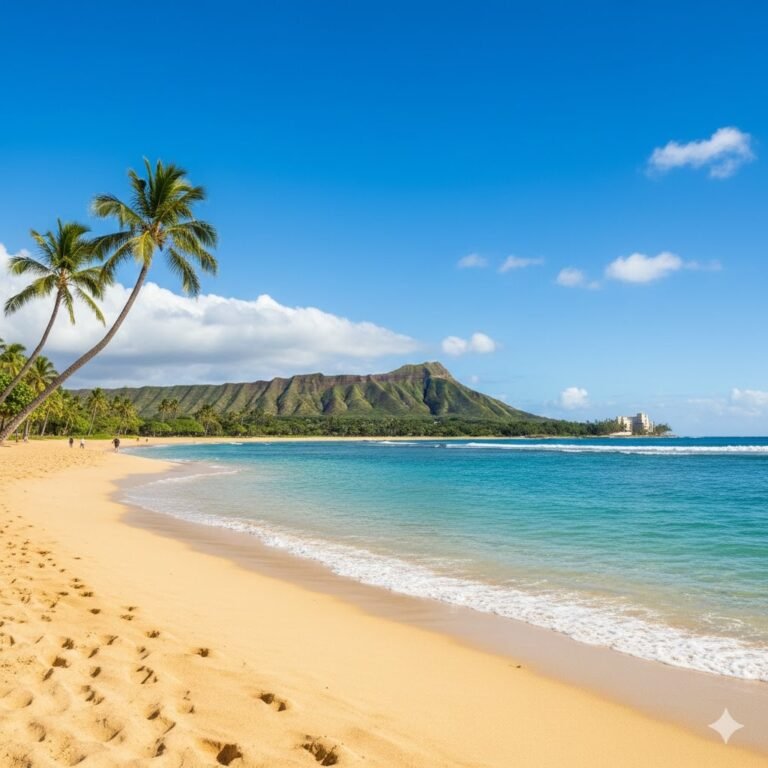
Honolulu’s September averages (88 high, 75 low) tell most of the story. Waikiki and the south shore stay dry and sunny, with ocean temperatures near 82 degrees. The North Shore is in its calm season, which makes it lovely for swimming at places like Shark’s Cove but too flat for serious surfing. Hiking trails from Diamond Head to the Koolau ridges are in good shape, though start early to beat the midday heat.
Maui
South and West Maui (Kihei, Wailea, Lahaina, Kaanapali) are reliably hot and dry, with highs in the upper 80s. This is prime beach weather, and the snorkeling at Molokini is superb. The Road to Hana side of the island sees more rain, but September showers there tend to be brief and theatrical rather than persistent. Mornings are the driest bet for the drive.
Big Island
The Kona coast is September at its most dependable: sunny, dry, and hot, with highs around 88. It is one of the best months for manta ray night snorkeling off the Kona coast, since the water is warm and plankton blooms draw the rays in. Hilo and the windward side get their regular afternoon showers, which only make the waterfalls fuller. Volcanoes National Park sits at elevation, so expect temperatures 10 to 15 degrees cooler than the coast, and bring a layer.
Kauai
The Garden Isle runs a degree or two cooler than Oahu, with highs in the mid 80s. The south shore (Poipu) is the driest bet, while the North Shore (Hanalei, Princeville) can see passing showers. The Na Pali Coast boat tours run in calmer summer-season seas through September, which is a real advantage over winter when swells can cancel trips.
How Warm Is the Ocean in September
Here is September’s quiet superpower: the ocean is at its warmest. After months of summer sun, sea surface temperatures around the islands peak near 82 degrees Fahrenheit. That is bathtub territory. You can float for an hour without thinking about the water temperature once, which is exactly what you want from a tropical ocean.
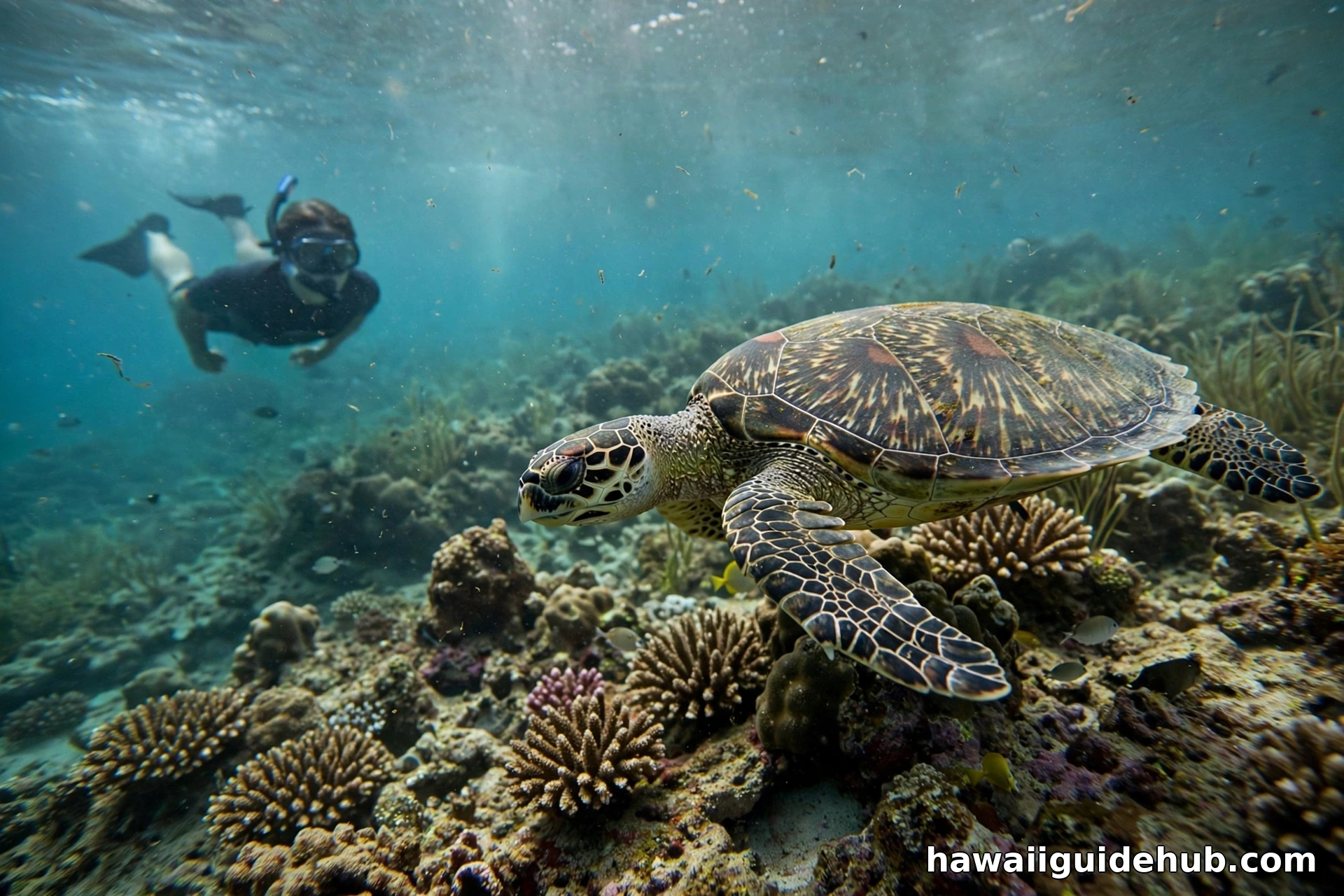
For snorkelers, this is prime time. Visibility is excellent on the leeward coasts, the water is calm on most mornings, and marine life is active. Hawaiian green sea turtles are out in force, reef fish crowd the coral heads, and you might spot an octopus or moray eel if you look closely. The standard guidance still applies: give turtles plenty of space and never touch coral.
Surfers should know that September is a transition month for waves. The big south swells of summer are fading, and the legendary winter swells of the North Shore have not yet arrived. What you get instead is a friendly middle ground: gentle, learnable waves on the south shores, perfect for beginners taking their first surf lesson in Waikiki.
Crowds and Prices: The Shoulder Season Payoff
Ask any Hawaii travel planner when the deals appear and September comes up fast. Once Labor Day passes and school resumes on the mainland, visitor numbers drop noticeably. Hotel rates, which hit their annual highs in July and August, slide back down. You will find some of the year’s lowest prices on rooms, rental cars, and even interisland flights.
The practical difference is real. Restaurant waits shrink. Popular hikes like Diamond Head feel less like a conga line. You can often book a snorkel cruise or luau a day or two out instead of weeks ahead. None of this means the islands are empty, just that the frantic peak-season energy has drained away.
There is one caveat worth knowing. September falls within Hawaii’s hurricane season, which runs June through November. Direct hits are rare, and the vast majority of September trips see nothing but sunshine, but it is the one month where travel insurance earns its keep. Check the forecast before you fly, and you will be fine.
Aloha Festivals: September Belongs to Hawaiian Culture
If weather is September’s gift to your body, Aloha Festivals is its gift to your understanding of the islands. This month-long celebration of Hawaiian culture has run since 1946, making it the largest Hawaiian cultural celebration in the United States. It is free, it is everywhere, and it is the single best reason to choose September over any other shoulder-season month.
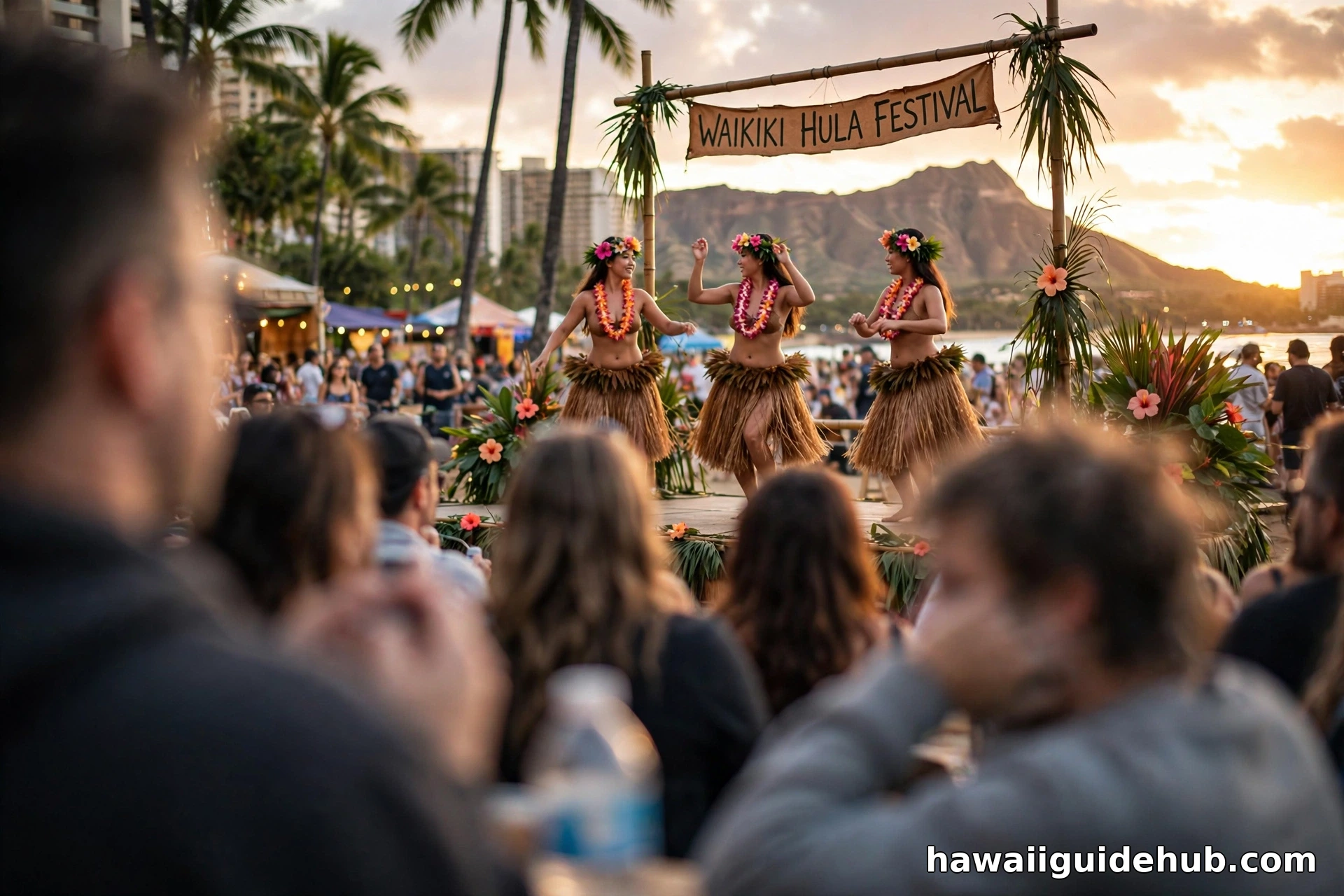
The festival unfolds across three signature Saturdays in Waikiki. It opens with the Royal Court Investiture and Opening Ceremony, where the festival’s Royal Court receives regalia in a ceremony rich with chant and hula kahiko. Mid-month brings the Waikiki Hoolaulea, Hawaii’s biggest block party, which closes Kalakaua Avenue to traffic for an evening of live music, hula performances, lei vendors, and food from Waikiki’s kitchens. The grand finale is the Floral Parade, a morning procession from Ala Moana Park through Waikiki to Kapiolani Park featuring flower-covered floats, marching bands, halau hula, and pau riders on horseback in the traditional long skirts representing each island.
Beyond Waikiki, each island stages its own Aloha Festivals events throughout September, from concerts to craft fairs. Check local listings when you arrive. And if you want to understand what you are watching, our guide to the aloha spirit is a good primer on the values behind the celebration.
More September Events Worth Knowing
Aloha Festivals dominates the month, but it is not the only thing on the calendar. Queen Liliuokalani’s birthday is commemorated on September 2 with ceremonies at the Iolani Palace and around Oahu, honoring Hawaii’s last reigning monarch with music and hula. It is a solemn and beautiful observance, and visitors are welcome at the public portions.
Food lovers should watch for the annual Hawaii Food and Wine Festival events that sometimes stretch into late October from September beginnings, plus county fairs on the neighbor islands. The Kauai Mokihana Festival, celebrating Hawaiian culture through music and hula competitions, traditionally takes place in late September. Dates shift year to year, so check current listings as your trip approaches.
One more September-only treat: the start of the stargazing high season. The Mauna Kea visitor center ramps up its evening programs as the skies clear, and the new moon periods in September offer the darkest skies. If you have ever wanted to see the Milky Way in full glory, this is your window.
The Best Things to Do in Hawaii in September
September’s combination of warm water, dry trails, and thin crowds makes almost everything better. Here is where the month really shines.
Snorkel and Dive
With the warmest water of the year and excellent visibility, September is arguably the best snorkeling month in Hawaii. Molokini Crater off Maui, Hanauma Bay on Oahu, and Kealakekua Bay on the Big Island are all at their inviting best. Mornings are calmest, so book early departures.
Hike
Trails are drier than they will be in winter, and the slightly shorter days mean you are not racing daylight on longer routes. The Big Island offers everything from volcano landscapes to waterfall valleys, and September’s settled weather is ideal for committing to a full-day hike.
Take a Surf Lesson
Gentle south-shore breaks and warm water make September perfect for first-timers. Waikiki’s long, rolling waves were made for learning, and the smaller crowds mean more space in the lineup.
Stargaze
As nights lengthen slightly and the summer haze clears, stargazing season begins in earnest. The summit of Mauna Kea hosts some of the world’s great observatories for a reason: the skies are extraordinarily dark and clear. Book a summit tour and bring a jacket, since it is cold at 13,800 feet even in September.
Island Hop
Lower interisland fares and emptier flights make September the easiest month to visit two islands. Pair Oahu’s culture with Maui’s beaches, or combine the Big Island’s volcanoes with Kauai’s canyons.
Take a Boat Tour
September seas are among the calmest of the year, which matters for boat-based adventures. Na Pali Coast catamaran cruises, Molokini snorkel trips, and sunset sails all run at full schedule with smoother rides than winter. Book the morning departures for the glassiest water.
Explore Tide Pools and Reefs
Low summer-season surf exposes tide pools that winter waves bury. Shark’s Cove on Oahu’s North Shore, Kapoho Tide Pools on the Big Island (where accessible), and the rocky shelves at low tide are full of small marine life. Go at low tide, wear reef shoes, and watch your footing on wet rock.
What to Pack for Hawaii in September
Pack for summer, with one or two small adjustments. Lightweight, breathable clothing covers nearly every situation. You will live in swimwear, shorts, and sandals. A light rain jacket earns its place for windward hikes and the occasional passing shower, and a long-sleeve layer is useful for air-conditioned restaurants and the Mauna Kea summit.
Reef-safe sunscreen is not optional in Hawaii; sunscreens containing oxybenzone and octinoxate are banned by state law to protect coral reefs. Bring a mineral-based formula and reapply often, since September sun is strong. A rash guard pulls double duty for snorkeling, cutting both sun exposure and the need for sunscreen in the water.
Watch: The Aloha Festivals Floral Parade
Is September a Good Time to Visit Hawaii
For most travelers, September is one of the two or three best months to visit Hawaii. The weather is summer-grade, the ocean is at its warmest, crowds are down, prices are down, and Aloha Festivals gives the month a cultural depth that October and November cannot match.
The honest trade-offs are few. Hurricane season is real, though direct impacts are uncommon. Whale season has not started, so if humpback whales are the point of your trip, wait until December. And a handful of seasonal businesses take their annual break in the shoulder season, so confirm hours for anything remote.
But for a beach trip, a honeymoon, a first visit, or anyone who wants Hawaii at its most relaxed, September is hard to beat. The islands spend the month showing off: warm water, golden light, open tables, and a parade of flowers down Kalakaua Avenue.
September rewards the traveler who can be flexible. Book the shoulder-season rates, pack the reef-safe sunscreen, and time your trip to catch a Saturday in Waikiki. The summer crowds will be gone, the water will be perfect, and you will understand why locals quietly call this the sweetest month of the year.