Hawaii Beach Rules: What Is Legal and What Is Not

Hawaiʻi’s beaches come with more rules than most visitors expect, and breaking them can mean real fines. Alcohol, smoking, fires, and even taking home a lava rock are all restricted by law. This guide covers every Hawaii beach rule that matters: what is banned, what requires a permit, how to stay safe in the ocean, and how to share the sand respectfully.
The rules below come from state law, county ordinances, and the Department of Land and Natural Resources (DLNR), which manages state parks and beaches. County beaches add their own local rules, so treat this as the statewide baseline and read the signs at each beach you visit.
Hawaii Beach Rules at a Glance
| The rule | The verdict |
|---|---|
| All beaches are public | Legal: no private beaches exist; walk any beach up to the high-water mark |
| Alcohol on public beaches | Banned statewide |
| Smoking and vaping on beaches and in parks | Banned |
| Sunscreen with oxybenzone or octinoxate | Banned from sale; go reef-safe only |
| Wildlife distance: 10 feet from sea turtles, 50 feet from monk seals, never touch | Required |
| Taking sand, rock, or coral | Illegal; leave everything where you found it |
| Open fires on state beaches | Banned; use designated grills where allowed |
| Camping | Permit only, at designated sites |
| Dogs on beaches | Prohibited on most beaches; check county rules for exceptions |
| Drones | Permit required in state parks; banned in national parks |
Every Beach in Hawaii Is Public
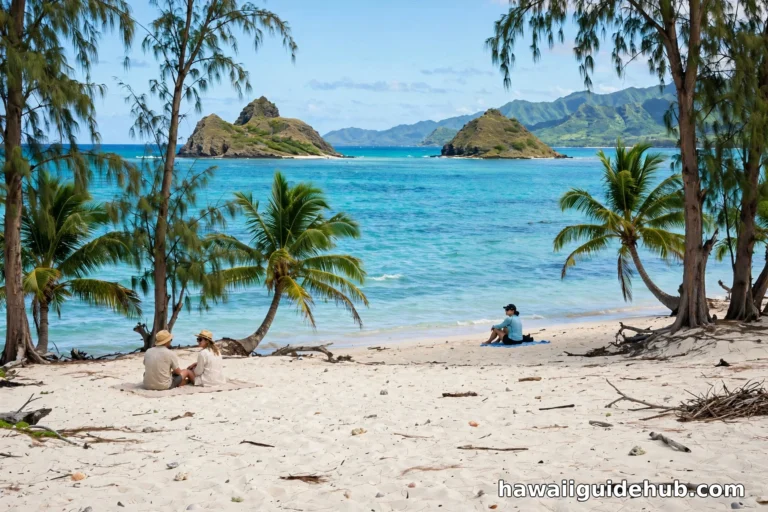
There are no private beaches in Hawaiʻi. By law, all shoreline up to the high-water mark is public, which means you can walk, swim, and sunbathe on any beach in the state, even in front of the most exclusive resort. Hotels cannot rope off the sand or chase you away from the water.
What hotels can control is their own property above the beach. The chairs, umbrellas, and cabanas lined up on the sand usually belong to the resort and are for guests, but the sand and water themselves are yours. If anyone tells you a beach is private, they are wrong. Walk on.
Wildlife Rules: Turtles, Seals, and Coral
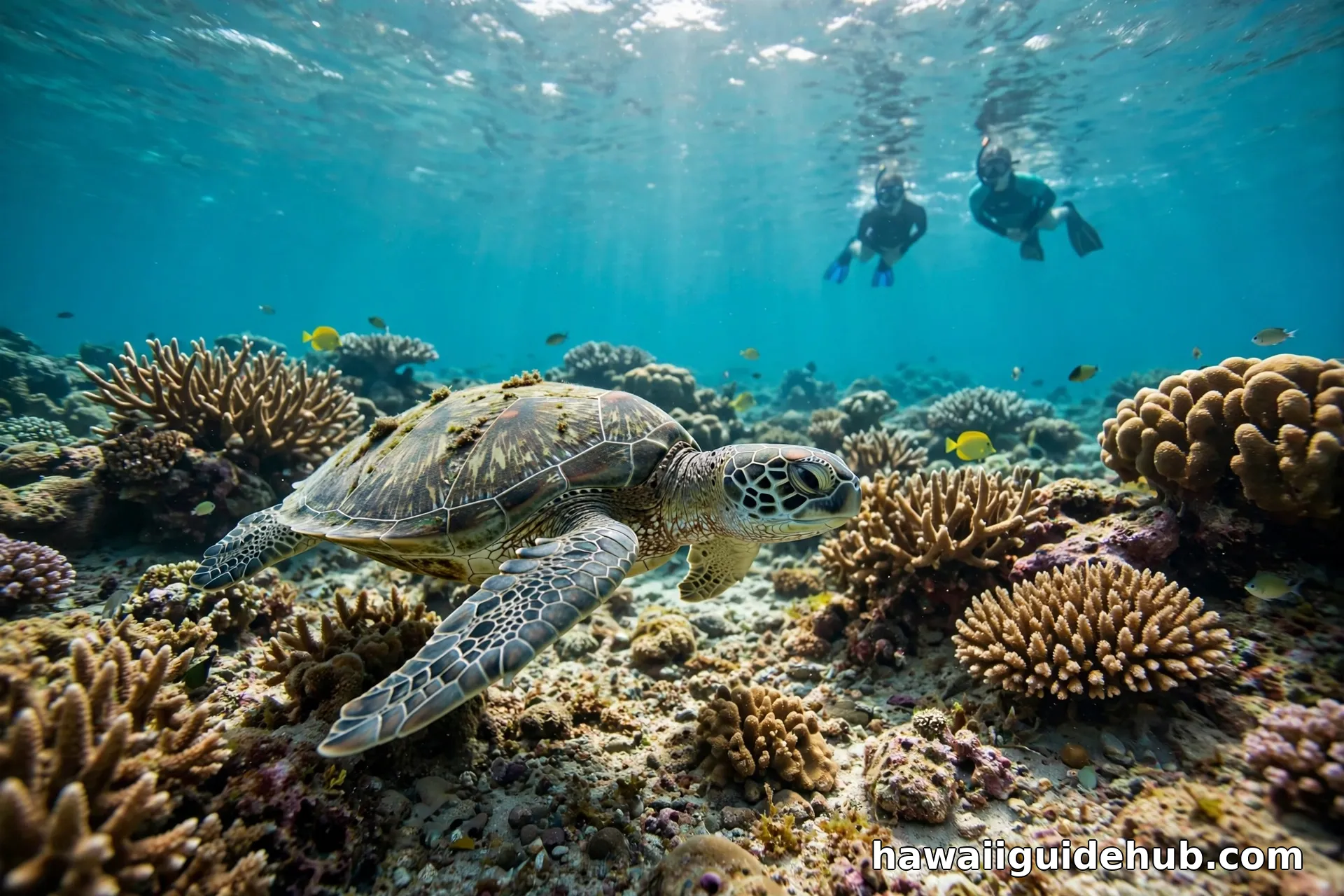
Hawaiian green sea turtles (honu) and Hawaiian monk seals (ʻilioholoikauhale) are protected by federal law. Touching, chasing, feeding, or blocking them is illegal and can bring heavy fines. NOAA recommends staying at least 10 feet from sea turtles and at least 50 feet from monk seals, and giving resting seals even more room. A seal sleeping on the beach is not sick or abandoned. It is resting, and waking it burns energy it needs to survive.
The same respect applies underwater. Never stand on or touch coral. It is a living animal, and one careless fin kick can kill decades of growth. Do not feed fish either. It disrupts their natural behavior and is restricted in many areas. Take photos, keep your distance, and leave the reef exactly as you found it.
What Is Banned on the Sand
Alcohol. Drinking on public beaches is illegal statewide, in both state and county beach parks. Save the mai tai for the restaurant. Open containers on the sand can earn you a citation.
Smoking and vaping. Banned on public beaches and in parks under state and county law. Step well away from the beach before lighting up.
Glass containers. Many counties prohibit glass on beaches. Broken glass in the sand is a hazard for bare feet, so bring cans or reusable bottles instead.
Litter. Pack out everything you bring in, including food scraps and cigarette butts. Dumping trash on beaches and in parks is illegal, and remote beaches have no trash service at all.
Taking sand, rocks, or coral. State rules prohibit removing sand, rock, coral, or any natural material from beaches and parks. That black lava pebble has to stay. Beyond the law, many locals believe taking volcanic rock invites Pele’s curse, and park offices receive mailed-back rocks with apology notes every year.
Dogs. Dogs are prohibited on most public beaches in Hawaiʻi. A few counties designate specific dog-friendly areas, so check local rules before bringing yours.
Nudity. Public nudity is illegal on Hawaiʻi beaches. A few remote spots have a tolerated tradition, but the law says no.
Driving on the sand. Vehicles and motorcycles are restricted to designated roads. Driving on the beach itself is prohibited.
Loud music and noise. Every county has noise rules, and beach parks are meant to be shared. Keep speakers at a respectful volume, especially near homes, and observe quiet hours after dark. What sounds like a party to you sounds like a nuisance to the family camped twenty feet away.
Beach Hours and Park Closures
Most county and state beach parks close at night, typically between 10 PM and 5 AM, and gates are locked. Being inside a closed park is a violation, and rangers do patrol. If you are planning a sunrise session, check the posted hours first: some parks open early enough, others do not.
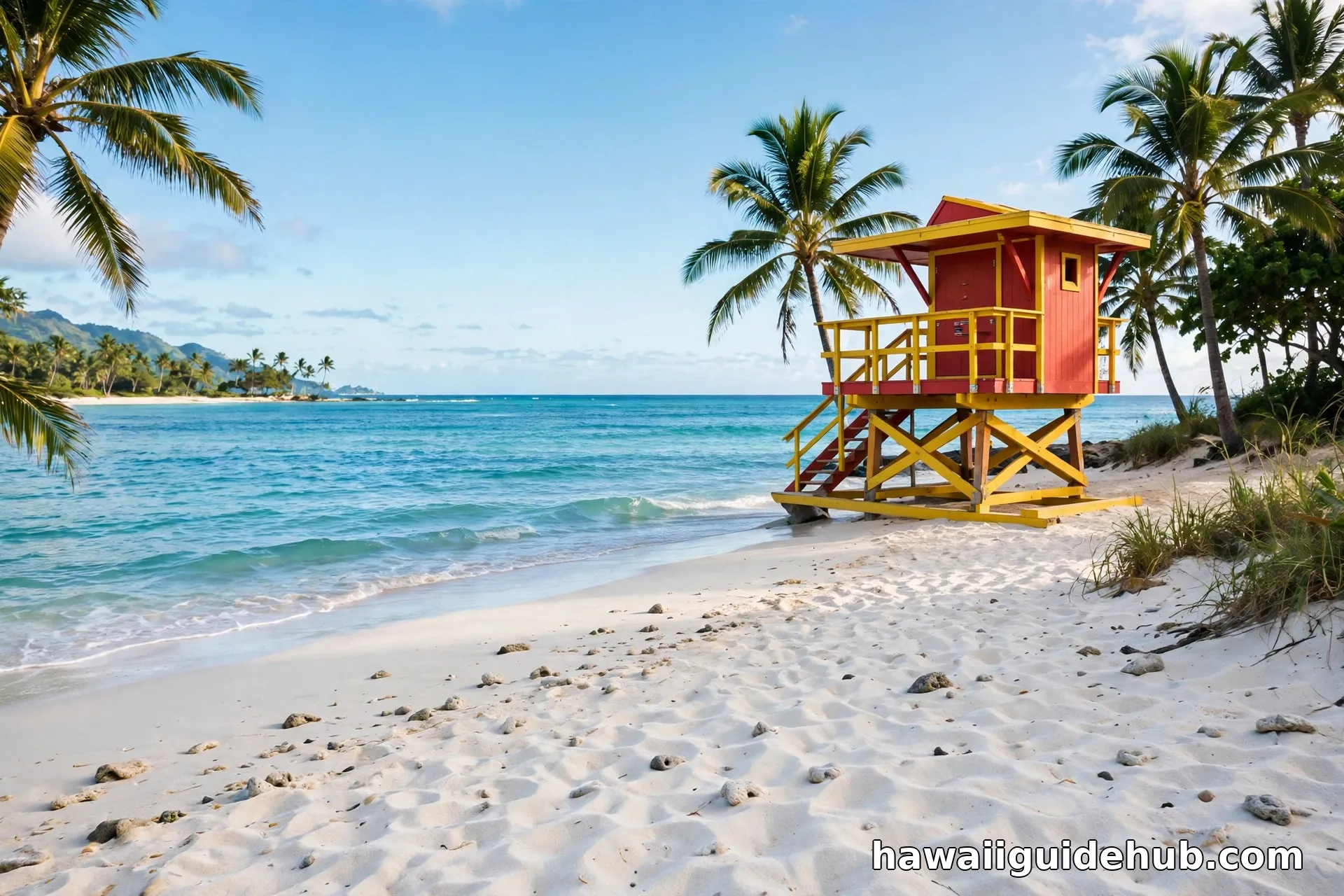
Beaches also close for safety. High surf, flooding, or a shark sighting can shut down a beach with little notice, and entering closed water or a closed park carries fines. The closure signs are not suggestions. When lifeguards clear the water, get out and stay out until they reopen it.
The Reef-Safe Sunscreen Law
Since January 1, 2021, Hawaiʻi has banned the sale of sunscreens containing oxybenzone and octinoxate, two chemicals shown to harm coral reefs. You will see “reef-safe” or “reef-friendly” on compliant bottles, but read the ingredients: only sunscreens without those two chemicals meet the law.
Mineral sunscreens with non-nano zinc oxide or titanium dioxide are the safest choice for reefs. Apply 15 minutes before swimming so it stays on your skin instead of washing straight into the water. Rash guards and hats cut down how much sunscreen you need in the first place.
Compliant sunscreen is easy to find in Hawaiʻi: grocery stores, surf shops, and resort shops all stock reef-safe options, often at the same prices as mainland brands. If you packed your old sunscreen from home, check the label before your first beach day and replace it if it contains the banned chemicals. Many hotels now provide reef-safe sunscreen free at the pool deck.
Ocean Safety Rules That Save Lives
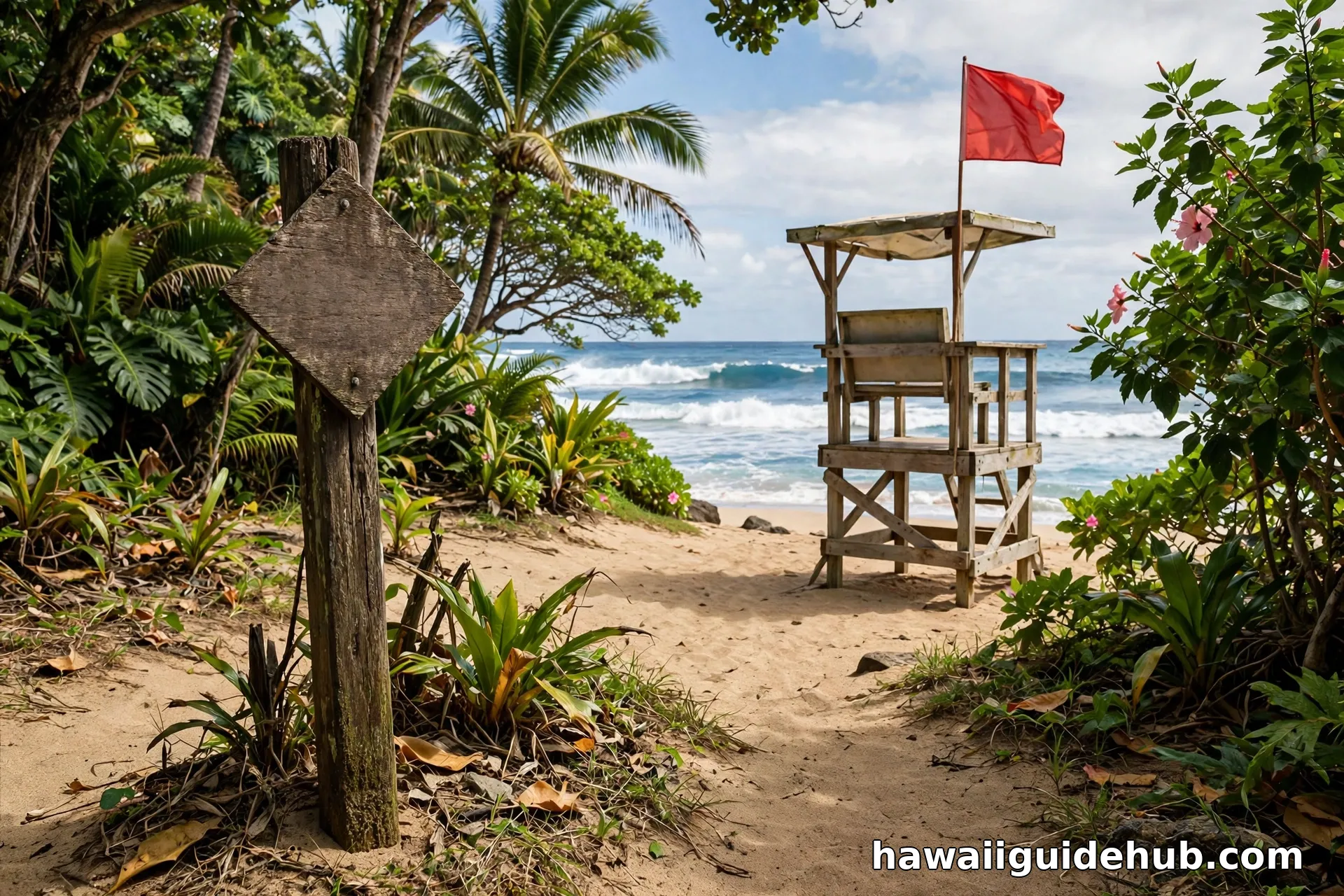
More visitors get hurt by the ocean than by any rule violation. Swim at lifeguarded beaches whenever you can, and read the warning signs and flags before entering the water. A red flag means hazardous conditions. When in doubt, ask the lifeguard what they recommend for your ability level.
Never turn your back on the ocean. Rogue waves can sweep across seemingly calm sand, especially on rocky shores. Check the surf forecast before you go, and remember that conditions change fast: a calm morning beach can turn rough by afternoon when the trade winds pick up.
Tides matter too. Hawaiʻi’s biggest tidal ranges arrive with the new and full moon, which can expose reef or flood beach access paths. If you are exploring tide pools or reef flats, go at low tide and keep an eye on the rising water.
Camping, Fires, and Permits
Overnight camping on beaches is allowed only with a permit at designated state or county campgrounds. Sleeping on the sand without one can earn a citation. Permits are affordable and bookable in advance, and they come with basics like restrooms and trash service.
Open ground fires are prohibited on state beaches. Some county beach parks allow fires in designated grills or fire rings, and a few allow beach bonfires with a permit. Our guide to having a beach bonfire in Hawaii walks through the permit process island by island.
Big setups need paperwork too. Weddings, large tents and canopies, commercial photography, and surf lessons on public beaches all require permits from the county or DLNR. If money is changing hands on the sand, assume a permit is involved.
Parking and Access Etiquette
Many of Hawaiʻi’s best beaches sit at the end of residential streets. Park only in legal spots, never block driveways, and keep noise down in neighborhoods. Do not trespass across private property to reach the shore: every beach has legal public access points, and cutting through someone’s yard is both rude and illegal.
Never leave valuables visible in your car at beach parking lots. Break-ins are a known problem at trailheads and remote beaches. Take only what you need, lock everything else in the trunk before you arrive, and keep your beach setup simple.
If you ever find your path to the shoreline blocked, know that Hawaiʻi law protects public shoreline access. Landowners cannot legally cut off established access to the beach. If a gate, fence, or guard blocks a known public access path, you can report it to DLNR or the county. The shoreline belongs to everyone, and the access routes are part of that promise.
Fines and Enforcement
DLNR enforcement officers patrol state beaches and parks, and county police enforce county rules. Fines vary by violation and island, but they are real: smoking on the beach, drinking on the sand, entering closed areas, and harassing wildlife can each cost you hundreds of dollars. Federal wildlife violations can run far higher.
Officers focus on the violations that harm people and the environment most: wildlife harassment, fires during dry conditions, and dangerous ocean behavior. A respectful visitor who reads the signs and follows the basics will rarely have a problem. The fines exist for the few who ignore the rules everyone else follows.
The simplest way to stay out of trouble is also the spirit of the law: leave the beach better than you found it. For more beach inspiration, browse our best beaches for volleyball and Charley Young Beach in Kīhei, and check when it rains in Hawaii before you plan beach days.
Video: Things Not to Do in Hawaii
A local perspective on the five biggest mistakes visitors make: wildlife, hiking, litter, ocean safety, and valuables.
Frequently Asked Questions
Can you drink alcohol on Hawaii beaches?
No. Alcohol is prohibited on public beaches statewide, in both state and county beach parks.
Can you smoke on the beach in Hawaii?
No. Smoking and vaping are banned on public beaches and in parks under state and county law.
Is it illegal to take sand or shells from Hawaii beaches?
Taking sand, rocks, or coral is illegal under state rules. Empty shells and sea glass are generally fine, but leave everything else behind.
How close can you get to a sea turtle in Hawaii?
NOAA recommends staying at least 10 feet from sea turtles and 50 feet from Hawaiian monk seals. Touching or chasing them is a federal offense.
Are Hawaii beaches really all public?
Yes. By law, all shoreline up to the high-water mark is public. No beach in Hawaiʻi can be privately owned or closed to the public.
Can you have a bonfire on the beach in Hawaii?
Open fires are banned on state beaches. Some county parks allow fires in designated areas, sometimes with a permit. Check the rules for your island first.
Are dogs allowed on Hawaii beaches?
Dogs are prohibited on most public beaches. A few counties designate specific dog-friendly areas, so check local rules before bringing yours.
Do beaches in Hawaii close at night?
Most beach parks close overnight, often between 10 PM and 5 AM, and gates are locked. Being inside a closed park is a violation.
Hawaii beach rules boil down to one idea: the beach belongs to everyone, so treat it like it does. Follow the bans, respect the wildlife, watch the ocean, and pack out every trace. Do that, and the islands will welcome you back again and again.