Pinakbet Recipe Hawaii: Authentic Method, Ingredients & Hawaiian Context

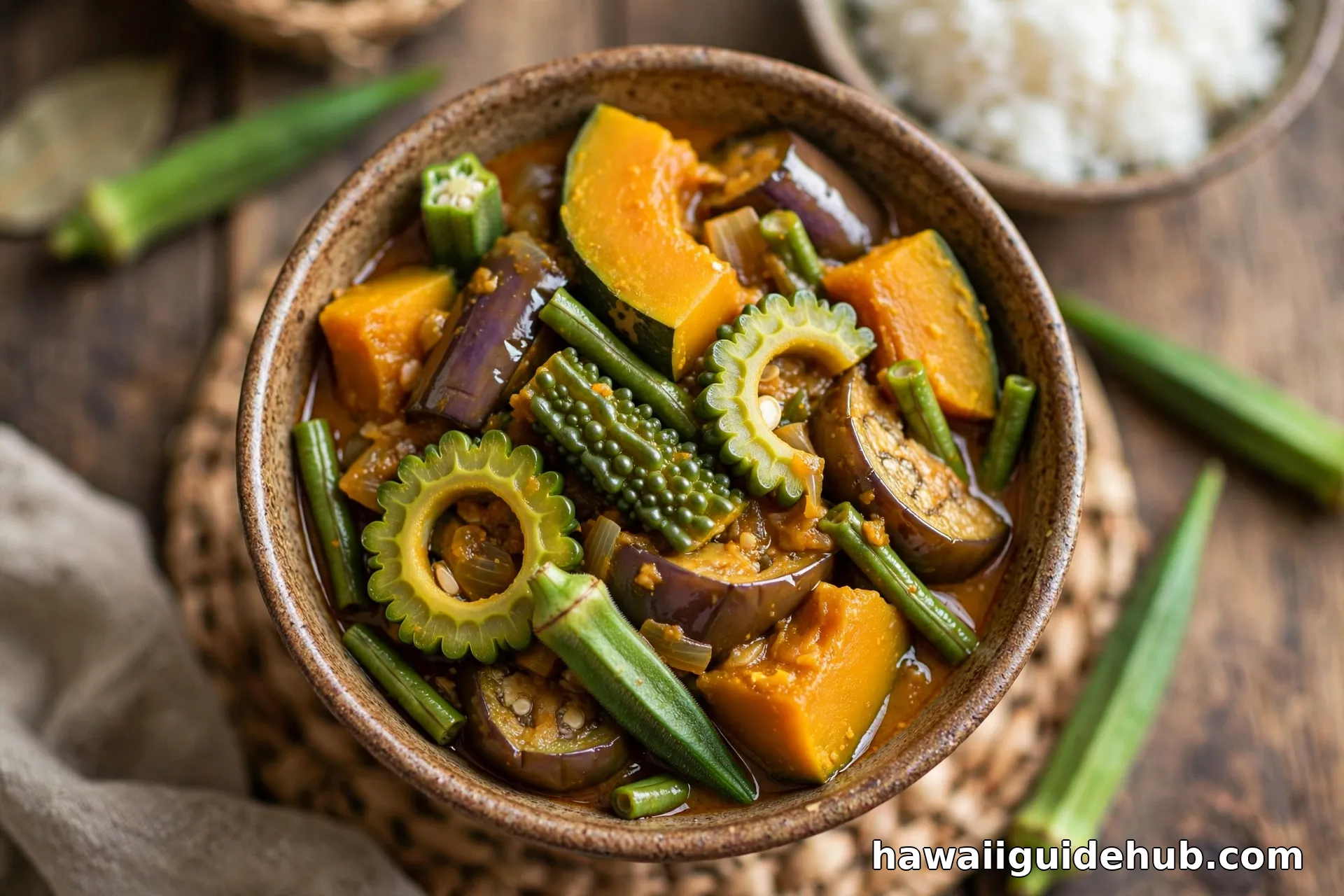
Pinakbet is the Philippines’ great vegetable stew, and it has deep roots in Hawaii. Brought by Ilocano immigrants who came to work the sugar plantations, this savory mix of squash, eggplant, bitter melon, okra, and long beans simmered with bagoong is now a staple of local Hawaiian cooking. It is humble, healthy, deeply savory, and endlessly adaptable to what is fresh at the market. This guide gives you an authentic pinakbet recipe adapted for Hawaii kitchens, plus the story behind the dish.
This is the single complete guide to pinakbet in Hawaii. It covers what pinakbet is and where it comes from, why it matters in Hawaii, the authentic ingredients, a step by step recipe with US measurements, Ilocano vs. Tagalog styles, pro tips, variations, what to serve with it, storage, and answers to the most common questions. Everything about pinakbet is on this one page.
Pinakbet Recipe at a Glance
| Makes | 6 servings |
| Time | 40 minutes (15 prep + 25 cook) |
| Signature flavor | Bagoong (fermented shrimp or fish paste) |
| The vegetable lineup | Squash, eggplant, bitter melon, okra, string beans, tomatoes |
| Serve with | Hot steamed rice |
What Is Pinakbet?
Pinakbet (also spelled pakbet) is a Filipino vegetable stew from the Ilocos Region of northern Luzon in the Philippines. Its name comes from the Ilocano word pinakebbet, meaning “shrunk” or “shriveled,” which describes how the vegetables cook down as they simmer. The dish is defined by its seasoning: bagoong, a pungent fermented paste made from shrimp (bagoong alamang) or fish (bagoong isda), which gives pinakbet its deep savory umami. It is traditionally served hot as a main course with steamed rice. Among Ilocanos, it is everyday food, the kind of dish grandmothers make without measuring, adjusting by feel and by what the garden provides.
Pinakbet in Hawaii
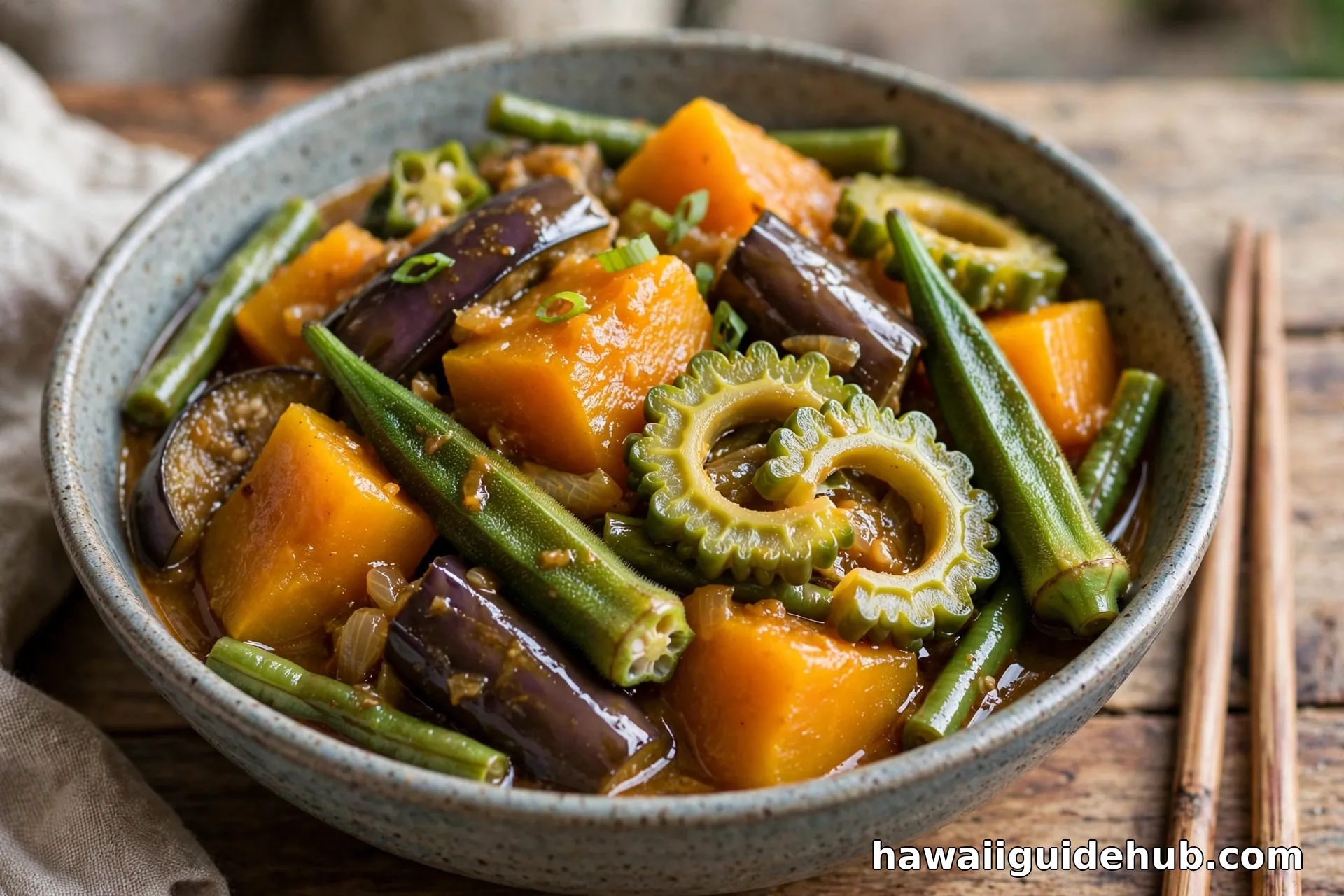
Pinakbet came to Hawaii with Ilocano immigrants recruited to work the sugar plantations starting in the early 1900s. Filipinos are now one of the largest ethnic groups in Hawaii, and their food is woven into everyday local eating. You will find pinakbet at Filipino restaurants and plate lunch spots across the islands, at family potlucks, and in home kitchens from Waipahu to Hilo. The vegetables grow beautifully in Hawaii’s climate: bitter melon, eggplant, okra, and long beans are farmers market staples. Learning to cook pinakbet is learning a piece of Hawaii’s plantation history. For more of the islands’ essential flavors, see our guide to must try local dishes in Hawaii.
Shopping for Pinakbet Ingredients in Hawaii
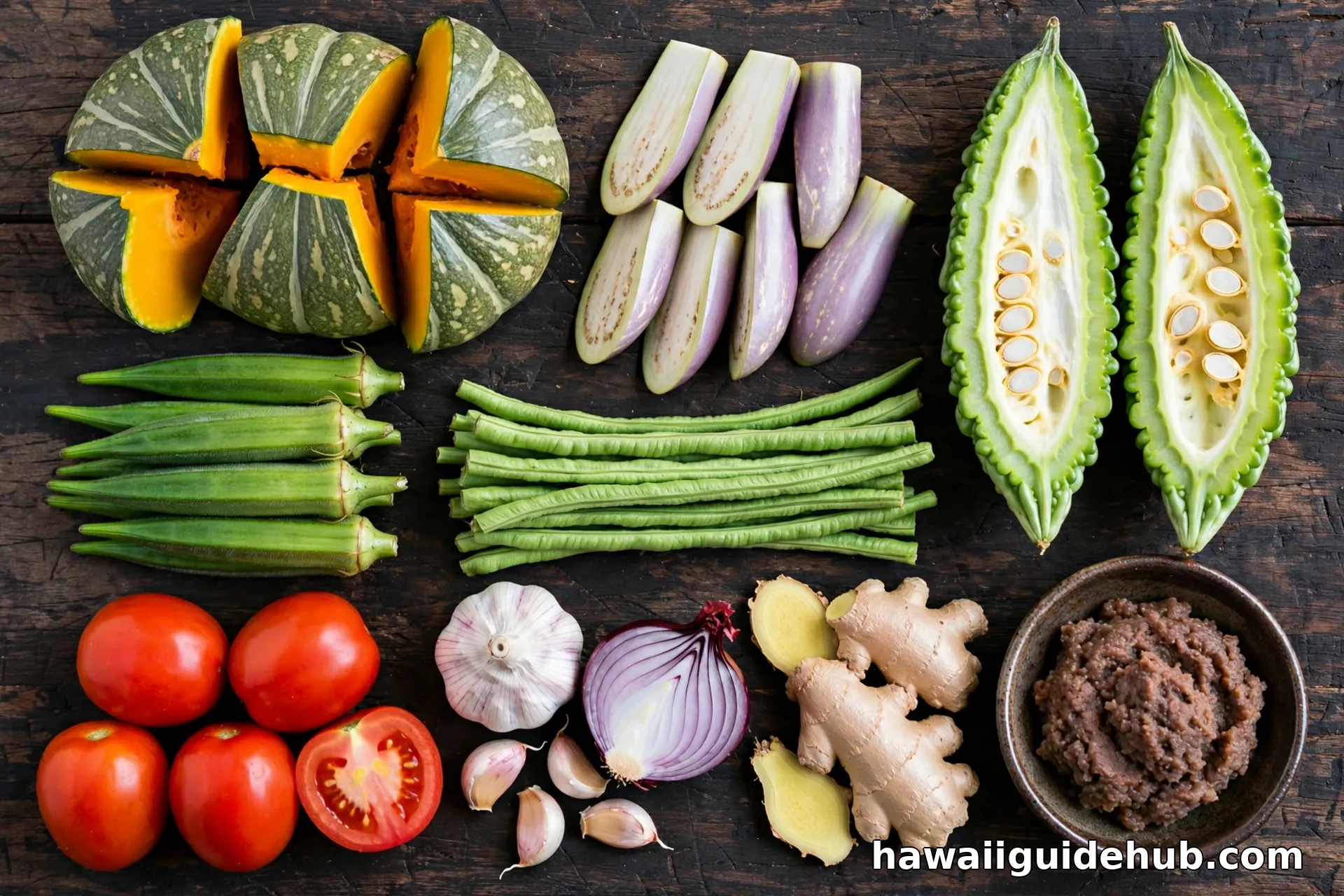
Hawaii makes this recipe easy. Bitter melon (ampalaya), long beans (sitaw), and kabocha squash are everyday items at farmers markets and Asian grocery stores on every island. Eggplant, okra, tomatoes, garlic, onion, and ginger are supermarket staples. Bagoong lives in the Filipino section of Asian markets; look for small jars labeled shrimp paste (alamang) or fish bagoong (isda). Pork belly is available at most grocery meat counters; ask the butcher to cut it into bite size pieces. Buy the vegetables firm and unblemished, and choose a bitter melon that feels heavy for its size with bright green skin.
Authentic Pinakbet Ingredients
Serves 6. Use a wide heavy pot or deep skillet with a lid.
- 1/2 pound pork belly, cut into bite size pieces (optional but traditional)
- 1 tablespoon cooking oil, only if needed
- 1 medium onion, sliced
- 4 cloves garlic, minced
- 1 inch ginger, peeled and sliced thin (optional)
- 3 medium tomatoes, chopped
- 2 to 3 tablespoons bagoong (shrimp paste bagoong alamang or fish bagoong isda)
- 2 cups kabocha squash (kalabasa), peeled and cut into chunks
- 1 cup string beans (sitaw), cut into 2 inch pieces
- 1 medium eggplant, sliced diagonally
- 8 to 10 okra, ends trimmed
- 1 medium bitter melon (ampalaya), seeded and sliced
- 1 cup water
- Ground black pepper to taste
The bagoong is the soul of the dish. Find it at Filipino or Asian markets in Hawaii, or in the international aisle of larger supermarkets. Shrimp bagoong (alamang) is the most common in Hawaii stores; fish bagoong (isda or monamon) is the more traditional Ilocano choice. Either works. Taste before adding salt at the end, because bagoong is already very salty.
How to Make Pinakbet: Step by Step
Step 1: Brown the pork
Place the pork belly pieces in a wide pot over medium heat. Cook without added oil until the pork renders its fat and turns golden and slightly crisp, about 5 to 7 minutes. Remove the pork and set it aside, leaving 1 to 2 tablespoons of rendered fat in the pot. If you are making a vegetarian version, start with a tablespoon of oil instead.
Step 2: Sauté the aromatics and bagoong
Add the garlic, onion, ginger, and tomatoes to the pot. Cook, stirring, until the onion softens and the tomatoes break down and release their juices. Stir in the bagoong and cook for 1 to 2 minutes. This brief sauté deepens the flavor and tames the strong aroma of the fermented paste.
Step 3: Add water and layer the vegetables
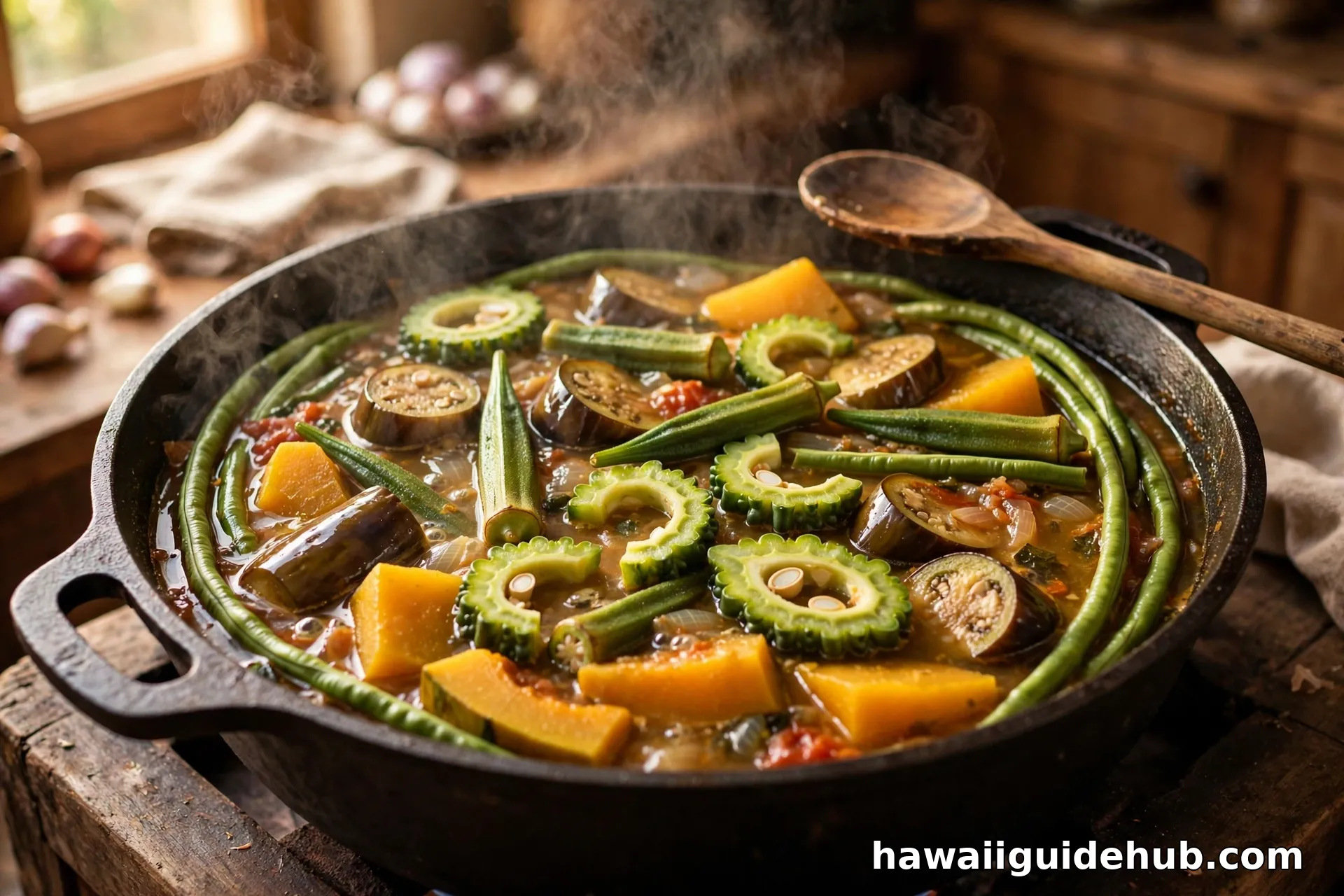
Pour in the water and bring to a gentle simmer. Add the squash and string beans first, since they take the longest to cook. Arrange the eggplant, okra, and bitter melon on top. Layering matters: the vegetables on top steam gently instead of boiling to mush.
Step 4: Simmer gently
Cover and cook over medium low heat for 7 to 10 minutes, until the vegetables are tender but not mushy. Resist the urge to stir aggressively; gentle folding once or twice is enough. The vegetables will shrink and release their juices, which is exactly what the name pinakbet describes.
Step 5: Finish and serve
Return the pork to the pot and fold it through. Season with black pepper. Taste first: the bagoong usually provides all the salt the dish needs. Simmer uncovered for 2 to 3 more minutes so the sauce reduces slightly and coats the vegetables. Serve hot over steamed rice.
Common Pinakbet Mistakes
The biggest mistake is overcooking. Pinakbet vegetables should be tender but hold their shape; mushy eggplant and disintegrated squash mean the heat was too high or the lid stayed on too long. The second mistake is stirring too much, which breaks the vegetables apart; layer them and let the steam do the work. The third is drowning the dish: pinakbet needs only about a cup of water, since the vegetables release their own juices. The fourth is salting before tasting, because bagoong varies wildly in saltiness between brands. The fifth is skipping the bagoong sauté step; raw bagoong added at the end tastes harsh instead of deep.
Pinakbet Do’s and Don’ts
Ilocano vs. Tagalog Style Pinakbet
The original Ilocano pinakbet is austere: vegetables cooked with fish bagoong and minimal water, traditionally without oil, in a clay pot. The Tagalog style, common in central and southern Luzon, sautés everything, uses shrimp bagoong, and adds squash (kalabasa) and more tomatoes for a richer, slightly sweeter stew. The recipe above follows the Tagalog leaning method most Hawaii home cooks use, since it is forgiving and flavorful. Try the Ilocano style once you know the dish: less water, fish bagoong, and no stirring at all.
Variations and Substitutions
Pinakbet is flexible. Make it vegetarian by skipping the pork and using a spoon of oil. Add shrimp for a seafood version; toss them in during the last few minutes so they stay tender. Sweet potato can stand in for squash. Green beans substitute for long beans (sitaw) when Asian markets are far. Some cooks add a splash of coconut milk for richness, a variation called ginataang pinakbet. If bitter melon intimidates you, use less of it rather than skipping it entirely; its bitterness is the dish’s signature edge. Salt the sliced bitter melon for 10 minutes and rinse to tame it. A few slices of siling haba (long green chili) add gentle heat for those who like it.
What to Serve with Pinakbet
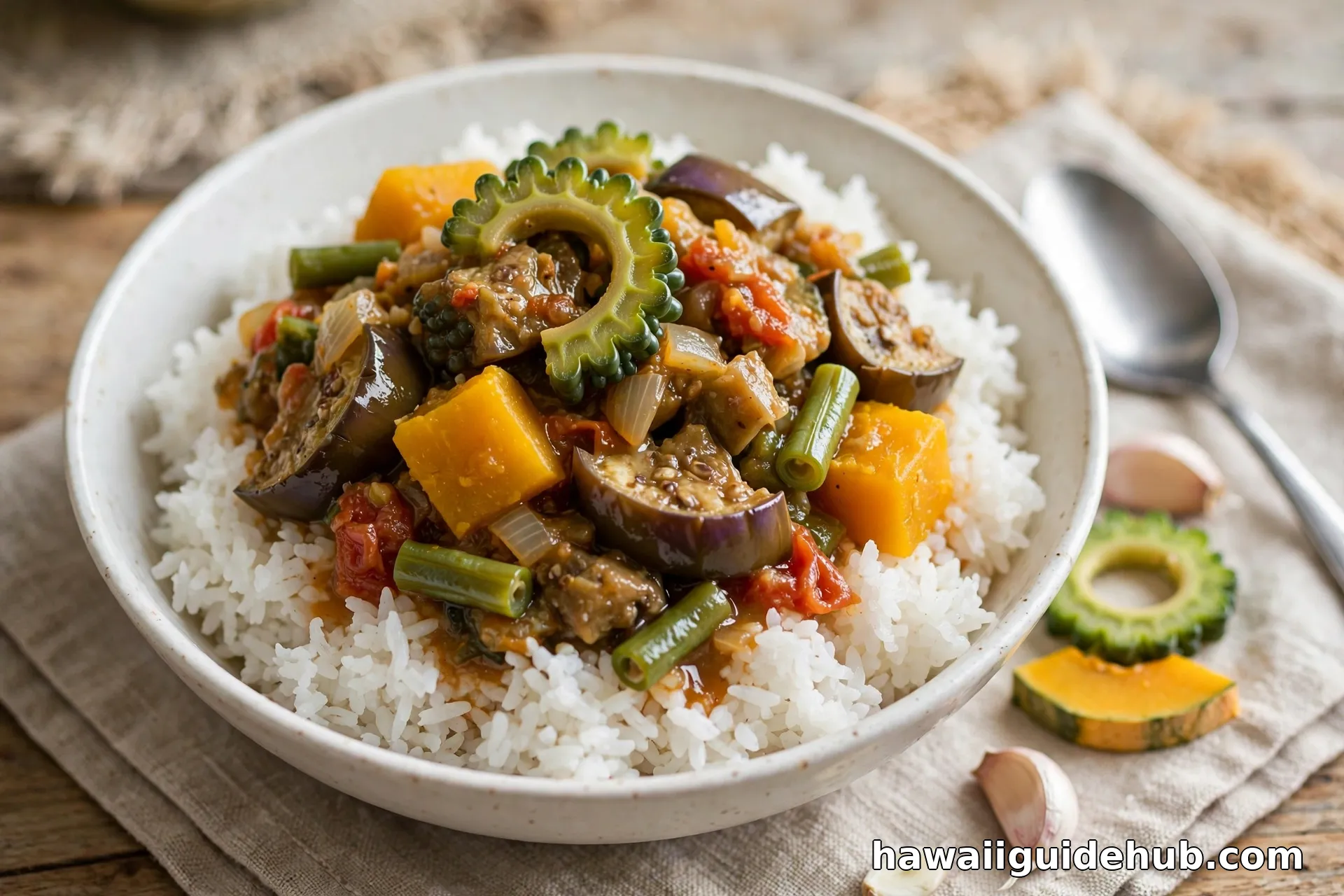
Steamed white rice is non negotiable; it balances the salty, bitter, savory flavors. In Hawaii, pinakbet often appears as part of a bigger spread: alongside grilled fish, fried pork, or huli huli chicken. A simple tomato and onion salad with vinegar cuts the richness, and lomi lomi salmon makes a classic Hawaiian counterpoint on the same table. For drinks, iced tea or calamansi juice work well.
Storing Leftover Pinakbet
Refrigerate leftovers in a covered container for up to 3 days. Reheat gently in a saucepan over medium heat with a splash of water; the vegetables will soften further, which many people enjoy. Pinakbet does not freeze well, since the vegetables turn mushy on thawing. It is best eaten fresh, and the recipe scales easily if you want to cook a bigger pot. For meal prep, chop all the vegetables the night before and store them covered in the refrigerator; the actual cooking then takes under 30 minutes.
Pinakbet Nutrition
A serving of pinakbet delivers a wide mix of vitamins and fiber from six different vegetables, with modest calories when the pork is light. Bitter melon is prized in Filipino cooking for its traditional health reputation, and the variety of vegetables means a broad nutrient profile in one bowl. The watch out is sodium: bagoong is fermented and salty, so the dish runs high in sodium by nature. Rinse the bagoong lightly or use the measured amount, skip added salt, and balance the meal with plenty of plain rice and fresh vegetables on the side.
Video: How to Cook Pinakbet
Watch pinakbet made step by step, from browning the pork to layering the vegetables.
Frequently Asked Questions
What does pinakbet taste like?
Savory, earthy, and complex: the salty umami of bagoong, the sweetness of squash and tomatoes, and the distinctive bitter edge of ampalaya. It is a bold flavor that grows on you fast.
What is bagoong?
Bagoong is a Filipino fermented condiment made from shrimp (bagoong alamang) or small fish (bagoong isda). It is intensely salty and savory, and it is the defining seasoning of pinakbet. A little goes a long way.
Is pinakbet healthy?
It is packed with vegetables and fiber. Watch the sodium: bagoong is very salty, so use the measured amount and skip extra salt. The pork adds richness; leave it out for a lighter dish.
Can I make pinakbet without bagoong?
Not really; without bagoong it is a different dish. If you cannot find it, fish sauce plus a little miso approximates the savory depth, but seek out real bagoong at a Filipino market for the authentic taste.
Why is my pinakbet bitter?
The bitterness comes from ampalaya (bitter melon), and it is supposed to be there. To mellow it, salt the sliced melon for 10 minutes, rinse, and squeeze dry before cooking. Do not overcook it, which intensifies the bitterness.
Where can I eat pinakbet in Hawaii?
Filipino restaurants and plate lunch spots across Oahu, Maui, Kauai, and the Big Island serve it. Look for it at weekend Filipino food fairs and farmers markets too.
Is pinakbet the same as dinengdeng?
They are close cousins. Both are Ilocano vegetable dishes with bagoong, but dinengdeng uses more broth and is soupier, while pinakbet cooks down drier until the vegetables shrink. If your pinakbet has too much liquid, Ilocanos would call it dinengdeng.
Can I make pinakbet ahead of time?
Yes, and many say it tastes better the next day as the flavors meld. Cook it fully, cool, and refrigerate. Reheat gently with a splash of water. The vegetables will be softer, which is part of the charm.
Pinakbet is proof that the humblest ingredients make the most memorable food. Six vegetables, one powerful paste, and forty minutes stand between you and a dish that carries a century of Hawaii’s Filipino story. Cook it once, and it will become a regular in your kitchen.