Hard Iced Tea Recipe: Authentic Method, Ingredients & Hawaiian Context

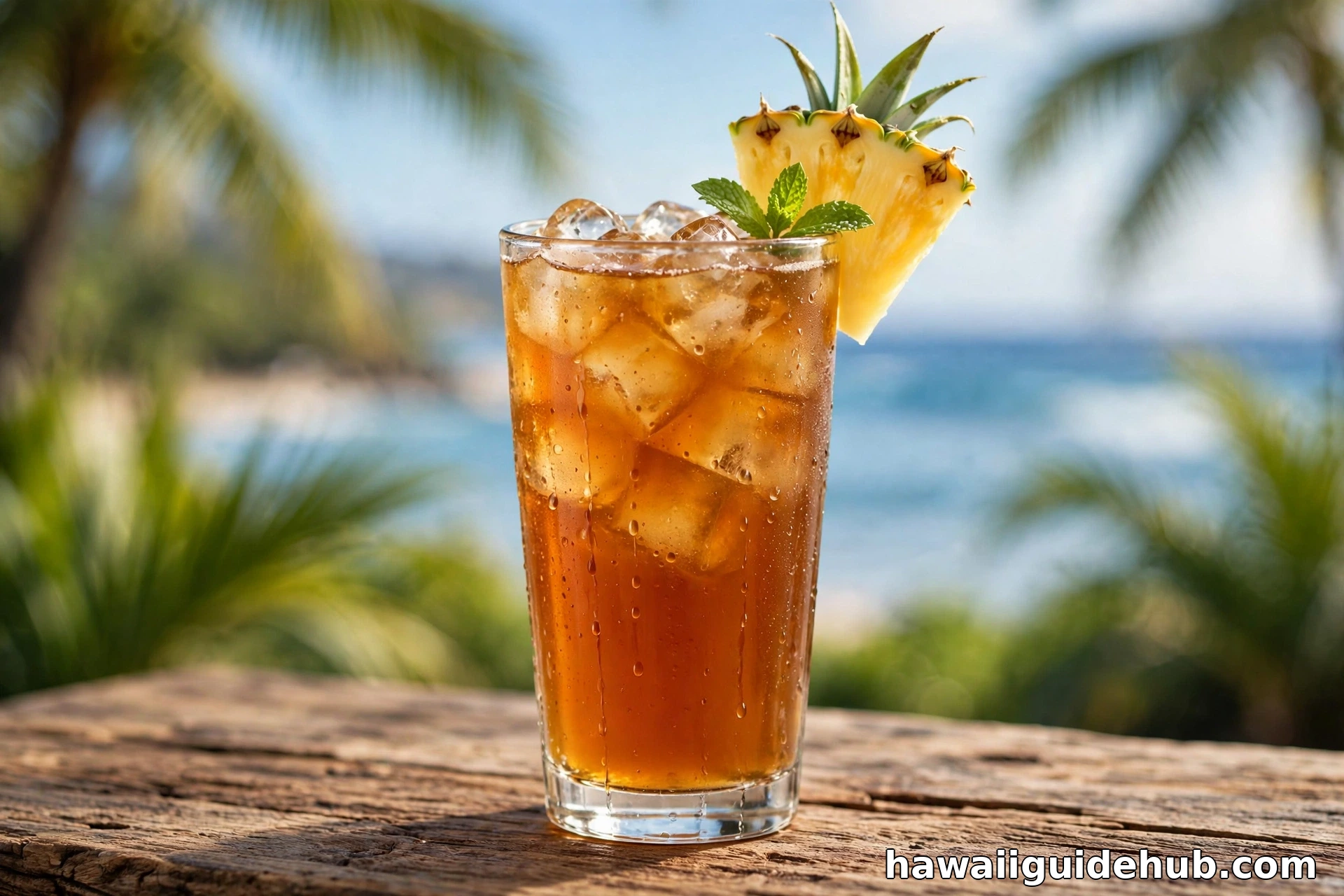
There is a drink you will find on nearly every restaurant menu in Hawaii, from beachside grills to plantation-era lunch counters: plantation iced tea. It is simple, just strong black tea mixed with pineapple juice, but it tastes like the islands in a glass. Add a measured pour of vodka or coconut rum, and it becomes hard iced tea, a grown-up version of a Hawaiian classic that is made for slow afternoons and sunset gatherings.
This guide gives you the authentic method for making hard iced tea at home, the Hawaiian way. You will get the full recipe with exact measurements, the story behind the drink, five easy variations, and the practical details that matter, like how to keep it fresh and how to serve it. One important note before we start: this is an alcoholic drink, and the legal drinking age in Hawaii is 21. If you are making this for a group, keep a non-alcoholic pitcher of classic plantation iced tea on hand too, so everyone has something to enjoy.
What Is Hard Iced Tea?
Hard iced tea is exactly what it sounds like: iced tea with alcohol added. But the Hawaiian version has its own identity. Instead of the lemon-and-sugar profile of mainland sweet tea, Hawaii’s hard iced tea starts from plantation iced tea, the local staple of black tea blended with pineapple juice. The pineapple gives it a golden color and a tropical sweetness that pairs naturally with clear spirits.
The most common spirit choices are vodka, which lets the tea and pineapple flavors shine, and coconut rum, which doubles down on the tropical character. Some bartenders use white rum or even a splash of lilikoi (passion fruit) liqueur. The alcohol is meant to complement the tea, not overpower it. A well-made hard iced tea still tastes like iced tea first, with warmth in the finish.
The Hawaiian Roots: Plantation Iced Tea
To understand hard iced tea, you need to know plantation iced tea. During the plantation era, workers from many cultures, Japanese, Filipino, Portuguese, Chinese, Korean, and Native Hawaiian, shared food and drink traditions that blended into what we now call local Hawaii cuisine. Pineapple was everywhere, grown on the islands and canned in Honolulu, so it found its way into everything, including iced tea.
Plantation iced tea became the house drink of local restaurants: strong-brewed black tea, a generous pour of pineapple juice, lightly sweetened, served over mountains of ice with a pineapple spear or a sprig of mint. Many Hawaii restaurants still guard their own house recipes, and regulars will tell you which spot makes it best. The spiked version followed naturally. Bartenders and home hosts started adding rum or vodka to the pitcher for pau hana (after-work) gatherings, and hard iced tea earned its place as a backyard and beach-house staple.
If you want to explore more of the flavors that shaped Hawaii’s food culture, our guide to must-try local dishes covers the plates that belong next to this drink, from poke to malasadas.
Hard Iced Tea Ingredients
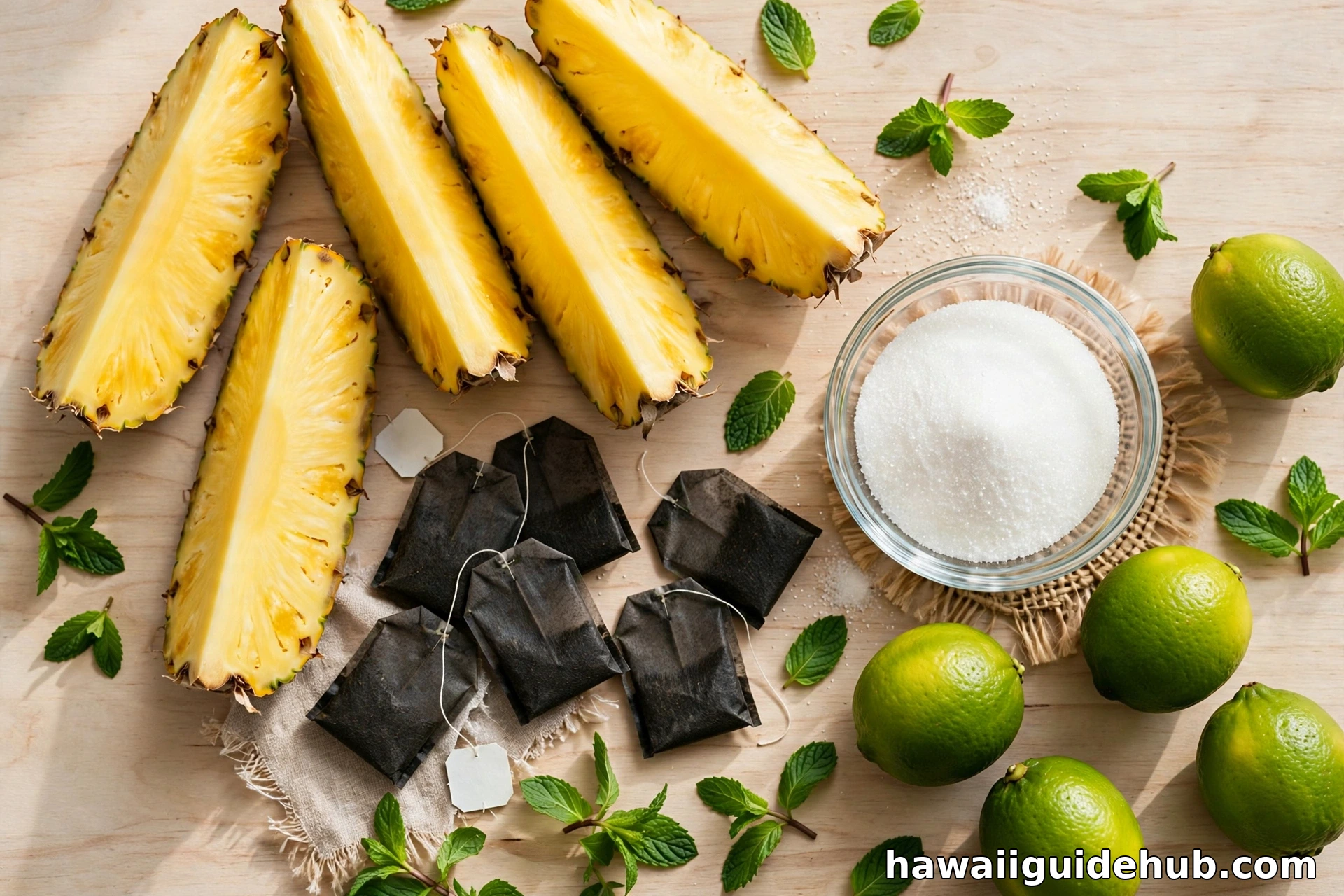
This recipe makes one pitcher, about 8 servings. The ingredient list is short, which is part of its charm. Quality matters more than quantity here: use real pineapple juice with no added sugar, and brew the tea strong enough to stand up to ice.
| Ingredient | Amount | Notes |
|---|---|---|
| Black tea bags | 4 | Orange pekoe or any strong black tea |
| Hot water | 4 cups | Just off the boil |
| Pineapple juice | 2 cups | 100% juice, chilled, no added sugar |
| Simple syrup | 1/4 cup | Adjust to taste; see tip below |
| Vodka or coconut rum | 1 cup | Added after the tea cools |
| Ice | Plenty | For serving, not for the pitcher |
| Garnish | To taste | Pineapple spears, lime wheels, mint |
For the fruit side of the equation, native Hawaiian fruits like lilikoi make excellent additions if you want to experiment beyond pineapple. A quick note on the simple syrup: dissolve equal parts sugar and water over heat, then cool. It blends into cold tea far better than granulated sugar, which can leave a gritty layer at the bottom of the pitcher.
How to Make Hard Iced Tea: Step by Step
The method is straightforward, but the order matters. Brew and cool the tea first, then build the drink. Never add alcohol to hot tea: heat drives off the alcohol and muddies the flavor.
Step 1: Brew the Tea Strong
Bring 4 cups of water to just below a boil. Pour over 4 black tea bags in a heatproof pitcher and steep for 5 minutes. You want the tea stronger than you would drink it straight, because ice and juice will dilute it. Remove the bags without squeezing them, which can release bitter tannins.
Step 2: Cool It Completely
Let the tea cool to room temperature, then refrigerate until fully chilled, at least 1 hour. Rushing this step with ice in the pitcher waters down the base before you have even started.
Step 3: Add Pineapple Juice and Sweetener
Stir 2 cups of chilled pineapple juice and 1/4 cup of simple syrup into the cold tea. Taste it now, before the alcohol goes in. It should taste like a great plantation iced tea: bold tea up front, pineapple sweetness in the middle, clean finish. Adjust the syrup a tablespoon at a time.
Step 4: Add the Spirit
Pour in 1 cup of vodka or coconut rum and stir gently. That ratio gives you a drink of moderate strength, roughly the alcohol content of a light cocktail per glass. If your crowd prefers it stronger, you can go up to 1 1/2 cups per pitcher, but the tea flavor starts to fade past that point.
Step 5: Serve Over Fresh Ice
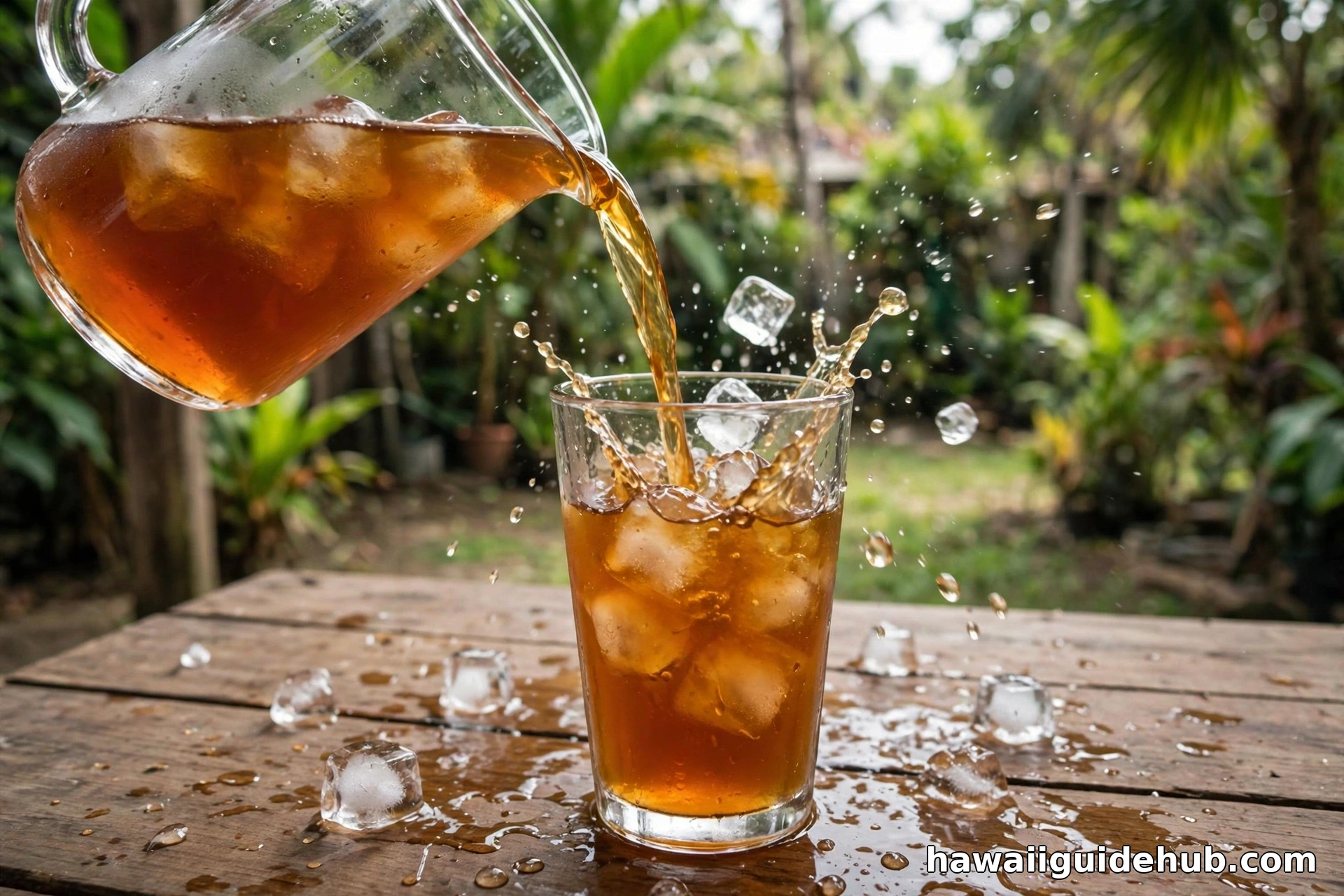
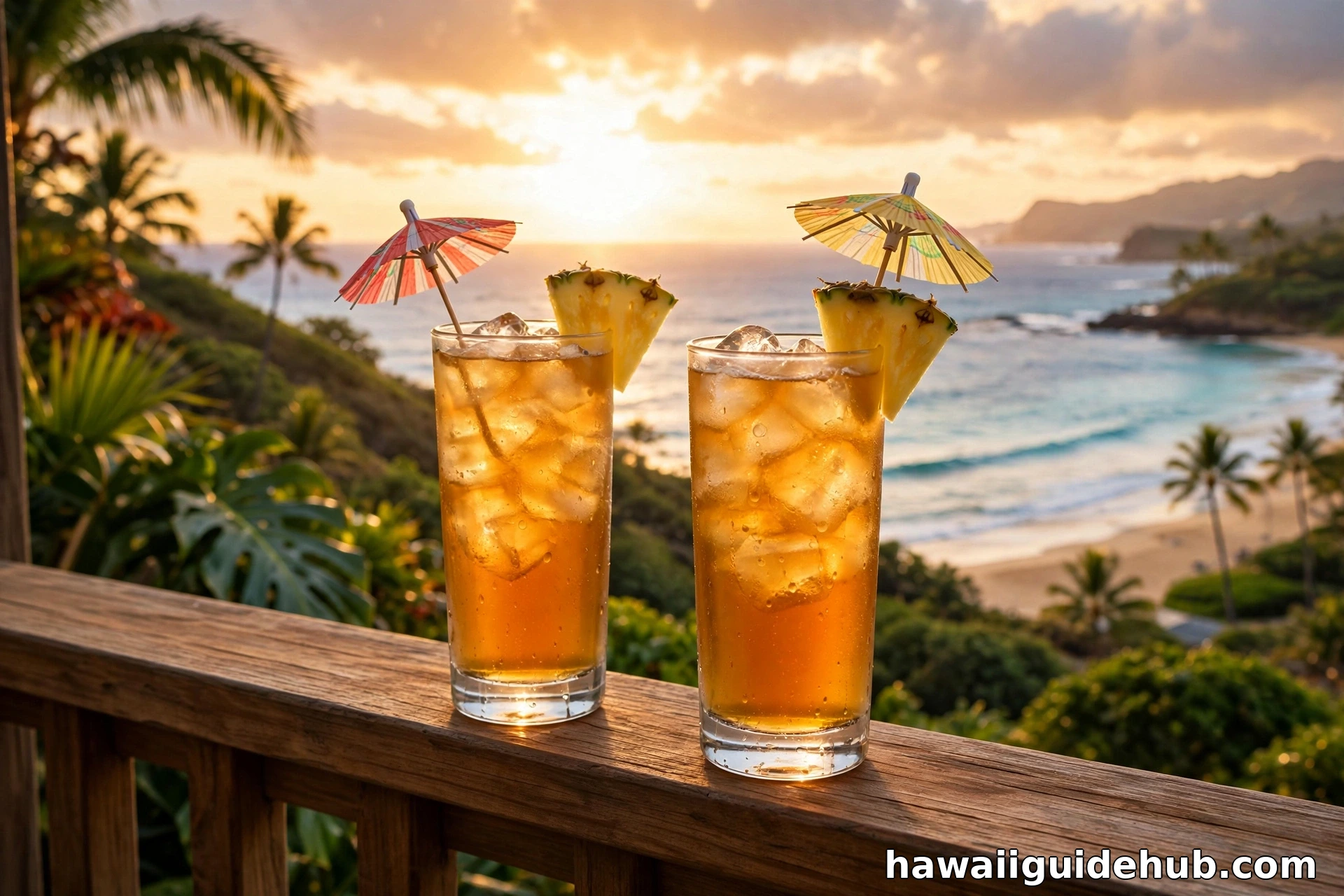
Fill tall glasses with fresh ice, pour the hard iced tea over, and garnish each glass with a pineapple spear and a mint sprig. A lime wheel on the rim adds color and a bright aroma. Serve immediately.
What Does Hard Iced Tea Taste Like?
Expect the familiar comfort of iced tea first: malty black tea with a slight tannic edge. Then the pineapple arrives, round and sunny, smoothing out the tea’s bitterness. The vodka version finishes clean with a gentle warmth. The coconut rum version is richer and more dessert-like, with the rum’s sweetness melting into the pineapple. Neither version should taste boozy or harsh. If the alcohol announces itself too loudly, add more tea and juice to the pitcher to rebalance.
5 Easy Variations
Once you have the base recipe down, it is easy to make it your own. These five variations all start from the same pitcher method above, with one swap or addition.
1. Coconut Rum Swap
Trade the vodka for coconut rum. The result is creamier and more tropical, closer to a tiki drink than a tea. This is the version most Hawaii bartenders pour when someone asks for hard iced tea.
2. Lilikoi Twist
Add 2 tablespoons of lilikoi (passion fruit) juice or pulp per pitcher. The tartness cuts the sweetness and adds a floral aroma that is unmistakably Hawaiian. Seeds are fine; they look great in the glass.
3. Lighter Session Version
Use half the spirit (1/2 cup per pitcher) and top each glass with sparkling water. You keep all the flavor with a much gentler drink, good for long afternoons.
4. Mocktail Mode
Skip the alcohol entirely and you have classic plantation iced tea, the family-friendly original. Make a separate pitcher labeled clearly, especially at parties where both versions are served.
5. Garnish Game
Pineapple spears, lime wheels, fresh mint, and even a cocktail umbrella turn a simple pitcher drink into a presentation. Freeze pineapple chunks and use them as ice cubes that will not dilute the drink.
Tips for the Best Hard Iced Tea
A few small details separate a great pitcher from a mediocre one. Brew the tea fresh; tea that has sat all day can turn cloudy and dull. Do not steep longer than 5 minutes, or bitterness takes over. Chill everything before mixing, since warm ingredients melt ice fast. Add ice to glasses, never to the pitcher, so the last glass tastes as good as the first. And taste before you serve: pineapple juice brands vary in sweetness, so the right amount of simple syrup changes from batch to batch.
Storage is simple. The finished pitcher keeps in the refrigerator for up to 3 days. The flavors actually meld nicely overnight. Give it a stir before pouring, since the juice can settle.
Make-Ahead Tips for Parties
Hard iced tea is an ideal make-ahead party drink because every step improves with a little waiting time. Brew the tea base the night before and let it chill overnight; cold tea absorbs the pineapple and syrup more evenly than tea that was rushed. Mix in the juice and sweetener in the morning, but hold the alcohol until an hour or two before guests arrive, so the spirit stays bright. Slice your pineapple garnishes ahead and keep them covered in the fridge. When it is time to serve, all you do is add the spirit, stir, and pour over fresh ice. For large groups, set out a small card listing the ingredients, which helps guests with allergies and keeps the mocktail pitcher from being confused with the spiked one.
Where Visitors Encounter It in Hawaii
You will find some version of spiked plantation tea at beach bars, poolside restaurants, and luaus across the islands. Many places list it under names like plantation punch or island iced tea. On the Big Island, coffee farm tours sometimes finish with a tasting that includes tea-based drinks. If you are staying in a vacation rental, this is an ideal drink to batch for a lanai sunset: one pitcher serves a group, it takes minutes to assemble, and the ingredients are available at any Hawaii grocery store.
Drink Responsibly in Hawaii
A few Hawaii-specific rules are worth knowing. The legal drinking age is 21, with no exceptions, and sellers check ID closely. Open containers of alcohol are not allowed in vehicles or in public places, including beaches and parks, so this is a drink for private gatherings, licensed restaurants, and your rental lanai, not the sand. And as always, never drink and drive. Plan a designated driver or use a rideshare if your evening includes more than one glass.
Watch: Plantation Iced Tea Made in Hawaii
See the non-alcoholic original being made, the same base our hard version builds on:
Hard Iced Tea FAQs
What alcohol goes best in hard iced tea?
Vodka and coconut rum are the two best choices. Vodka keeps the drink clean and lets the tea and pineapple lead. Coconut rum adds tropical richness. White rum works too, landing somewhere between the two.
Can I make hard iced tea without pineapple juice?
You can, but then it is a different drink. The pineapple juice is what makes it Hawaiian-style hard iced tea rather than just spiked tea. If pineapple is not available, mango or passion fruit juice are the closest substitutes in spirit.
How strong is hard iced tea?
With 1 cup of 80-proof spirit in a pitcher that yields about 8 glasses, each glass lands around 5 to 7 percent alcohol, similar to a strong beer. It tastes milder than it is, so pour with care and keep track of servings.
Can I make a big batch for a party?
Yes, this recipe scales perfectly. Double or triple everything and mix in a large drink dispenser. Make one alcoholic batch and one mocktail batch, and label them clearly so guests know which is which.
How long does hard iced tea last in the fridge?
Up to 3 days refrigerated. Stir before serving, since the juice settles. Do not add ice to the storage pitcher; add it to individual glasses instead.
Is hard iced tea the same as Long Island iced tea?
No. A Long Island iced tea contains no actual tea; it is a mix of five spirits with cola. Hard iced tea is real brewed tea with pineapple juice and one spirit. They share a name pattern and nothing else.
Hard iced tea is one of those drinks that earns its place by being simple, adaptable, and tied to a real local tradition. Start with the classic plantation iced tea base, spike it to your taste, and you have a pitcher that fits any island gathering, from a quiet lanai evening to a full backyard party.