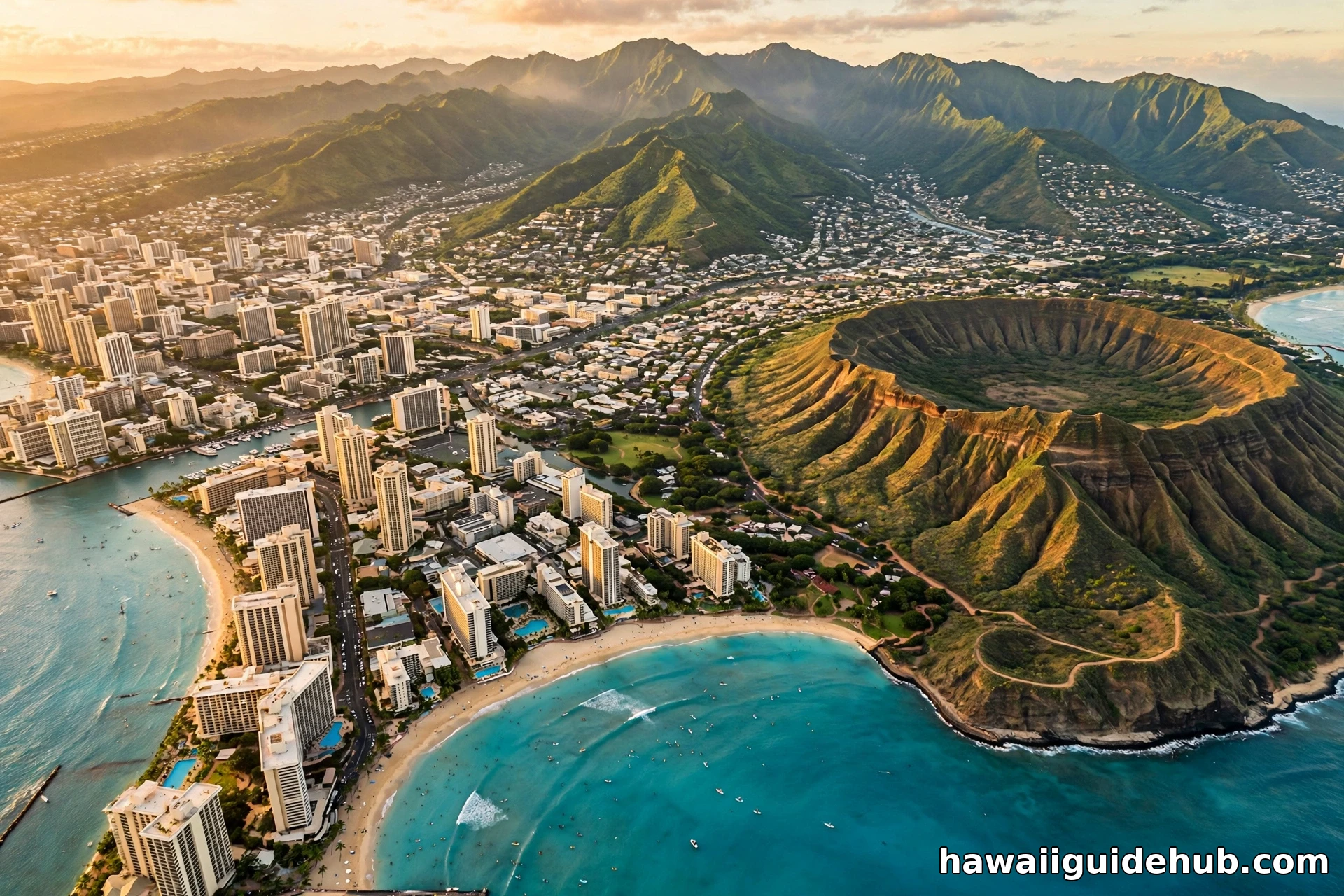
Honolulu Attractions: Diamond Head, Pearl Harbor, ʻIolani Palace and the Best of the City

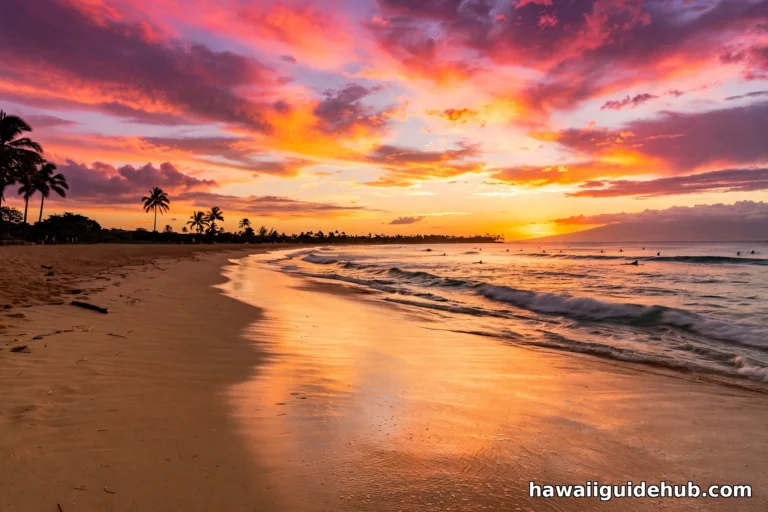
Honolulu is where Hawaii’s story comes into focus. The capital of the state, tucked along the southeast shore of Oʻahu between the Koʻolau mountains and the Pacific, packs more history, culture, and scenery into one metro area than most destinations manage in an entire island. You can start your morning inside a volcanic crater, spend midday at one of the world’s most important wartime memorials, tour America’s only royal palace in the afternoon, and finish with your feet in the sand on Waikiki as the sun drops behind the Waianae range.
This is not a city you rush through on the way to the beach. Honolulu rewards travelers who slow down and look closely. Here is what to see, what to know before you go, and how to plan a visit that does the place justice.
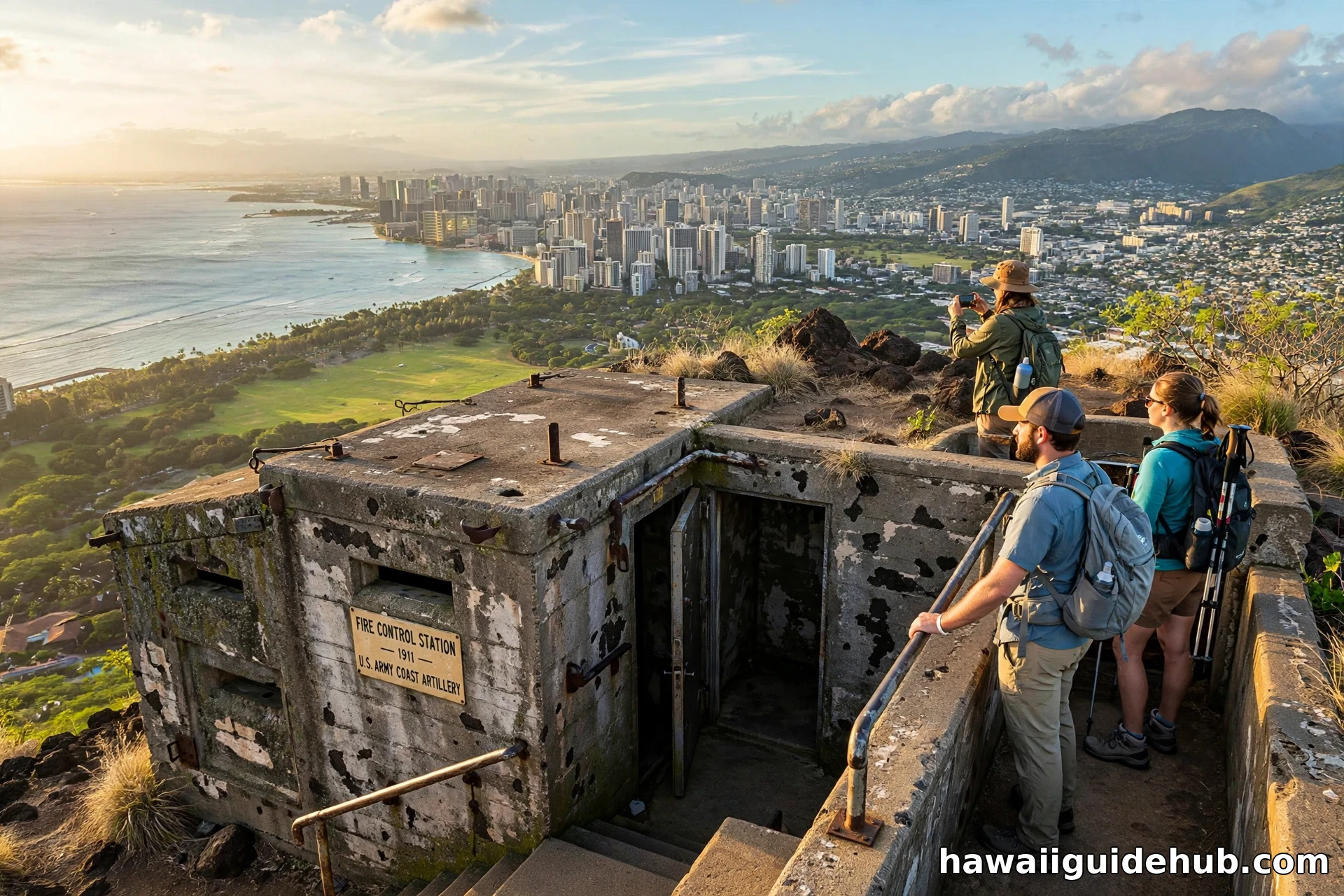
Diamond Head (Lēʻahi): The Crater Hike
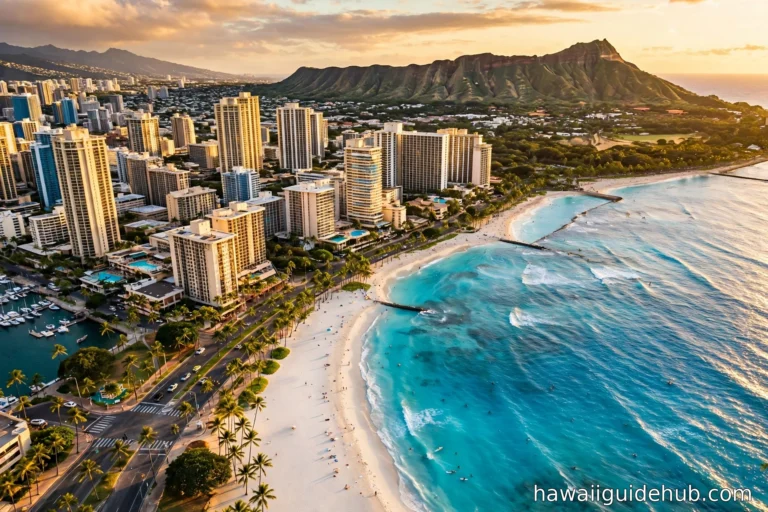
The unmistakable volcanic profile looming over Waikiki is Diamond Head, or Lēʻahi in Hawaiian. The tuff cone formed about 300,000 years ago from a single eruption, and the trail to its 760-foot summit is Oʻahu’s most famous hike for good reason. The view from the top takes in Waikiki, Honolulu, and the sweep of the southeastern coast.
The hike is 0.8 miles one way with about 560 feet of elevation gain. It climbs through a series of switchbacks, a 225-foot tunnel, and two sets of steep stairs near the top, finishing at the old Fire Control Station built in 1911 for coastal defense. Plan for 1.5 to 2 hours round trip, bring water and sturdy shoes, and go early to beat the heat and the crowds.
Here is the practical part most visitors miss: non-residents need advance reservations through the state parks system, and entry plus parking reservations are required. Non-resident entry is $5 per person and parking is $10 per vehicle, paid by credit card. Normal hours are 6:00 a.m. to 6:00 p.m. daily, with the last entry at 4:30 p.m. Gates close at 6:00 p.m. Book as soon as your dates are set, because slots sell out.
Pearl Harbor National Memorial
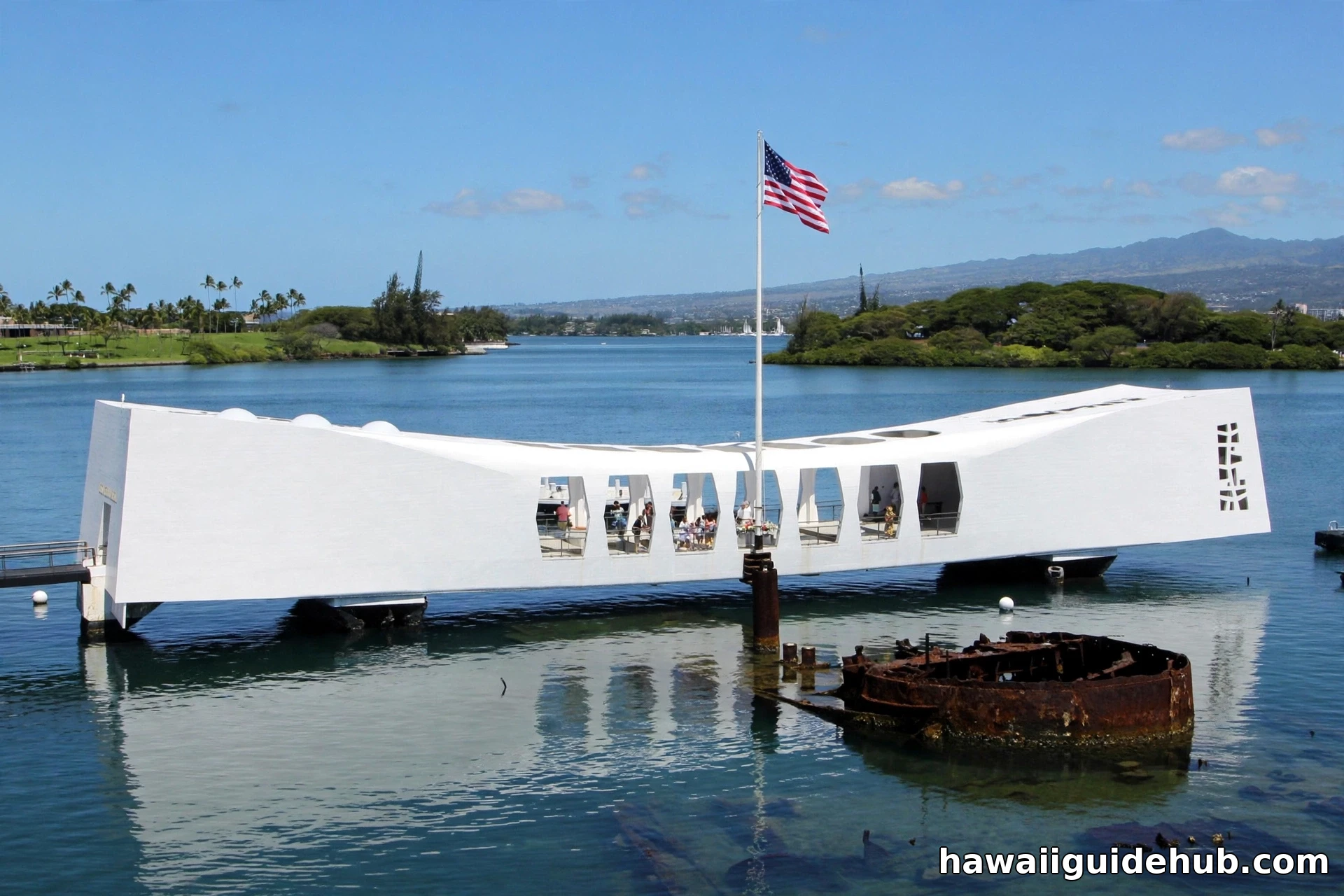
No visit to Honolulu is complete without Pearl Harbor. The memorial honors the 2,403 Americans killed in the December 7, 1941 attack that brought the United States into World War II. The centerpiece is the USS Arizona Memorial, a white structure straddling the sunken battleship where more than 1,100 crewmen remain entombed.
Entry to the visitor center grounds and museums is free, but the USS Arizona Memorial program itself requires a reserved ticket through recreation.gov for a small reservation fee. Tickets are released in batches and go quickly, so book early. Plan for 2 to 3 hours if you are visiting the memorial and exhibits, or a full day if you also want the USS Missouri battleship, the Pearl Harbor Aviation Museum, and the Pacific Fleet Submarine Museum.
Arrive early, wear respectful attire, and give yourself time. The quiet of the memorial, with oil still rising to the surface of the harbor after more than 80 years, is something no photo prepares you for.
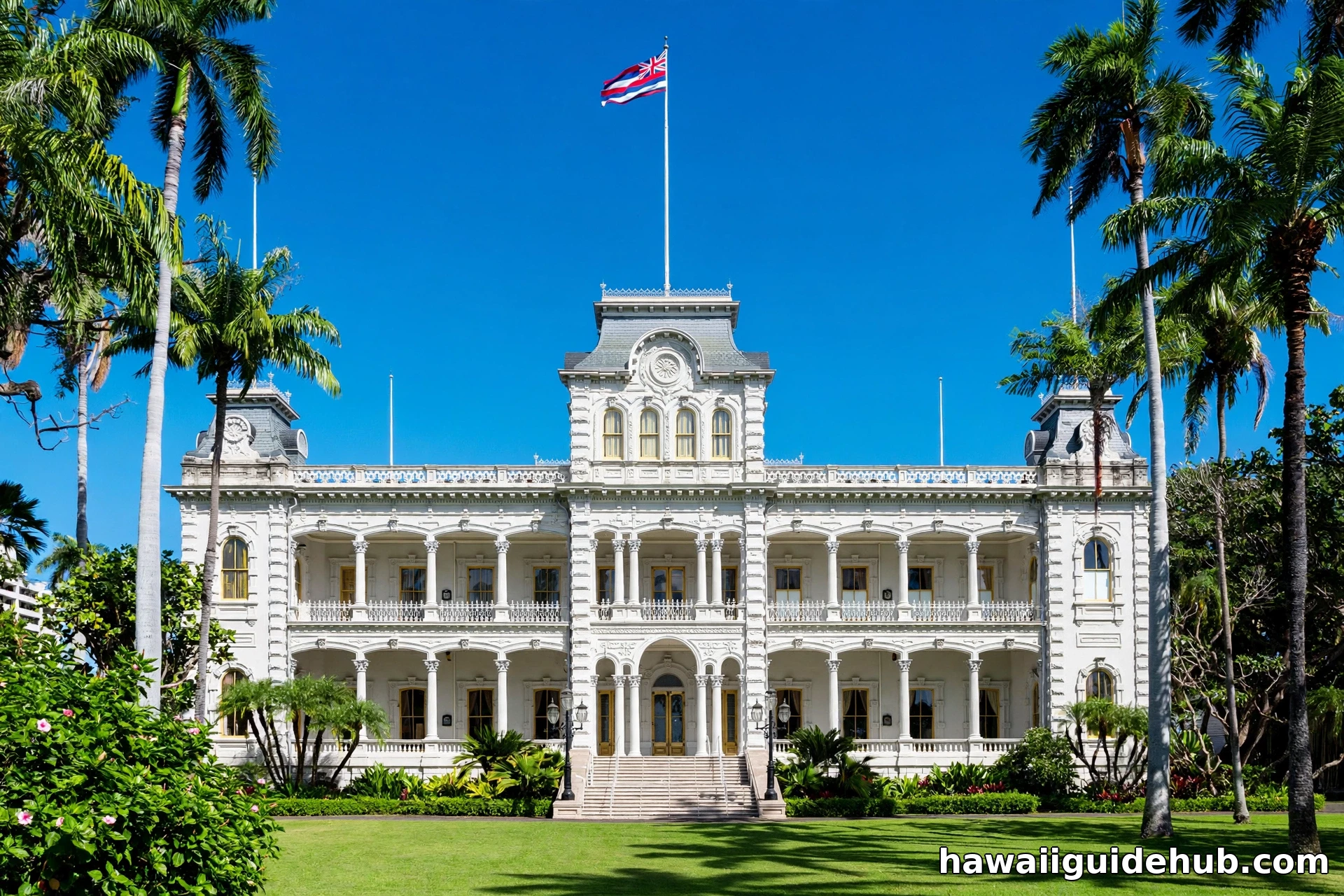
ʻIolani Palace: America’s Only Royal Palace
In downtown Honolulu stands something you cannot see anywhere else in the United States: a real royal palace. ʻIolani Palace was the official residence of Hawaiʻi’s last two monarchs, King Kalākaua and Queen Liliʻuokalani. Completed in 1882, it was a technological marvel of its time, with electric lighting and indoor plumbing installed before the White House had them.
The palace sits at the heart of the Hawaiian monarchy’s story. It was here that Queen Liliʻuokalani was placed under house arrest after the 1893 overthrow of the kingdom. Docent-led and self-guided tours walk you through the throne room, the state dining room, and the private chambers, with original furnishings and artifacts throughout.
Tours are offered most days but capacity is limited, so book ahead online. The palace grounds and the coronation pavilion outside are free to walk through, and the King Kamehameha statue stands directly across the street, another essential photo stop.
Waikiki Beach: More Than a Postcard
Two miles of golden sand backed by hotels and framed by Diamond Head, Waikiki is the most famous beach in Hawaii and one of the best places in the world to learn to surf. The waves here are famously gentle and long-breaking, which is why surf schools line the shore and beginners stand up on their first lesson more often than anywhere else.
Look for the bronze statue of Duke Kahanamoku, the Olympic champion who introduced surfing to the world, standing with his arms outstretched in front of the beach. The Royal Hawaiian, the pink hotel that has anchored Waikiki since 1927, and the Moana Surfrider, Hawaii’s oldest hotel from 1901, both sit right on the sand and are worth a walk-through even if you are not staying there.
Waikiki is also a neighborhood, not just a beach. Kalākaua Avenue runs the length of the district with shops, restaurants, and free hula performances at Kūhiō Beach in the evenings. Come for the beach, stay for the people-watching.
Bishop Museum: The Cultural Deep Dive
If you want to understand Hawaii, not just photograph it, the Bishop Museum is essential. Founded in 1889 by Charles Reed Bishop in memory of his wife Princess Bernice Pauahi Bishop, it holds the world’s largest collection of Hawaiian and Pacific cultural artifacts, along with extensive natural history exhibits.
The Hawaiian Hall alone is worth the trip: three floors of artifacts arranged around a central atrium, from feather cloaks worn by aliʻi to traditional canoes and royal regalia. The planetarium, the science adventure center, and rotating exhibitions make it a half-day visit at minimum.
National Memorial Cemetery of the Pacific
Set inside Punchbowl Crater, an extinct volcanic tuff cone just north of downtown, the National Memorial Cemetery of the Pacific is one of America’s most moving military cemeteries. More than 50,000 veterans and family members are interred here, and the Honolulu Memorial at the top of the grand staircase lists the names of those missing in action from World War II, Korea, and Vietnam.
The overlook at the crater rim offers one of the best panoramic views of Honolulu, Diamond Head, and the harbor. Entry is free, and the quiet grounds make a fitting companion visit to Pearl Harbor.
Honolulu Museum of Art and Chinatown
The Honolulu Museum of Art, founded in 1927, holds one of the finest Asian and Pacific art collections in the country, displayed in a beautiful Spanish colonial revival building. It is an easy, air-conditioned afternoon stop downtown.
From there, walk into Chinatown, Honolulu’s oldest historic district. The area blends Chinese, Vietnamese, and Hawaiian influences with lei shops, open markets, art galleries, and some of the city’s best casual restaurants. The contrast between the quiet palace grounds and the bustle of Chinatown, just a few blocks away, tells you a lot about how Honolulu works.
Koko Head and Hanauma Bay (Day Trip Ideas)
If you have extra days, two more essential Honolulu-area attractions sit a short drive east. The Koko Crater Railway Trail climbs 1,048 railroad-tie steps straight up the crater for a leg-burning workout and one of Oʻahu’s great summit views. Hanauma Bay, a nature preserve in a flooded volcanic crater, offers some of the island’s best snorkeling, though it requires its own reservation system for entry.
For more on Oʻahu’s island-wide highlights, our complete island guide covers how these fit into a full trip. If you are weighing which island to spend your time on, see our guide for first-time visitors and the North Shore guide for the island’s other famous coast.
How Many Days to Spend in Honolulu
Two full days is the realistic minimum to cover Honolulu’s essential attractions without rushing, and three days lets you breathe. A practical split: day one for Diamond Head in the early morning, ʻIolani Palace and the downtown sights midday, and Waikiki in the afternoon. Day two for Pearl Harbor, which deserves a full morning at minimum, then the Bishop Museum or the Honolulu Museum of Art in the afternoon. A third day covers Hanauma Bay snorkeling or the Koko Crater hike, plus Chinatown and the neighborhoods you have not reached yet.
The rhythm matters as much as the list. Honolulu mornings are cooler and calmer, which is when you want to be on a trail or at an outdoor memorial. Midday heat is for museums, the palace, and air-conditioned galleries. Late afternoon belongs to Waikiki, when the trade winds pick up and the light turns golden over Diamond Head.
Ala Moana, Kapiʻolani Park, and the In-Between Sights
Not every Honolulu attraction has a ticket booth. Ala Moana Beach Park, just west of Waikiki, is where locals actually swim: a long protected lagoon, shaded lawns, and a fraction of the Waikiki crowds. The Ala Moana Center across the street is the largest open-air shopping mall in the world, worth a visit as much for its scale and the free hula and music performances on its center stage as for the stores.
At the other end of Waikiki sits Kapiʻolani Park, a 300-acre green space named for Queen Kapiʻolani that locals treat as the city’s backyard. The Waikiki Aquarium sits inside the park at the water’s edge and is small but excellent, with Hawaiian monk seals, reef sharks, and living coral exhibits. The Honolulu Zoo is there too, and the bandstand hosts free concerts. The park is also where the Duke Kahanamoku statue’s bronze surfer seems to watch over everything.
Foster Botanical Garden, a short drive from downtown, is the oldest of Honolulu’s public gardens and holds some of the most significant tropical plant collections in the United States, including exceptional orchids and a grove of prehistoric-looking cycads. It is quiet, shaded, and completely different from the beach scene.
The State Capitol and Civic Honolulu
Hawaii’s State Capitol building, open to the public on weekdays, is an attraction in its own right. Built in 1969, its design is a love letter to the islands: the columns represent royal palms, the open-air central court lets rain fall through like a Hawaiian valley, and the reflecting pool stands in for the surrounding Pacific. Free self-guided tours let you walk the chambers where state government happens.
Nearby, the King Kamehameha statue in front of Aliʻiōlani Hale is the most photographed statue in Hawaii. Cast in Paris in 1880, the original was lost at sea off the Falkland Islands and a replacement stands in Honolulu while the recovered original now stands in Kapaʻau on the Big Island. The draped lei on the statue are changed regularly, and the outstretched arm has become the unofficial gesture of the islands.
Eating Your Way Through Honolulu
Honolulu’s food scene is an attraction in its own right, shaped by Native Hawaiian, Japanese, Chinese, Portuguese, Filipino, and Korean influences. Start with the classics: poke from a neighborhood fish market, a plate lunch with two scoops of rice and mac salad, and shave ice piled with azuki beans and condensed milk. The city’s food trucks and farmers markets, especially the KCC Farmers Market on Saturday mornings near Diamond Head, are where the best eating happens.
Waikiki has the resort dining, but some of the most memorable meals are in the neighborhoods: Kalihi for Filipino food, Kapahulu for hole-in-the-wall bakeries, and Chinatown for dim sum and Vietnamese pho. Set aside at least one evening for a proper Honolulu dinner, because the city eats well.
Practical Tips for Visiting Honolulu
Honolulu is a real city, and it behaves like one. Traffic on the H-1 freeway is genuinely bad during rush hours, so plan drives around it. Parking downtown and in Waikiki is limited and expensive; many visitors do fine without a rental car for the urban days and rent only for island excursions.
Book the reservation-required attractions first, then build your days around them: Diamond Head, Pearl Harbor’s USS Arizona program, ʻIolani Palace tours, and Hanauma Bay all need advance tickets. Mornings are cooler for hiking and less crowded at the memorials.
Bring sun protection everywhere, even on overcast days. The UV index in Honolulu runs high year-round, and reef-safe sunscreen is the law at the beach. For hiking days, see our guide to outdoor adventures in Hawaii for trail safety basics.
See Honolulu on Video
Why Honolulu Deserves More Than a Stopover
Honolulu is often treated as a gateway: fly in, pick up the rental car, head for the beach. But the city holds the deepest layers of Hawaii’s story, from a 300,000-year-old crater to a 140-year-old palace to the memorials of the Pacific war. Give it at least two full days of your trip. You will leave understanding Hawaii in a way that no beach day alone can provide.