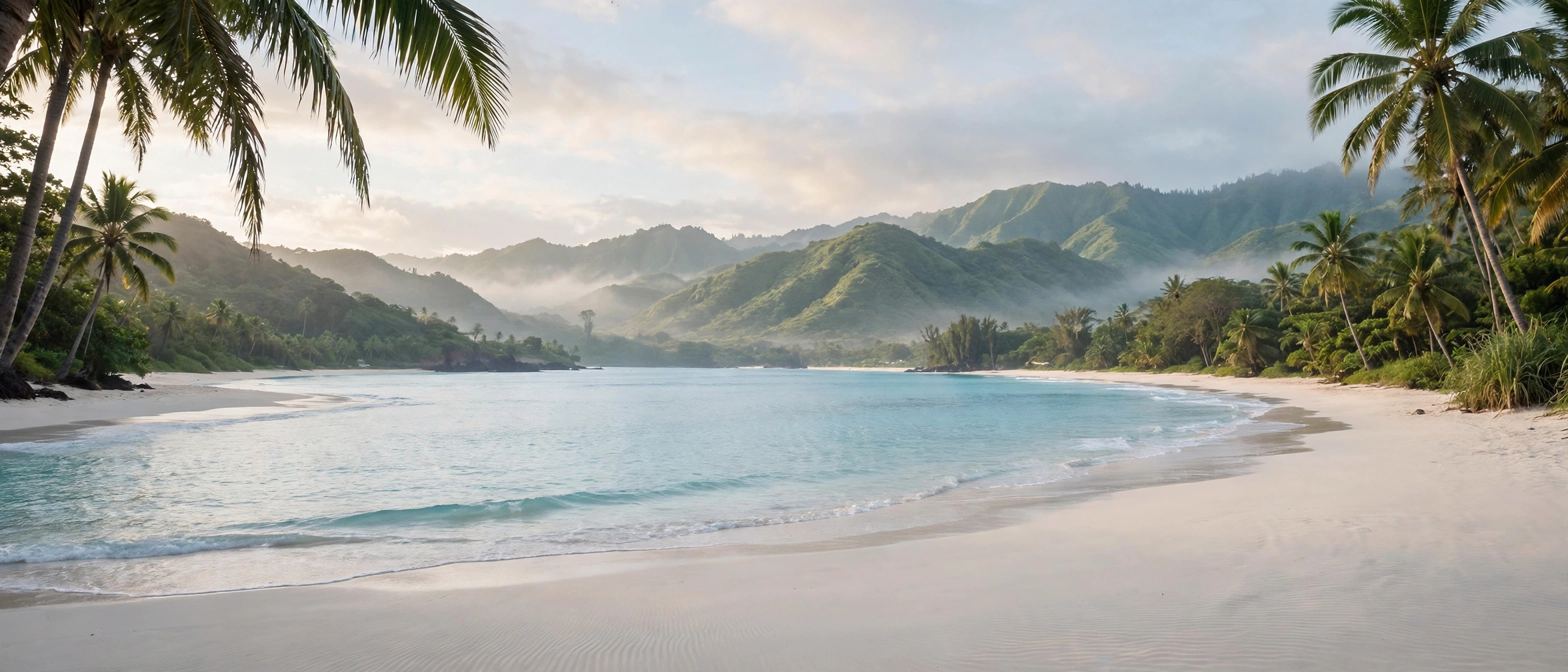
Maui is home to some of the finest beaches in the Hawaiian Islands, and this guide covers all of them. From the golden crescents of South Maui to the wind-whipped shores of the North Shore, the island offers a beach for every kind of traveler. Whether you want calm water for swimming with kids, clear reefs for snorkeling, or powerful waves for watching surfers, you will find it here.
This guide is organized by region so you can plan efficiently. South Maui and West Maui hold the most popular swimming beaches, while the north and east coasts offer wilder scenery and seasonal surf. Use the comparison table below to find your match quickly, then read the detailed sections for the beaches that interest you most.
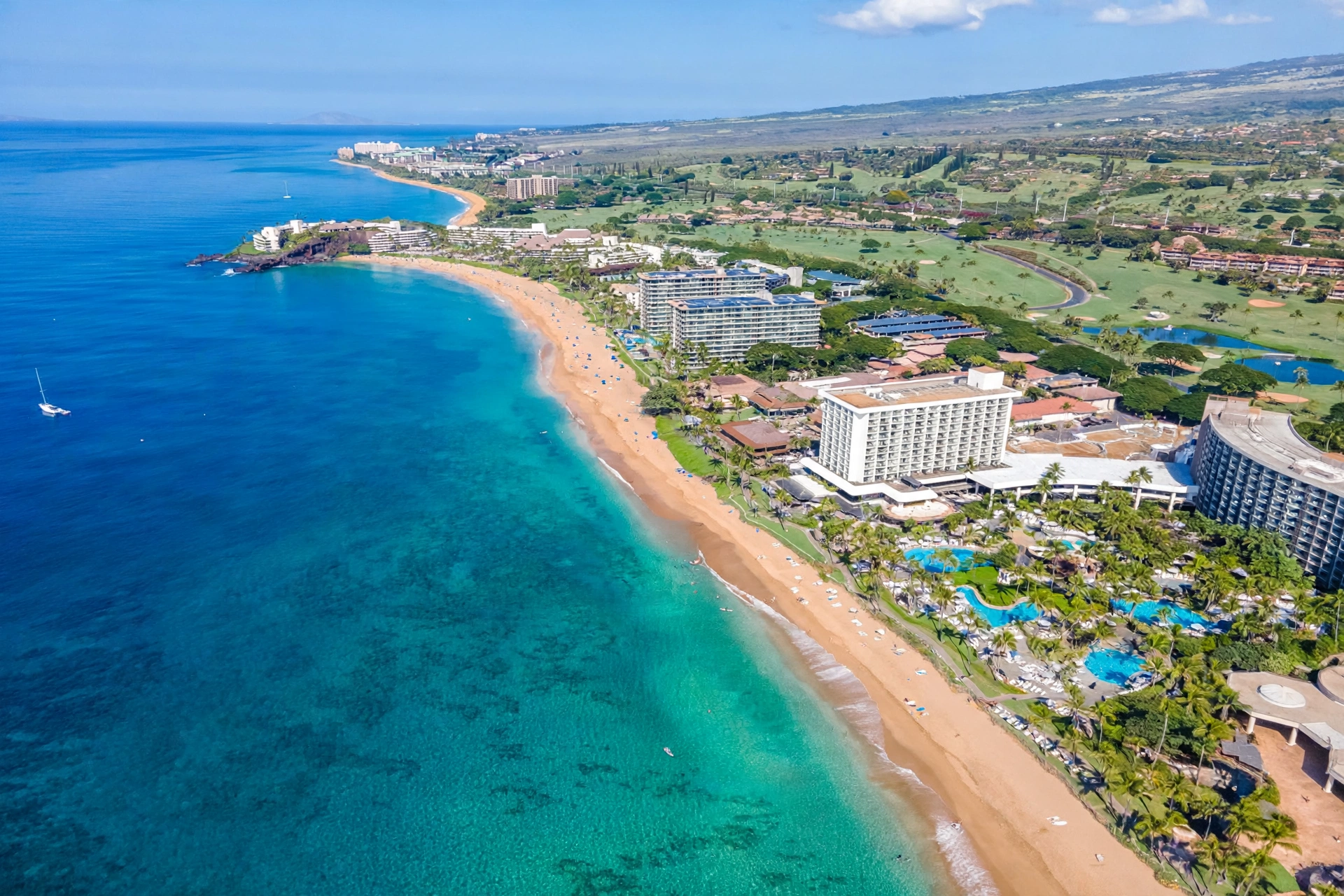
Table of Contents
- Maui Beaches at a Glance: Comparison Table
- South Maui Beaches
- West Maui Beaches
- North & East Maui Beaches
- Best Maui Beaches by Activity
- Maui Beach Safety
- Beach Access and Parking Tips
- Frequently Asked Questions
- Related Guides
Maui Beaches at a Glance: Comparison Table
Not every Maui beach suits every visitor. Some are built for calm morning swims, others for watching professional surfers, and a few are best admired from the sand with no intention of entering the water. The table below compares the fifteen most significant beaches on the island across the factors that matter most: swimming conditions, facilities, and who each beach suits best.
Use this as your starting point. The detailed regional sections that follow give you the full picture for each beach, including parking logistics, seasonal changes, and the local knowledge that turns a good beach day into a great one.
| Beach | Region | Swimming | Snorkeling | Facilities | Best For |
|---|---|---|---|---|---|
| Wailea Beach | South | Excellent (mornings) | Good | Restrooms, showers | Calm swims, sunset walks |
| Mākena Beach (Big Beach) | South | Poor (shorebreak) | Poor | Restrooms, lifeguard | Scenery, bodyboarding |
| Kamaole I, II & III | South | Good | Fair | Restrooms, showers, lifeguard | Families, convenience |
| Ulua Beach | South | Good | Very good | Restrooms, showers | Snorkeling, weddings |
| Polo Beach | South | Good | Good | Restrooms, showers | Quiet mornings |
| Ka‘anapali Beach | West | Excellent (summer) | Very good (Black Rock) | Restrooms, showers | First-time visitors |
| Napili Bay | West | Excellent (summer) | Good | Restrooms, showers | Families, calm water |
| Kapalua Bay | West | Excellent (summer) | Excellent | Restrooms, showers | Snorkeling |
| DT Fleming Beach | West | Fair (seasonal) | Fair | Restrooms, showers, lifeguard | Surf watching, bodysurfing |
| Honolua Bay | West | Poor (rocky entry) | Excellent (winter) | None | Snorkeling, scenery |
| Ho‘okipa Beach Park | North | Poor (surf zone) | Poor | Restrooms, showers, lifeguard | Surf watching, turtles |
| Baldwin Beach Park | North | Fair (seasonal) | Fair | Restrooms, showers, lifeguard | Locals, picnics |
| Hana Bay | East | Fair | Poor | Restrooms | Road to Hana stop |
| Wai‘anapanapa (Black Sand) | East | Poor (rocky) | Poor | Restrooms, parking fee | Scenery, photography |
| Pa‘ako Cove (Secret Cove) | South | Poor (rocky) | Fair | None | Photos, weddings |
A few patterns emerge from the table. South and West Maui dominate for swimming, which is why most visitors base themselves in Kihei, Wailea, Lahaina, or Ka‘anapali. The north and east coasts trade swimmability for drama: bigger waves, black sand, sea turtles hauled out on the shore. Plan your beach days around what you want to do, not just where you are staying, since no two Maui beaches are more than ninety minutes apart by car.
South Maui Beaches
South Maui, stretching from Ma‘alaea down through Kihei and Wailea to Mākena, holds the island’s most reliably calm beaches. The coastline faces south and southwest, sheltering it from the big winter swells that pound the North Shore. Summer brings small southern swells that create gentle, rolling waves ideal for beginners. If swimming is your priority, start here.
Wailea Beach
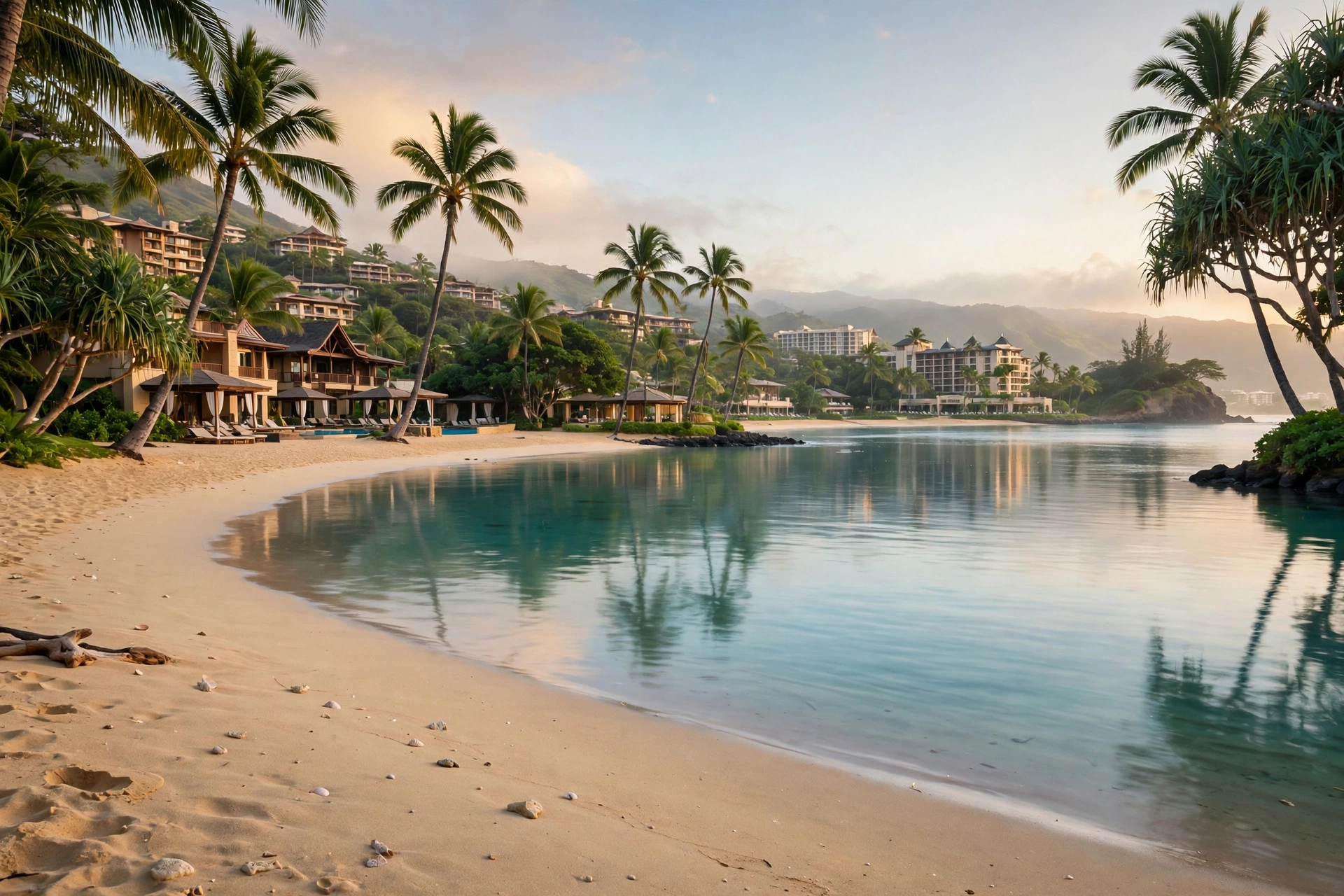
Wailea Beach fronts some of Maui’s most upscale resorts, but the beach itself is public and welcoming to everyone. The sand is soft and golden, the water is a striking shade of turquoise on calm mornings, and the swimming is among the best on the island from May through September. A paved beach walk runs the length of the shore, making this an excellent choice for a combined swim and sunset stroll.
Swimming conditions: Excellent in the morning, when the water is typically glassy. Afternoon trade winds can create light chop. The entry is sandy and gradual, suitable for children and less confident swimmers.
Facilities: Public restrooms and showers are available at the beach access points. There is no lifeguard on duty, so swim with awareness of conditions.
Parking: Public beach access parking is available in marked stalls near the resort entrances. These fill by mid-morning, so arrive before 9 AM on weekends and holidays.
Best time to visit: Early morning, before 10 AM, for the calmest water and easiest parking.
Mākena Beach (Big Beach)
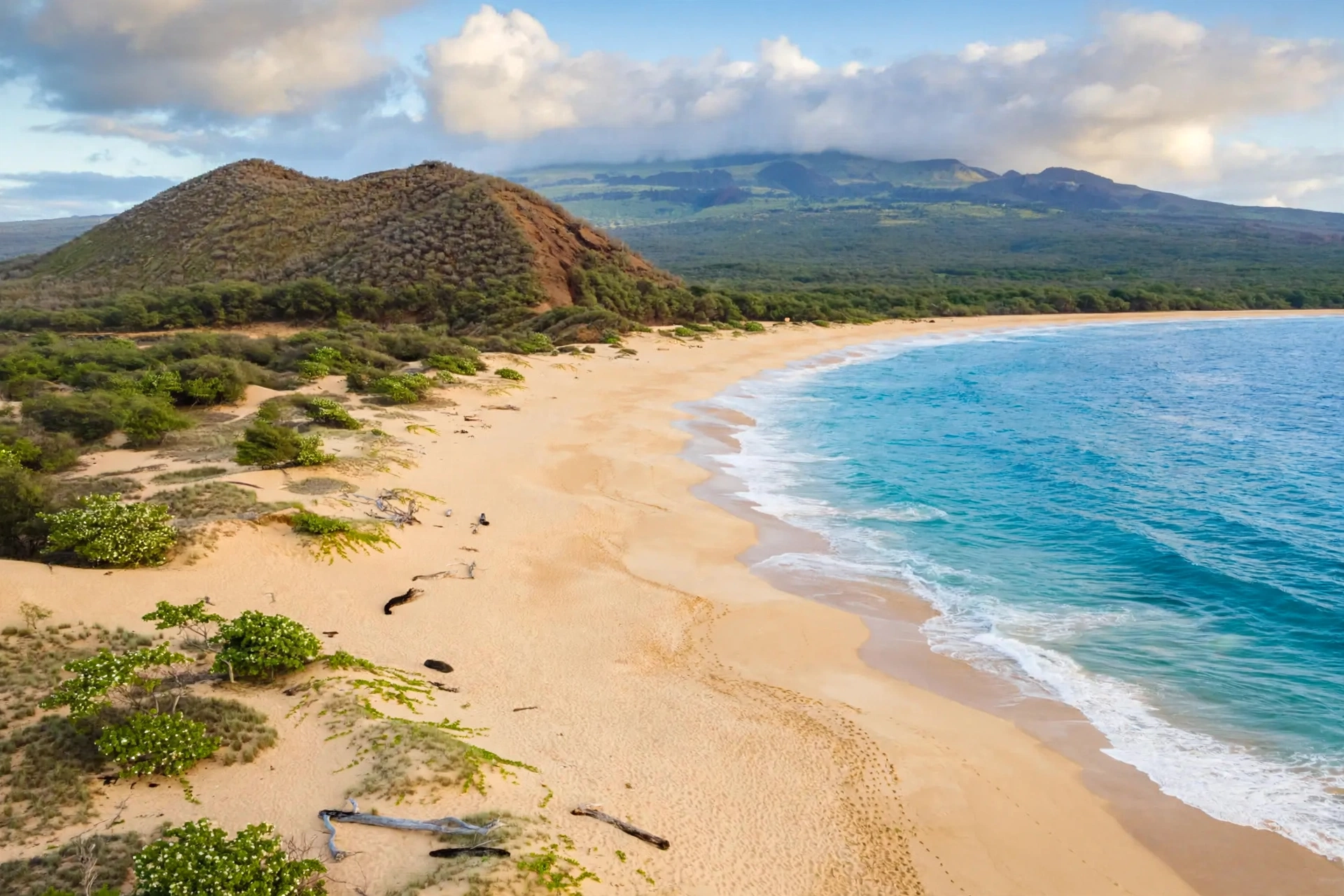
Mākena Beach, known locally as Big Beach, is one of the largest undeveloped beaches on Maui. The scale is impressive: a wide crescent of deep golden sand backed by the Pu‘u Ola‘i cinder cone, with no buildings in sight. It is a beautiful beach, but it is not a swimming beach for most visitors. The shorebreak here is powerful and has caused serious injuries to swimmers who underestimate it.
Swimming conditions: Poor for casual swimming. The shorebreak dumps directly onto the sand with significant force, especially during south swells. Experienced bodysurfers and bodyboarders enjoy the waves, but swimmers should stay in shallow water near the shore or choose another beach.
Facilities: Restrooms are available, and a lifeguard is stationed here. Heed all warnings and flag postings.
Parking: A large dirt lot serves the beach, but it fills completely on weekends and holidays. Arrive early or visit on a weekday.
Best time to visit: Weekday mornings for fewer crowds. Avoid during large south swells if you are not an experienced ocean swimmer.
Kamaole Beach Parks I, II & III
The three Kamaole beach parks, known as Kam I, Kam II, and Kam III, are the workhorses of Kihei. They are not the most dramatic beaches on Maui, but they are among the most convenient: easy parking, full facilities, lifeguards, and sandy entries that suit families. If you are staying in Kihei, you will likely visit at least one of them.
Kam I is the largest of the three, with a wide sandy expanse and grassy areas for picnics. Kam II is smaller and rockier at the edges, with decent snorkeling along the lava outcroppings when the water is calm. Kam III is the most popular, with the best facilities and a lively atmosphere. All three have lifeguards.
Swimming conditions: Good, with sandy entries and manageable waves on most days. South swells can create shorebreak at Kam I and Kam III, so check conditions before entering.
Facilities: Restrooms, outdoor showers, picnic tables, and lifeguards at all three parks.
Parking: Dedicated lots at each park. Kam III fills first; Kam I usually has space even at midday.
Best time to visit: Mornings for calm water. Kam III is a well-known sunset spot, so expect crowds in the late afternoon.
Ulua Beach
Ulua Beach sits between Wailea Beach and the Andaz resort, offering a quieter alternative to its more famous neighbors. The beach is smaller, the crowds are thinner, and the snorkeling along the rocky points at either end is genuinely good. It is a favorite for morning snorkelers who want to avoid the busier Wailea Beach.
Swimming conditions: Good, with a sandy entry and typically calm morning water. The rocky edges create interesting snorkeling but require care when entering.
Facilities: Restrooms and showers are available at the public access point.
Parking: Limited public stalls near the beach access. Arrive before 9 AM to secure a spot.
Best time to visit: Early morning for snorkeling, when visibility is best and the water is calmest.
Polo Beach
Polo Beach, fronting the Fairmont Kea Lani, is one of South Maui’s quieter resort beaches. The atmosphere is relaxed, the sand is soft, and the swimming is pleasant on calm days. It does not have the name recognition of Wailea or Ka‘anapali, which keeps the crowds manageable even in peak season.
Swimming conditions: Good on calm mornings. The entry is sandy, though the beach can feel the effects of south swells in summer.
Facilities: Public restrooms and showers are available at the beach park access.
Parking: Public parking stalls are available but limited. Weekday mornings are easiest.
Best time to visit: Weekday mornings for the most peaceful experience.
West Maui Beaches
West Maui, from Lahaina north through Ka‘anapali, Napili, and Kapalua to Honolua Bay, holds the island’s most famous beaches. Ka‘anapali is the postcard, Napili is the family favorite, Kapalua is the snorkeler’s pick, and Honolua is the marine reserve that serious snorkelers plan their trips around. The coastline faces west, which means spectacular sunsets and protection from trade winds, but also exposure to winter swells from the northwest.
Ka‘anapali Beach
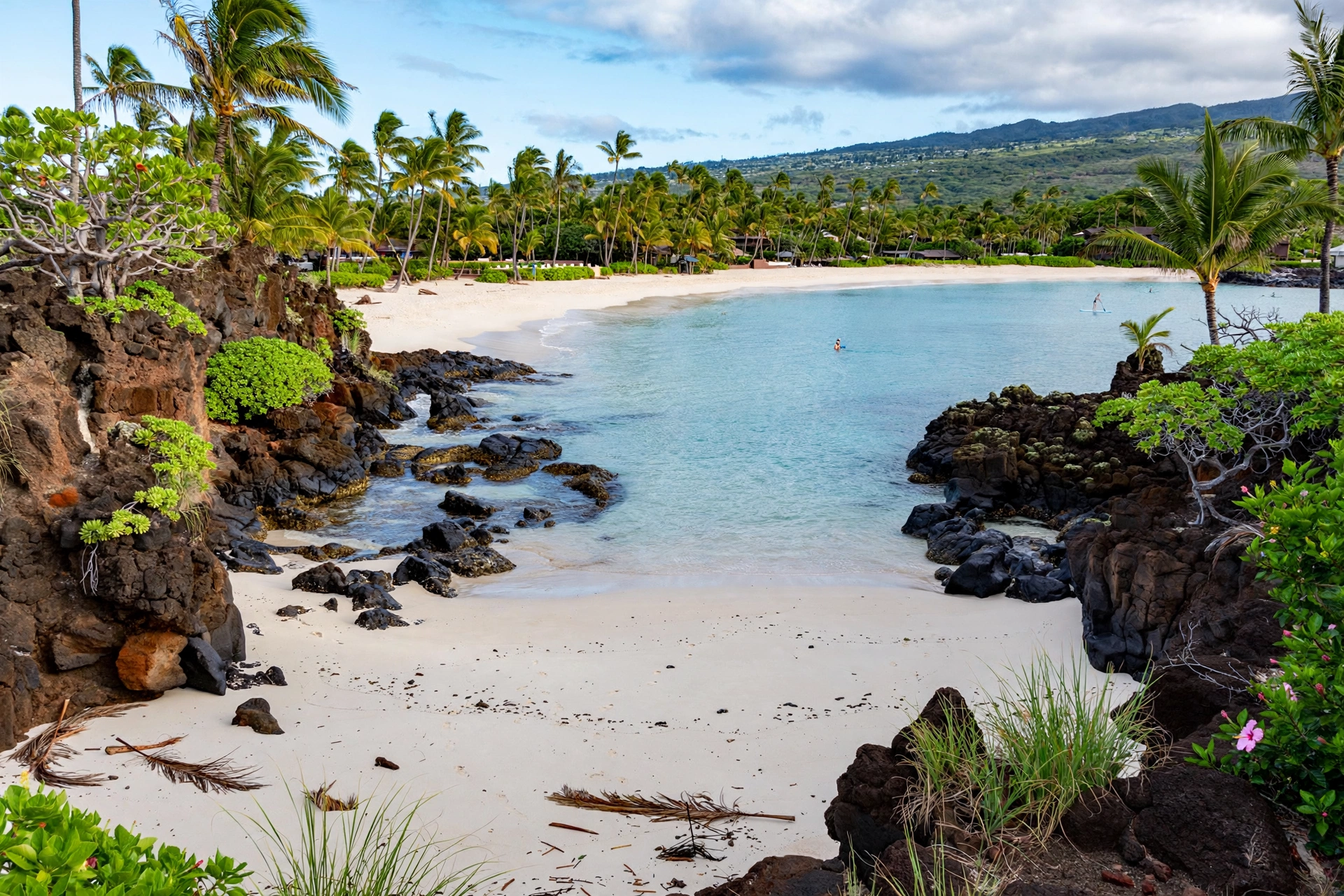
Ka‘anapali was Hawaii’s first planned resort destination, and its beach remains the island’s most recognizable. Three miles of golden sand stretch from Black Rock (Pu‘u Keka‘a) at the north end to the southern point near the Sheraton. The beach is wide, the water is clear, and the atmosphere is lively without feeling chaotic.
Black Rock is the beach’s signature feature. The rocky promontory offers excellent snorkeling in calm conditions, and the daily cliff diving ceremony at sunset draws a crowd. The swimming along the main stretch is excellent in summer, when the water is calm and warm.
Swimming conditions: Excellent from May through September. Winter brings northwest swells that can create dangerous shorebreak, particularly at the north end near Black Rock. Check surf forecasts before swimming in winter.
Facilities: Restrooms and showers are available at public access points. No lifeguard is stationed along most of the beach, so swim conservatively.
Parking: Public beach access parking is available in limited stalls. The Whalers Village shopping center offers paid parking with validation options.
Best time to visit: Summer mornings for swimming. Year-round for sunset, which is consistently spectacular from this west-facing shore.
Napili Bay
Napili Bay is the beach that Maui regulars recommend to friends. It is a near-perfect crescent of soft white sand tucked between two rocky points, with water so calm in summer that it feels like a natural swimming pool. The bay faces northwest but is sheltered enough that summer conditions are reliably gentle.
The snorkeling along the reef edges is good, sea turtles are frequent visitors, and the beach has a relaxed, residential feel that contrasts with the resort energy of Ka‘anapali. Families with young children consistently rate this as their favorite Maui beach.
Swimming conditions: Excellent in summer (May through September). Winter swells can make the bay rough and dramatically reshape the beach, sometimes removing significant sand. Always check conditions in winter.
Facilities: Restrooms and showers are available. There is no lifeguard, so families should stay close to shore and watch children carefully.
Parking: Very limited street parking in the surrounding residential neighborhood. Arrive before 8:30 AM or walk from nearby accommodations.
Best time to visit: Summer mornings. This is not a winter swimming beach.
Kapalua Bay
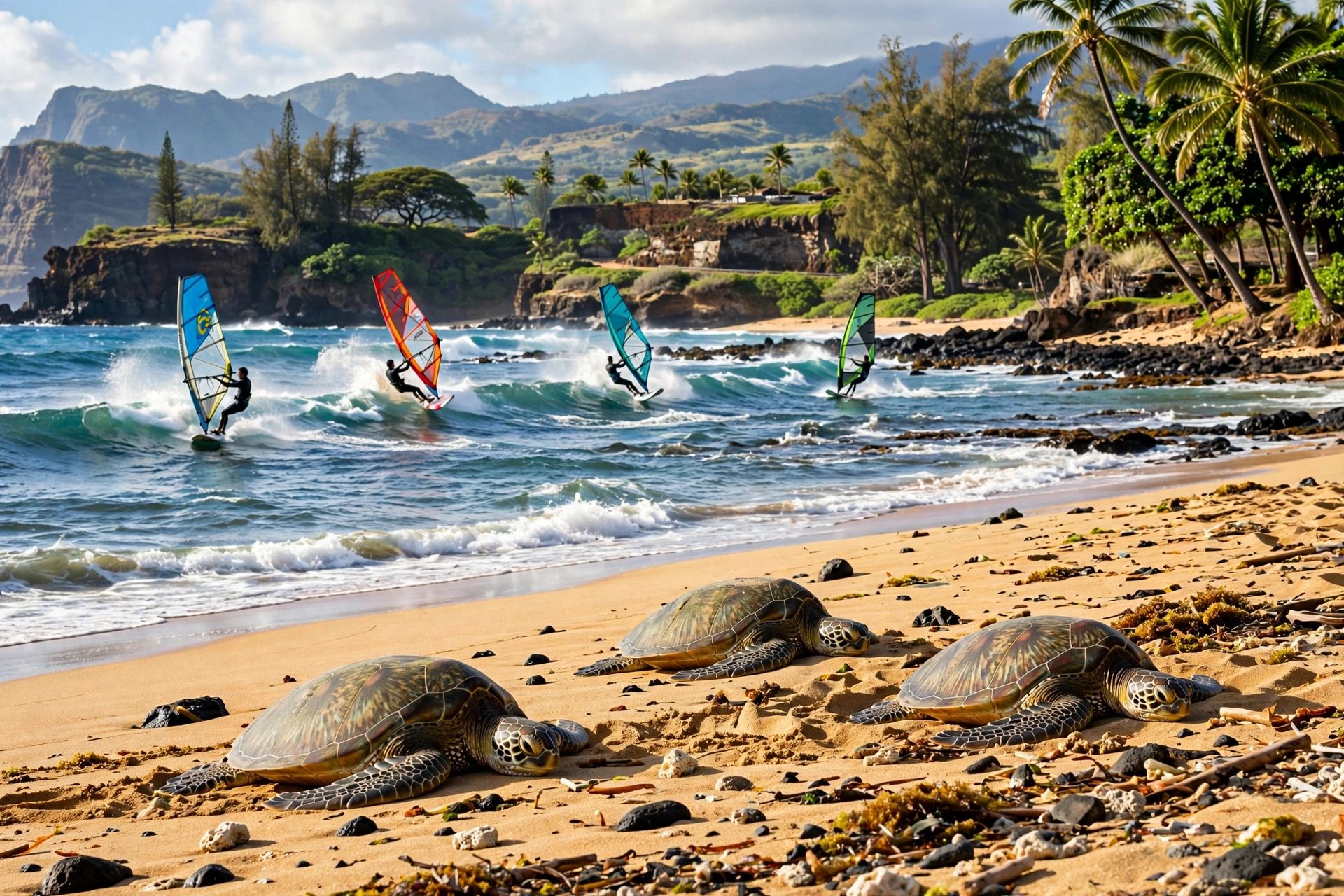
Kapalua Bay is consistently rated among the best beaches in the world, and the snorkeling is the reason. The bay is a protected marine area with a crescent of golden sand, calm water, and a healthy reef system accessible directly from the shore. On a calm morning, you can float above coral heads and schools of reef fish within minutes of entering the water.
The beach itself is smaller than Ka‘anapali or Napili, which limits crowds naturally. The setting is lush, with ironwood trees providing shade at the edges and the West Maui Mountains rising behind.
Swimming conditions: Excellent in summer. The bay’s shape provides natural protection, though winter swells can still affect it.
Facilities: Restrooms and showers are available at the public access. No lifeguard is on duty.
Parking: Limited public stalls. The beach is most accessible to guests of nearby resorts, but public access is guaranteed by law. Arrive early.
Best time to visit: Early morning for the best snorkeling visibility and fewest people.
DT Fleming Beach Park
DT Fleming Beach Park, fronting the Ritz-Carlton Kapalua, is a local favorite that balances facilities with natural beauty. The beach is wide and sandy, the surf is often up enough for bodysurfing, and the park has the full suite of county facilities including a lifeguard. It is less polished than the resort beaches to the south and more popular with residents.
Swimming conditions: Fair and highly seasonal. Summer offers the calmest water. Winter brings surf that is fun to watch but dangerous for casual swimming. The lifeguard presence makes this a safer choice than unguarded beaches when conditions are marginal.
Facilities: Restrooms, showers, picnic tables, and a lifeguard. This is one of the best-equipped beaches in West Maui.
Parking: A dedicated lot serves the park. It fills on weekends but is manageable on weekdays.
Best time to visit: Summer for swimming, winter for watching the surf from the safety of the sand.
Honolua Bay
Honolua Bay is not a swimming beach. It is a marine life conservation district and one of the finest snorkeling sites in Hawai‘i, protected from fishing and development. The bay is reached by a short trail through a lush forest, and the reward is a rocky cove with exceptional water clarity and abundant marine life.
There is no sand to speak of, and entry is over slippery rocks, so this is a destination for confident snorkelers only. In winter, the bay hosts surf competitions and the water is too rough for snorkeling. But on a calm summer or fall morning, it is extraordinary.
Swimming conditions: Poor for swimming, excellent for snorkeling in calm conditions. Rocky entry requires reef shoes or careful footing.
Facilities: None. There are no restrooms, no showers, and no lifeguard. Bring everything you need and pack out all trash.
Parking: A small dirt lot off the Honoapi‘ilani Highway. It fills quickly on calm days.
Best time to visit: Calm summer and fall mornings. Avoid in winter when surf makes entry dangerous.
North & East Maui Beaches
The north and east coasts of Maui face the open Pacific and the full force of the trade winds. The beaches here are wilder, less developed, and more seasonal than their southern and western counterparts. Swimming is often inadvisable, but the scenery is unmatched: black sand, sea turtles, windsurfers, and big wave surfers at legendary breaks.
Ho‘okipa Beach Park
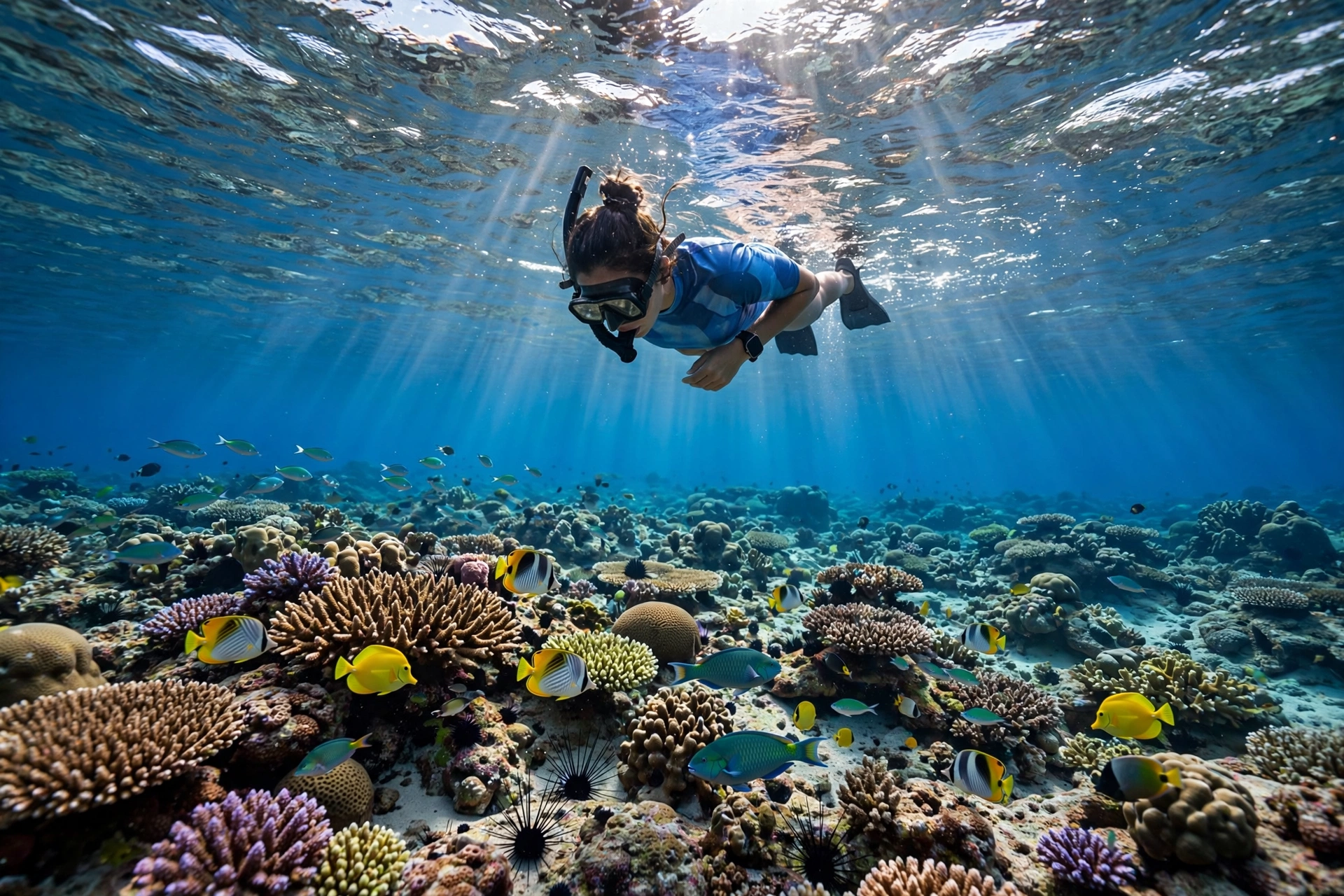
Ho‘okipa is one of the most famous windsurfing beaches in the world, and on a windy afternoon the water is filled with colorful sails. It is also a reliable spot for seeing Hawaiian green sea turtles (honu), which haul out on the sand to rest in the late afternoon. The surf here is consistently strong, making it a spectator beach rather than a swimming beach.
Swimming conditions: Poor. The surf and currents are strong year-round. Watch the windsurfers and surfers from the scenic overlook instead.
Facilities: Restrooms, showers, picnic pavilions, and a lifeguard.
Parking: A good-sized lot, though it fills during major windsurfing events and weekend afternoons.
Best time to visit: Afternoon for windsurfing action and turtle sightings. Arrive before 4 PM to see the turtles before they settle for the evening.
Baldwin Beach Park
Baldwin Beach Park in Pa‘ia is a long stretch of white sand popular with locals. The western end, known as Baby Beach, has a protecting reef that creates a shallow, calm swimming area suitable for children. The main beach has consistent shorebreak that bodysurfers enjoy but casual swimmers should respect.
Swimming conditions: Fair. Baby Beach at the west end is the safest swimming area. The main beach has shorebreak that varies with swell.
Facilities: Restrooms, showers, picnic tables, and a lifeguard.
Parking: A large lot that accommodates crowds well, though weekends are busy.
Best time to visit: Mornings for calm water at Baby Beach. Weekdays for fewer crowds.
Hana Bay
Hana Bay is the black sand beach at the town of Hana, at the end of the Road to Hana. It is a convenient swimming stop for travelers doing the famous drive, with a protected cove that is usually calm enough for a dip. The sand is dark volcanic, the setting is lush and tropical, and the bay has a quiet, remote feel.
Swimming conditions: Fair. The cove is protected but the water is not as clear as South or West Maui beaches. Fine for cooling off after the drive.
Facilities: Restrooms are available. No lifeguard is on duty.
Parking: Street parking near the bay. It is rarely crowded compared to other Maui beaches.
Best time to visit: Midday, as a break during the Road to Hana drive.
Wai‘anapanapa State Park (Black Sand Beach)
Wai‘anapanapa’s black sand beach is one of the most photographed spots on Maui. The jet-black sand, formed from volcanic basalt, contrasts dramatically with the turquoise water and green cliffs. It is a stunning place to visit and photograph, but a challenging place to swim.
The shorebreak is powerful, the rocks are sharp, and the currents can be strong. Most visitors come for the scenery, the coastal trail, and the blowhole, not for swimming. Entry to the park now requires advance reservations for non-residents.
Swimming conditions: Poor. Powerful shorebreak and rocky conditions make this unsuitable for casual swimming.
Facilities: Restrooms are available. No lifeguard is on duty.
Parking: Reservations are required for non-resident parking. Book online well in advance through the Hawai‘i State Parks system.
Best time to visit: Morning for the best light on the black sand and fewer visitors.
Best Maui Beaches by Activity
Choosing a beach by region is useful for planning, but most travelers choose by activity. Here is how Maui’s beaches stack up for the five most popular beach activities.
Best for Swimming
For pure swimming, calm water and sandy entries matter most. Napili Bay and Kapalua Bay lead in summer, with water so calm it feels designed for floating. Ka‘anapali Beach offers the longest stretch of swimmable sand, giving you room to spread out. In South Maui, Wailea Beach and the Kamaole parks provide reliable morning calm. The key variable is season: summer (May through September) is the swimming season for West Maui, while South Maui swims well year-round with only minor winter variation.
Best for Snorkeling
Honolua Bay is the top pick for experienced snorkelers when conditions are calm, offering the clearest water and healthiest reef on the island. Kapalua Bay is the best all-around choice, combining easy sandy entry with excellent reef life. Black Rock at Ka‘anapali is the most accessible good snorkeling, with abundant fish around the rocky point. Ulua Beach in Wailea is the South Maui standout. For all snorkeling, morning is essential: trade winds typically pick up by midday, reducing visibility.
Best for Surfing (Watching and Learning)
Maui is not primarily a beginner surf destination like Waikiki, but there are options. Ho‘okipa Beach Park is the place to watch world-class windsurfing and surfing, not to learn. Beginners should look to the gentle breaks at Lahaina or take a lesson at Kihei, where surf schools operate in the mellow waves. The Kamaole parks occasionally have small, learnable waves. Winter is the surf season on the North Shore; summer brings smaller south swells to the southern beaches.
Best for Families
Families need calm water, sandy entries, facilities, and lifeguards. Napili Bay in summer is the gold standard: calm, shallow, and beautiful. The Kamaole Beach Parks check every practical box with lifeguards, restrooms, and easy parking. Baby Beach at Baldwin Beach Park has a protecting reef that creates a natural wading pool. Ka‘anapali Beach works well for families staying nearby, with plenty of space and gentle summer water. Always choose a lifeguarded beach when swimming with children.
Best for Sunset
Every west-facing beach on Maui offers sunset views, but some are better than others. Ka‘anapali Beach is the classic, with the sun dropping directly into the ocean and the Black Rock cliff diving ceremony as a bonus. Wailea Beach offers a more upscale sunset stroll along the paved beach walk. Kapalua Bay frames the sunset between its rocky points. Polo Beach is the quiet pick for those who want the view without the crowd. Arrive thirty minutes before sunset to claim your spot.
Maui Beach Safety
Maui’s beaches are beautiful, but the ocean demands respect. Understanding the specific hazards of Hawaiian waters will keep your beach days safe and enjoyable. These are not generic warnings: each of these risks has injured visitors on Maui, and all are avoidable with basic awareness.
Shorebreak
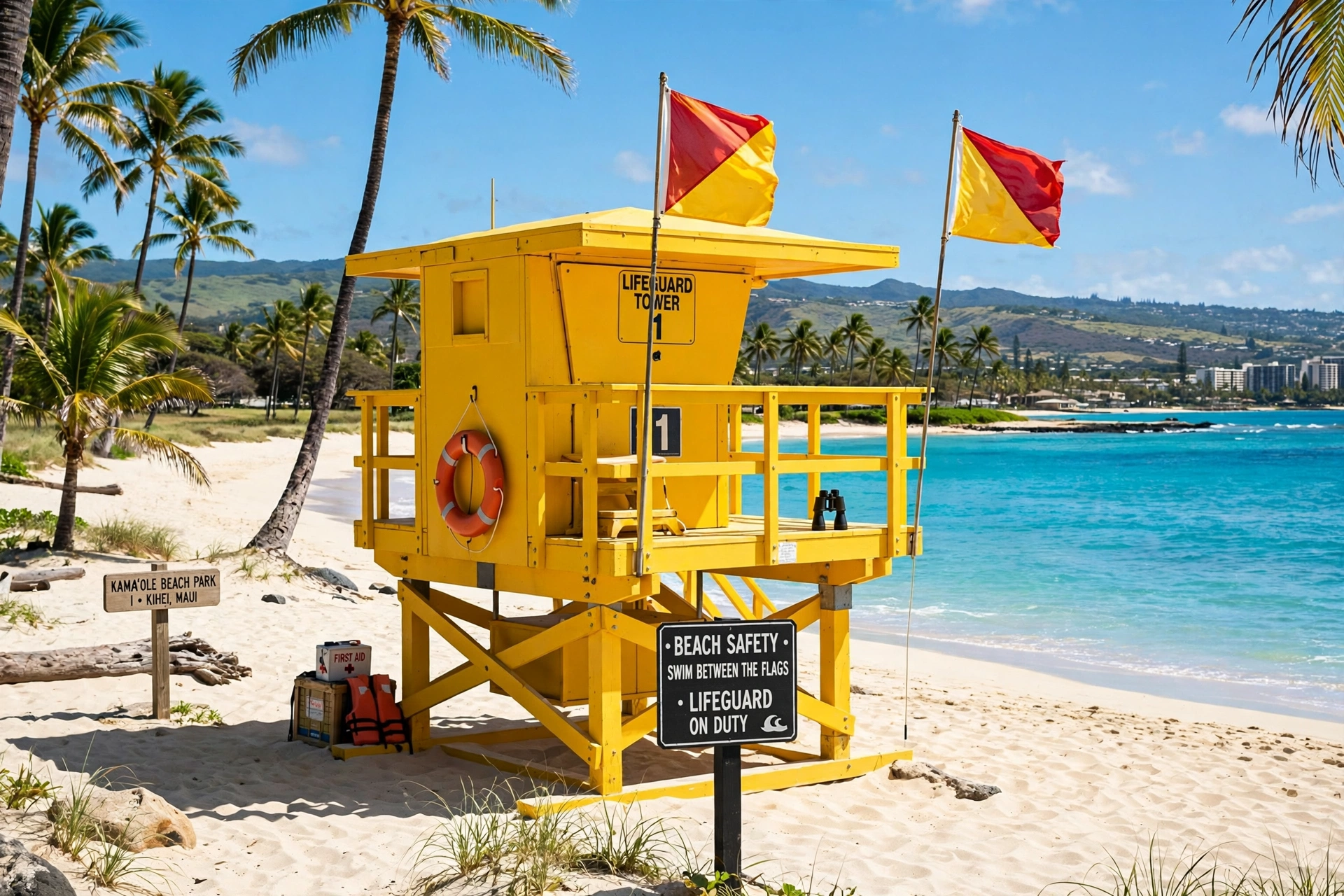
Shorebreak is the most common cause of beach injuries on Maui. It occurs when waves break directly onto the sand in shallow water, and the force can slam swimmers into the ocean floor. Mākena Beach (Big Beach) is notorious for powerful shorebreak, but it can occur at any beach during swells. Never dive into shorebreak, never turn your back on incoming waves, and if you are unsure, watch the waves for ten minutes before entering.
Currents and Rip Currents
Rip currents are narrow channels of water flowing away from shore, and they are responsible for the majority of ocean drowning deaths worldwide. If caught in one, do not fight it by swimming directly back to shore. Swim parallel to the beach until you are out of the current, then swim back in. Before entering any beach, look for discolored water, choppy areas, or debris moving steadily seaward, all signs of rip currents. When in doubt, swim at a lifeguarded beach and ask the lifeguard about conditions.
Box Jellyfish
Box jellyfish arrive on Maui’s leeward (west and south) shores approximately 8 to 12 days after each full moon, typically for a three-day period. Their stings are painful and can cause serious reactions. The City and County of Maui posts warning signs at affected beaches, and the Waikiki Aquarium publishes a monthly jellyfish calendar. If you see warning signs posted, stay out of the water. Vinegar can help neutralize stings, and lifeguards carry it at staffed beaches.
Sun Protection
The Hawaiian sun is intense year-round, and Maui’s beaches offer little natural shade. Hawai‘i state law prohibits the sale of sunscreens containing oxybenzone and octinoxate, which damage coral reefs. Use mineral-based sunscreens with zinc oxide or titanium dioxide, reapply every two hours, and consider a rash guard or swim shirt for extended water time. The sun is strongest between 10 AM and 4 PM. A morning beach session followed by a shaded lunch is the smartest schedule.
Coral and Marine Life
Never stand on coral: it is fragile, slow-growing, and protected by law. Shuffle your feet when entering sandy areas near reefs to avoid stepping on stingrays. Maintain respectful distance from sea turtles (honu) and monk seals; federal law requires staying at least 10 feet from turtles and 50 feet from monk seals. Do not touch or chase marine life while snorkeling.
When in doubt, ask a lifeguard. Maui’s lifeguards are stationed at the busiest beaches and are the best source of real-time condition information. A two-minute conversation before you swim can prevent a dangerous situation.
Beach Access and Parking Tips
All beaches in Hawai‘i are public by law, including the sand fronting luxury resorts. Hotels cannot restrict access to the beach itself, though they can limit use of their chairs, umbrellas, and loungers to registered guests. Public beach access paths are marked and must remain open. If you believe an access path is blocked, you can report it to the County of Maui.
Parking is the practical constraint. Public beach access lots are small and fill early, especially on weekends and holidays. The strategies that work:
- Arrive before 9 AM. This single habit solves most parking problems on Maui. The beaches are also at their calmest and most beautiful in the morning.
- Visit on weekdays. Weekend crowds are significantly larger at every popular beach, and parking lots that are manageable on Tuesday are full by 10 AM on Saturday.
- Know the backup plan. If Ka‘anapali’s public stalls are full, Whalers Village offers paid parking. If Napili’s street parking is taken, consider DT Fleming or Kapalua instead.
- Use the beach walk. In Wailea and Ka‘anapali, paved beach walks connect multiple beaches. Park once and walk to your preferred spot.
- Respect residential areas. Near beaches like Napili Bay, street parking is in residential neighborhoods. Do not block driveways, keep noise down, and take all trash with you.
Some beaches now require advance reservations for parking. Wai‘anapanapa State Park requires non-residents to book online through the Hawai‘i State Parks reservation system. Diamond Head, while not a beach, follows the same system. Check reservation requirements before your trip to avoid disappointment.
Frequently Asked Questions
Related Guides
- Maui Snorkeling: Best Spots and Conditions: detailed guide to snorkeling sites around the island
- Maui Map: Regions, Driving Distances, and Planning: interactive maps for navigating the island
- Maui Weather: What to Expect Month by Month: seasonal conditions for beach planning
- Kihei Hawaii Map: streets, beach parks, and distances for the South Maui town
- Hawaii Beach Map: every island’s beaches plotted in one place
- Hawaii Beaches: Complete Island-by-Island Guide: beaches across all the Hawaiian Islands
- Road to Hana Map and Driving Guide: plan the famous drive with beach stops
Planning Your Maui Beach Days
Maui rewards beachgoers who plan around conditions rather than sticking to a fixed schedule. Mornings bring the calmest water on every coast, so plan swims and snorkeling before 10 AM and save afternoons for exploring towns, scenic drives, or shaded activities. South Maui is your reliable backup when winter swells make West Maui beaches rough, and the North Shore is always worth a visit for scenery even when swimming is out of the question.
The island’s beaches are public, free, and remarkably diverse for an island you can drive across in under two hours. Pick a home base near the beaches that match your priorities, rent snorkel gear for the week rather than by the day, and leave at least one morning unscheduled. The beach you discover on a whim is often the one you remember longest.