
On This Page
- Maui Weather Overview
- Weather by Region
- Weather by Month
- Rainy Season vs Dry Season
- Hurricane Season
- Best Time to Visit for Weather
- What to Pack for Maui Weather
- Frequently Asked Questions
- Related Guides
Maui Weather Overview
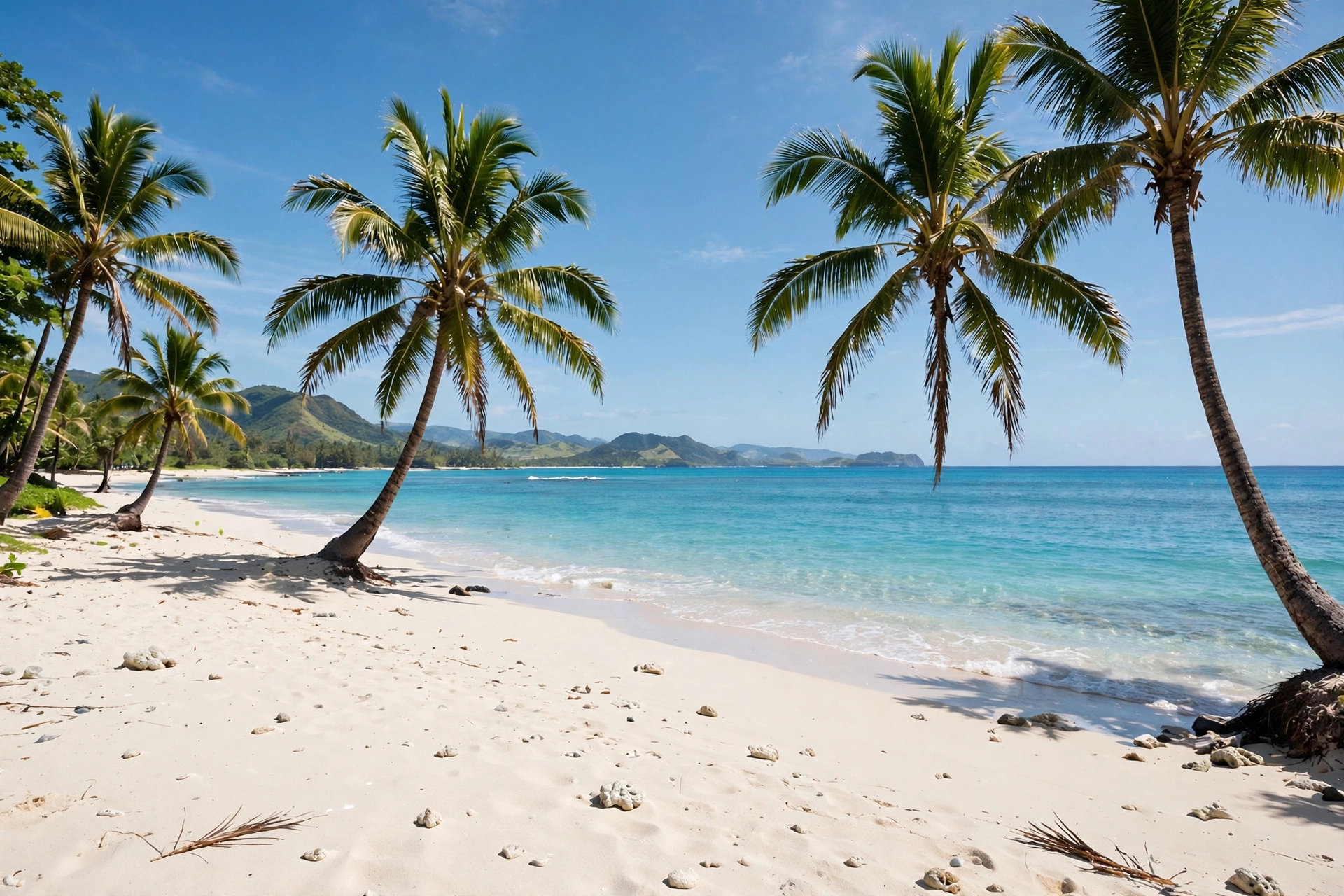
Maui enjoys one of the most stable and pleasant climates on earth, yet calling it uniform would be a mistake. Temperatures along the island’s famous resort coasts rarely move outside a band of roughly 75 to 85 degrees Fahrenheit all year, which is why the island markets itself as a year round destination. The National Weather Service station at Kahului Airport records an average annual high of about 84 degrees and an average low near 67 degrees, with only a few degrees of difference between January and August.
What changes dramatically is not temperature but rainfall, wind, and cloud cover, and those three factors vary enormously from one part of the island to another. The northeast trade winds, which blow 80 to 85 percent of the time at speeds of 10 to 15 miles per hour in the afternoon, shape nearly everything about Maui’s weather. These winds pick up moisture over the Pacific, then slam into the slopes of Haleakalā, the 10,023 foot volcano that dominates East Maui, and into the West Maui Mountains. As the air is forced upward, it cools and dumps its moisture on the windward (northeast facing) slopes, leaving the leeward (southwest facing) coasts in a warm rain shadow.
The result is a collection of microclimates packed into a single island of just 727 square miles. Hāna, on the wet windward side of East Maui, receives around 74 inches of rain per year. Kahului, on the central isthmus, averages about 20 inches. The resort strip of South Maui around Kīhei and Mākena gets under 10 inches annually along the coast, making it one of the driest places in the Hawaiian Islands. The summit of Haleakalā can drop near freezing on winter nights, while a beachgoer in Wailea swims in 78 degree water on the same day. Understanding these contrasts is the key to planning a Maui trip around weather.
Maui also follows two distinct seasons rather than four. From May through October, the islands experience Kauwela, the warm and dry summer season, when trade winds are strongest and rainfall is at its lowest along the coasts. From November through April comes Ho‘oilo, the cooler and wetter winter season, when the trades weaken, Kona winds (warm southerly winds) arrive more often, and storm systems bring the bulk of the year’s rain. Neither season is bad for travel. They simply reward different activities and different home bases.
Weather by Region
Where you stay on Maui matters more for your daily weather than which month you visit. These are the island’s five main regions and what to expect in each.
West Maui: Lahaina, Kā‘anapali, Napili, Kapalua
The West Maui resort coast runs from Lahaina in the south to Kapalua in the north, and weather conditions shift noticeably along this strip. Lahaina and Kā‘anapali sit in a partial rain shadow and stay warm and mostly sunny, with annual rainfall in the mid teens of inches. Daytime highs average in the low to mid 80s year round, and the ocean stays swimmable in every month.
Moving north toward Napili and Kapalua, rainfall increases as the coast curves toward the wetter northwest tip. Kapalua averages roughly 6 inches of rain in January and about 2 inches in June, with 8 to 13 days of some rainfall per month depending on the season. Afternoon showers are common here even in summer, though they usually pass quickly. The trade winds also funnel through this area, which makes West Maui breezier than South Maui, a welcome feature on hot afternoons and a reason the region is popular with sailors.
South Maui: Kīhei, Wailea, Mākena
South Maui is the island’s sunniest and driest region, and it is no accident that so many resorts cluster here. The coastline from Kīhei to Mākena sits firmly in Haleakalā’s rain shadow, receiving under 10 inches of rain per year at sea level. Winter months bring the most precipitation, with December and March each averaging under an inch, while June often sees barely two tenths of an inch. Humidity hovers in the mid 70s percent range, and the ocean temperature runs from about 75 degrees in February to 81 degrees in September.
The trade off for all that sunshine is wind. The trades accelerate through the gap between Haleakalā and the West Maui Mountains, so Kīhei can feel gusty, especially from June through August when wind speeds peak. Mornings are typically calm, with the breeze building after 10 or 11 AM. If you are sensitive to wind, choose accommodations set back from the water or plan beach time for the morning hours.
Central Maui: Kahului, Wailuku
Central Maui, where the island’s main airport sits, represents a middle ground. Kahului averages about 20 inches of rain per year, with a clear winter peak: January averages 3.5 inches while June averages just 0.2 inches. Highs run from 80 degrees in winter to 87 in late summer, and sunshine is possible about 64 to 73 percent of the time depending on the month. Most visitors pass through Central Maui rather than staying here, but its weather data provides the most complete long term record for the island, maintained by the National Weather Service since the airport station opened.
Upcountry Maui: Kula, Makawao, Haleakalā Summit
Climbing the slopes of Haleakalā into Upcountry Maui is like traveling to a different climate zone. Kula, at around 3,000 feet elevation, averages only about 64 degrees for its annual mean temperature, roughly 12 degrees cooler than the coast. Morning lows in winter can dip into the 40s, and residents wear jackets in the evening year round.
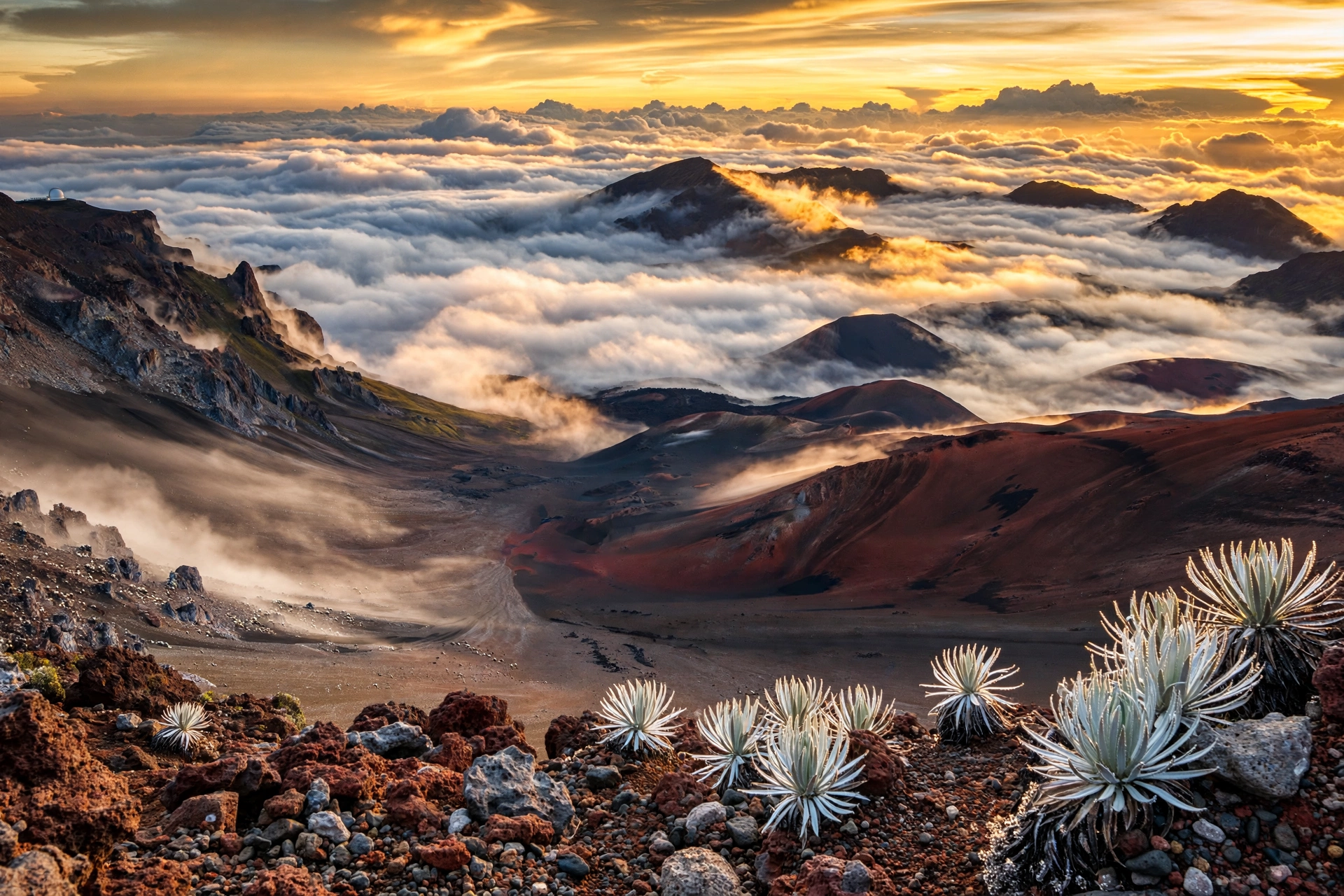
At the summit of Haleakalā, 10,023 feet above sea level, conditions are more extreme still. Daytime temperatures typically range from the 40s to the 60s, and nighttime lows can approach freezing from December through February. Snow is rare but not unheard of at the summit during strong winter storms. The air is thin, the sun is intense, and weather can change within an hour from brilliant sunshine to wind driven mist. Anyone driving up for sunrise should bring warm layers regardless of how hot it feels at the beach, and should check the National Park Service forecast before going.
East Maui: Pa‘ia, Hāna, and the Road to Hana
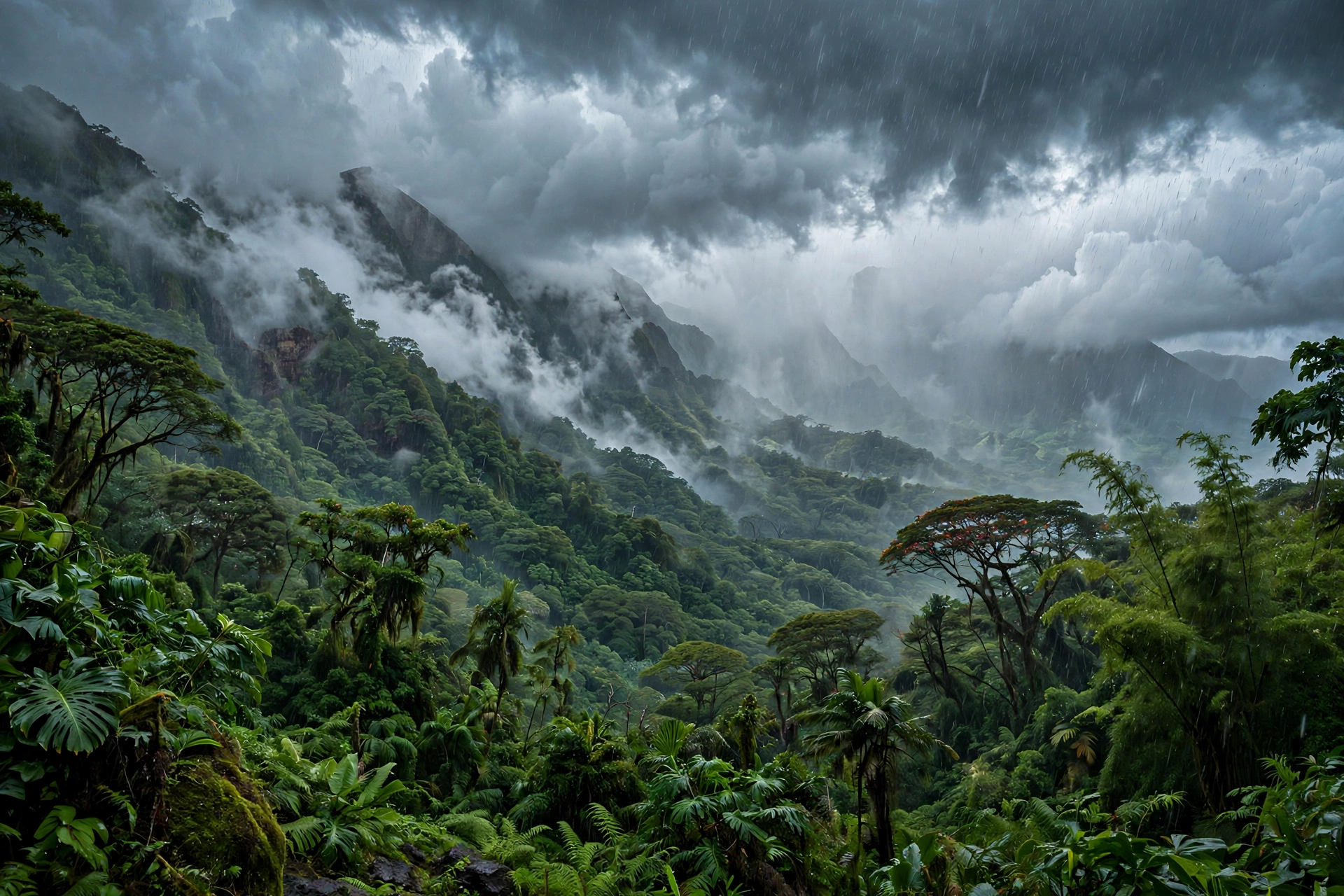
East Maui is the wet side of the island, and gloriously so. The windward slopes of Haleakalā wring moisture from the trade winds, feeding the waterfalls, bamboo forests, and tropical gardens that make the Road to Hana famous. Hāna town receives about 74 inches of rain per year, spread across all twelve months, with December the wettest at around 7 inches and May the driest at about 5 inches. It rains on roughly half the days of the year in Hāna.
This does not mean a trip to Hāna is a washout. Showers tend to be brief and localized, sunshine breaks through regularly, and the rain is precisely what keeps the landscape so vivid. Travelers should simply plan for wet conditions: bring rain gear, wear shoes with traction, and accept that a misty waterfall is often more beautiful than a sunny one. The Big Bog, a high elevation plateau in East Maui, is among the wettest places in all of Hawai‘i, receiving hundreds of inches of rain per year and supporting a unique native bog ecosystem.
Weather by Month
The table below summarizes average conditions for coastal Maui (based on long term National Weather Service data from Kahului, representative of the leeward resort coasts). Rainfall varies enormously by location, so treat the precipitation column as a baseline for the drier coasts; windward areas like Hāna receive several times these amounts.
| Month | Avg High (°F) | Avg Low (°F) | Rainfall (in) | Ocean Temp (°F) |
|---|---|---|---|---|
| January | 80 | 63 | 3.5 | 75 |
| February | 80 | 63 | 2.7 | 75 |
| March | 81 | 65 | 2.6 | 75 |
| April | 82 | 66 | 1.8 | 77 |
| May | 84 | 67 | 0.7 | 79 |
| June | 85 | 69 | 0.2 | 79 |
| July | 86 | 71 | 0.4 | 81 |
| August | 87 | 71 | 0.4 | 81 |
| September | 87 | 70 | 0.4 | 81 |
| October | 86 | 69 | 1.0 | 81 |
| November | 84 | 68 | 2.1 | 79 |
| December | 81 | 65 | 3.2 | 77 |
January
January is the coolest and one of the wettest months on Maui, though “cool” is relative: highs average 80 degrees on the coast. Winter swells bring big surf to the north facing shores, which is spectacular to watch but limits swimming on those beaches. South and west facing beaches stay calmer. This is peak whale season, with humpbacks abundant offshore. Pack a light jacket for evenings and for any trip up Haleakalā.
February
Similar to January, with highs near 80 and the second highest rainfall of the year on the windward side. Whale watching reaches its peak. The ocean is at its coolest, around 75 degrees, which most swimmers still find comfortable. Winter storms can occasionally bring several days of unsettled weather, but long stretches of sunshine remain the norm on the leeward coasts.
March
March begins the transition toward drier weather, though windward areas still see significant rain. Highs climb to about 81 degrees. Whales begin departing toward the end of the month. Surf on north shores gradually eases. This is a fine month for hiking, as temperatures are moderate and waterfalls run full from winter rains.
April
April is one of the most pleasant months on Maui. Rainfall drops noticeably, highs reach 82 degrees, and the ocean warms to 77. Whale season winds down. Crowds thin after the spring break period. Trade winds reassert themselves, bringing the classic pattern of sunny mornings and brief afternoon clouds.
May
May marks the start of the dry season in earnest. Rainfall on the leeward coasts drops below an inch, highs reach 84 degrees, and humidity stays comfortable thanks to steady trades. Ocean conditions calm on south and west shores, making this an excellent month for snorkeling. This is widely considered one of the best months to visit Maui.
June
June is typically the driest month on the leeward coasts, with Kahului averaging just two tenths of an inch of rain. Highs average 85 degrees and the sun shines about 72 percent of the time. South swells begin arriving, bringing surf to south facing beaches. Summer crowds build toward the end of the month. Mornings are the calmest part of the day before the trades pick up.
July
July brings peak summer warmth, with highs around 86 degrees and ocean temperatures near 81. Rainfall remains minimal on the leeward side. This is the heart of the dry season and also the heart of the family travel season, so beaches and attractions are at their busiest. Book accommodations and rental cars well ahead.
August
August ties with September for the warmest month, averaging 87 degrees for daytime highs. Humidity is at its annual peak, though the trades keep it bearable on the coasts. Ocean water is bathwater warm at 81 degrees. Afternoon clouds build over the mountains but rarely spoil beach days. Hurricane season is active in the Central Pacific, though direct hits on Maui are historically rare.
September
September offers the warmest ocean water of the year and thinning crowds as summer travel ends. Highs hold near 87 degrees. This is a favorite month among repeat visitors: the weather is reliably beautiful, prices ease from summer peaks, and the water is at its clearest for snorkeling and diving. It falls within hurricane season, so travelers should be aware of tropical weather outlooks.
October
October is a transition month. The first winter swells arrive on north shores, and rainfall begins increasing, though totals remain modest on the leeward coasts. Highs average 86 degrees and the ocean stays at 81. Early humpback whales may begin appearing late in the month. This is another excellent shoulder season choice with warm weather and fewer visitors.
November
November ushers in the wet season, with rainfall roughly doubling from October on windward slopes. Leeward coasts still see mostly sunny days, averaging just over 2 inches for the month at Kahului. Highs ease to 84 degrees. Whale season begins in earnest. Kona winds become more frequent, occasionally bringing hazy, humid spells and vog from the Big Island’s volcanic activity.
December
December is the wettest month on the leeward coasts, averaging 3.2 inches at Kahului and far more on windward slopes. Highs average 81 degrees. Despite the rain statistics, South and West Maui still enjoy abundant sunshine between showers, and this remains one of the most popular months to visit thanks to the holidays. Winter surf peaks on north shores. Pack for variable conditions and plan flexible days.
Rainy Season vs Dry Season
Maui’s year divides cleanly into two seasons, and understanding the difference helps set expectations far better than any single month’s forecast.
The dry season, Kauwela, runs roughly from May through October. During these months the Pacific high pressure system sits north of the islands, driving strong and consistent northeast trade winds. Rainfall on the leeward coasts drops to a trickle. June, the driest month, can pass with almost no measurable rain in Kīhei or Mākena. Temperatures are at their warmest, the ocean is at its calmest on south and west facing beaches, and south swells bring surf to shores that are flat in winter. Humidity is moderated by the trades. For beach centered trips, this is the most reliable stretch of the year.
The rainy season, Ho‘oilo, runs roughly from November through April. The Pacific high weakens and shifts south, the trades blow less consistently, and mid latitude storm systems sweep down from the northwest. Most of the year’s rain falls in these six months, particularly from December through March. Kona winds, warm and humid southerly flows, replace the trades for days at a time, bringing overcast skies and occasionally vog, the volcanic haze that drifts over from the Big Island. North swells pound the north facing shores, creating world class surf and dangerous swimming conditions on those beaches.
Crucially, the rainy season is not a monsoon. Even in January, the wettest month, South Maui’s beaches see sunshine on most days, with rain arriving as brief passing showers rather than all day downpours. The rain falls hardest on the windward mountains and slopes, which is exactly where the waterfalls, rainforests, and gardens are. Many travelers find the winter landscape, with its greener hills and fuller waterfalls, more beautiful than the drier summer months.
Hurricane Season
The Central Pacific hurricane season officially runs from June 1 through November 30, overlapping almost exactly with Maui’s dry season. The National Weather Service’s Central Pacific Hurricane Center in Honolulu monitors all tropical cyclone activity in the region and issues watches and warnings for the Hawaiian Islands.
Historical perspective is reassuring. Direct hurricane strikes on Maui are rare. The island’s position and the typical westward track of Central Pacific storms mean most systems pass south of the islands or weaken before arriving. The most significant recent event was Hurricane Lane in August 2018, which passed south of the islands as a major hurricane and brought heavy rain and strong winds to parts of Maui without making landfall. Tropical Storm Olivia in September 2018 made landfall on Maui as a tropical depression, bringing rain and gusty winds.
Travelers visiting between June and November should still take the season seriously. Monitor the Central Pacific Hurricane Center outlooks in the days before and during your trip, especially from August through October when activity peaks. Consider travel insurance that covers weather disruptions. If a watch or warning is issued, follow guidance from the National Weather Service and Hawai‘i Emergency Management Agency. Hotel staff on Maui are experienced with tropical weather protocols and will advise guests on any necessary precautions.
Best Time to Visit for Weather
There is no bad month for weather on Maui, but the best choice depends on what you want from your trip.
For the most reliably sunny beach weather, visit from May through September. Rainfall is at its minimum, the ocean is warm and calm on the leeward coasts, and the trades keep humidity comfortable. The trade off is peak crowds and peak prices, especially in June, July, and August.
For a balance of great weather, thinner crowds, and better value, target the shoulder months of April, May, October, and early November. April and May combine warming temperatures, drying conditions, and post spring break calm. October offers the year’s warmest ocean water with easing summer crowds. These months deliver roughly 90 percent of summer’s weather quality at a fraction of the stress.
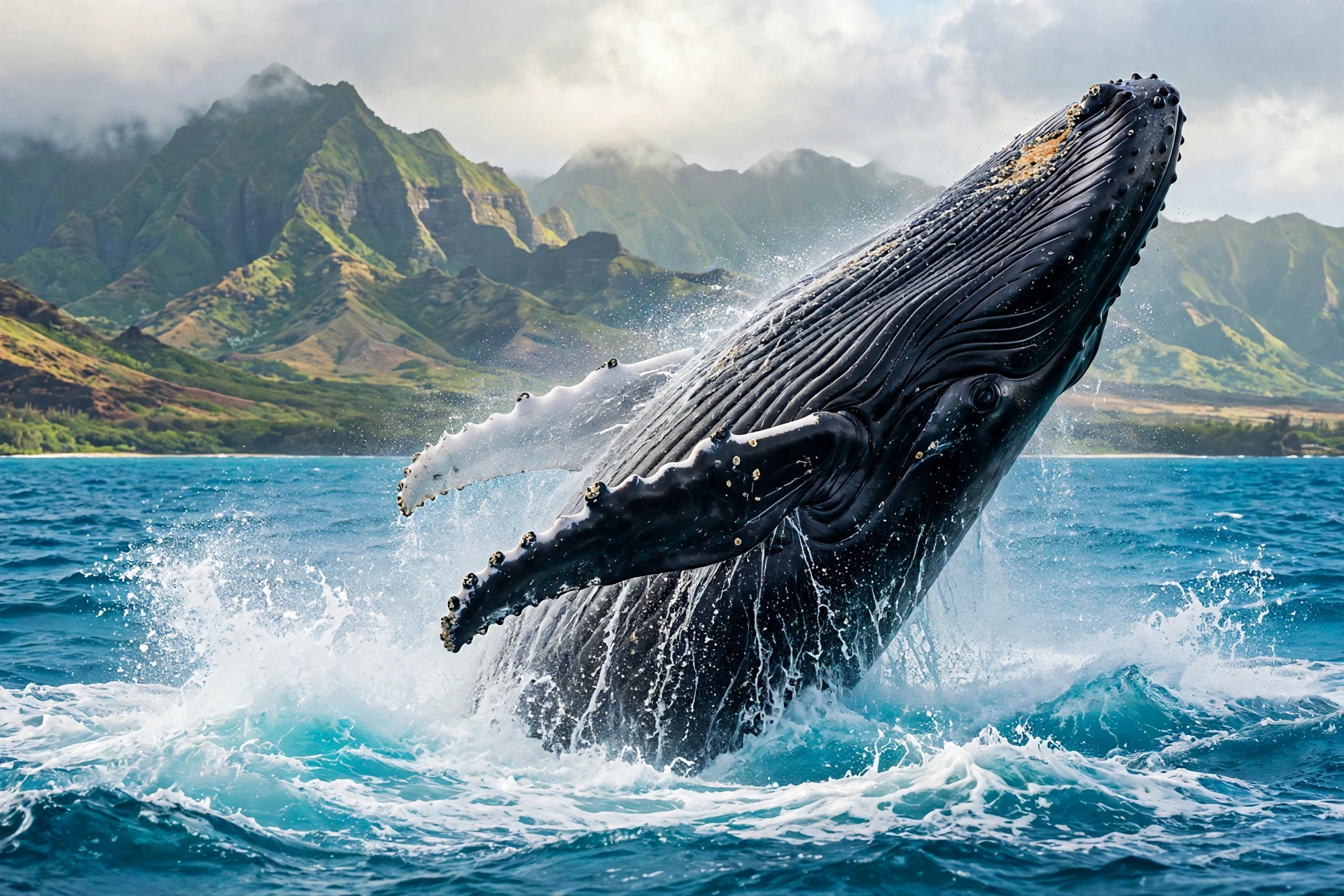
For whale watching, come between December and March, when humpbacks fill the waters off West and South Maui. Accept the wetter, slightly cooler conditions as the price of admission. The whales are worth it, and the winter landscape is at its greenest.
For surfing, match your trip to the swells. North shore breaks fire from November through March, while south shore spots work best from May through September. For hiking and waterfalls, the winter and spring months bring fuller falls and cooler trail temperatures, though trails will be muddier.
One practical strategy outweighs all seasonal advice: choose your home base to match the season. In winter, stay in South or West Maui for the driest conditions. In summer, every coast is reliably pleasant. And always remember that driving 30 minutes to the other side of the island often means driving into different weather, which is one of Maui’s great advantages.
What to Pack for Maui Weather
Maui’s climate is forgiving, but a few weather specific items will make any trip smoother.
- Sun protection is non negotiable. The UV index in Maui reaches extreme levels year round, often hitting 11 or higher even in winter. Bring reef safe sunscreen (Hawai‘i law prohibits sunscreens containing oxybenzone and octinoxate), a wide brimmed hat, sunglasses, and a rash guard for extended water time. Sunburns happen fast here, even on cloudy days.
- Light layers for evenings and elevation. A light sweater or fleece handles cool winter evenings on the coast and is essential for Haleakalā at any time of year. Temperatures at the summit can be 30 to 40 degrees colder than the beach.
- Rain gear for windward adventures. A packable rain jacket is invaluable for the Road to Hana, windward hikes, and any winter trip. Quick dry clothing beats cotton in the humid windward climate.
- Footwear for varied terrain. Reef shoes or water sandals protect feet on rocky beach entries. Trail shoes with grip handle muddy waterfall hikes. Leave the heavy boots at home.
- Wind protection. A light windbreaker helps on blustery South Maui afternoons and exposed coastal viewpoints, particularly from June through August.
- Swim gear for every month. The ocean never drops below about 75 degrees, so swimwear is useful year round. A light wetsuit top adds comfort for long snorkel sessions in winter.
Frequently Asked Questions
Does it rain a lot on Maui?
It depends entirely on where you are. South Maui’s resort coast gets under 10 inches per year, while Hāna on the windward side gets about 74 inches. Most visitors staying in Kīhei, Wailea, Lahaina, or Kā‘anapali experience far more sunshine than rain in any month. Check the forecast for your specific area rather than the island as a whole.
What is the coldest month on Maui?
January and February are the coolest months, with coastal highs averaging 80 degrees and lows near 63. Upcountry areas and the Haleakalā summit are much colder, with winter nights near freezing at the summit. The ocean is coolest in February and March at about 75 degrees.
What is the hottest month on Maui?
August and September tie for the warmest, with coastal highs averaging 87 degrees. Humidity peaks in late summer as well, though the trade winds keep conditions comfortable on most days. The ocean is warmest from August through October at about 81 degrees.
Does Maui get hurricanes?
Hurricane season runs June 1 through November 30, but direct strikes on Maui are historically rare. Most tropical systems pass south of the islands or weaken before arrival. Travelers visiting in late summer and fall should monitor National Weather Service outlooks and consider travel insurance.
Can you swim in the ocean on Maui in winter?
Yes. Ocean temperatures stay between 75 and 77 degrees through the winter months, comfortable for most swimmers. The key winter consideration is not temperature but surf: north facing beaches get large swells from November through March, so choose south and west facing beaches for the calmest swimming.
Which side of Maui has the best weather?
South Maui (Kīhei, Wailea, Mākena) is the driest and sunniest overall. West Maui (Lahaina, Kā‘anapali) is nearly as good, with slightly more breeze. Both leeward coasts dramatically outperform the windward east side for sunshine, which is why the major resorts are located there.
What is the rainiest place on Maui?
The Big Bog, a high elevation plateau on the windward slopes of Haleakalā in East Maui, is among the wettest spots in Hawai‘i, receiving hundreds of inches of rain annually. Among towns, Hāna is the wettest with about 74 inches per year. The driest coastal areas around Mākena receive under 10 inches.
Do I need a jacket on Maui?
Bring one. Even in summer, the Haleakalā summit demands warm layers, with temperatures 30 to 40 degrees below the beach. In winter, a light jacket is useful for breezy evenings on the coast. Upcountry towns like Kula and Makawao run 10 to 15 degrees cooler than sea level year round.
When is whale season on Maui?
Humpback whales are present from roughly December through April, with peak numbers in January, February, and March. The calm waters off West and South Maui offer the most consistent viewing. Weather during whale season is slightly cooler and wetter than summer, but still warm by any mainland standard.
Related Guides
- Maui Beaches: The Complete Guide : match the best beach to the day’s wind and surf conditions.
- Maui Hikes: Complete Guide : trail conditions vary with rainfall, so check this before lacing up.
- Maui Map: Complete Reference : see exactly where each weather region sits on the island.
- Hawaii Snorkeling: Complete Guide : calm summer mornings bring the clearest water.
- Road to Hana Map : plan around East Maui’s wetter weather patterns.
A Final Word on Maui’s Weather
Maui’s weather is not a single forecast but a set of choices. The island hands you microclimates the way other destinations hand you neighborhoods: pick the sunny leeward coast for beach days, head windward when you want waterfalls at their fullest, climb Haleakalā when you want to feel true mountain cold an hour from the tropics. The trade winds that built these contrasts blow most days of the year, keeping the air fresh and the temperatures honest. Travelers who understand the island’s weather patterns do not just get luckier with sunshine. They get more of Maui itself, because every shift in rain and wind reveals a different face of an island that contains multitudes.