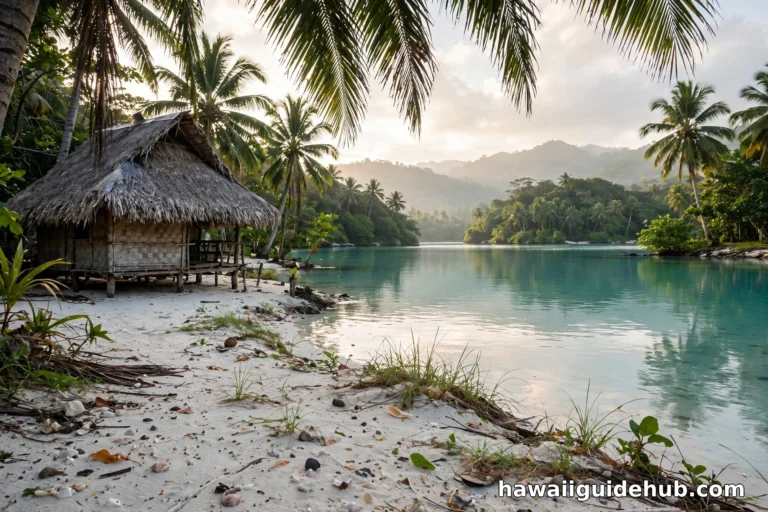
Clear Hawaii Ocean: Where the Water Is Clearest

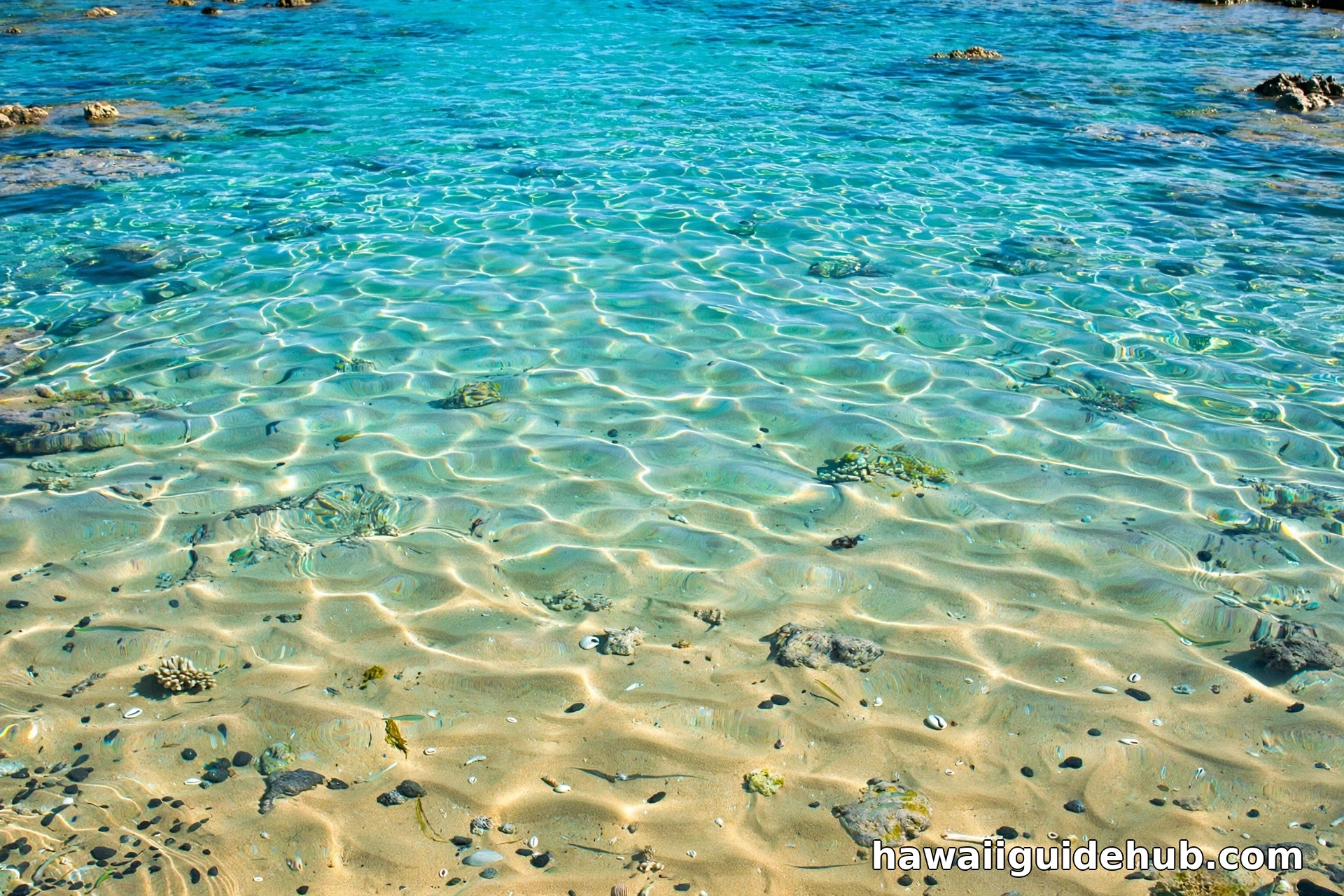
Hawaii’s ocean is famous for its clarity: on the best days, you can see 100+ feet down through water so clear it looks like air. But clarity varies by island, spot, season, and even time of day. This guide covers where Hawaii’s water is clearest, what makes it clear, and how to time your visit for maximum visibility. From Molokini’s 150-foot visibility to Lanikai’s turquoise shallows, here is the clear Hawaii ocean.
This page covers the clearest water spots by island, why the water is clear, timing tips, and FAQs. Everything about the clear Hawaii ocean is on this one page.
The Short Answer
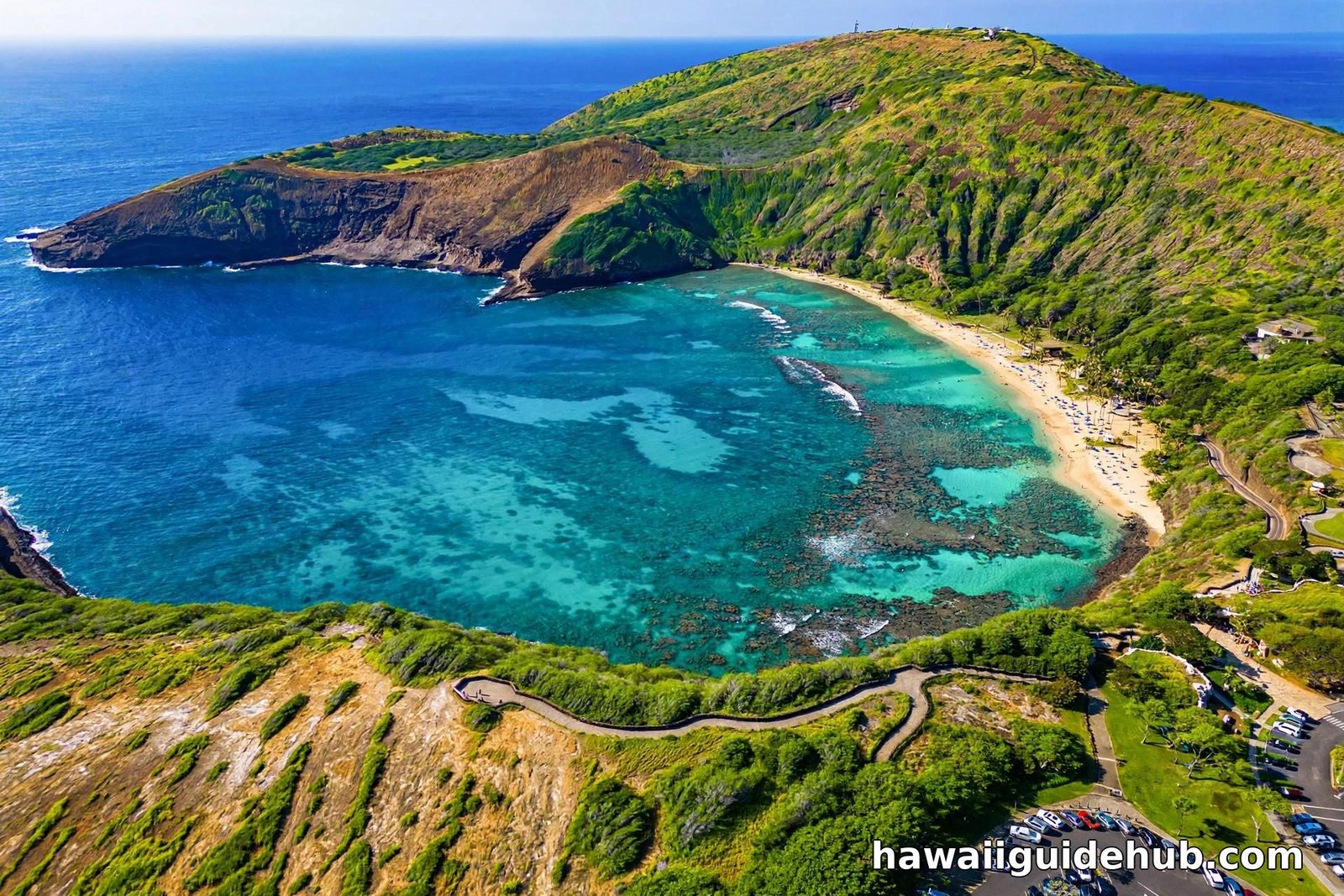
Hawaii’s clearest water: Molokini Crater off Maui (visibility up to 150 feet), Kealakekua Bay on the Big Island (100+ feet), and Hanauma Bay on Oahu (up to 40 feet). The Kona and South Kohala coasts are consistently clear year-round. Clarity is best on leeward (west/south) coasts, in the morning, on calm days, and away from recent rain. Maui generally wins for the clearest water in the state.
Clearest Water Spots by Island
| Island | Spot | Visibility |
| Maui | Molokini Crater | Up to 150 ft; the state’s clearest |
| Big Island | Kealakekua Bay | 100+ ft on clear days |
| Oahu | Hanauma Bay | Up to 40 ft; reservation required |
| Kauai | Anini Beach (summer) | Excellent in calm summer months |
| Oahu | Lanikai Beach | Crystal-clear turquoise shallows |
Molokini: The Clarity Champion
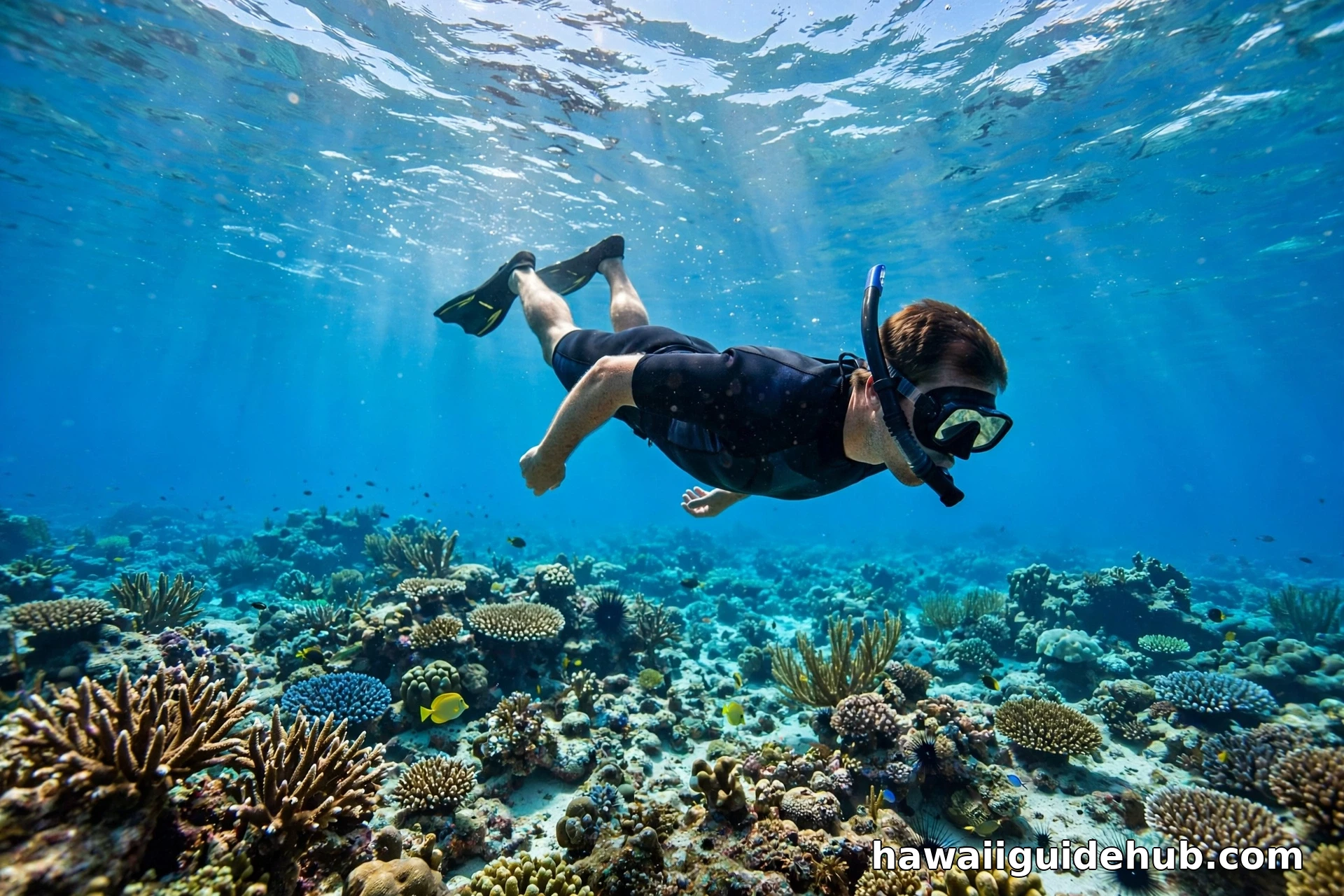
Molokini Crater off Maui’s southwest coast is Hawaii’s clearest water: a partially submerged volcanic crater whose crescent shape shelters the interior from currents and swells. With no significant freshwater runoff and 250+ fish species, visibility often exceeds 100 feet and can reach 150. It is boat-access only, and the calm, protected water makes it ideal for snorkelers of all levels. If you snorkel one place in Hawaii, make it Molokini.
Why Hawaii’s Water Is So Clear
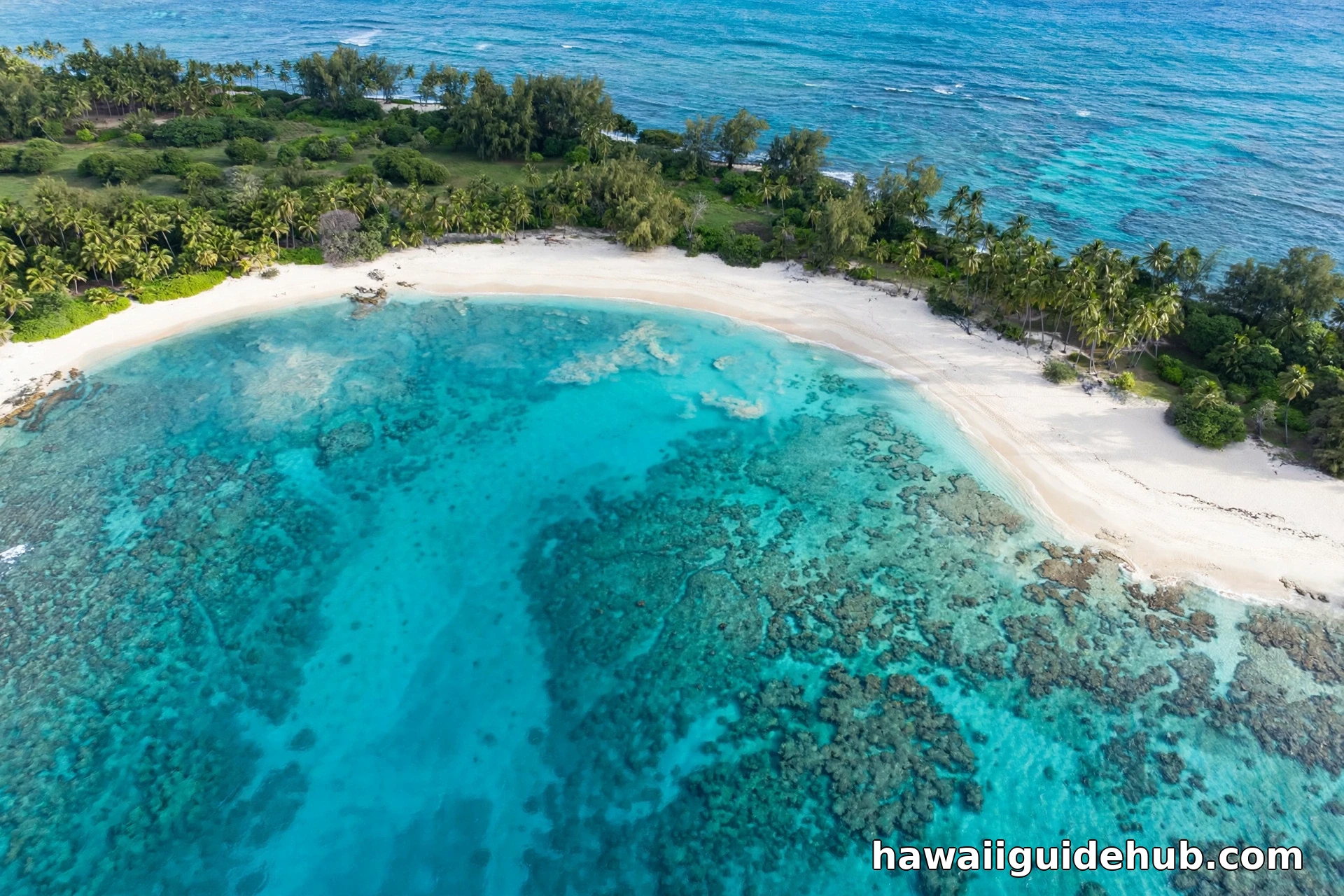
Hawaii’s clarity comes from geology and geography: volcanic islands with no major rivers (little sediment), porous lava rock that filters groundwater, and location in the middle of the Pacific (far from continental runoff). The leeward coasts are clearest: shielded from trade-wind rain and runoff. Coral reefs also help: they trap sediment. It is a perfect system: the islands are built for clear water.
Timing for Maximum Clarity
For the clearest water: go in the morning (calmest, best light), choose leeward coasts, avoid days after heavy rain (runoff clouds the water), and pick the calm season for your coast (summer for north shores, winter can be fine for south shores). Boat trips to offshore spots (Molokini, Kealakekua) beat shore snorkeling for clarity: distance from shore means distance from runoff. The rule: calm, dry, leeward, morning.
What Clouds the Water
Rain is the main culprit: freshwater runoff carries sediment and turns the nearshore brown (locals call it “brown water”). High surf stirs up sand. Wind chops the surface. Plankton blooms (rare) reduce visibility. After storms, wait a day or two for the water to clear. “Brown water advisories” are issued after heavy rain: heed them (runoff can carry bacteria). The ocean tells you: if you cannot see your feet, wait.
For Hawaii beaches, see top 5 Kauai beaches for swimming, Hanalei Beach: Kauai’s most beautiful beach, and Hawaii weather in December.
Kealakekua Bay: The Big Island’s Aquarium
Kealakekua Bay on the Kona coast is a Marine Life Conservation District with visibility exceeding 100 feet on clear days. The bay’s steep walls shelter it from swells; spinner dolphins frequent its waters. Access is by kayak, boat tour, or a strenuous hike: there is no easy shore entry, which keeps the crowds (and the runoff) down. The Captain Cook Monument marks the far side. It is the Big Island’s answer to Molokini: wilder, deeper, and just as clear.
Hanauma Bay: Oahu’s Clear Classic
Hanauma Bay is Oahu’s most famous snorkeling spot: a volcanic crater bay with visibility up to 40 feet and 400+ fish species. Reservations are required, and the daily visitor cap protects the reef. Go early: the water is clearest before the crowds stir it up. The bay’s protection as a marine life conservation area is why it stays clear: conservation works, and you can see the results.
Lanikai: The Turquoise Icon
Lanikai Beach on Oahu’s windward coast is regularly ranked among the world’s best beaches: powder-white sand, turquoise water, and the Mokulua Islands offshore. The water is famously clear and calm, protected by the offshore reef. Go on a weekday morning: weekends are crowded, and there is no parking lot (street parking only). The clarity is the draw: wading in water this clear feels like floating.
Anini: Kauai’s Summer Secret
Anini Beach on Kauai’s north shore has Hawaii’s longest barrier reef: in the calm summer months, the water inside the reef is bathwater-calm and exceptionally clear. Winter is a different story: big swells make it dangerous and murky. Summer Anini is the Kauai locals’ answer to the clarity question: shallow, safe, and stunning. The reef keeps the ocean out and the clarity in.
The Science of Blue
Why so blue? Water absorbs red light and reflects blue; the clearer the water, the bluer it looks. White sand reflects light back up, creating the turquoise glow. Depth changes the color: shallow water over sand is turquoise; deep water is indigo. The famous “Hawaii blue” is physics: pure water, white sand, bright sun. No filter needed: the color is real, and it is spectacular.
Photographing Clear Water
Clear water photographs itself: shoot down into the shallows on a sunny morning for the turquoise effect; polarizing filters cut surface glare. Aerial shots (drones where legal) show the reef patterns best. Underwater, the clarity means natural light reaches deep: no strobe needed in the shallows. The best camera is the one you have: clear water is forgiving. Just keep the lens clean and the sun behind you.
Clear Water Dangers
Clear water is deceptive: depth is hard to judge (that “shallow” reef may be 20 feet down), and currents are invisible. Never underestimate the ocean because it looks calm. Brown water after rain can carry bacteria: heed advisories. And clear water means strong UV: the sun penetrates deeper, and reflection off the sand burns. Reef-safe sunscreen, rash guards, and respect: the beauty demands caution.
Protecting the Clarity
The clarity is not guaranteed: runoff, reef damage, and pollution threaten it. Do your part: use reef-safe sunscreen (required by Hawaii law), do not stand on coral, do not feed fish, and support marine conservation areas. The clear water you enjoy is the product of protection: Hanauma Bay’s caps, Kealakekua’s district status, Molokini’s remoteness. Clarity is a choice: Hawaii made it, and visitors keep it.
Honolua Bay: Maui’s Marine Preserve
Honolua Bay on Maui’s northwest shore is a marine preserve with abundant coral and exceptional summer clarity. The bay’s protected location minimizes wave action and runoff. It is a favorite of experienced snorkelers: the coral gardens are among Hawaii’s best. Summer only: winter swells make it dangerous. The preserve status means no fishing: the fish are abundant and unafraid. Clarity plus conservation: the combination works.
Kapalua Bay: The Family Favorite
Kapalua Bay is the gentle option: a crescent beach with calm, clear water, ideal for families and beginners. Morning is best: before the trade winds ripple the surface. The reef on both sides of the bay offers easy snorkeling. It is not the absolute clearest, but it is the most accessible clear: no boat, no hike, just walk in. Sometimes the best spot is the easy one.
The Kona Coast: Consistency Wins
The Kona and South Kohala coasts of the Big Island deliver the most consistent clarity in Hawaii: leeward, dry, and calm year-round. Ancient lava flows filter the groundwater; the coast faces away from the trade winds. Spots like Kahaluʻu, Two Step, and Beach 69 offer clear water without the boat logistics. If your trip is short and you want guaranteed clarity, Kona is the safest bet.
Night Water: A Different Clarity
Clear water at night is a different world: the manta ray night snorkel off Kona happens in water so clear the mantas are visible from the boat. Night snorkeling in clear water is safe and magical: plankton glows, eels hunt, the reef transforms. Go with a guided tour: they provide the lights and the knowledge. The clarity you admired by day becomes mystery by night.
When Clear Water Disappoints
Manage expectations: even the clearest spots have off days. Wind, swell, rain, and plankton can reduce visibility anywhere. If Molokini is murky, it is usually temporary: the next day may be perfect. Have a backup plan: a beach day is never wasted in Hawaii. And remember: 40-foot visibility is still extraordinary by global standards. Hawaii’s “bad” days are most places’ best.
The Windward Side: When East Is Best
Leeward is usually clearest, but windward has its moments: Lanikai proves the east side can be spectacular. After several dry days with light winds, windward bays can be glassy and clear. The trade-off: windward gets more rain, so the windows are shorter. Check conditions: if it has been dry for days and the winds are light, the windward side rewards the gamble. Flexibility is the clarity hunter’s best tool.
Tide and Clarity
Tide matters less than wind and rain, but it matters: incoming tides bring clear ocean water in; outgoing tides can carry reef sediment out. Slack high tide is often the clearest: maximum water over the reef, minimum current. It is a subtle effect, but snorkelers chasing perfect conditions plan around it. The ocean rewards attention to detail.
The Glass-Bottom Alternative
Do not snorkel? Glass-bottom boats and submarines (like Atlantis off Waikiki and Maui) let you see the clear water without getting wet. The visibility that amazes snorkelers amazes through glass too. It is also the accessibility option: everyone deserves the clear water. The reef does not care how you look at it: just look, and protect what you see.
The First Glimpse
Every visitor remembers the first glimpse: the plane window over the reef, the first step into water so clear it seems shallow, the first snorkel mask going under. Hawaii’s clear ocean is the first impression and the lasting one. It is why people come back: the memory of that blue. Protect it, photograph it, float in it. The clearest water in America is not a luxury: it is Hawaii’s everyday miracle.
The Clarity Checklist
Your pre-snorkel checklist for maximum clarity: check the surf forecast (low surf), check recent rain (dry for 2+ days), pick the leeward coast, go in the morning, and choose a protected bay or boat trip. If all five check out, you are in for extraordinary visibility. If two or more fail, adjust: pick a different coast or wait a day. The ocean rewards the prepared: clarity is earned, not guaranteed.
Video: Lanikai Beach, Crystal Clear Water
Lanikai: Oahu’s crystal-clear postcard beach.
Frequently Asked Questions
Where is the clearest water in Hawaii?
Molokini Crater off Maui: visibility up to 150 feet.
Which Hawaiian island has the clearest water?
Maui generally, thanks to Molokini and its dry leeward coasts. The Big Island’s Kona coast is a close second.
When is Hawaii’s water clearest?
Mornings, on calm days, on leeward coasts, away from recent rain.
Why is Hawaii’s water so blue?
Clear water absorbs red light and reflects blue; white sand and the lack of sediment amplify the turquoise color.
Is the water clear after rain?
No: runoff clouds the nearshore. Wait a day or two after heavy rain.
Can you see the bottom from a boat?
At Molokini and Kealakekua, yes: the reef is visible from the surface on clear days.
The clear Hawaii ocean is not a myth: it is geology, geography, and timing. Go leeward, go in the morning, go after dry weather, and the water will reward you with visibility that feels impossible. Molokini’s 150 feet, Kealakekua’s 100, Lanikai’s turquoise: the clearest water in America is waiting. Just remember: the clarity is fragile. Protect the reefs that make it possible, and the water will stay clear for the next first glimpse.