Moana Fish Hawaii: The Goatfish Guide

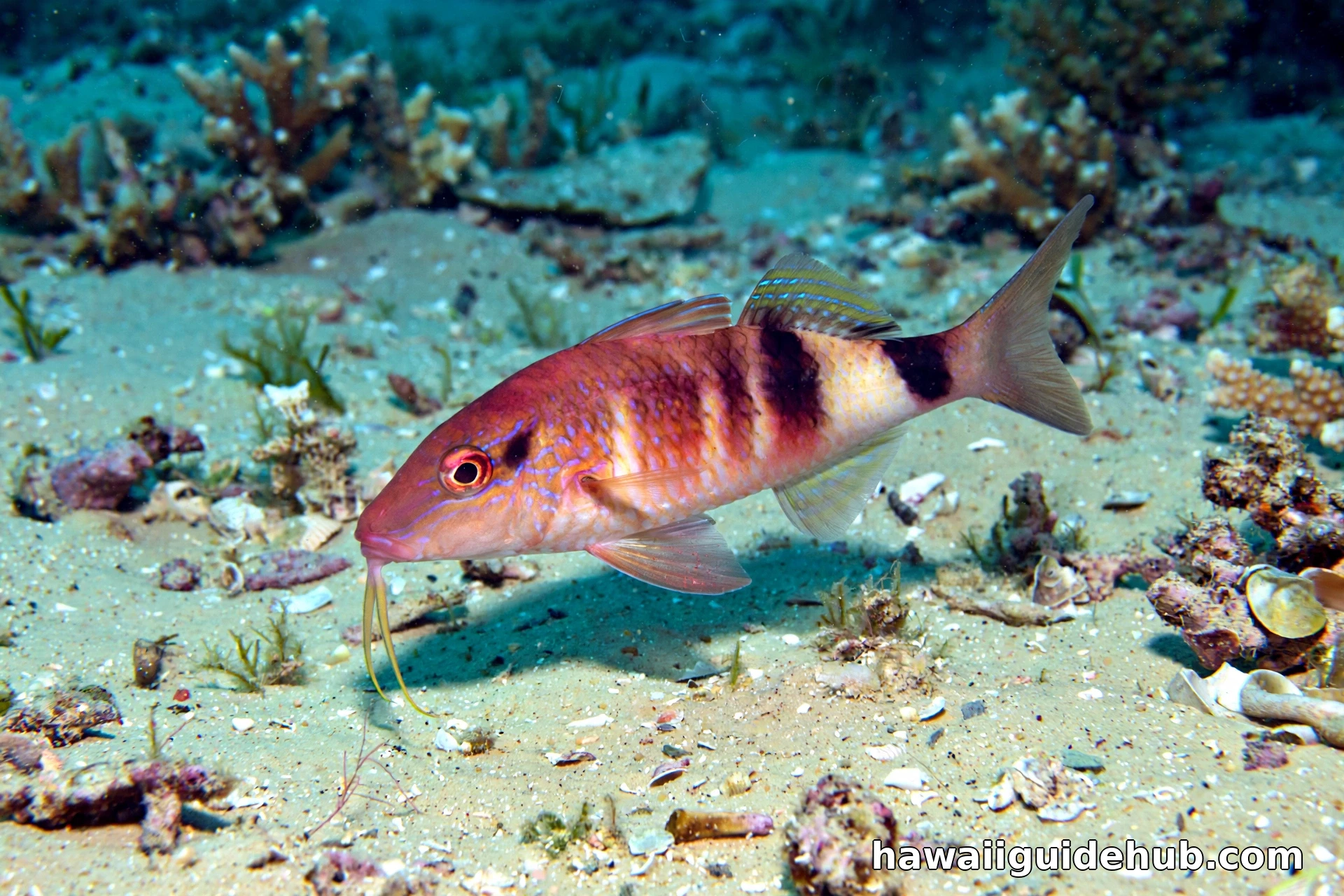
Moana is one of Hawaii’s favorite food fish: a goatfish (the manybar goatfish, Parupeneus multifasciatus) known for its sweet, delicate flesh. Locals also prize its cousins: moana kali (the blue goatfish, found only in Hawaii), kūmū (the whitesaddle goatfish, a traditional delicacy), and weke. This guide covers the moana fish: the species, how Hawaiians catch and cook it, the size rules, and what to know before you eat it.
This page covers the moana species, the goatfish family, cooking methods, fishing rules, and FAQs. Everything about moana fish Hawaii is on this one page.
The Short Answer
Moana (moano) is the manybar goatfish, a reef fish prized in Hawaii for its sweet white flesh. It is eaten raw, steamed, pan-fried, or baked. Related species: moana kali (blue goatfish, Hawaii endemic), kūmū (whitesaddle goatfish, a delicacy), and weke. Minimum size: 7 inches statewide, 8 inches on Maui, per Hawaii DLNR rules. Goatfish are named for the pair of barbels (“beards”) under their chins, used to find food in the sand.
Hawaii’s Goatfish: Who’s Who
| Hawaiian name | Species | Note |
| Moana (moano) | Manybar goatfish | Most common; great eating |
| Moana kali | Blue goatfish | Found only in Hawaii |
| Kūmū | Whitesaddle goatfish | Traditional delicacy; most prized |
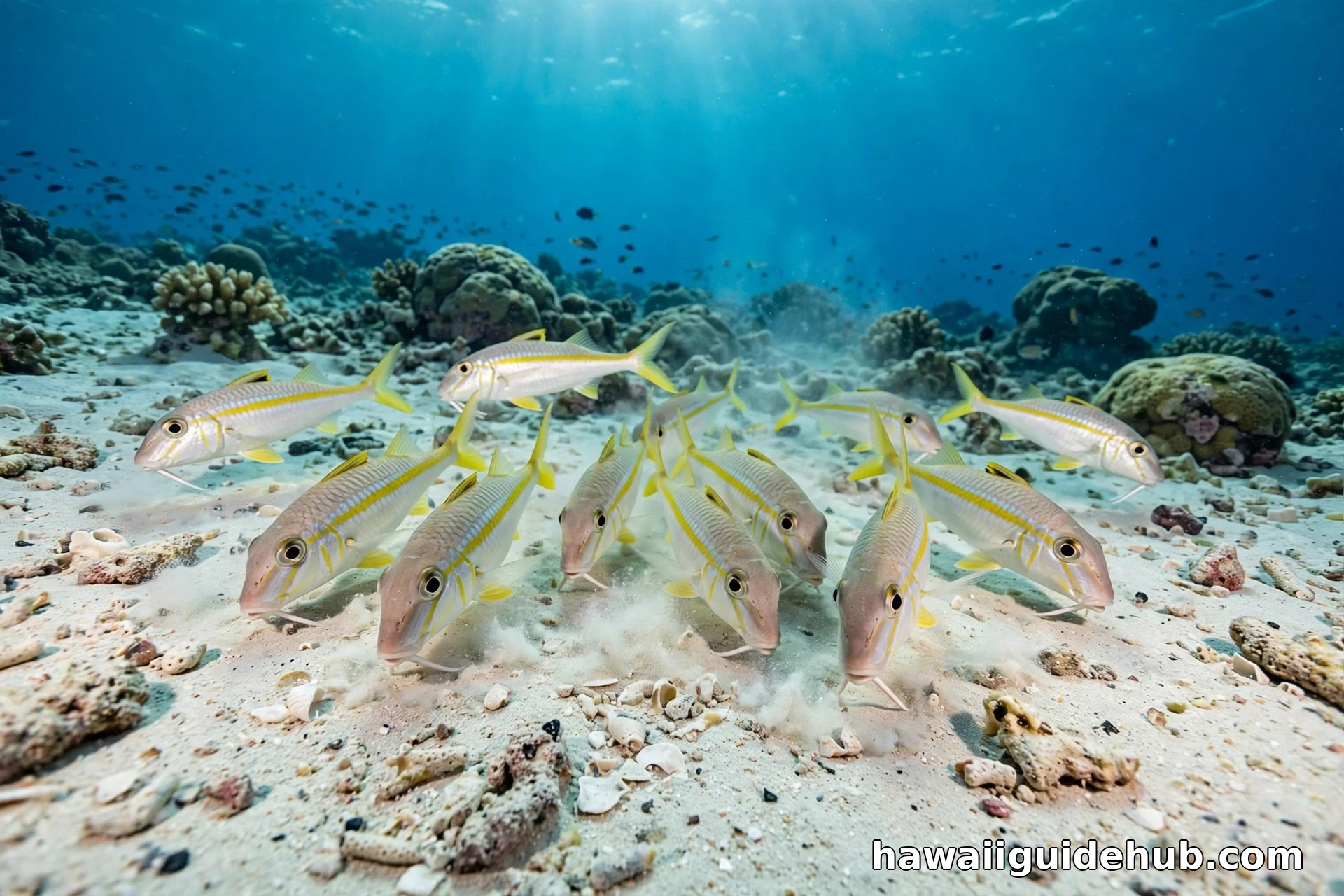
| Weke ʻaʻā | Yellowstripe goatfish | Schools by day on sandy flats |
| ʻOama | Juvenile goatfish | Fried whole or used as bait |
Why the Goat Name?
Goatfish are named for the pair of barbels under their chins: sensory organs they extend to stir up the sand and locate crustaceans and small fish. When not feeding, the barbels tuck into grooves under the chin and disappear. Hawaii hosts ten goatfish species: eight found across the Pacific, two found only in Hawaii (moana kali and kūmū). Snorkelers see them everywhere: the fish digging in the sand in shallow water are usually goatfish.
How Hawaiians Cook Moana
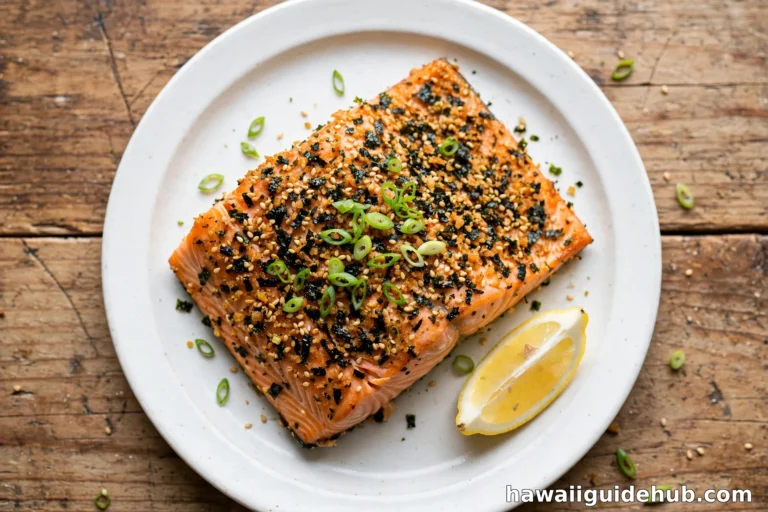
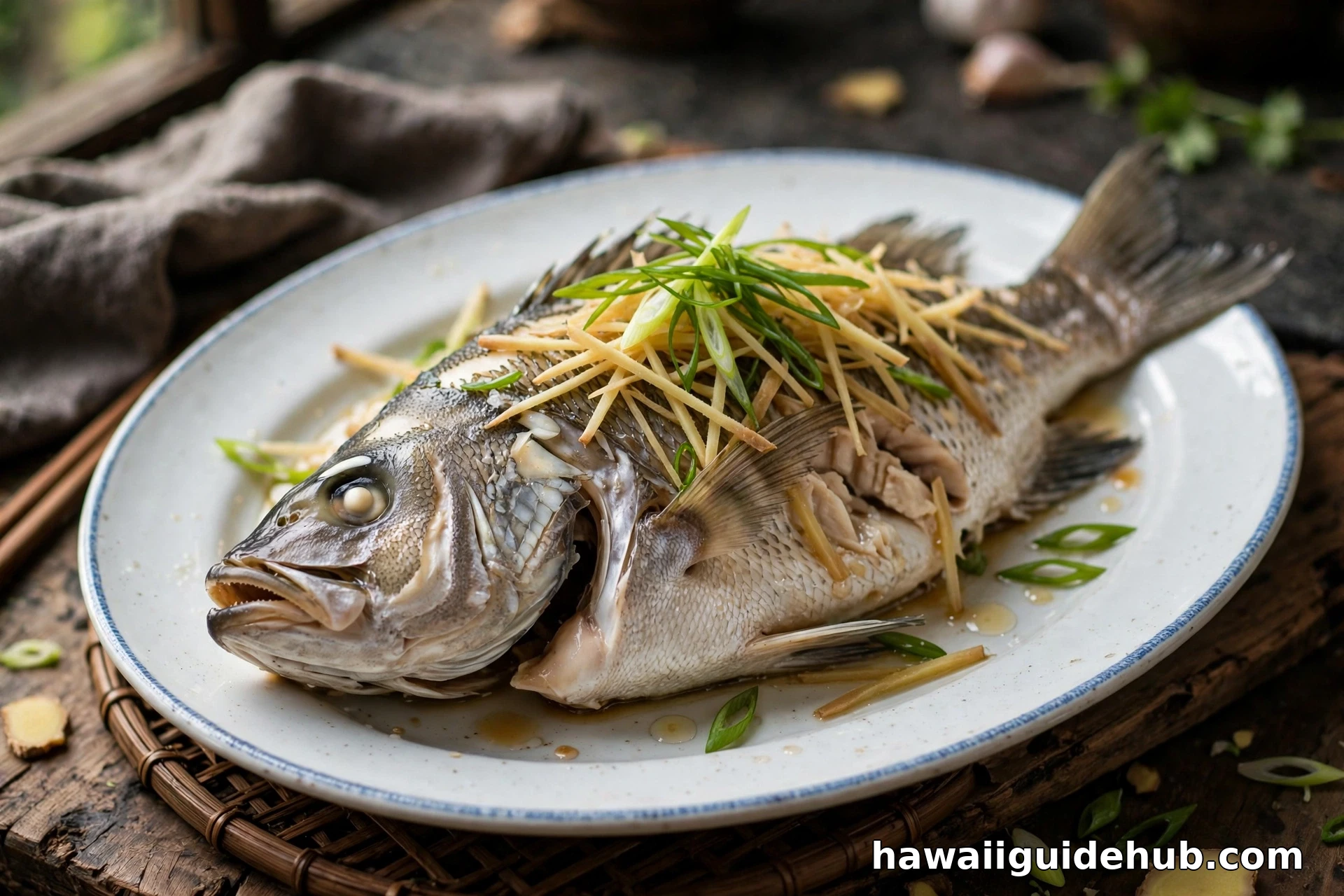
Moana’s flesh is sweet and delicate: it needs little. Classic preparations: steamed whole with ginger, green onions, and hot oil (the Chinese-Hawaiian style); pan-fried crisp; baked; or eaten raw as sashimi or poke. The kūmū was traditionally broiled, cooked in ti leaves, eaten raw, or lightly salted. Simple is best: the fish is the flavor. Overcooking is the only real mistake.
Fishing Rules
Per Hawaii DLNR rules, the minimum size for moana (moano) is 7 inches statewide and 8 inches on Maui. They are caught by spear, net, trap, and pole and line. Always check current DLNR regulations before fishing: rules change, and some areas have additional restrictions. Respect the minimums: they keep the fishery healthy for the next generation.
The ʻOama Season
ʻOama (juvenile goatfish) run in late summer: tiny fish caught from shore that are fried whole and eaten crisp, or kept alive as premium bait for papio (trevally). The ʻoama run is a beloved local tradition: families line the beaches with bamboo poles. Eating them fried with the heads on is the classic preparation. It is Hawaii’s version of whitebait season: small fish, big culture.
For Hawaiian food culture, see Hawaiian traditions: hula, chanting, and storytelling, the significance of ohana, and Hawaii’s history before the 50th star.
The Barbels: How Goatfish Hunt
The goatfish’s barbels are chemical sensors: they stir the sand and “taste” for buried crustaceans and worms. Watching a goatfish feed is watching a master at work: the barbels sweep, the fish darts, the prey is gone. Other fish follow feeding goatfish to steal the leftovers: jacks shadow them like remoras. It is a whole economy built on the beard. Snorkelers who sit still on the sand will see the show up close.
Moana Kali: Hawaii’s Own
Moana kali (the blue goatfish) lives only in Hawaii: bluish-purple with a prominent yellow saddle at the tail, a long snout, and long barbels. It grows to 2 feet and 5 pounds. Because it is endemic, it is a special catch: eating a fish found nowhere else on Earth. The flavor is excellent, like all goatfish. Endemic species deserve extra respect: take only what you need, and follow every rule.
Kūmū: The Chief’s Fish
Kūmū (the whitesaddle goatfish) was reserved for chiefs in old Hawaii: its flesh was considered the finest of all reef fish. Juveniles are greenish with red fins; adults turn brick red with a white saddle behind the dorsal fin. It remains the most prized goatfish: a kūmū on the table is an occasion. Traditional preparations: broiled, wrapped in ti leaves, or eaten raw. Some traditions are worth keeping exactly as they are.
Spearfishing for Moana
Moana are a favorite spearfishing target: they are common on the reef flats, approachable, and delicious. The ethics: take only legal-size fish, only what you will eat, and never shoot more than you need. Freedive spearfishing is the traditional way: no scuba, just breath and skill. Learn from locals: the reef has rules beyond the legal ones, and the community enforces them.
A Note on Reef Fish Safety
Some reef fish carry ciguatera, a toxin from reef algae that accumulates up the food chain. Goatfish are generally considered safe, but large predatory reef fish carry more risk. The old advice: avoid the heads and organs of large reef fish, and be cautious with fish from known ciguatera areas. When in doubt, ask local fishermen: they know which reefs and which fish to avoid. This is local knowledge worth having.
Moana in Poke
Fresh moana makes superb poke: cubed raw fish with Hawaiian salt, ʻinamona (roasted kukui nut), limu (seaweed), and chili pepper. The sweet flesh shines raw: it needs nothing more than the classic seasonings. Only use the freshest fish for poke: caught that day, kept cold, handled cleanly. The poke tradition is Hawaii’s gift to the world: moana is one of its finest expressions.
Buying Moana at the Market
Find moana at local fish markets (Oahu’s Tamashiro Market is legendary), farmers markets, and sometimes grocery seafood counters. Look for: clear eyes, red gills, firm flesh, ocean smell (not fishy). Whole fish is the way: the markets will clean it for you. Prices vary with the catch: reef fish is a premium product. Ask the fishmonger how it was caught and when: the good ones love to tell you.
Sustainability
Reef fish are vulnerable: they grow slowly and live in limited habitat. The size limits exist for a reason: a 7-inch moana has had a chance to reproduce. Support the fishery by: respecting minimums, taking only what you need, and buying from responsible sources. The reef feeds those who respect it: the old Hawaiian kapu system understood this centuries before modern fisheries science. The tradition continues.
Cooking Moana: The Simple Method
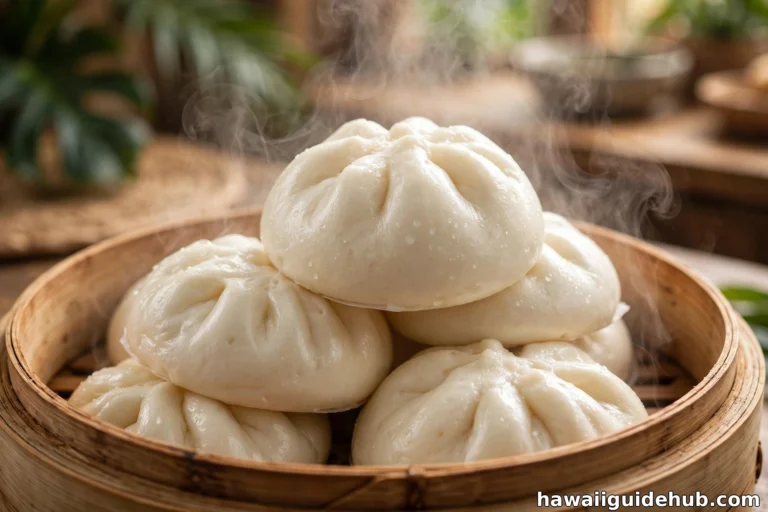
The foolproof moana: scale and gut the fish, score the sides, season with Hawaiian salt and pepper. Steam 10 minutes per inch of thickness with ginger and green onions, then pour hot oil over the top to crisp the aromatics. Or pan-fry: dust with flour, fry in hot oil until golden and crisp. The flesh should flake but stay moist. The whole fish presentation is traditional: head, tail, and all. It tastes better that way: the bones keep it juicy.
The Ti Leaf Tradition
Wrapping fish in ti leaves and cooking in an imu (underground oven) or steamer is the ancient Hawaiian method: the leaves protect the fish, add subtle flavor, and make a beautiful package. Kūmū was traditionally cooked this way. The technique works in a modern steamer or oven: wrap seasoned fish in ti leaves (or banana leaves), steam until done. It is cooking as ceremony: the unwrapping is part of the meal.
Moana vs Other Reef Fish
How does moana compare? Sweeter and more delicate than snapper (ʻōpakapaka), less rich than moi (threadfin), milder than ulua (trevally). It is the crowd-pleaser of reef fish: even people who “do not like fish” like moana. For raw preparations, it rivals ahi in sweetness. For steaming, it is the best reef fish: the flesh stays tender. Ask any local fisherman for their favorite eating fish: moana is on every short list.
Where to Eat Moana in Hawaii
Moana appears on menus at local-style restaurants and high-end Hawaiian restaurants alike: look for “catch of the day” preparations. The best moana is the freshest: restaurants near the fishing grounds (Kona, Hilo, Kaunakakai) serve it hours from the water. Ask your server what the catch is and how it is prepared: the good places are proud of their fish. Or buy from the market and cook it yourself: the steamer is waiting.
The Cultural Significance
Fish were wealth in old Hawaii: the konohiki (land stewards) managed reef fisheries with the kapu system, and certain fish were reserved for chiefs. The kūmū’s status as a chief’s fish reflects this: the best fish for the highest rank. The ʻoama run was (and is) a community event. Eating moana connects you to this history: the same fish, the same reefs, the same appreciation. The culture is in the cooking.
The Aquarium Trade
Some goatfish species appear in the aquarium trade: their colors and behaviors make them interesting tank fish. But Hawaii’s endemic species (moana kali, kūmū) belong on the reef, not in tanks: Hawaii has strict rules on aquarium collection. The reef is their home and Hawaii’s heritage. Admire them while snorkeling: the best aquarium is the ocean, and the ticket is a mask and fins.
Goatfish Around the World
Goatfish are global: the family spans tropical oceans worldwide, and every culture with goatfish eats them. But Hawaii’s are special: two species found nowhere else, and a food culture that elevates them to delicacy. The moana you eat in Honolulu is a Hawaiian experience: the same species exists elsewhere, but nowhere else is it moana. Place matters: the fish tastes of its reef.
Teaching Kids About Reef Fish
The goatfish is the perfect kid fish: the “beard” is memorable, they are easy to spot while snorkeling, and the name is fun. Teach kids to identify moana, weke, and kūmū: it turns every snorkel into a treasure hunt. The lesson extends to the table: knowing where food comes from. A child who has watched a goatfish feed will never waste one. The reef is the classroom.
The Fisherman’s Respect
Talk to Hawaii’s fishermen and you will hear the same ethic: take what you need, share the surplus, respect the small ones. The moana embodies it: a fish common enough to feed families, special enough to honor. The old Hawaiians had it right: the reef provides for those who take carefully. Every moana on the table is a reminder: the ocean is generous to the respectful. Fish like the future depends on it: it does.
The moana’s story is Hawaii’s story: a humble reef fish elevated by culture, care, and cooking into something extraordinary. The barbels that puzzled the first observers, the endemic cousins found nowhere else, the chiefs who claimed the kūmū, the families who fry the ʻoama: it all adds up to more than a fish. It is a tradition you can taste. Respect the size limit, cook it simply, and pass the plate.
Video: Steamed Moana Kali
From ocean to table: steaming a moana kali.
Frequently Asked Questions
What is moana fish?
The manybar goatfish (Parupeneus multifasciatus), a reef fish prized in Hawaii for its sweet flesh.
Is moana good to eat?
Excellent: sweet, delicate white flesh. Eaten raw, steamed, fried, or baked.
What is the difference between moana and moana kali?
Moana is the manybar goatfish; moana kali is the blue goatfish, found only in Hawaii.
What is kūmū?
The whitesaddle goatfish: a Hawaii-endemic species traditionally considered a delicacy.
What is the legal size for moana?
7 inches statewide, 8 inches on Maui, per Hawaii DLNR.
Why are they called goatfish?
For the pair of barbels (“beards”) under their chins, used to find food in the sand.
Moana fish is Hawaii on a plate: sweet flesh, simple preparation, deep tradition. Whether steamed with ginger, fried crisp from the ʻoama run, or eaten as sashimi, the goatfish rewards respect: for the size limits, for the reef, and for the culture that made it a delicacy. Taste it fresh, cook it simply, share it generously, and you will understand why Hawaiians have prized it for centuries.