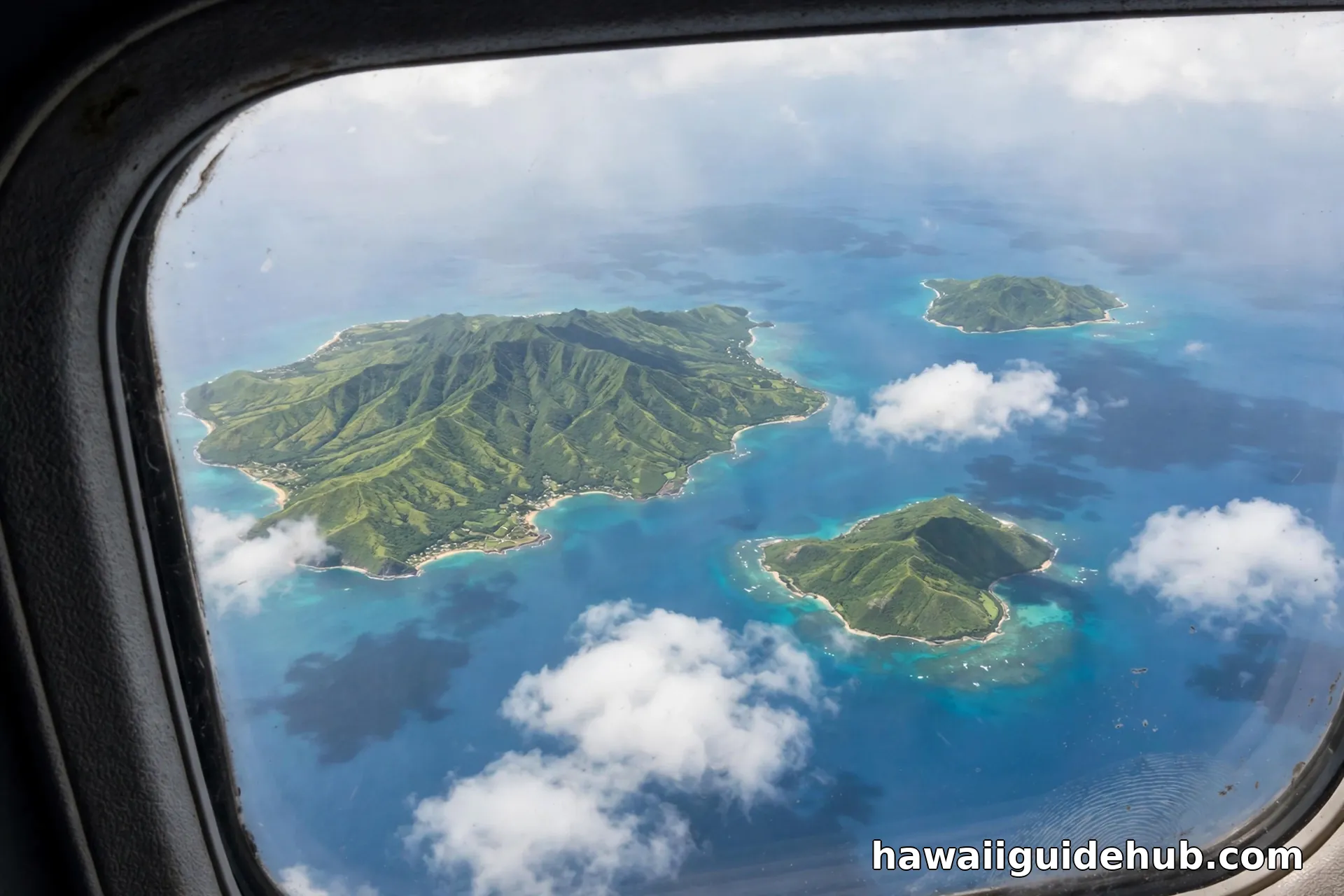
What Islands to Visit in Hawaii? (Oahu vs Maui vs Kauai vs Big Island)

What islands should you visit in Hawaii? The honest answer: it depends on the trip you want. Oʻahu has the variety, Maui has the classic resort vacation, Kauaʻi has the wild beauty, and the Big Island has the adventure. This guide matches each island to each traveler, so you can stop second-guessing and start booking.
Which Island Wins for Your Trip Style
| Trip style | Best island | Runner-up | Why |
| First trip, see everything | Oʻahu | Maui | Most sights, history, food, beaches in one island |
| Classic beach resort vacation | Maui | Oʻahu (Waikīkī) | Best resort beaches, snorkeling, Road to Hana |
| Hiking and raw nature | Kauaʻi | Big Island | Nā Pali, Waimea Canyon, lushest trails |
| Volcanoes and adventure | Big Island | Maui (Haleakalā) | Active volcanoes, biggest landscapes, stargazing |
| Honeymoon | Maui | Kauaʻi | Romance infrastructure: resorts, sunsets, sails |
| Budget trip | Oʻahu | Big Island | Cheapest flights/hotels, TheBus, free sights |
| Families with kids | Oʻahu | Maui | Calm beaches, zoo, aquarium, variety |
| Getting off the grid | Molokaʻi | Lānaʻi | Fewest tourists, slowest pace |
One island per week is the golden rule: each island deserves at least 5-7 days, and island-hopping burns a full travel day per hop.
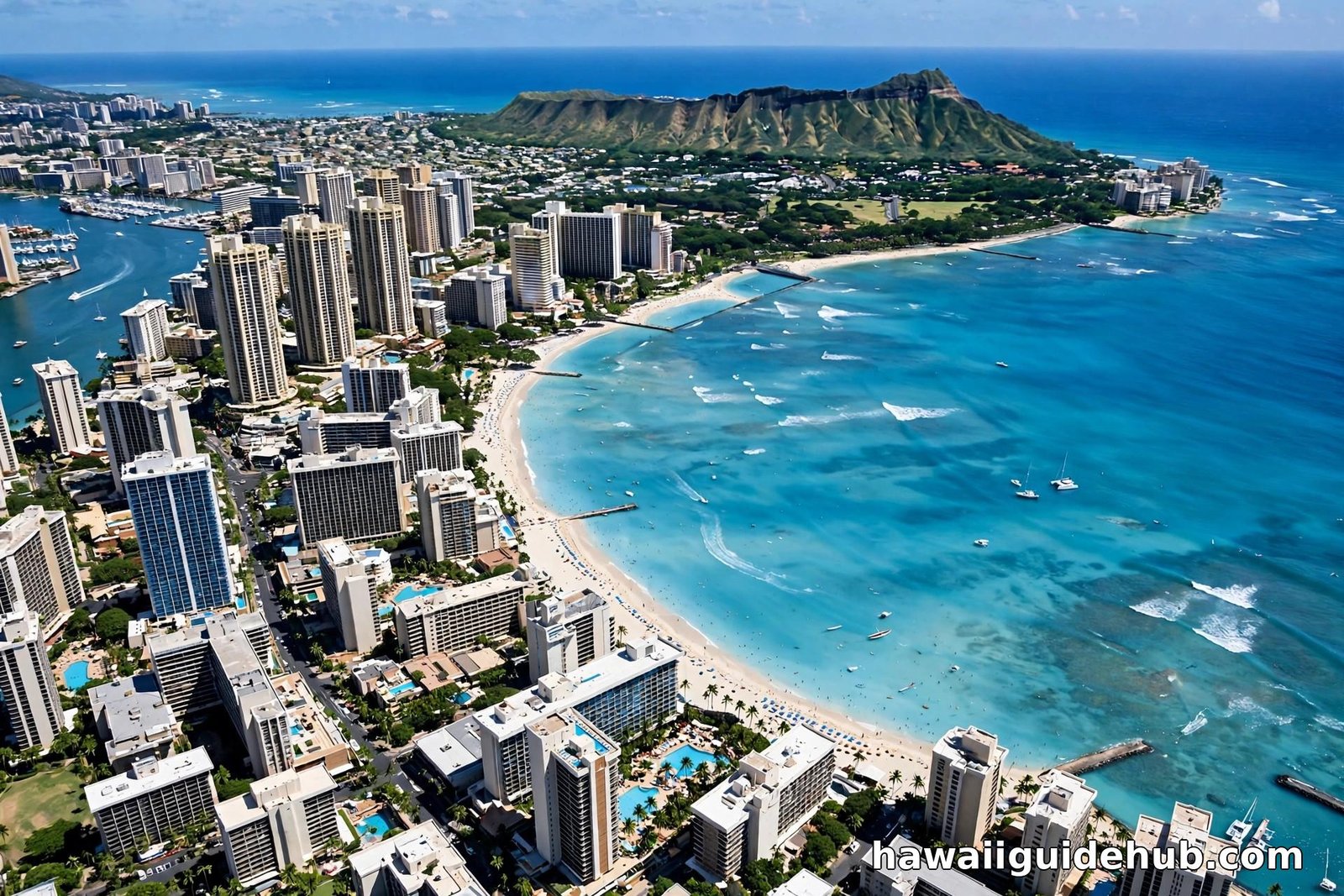
Oʻahu: The Gathering Place
Two-thirds of Hawaiians live on Oʻahu, and for first-timers it is the smartest pick: Waikīkī Beach, Diamond Head, Pearl Harbor, ʻIolani Palace, Hanauma Bay, the North Shore, and Honolulu’s food scene, all on one island. It is the cheapest island to reach and stay on, with the most flight options and hotel competition. The tradeoff: Waikīkī is busy, and the island’s wild corners require driving. But no island packs more Hawaii per day. See what not to miss on Oʻahu.
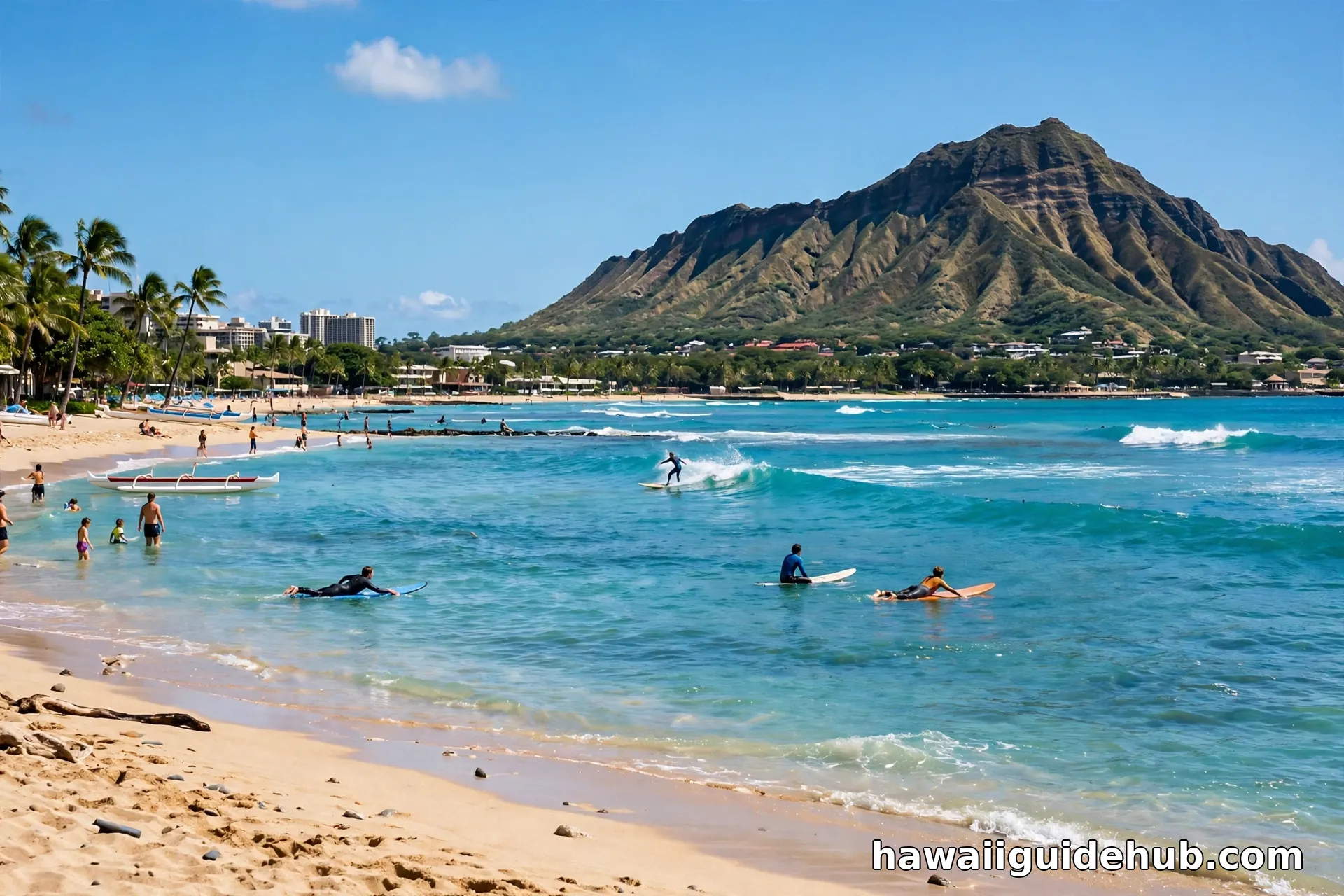
Maui: The Valley Isle
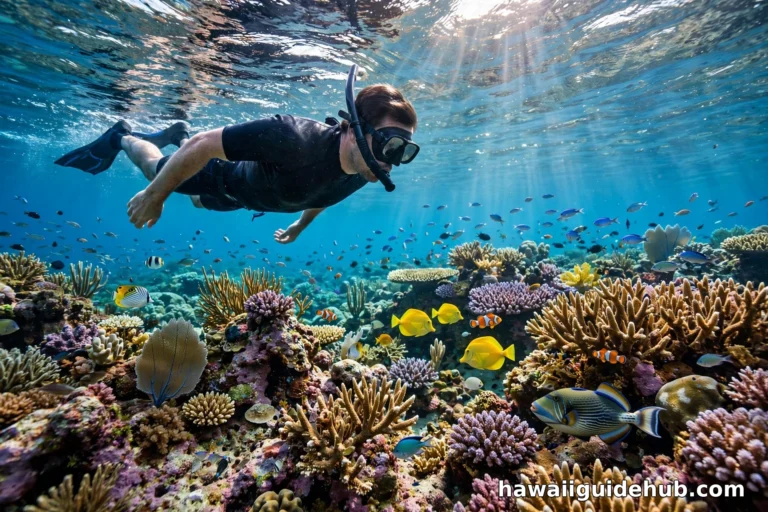
Maui is the classic Hawaii vacation: luxury resorts in Wailea and Kāʻanapali, the Road to Hana, sunrise at Haleakalā, and the best easy-access snorkeling in the state. It is the most popular honeymoon island for good reason. It is also the priciest: hotels, dining, and rental cars all run above the other islands. Note: West Maui continues its recovery, and visitors should stay informed about which areas welcome tourism. Maui rewards travelers who want beauty with comfort.
Kauaʻi: The Garden Isle
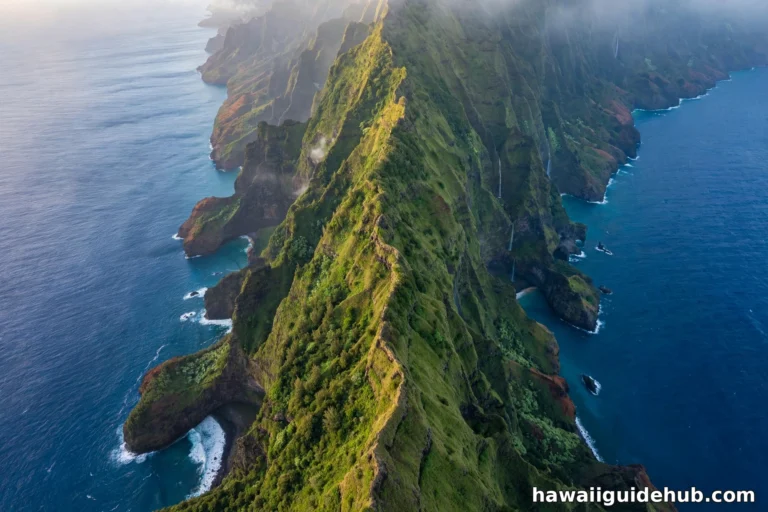
Kauaʻi is the island for people who came for nature: the Nā Pali Coast, Waimea Canyon (“the Grand Canyon of the Pacific”), waterfall hikes, and the wettest, greenest landscapes in the state. It is quieter, slower, rainier, and less built-up: no building taller than a coconut palm, by law. Nightlife is minimal; trailheads are maximal. If your perfect day ends with muddy boots and a waterfall swim, this is your island. See Hanalei Bay and Kauaʻi’s best swimming beaches.
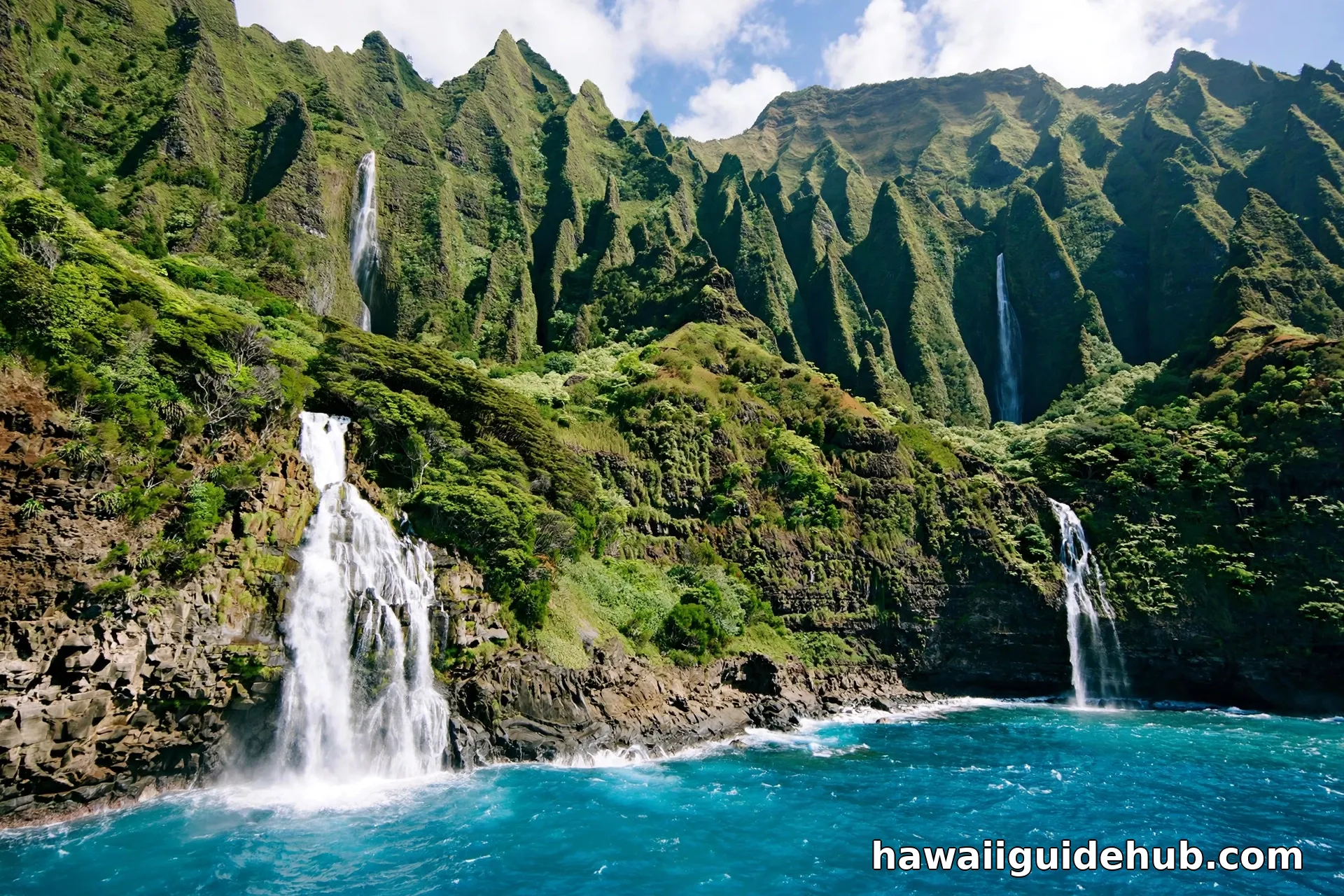
Big Island: Hawaiʻi Island
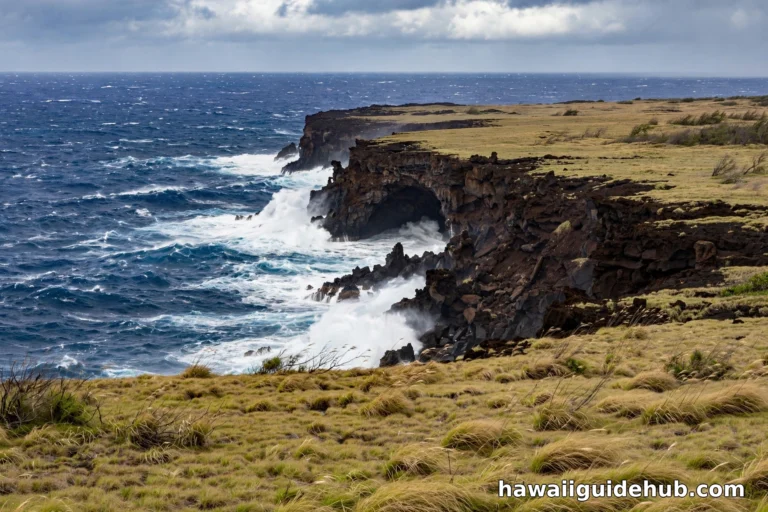
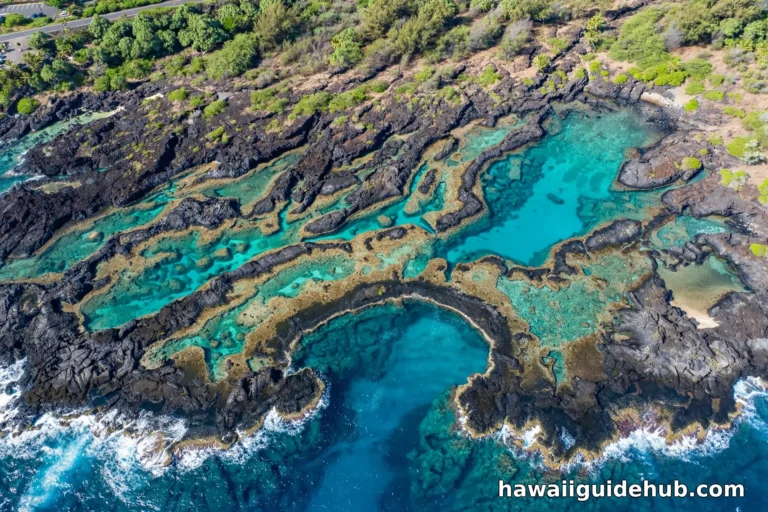
The Big Island is bigger than all the other islands combined, and it behaves like a continent: active volcanoes, black and green sand beaches, snow-capped Mauna Kea, rainforest and desert an hour apart. Hawaiʻi Volcanoes National Park is the headline; manta ray night snorkeling in Kona is the experience people talk about for years. You will drive a lot: the island demands a rental car and rewards road-trippers. See the volcanoes park guide and the best of the Big Island.
Lānaʻi and Molokaʻi: The Specialist Islands
Two smaller islands serve specific travelers. Lānaʻi (the Pineapple Isle) is luxury seclusion: two Four Seasons resorts, empty beaches, and the Garden of the Gods. It is a day trip from Maui or a splurge stay. Molokaʻi is the anti-resort: no traffic lights, no high-rises, the highest sea cliffs in the world, and a culture that asks visitors to tread lightly. Molokaʻi suits travelers who want Hawaii unfiltered; it is not for first-timers seeking convenience. Niʻihau is privately owned and off-limits except for helicopter tours; Kahoʻolawe is uninhabited and reserved for cultural restoration.
Weather by Island: It Matters More Than You Think
Trade winds make Hawaii’s weather hyper-local: each island has wet windward sides and dry leeward sides. Kauaʻi’s north shore can pour while Poʻipū basks. Maui’s Hana side is rainforest; Wailea is desert. The Big Island contains nearly every climate zone on Earth. Winter (November-March) brings bigger surf to north shores and rain to windward coasts; summer is drier and calmer on the south shores. Pick your side of the island by season: in winter, stay leeward (south/west); in summer, anywhere works.
Getting Between Islands
Inter-island flights on Hawaiian Airlines and Southwest take 30-50 minutes and cost $50-150 each way when booked ahead. There are no passenger ferries between the main islands (the Maui-Lānaʻi ferry is the exception). Budget a half day per hop: airport, rental car return and pickup, and check-in eat the middle of the day. For a 7-day trip, hopping costs you two of your seven days: that is why one island wins for a week.
Oʻahu: Where to Base Yourself
Waikīkī: the classic base, walkable, dense with hotels and restaurants, the beach at your door. Best for first-timers who want everything close. Honolulu (Ala Moana/Kakaʻako): more local, great food, slightly cheaper. North Shore (Haleʻiwa): surf-town chill, vacation rentals, winter surf spectacle. Windward side (Kāneʻohe/Kailua): jaw-dropping scenery, calmer beaches, residential quiet. Ko Olina: resort enclave on the west side, lagoons and luxury. Each base gives you a different Oʻahu: pick by vibe, not just by price.
Maui: Regions Explained
West Maui (Kāʻanapali/Lahaina): resort beaches, Whalers Village, the Lahaina recovery zone: check current guidance. South Maui (Wailea/Kīhei): the sunniest coast, luxury in Wailea, condos and food trucks in Kīhei. Upcountry: farms, lavender, cowboy town Makawao, cooler air. East Maui: the Road to Hana, waterfalls, rainforest, tiny Hana town. Haleakalā: the volcano, sunrise reservations, otherworldly crater. Most visitors split between West/South for beaches and day-trip the rest.
Kauaʻi: North vs. South
North Shore (Princeville/Hanalei): the dramatic side, Nā Pali access, lush, rainier, limited dining. East Side (Kapaʻa): the local side, affordable, central. South Shore (Poʻipū): the sunny side, best swimming beaches, resorts. West Side (Waimea): the canyon gateway, rural, quiet. Kauaʻi is small but the single road means the north and south feel like different islands: in winter, favor the south for drier weather.
Big Island: Kona vs. Hilo
Kona (west): sunny, dry, resorts, coffee farms, manta rays, the classic visitor base. Hilo (east): lush, rainy, waterfalls, the volcano park gateway, local and affordable. Waimea: ranch country, cooler, green. Kohala: luxury resorts on lava-flow coastline. The island is huge: Kona to the volcano park is a 2-hour drive each way. Many visitors split the stay: 4 nights Kona, 2 nights Volcano village, to avoid marathon driving days.
Video: Which Hawaiian Island Is Actually Worth Visiting?
An honest walkthrough of Oʻahu, Maui, Kauaʻi, and the Big Island.
Frequently Asked Questions
What island of Hawaii is best to visit?
Oʻahu for first-timers and variety, Maui for resorts and romance, Kauaʻi for nature, the Big Island for adventure.
What are the most beautiful islands in Hawaii?
Kauaʻi wins most beauty contests (Nā Pali, Waimea Canyon), but every island has showstoppers: Haleakalā on Maui, the Kohala coast on the Big Island, windward Oʻahu.
How many islands should I visit in a week?
One. Two islands in seven days means losing two days to airports. Save the second island for ten days or more.
What is the best Hawaii destination for families?
Oʻahu: calm beaches, the zoo and aquarium, Pearl Harbor for older kids, and the most dining and lodging options.
Which Hawaiian island is cheapest to visit?
Oʻahu: most flights, most hotels, public transit, and free attractions keep costs lowest.
Two Weeks? The Perfect Pairings
With 10-14 days, pair islands that contrast. Oʻahu + Kauaʻi: city and sights, then pure nature. Maui + Big Island: resorts and romance, then volcanoes and space. Kauaʻi + Big Island: the nature-lover’s double. Oʻahu + Maui: the greatest-hits tour. Split roughly 60/40, not 50/50: give the first island the extra days while you recover from the flight. Book the inter-island flight for mid-trip, and make it a morning flight to salvage the day.
Common Island-Picking Mistakes
Choosing by hotel deal instead of by island: a cheap room on the wrong island is an expensive mistake. Trying to “do” three islands in ten days: you will remember airports, not beaches. Picking Maui for nightlife (that is Oʻahu) or Oʻahu for seclusion (that is Kauaʻi). Assuming the islands are interchangeable: they are as different as California and Colorado. And skipping the island’s signature experience: leaving Kauaʻi without seeing Nā Pali, or the Big Island without the volcano park, is like visiting Paris and skipping the tower.
Which island is best for snorkeling?
Maui for easy, reliable snorkeling (Molokini, Turtle Town); the Big Island’s Kona coast for the clearest water and manta rays.
Which island is best for hiking?
Kauaʻi, by a wide margin: Nā Pali, Waimea Canyon, and waterfall trails. The Big Island is second for volcanic landscapes.
Can you visit two islands in 5 days?
Technically yes, wisely no. Five days barely covers one island properly; splitting it means two rushed halves.
The 60-Second Decision Guide
Answer these in order. Want the most sights per day? Oʻahu. Want the resort dream? Maui. Want trails and waterfalls? Kauaʻi. Want volcanoes and vastness? Big Island. Traveling with kids? Oʻahu. Honeymoon? Maui. Hikers? Kauaʻi. Photographers? Kauaʻi or Big Island. Foodies? Oʻahu. Surfers? Oʻahu (North Shore winter, Waikīkī year-round). Stargazers? Big Island (Mauna Kea). Whale watchers? Maui (winter). Budget? Oʻahu. Off the beaten path? Molokaʻi. Done: you have your island.
What Each Island Is Known For, in One Line
Oʻahu: the capital island, where city energy meets legendary surf. Maui: the resort island, where the vacation fantasy lives. Kauaʻi: the wild island, where Jurassic Park was filmed for a reason. Big Island: the adventure island, where the earth is still being made. Lānaʻi: the private island, where billionaires hide. Molokaʻi: the real island, where Hawaii keeps its soul. Memorize these and you will never pick wrong.
Accessibility and Mobility Notes
Oʻahu is the most accessible island: TheBus is wheelchair-friendly, Waikīkī is flat, and major attractions accommodate mobility needs. Maui’s resorts are well set up; the Road to Hana is not. Kauaʻi’s trails are rugged; its south-shore beaches are gentler. The Big Island’s volcano park has accessible overlooks and the paved Sulphur Banks trail. If anyone in your party has limited mobility, Oʻahu or resort Maui will be the smoothest experience.
Is Maui or Oʻahu better?
Maui for resort relaxation and romance; Oʻahu for variety, culture, food, and value. First-timers who want to see the most should pick Oʻahu.
Is Kauaʻi worth visiting?
Absolutely, for nature lovers: Nā Pali and Waimea Canyon are unmatched. It is quieter with fewer dining and nightlife options.
Sample 7-Day Plans by Island
Oʻahu week: 2 days Waikīkī and Diamond Head, 1 day Pearl Harbor and downtown Honolulu, 1 day Hanauma Bay and east Oʻahu, 1 day North Shore, 1 day windward side (Kailua, Lanikai), 1 day free. Maui week: 2 days beach resort base, 1 day Road to Hana, 1 day Haleakalā and Upcountry, 1 day snorkel trip, 1 day Lahaina and west side, 1 day free. Kauaʻi week: 2 days Nā Pali (boat or helicopter), 1 day Waimea Canyon, 2 days beaches north and south, 1 day Wailua waterfalls and east side, 1 day free. Big Island week: 2 days Kona and coffee coast, 2 days volcano park, 1 day Hilo waterfalls, 1 day Mauna Kea stargazing, 1 day beach day. Each plan leaves a flex day: Hawaii rewards the unplanned, and the best memories usually come from the day with nothing scheduled: the beach you stumbled on, the food truck you tried on a whim, the sunset you stayed for instead of rushing back to the hotel to pack for yet another inter-island flight you never actually needed to book.
There is no wrong island, only a wrong island for your trip. Match the island to your style, give it a full week, and Hawaii will do the rest.