Things to Do in Hilo, Hawaii: Waterfalls, Gardens & Local Favorites

Hilo is the Big Island’s rainy, green, gloriously local east-side town, and it holds some of Hawaii’s best sights: waterfalls you can see without hiking, a Japanese garden on the bay, a farmers market bursting with tropical fruit, and the gateway to an active volcano. These are the best things to do in Hilo, Hawaii, from the essential waterfalls to the museums, beaches, and day trips that make the east side worth your time.
Rainbow Falls and Boiling Pots
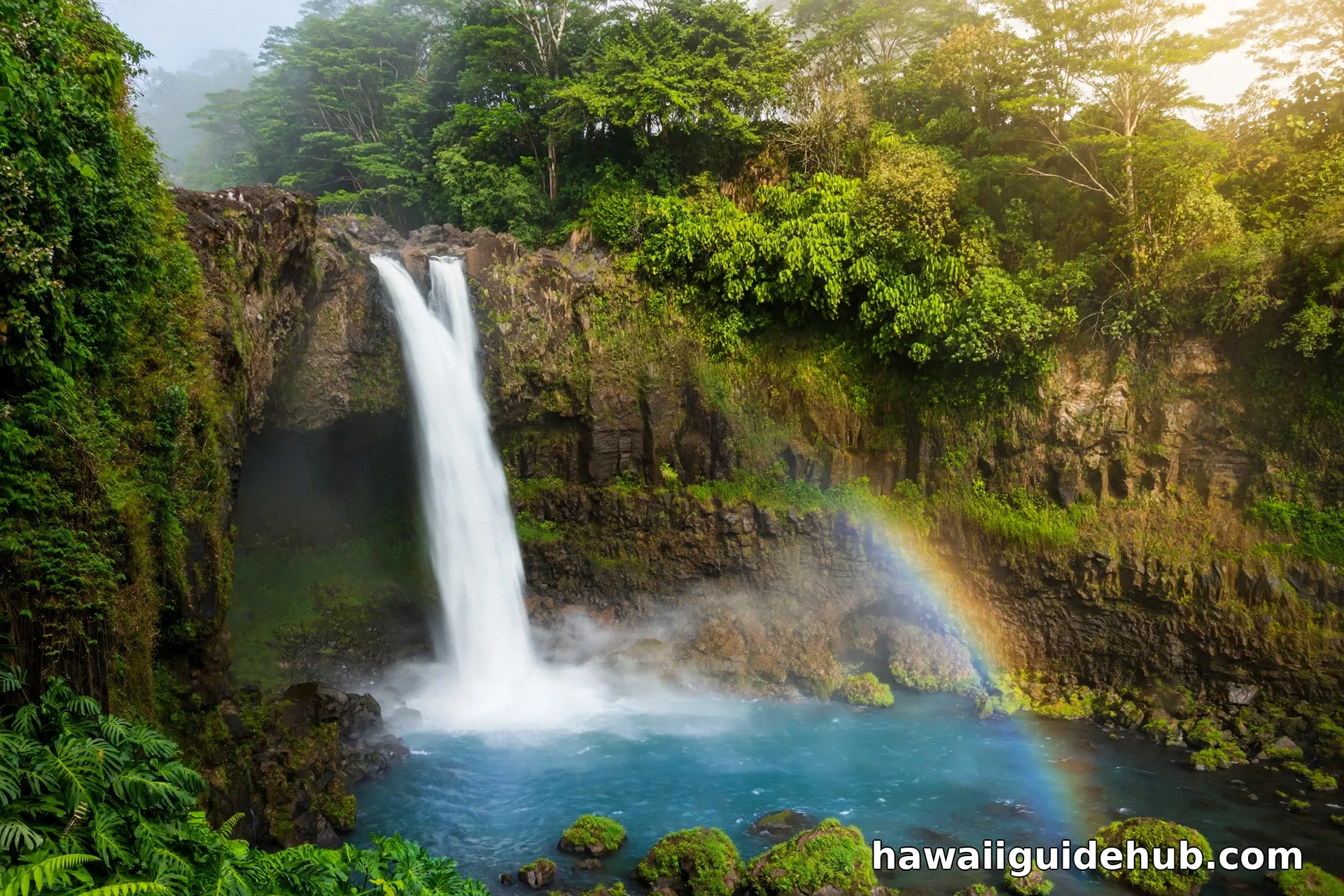
Rainbow Falls is Hilo’s signature sight: an 80-foot waterfall on the Wailuku River, tumbling over a lava cave into a turquoise pool. On sunny mornings around 10 AM, rainbows form in the mist, which is how it got its name. In Hawaiian it is Waiānuenue, and the cave behind the falls is the mythological home of Hina, goddess of the moon. The lookout is steps from the parking lot at Wailuku River State Park, wheelchair accessible, and free. Continue up the road to the Boiling Pots, a series of bubbling basalt pools where the river churns through lava rock. Go early: parking fills by mid-morning.
Akaka Falls State Park
Eleven miles north of Hilo, Akaka Falls plunges 442 feet through rainforest, one of the tallest and most beautiful waterfalls in Hawaii. The paved 0.4-mile loop walk passes bamboo groves and the smaller Kahuna Falls overlook; it takes 30 minutes and suits all fitness levels. Non-residents pay a small entry and parking fee (check the DLNR site for current rates). Combine it with the Hawaii Tropical Bioreserve Garden in nearby Papaikou, a stunning boardwalk garden on a cliff above the ocean, for a perfect Hamakua coast half day.
Liliuokalani Gardens
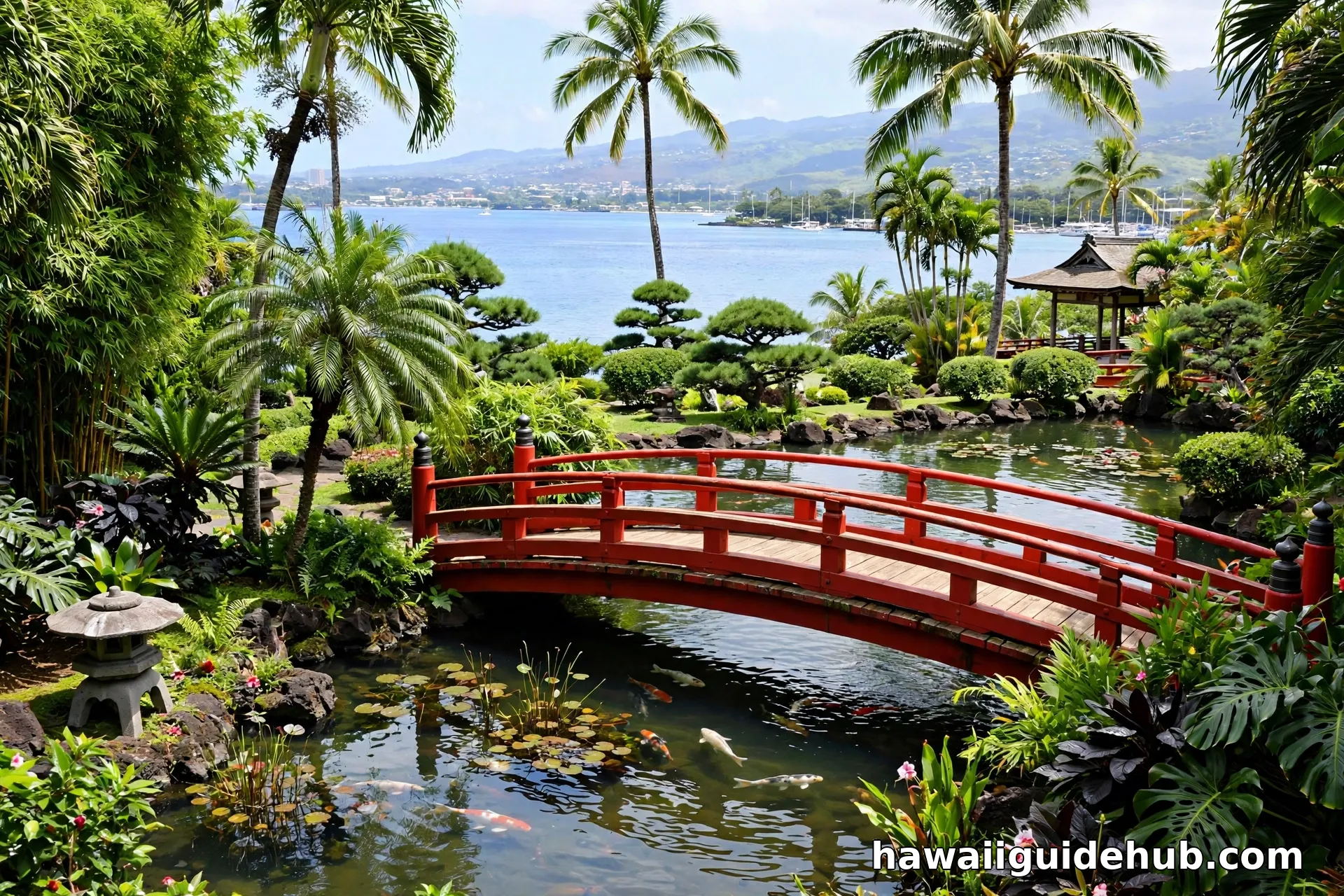
This 25-acre Japanese garden on Hilo Bay is named for Queen Liliʻuokalani, Hawaii’s last reigning monarch, and was dedicated to Hilo’s Japanese sister cities. Red bridges arch over koi ponds, stone lanterns dot manicured lawns, and the views across the bay to Mauna Kea are lovely. It is free, flat, and perfect for a morning stroll or picnic. Coconut Island (Moku Ola), just offshore, is a popular local swimming spot reached by a footbridge.
Hilo Farmers Market and Downtown
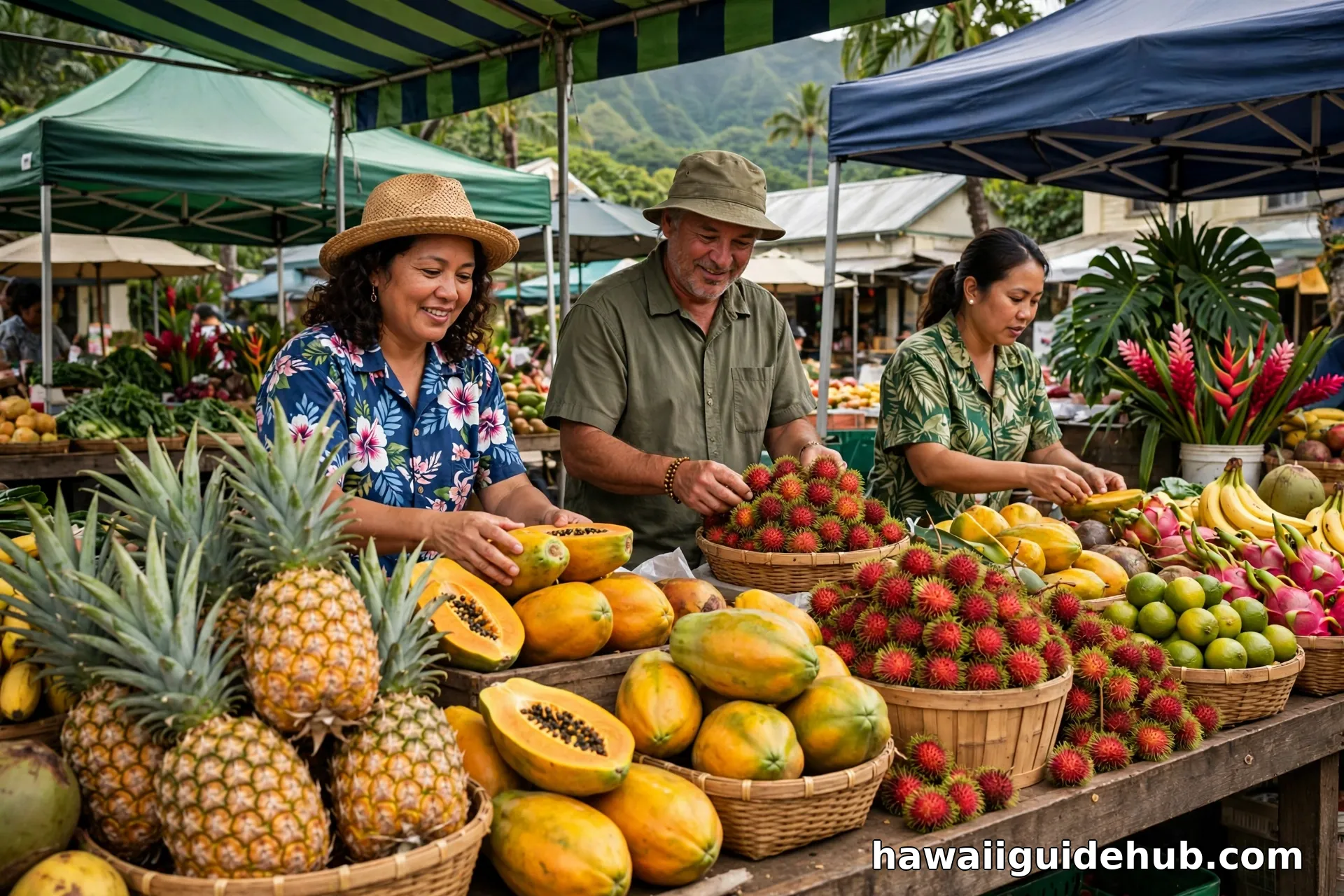
The Hilo Farmers Market, at Kamehameha Avenue and Mamo Street, is open daily and is the island’s best produce show: rambutan, white pineapple, apple bananas, lilikoi, and flowers at local prices. Wednesday and Saturday are the big market days with the most vendors. Around it, downtown Hilo’s historic storefronts hold local shops, the Pacific Tsunami Museum (130 Kamehameha Ave), which tells the story of the devastating 1946 and 1960 tsunamis through survivor accounts, and the Mokupāpapa Discovery Center, a free NOAA exhibit on the Northwestern Hawaiian Islands. The Lyman Museum (276 Haili St) covers natural and cultural history of the island.
Hilo’s Tsunami History
Hilo’s bayfront shape makes it vulnerable to tsunamis, and the town has been hit hard twice: on April 1, 1946, when a tsunami killed 159 people in Hilo, and on May 23, 1960, when a wave from the Chilean earthquake destroyed the downtown waterfront. The Pacific Tsunami Museum, in a former bank building on Kamehameha Avenue, tells the story through survivor accounts, photographs, and science exhibits. It is one of the most moving small museums in Hawaii and explains why the bayfront looks the way it does today: much of the rebuilt waterfront is parkland, deliberately kept clear of buildings.
Banyan Drive and Coconut Island
Banyan Drive, the waterfront road fronting Hilo’s hotels, is lined with massive banyan trees planted by celebrities in the 1930s, each with a plaque naming its planter: Babe Ruth, Amelia Earhart, Cecil B. DeMille. Just offshore, Coconut Island (Moku Ola) is connected by a footbridge and is a favorite local swimming and picnic spot with calm, shallow water. Together they make a pleasant waterfront walk, especially at sunset.
Merrie Monarch: Hula’s Biggest Week
Every year in the week after Easter, Hilo hosts the Merrie Monarch Festival, the world’s premier hula competition, named for King David Kalākaua, the “Merrie Monarch” who revived hula in the late 1800s. Top hālau (hula schools) from Hawaii, the mainland, and Japan compete over three nights, and the whole town fills with craft fairs, parades, and performances. Tickets sell out far in advance and hotels book up; if you want to attend, plan a year ahead. Even without tickets, festival week is the liveliest time to be in Hilo.
Stargazing: ‘Imiloa and Mauna Kea
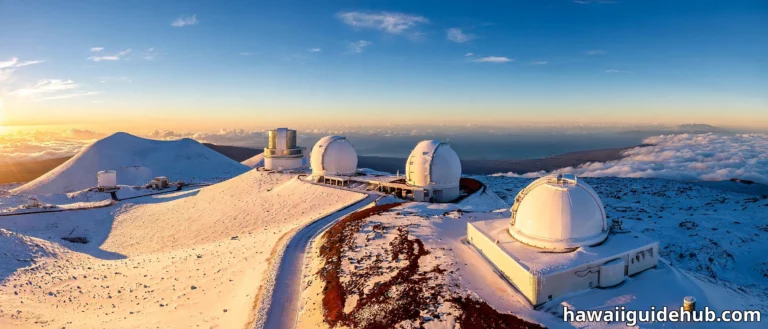
Hilo is the gateway to the world’s best stargazing. The ʻImiloa Astronomy Center, on the University of Hawaii at Hilo campus, pairs a planetarium with exhibits weaving Hawaiian culture and astronomy together; it is the right rainy-day or pre-summit stop. From Hilo, Saddle Road climbs to the Mauna Kea Visitor Information Station at 9,200 feet, then to the 13,803-foot summit, home to world-class observatories. Go for sunset, stay for the stars, bring warm layers: the summit is below freezing after dark.
Getting Around Hilo
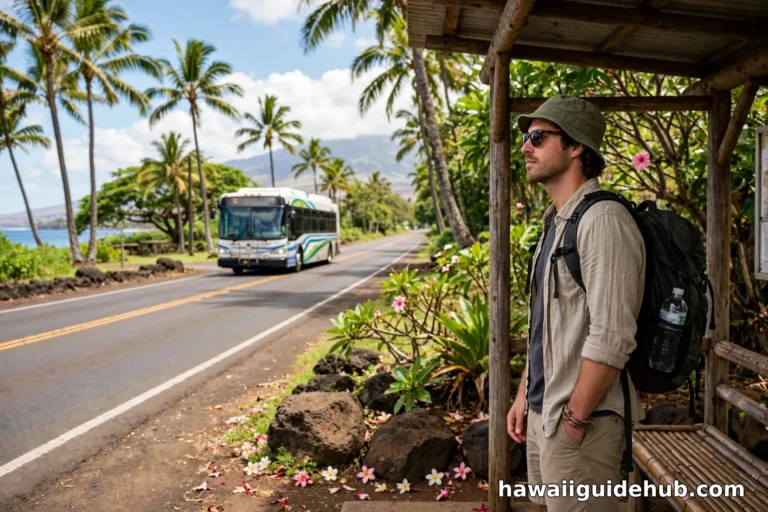
Downtown Hilo is walkable, and Rainbow Falls, Liliuokalani Gardens, and the bayfront are a short drive or long walk from the center. But the essential sights spread out: Akaka Falls is 11 miles north, the volcano park 45 minutes south, Mauna Kea 90 minutes up. You need a rental car to do Hilo properly. Hele-On Bus covers the island thinly; it works for the patient but not for a packed itinerary.
Which Hilo Sights Survive the Rain
Hilo is one of the rainiest towns in America, and showers can arrive any day. The good news: most of the best sights work fine in rain. The honest breakdown:
| Attraction | Good in rain? | Why |
| Rainbow Falls | Yes, even better | More water over the falls; rainbows need sun breaks, so go between showers |
| Akaka Falls loop | Yes | Rainforest walk; the falls are at full power. Bring a rain jacket |
| Liliuokalani Gardens | Fair | Lovely in light rain; miserable in a downpour. Flexible timing helps |
| Farmers Market | Yes | Covered stalls; rain doesn’t stop the vendors or the crowds |
| Pacific Tsunami Museum | Perfect | Fully indoors; the ideal heavy-rain refuge downtown |
| ‘Imiloa Astronomy Center | Perfect | Indoor planetarium and exhibits; save Mauna Kea for clear nights |
| Richardson Beach | No | Swimming and snorkeling need calm, clear conditions; skip on wet days |
| Volcanoes National Park | Yes, with care | 45 minutes away; rain is normal there. Steam vents and lava tube are fine wet |
Beaches Near Hilo
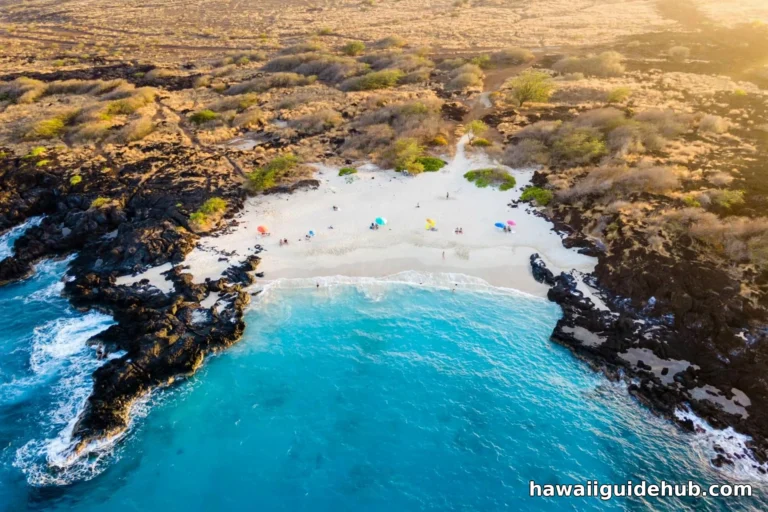
Hilo is not a beach town, but the nearby coast has gems. Richardson Ocean Park, a few miles east, is the best swimming and snorkeling near town, with black sand, tide pools, and frequent turtle sightings; go in the morning when the water is calmest. Carlsmith Beach Park (Four Mile) has calm, clear lagoons protected by a reef, good for kids. Honoliʻi Beach Park is the local surf spot, best watched rather than attempted by beginners. None match Kona’s beaches for sun, but on a calm day Richardson is genuinely lovely, and the turtles make it special.
Day Trips From Hilo
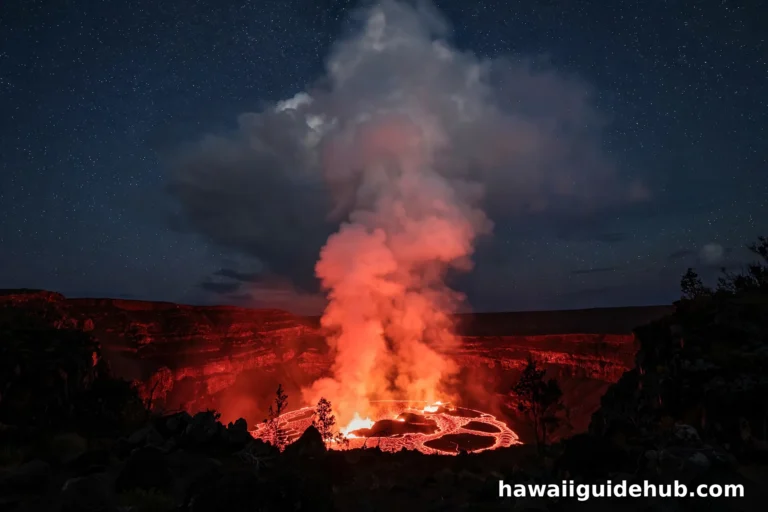
Hawaiʻi Volcanoes National Park is 45 minutes southwest: Kīlauea, steam vents, the Thurston lava tube, and the Chain of Craters Road. See the best things to do in the park. Mauna Kea’s summit and the visitor information station are about 90 minutes up Saddle Road; go for sunset and stargazing. The Hamakua coast north of town strings together Akaka Falls, the botanical garden, and the old sugar town of Honokaʻa. Panaewa Rainforest Zoo, 10 minutes south, is a free zoo in the rainforest. Kaumana Caves, a lava tube in Hilo itself, is a quick free adventure with a flashlight.
Where to Eat in Hilo
Eat local in Hilo. The farmers market food vendors, the plate lunch counters downtown, Hilo Bay Cafe for waterfront dinner, and Big Island Candies for shortbread cookies to take home. For the full island picture, see the best things to do on the Big Island and things to do in Kona, plus the manta ray night snorkel if you cross to the west side.
Kaumana Caves: A Lava Tube in Town
Ten minutes uphill from downtown, Kaumana Caves is a 25-mile-long lava tube formed by an 1881 flow from Mauna Loa, and you can walk into it for free. A short staircase drops you into the dark; bring a flashlight (your phone works) and sturdy shoes, because the floor is uneven lava. The accessible portion is a few hundred yards, dripping and cool, and it is one of the easiest lava tubes in Hawaii to visit. Go in the morning for the best light at the entrance.
The Wailuku River: Hilo’s Wild Heart
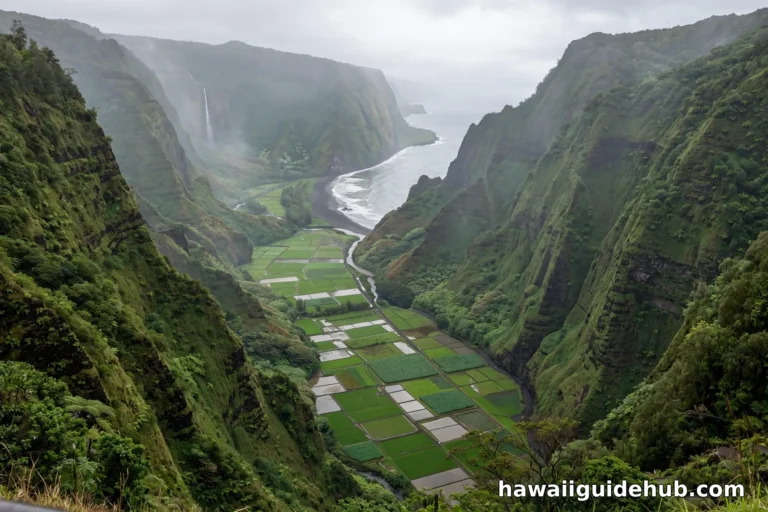
The Wailuku is Hawaii’s longest river, and it runs right through Hilo, which is why the town has waterfalls in the first place. Rainbow Falls and Boiling Pots are both on it, and after heavy rain it turns into a raging brown torrent that reminds you why Hawaiians respected it. Never swim in the river above the falls or in the Boiling Pots; currents and flash floods kill. Admire it from the lookouts.
Hilo’s Food Scene Beyond the Market
Hilo eats well and cheaply. Beyond the farmers market, try the old-school diners and okazuya (Japanese delis) downtown, the poke counters, and Hilo Homemade Ice Cream for tropical flavors. The east side grows cacao and coffee in small quantities; a few farm tours run in the Hamakua area. This is not a fine-dining town, and that is the point: Hilo is where you eat what locals eat.
Video: 15 Best Things to Do in Hilo, Hawaii
A visual tour of Hilo’s top sights, from waterfalls to the farmers market.
Frequently Asked Questions About Things to Do in Hilo
What is Hilo Hawaii known for?
Waterfalls (Rainbow Falls, Akaka Falls), rain, the Hilo Farmers Market, Liliuokalani Gardens, and its role as the gateway to Hawaiʻi Volcanoes National Park.
How many days do you need in Hilo?
Two full days covers the town sights; three lets you add the volcano park and the Hamakua coast without rushing.
Is Hilo worth visiting vs Kona?
They are complements, not competitors. Kona has the sun and beaches; Hilo has the waterfalls, gardens, local culture, and volcano access. A split stay shows you the whole island.
What is there to do in Hilo when it rains?
Plenty: the waterfalls are better in rain, the farmers market is covered, and the Tsunami Museum, Lyman Museum, and ʻImiloa Astronomy Center are all indoors.
Are the waterfalls near Hilo free?
Rainbow Falls and Boiling Pots are free. Akaka Falls State Park charges non-residents a small entry and parking fee; check the DLNR site for current rates.
Can you swim at Rainbow Falls?
No. Swimming is prohibited at Rainbow Falls and the Boiling Pots; the currents and flash flood risk are real. Swim instead at Richardson Ocean Park or Carlsmith Beach.
What is the Merrie Monarch Festival?
The world’s premier hula competition, held in Hilo every year in the week after Easter. Top hula schools compete over three nights; tickets sell out far in advance.
Is one day enough for Hilo?
One full day covers Rainbow Falls, the gardens, downtown, and the market. But Hilo deserves two: the second day is for Akaka Falls, the Hamakua coast, or the volcano park, and rushing those misses the point of the east side entirely.
Hilo rewards the traveler who looks past the rain clouds. Waterfalls without hiking, gardens on the bay, the island’s best market, museums with real stories, and a volcano 45 minutes away. Give the east side two days and it will give you the greenest, most local-feeling part of your Big Island trip. Rain and all, Hilo is the side of the island you will remember longest: the waterfalls, the market mornings, the smell of rain on warm pavement, and a town that feels like the truest version of Hawaii itself, rain and all.