Big Island Hawaii Without a Car: The Car-Free Guide

Let us be honest first: the Big Island is the hardest Hawaiian island to visit without a car. It is roughly 4,000 square miles of volcanoes, valleys, and coastline, and the public bus runs only a few times a day on most routes. A rental car is the normal way to see it. But hard is not impossible. With the right base, the free Hele-On bus, rideshares, and a realistic plan, you can have a genuinely good car-free trip, especially if you love walking and slow travel.
This is the single complete guide to the Big Island without a car. It explains exactly what the free bus does and does not do, how to use rideshares and taxis smartly, which base makes car-free life easiest, what you can genuinely see, and what you will have to skip. If you have searched for anything about big island hawaii without a car, getting around the Big Island by bus, or a car-free Hawaiʻi Island itinerary, the answers are all here on this one page. For the full activity picture, see our guide to the best things to do on the Big Island of Hawaii.
Big Island Without a Car at a Glance
| It works | It doesn’t |
|---|---|
| Hard but doable with planning | The toughest car-free island in Hawaii |
| The Hele-On Bus: free and island-wide | Only a few departures daily; miss the last bus and you’re stranded |
| Kailua-Kona village as base: walkable Aliʻi Drive waterfront, beaches, restaurants | Remote areas have little to no rideshare; Uber and Lyft stick to Kona and Hilo |
| Hilo as second base: walkable downtown, farmers market, bus hub for volcano trips | Mauna Kea, the Waipiʻo Valley floor, the green sand beach, and remote coasts stay out of reach |
| The classic day trip: Hele-On Blue Line Kona to Hilo, then Red Line to the volcano | The bus is free, but rideshares and tours add up fast |
| Taxi, rideshare, or shuttle from Kona airport to the village | Plan the return trip first; that is the golden rule |
The Honest Truth About Car-Free Travel Here
Most Big Island travel advice assumes a car, because most visitors rent one. The island’s sights are spread across hours of driving: the volcano park is 96 miles from Kona, Hāpuna Beach is 30 minutes north, and the Hamakua coast waterfalls are an hour east of Hilo. Public transit was designed for residents commuting to work and school, not for tourists hopping between beaches. Accepting this upfront is what makes a car-free trip work: you will see less of the island, but you will experience your corner of it deeply.
The winning formula has three parts. First, base yourself somewhere walkable so that ordinary days need no transport at all. Second, use the free bus for one or two planned long day trips. Third, fill the gaps with rideshares, taxis, and tours that include pickup. Travelers who try to bus their way across the whole island usually end up frustrated; travelers who pick a walkable home and venture out deliberately tend to love it.
Base Yourself in Kailua-Kona Village
Kailua-Kona is the only base where a car-free trip feels natural. The village core along Aliʻi Drive packs beaches, restaurants, shops, historic sites like Huliheʻe Palace and Mokuaikaua Church, and the Kailua Pier into a flat, walkable strip. Kamakahonu Beach sits right in the village for a morning swim, Magic Sands Beach is a pleasant shoreline walk south, and the evening stroll along the seawall at sunset is one of the island’s great free pleasures.

Stay within walking distance of Aliʻi Drive, ideally between the pier and the Royal Kona Resort area, and you will have days where you never think about transport. Hilo is the second option: a genuinely walkable downtown with the farmers market, museums, and bayfront parks, plus it is the island’s bus hub. Some car-free travelers split their stay, a few nights in each town, using the Blue Line bus to move between them.
The Free Hele-On Bus: What It Really Does
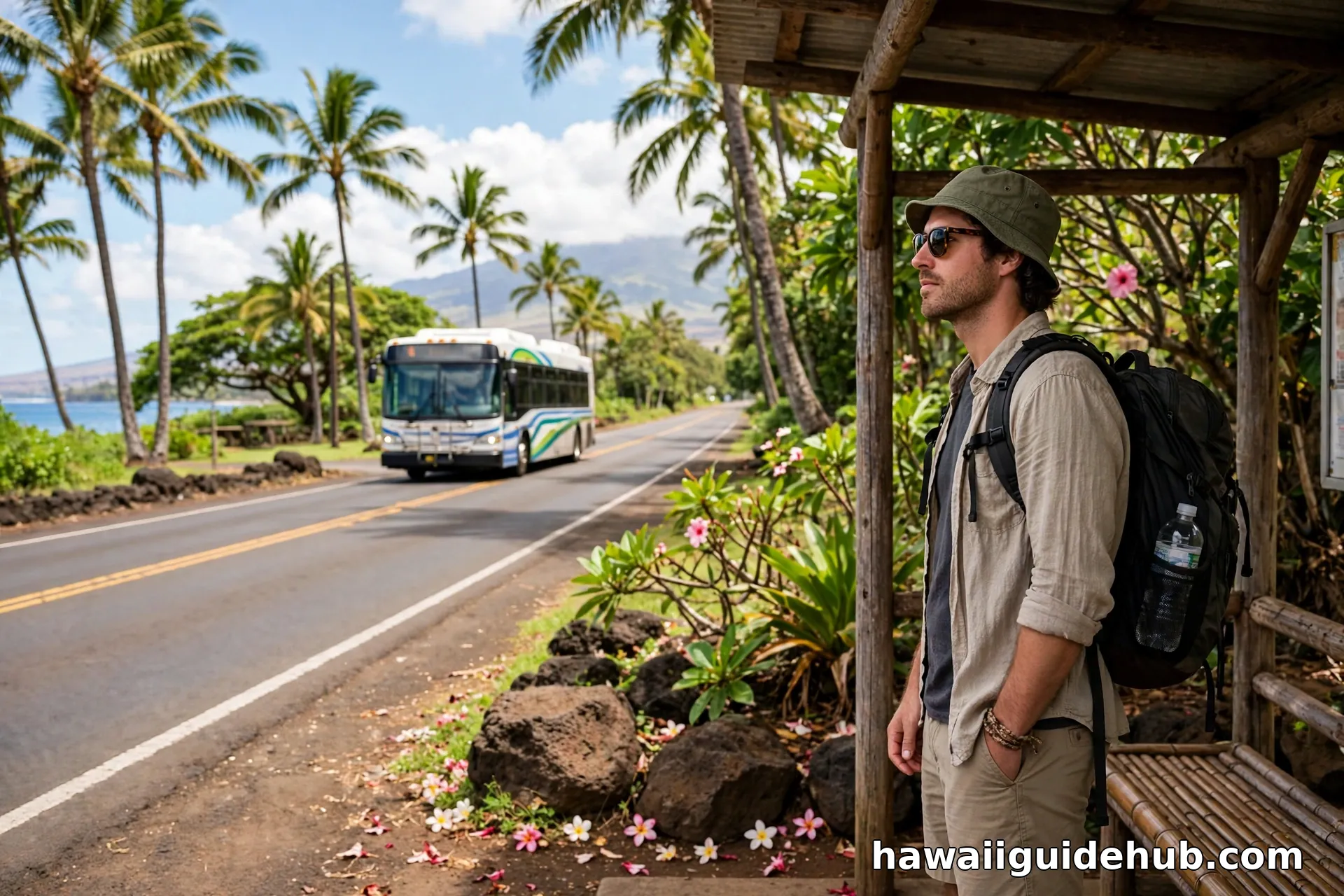
The Hele-On Bus is the county public transit system, and it is free to ride. That is the good news. The catch is frequency: most routes run only a handful of times per day. The two routes that matter for visitors are Route 2, the Blue Line between Kona and Hilo, and Route 11, the Red Line between Hilo and Hawaiʻi Volcanoes National Park. Route 201, the Kona Trolley, loops around Kailua-Kona. Buses allow flag stops along the route, meaning you can wave one down where it is safe to stop.
Here is a sample of the Blue Line’s weekday afternoon run from Kona toward Hilo, to show the rhythm of the system:
The golden rule: plan your return trip before you leave. Check the current timetable at the official Hele-On website the night before, screenshot it, and be at the stop early. Missing the last bus back from Hilo or the volcano means an expensive taxi or a stranded night. Bus schedules change, so never rely on a timetable you saw months ago.
Rideshares, Taxis, and Shuttles
Uber and Lyft both operate on the Big Island, with designated pickup areas at Kona and Hilo airports. Around Kailua-Kona and Hilo town, waits are usually short and fares are reasonable for short hops. In remote areas, between towns, or late at night, availability thins out and long rides get expensive fast. A cross-island ride can cost as much as a full day of car rental, so use rideshares for short gaps, not as your main transport.
Taxis wait at both airports and serve the resort areas reliably; they cost more than rideshare but you do not depend on app availability. Airport shuttles run shared and private transfers between Kona airport and the village and resort areas, and some larger hotels run shopping shuttles to nearby centers. For sightseeing, group day tours that depart from Kona hotels solve the transport problem entirely: the tour bus is your car for the day. This is the easiest way for a car-free traveler to see the volcano park from the Kona side.

What You Can Genuinely Do Car-Free
More than you might think. In Kailua-Kona village: swim and snorkel at the village beaches, walk the historic sites, browse the shops, eat your way along Aliʻi Drive, and join the manta ray night snorkel, which departs from the Kona coast and is the island’s most magical evening. A rideshare reaches Kahaluʻu Beach Park, the island’s best beginner snorkeling, in about 15 minutes, and the Holualoa coffee country above Kona is a short ride uphill for farm tastings.
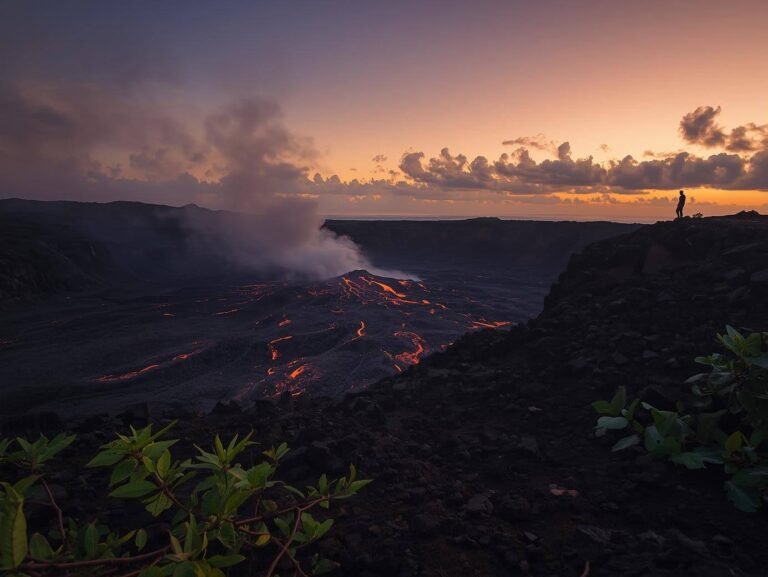
The classic car-free expedition is the volcano run: Blue Line from Kona to Hilo, Red Line from Hilo to Hawaiʻi Volcanoes National Park, then reverse in the afternoon. It is a long day with tight connections, so it suits travelers who enjoy the journey as part of the adventure. Our guide to the best things to do in Hawaiʻi Volcanoes National Park helps you prioritize if you only get a few hours. Alternatively, a Hilo day via the Blue Line gives you the farmers market, Rainbow Falls by rideshare, and the bayfront, an easy and rewarding trip.
What You Will Have to Skip
Honesty again: some of the island’s best experiences are out of reach without a car. Mauna Kea has no public transit and the summit road requires 4WD; organized stargazing tours with transport are the only car-free option. The Waipiʻo Valley floor requires 4WD. Papakōlea Green Sand Beach, Hāpuna Beach, and the remote Kaʻū and North Kohala coasts have no bus service. A full circle-island drive is a car-only experience. Knowing this in advance prevents disappointment; none of it diminishes what you can see.
A Sample 4-Day Car-Free Itinerary
Day 1: Village day. Arrive at Kona airport, rideshare or shuttle to your Aliʻi Drive stay. Swim at Kamakahonu Beach, walk the historic sites, sunset on the seawall, dinner in the village.
Day 2: Ocean day. Morning rideshare to Kahaluʻu Beach Park for snorkeling, lunch back in the village, afternoon rest, and the manta ray night snorkel in the evening.
Day 3: Volcano expedition. Early Blue Line to Hilo, Red Line to the national park, a few hours of overlooks and the visitor center, then the reverse journey. Pack food and patience.
Day 4: Coffee and calm. Rideshare up to Holualoa for coffee farm tastings, lunch with a view, a final village beach afternoon, and departure.
What Car-Free Travel Really Costs
Going without a rental car saves real money, but the savings are smaller than they look. A week of car rental plus gas and parking can easily run several hundred dollars, and the Hele-On bus is free, so the bus days cost you nothing. The money goes instead to rideshares and tours. Short Uber and Lyft hops around Kona are affordable, but a handful of longer rides plus one or two group day tours can add up to half of what a rental car would have cost.
The math works best for slow travelers. If your days are village walks, beach mornings, and one big bus expedition, you will spend far less than a driver. If you want to see something new every day across long distances, the rideshare bills will erase the savings, and renting a car for just two or three days of the trip, if your plans allow it, is the honest middle ground. Many car-free travelers also save by staying in one place: no driving means no reason to pay for a resort far from the village.
Car-free packing tip: travel light and self-sufficient. A daypack with water, snacks, sun protection, and a portable phone charger turns long bus days from ordeals into adventures. Download the Hele-On schedules and an offline map before you leave your hotel wifi, because cell coverage fades in the island’s interior. And keep small bills and coins handy even though the bus is free, because you will want shave ice money at every stop.
Video: Walking Kailua-Kona
Watch a walking tour through Kailua-Kona, from the pier along Aliʻi Drive to Huliheʻe Palace, the exact ground you will cover car-free.
Frequently Asked Questions
Can you do the Big Island without a car?
Yes, but with limits. Base in walkable Kailua-Kona village, use the free Hele-On bus for one or two planned day trips, and fill gaps with rideshares and tours. You will miss remote sights like Mauna Kea and the green sand beach, but you can still have a full, enjoyable trip.
Is the Hele-On Bus really free?
Yes. Hawaii County made the Hele-On Bus free to ride. Routes cover the whole island, but most run only a few times daily, so check the current official timetable before planning around it.
Does the bus go to Hawaiʻi Volcanoes National Park?
Yes, Route 11 (Red Line) runs between Hilo and the national park. From the Kona side, take Route 2 (Blue Line) to Hilo first and transfer. It makes for a long day, so verify both directions of the schedule before you go.
Are Uber and Lyft available on the Big Island?
Yes, both operate around Kona and Hilo with designated airport pickup areas. Availability gets thin in remote areas and late at night, and long cross-island rides are expensive. Use them for short hops.
Where should I stay without a car?
Kailua-Kona village, within walking distance of Aliʻi Drive, is the best car-free base. Hilo’s walkable downtown is the second choice and the island’s bus hub. Our guide to the cheapest time of year to visit Hawaii can help you time the trip for lower prices.
Can I get from Kona airport to Kailua-Kona without a car?
Yes. The airport is about 15 minutes from the village. Taxis wait outside baggage claim, Uber and Lyft have a designated pickup area, and shared shuttles run to the village and resort areas. The Hele-On Blue Line also stops at the airport on some runs. Book nothing in advance unless you arrive late at night.
Visiting the Big Island without a car means trading the whole island for a deep slice of it. Walk the village, ride the free bus like a local, take one big expedition, and let the island set the pace. You might be surprised how little you miss the driver’s seat.