Dolphin Tours in Oahu: Tour Types, Typical Inclusions and How to Choose Responsibly

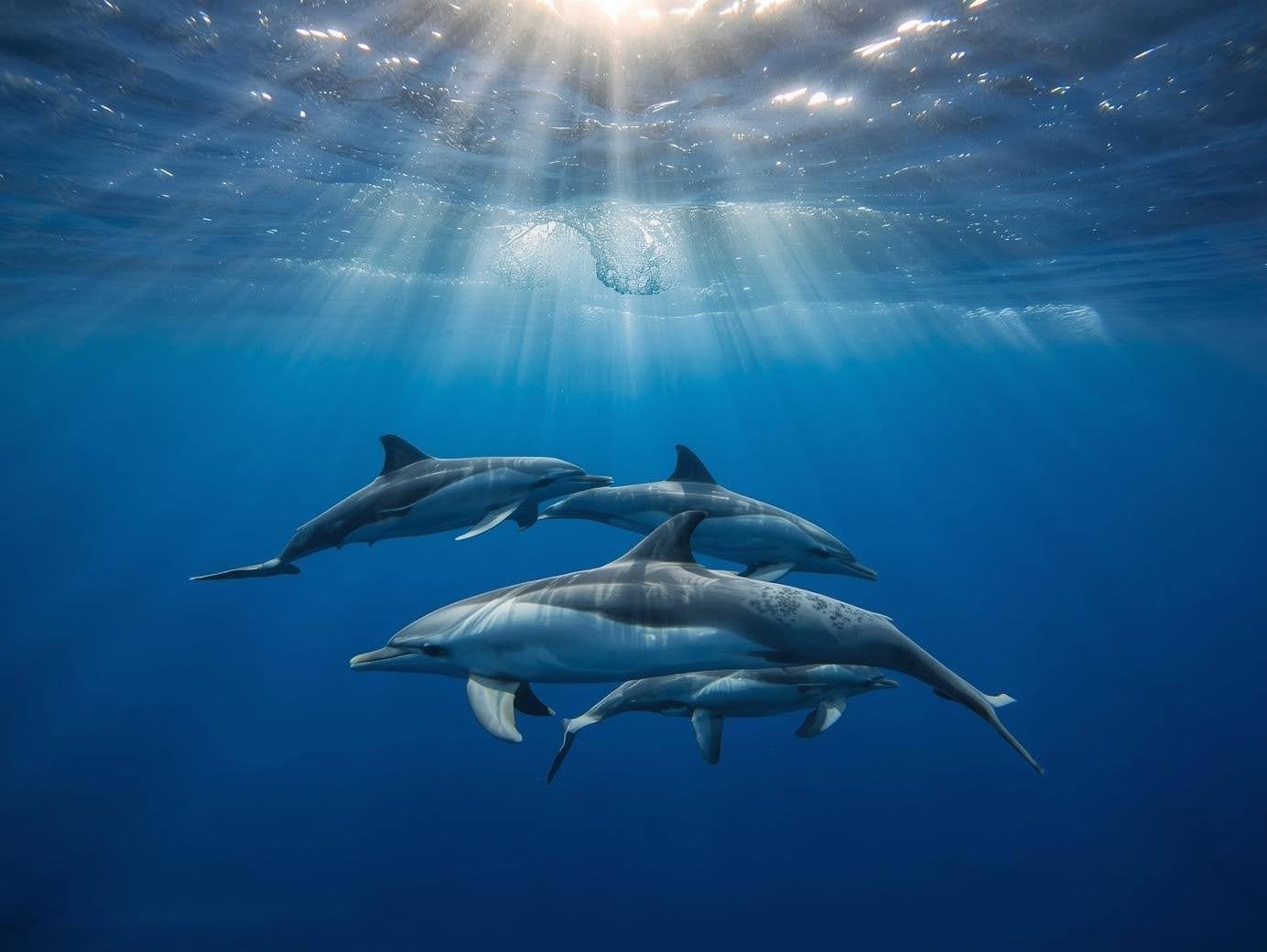
Oahu’s clear waters and calm leeward coast make it one of the most popular places in Hawaii to see dolphins. Watching a pod of spinner dolphins leap and spin beside a boat is unforgettable — and learning how dolphins behave can help you set realistic expectations for any wildlife trip.
This article explains the commercial dolphin tour landscape in Oahu: the main types of tours operators sell, what each typically includes, and how to compare them responsibly. It describes tour products — it is not a guide to finding or approaching wild dolphins on your own. For the rules of responsible wild-dolphin viewing, see our guide on what to expect and how to prepare before swimming with dolphins in Oahu.
How to Understand Dolphin Encounters in Oahu
It’s important to know what “swimming with dolphins” means in Hawaii before comparing tours. The islands are home to several dolphin species, but the most commonly seen is the spinner dolphin. These animals are wild, and federal rules protect them: you must stay at least 50 yards away from spinner dolphins to avoid disturbing them.
Responsible operators follow “Dolphin SMART” principles of wildlife viewing: look, but don’t touch, feed, or chase. The point is to observe the animals in their natural habitat without disturbing them. These rules exist because boat traffic and in-water encounters can disrupt dolphins’ rest and feeding — a subject explored in our article on research into the environmental impact of dolphin swimming tours.
What to Look for in a Dolphin Tour
Comparing dolphin tours is easier when you know what to ask. Consider the following:
- Reputation of the tour operator: Look for companies with strong reviews that emphasize safety, knowledgeable guides, and respect for marine life. A good guide can explain dolphin behavior, Hawaiian culture, and the local ecosystem.
- Location and sighting success: Most tours depart from the Waianae Coast on Oahu’s west side, where calm water and resident spinner dolphin pods make sightings common. Keep in mind that no operator can guarantee a wild sighting — check what the company offers if dolphins aren’t found.
- Boat size and capacity: Do you prefer the intimacy of a small raft or the comfort and stability of a larger catamaran? Smaller groups often mean more personal attention from the crew.
- Additional activities: Many tours bundle more than the dolphin portion — reef snorkeling, kayaking, paddleboarding, or water slides are common add-ons. If you hope to see turtles, check whether the itinerary includes a known turtle resting area.
- What’s included: Check whether snacks, lunch, and snorkel gear are provided, and whether transportation from Waikiki is available. These extras affect the overall value — and because prices change over time, confirm current pricing directly with the operator before booking.
Five Common Dolphin Tour Types in Oahu
The tours below represent five formats commonly sold in Oahu. Each is described by what it typically involves, so you can compare them on substance rather than marketing claims.
1. Catamaran Cruise With Water Activities
Good for: Families and groups who want a full day on the water with plenty of activities.
These trips run on large, stable, two-level catamarans set up for a full day out. The day typically starts with a search for spinner dolphins along the Waianae Coast, with the high decks offering a good vantage point for spotting pods. Once dolphins are found, guests can enter the water and watch from a respectful distance.
After the dolphin portion, the boat usually anchors at a snorkeling spot, and the rest of the day centers on water activities: water slides and dive platforms are common, along with kayaks and stand-up paddleboards. Hawaiian green sea turtles also frequent many of these snorkel sites.
What makes it distinctive:
- All-in-one format: Dolphin viewing, reef snorkeling, kayaking, paddleboarding, and water slides are often bundled into a single trip.
- Family-friendly amenities: The large, stable vessel typically has restrooms, shade, and plenty of space, which suits a wide range of ages.
- Bundled value: Lunch, snacks, and activity gear are often included, making it a full-day package.
2. Small-Group Raft Trip
Good for: Travelers who want a closer-to-the-water, more flexible outing with fewer people.
These tours use rigid-hulled inflatable rafts — fast boats that sit low in the water and can cover more of the coast in search of marine life. The low profile puts you close to the surface, so a passing pod can feel remarkably near. Because the groups are small, there is usually more interaction with the guide and less crowding in the water.
Guides on these trips are often marine naturalists who discuss the dolphins, seasonal whales, and other sea life encountered along the way. After the dolphin portion, many itineraries include a snorkel stop at a site larger boats can’t reach, and some routes pass volcanic sea caves when conditions allow.
What makes it distinctive:
- Close-to-the-water perspective: The raft’s low profile gives an eye-level view of the animals.
- Small group size: Fewer passengers make for a more personal, less crowded trip.
- Access to smaller sites: The maneuverable boats can reach sea caves and snorkel spots that larger vessels can’t, conditions permitting.
3. Traditional Sailing Canoe Tour
Good for: Travelers interested in Hawaiian culture and a quieter, wind-powered experience.
These tours run on traditional Hawaiian sailing canoes, connecting the outing to the islands’ voyaging heritage. Under sail, the vessel moves quietly through the water — an advantage for wildlife viewing, since there is no engine noise.
Crew members on these tours often act as storytellers as well as sailors, sharing the history of the canoe, stories of the Waianae Coast, and the cultural significance of the nai’a (dolphin). Expect a dolphin and reef snorkel outing with a stronger cultural and educational layer, including the Hawaiian names of the fish you see.
What makes it distinctive:
- Cultural context: A local crew shares Hawaiian history, navigation traditions, and customs.
- Quiet, low-impact travel: Sailing produces no engine noise and minimal disturbance.
- Calm pacing: The unhurried nature of sailing suits travelers who prefer a tranquil outing.
4. Early-Morning Photography Tour
Good for: Photographers and early risers who want the best natural light of the day.
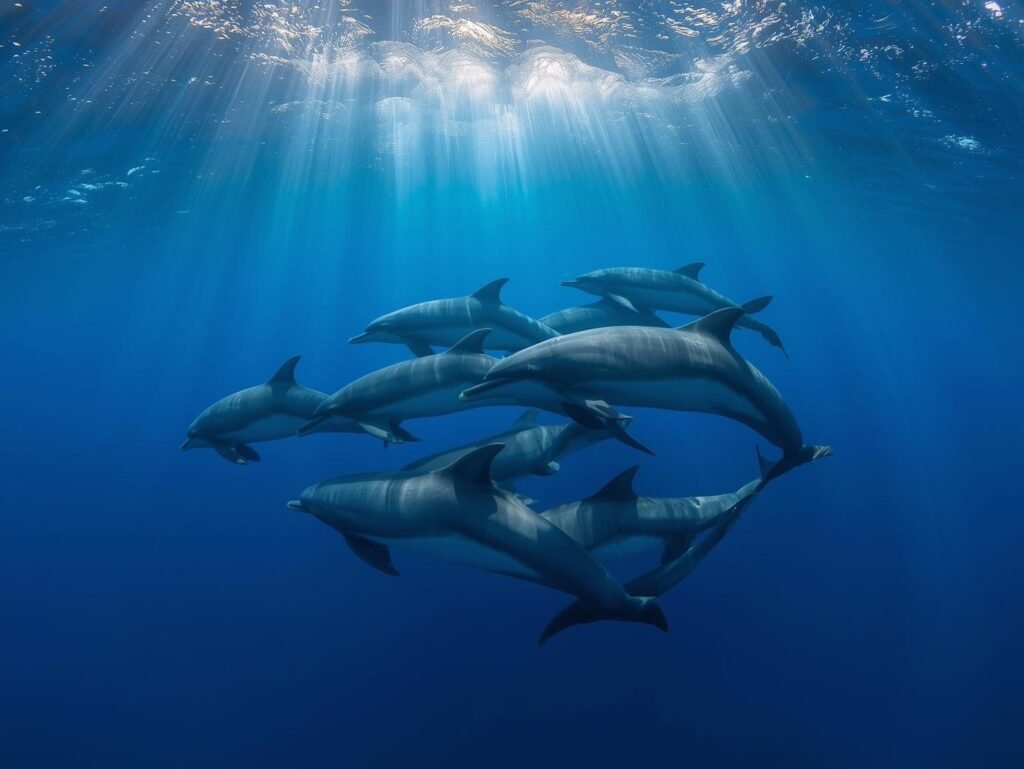
These tours are timed for the “golden hour” after sunrise, when soft light and typically calm water make for strong photos above and below the surface. Boats leave before most other tours, which can mean finding dolphins — often most active in the morning — with fewer vessels around.
Guides on photography-oriented trips can advise on camera settings and position the boat for better light and angles; some trips carry a professional photographer. Photo packages are sometimes included or offered as an add-on — confirm current pricing with the operator. The emphasis on watching and photographing tends to make for a calm outing that wildlife-focused travelers appreciate.
What makes it distinctive:
- Morning light: Early departure takes advantage of the softest natural light of the day.
- Photography-minded guiding: Tips on technique and boat positioning for better shots.
- Quieter waters: Being among the first boats out can mean fewer vessels near the dolphins.
5. Captive Lagoon Dolphin Encounter
Good for: Families with small children, non-swimmers, or anyone who prefers a predictable, close-range setting over the open ocean.
This is a different category from the boat tours above: a structured encounter with dolphins in human care, held in a lagoon at a resort complex. Participants typically stand in shallow water and interact with bottlenose dolphins alongside marine mammal specialists. Programs range from brief meet-and-greet sessions to longer in-water swims, and most facilities have photographers documenting the session (photo packages usually cost extra — check current pricing).
A note on welfare and expectations: wild dolphins are protected by federal law from approach, touching, and harassment — which is why ocean tours follow strict no-touch rules. Captive encounters operate under different standards and raise separate ethical questions about keeping dolphins in human care. Readers who care about this issue should research the facility’s practices and weigh the trade-offs for themselves.
What makes it distinctive:
- Close-range format: Unlike wild tours, direct interaction with the dolphins is part of the program design, in shallow water under staff supervision.
- Controlled environment: The shallow, staffed lagoon suits non-swimmers, young children, and anyone hesitant about the open ocean.
- Educational framing: Sessions typically include information on dolphin anatomy, training, and conservation from marine mammal staff.
Choosing Between a Wild-Dolphin Boat Trip and a Captive Encounter
Boat-based tours and lagoon encounters are fundamentally different products. A boat trip offers the chance to see wild dolphins behaving naturally — but sightings are never guaranteed, and responsible operators keep their distance. A lagoon encounter offers predictability and close contact, but the dolphins are in human care, which raises welfare and ethical questions only you can weigh.
Before booking any tour, ask practical questions: What is the group size and guide-to-guest ratio? What wildlife-viewing rules does the crew follow? What exactly is included — gear, food, transportation, photos — and what costs extra? What happens if no dolphins are found? Clear, specific answers are a better indicator of quality than any “best tour” claim.
Whatever format you choose, the least disruptive encounters are the ones where the dolphins set the terms: observed at a respectful distance, free to approach or leave as they please.