Hawaii Weather in January: What to Expect

January is the month Hawaii shows its other side. The holiday crowds thin out within days of New Year’s, hotel rates slide back down, and the islands settle into the heart of their winter season. The trade winds that cooled the summer months have weakened, the north swells are running at their biggest, and the humpback whales are everywhere. It is still warm enough to swim every single day, but this is not the postcard version of Hawaii most people picture. January asks you to plan around the rain, respect the ocean, and pack a light jacket. Do that, and it can be one of the best months of the year to visit.
Below is the full picture for January: temperatures island by island, rainfall, ocean conditions, whale season at its peak, crowds, prices, and what to pack.
January Temperature Averages by Island
Hawaii has no real winter at sea level. January is the coolest month of the year, but daytime highs still reach the upper 70s and low 80s across the islands, with overnight lows in the mid 60s. The figures below are 1991 to 2020 climate normals from the National Oceanic and Atmospheric Administration for the main airport stations. Treat them as baselines for the lowland resort areas, since elevation and wind exposure change conditions fast.
| Station | Avg high | Avg low | Rain | What it means for your trip |
|---|---|---|---|---|
| Honolulu, Oʻahu | 80°F | 67°F | 2.3 inches | Drier and warmer nights; easy January beach days |
| Līhuʻe, Kauaʻi | 79°F | 66°F | Around 4 inches | Second wettest of the five; keep a light rain layer handy |
| Kahului, Maui | 80°F | 63°F | 3.5 inches | Coolest nights of the five; middling rainfall |
| Hilo, Big Island | 79°F | 64°F | Among the wettest in the state | Expect rain; pair a Hilo day with the dry Kona side |
| Kailua-Kona, Big Island | 80°F | 64°F | Around 2 inches | The driest of the five; your best odds for sun |
Compared with December, January runs a touch cooler, especially at night. Honolulu drops from about 82°F to 80°F for the average high, and overnight lows slip from the upper 60s into the mid 60s. It does not sound like much, but you will feel it on a breezy evening in Waikīkī when the wind picks up after sunset.
Oʻahu in January
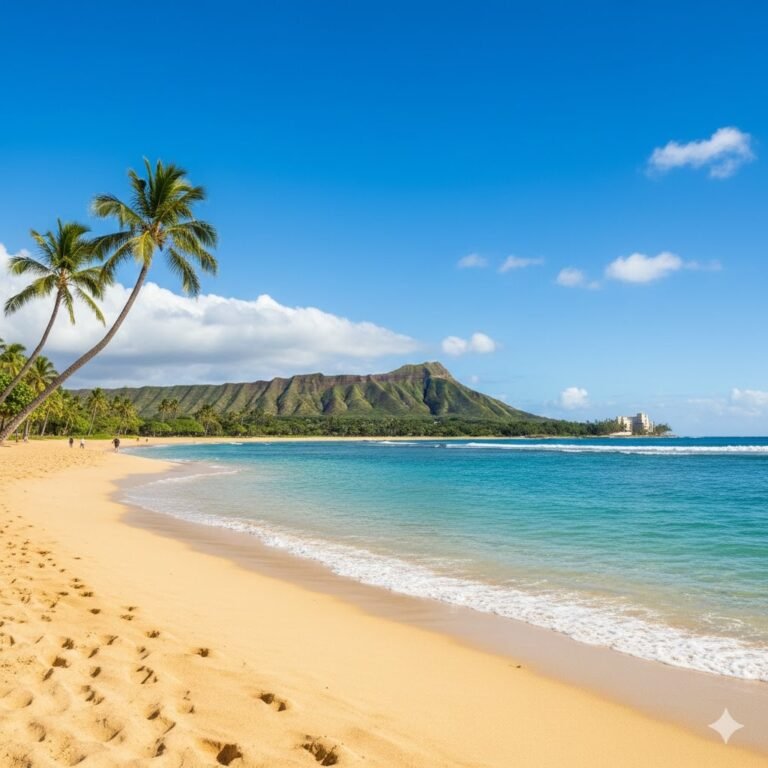
Honolulu and Waikīkī stay warm and relatively dry for a winter destination, with highs near 80°F and lows around 67°F. You will still spend your days in shorts, but pack a light layer for the evening. January sits in the middle of Oʻahu’s wet season, and rain arrives most often as brief trade-wind showers, frequently overnight or in the early morning. Waikīkī’s leeward position keeps it drier than the windward side, where towns like Kāneʻohe and Kailua see noticeably more rain.
The big story on Oʻahu in January is the surf. The North Shore is at the peak of its big-wave season, with swells that can close out entire beaches. Watching the surf at Waimea Bay or Banzai Pipeline is one of the great winter spectacles in Hawaii, but swimming at north-facing beaches is dangerous and often impossible. Stick to the protected south and west shores for swimming. If you want a full rundown of where to go once the swells ease, see the best places to visit on Oʻahu in winter.
Kauaʻi in January
Līhuʻe averages a high of 79°F and a low of 66°F in January, very close to Oʻahu. Kauaʻi catches more rain than any other island, and January is genuinely wet, especially along the north shore around Hanalei and Princeville. Trails get muddy, some waterfalls swell to dramatic levels, and you should expect at least a few rainy days in any week-long trip.
The south shore around Poʻipū stays noticeably drier and sunnier, which matters when you choose where to stay. If your heart is set on the north shore’s scenery, book there anyway and plan flexible days. The rain rarely lasts all day, and the island looks its most vivid green in January.
Maui in January
Kahului on Maui’s central valley floor averages highs near 80°F with lows around 63°F, among the coolest overnight readings of the main airport stations. The resort coasts at Kāʻanapali, Wailea, and Kīhei run a touch warmer and drier than the airport numbers suggest. Upcountry Maui around Kula is cooler still, and the summit of Haleakalā can drop near freezing before dawn, which surprises visitors who only packed beach clothes.
January is peak whale season on Maui, and the ʻAuʻau Channel between Maui, Lānaʻi, and Kahoʻolawe holds the densest concentration of humpbacks in the islands. You can often spot them from shore at places like Papawai Point, but a dedicated trip puts you much closer. For the full background on their annual journey, read our guide to humpback whale migration to Hawaii.
Big Island in January
The Big Island’s size means January weather depends entirely on where you stand. Kona on the dry leeward side averages highs around 80°F with lows in the mid 60s and only about 2 inches of rain, making it one of the driest winter bets in the state. Hilo on the windward side tells the opposite story: highs near 79°F, lows around 64°F, and January ranking among its wettest months.
Up the slopes, winter gets serious. Mauna Kea and Mauna Loa can receive heavy snow in January when Kona storms move through, and the summit road sometimes closes. If you are driving to the Mauna Kea visitor station, check conditions before you go and bring real warm layers, not just a hoodie.
Rainfall: January Is Often the Wettest Month
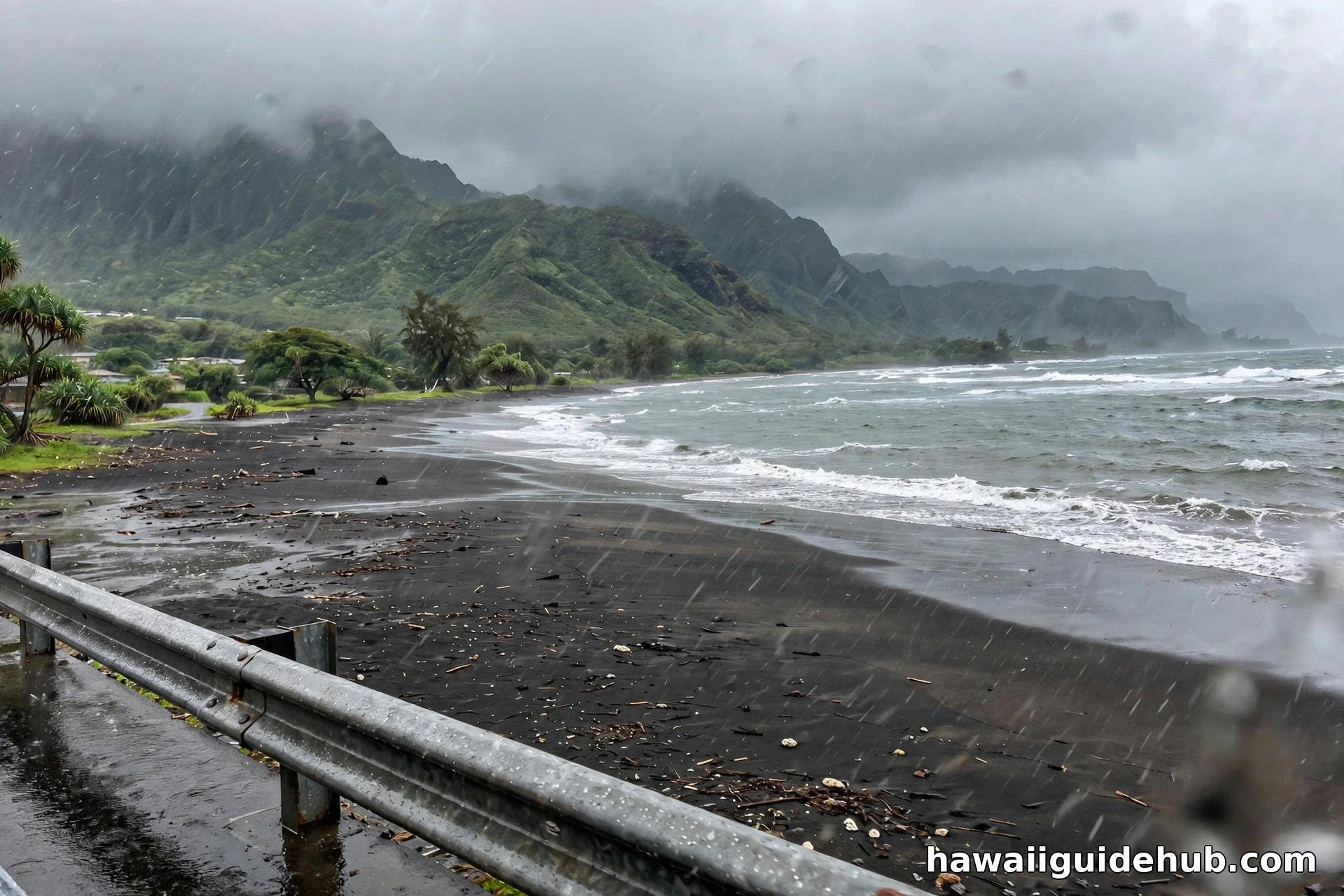
If December is the start of the wet season, January is its peak in many places. Honolulu averages about 2.3 inches, Kahului about 3.5 inches, and the windward coasts of Kauaʻi and the Big Island see far more. Most rain still arrives as passing showers rather than all-day events, and leeward resort coasts stay much drier than the island averages suggest.
The practical move is to pick the dry side of whichever island you visit and keep your schedule flexible. Mornings tend to be clearer than afternoons on the windward sides. A compact rain jacket earns its place in your bag in January more than any other month.
January also brings more frequent Kona winds, the southerly winds that replace the usual northeast trades for days at a time. Kona winds feel warm and muggy, flatten the surf on south-facing beaches, and can trap vog over the islands when Kilauea is active. Locals watch for the shift because it changes everything: humid air, hazy horizons, and a different set of beaches with the best conditions. When the trades return, the air clears and the humidity drops within hours.
Ocean Conditions in January
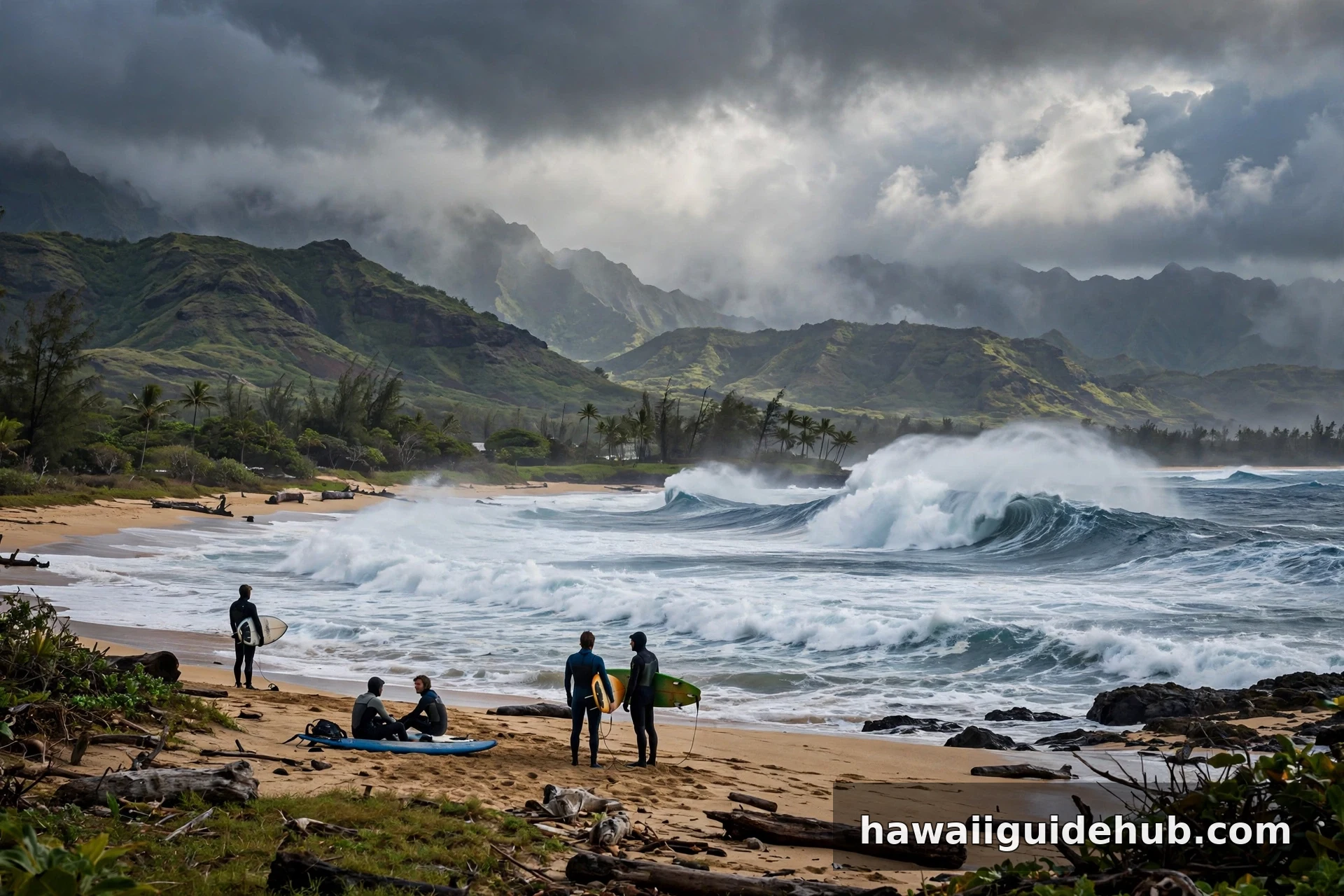
Ocean temperatures in January run in the mid 70s, a few degrees cooler than late summer. Most visitors swim comfortably without a wetsuit, though you will notice the difference if you stay in the water for a long snorkel session. A thin rash guard takes the edge off.
The surf is the real variable. January sits in the heart of the north swell season, and north and west facing shores on every island can see dangerous surf. High-surf advisories are common. The rule is simple: swim at lifeguarded beaches, check the daily surf forecast before you go, and never turn your back on the ocean at an exposed beach. South-facing shores stay comparatively calm and are your best bet for swimming and snorkeling.
Whale Season at Its Peak
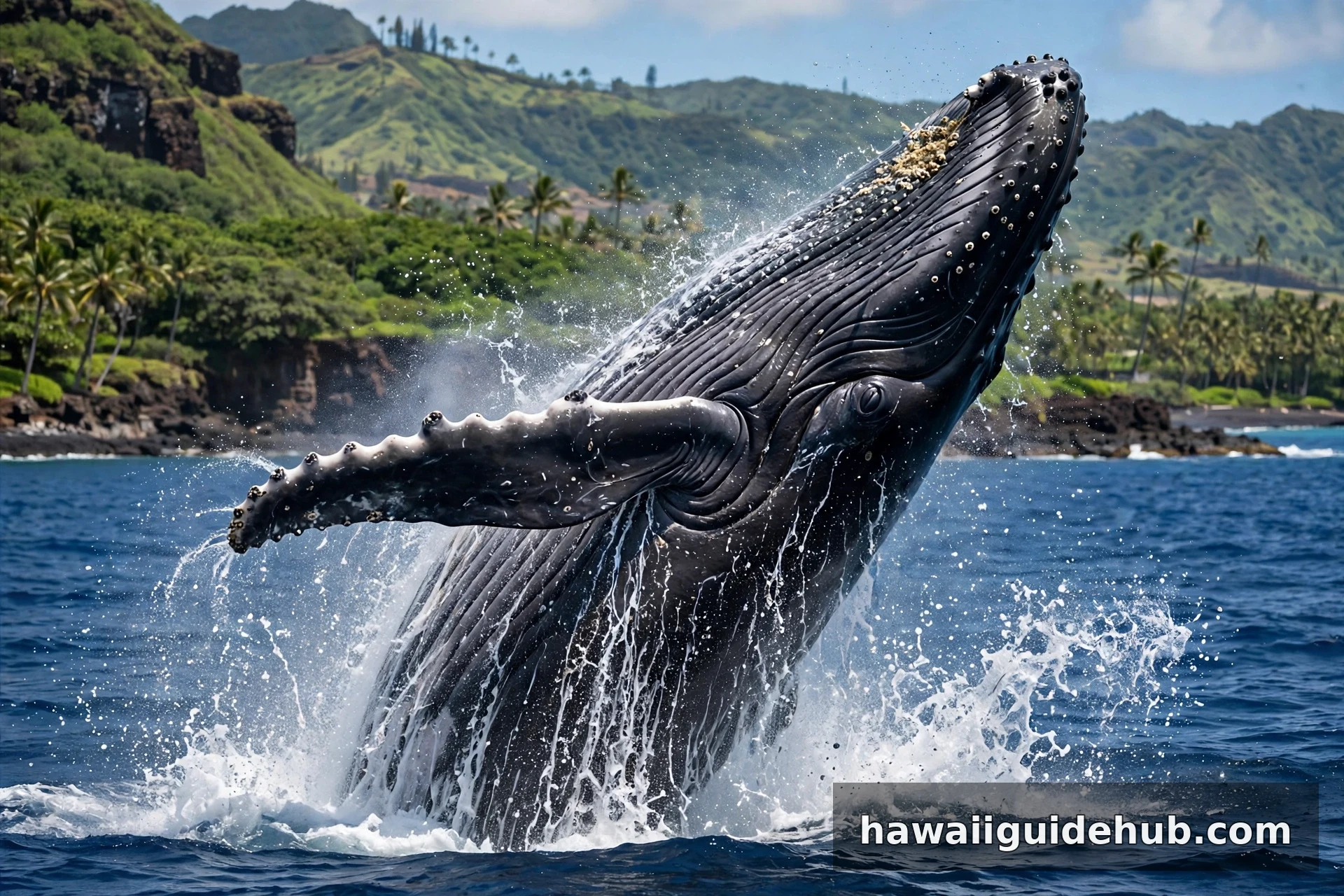
If seeing humpback whales is on your list, January is the single best month to visit Hawaii. The whales arrive in December, but January is when their numbers peak, with thousands of animals in island waters. Mothers with newborn calves, competitive groups of males, and breaching displays are all most likely now.
Maui is the center of the action, but whales show up around every island. Morning trips usually offer the calmest water. For help planning the outing itself, see our guide to whale watching in Hawaii.
Crowds and Prices in January
January has two distinct personalities. The first week belongs to the holiday crowds, with peak prices and full hotels carrying over from Christmas and New Year’s. By the second week, most of those visitors have gone home, and the islands exhale. Mid to late January is one of the quietest and most affordable stretches of the year, with lower hotel rates and cheaper flights than almost any other month.
The one exception is the Martin Luther King Jr. Day long weekend in the third week of January, which brings a short bump in domestic visitors. Book around it if your dates are flexible. For the bigger picture on timing your trip for value, see our breakdown of the cheapest time of year to visit Hawaii.
Daylight Hours in January
January has the shortest days of the year, but the change is gentle. Expect roughly 11 hours of daylight, with sunrise around 7:05 AM and sunset around 6:05 PM. The good news is that daylight starts lengthening again after the winter solstice in late December, so late January gives you a few extra minutes of evening light compared with the start of the month.
What to Pack for Hawaii in January
Pack for warm days and cooler, wetter variables. The essentials:
- A light rain jacket or compact umbrella, especially for Kauaʻi and windward coasts
- A fleece or warm layer for evenings, upcountry Maui, and any summit trips
- Long pants for at least a couple of evenings out
- Reef-safe sunscreen, which you need even on cloudy days
- A rash guard if you plan long snorkel sessions in the mid-70s water
- Sturdy walking shoes with grip, since winter trails get muddy
- Warm hat and gloves only if you are visiting a summit like Mauna Kea or Haleakalā
Best Things to Do in Hawaii in January
January rewards travelers who lean into the season instead of fighting it. Whale watching is the headline act, best from Maui but excellent everywhere. Watching big-wave surf on the North Shore, from a safe vantage point, is a close second. Waterfalls run at their most powerful after winter rains, so this is a prime month for waterfall hikes on Kauaʻi and the Big Island.
Snorkeling and diving stay good on the leeward coasts, where the water stays calmer. Stargazing from the high summits is superb on clear winter nights, and the cooler air makes ridge hikes more comfortable than in summer. If you visit in the second half of the month, you will find thinner crowds at all of it.
January Events Worth Knowing About
January’s event calendar is quieter than December’s, but a few standouts are worth planning around. The Sony Open in Hawaii, a PGA Tour stop, takes place at Waialae Country Club in Honolulu in mid-January and draws big galleries. On the Big Island, the winter months bring cultural festivals and farmers markets into full swing as the harvest season continues.
The Eddie Aikau Big Wave Invitational, the most prestigious big-wave surf contest in the world, holds its waiting period at Waimea Bay from December through March. It only runs when the surf reaches a massive minimum threshold, which has happened less than a dozen times in its history. If the Eddie goes while you are on Oʻahu, drop everything and go. Tens of thousands of people will be doing exactly that.
Is January a Good Time to Visit Hawaii?
For most travelers, yes, with one big qualifier. January trades a few degrees of warmth and the driest weather for the peak of whale season, the most dramatic surf of the year, waterfalls at full force, and some of the lowest prices you will find. The rain is real but manageable if you stay on the leeward coasts and keep a flexible schedule.
Time it right and January is a sweet spot. Skip the first week when holiday prices linger, avoid the MLK weekend bump if you can, and aim for the middle and end of the month. You will get warm swimmable water, the whales at their most active, and room rates that make the trip meaningfully cheaper than December. Winter in Hawaii is not the postcard version, but for many visitors it is the better one.