Kona International Airport: The Complete KOA Traveler Guide

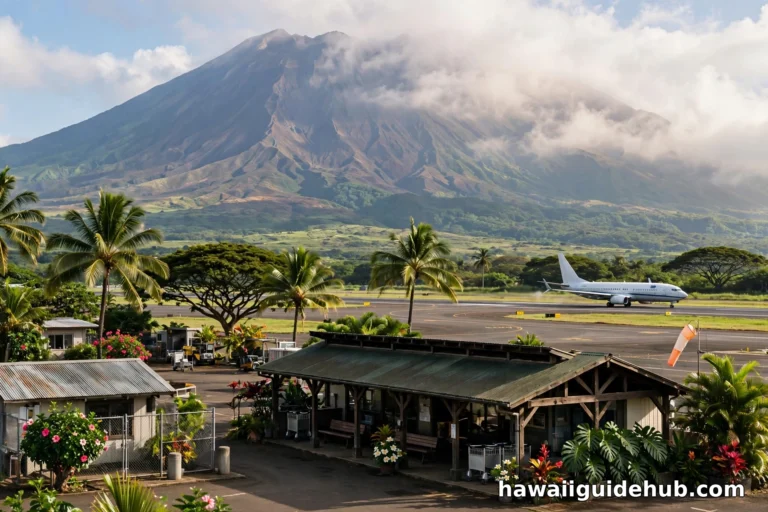
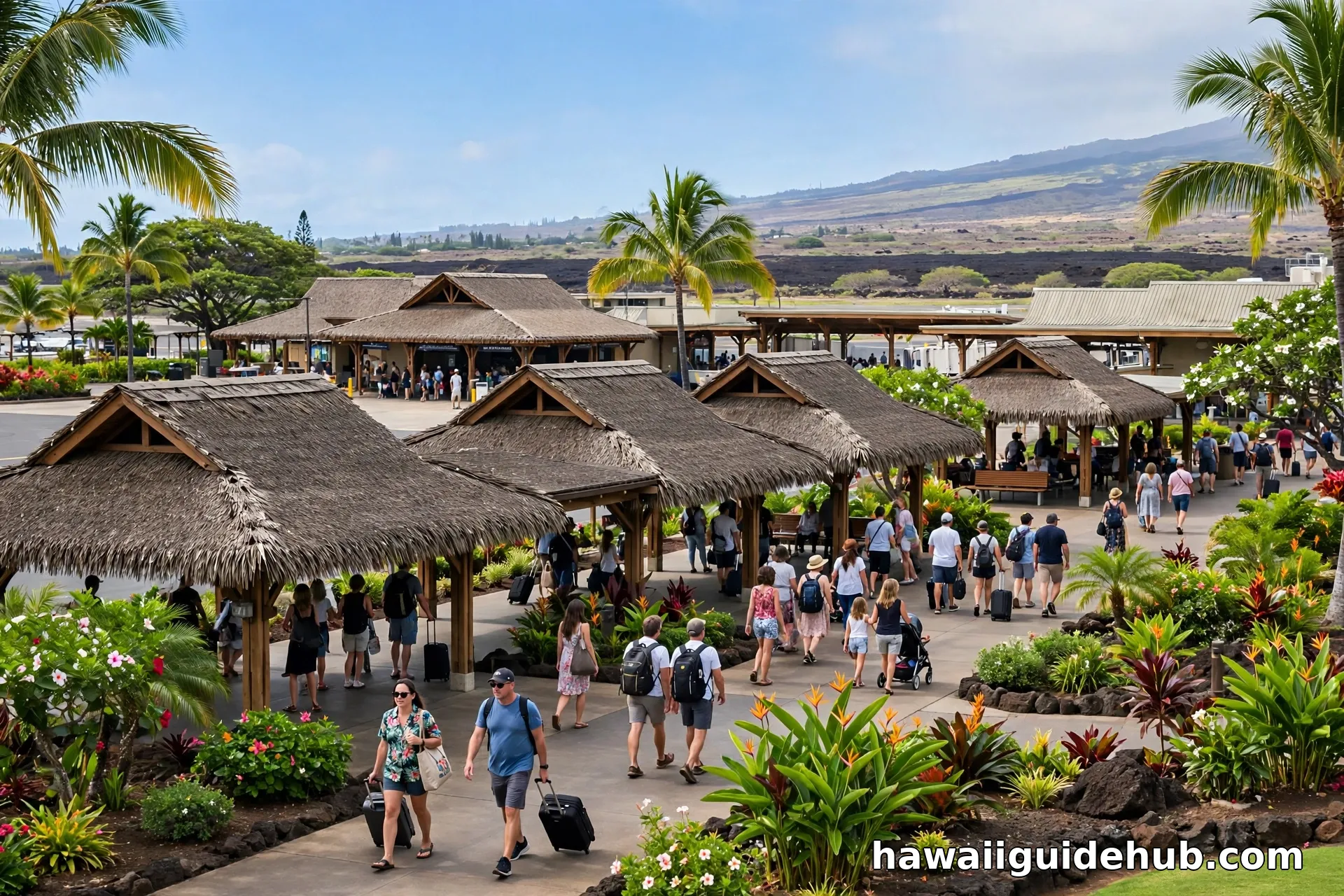
Kona International Airport is unlike any other major airport in the United States. There are no jet bridges, no enclosed concourses, and no long indoor walks between gates. Instead you step off the plane onto the tarmac, feel the warm Kona air, and stroll between open-air pavilions roofed like tropical hale. For most visitors, KOA is the first taste of the Big Island, and it sets the tone perfectly.
Officially the Ellison Onizuka Kona International Airport at Keāhole, this is the main gateway to the west side of Hawaii Island, serving Kailua-Kona, the Kohala resorts, and the island’s famous beaches and volcanoes. Here is everything you need to know before you fly through it.
Kona Airport at a Glance
| What to know | Why it matters |
|---|---|
| KOA (PHKO), Ellison Onizuka Kona International Airport at Keāhole | Named for astronaut Ellison Onizuka; book flights to KOA, not “Kona” |
| Keāhole Point, about 7 miles north of Kailua-Kona | A short hop to town; sort the rental car before you land |
| Open-air pavilions, no jet bridges | You walk outside to the plane; rain means getting wet, sun means sunglasses |
| 11,000-foot runway built on an 1801 lava flow, elevation 47 feet | Your first steps are on black lava; the landscape is the welcome |
| Opened July 1, 1970 | Young for an international airport, and it still feels like it |
The Story Behind the Airport
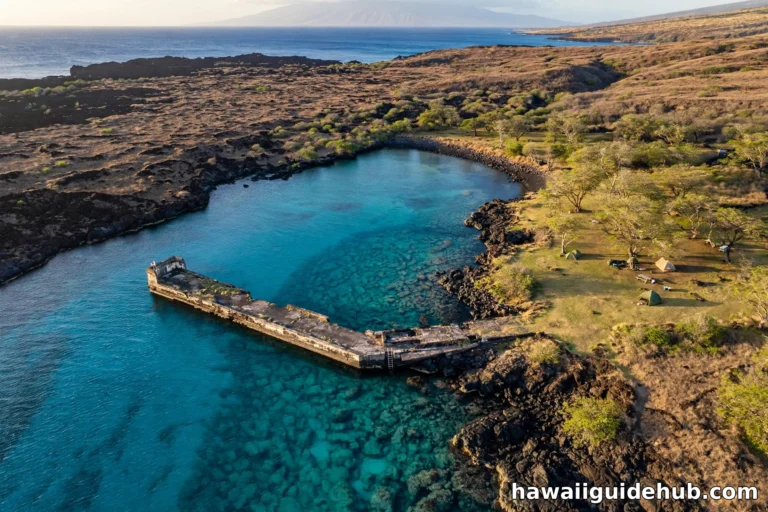
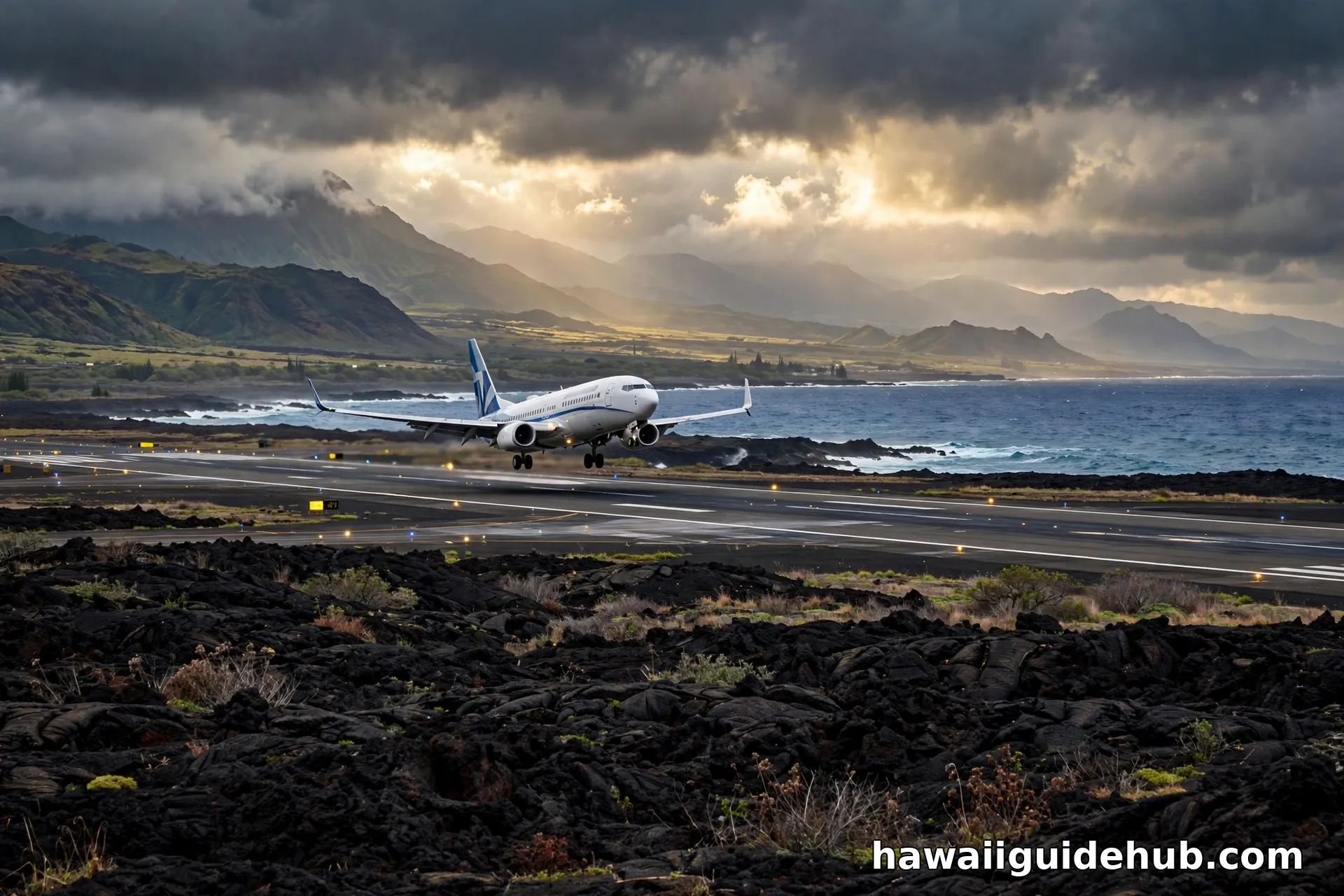
Kona’s airport was built on one of the youngest landscapes in Hawaii. Much of the airfield sits on the 1801 Huʻehuʻe lava flow from Hualālai volcano, which extended the shoreline and created Keāhole Point. Construction crews used some three million pounds of dynamite to flatten the lava tube riddled flow before the airport opened on July 1, 1970. The old airstrip it replaced became the Old Kona Airport State Recreation Area, now a beloved beach park in Kailua-Kona.
The airport carried several names over the decades before receiving its current one on January 8, 2017: Ellison Onizuka Kona International Airport at Keāhole, honoring the Kona-born astronaut who died in the Space Shuttle Challenger disaster of 1986. Onizuka was Hawaii’s first astronaut, and the name connects the island’s gateway to its proudest explorer.
The Open-Air Terminal Experience
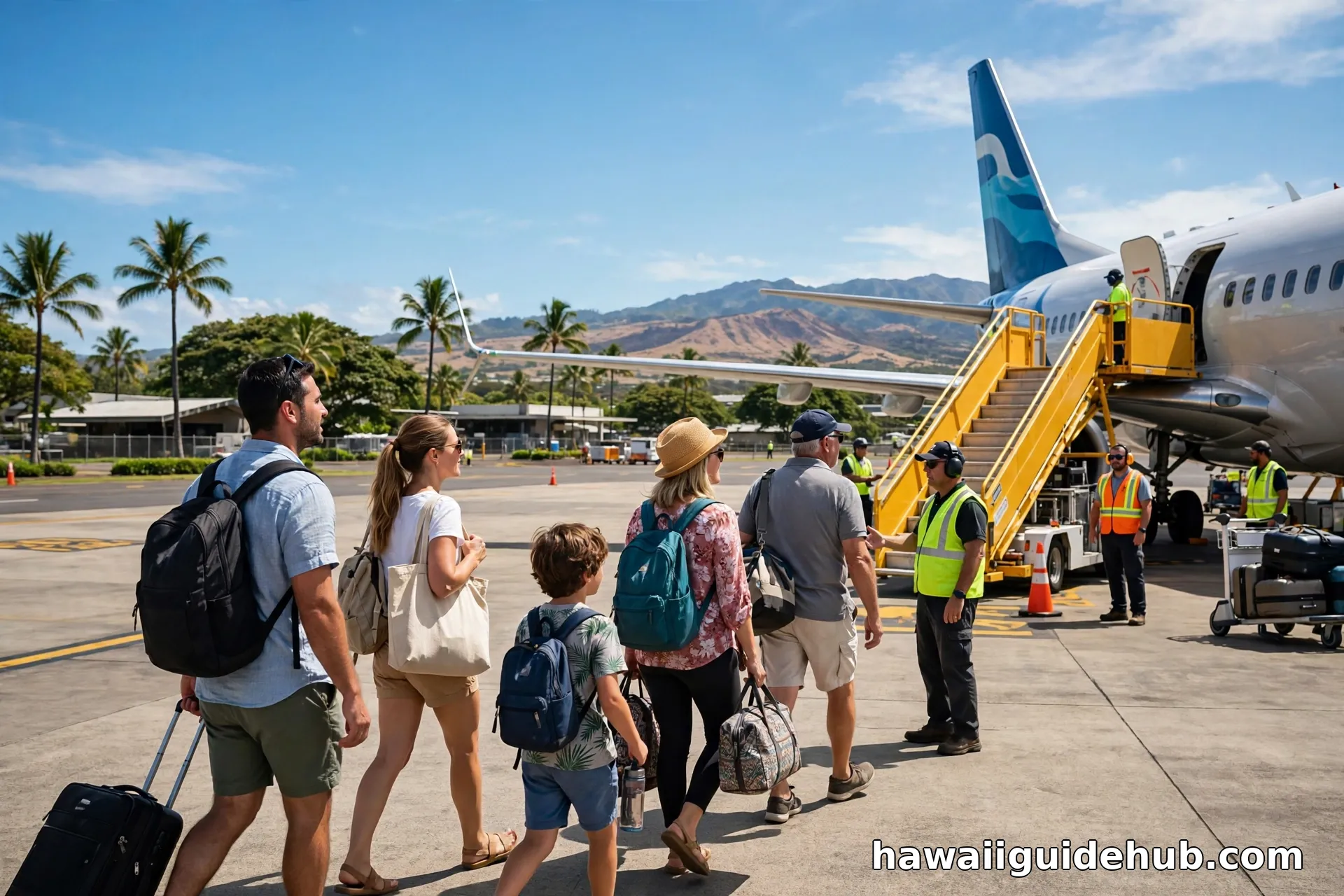
Nothing prepares first-timers for the moment the aircraft door opens at Kona. Instead of a jet bridge, you descend mobile stairs directly onto the tarmac, often to the smell of plumeria and the sound of trade winds. Departure lounges are open-sided pavilions where you wait for your flight in the open air, and arriving passengers walk garden-lined paths to baggage claim under the sky.
The design is charming, but it has practical implications. You will be exposed to sun and occasional rain while walking between areas, so keep a hat and a light rain layer handy. The layout is small and easy to navigate, which is a blessing compared with mega-airports, but food and shopping options are limited, so do not arrive expecting a full food court. Think of it as a beautiful open-air bus station for airplanes, and you will love it.
Arriving at Kona: Step by Step
Deplaning is the fun part: you walk down the mobile stairs and across the tarmac to the arrivals area, often greeted by warm air and sometimes by live Hawaiian music. International arrivals clear US customs and immigration in a dedicated facility before rejoining the domestic flow. From there, follow the signs along open-air walkways to baggage claim, which sits in a covered pavilion. Baggage delivery can be slow when several wide-body jets land close together, so patience helps.
Once you have your bags, the rental car counters are a short walk away in the consolidated area near the terminal. If you arranged a hotel shuttle or private transfer, the pickup zones are clearly marked at the curb. There is no train, no tram, and no long terminal to get lost in: from aircraft door to rental car counter is typically a 10 to 15 minute walk, all of it outdoors or under cover.
Airlines and Destinations
Kona is well connected for an outer-island airport. Hawaiian Airlines is the largest carrier, with frequent interisland hops to Honolulu and direct flights to the US mainland. Southwest, United, Alaska, American, and Delta all serve KOA with nonstop flights from West Coast cities including Los Angeles, Seattle, San Francisco, San Jose, Sacramento, and Las Vegas, plus seasonal service to places like Dallas and Chicago. WestJet connects Kona with Vancouver, and Mokulele Airlines flies small planes to Waimea on the island’s north side.
The busiest route by far is the interisland hop to Honolulu, a flight of about 40 minutes that connects Kona to the wider world. If you are combining islands, flying into Kona and out of Honolulu (or the reverse) is a classic open-jaw itinerary. For questions about documents for island travel, see whether you need a passport to fly to Hawaii.
Departing from Kona: Step by Step
For departure, head to the ticket counters in the open-air check-in pavilions. After checking in, US mainland-bound passengers go through USDA agricultural inspection, where bags are scanned or checked for fresh produce, plants, and untreated agricultural products. This is quick and painless if you simply do not pack fresh fruit, flowers, or plants. Interisland passengers skip this step.
Next comes the TSA security checkpoint, which serves all gates through a centralized area. Lines are longest in the late morning and early afternoon when the mainland departures bank up, so the 2-hour guidance matters most then. Past security, the departure pavilions have open-sided seating with garden views. When your flight is called, you walk out to the aircraft and climb the mobile stairs. Boarding in the open air, with the plane gleaming in the Kona sun, is genuinely enjoyable rather than the usual cattle call.
Getting To and From the Airport
A rental car is the single most important part of a Kona arrival plan. The Big Island is enormous, public transit does not serve visitors well, and taxis and rideshares get expensive fast on long island drives. Book your car the moment you book your flights; Kona has seen real car shortages during peak periods.
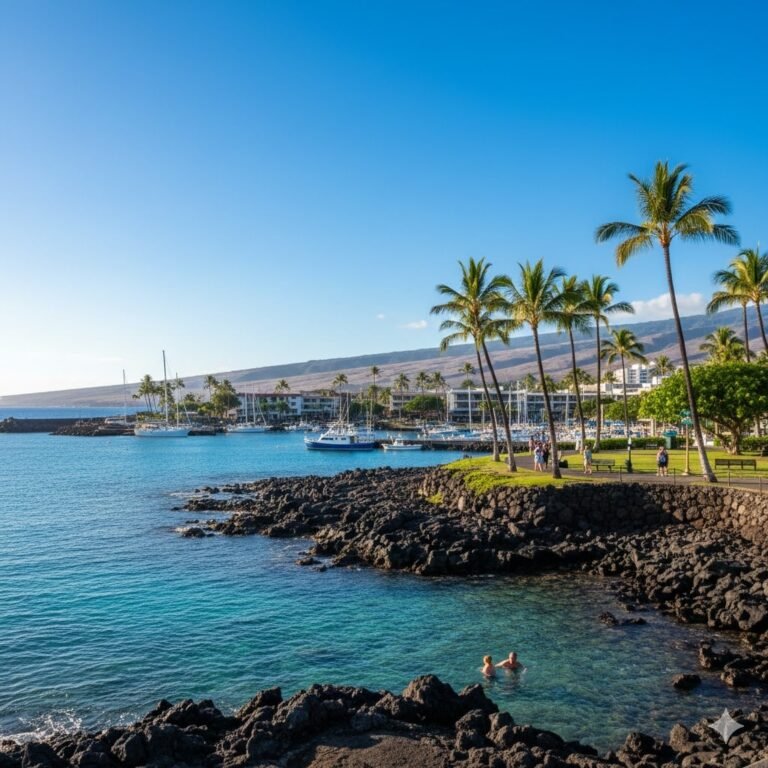
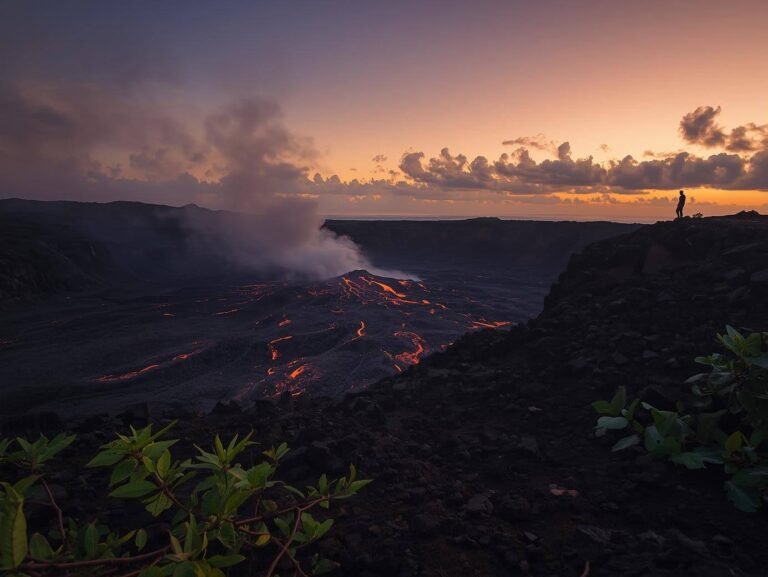
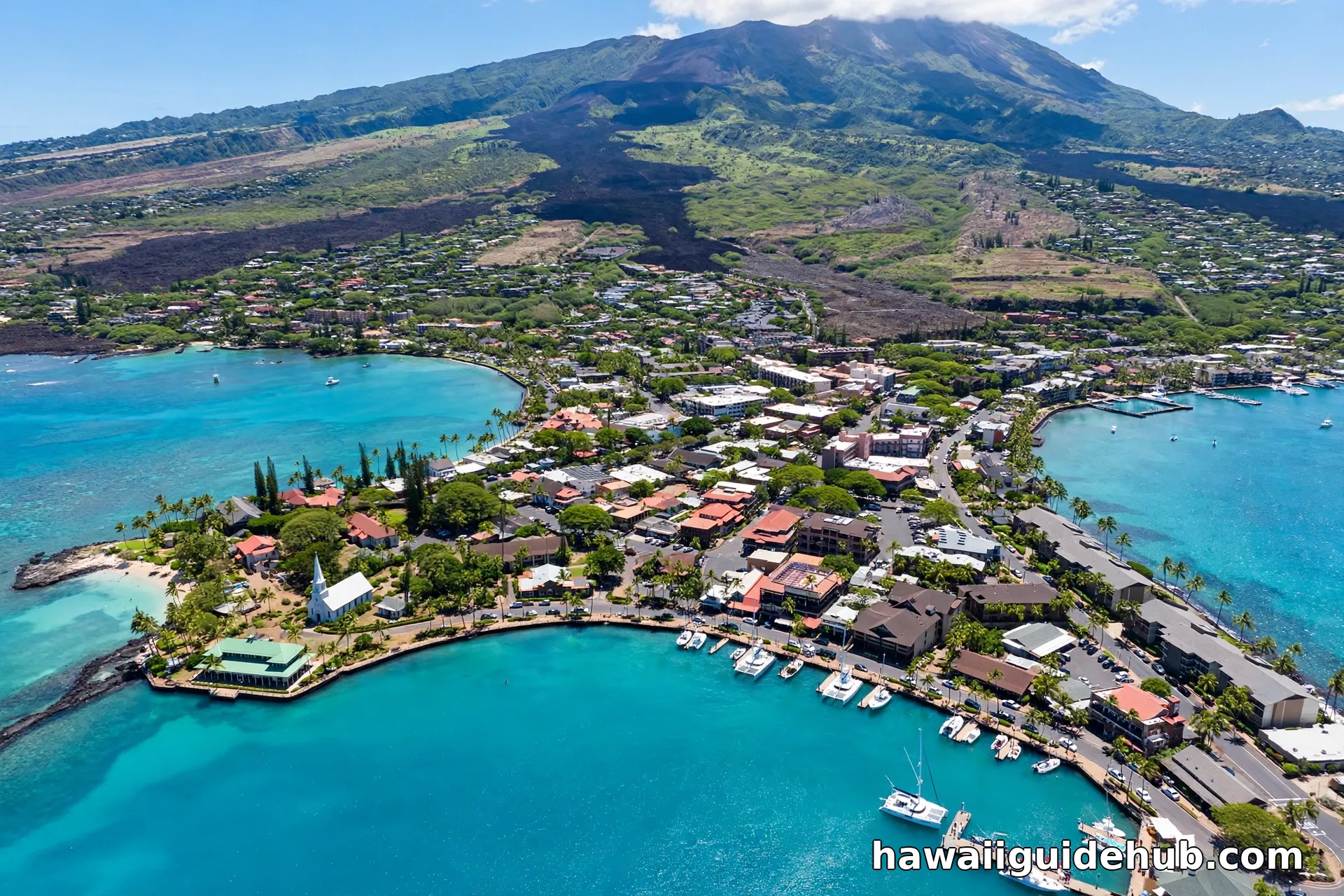
Drive times from KOA: Kailua-Kona town is about 20 minutes south on Queen Kaʻahumanu Highway. The Waikoloa resort area is about 25 to 30 minutes north. Hapuna and the Mauna Kea resort beaches run about 35 to 45 minutes. If you are heading straight to Hawaii Volcanoes National Park, budget about 2 hours across the island via Saddle Road. See things to do in Waikoloa Village if that is your base.
Food, Shopping, and Amenities
Set expectations correctly and you will not be disappointed. Kona’s food options are a handful of cafes and grab-and-go counters serving coffee, pastries, sandwiches, and local snacks, not a full restaurant row. If you want a real meal before a long mainland flight, eat in Kailua-Kona town before heading to the airport. Shopping is similarly modest: a few gift shops sell Kona coffee, macadamia nuts, and souvenirs at airport prices. If you forgot reef-safe sunscreen or a beach essential, this is your last convenient chance to grab it before the resort shops.
On the practical side, free WiFi is available throughout the terminal areas, and there are charging stations in the departure pavilions. There is no airline lounge at KOA, so premium cabin passengers wait with everyone else in the open air, which honestly is not a hardship. Restrooms are clean and easy to find, ATMs are available, and the whole facility is wheelchair accessible with ramps and accessible paths between the pavilions.
Tips for Flying Through Kona
Arrive 2 hours before mainland and international flights and about 90 minutes before interisland hops. The airport is small, but security lines bunch up when several departures cluster together, and the agricultural inspection for outbound flights adds a step mainland airports do not have. All checked and carry-on bags bound for the US mainland pass through USDA inspection for plants and produce, so leave the fresh pineapple for the hotel.
Pack for the open air. Sunscreen and a hat matter while you wait in uncovered areas, and a compact umbrella or rain jacket handles the passing showers Kona is known for. Eat before you arrive or plan to eat after you land: dining inside the terminal is limited to a handful of spots. Finally, keep your camera ready on arrival and departure. The approach over black lava fields with the blue Pacific beyond is one of the most dramatic landings in the United States.
Kona Airport vs Hilo Airport
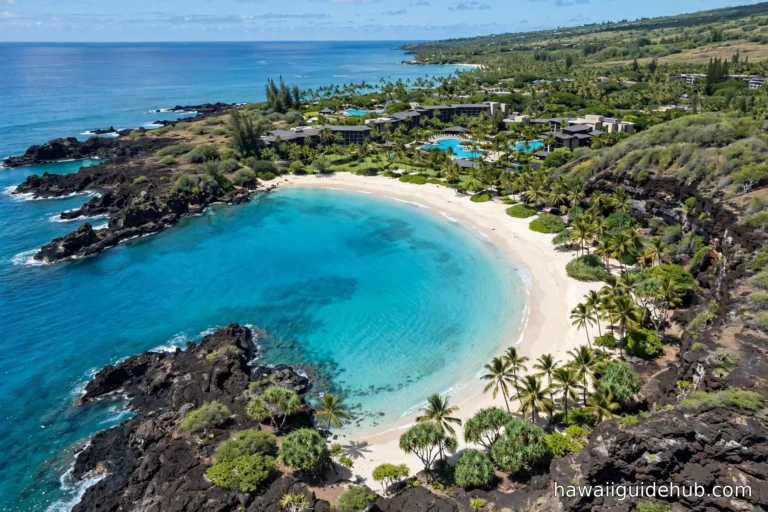
Hawaii Island has two airports, and choosing wrong adds hours of driving. Fly into Kona (KOA) if you are staying on the west side: Kailua-Kona, Waikoloa, the Kohala Coast resorts, and most beaches. Fly into Hilo (ITO) if you are staying on the east side or your priority is Hawaii Volcanoes National Park, though the park is still about 45 minutes from Hilo. Most visitors choose Kona for the sunshine, the resorts, and the manta ray night snorkel at Keauhou; see our guide to the manta ray night snorkel in Kona for the island’s signature after-dark experience.
If you are still deciding when to come, the cheapest time of year to visit Hawaii breaks down fares and lodging by season.
Accessibility and Family Travel
The compact, single-level layout makes Kona one of the easier airports for travelers with mobility challenges. Distances are short, paths are flat, and staff can assist with wheelchair service between the terminal and the aircraft stairs. Families will appreciate that everything is close together: restrooms, food counters, and gates are all within a short stroll, and the open-air setting gives restless kids space to move. Nursing rooms and family restrooms are available in the terminal.
Video: Kona Airport Walkthrough
A first-timer’s walk through of Kona Airport covering check-in, security, rental cars, and baggage claim.
Frequently Asked Questions
What is the main airport in Kona?
The Ellison Onizuka Kona International Airport at Keāhole (KOA), about 7 miles north of Kailua-Kona on the west side of the Big Island. It is the primary airport for the Kona and Kohala resort areas.
Why is Kona airport open air?
Kona was designed as an open-air tropical airport when it opened in 1970, with low pavilion terminals instead of enclosed concourses. Passengers walk outdoors between areas and board planes via mobile stairs rather than jet bridges.
How early should you arrive at Kona airport?
Arrive 2 hours before mainland and international departures and about 90 minutes before interisland flights. Outbound mainland flights also require USDA agricultural inspection of bags.
Is there Uber at Kona airport?
Rideshares and taxis serve the airport, but a rental car is strongly recommended. The Big Island is large, public transit is limited, and long taxi rides to the resorts are expensive.
Should you fly into Kona or Hilo?
Fly into Kona for the west side resorts, beaches, and Kailua-Kona town. Fly into Hilo for the east side and the shortest drive to Hawaii Volcanoes National Park.
Who is Kona airport named after?
Astronaut Ellison Onizuka, who was born and raised in Kona and died in the 1986 Space Shuttle Challenger disaster. The airport was renamed in his honor in January 2017.
Does Kona airport have food after security?
Options are limited to a few cafes and grab-and-go counters with coffee, snacks, and light meals. For a full meal before a long flight, eat in Kailua-Kona town before heading to the airport.
Can you walk between terminals at Kona airport?
Yes. The entire airport is a compact cluster of open-air pavilions connected by short outdoor walkways. From check-in to the farthest gate is only a few minutes on foot, all on one level.
Kona International Airport is proof that the journey can be part of the destination. You will remember stepping onto that sun-warmed tarmac long after you forget the flight itself. Rent the car, give yourself plenty of time, pack for the open air, and let the Big Island begin the moment the aircraft door opens. Few airports in the world make arriving feel like an event; Kona has been doing it since 1970, one tarmac walk at a time.