Paia Town Maui: The Complete Guide to Maui’s Historic North Shore Town

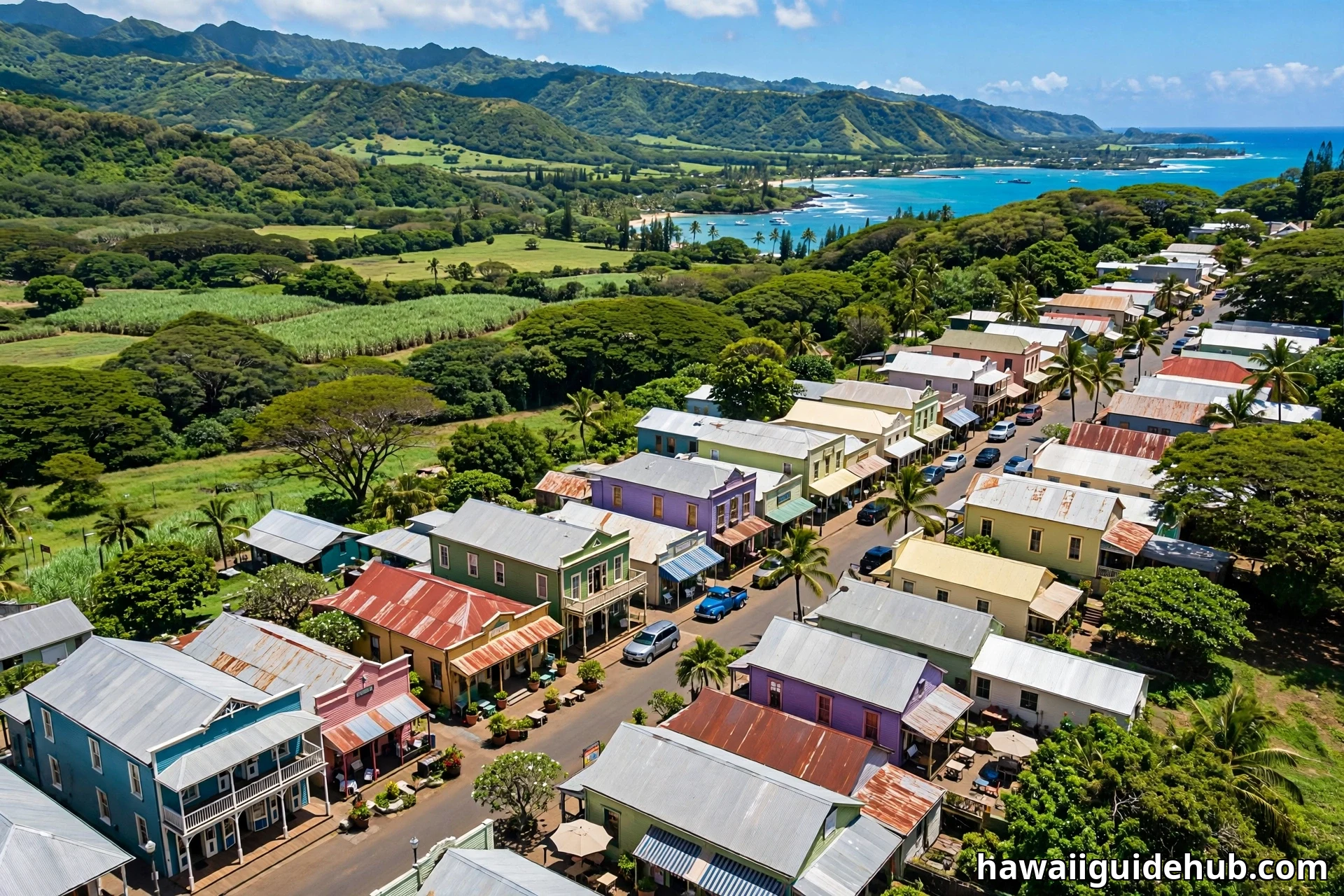
There is a small town on Maui’s north shore where plantation-era wooden storefronts glow in shades of turquoise and coral, where the smell of fresh fish tacos drifts down the sidewalk, and where windsurfers with salt-crusted hair wander into boutiques between sessions. That town is Pāʻia (pronounced pah-EE-ah), and if your Maui trip does not include at least half a day here, you are missing the island’s most characterful stop.
Pāʻia sits about four miles east of Kahului, right where Hana Highway begins its winding journey along the coast. It is the unofficial starting point of the Road to Hana, the gateway to Hoʻokipa Beach’s world-famous windsurfing, and a destination in its own right. The town has lived several lives: a quiet Hawaiian settlement whose name refers to the noisy sound of waves hitting the reef, a booming sugar plantation town after Alexander and Baldwin built a mill here in 1880, a faded backwater when the plantation era ended, and finally the bohemian surf town visitors love today.
This guide covers everything worth knowing before you go: the town’s story, where to park and how long to stay, the best shops and restaurants on Baldwin Avenue, the beaches minutes away, and how to fold Pāʻia into a Road to Hana day or a north shore afternoon.
Paia at a Glance
| Why stop in Pāʻia | |
| Known for | Baldwin Avenue shops, fish tacos, windsurfing culture |
| Time needed | Half day, or a breakfast stop before the Road to Hana |
| Best time | Mornings for parking, late afternoons for the vibe |
| Good to know | |
| Location | North Shore Maui, 4 miles east of Kahului |
| Population | About 2,500 residents |
| Parking | Free street and small public lots, fills by 10 AM |
Where Is Pāʻia and How Do You Get There
Pāʻia occupies the northeast corner of Maui’s central valley, in the ahupuaʻa of Hamakuapoko. The heart of town is the intersection of Hana Highway (Route 36) and Baldwin Avenue. From Kahului Airport it is roughly a 15-minute drive east on Hana Highway; from Kihei or Wailea, plan on 35 to 50 minutes depending on traffic.
You need a rental car to reach Pāʻia comfortably. There is no practical public transit link for visitors, and the town works best as a stop you make on your own schedule. Parking is the one thing to plan around: the town is tiny, street parking along Baldwin Avenue fills fast, and the small public lots behind the shops turn over slowly. Arrive before 10 in the morning or after 3 in the afternoon for the easiest parking, and never leave valuables visible in the car.
A Short History of Pāʻia
Long before the boutiques, Pāʻia was a Hawaiian coastal settlement. The name itself is said to describe the noisy crash of waves against the reef, a sound you can still hear from Pāʻia Bay on a rough day.
The town’s modern shape comes from sugar. In 1880, Alexander and Baldwin built a sugar mill here, and Pāʻia grew into a bustling plantation hub with worker camps, stores, and the social life of a company town. The plantation era brought Japanese, Portuguese, Puerto Rican, Filipino, and other immigrant families whose names still hang on some of the older storefronts. The town boomed again during World War II, when United States Marines were stationed nearby in Haiku.
When sugar faded in the later 1900s, Pāʻia faded with it. Rents dropped, buildings emptied, and the town went quiet. Then, in the 1970s, the counterculture found it: cheap rent, ocean access, and old buildings with good bones. Artists, surfers, and back-to-the-land types moved in. The next wave arrived on the wind itself. As windsurfing exploded in popularity, athletes from around the world came for the steady north shore trades and the perfect break at nearby Hoʻokipa, and many never left.
Today’s Pāʻia is the product of all those layers: plantation architecture housing surf shops and art galleries, a population of around 2,500 residents, and a main street that feels like nowhere else on Maui.
Walking Baldwin Avenue: Shops and Galleries
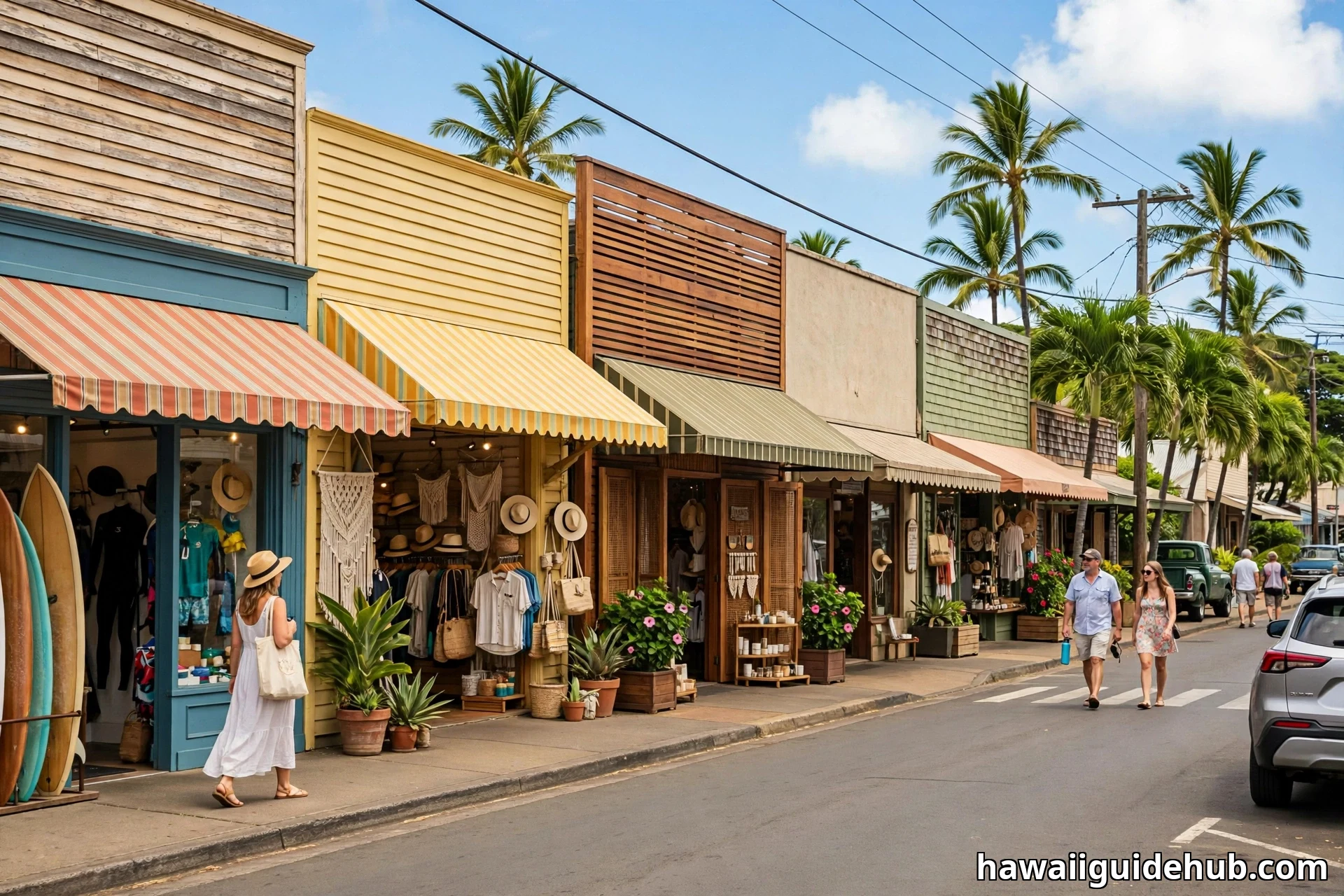
Baldwin Avenue is the whole show. The street runs a few walkable blocks from Hana Highway down toward the ocean, and nearly every building holds something worth a look. Give yourself at least an hour to wander, longer if you like to browse.
The shopping here leans local and handmade. You will find surf shops stocked with boards and beach gear, boutiques selling locally designed clothing and swimwear, jewelry made from Pacific materials, and galleries showing work by Maui artists. The Maui Crafts Guild and Maui Hands are longtime gallery fixtures worth stepping into even if you are not buying. Vintage and secondhand shops dot the street too, in keeping with the town’s thrift-store soul.
A few practical notes for shoppers: most shops open around 9 or 10 in the morning and close by 5 or 6 in the evening, and many keep shorter Sunday hours. Prices reflect the boutique nature of the street; this is not a bargain district, but the goods are genuinely local in a way resort-area souvenirs often are not. If you want one truly Maui-made keepsake from your trip, buy it here.
Where to Eat in Pāʻia
Pāʻia punches far above its weight for food. The town’s restaurants are a big part of why people detour here, and a lunch stop can easily become the highlight of a north shore day.
Paia Fish Market
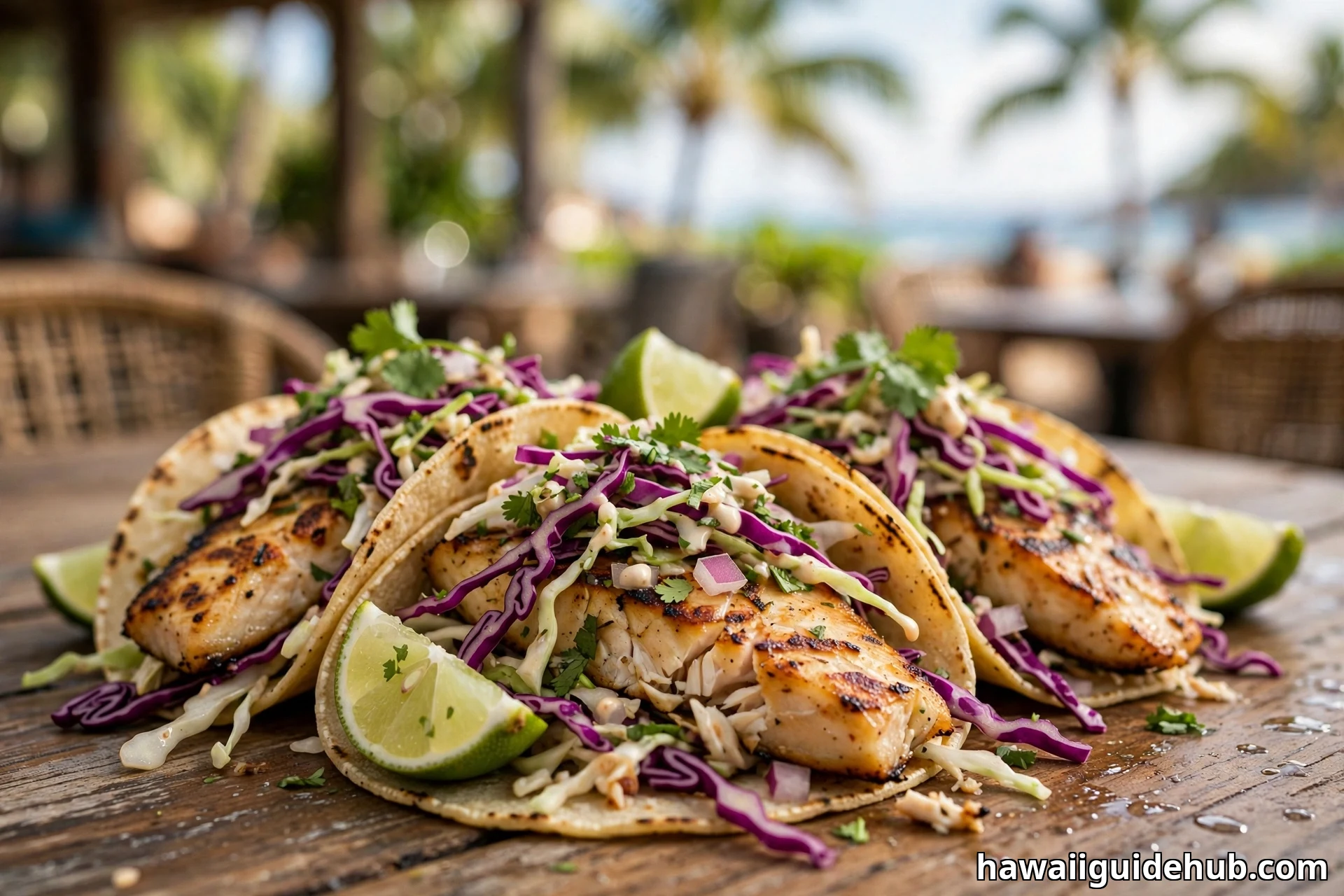
The town’s most famous eatery is a casual counter-service spot known for fresh fish plates, fish tacos, and fish and chips. The fish is local when available, portions are generous, and the line at lunch is a local landmark in itself. If you eat one meal in Pāʻia, make it here.
Cafe Des Amis
A longtime favorite for crepes, both sweet and savory, plus artisan ice cream. The back patio is a pleasant place to sit, and the crepes make an excellent light lunch or afternoon break from shopping.
Flatbread Company
Wood-fired flatbreads and pizzas with organic ingredients, in a roomy space that handles families well. A reliable dinner option if you are staying into the evening.
Cafe Mambo and Others
Cafe Mambo serves eclectic, internationally flavored dishes in the heart of town, and you will find Thai, Mexican, and health-conscious cafes scattered along the street. For picnic supplies, Mana Foods is the town’s beloved natural foods grocery, deli, and bakery. Stock up here on organic produce, sandwiches, and snacks before heading out to the beaches or up the Road to Hana, where food options thin out fast.
Just up the coast in Kuau, Mama’s Fish House has served fresh seafood since 1973 and remains one of Maui’s most celebrated restaurants. It books out far in advance, so reserve weeks ahead if you want to go.
Beaches Near Pāʻia
Pāʻia’s location puts two of Maui’s best-loved north shore beaches within minutes, and both are worth part of your day.
Hoʻokipa Beach Park
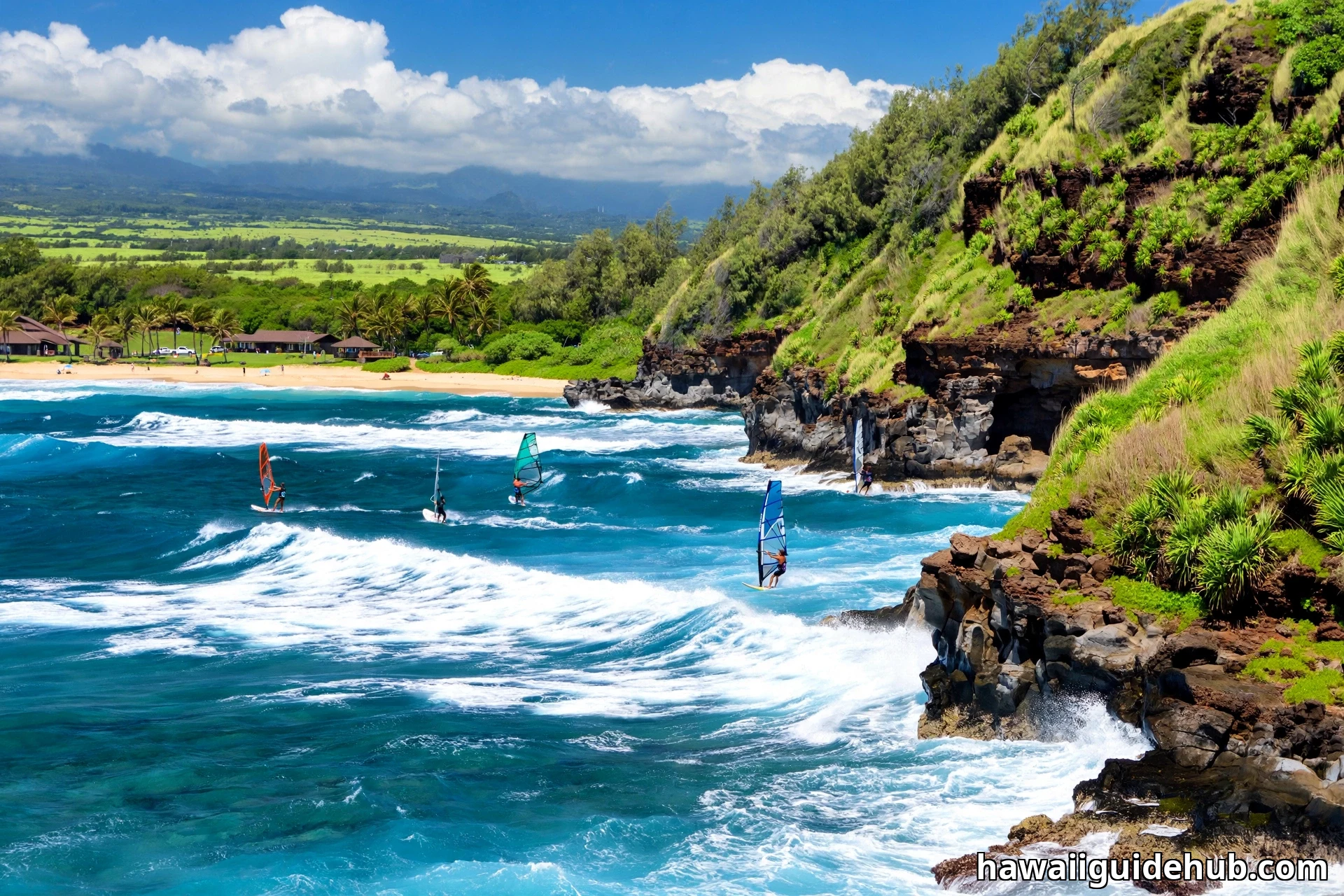
About two miles east of town, Hoʻokipa is known as the windsurfing capital of the world, and on a windy winter afternoon the water fills with sails in a spectacle you can watch from the clifftop lookout for free. The name means hospitality in Hawaiian. Hawaiian green sea turtles (honu) haul out to rest on the sand here, especially on the far right side of the bay; admire them from a distance and give them plenty of space, as they are protected wildlife.
A safety note: Hoʻokipa’s shore break and currents are for experienced ocean-goers only. Swim only when lifeguards are present and conditions are calm, and heed every posted sign. North shore waters can turn dangerous fast in winter surf.
Baldwin Beach Park
West of town toward Kahului, Baldwin Beach Park offers a long stretch of golden sand that is far more swimmer-friendly than Hoʻokipa in calm conditions. The western end, sometimes called Baby Beach, has a protected shallow area that suits families with small children. Facilities include restrooms, showers, and picnic areas, and the park is a favorite weekend spot for residents.
Pāʻia and the Road to Hana
Pāʻia is the last real town before the Road to Hana begins in earnest, which makes it the natural staging point for the drive. Smart travelers use it three ways: as a breakfast stop before setting out, as a fuel and supplies stop (fill the tank in Kahului or Pāʻia, since gas stations are scarce past this point), and as a dinner reward on the way back.
🌺 Local Tip
Paia is the last real town before the Road to Hana. Eat breakfast here, stock up at Mana Foods, use the restrooms, and fill your tank. There is almost nothing past this point.
If you are driving the Road to Hana, eat a real breakfast in Pāʻia, grab picnic supplies at Mana Foods, use the restrooms, and top off the tank. You will thank yourself at mile marker 20. Our guide to the best island for first-time visitors can help you decide how many days to give Maui overall, since the Road to Hana deserves a full day of its own.
Tips for Visiting Pāʻia
Time it right. Mornings are calmest for parking and strolling; the town gets busiest from late morning through mid-afternoon when Road to Hana traffic peaks. Late afternoon brings a mellower vibe and golden light on the storefronts.
Park smart. Street parking on Baldwin Avenue is limited to short stays and fills early. The public lots behind the shops are your best bet. Do not block driveways or park on vegetation; the town is small and tickets are real.
Bring reef-safe sunscreen and water. You will be in and out of the sun walking the street and the beaches. Maui County requires mineral-only sunscreen, so check your labels before you fly. Our guide to outdoor adventures in Hawaii has more on ocean safety and sun protection.
Respect the town. Pāʻia is a real community, not a theme park. Keep noise down in residential areas, support local businesses, and leave the beaches cleaner than you found them.
Combine it with Upcountry. Pāʻia pairs naturally with Makawao, Maui’s paniolo (cowboy) town, just 15 minutes up Baldwin Avenue into the hills. The two towns make an excellent half-day loop: shop Pāʻia in the morning, lunch in town, then head up to Makawao for galleries and the Komoda bakery before returning via the coast.
See Pāʻia on Video
Frequently Asked Questions
What island is Pāʻia on?
Pāʻia is on Maui, on the island’s north shore about four miles east of Kahului.
How do you pronounce Pāʻia?
Pah-EE-ah, with the ʻokina (glottal stop) between the two a sounds. Locals will appreciate the effort.
Is Pāʻia worth visiting?
Yes. It is Maui’s most distinctive small town, with unique shopping, excellent casual dining, and two great beaches minutes away. Most visitors spend two to four hours; shoppers and beachgoers can fill a full day.
Can you swim at the beaches near Pāʻia?
Baldwin Beach Park is the better swimming choice in calm conditions, especially the protected western end. Hoʻokipa is a world-class surf and windsurf spot but is not a casual swimming beach; check with lifeguards and respect posted warnings.
Where do you park in Pāʻia?
Use the public lots behind the Baldwin Avenue shops or legal street parking nearby. Arrive before 10 a.m. for the easiest spots, and never leave valuables in the car.
What is Pāʻia known for?
Its plantation-era main street, boutique shopping, standout casual restaurants like Paia Fish Market, nearby Hoʻokipa windsurfing beach, and its role as the gateway town to the Road to Hana.
A Town That Keeps Its Soul
What makes Pāʻia special is not any single shop or beach but the layering: Hawaiian roots, plantation bones, hippie spirit, and surf culture stacked into a few walkable blocks. It is the rare Maui stop that feels discovered rather than developed, and it rewards travelers who slow down. Walk the avenue, eat the fish tacos, watch the windsurfers at Hoʻokipa, and you will understand why so many visitors plan their whole Maui itinerary around a town they had never heard of before the trip. For more ideas on fitting the north shore into your plans, see our reasons to visit Maui and our notes on when it rains in Hawaii before you choose your travel dates. And if Pāʻia’s food scene whets your appetite, our guide to must-try local dishes in Hawaii covers what to eat across the islands.