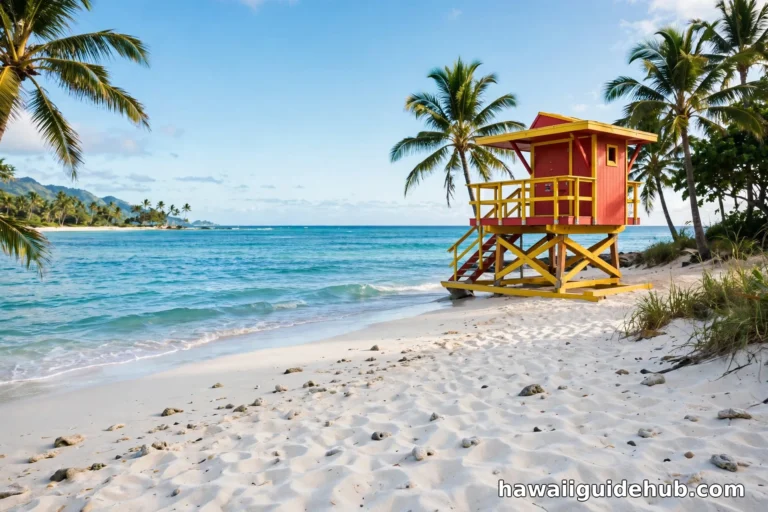
Hamoa Beach Snorkeling: The Honest Guide to Hana’s Best Beach

Hamoa Beach near Hana is one of the most beautiful beaches on Maui, and its snorkeling is worth understanding before you go. Here is the honest truth: on a calm summer day, snorkeling at Hamoa Beach is lovely, with clear water, tropical fish, and a gorgeous setting framed by lava cliffs. But Hamoa has no protective reef, marine life can be sparse, and when the surf is up it is not a snorkeling beach at all. This guide tells you exactly when to go, where to snorkel in the cove, what you will see, and how to stay safe.
This is the single complete guide to Hamoa Beach snorkeling. It covers the beach itself, the honest truth about the snorkeling, the best months and times of day, where to snorkel in the cove, what marine life you will see, safety rules, how to get there, facilities, things to do beyond snorkeling, and answers to common questions. Everything about hamoa beach snorkeling is gathered on this one page, so you do not need to search anywhere else.
Hamoa Beach at a Glance
| Snorkel factor | The honest word |
|---|---|
| When to snorkel | Good on calm summer days; poor when the surf is up |
| Where to go in | Left side of the cove, close to shore |
| Reef protection | None; the cove is open to Pacific swells |
| Safety | No lifeguard |
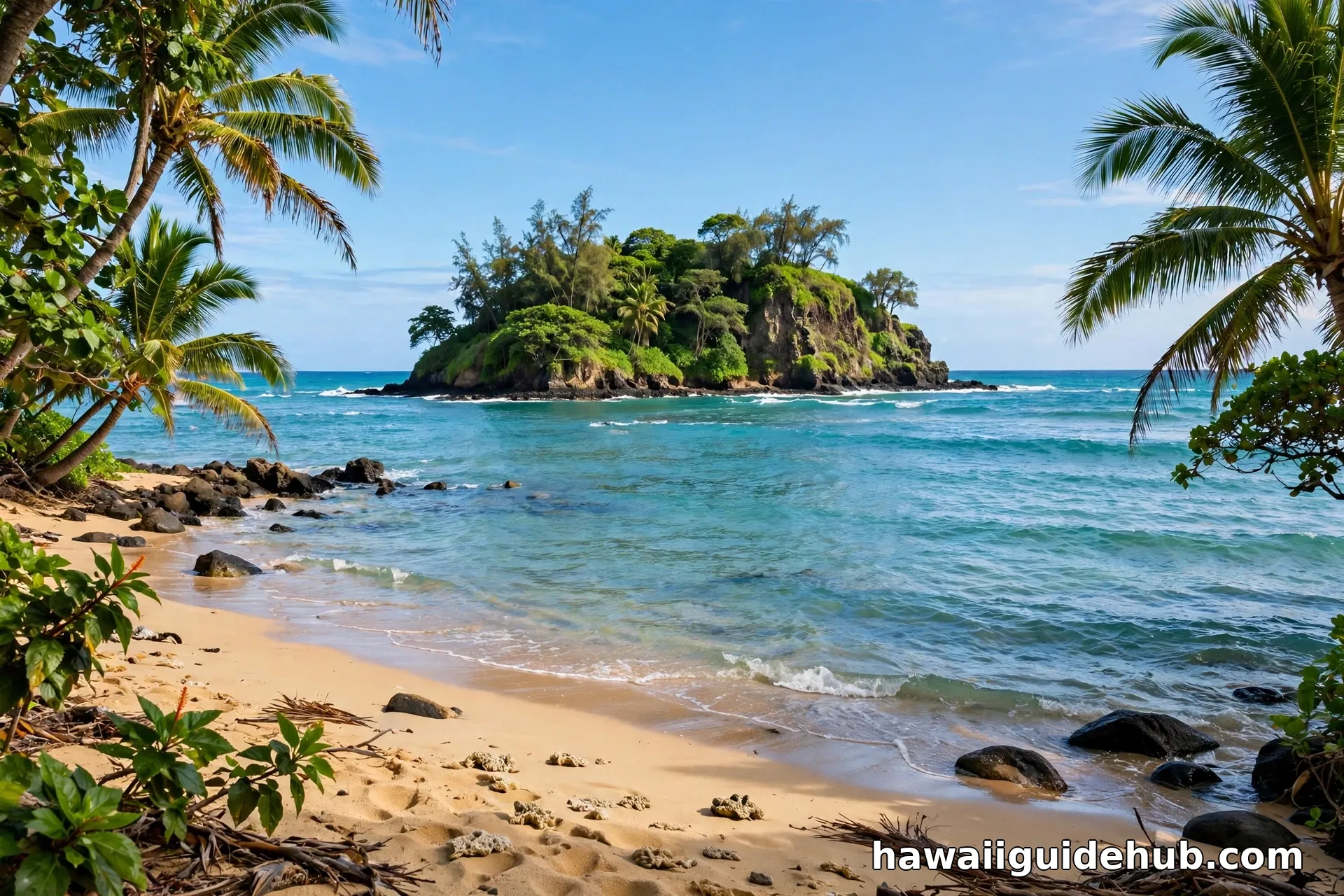
| The beach | About 1,000 feet long and 100 feet wide; salt-and-pepper sand in a crescent cove with 30-foot lava cliffs and Alau Island offshore |
| Facilities and cost | Restrooms and showers; no food vendors. Free; no reservation needed. |
| Getting there | Near Hana, east Maui, off Haneoʻo Road |
The Beach: Hana’s Famous Crescent
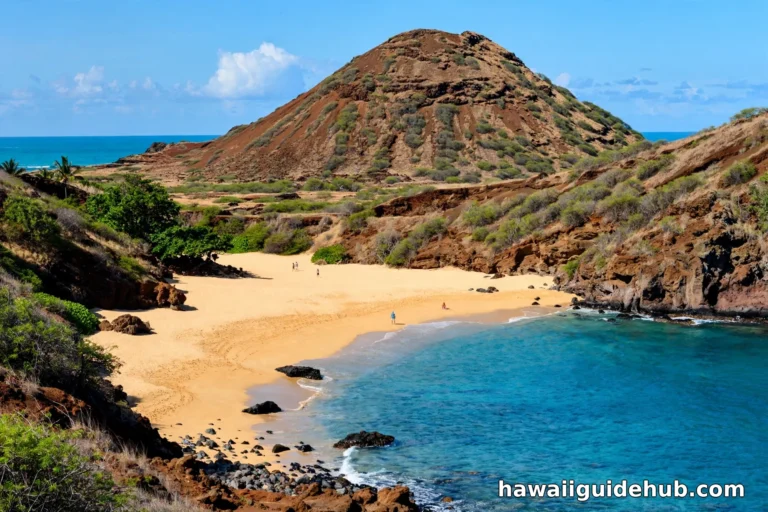
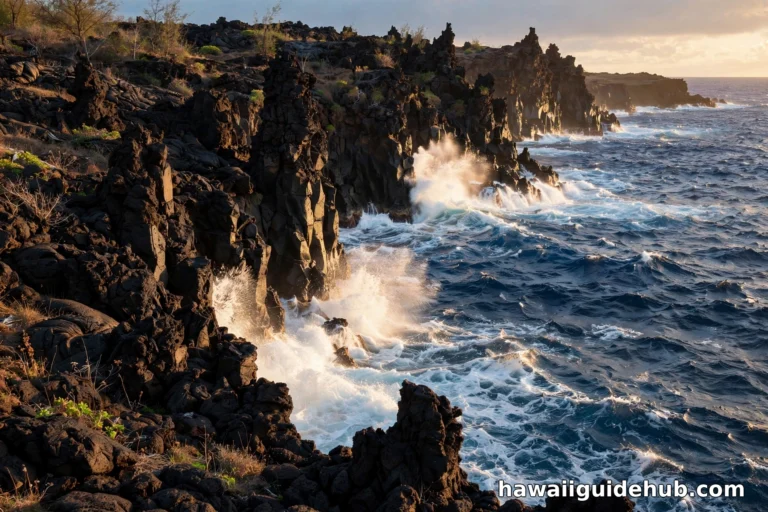
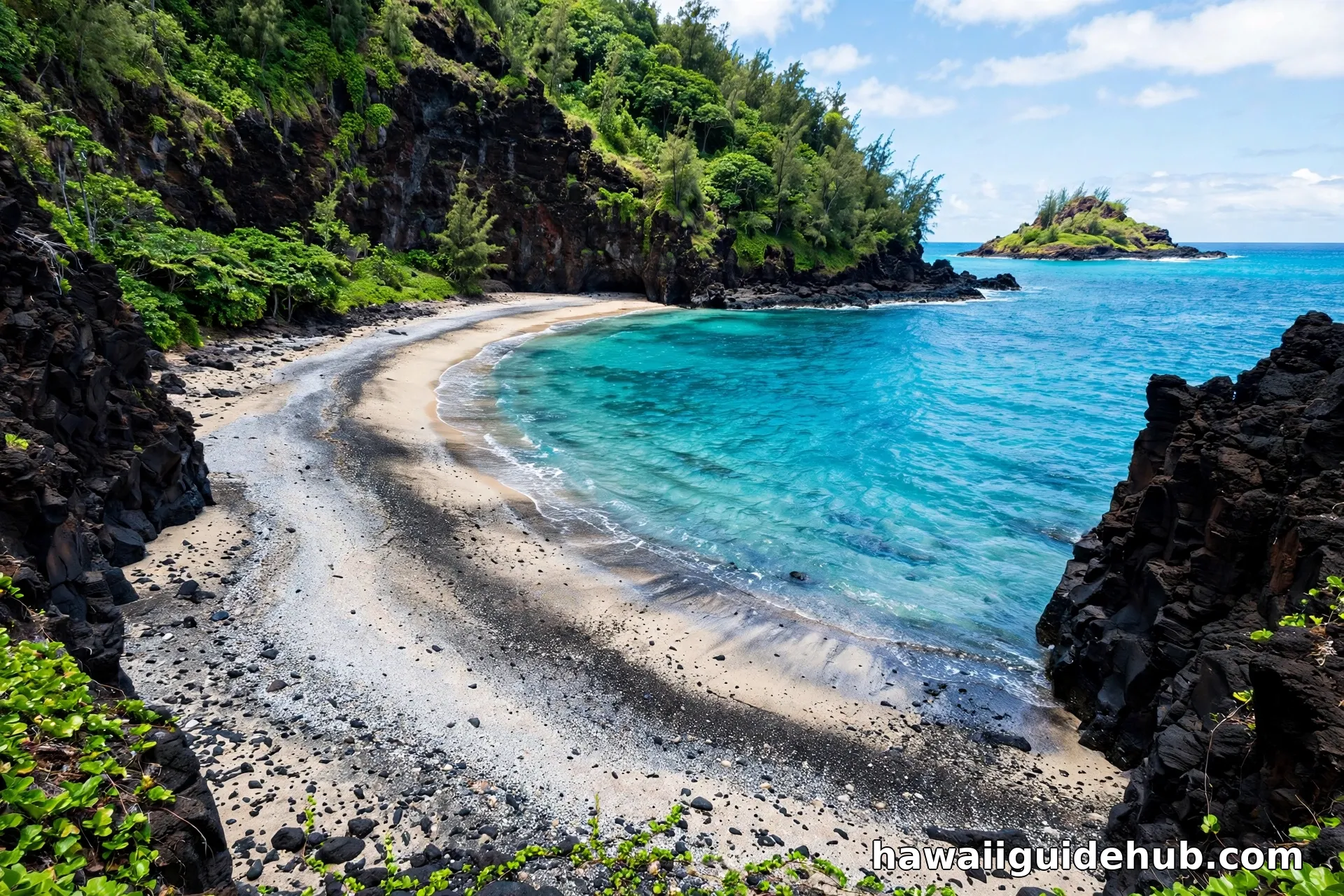
Hamoa Beach sits about 2.5 miles south of Hana town on Maui’s wild east coast, reached via the Road to Hana and then Haneoʻo Road. The beach is a near-perfect crescent of salt-and-pepper sand, a mix of white coral and black lava grains, about 1,000 feet long and 100 feet wide. Thirty-foot black lava cliffs wrapped in green vegetation frame the cove, hala trees offer shade, and the small island of Alau sits just offshore. The beach was historically known as Mokae and served as a launching site for outrigger canoes, vital for fishing and transportation in native Hawaiian life. Its surf, known as the waves of Pulehe, was once reserved for Hawaiian royalty. Author James Michener called it “a beach so perfectly formed that I wonder at its comparative obscurity,” and it has appeared on best-beaches lists for decades. If you are planning the drive, our guide to reasons to visit Maui will help you fit Hana into your trip.
Hamoa Beach Snorkeling: The Honest Truth
Let us be straight with you. Hamoa Beach is a world-class beach but a second-tier snorkeling spot, and that is fine. There is no outer reef to break the Pacific swells, so the water clarity and safety depend entirely on the day’s surf. On calm summer days, the water is clear and warm, and snorkeling along the edges of the cove is genuinely pleasant. Marine life can be sparse compared to Maui’s great reef snorkeling spots, but you will see tropical fish, and the underwater scenery of lava rock and sand is beautiful in its own right. Some visitors report seeing little marine life at all, while others have lovely swims, which tells you how much conditions matter. When the surf is up, which is common in winter, do not snorkel here at all: strong currents and surging water make it dangerous. Judge the ocean in front of you, not the photos you saw online.
When to Snorkel at Hamoa Beach
Summer and early fall bring the calmest water and the safest snorkeling, with the flattest conditions usually in the morning before the trade winds build. July and August are the peak months, with May, June, and September also offering good conditions on many days. Winter brings powerful swells that make the beach a bodysurfing and surf spot instead, and snorkeling should wait for another season. Even on a calm summer day, conditions can change quickly at an unprotected beach, so keep checking the water while you swim. For more on seasonal ocean patterns, see our guide to what time of year it rains in Hawaii.
Where to Snorkel in the Cove
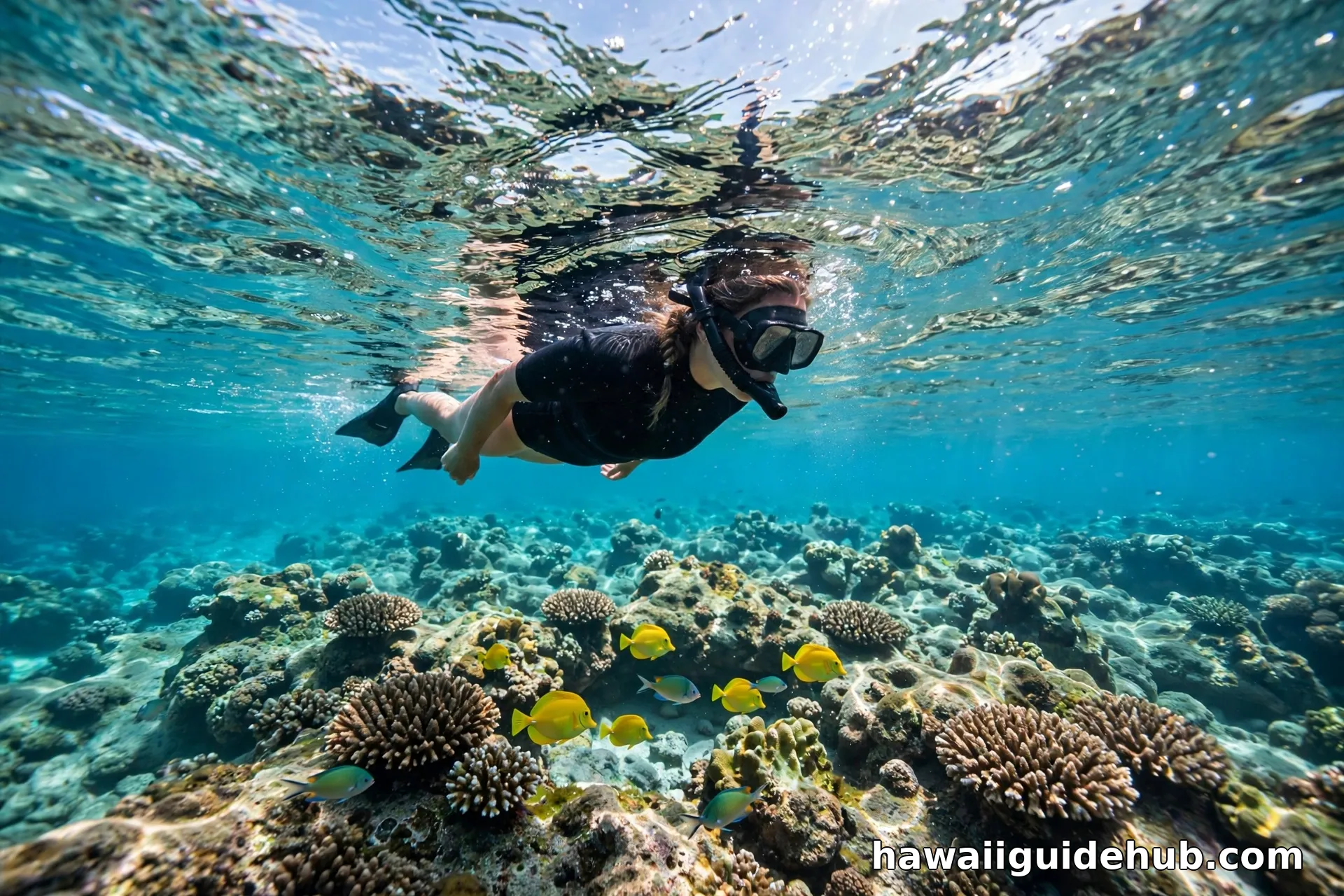
The calmest water for snorkeling is on the left side of the cove, where the curve of the beach offers the most shelter. Stay close to shore, over the sandy and rocky bottom near the edges, and do not swim out toward the points at either end of the beach, where currents run strongest. Do not attempt to swim to Alau Island: the channel between the island and the beach can carry a strong current even on calm-looking days, and the island is farther than it appears. Enter and exit the water carefully over sand rather than scrambling across sharp lava rock, and wear reef shoes if you have them. A good rule: if you have to ask whether it is calm enough, snorkel somewhere else that day.
What You Will See
Expect the classic Hawaiian reef fish: yellow tang, damselfish, wrasse, and the occasional parrotfish grazing the rocks. Sea turtles sometimes cruise through the cove, and lucky snorkelers spot them gliding over the sandy bottom. The underwater landscape is mostly volcanic rock and sand rather than big coral gardens, which is part of why the fish life is lighter here than at Maui’s famous reef spots. Visibility is excellent on calm days thanks to the lack of runoff and development: with so little construction anywhere near Hana, the water stays remarkably clear. Set your expectations for a beautiful swim with fish rather than an aquarium, and you will enjoy it.
Safety: Read This Before You Swim
There is no lifeguard at Hamoa Beach, so your judgment is the safety system. Never snorkel when the surf is up or when you see strong shorebreak. Watch for rip currents, especially near the ends of the cove, and if you feel yourself being pulled, swim parallel to shore until you are free, then head in. Snorkel with a buddy, stay within your abilities, and get out at the first sign of changing conditions. Do not touch coral or stand on the reef, and give sea turtles plenty of space: Hawaiian law requires keeping your distance from these protected animals. The ocean at an unprotected east Maui beach can go from inviting to dangerous faster than you expect. If you are not a confident swimmer, enjoy the sand and the scenery instead.
How to Get to Hamoa Beach
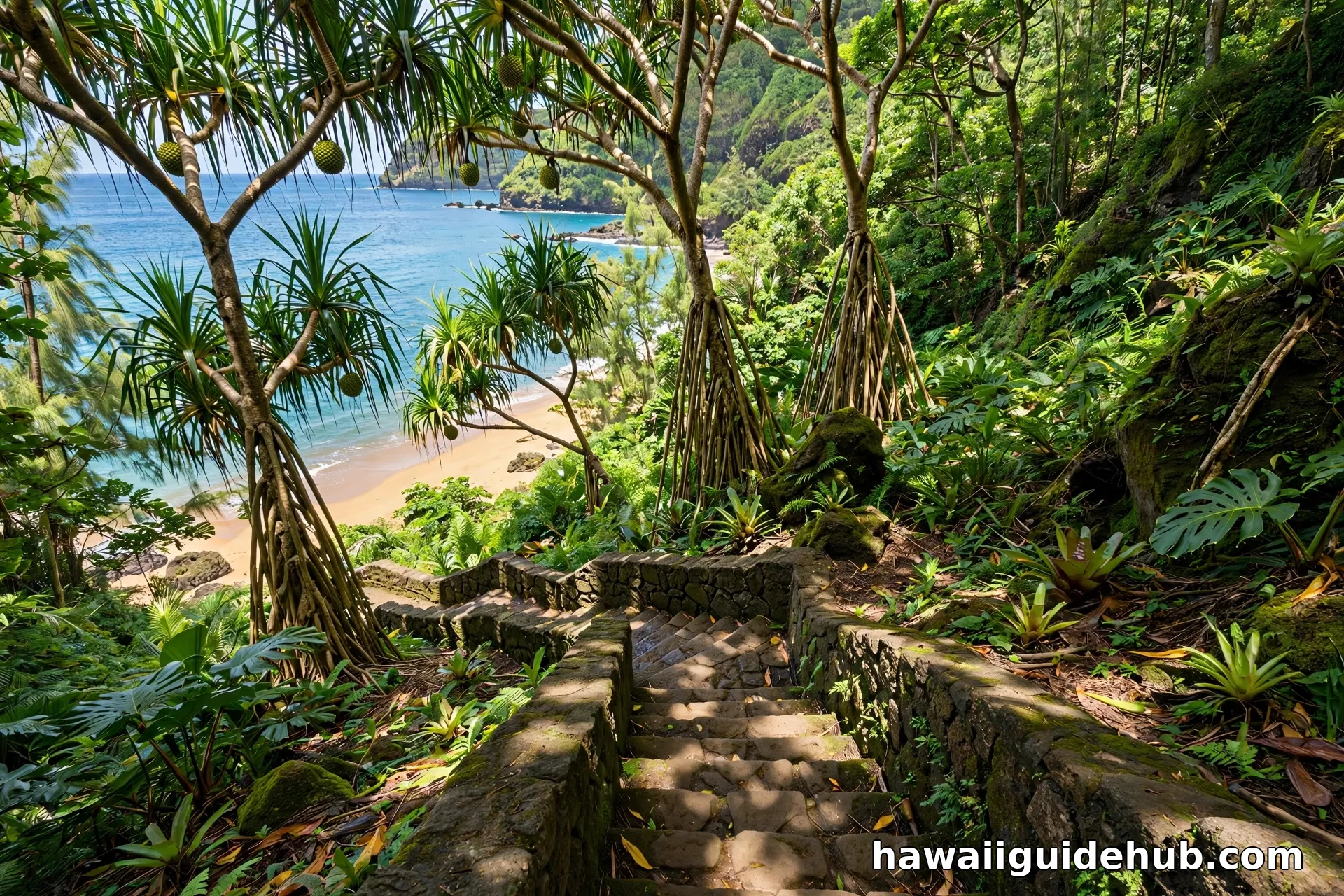
Hamoa Beach is reached via the Road to Hana, one of the world’s most scenic drives: 64 miles of winding road with 600-plus curves, waterfalls, and rainforest. Drive the Hana Highway all the way to Hana town, then continue south on Haneoʻo Road for about five minutes. From Kahului, the full drive to Hana takes 2 to 2.5 hours without stops, so start early and treat the journey as the attraction. Park on the roadside above the beach, being careful not to block driveways or the narrow road, since parking is limited. Two ways lead down: a staircase near the hotel shuttle drop-off, or a steep paved path. The Hotel Hana maintains the beach and runs a shuttle for its guests, but the beach itself is public and free, with no reservation needed. Arrive early for the easiest parking and the calmest water.
Facilities
Public restrooms and outdoor showers are available near the beach access, maintained along with the beach by the Hotel Hana. Hotel guests get extras like beach chairs, umbrellas, and shuttle service, but day visitors are welcome to the public facilities. There are no food vendors on the sand, so bring water, snacks, and everything else you need: Hana town is a few minutes away, but once you are on the beach you will not want to leave for supplies. Hala trees and the cliffs provide some natural shade, but bring reef-safe sunscreen anyway. There are no trash cans on the beach, so pack out everything you bring in and help keep this special place clean.
Beyond Snorkeling
Hamoa is a superb beach even without a mask. The bodysurfing and bodyboarding can be excellent when the swell is up, and local experts pick up waves right off the beach on good afternoons. The beach walks are beautiful, with the salt-and-pepper sand, the cliffs, and Alau Island providing endless scenery, and photographers will not want to leave. It is also a wonderful beach for simply doing nothing: the Hana side’s isolation keeps the crowds thin, and the sound of the surf against the cliffs is its own attraction. Nearby, Koki Beach offers red sand and dramatic cliffs, Hana town has food and shops, and the pools and waterfalls of the Kipahulu area reward the drive further. If Hana is part of a bigger Maui plan, our Wailea guide and first-time visitors guide cover the rest of the island.
Video: Maui’s Best Beaches and Snorkeling Spots
Tour Maui’s top beaches and snorkeling spots, including Hamoa Beach near Hana.
Frequently Asked Questions
Is snorkeling good at Hamoa Beach?
It is good on calm summer days, when the water is clear and the left side of the cove is sheltered. It is not one of Maui’s top snorkeling destinations: marine life can be sparse, there is no protective reef, and when the surf is up you should not snorkel at all. Think of it as a beautiful beach that sometimes offers nice snorkeling, rather than a snorkeling destination that happens to be beautiful.
What is the best month for Hamoa Beach snorkeling?
July and August typically offer the calmest water, with May, June, and September also good. Winter months bring strong surf that makes snorkeling unsafe, so plan winter visits for bodysurfing and beach time instead. Mornings are calmest, before the afternoon trade winds ruffle the surface.
Is Hamoa Beach safe for swimming?
In calm summer conditions, yes for confident swimmers who check the water first. There is no lifeguard, no protective reef, and rip currents can develop, so check conditions carefully, stay close to shore, and stay out when the surf is up. When in doubt, admire the waves from the sand.
Do you need to pay or reserve for Hamoa Beach?
No. The beach is public and free, with no reservation needed. Unlike Waiʻānapanapa State Park’s black sand beach nearby, which requires advance reservations for nonresidents, Hamoa has no entry system and no entry fee. Parking is free but limited to roadside spots above the beach, so arriving early is the best strategy on busy days.
Can beginners snorkel at Hamoa Beach?
Beginners can snorkel here on a truly calm summer morning, staying in the shallow left side of the cove close to shore. If there is any surf at all, beginners should skip it. Maui’s west side beaches, like those around Kaʻanapali and Kapalua, offer easier beginner snorkeling with protected reefs and lifeguards.
Is there coral at Hamoa Beach?
Some, but the underwater landscape is mostly volcanic rock and sand rather than extensive coral gardens. That is why the fish life is lighter here than at Maui’s famous reef snorkeling spots.
Hamoa Beach earns its fame with or without a snorkel: the crescent of salt-and-pepper sand, the green cliffs, Alau Island on the horizon. Go on a calm summer morning, snorkel the left side of the cove, respect the ocean’s power, and you will see why Michener wondered at it. Just remember that the same wild Pacific that made this beach beautiful demands your caution. Check the surf, swim with a buddy, and let the beach be what it is on the day you visit: sometimes a snorkeling cove, always a spectacular one. Hamoa rewards the travelers who make the journey.