
Best Time To Visit, Hawaiʻi
On this page
The Quick Answer
If you want the short version, here it is: Hawaiʻi is a year-round destination, and there is no single month when every island is at its best for everything. But if you want the sweet spot that balances good weather, manageable crowds, and fair prices, aim for April through June or September through November. These shoulder months bring warm, mostly dry weather across the islands, smaller crowds than the winter holidays and summer peak, and lodging rates that sit below the highest of the year.
For whale watching, December through April is the season, with January through March offering the most consistent sightings. For big-wave surf spectating on Oʻahu’s North Shore, November through February is the window. For the calmest ocean and easiest snorkeling, late spring through early fall is best on most islands. For the lowest prices, the weeks just after the winter holidays (mid-January through early March, excluding Presidents Day weekend) and the fall weeks between Labor Day and Thanksgiving tend to be the gentlest on budgets.
The rest of this guide explains the tradeoffs in detail, because the “best” month genuinely depends on what you want from the trip. A honeymooner, a big-wave surfer, a family chasing calm snorkeling water, and a budget traveler will each get a different answer, and each of those answers is covered below.
Hawaiʻi Weather by Season
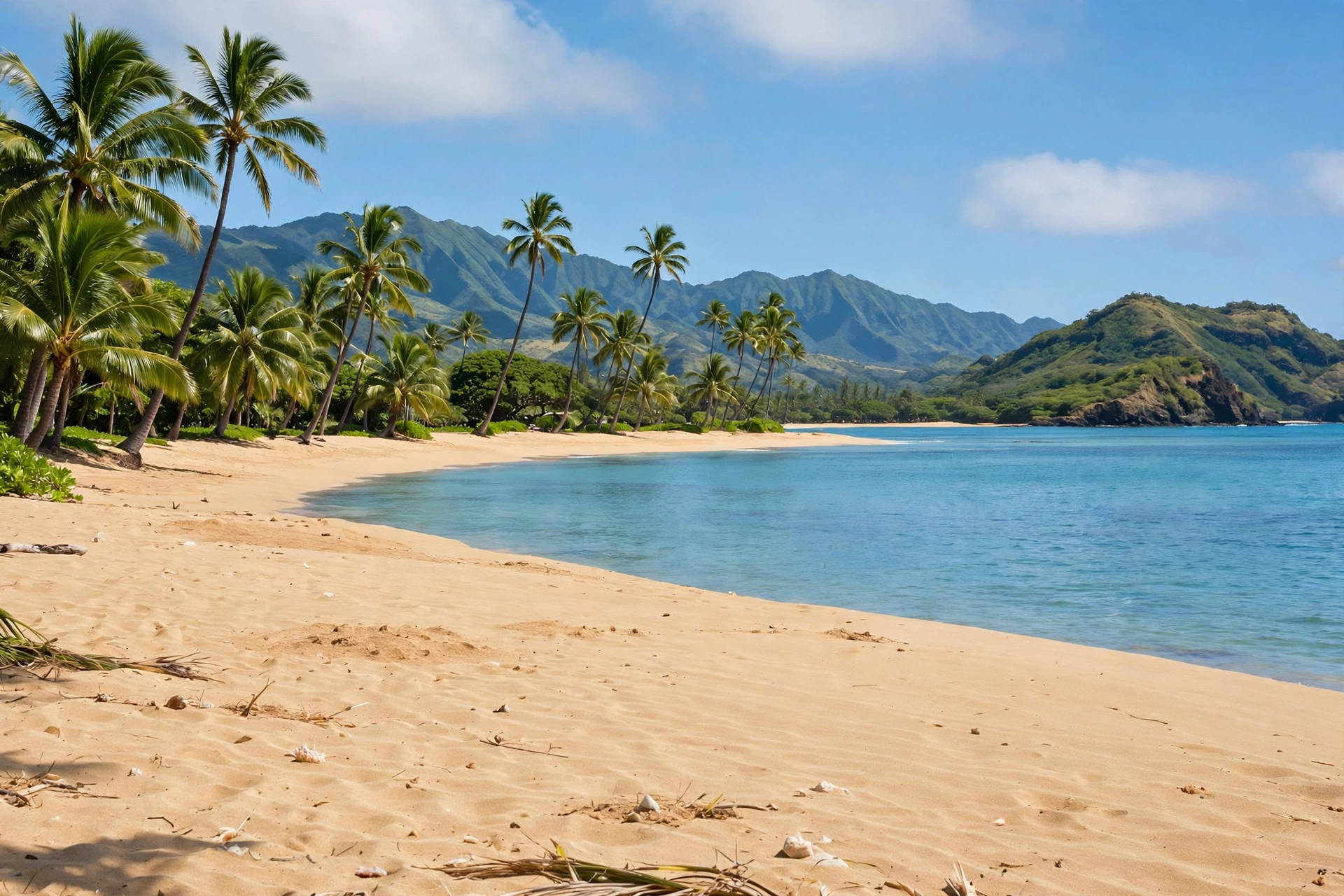
Hawaiʻi has two main seasons, and neither of them is extreme. Summer runs roughly April through October, and winter runs November through March. The difference between them is smaller than most visitors expect, but it matters for rain, surf, and ocean conditions.
Summer: April to October
Summer is the warmer, drier half of the year on the leeward (west and south) sides of the islands. Daytime highs in beach areas typically range from the low to mid 80s Fahrenheit, and nighttime lows sit in the low 70s. Trade winds blow steadily, usually 10 to 20 miles per hour, and they keep the air comfortable even at midday. Rainfall drops on the leeward coasts, which is why the resort areas of West Maui, the Kona coast, and the Poʻipū area of Kauaʻi are at their driest and sunniest in these months.
The trade wind weather pattern is the default setting of Hawaiʻi: clouds build over the interior mountains during the day, rain falls on the windward (east and north) sides and the summits, and the leeward coasts stay sunny. This pattern holds most of the time from April through October, interrupted mainly by brief episodes of Kona winds, which bring humid, still air and sometimes vog to the western sides of the islands.
Ocean temperatures are at their warmest in late summer, generally reaching the low 80s by August and September, which makes for the most comfortable long snorkeling and swimming sessions of the year. South-facing shores get their biggest swells in summer, so south shore surf spots on Oʻahu and the Big Island have their best waves then, while north-facing shores go calm and glassy, opening up north shore snorkeling that is too rough for most of the winter.
Winter: November to March
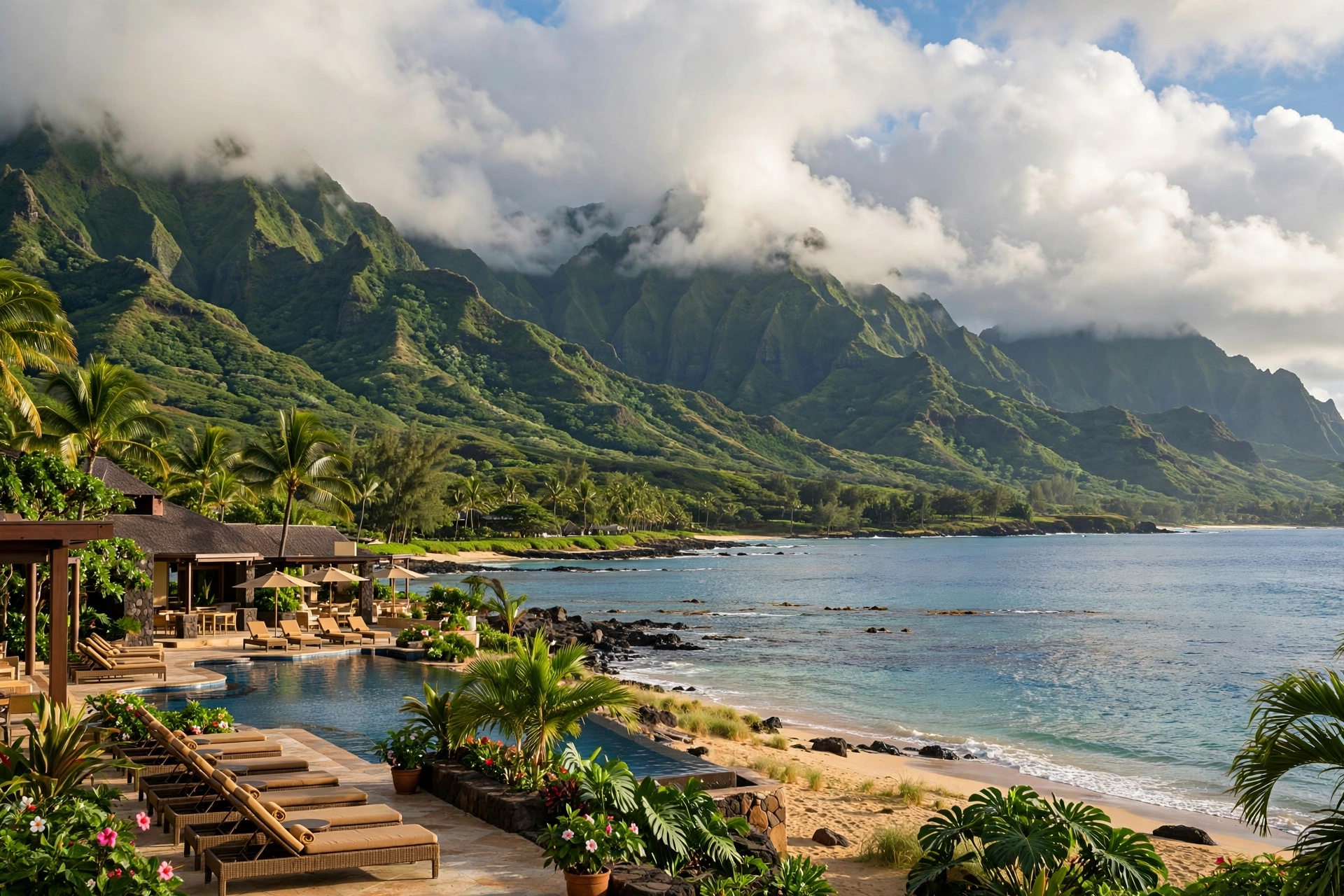
Winter is cooler, wetter, and wavier. Daytime highs in beach areas drop into the upper 70s to low 80s, and nighttime lows can reach the mid to upper 60s, which feels noticeably cooler after sunset, especially at elevation. Rainfall increases, particularly on the windward sides and the mountain interiors, and occasional winter storms (sometimes called Kona storms) can bring several days of rain and wind to the whole island chain.
This is also the season of big surf on north-facing shores. Swells generated by North Pacific storms arrive from November through February, and Oʻahu’s North Shore, in particular, sees the massive waves that make international headlines. These swells mean rough water and strong currents at north-facing beaches, so winter ocean swimming on those coasts is for experts only. South-facing shores are at their calmest in winter, which shifts the best swimming and snorkeling conditions to the south sides of the islands.
Ocean temperatures bottom out in February and March in the mid 70s, which is still comfortable for most swimmers, especially with a thin rash guard. Vog can be more noticeable in winter when Kona winds disrupt the trades for days at a time, particularly on the Big Island’s Kona side and sometimes drifting to the other islands.
What the Averages Hide
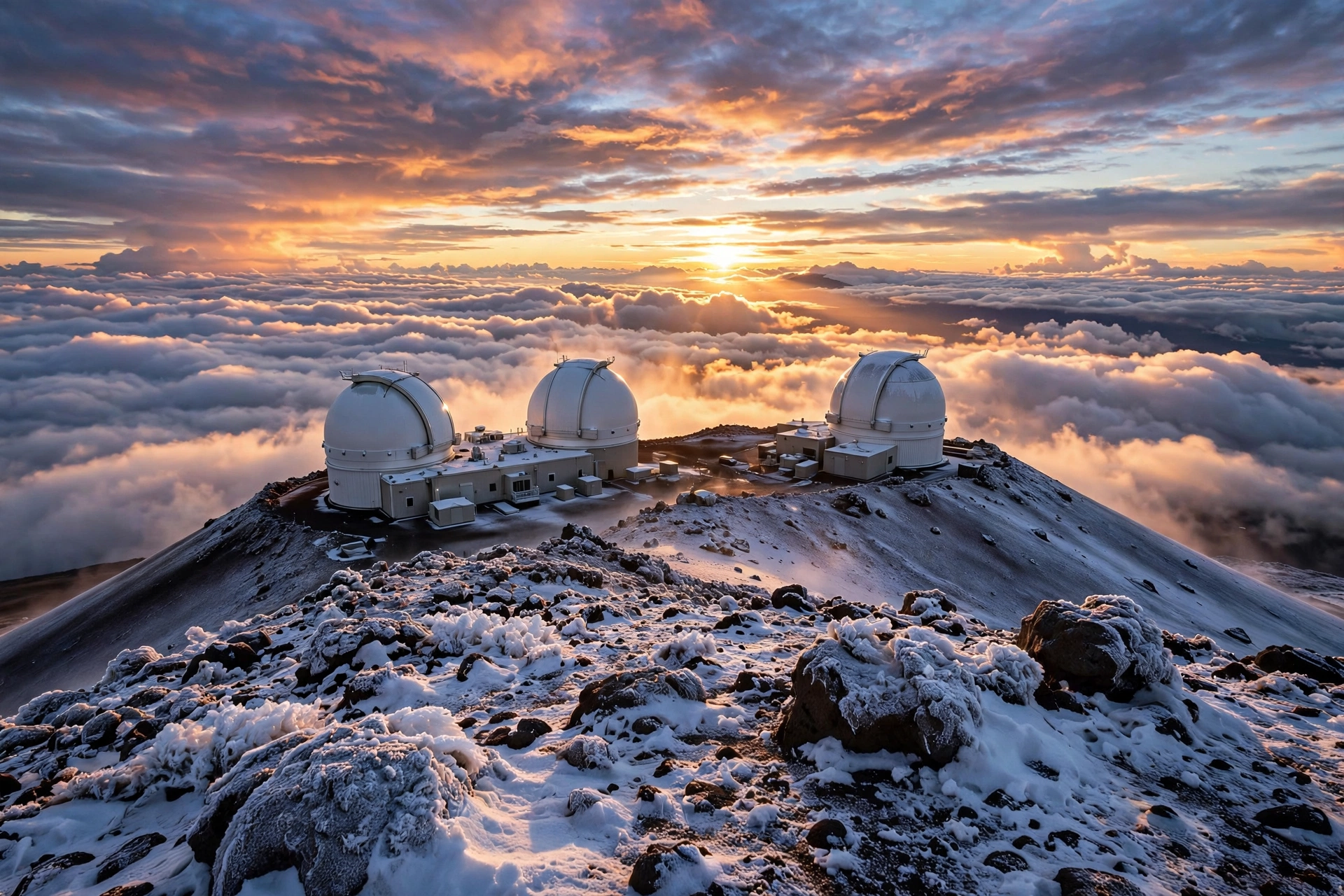
The island-wide averages hide dramatic local differences. The summit of Haleakalā on Maui can drop near freezing at night in winter, while the beach at Wailea, an hour’s drive away, sits in the low 70s. Mauna Kea and Mauna Loa on the Big Island get snow in winter. Meanwhile, the leeward resort coasts can stay almost rainless for weeks while the windward sides a few miles away get daily showers. This is why the island-specific weather pages matter for trip planning, and why “Hawaiʻi weather” as a single number is always an oversimplification. For detail by island, see our Maui weather, Kauaʻi weather, and Big Island weather guides.
Crowds and Prices
Hawaiʻi’s visitor patterns follow a predictable rhythm, and understanding it is the key to both a calmer trip and a cheaper one. Prices for flights and lodging move with demand, and the differences between peak and off-peak can be substantial.
Peak Season: Mid-December to March, Plus Summer
The busiest stretch of the year runs from about mid-December through March. Holiday weeks around Christmas and New Year are the single most crowded and most expensive period; many properties sell out and rates reach their annual highs. January through March stays busy with winter escapees, and Presidents Day weekend in February brings another sharp spike. June through August forms the second peak, driven by family summer vacations. Expect full beaches at the famous spots, booked-out restaurants, and the highest prices of the year outside the holidays.
During peak periods, book lodging and rental cars as far ahead as you can, make dinner reservations for popular restaurants, and plan major attractions (sunrise at Haleakalā, Pearl Harbor programs, popular snorkel cruises) with advance reservations. Showing up without a plan in peak season is the most common cause of visitor frustration.
Shoulder Season: April to June and September to November
The two shoulder windows are the best value periods of the year. April through June (after spring break ends) and September through November (after Labor Day, before Thanksgiving) bring thinner crowds and lower rates, with weather that is genuinely excellent. These are the months experienced Hawaiʻi travelers tend to choose. You will still need reservations for the most popular activities, but the pressure eases noticeably.
A useful rule of thumb: the weeks immediately following a holiday peak are the quietest. Mid-January after the holiday rush, the weeks after spring break, and the weeks after Thanksgiving but before Christmas are all relative bargains, though the January window comes with winter surf conditions on north shores.
Holiday Surges to Know
A few specific periods spike demand regardless of season: Christmas through New Year, Presidents Day weekend, spring break weeks (typically March), Golden Week (late April to early May, when Japanese visitation surges), and Thanksgiving week. If your dates are flexible, shifting a trip by even one week to avoid these surges can meaningfully reduce both crowds and cost.
Month by Month
January: Peak winter season. Whale watching is excellent, North Shore surf is at its biggest, and crowds are heavy through the first week before easing. Rain is most likely on windward sides. Ocean is rough on north-facing shores and calm on south-facing ones.
February: Arguably the best whale watching month, with the highest concentration of humpbacks. Presidents Day weekend brings a crowd and price spike. Weather is similar to January: cooler evenings, winter swells on north shores.
March: Whale season continues into early spring. Spring break weeks bring family crowds, so check school calendars. Rain begins to ease on leeward sides, and the weather starts its transition toward summer patterns.
April: The start of the spring shoulder season. Crowds thin after spring break, prices soften, and the weather is warm and pleasant. North shore swells fade, opening up more snorkeling options. A lovely month on every island.
May: One of the best all-around months. Warm, relatively dry, uncrowded (outside Golden Week), and fairly priced. Ocean conditions are calm on most coasts, and the summer surf season has not yet built on south shores.
June: Summer begins in earnest. Warm and dry on leeward coasts, calm ocean, great snorkeling. Family crowds start arriving mid-month as schools let out, and prices climb toward the summer peak.
July and August: Peak summer season. Hottest and driest on leeward sides, with ocean temperatures at their warmest. South shore surf is up. Crowds are heavy and prices high, but the weather is reliably excellent and the ocean is at its most inviting.
September: A hidden gem of a month. Summer crowds vanish after Labor Day, prices drop, the ocean is still warm, and the weather remains summer-like. Hurricane season is technically active, but direct hits are rare; the bigger consideration is simply that it is a quiet, pleasant month.
October: Another strong shoulder month. Warm weather, warm ocean, thinning crowds, and good value. Early winter swells can begin arriving on north-facing shores late in the month, and the first winter rains may appear on windward sides.
November: The transition month. Early November often still feels like fall, while late November brings the first real winter swells to north shores and the start of whale season in December. Thanksgiving week is a major crowd and price spike; the weeks around it are quiet.
December: Whale season begins in earnest, and the holiday period from mid-December through New Year is the busiest and priciest stretch of the year. Early December, before the holiday rush, can be a pleasant and relatively calm window with building whale numbers.
Whale Season
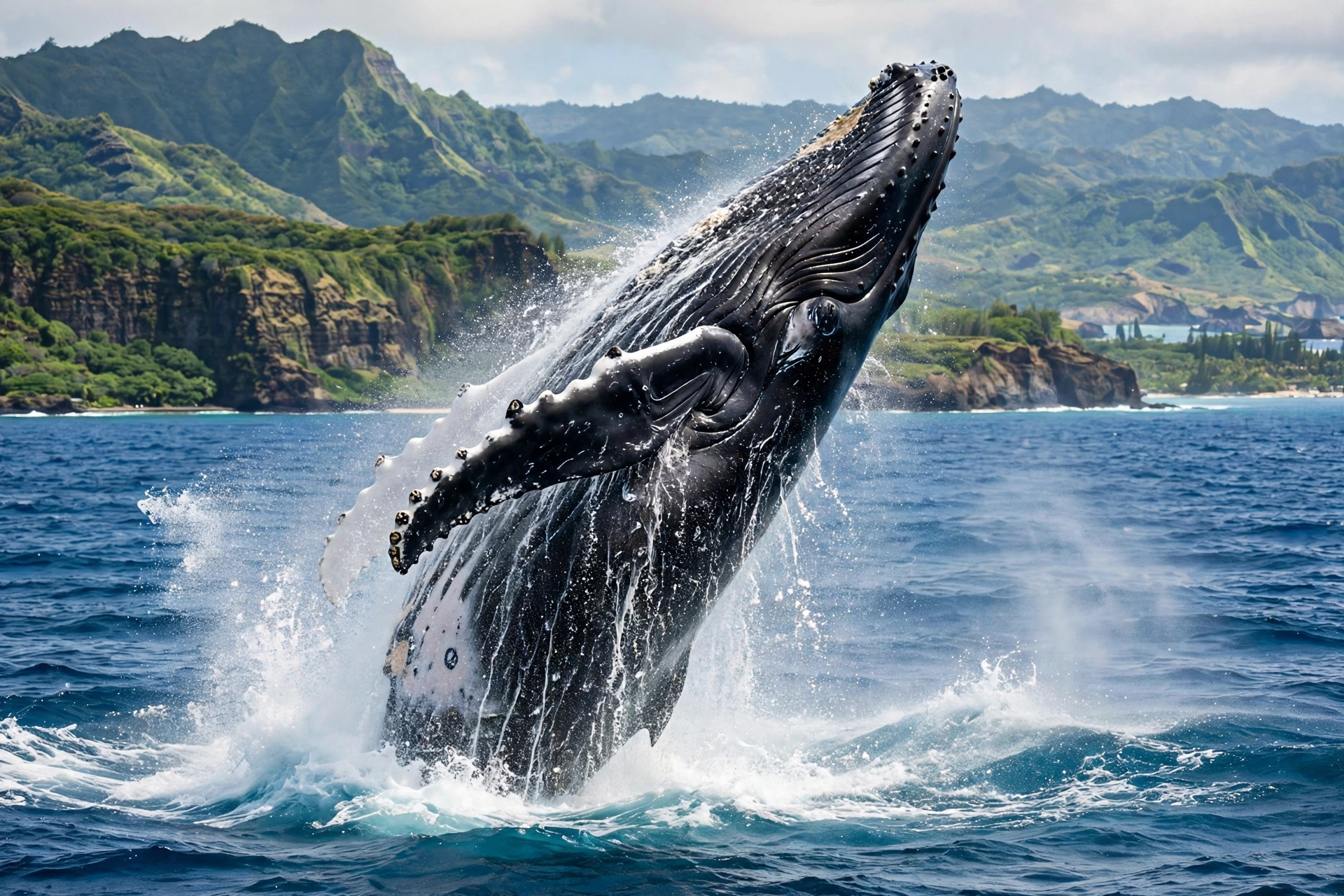
North Pacific humpback whales migrate to Hawaiʻi’s warm, shallow waters each winter to breed, calve, and nurse their young. The season runs from December through April, with the peak concentration typically from January through March. During these months, whales can be seen from shore on every island, and dedicated whale watching outings run from the main harbors.
The ʻAuʻau Channel between Maui, Lānaʻi, and Molokaʻi is one of the most reliable whale watching areas in the world, which is why Maui is the most popular island for whale-focused trips. But whales are visible from shore lookouts on Oʻahu, Kauaʻi, and the Big Island too, particularly from elevated points facing deep water. Mothers with calves often stay close to shore, and on calm mornings you can sometimes hear whale song through the hull of a boat or even while snorkeling.
Federal law requires vessels to stay at least 100 yards from humpback whales, and approaching whales by any means, including paddleboards and kayaks, is regulated. If you are planning a trip specifically around whales, February offers the best combination of peak whale numbers and slightly easing crowds after the holiday peak. Book whale watching outings in advance during January through March, as the most popular departure times fill up.
Surf Seasons
Hawaiʻi’s surf follows the seasons in a pattern that is almost perfectly reversed between north-facing and south-facing shores. Understanding this is essential both for surfers and for swimmers, because big surf means dangerous swimming conditions.
Winter (November to February): North-facing shores get their biggest waves of the year from North Pacific winter storms. Oʻahu’s North Shore, famous worldwide, sees its legendary swells in this window, along with the North Shore of Maui (including Jaws/Peʻahi for tow surfing) and north-facing breaks on Kauaʻi and the Big Island. These waves are for expert surfers only, and the same swells make north-facing beaches dangerous for casual swimming and snorkeling. This is the season to watch the pros, not to learn.
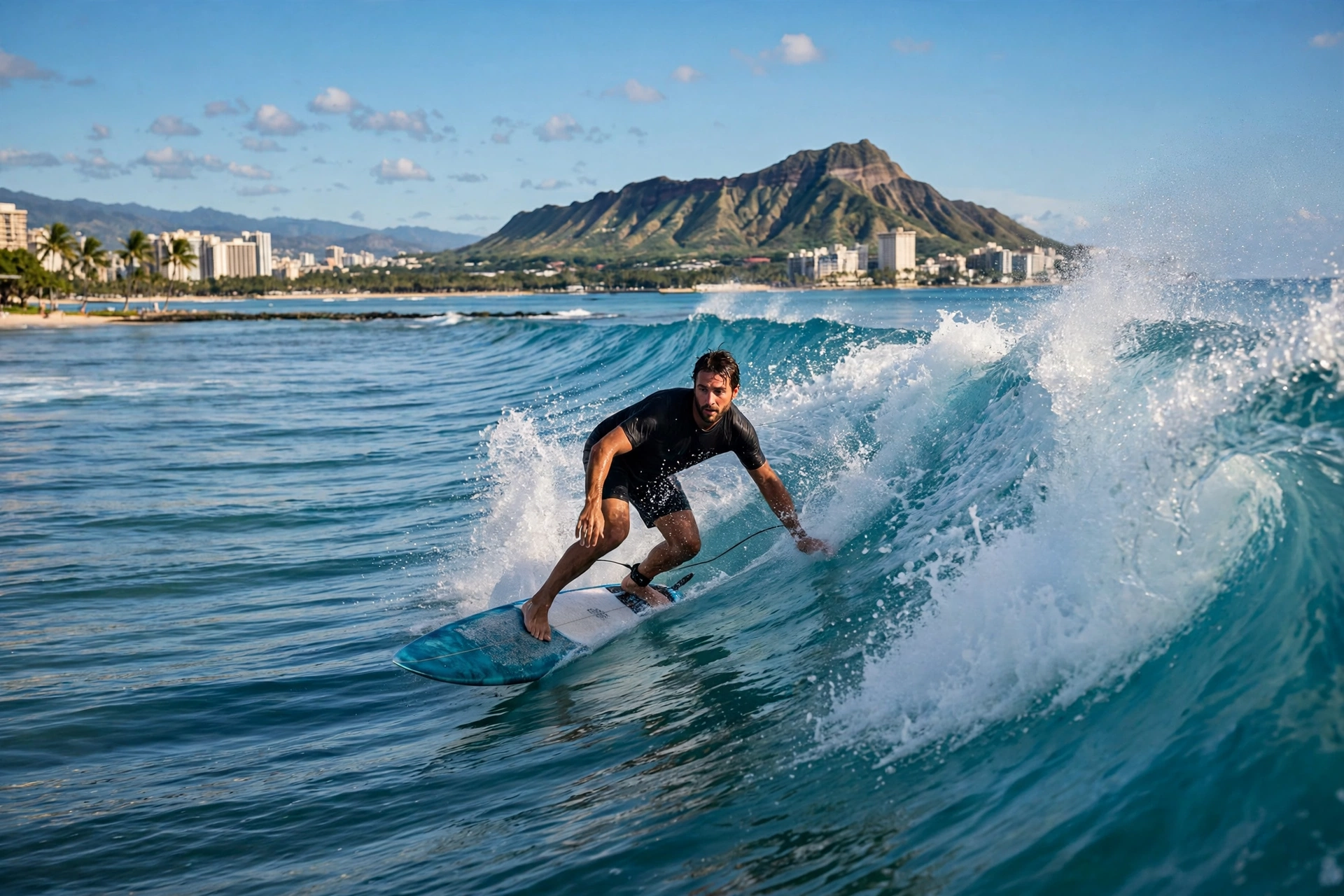
Summer (May to September): South-facing shores take over. South shore Oʻahu (Waikīkī, Ala Moana), the Kona coast, and south-facing Kauaʻi breaks get their best waves of the year, generally smaller and more manageable than winter north shore surf. This is the best season to learn to surf, with gentle, consistent waves at the classic beginner breaks. North-facing shores go flat and calm, opening up north shore snorkeling and swimming.
Spring and fall: The transition months can bring surf from either direction as the seasons change. October and April in particular can see overlapping swells. Always check the daily surf forecast before entering the water anywhere in Hawaiʻi, and respect posted warnings. When in doubt, choose a lifeguarded beach and ask the lifeguards about conditions.
Best Time by Goal
Best beaches and swimming: Late April through October, when the ocean is warmest and most coasts are calm. For north shore beaches specifically, summer is the only safe season for casual swimming.
Best snorkeling: May through September, when water clarity and calm conditions peak on most coasts. Mornings are almost always better than afternoons, when trade winds chop up the surface.
Best whale watching: January through March, with February as the peak. Book outings ahead and choose morning departures for the calmest water.
Best surfing (to ride): Beginners should come in summer for gentle south shore waves. Experienced surfers chase winter north shore swells from November through February.
Best surfing (to watch): November through February on Oʻahu’s North Shore, when the big-wave season and surf competitions run.
Best hiking: April through June and September through November, when temperatures are comfortable and trails are less muddy than in midwinter. High-elevation hikes are best in summer for the clearest views.
Best budget trip: Late April to early June and September to early November for the best combination of low prices and good weather. Mid-January (after the holidays) is another value window, with winter ocean conditions.
Best honeymoon: May, September, or October, when the weather is beautiful, the crowds are thin, and the atmosphere is relaxed. These months also tend to offer the best availability at the most romantic properties.
Best family trip: June through August works well for school schedules, with warm water and reliable weather, though it costs more. Late April and early June can capture good weather with smaller crowds if school calendars allow.
How the Islands Differ
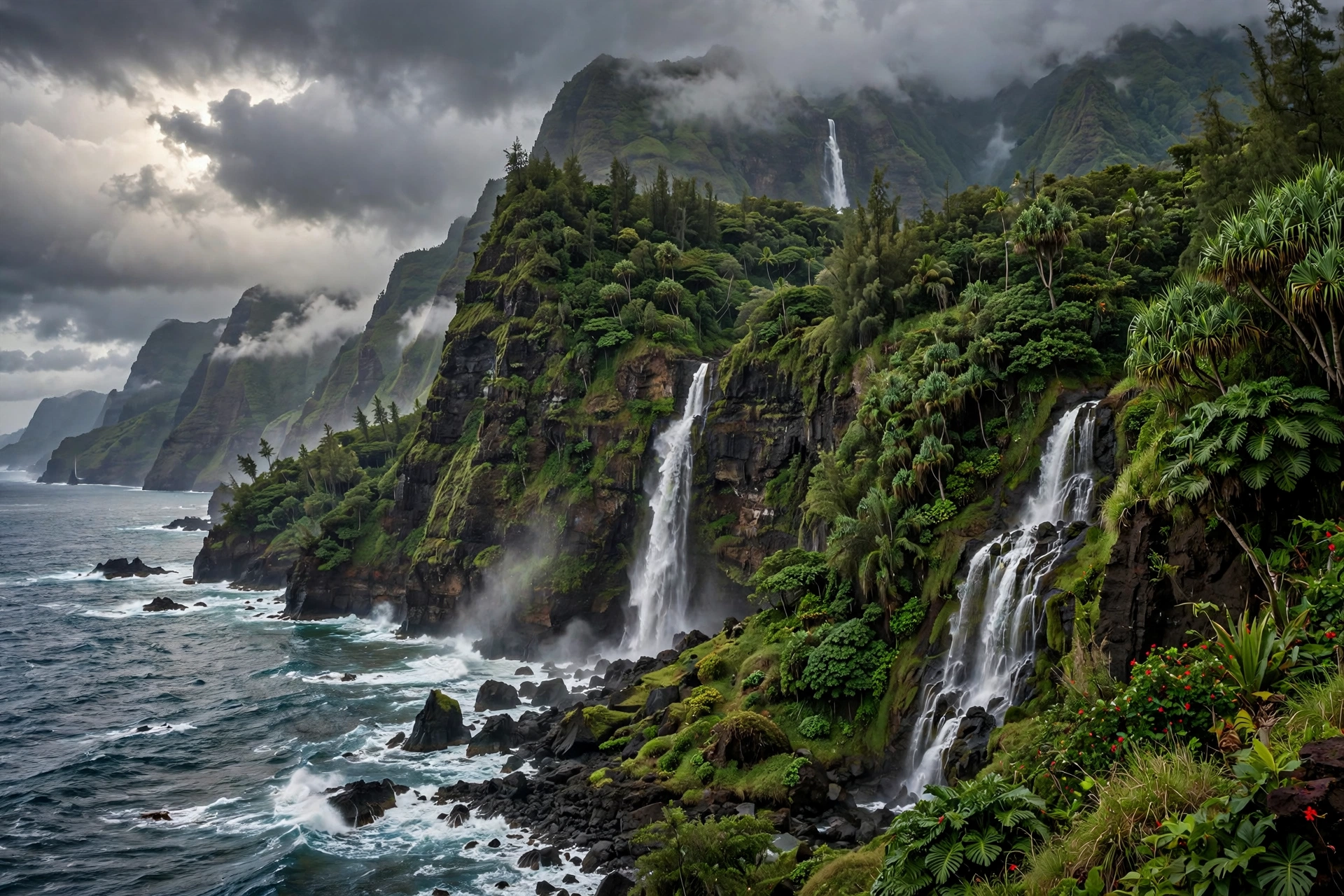
The seasonal patterns above apply across the island chain, but each island has its own character. Oʻahu’s Waikīkī and south shore are the most consistently swimmable year-round, sheltered from the biggest winter swells. Maui’s leeward west and south coasts are famously sunny, with the island’s high interior creating a strong rain shadow. Kauaʻi is the wettest and greenest of the main islands, with more rain year-round, particularly on the North Shore and around Mount Waiʻaleʻale, one of the wettest places on earth.
The Big Island contains nearly every climate zone on earth, from tropical beaches to the snowy summits of Mauna Kea and Mauna Loa. The Kona (west) side is dry and sunny, the Hilo (east) side is lush and rainy, and the difference can be dramatic on the same day. Molokaʻi and Lānaʻi follow the same general patterns on a smaller scale, with their south shores calmest in summer and north shores exposed in winter.
Elevation matters as much as island choice. Lānaʻi City and the upland areas of Maui and the Big Island run noticeably cooler than the beaches, and winter nights at elevation can require a jacket. If your trip includes Haleakalā sunrise, Mauna Kea stargazing, or Kōkeʻe on Kauaʻi, pack layers regardless of the month.
Frequently Asked Questions
What is the absolute best month to visit Hawaiʻi?
There is no single best month for everything, but May and September are the strongest all-around answers: warm and mostly dry weather, warm ocean, thin crowds, and fair prices. Choose December through March if whales are the priority, and November through February if you want to watch big-wave surfing.
When is the cheapest time to visit Hawaiʻi?
The lowest prices generally fall in the shoulder seasons: mid-April through early June and September through early November. The weeks right after the Christmas and New Year holidays (mid-January) are also relatively affordable, though you trade summer ocean conditions for winter ones.
When is hurricane season in Hawaiʻi?
The Central Pacific hurricane season runs June through November. Direct hurricane hits on the Hawaiian Islands are rare, but tropical systems can bring heavy rain, high surf, and wind at any point in the season, with August through October historically the most active months. Standard travel insurance is worth considering for fall trips.
Is there a rainy season in Hawaiʻi?
Yes, roughly November through March, when winter storms bring more frequent rain, especially to windward (east and north facing) areas and mountain interiors. But “rainy season” in Hawaiʻi still means plenty of sunshine on the leeward coasts, and full washout days are uncommon on the resort sides of the islands.
Can you swim in the ocean in Hawaiʻi in winter?
Yes, on the right coasts. Winter ocean temperatures stay in the mid 70s, which most swimmers find comfortable. The key is choosing sheltered, south-facing beaches in winter, since north-facing shores get large, dangerous surf from November through February. Always check conditions and prefer lifeguarded beaches.
When can you see whales in Hawaiʻi?
Humpback whale season runs December through April, with the highest numbers from January through March. Maui’s ʻAuʻau Channel is the most famous viewing area, but whales are visible from shore on all the main islands during the season.
What is the best time to visit Hawaiʻi for snorkeling?
May through September offers the calmest water and best visibility on most coasts, with the warmest ocean temperatures. Go in the morning before the trade winds pick up, and match the coast to the season: north shores in summer, south shores in winter.
Should I avoid visiting during the winter holidays?
Not necessarily, but know what you are getting into. The Christmas to New Year period has the highest prices and biggest crowds of the year, and many places book out far in advance. If you do go then, plan and reserve everything early. If your dates are flexible, the weeks just before or after the holidays offer a much calmer experience.
Related Guides
- Hawaiʻi Map: Islands, Regions & Distances
- Maui Weather: Seasons, Rain & Microclimates
- Kauaʻi Weather: Seasons, Rain & Microclimates
- Big Island Weather: Seasons, Rain & Microclimates
- Best Beaches in Hawaiʻi
- Best Beaches on Maui
- Best Beaches on Oʻahu
- Best Beaches on Kauaʻi
A Final Note
The honest truth about timing a Hawaiʻi trip is that the islands reward visitors in every month of the year. The differences between a good month and a great month are real but modest: a few degrees of ocean temperature, a shift in which coast is calm, a thinner or thicker crowd at the famous overlooks. Travelers who pick the month that fits their priorities, book the key reservations early, and stay flexible about which beach or trail they visit on a given day will have a wonderful trip whenever they come. The calendar matters less than the planning, and Hawaiʻi’s weather, even at its winter worst, is better than what most visitors left behind at home.